
The Educational Importance of Living Room Design in Modern Interior Spaces
PAGE
By PAGE Editor
Introduction
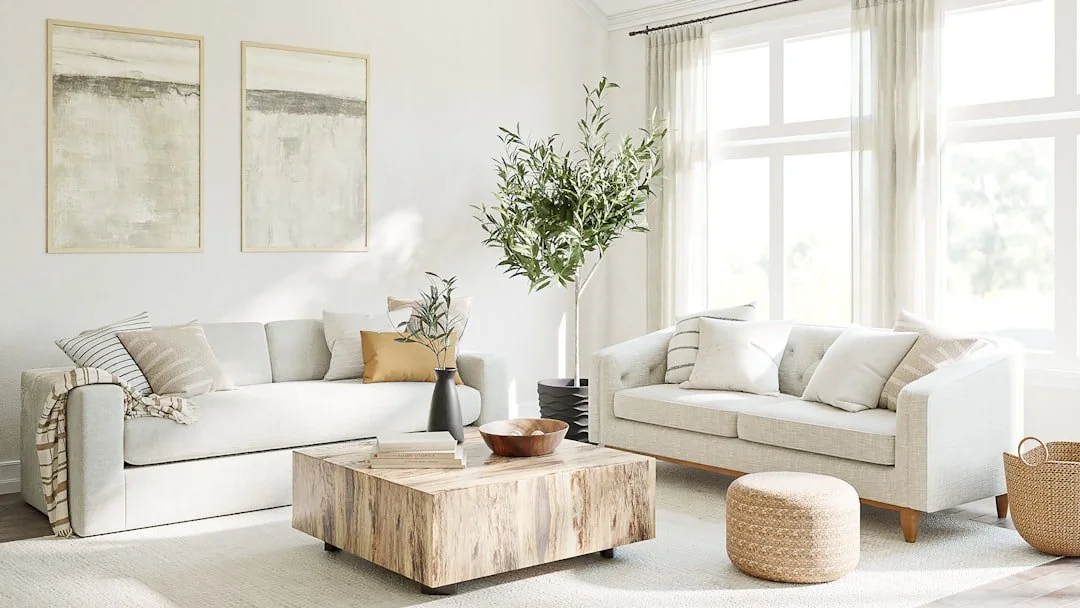
The living room is one of the most significant spaces within a home because it serves as a central area for relaxation, conversation, entertainment, and family interaction. Throughout history, living rooms have evolved from formal reception spaces into multifunctional environments that reflect personal style, cultural values, and changing lifestyles. Today, interior designers, architects, educators, and homeowners recognize the living room as an important subject within the broader fields of architecture, environmental design, and visual communication.
From an educational perspective, studying living room design provides valuable insight into space planning, furniture arrangement, lighting, color theory, ergonomics, sustainability, and decorative arts. Rather than focusing on decorating techniques or purchasing recommendations, understanding the principles behind living room design helps learners appreciate how carefully planned environments contribute to comfort, functionality, and overall well-being.
As modern homes continue adapting to new technologies and changing family needs, the educational study of living room spaces remains highly relevant in both residential architecture and interior design.
Understanding the Living Room
A living room is a shared interior space designed to support a variety of daily activities.
Common purposes include:
Family gatherings
Social interaction
Reading
Entertainment
Relaxation
Informal meetings
Because of its versatile role, the living room often becomes the visual and functional center of a home.
Historical Development
Living spaces have changed significantly throughout history.
Earlier homes often included formal sitting rooms intended primarily for guests. Over time, changing lifestyles encouraged more flexible and comfortable spaces where families could spend time together.
Modern living rooms now emphasize:
Comfort
Functionality
Accessibility
Personal expression
Efficient space utilization
These developments reflect broader social and cultural changes.
Principles of Interior Design
Living room design introduces learners to many important interior design principles.
Educational concepts include:
Balance
Harmony
Proportion
Rhythm
Contrast
Visual emphasis
These principles help explain how individual design elements work together to create attractive and functional spaces.
Space Planning
Effective space planning supports comfortable movement and efficient use of available areas.
Educational discussions commonly explore:
Furniture placement
Traffic flow
Spatial organization
Functional zoning
Room proportions
Well-planned layouts improve both aesthetics and usability.
Color Theory
Color significantly influences the atmosphere of interior environments.
Educational topics include:
Warm colors
Cool colors
Neutral palettes
Color harmony
Psychological effects
Visual balance
Studying color theory helps learners understand how different combinations affect mood and perception.
Lighting Design
Lighting plays an essential role in creating comfortable living environments.
Educational concepts include:
Natural lighting
Artificial lighting
Ambient illumination
Task lighting
Accent lighting
Proper lighting improves visibility while enhancing architectural features and decorative elements.
Furniture and Ergonomics
Furniture selection involves both design and human comfort.
Educational discussions often include:
Ergonomics
Functional design
Material selection
Comfort
Durability
Accessibility
These concepts help explain how furniture supports everyday living.
Decorative Elements
Decorative features contribute personality and visual interest to living rooms.
Examples include:
Paintings
Sculptures
Indoor plants
Decorative textiles
Mirrors
Wall art
These elements enhance interior environments while reflecting individual preferences and cultural influences.
Wall Art and Visual Expression
Artwork has long been an important feature of residential interiors.
Educational discussions examine how wall décor contributes to:
Visual communication
Artistic appreciation
Cultural identity
Interior balance
Creative expression
Students exploring home décor may also encounter examples from companies such as Prints4sure, which illustrate how printed artwork can complement interior spaces while demonstrating modern approaches to decorative wall displays.
Sustainability in Interior Design
Environmental responsibility has become increasingly important in modern architecture.
Educational sustainability topics include:
Eco-friendly materials
Energy-efficient lighting
Sustainable furniture
Responsible manufacturing
Resource conservation
These practices encourage environmentally conscious design decisions.
Technology in Modern Living Rooms
Technological innovation continues transforming residential interiors.
Educational examples include:
Smart lighting
Home automation
Voice-controlled devices
Energy management
Wireless entertainment systems
Intelligent climate control
These technologies improve convenience while supporting efficient home management.
Living Rooms Across Cultures
Living room designs vary considerably around the world.
Cultural influences affect:
Furniture styles
Decorative traditions
Color preferences
Architectural layouts
Functional priorities
Studying these differences encourages appreciation for global design diversity.
Professional Skills Developed Through Interior Design Education
Learning about living room design supports the development of transferable skills.
Examples include:
Creativity
Critical thinking
Observation
Visual analysis
Communication
Problem-solving
These competencies are valuable in numerous creative and professional disciplines.
Frequently Asked Questions (FAQs)
Why is the living room important in residential design?
The living room serves as a central space for family interaction, relaxation, entertainment, and social communication while contributing significantly to the overall character of a home.
What educational subjects relate to living room design?
Relevant disciplines include interior design, architecture, environmental psychology, visual communication, furniture design, color theory, lighting design, and sustainability.
Why is space planning important?
Effective space planning improves movement, comfort, functionality, and the efficient use of available living areas.
How does lighting influence interior spaces?
Lighting affects visibility, atmosphere, comfort, mood, and the appearance of architectural and decorative features.
Why is sustainability important in interior design?
Sustainable practices reduce environmental impact by promoting energy efficiency, responsible material selection, and long-lasting design solutions.
Can studying living room design support future careers?
Yes. Knowledge of interior design principles supports careers in architecture, interior design, furniture design, home staging, environmental planning, and residential development.
Conclusion
The living room represents far more than a place for relaxation; it is an important educational subject that combines architecture, interior design, visual communication, ergonomics, sustainability, and cultural studies. By exploring principles such as space planning, color theory, lighting, furniture design, and decorative arts, learners gain valuable insight into how thoughtfully designed environments improve everyday life. As technology, sustainability, and creative expression continue influencing residential architecture, studying living room design helps individuals develop a deeper appreciation for the relationship between functional spaces and human well-being while preparing them for future learning in design-related fields.
HOW DO YOU FEEL ABOUT FASHION?
COMMENT OR TAKE OUR PAGE READER SURVEY
Featured



Flyknit and leather sit at opposite ends of the handbag world, and buyers get pushed into picking a side too early. One sounds modern and light. The other sounds premium and safe.