
The Importance of Proper Planning and Execution in Creating Beautiful and Functional Outdoor Environments
PAGE
By PAGE Editor
Designing outdoor environments that are both visually appealing and highly functional requires more than just planting trees or placing decorative elements. It involves a carefully structured process that begins with planning and continues through precise execution, ensuring that every detail contributes to a cohesive and long-lasting result. A successful outdoor transformation depends on thoughtful design choices, proper material selection, environmental awareness, and ongoing maintenance considerations. A well-managed landscape installation brings all these elements together to create spaces that are not only attractive but also practical and sustainable.Outdoor environments serve multiple purposes, from providing relaxation and recreation to improving property value and enhancing environmental quality. However, achieving these benefits requires a strategic approach that considers how each element interacts with the surrounding space. Without proper planning, even the most expensive materials or plants can fail to deliver the desired results. This is why structured design and execution are essential for long-term success in outdoor development projects.
The Foundation of Successful Outdoor Planning
Every successful outdoor project begins with a clear and detailed plan. Planning involves analyzing the available space, understanding its natural characteristics, and defining how the area will be used. This stage is critical because it determines the direction of the entire project.Factors such as sunlight exposure, soil quality, drainage patterns, and existing structures must be carefully evaluated. These environmental conditions influence plant selection, layout design, and structural placement. Ignoring these elements can lead to long-term issues such as poor plant growth, water accumulation, or uneven terrain usage.A well-structured landscape installation always begins with this foundational planning stage, ensuring that every decision is based on environmental suitability and long-term performance rather than short-term appearance.
Importance of Soil Preparation and Ground Conditions
Soil is one of the most important components in any outdoor environment. It provides nutrients, stability, and water retention necessary for plant growth and structural support. Poor soil conditions can severely limit the success of any landscaping project.Before any planting or construction begins, soil must be properly prepared. This may include clearing debris, loosening compacted areas, adding organic matter, and improving drainage. Each step ensures that the soil can support healthy root development and proper water absorption.Different soil types behave differently. Clay-heavy soil retains moisture but may drain poorly, while sandy soil drains quickly but may lack nutrients. Proper balancing of soil conditions ensures that plants receive the right environment for growth.A successful landscape installation always prioritizes soil preparation as a key step in achieving long-term stability and plant health.
Designing with Purpose and Functionality
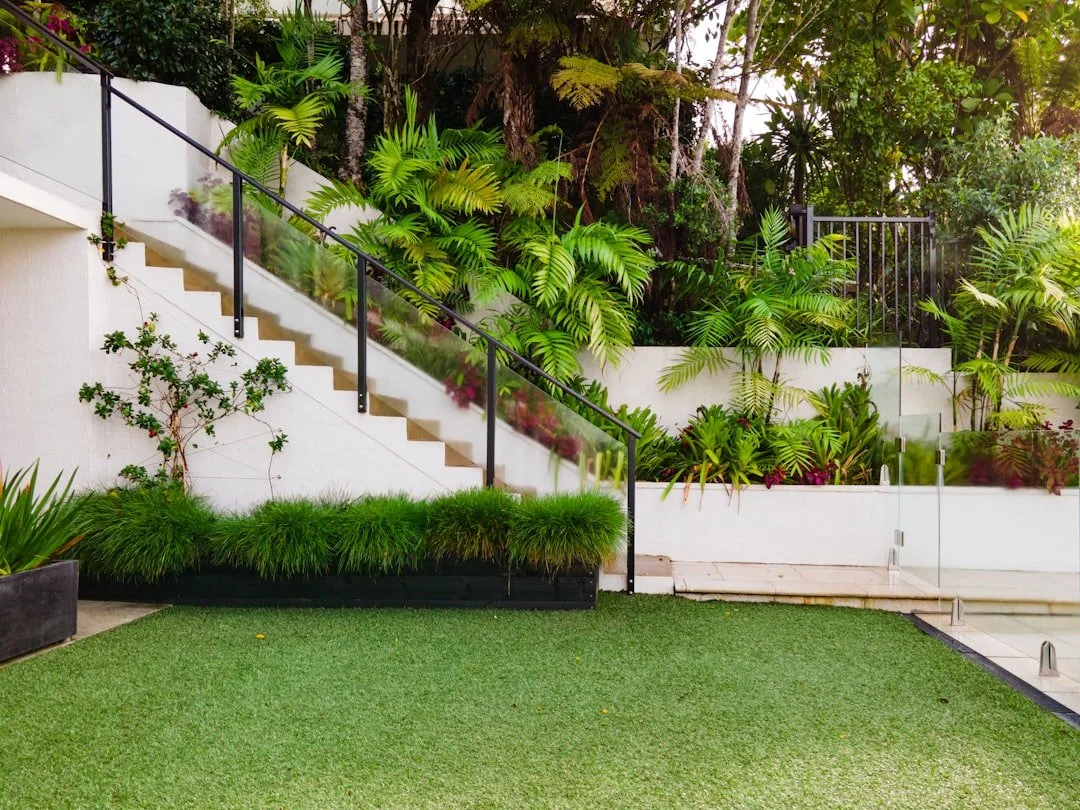
A well-designed outdoor space is not just visually appealing; it is also functional and easy to use. Design decisions should consider how people will move through the space, how different areas will be used, and how natural elements will interact with built structures.Pathways, seating areas, gardens, and open spaces must be arranged in a way that creates natural flow and accessibility. Poor layout design can result in wasted space or awkward movement patterns that reduce usability.Visual harmony is also important. Color schemes, plant textures, and structural elements should complement each other to create a unified appearance. Lighting can further enhance both functionality and aesthetics by improving visibility and highlighting key features.A properly executed landscape installation ensures that design and functionality work together seamlessly, resulting in a balanced outdoor environment.
Plant Selection and Environmental Compatibility
Choosing the right plants is a critical step in creating a sustainable outdoor space. Plants must be selected based on environmental conditions such as climate, soil type, sunlight exposure, and water availability.Using plants that are not suited to the environment can lead to poor growth, increased maintenance, and long-term failure. On the other hand, well-adapted plants thrive naturally and require less intervention.Native and drought-resistant plants are often preferred because they are more resilient and environmentally sustainable. They also reduce water consumption and maintenance needs.A thoughtful landscape installation carefully matches plant selection with environmental conditions to ensure long-term success and visual appeal.
Structural Elements and Outdoor Functionality
Hardscape features such as pathways, patios, retaining walls, and seating structures play an important role in outdoor environments. These elements provide structure, define spaces, and improve usability.Proper installation of structural elements ensures durability and safety. Materials must be chosen carefully based on both aesthetic and functional requirements. Drainage considerations are also essential to prevent water damage and erosion.When integrated correctly, structural features enhance both the beauty and practicality of outdoor spaces.A well-planned landscape installation balances natural and built elements to create a cohesive and functional design.
Water Management and Drainage Systems
Water management is a critical aspect of outdoor design. Improper drainage can lead to water pooling, soil erosion, and plant damage. Effective irrigation systems ensure that plants receive adequate moisture without overwatering.Drainage systems must be designed to direct excess water away from key areas, protecting both plants and structural elements. Proper grading and soil preparation also contribute to effective water flow.Efficient irrigation systems help maintain plant health while reducing water waste. Automated systems can further improve efficiency by adjusting water distribution based on environmental conditions.A successful landscape installation includes a well-planned water management system to support long-term sustainability and health.
Lighting and Outdoor Ambiance
Lighting enhances both the functionality and beauty of outdoor environments. It improves safety, extends usability into evening hours, and highlights key design features.Pathway lighting ensures safe movement, while accent lighting can emphasize trees, structures, or decorative elements. Proper lighting placement creates depth and visual interest in the landscape.Lighting also contributes to ambiance, creating a welcoming and comfortable outdoor atmosphere.A professional landscape installation incorporates lighting as an essential design element rather than an afterthought.
Environmental Benefits of Outdoor Design
Well-designed outdoor environments offer significant environmental advantages. Plants help improve air quality by absorbing carbon dioxide and releasing oxygen. They also provide shade, which reduces surrounding temperatures and improves energy efficiency.Landscapes also play a role in water management by absorbing rainfall and reducing runoff. This helps prevent flooding and supports groundwater replenishment.Sustainable design practices reduce environmental impact and promote long-term ecological balance.A responsible landscape installation integrates environmental considerations into every stage of the design and construction process.
Maintenance and Long-Term Care
Maintenance is essential for preserving the health and appearance of outdoor environments. Regular care includes watering, pruning, fertilizing, and pest control.Without proper maintenance, even well-designed landscapes can lose their structure and visual appeal over time. Plants may become overgrown, and structural elements may degrade.Designing with maintenance in mind ensures that long-term care remains manageable and efficient.A well-executed landscape installation considers future maintenance needs during the planning stage to ensure lasting results.
Residential Outdoor Transformation
Homeowners benefit greatly from well-designed outdoor spaces. A properly planned landscape enhances curb appeal, increases property value, and creates functional living areas.Outdoor environments can be tailored for relaxation, entertainment, gardening, or family activities. Each design reflects the lifestyle and preferences of the property owner.A professional landscape installation transforms ordinary residential spaces into functional and visually appealing environments.
Commercial and Public Outdoor Spaces
Commercial properties also rely on well-designed outdoor environments to create positive impressions. Attractive landscapes enhance brand image and improve customer experience.Public spaces such as parks and recreational areas require thoughtful design to ensure safety, accessibility, and usability for all visitors.Well-planned outdoor environments contribute to community well-being and environmental quality.A structured landscape installation ensures that commercial and public spaces are both functional and visually engaging.
Sustainability in Modern Outdoor Design
Sustainability has become a key focus in modern outdoor development. This includes using eco-friendly materials, efficient irrigation systems, and low-maintenance plant selections.Sustainable design reduces resource consumption and supports long-term environmental health.By incorporating sustainable practices, outdoor spaces become more resilient and cost-effective over time.A modern landscape installation emphasizes sustainability without compromising aesthetics or functionality.
Final Thoughts
Creating successful outdoor environments requires careful planning, precise execution, and a deep understanding of environmental conditions. Every element, from soil preparation and plant selection to structural design and water management, plays a crucial role in the final outcome.A well-executed landscape installation ensures that all components work together to create balanced, functional, and visually appealing outdoor spaces.Whether for residential, commercial, or public use, thoughtful design and execution transform outdoor areas into long-lasting environments that provide beauty, usability, and environmental benefits for years to come.
HOW DO YOU FEEL ABOUT FASHION?
COMMENT OR TAKE OUR PAGE READER SURVEY
Featured




Flyknit and leather sit at opposite ends of the handbag world, and buyers get pushed into picking a side too early. One sounds modern and light. The other sounds premium and safe.