
The New Countryside Chic: How Barn Style Became Fashion's Unexpected Muse
PAGE
By PAGE Editor
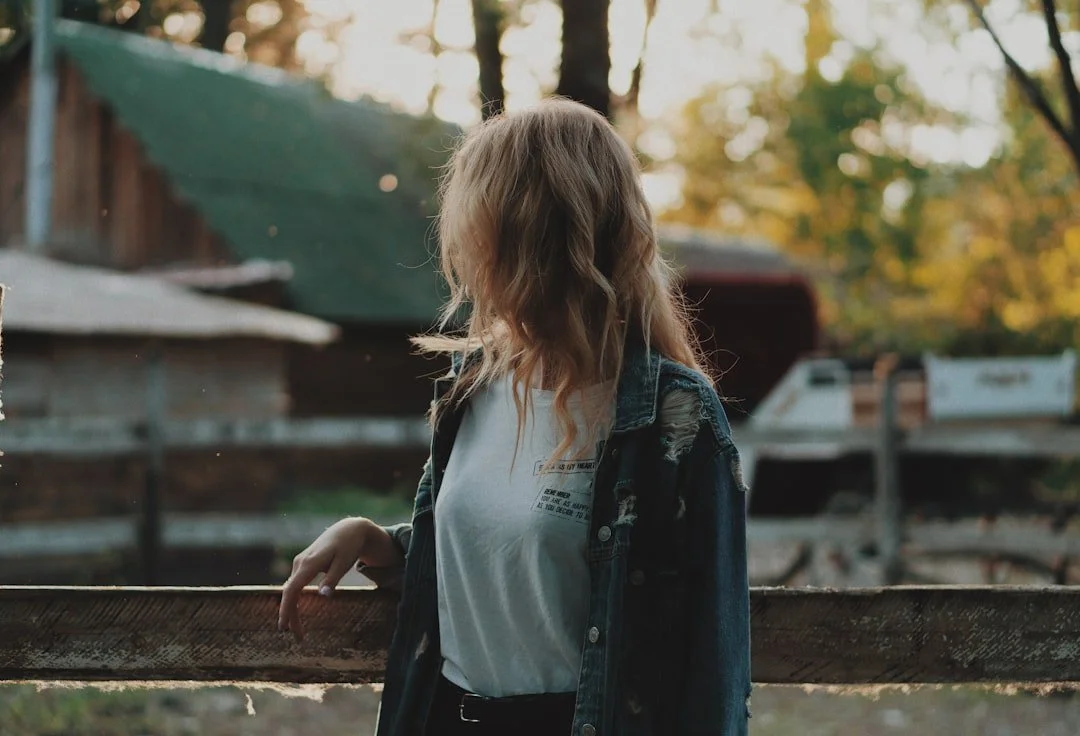
Not long ago, "country style" was often dismissed as something practical rather than fashionable. It conjured images of worn denim, flannel shirts, and muddy boots—clothing designed for function, not the runway.
Today, that perception has completely changed.
Some of fashion's most influential collections are drawing inspiration from the countryside, embracing heritage fabrics, timeless silhouettes, and an appreciation for craftsmanship that feels refreshingly authentic. Barn jackets have become wardrobe staples. Riding boots are replacing sneakers. Waxed canvas, quilted outerwear, crisp cotton poplin, and buttery leather are appearing everywhere from Paris runways to neighborhood cafés.
It's a style movement that feels both nostalgic and undeniably modern. More importantly, it reflects a broader shift in how people define luxury. Instead of chasing excess, fashion is celebrating quality, longevity, and a deeper connection to the places and traditions that inspire the clothes we wear.
Heritage Dressing Is Having a Moment
One of the biggest influences behind countryside chic is the return of heritage dressing.
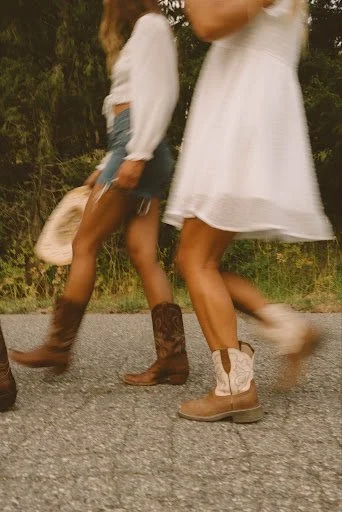
Rather than constantly reinventing the wheel, designers are revisiting pieces that have stood the test of time. Think structured barn jackets, cable-knit sweaters, tailored trousers, sturdy leather boots, and oversized wool scarves. These aren't garments that rely on flashy logos or bold prints to make an impression. Their appeal comes from thoughtful construction, beautiful materials, and the confidence that simplicity brings.
Fashion houses like Ralph Lauren, Barbour, Chloé, and even luxury labels like Prada have embraced this shift, proving that functional clothing can be just as aspirational as couture. The result is a wardrobe that feels collected rather than curated, where every piece serves a purpose and tells a story.
The Countryside Has Become the New Luxury
For years, luxury fashion relied on city skylines, marble hotels, and glamorous resorts to tell its story. Increasingly, though, designers are looking elsewhere.
Campaigns are unfolding in rolling fields, horse farms, orchards, and historic estates. The scenery feels quieter, allowing the craftsmanship of the clothing to take center stage.
This isn't simply about aesthetics. It's about a lifestyle. The countryside represents a slower pace, one where quality matters more than quantity and experiences are valued over spectacle. Fashion has embraced that philosophy wholeheartedly, creating collections that feel equally suited for a weekend escape as they do for everyday life.
Natural Textures Are Leading the Conversation
Another hallmark of this movement is its focus on texture. Instead of relying on bright colors or heavy embellishment, countryside-inspired fashion lets materials do the talking.
Think soft linen, brushed wool, supple leather, organic cotton, and raw silk. Together, these fabrics create depth without feeling overly styled. They layer beautifully, photograph effortlessly, and age gracefully over time.
It's a reminder that some of the most luxurious garments aren't necessarily the loudest. They're the ones you'll reach for year after year because they feel as good as they look.
Fashion Is Borrowing From the Landscape
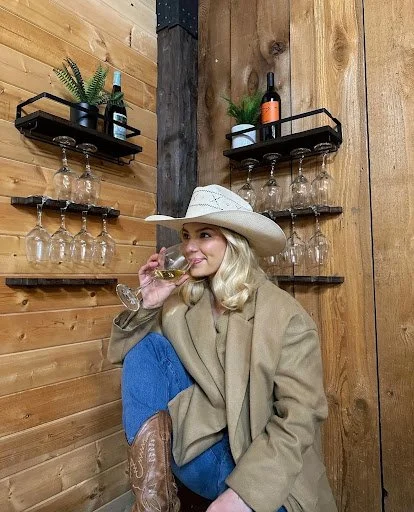
The color palette tells a similar story: warm oat, olive green, chestnut brown, cream, stone, and dusty blue don't scream for attention, but they create an undeniable sense of harmony. Inspired by forests, fields, and changing seasons, they feel grounded in nature rather than dictated by trend forecasts.
When paired with relaxed tailoring and natural fabrics, the effect is effortlessly elegant. It's easy to see why these palettes have become a favorite among designers looking to create clothing with lasting appeal.
Weddings Are Following the Same Philosophy
As fashion embraces countryside influences, weddings are naturally evolving alongside it.
The modern barn wedding looks very different from the rustic celebrations that dominated Pinterest a decade ago. Instead of burlap and mason jars, couples are leaning toward refined simplicity. Long wooden tables are dressed with crisp linens and layered candlelight. Florals feel organic rather than overly arranged. Bridal parties wear soft, tonal palettes instead of perfectly matching outfits. The atmosphere feels relaxed, but never casual.
That same evolution can be seen in venues themselves. Rather than emphasizing rustic charm alone, many couples are searching for spaces that combine natural beauty with thoughtful design and elevated hospitality. Places featured in guides to barn wedding venues in Missouri reflect this new approach beautifully, where timber architecture, open landscapes, and refined details create celebrations that feel timeless rather than trendy.
It's less about recreating country life and more about embracing its best qualities: warmth, craftsmanship, and a genuine sense of connection.
A Return to Timelessness
Perhaps the appeal of countryside chic comes down to one simple idea. Fashion is tired of disposable trends. Consumers are investing more carefully, choosing pieces they'll wear for years rather than months. Designers are responding by creating collections built around longevity instead of novelty.
The countryside has become the perfect symbol for that shift. Its aesthetic isn't built on perfection. It's built on character. Weathered wood becomes more beautiful with age. Leather softens over time. Linen wrinkles gracefully. A favorite jacket develops a patina that's impossible to manufacture. These aren't flaws. They're signs of a life well lived.
Beyond the Barn
What makes countryside chic so compelling is that it isn't really about barns at all. It's about slowing down and choosing quality over quantity, texture over embellishment, and authenticity over excess.
The barn simply happens to embody those values. It reminds us that beautiful design doesn't need to feel precious and that luxury doesn't always live in grand hotels or city penthouses. Sometimes it's found in natural materials, thoughtful craftsmanship, and places that invite people to gather, celebrate, and linger just a little longer.
HOW DO YOU FEEL ABOUT FASHION?
COMMENT OR TAKE OUR PAGE READER SURVEY
Featured
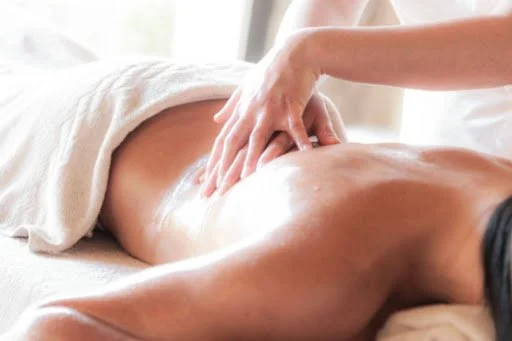


For many people, the end of the workday does not always mean the beginning of recovery.