
The Role of Land Clearing in Building Strong and Stable Foundations
PAGE
By PAGE Editor
Land development and construction projects always begin with one essential step that determines the success of everything that follows, which is preparing the ground for safe and stable building work. This stage involves removing natural and man-made obstacles such as trees, shrubs, rocks, stumps, and debris to create a clean and usable surface for construction or agricultural use. Without proper preparation, the land may remain uneven, unstable, and unsuitable for supporting structures, which can lead to serious issues in the future. This is why land clearing is considered a critical part of any development process, as it ensures that the foundation of a project begins on solid and reliable ground. Proper preparation helps improve safety, stability, and long-term durability of any structure built on the site.Raw land is rarely ready for immediate use because it often contains dense vegetation, uneven surfaces, and hidden obstacles beneath the soil. These conditions must be carefully managed before construction can begin. If the land is not cleared properly, it can lead to structural problems such as foundation shifting, water drainage issues, and soil erosion. Professional services ensure that the process is completed efficiently and safely, using the right equipment and techniques to prepare the site. This is where land clearing becomes essential, as it transforms unusable land into a stable foundation for future development projects.
Importance of Preparing Land Before Construction
Preparing land before construction is one of the most important steps in any building project because it directly affects the strength and durability of the structure. A properly prepared site ensures that the foundation is laid on stable ground, reducing the risk of future structural issues. This process includes removing vegetation, leveling uneven surfaces, and addressing any obstacles that could interfere with construction work.An effective land clearing process ensures that all unwanted materials are removed while preserving the integrity of the soil. This helps create a safe and stable environment for construction teams to work efficiently. Proper preparation also improves drainage and reduces the risk of water accumulation, which can weaken foundations over time. Without this essential step, even well-designed structures may face long-term stability problems.
How Land Clearing Supports Structural Stability
Structural stability depends heavily on the condition of the ground on which a building is constructed. If the soil is uneven, unstable, or filled with organic material, it can compromise the integrity of the entire structure. Removing trees, roots, and debris ensures that the foundation rests on solid ground, reducing the chances of shifting or settling over time.Professional land clearing ensures that the soil is properly evaluated and prepared for construction. This includes identifying weak areas, removing unstable materials, and ensuring that the ground is level and compact. By creating a strong base, land clearing plays a direct role in supporting the long-term stability and safety of buildings, roads, and other infrastructure projects.
Environmental Considerations in Land Preparation
Modern land development practices emphasize the importance of protecting the environment during clearing operations. Removing vegetation and altering the natural landscape can have an impact on soil quality, water flow, and local ecosystems. Therefore, responsible methods are used to minimize environmental damage while still preparing the land for development.Sustainable practices include careful removal of vegetation, proper disposal or recycling of organic materials, and maintaining soil integrity wherever possible. In many cases, cleared materials are reused as mulch or recycled for other purposes. These environmentally conscious methods help balance development needs with ecological preservation, ensuring that land clearing is done responsibly.
Safety Measures in Land Clearing Operations
Land clearing involves the use of heavy machinery and potentially hazardous conditions, making safety a top priority during operations. Workers must be trained to handle equipment such as bulldozers, excavators, and mulchers while following strict safety protocols. Hidden obstacles such as rocks, uneven terrain, and underground roots can pose risks if not properly managed.Professional teams follow structured safety procedures that include site inspections, protective gear, and controlled machinery operation. These measures reduce the risk of accidents and ensure that the clearing process is carried out efficiently. Safety is a fundamental part of every successful land preparation project and must never be overlooked.
Equipment Used in Modern Land Clearing Work
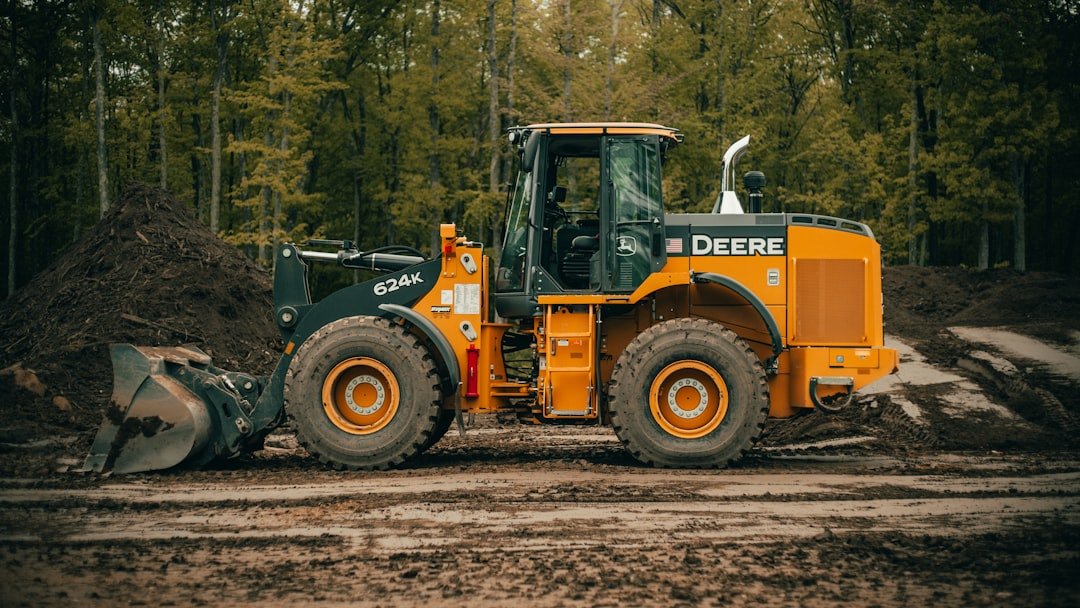
Modern land clearing relies on advanced machinery designed to handle large-scale projects with precision and speed. Bulldozers are commonly used to push and remove large amounts of soil and debris, while excavators are used for digging and removing tree stumps and roots. Mulching machines help break down vegetation into smaller pieces that can be left on-site to improve soil quality.The use of advanced equipment allows professionals to complete projects more efficiently while maintaining accuracy and reducing manual labor. Skilled operators ensure that machinery is used correctly to avoid unnecessary damage to the soil. This combination of technology and expertise ensures high-quality results in all types of land development projects.
Common Challenges in Land Preparation Projects
Land preparation projects often come with unexpected challenges that require experience and adaptability. Dense vegetation, uneven terrain, and hidden underground obstacles can make the process more complex. Weather conditions such as heavy rain or extreme heat can also affect soil stability and slow down progress.Experienced professionals are trained to handle these challenges by adjusting their methods and using the right equipment for each situation. Their ability to respond quickly to changing conditions helps keep the project on schedule and within budget. Effective problem-solving is a key part of successful land clearing operations.
Soil Protection and Long-Term Land Stability
Soil protection is an important part of land preparation because healthy soil is essential for long-term construction and agricultural use. Improper clearing techniques can damage soil structure, leading to erosion, poor drainage, and reduced stability. Maintaining soil integrity ensures that the land remains strong and usable for future development.Proper land clearing techniques focus on minimizing soil disturbance while removing unwanted materials. This helps preserve the natural condition of the land and supports long-term stability. Good soil management also improves water absorption and reduces environmental risks such as flooding and erosion.
Benefits of Professional Land Clearing Services
Hiring professional services for land preparation offers many benefits, including safety, efficiency, and long-term reliability. Experts have the knowledge, experience, and equipment needed to complete projects correctly and on time. Their expertise reduces the risk of errors that can lead to costly repairs or delays in construction.Professional land clearing also ensures that the site is properly prepared according to project requirements. This helps other construction phases proceed smoothly without unnecessary complications. Investing in professional services ultimately leads to better project outcomes and improved land usability.
Coordination with Construction Planning
Land preparation must be closely coordinated with construction planning to ensure that all project phases align properly. Engineers, architects, and builders depend on accurately cleared land to begin their work without delays. Any mistakes in preparation can affect the entire construction timeline and increase costs.Effective communication between teams ensures that land clearing meets design specifications and project goals. Proper coordination helps maintain consistency and efficiency throughout the development process. This teamwork is essential for achieving successful and timely project completion.
Long-Term Importance of Proper Land Clearing
The quality of land preparation has a lasting impact on the success of any construction or development project. Properly cleared land provides a strong and stable foundation that supports buildings, roads, and infrastructure for many years. It reduces the risk of structural issues and improves overall durability.Investing in professional land clearing ensures that the site is ready for long-term use and minimizes future maintenance problems. High-quality preparation contributes to sustainable development and increases property value. Proper land preparation is not just the first step in construction; it is the foundation of long-term success.
Conclusion
Land preparation is a vital process that determines the strength, safety, and stability of any construction or development project. From removing vegetation and debris to ensuring soil stability and environmental protection, every step plays an important role in creating a strong foundation. Professional land clearing services provide the expertise and equipment needed to complete the process efficiently and safely. Their work ensures that the land is properly prepared for future development while minimizing risks and environmental impact. Investing in proper land preparation is essential for achieving long-term stability, structural safety, and successful project outcomes.
HOW DO YOU FEEL ABOUT FASHION?
COMMENT OR TAKE OUR PAGE READER SURVEY
Featured





Flyknit and leather sit at opposite ends of the handbag world, and buyers get pushed into picking a side too early. One sounds modern and light. The other sounds premium and safe.