
The Strategic Importance of Modern Commercial Roofing Systems for Business Growth
PAGE
By PAGE Editor
Introduction
A roofing system is one of the most important investments in any commercial building. Whether a property is used for retail operations, office space, manufacturing, warehousing, healthcare, or education, the roof serves as the first line of defense against environmental elements. It protects valuable assets, employees, customers, equipment, and inventory while contributing to energy efficiency and overall building performance. Because commercial buildings often have larger roof surfaces and more complex structural requirements than residential properties, selecting the right roofing system and maintaining it properly are essential for long-term success.
Modern roofing technology has evolved significantly over the years, offering business owners a wide range of materials and solutions designed to improve durability, reduce maintenance costs, and enhance sustainability. A properly installed roof not only protects a building from rain, wind, snow, and sunlight but also helps regulate indoor temperatures, improve comfort, and reduce energy expenses. Understanding the fundamentals of commercial roofing allows property owners and facility managers to make informed decisions that support long-term operational goals.
Understanding the Purpose of Commercial Roofing
Every commercial building requires a roofing system capable of handling environmental stress while supporting the unique demands of the structure. Unlike residential roofs, commercial roofs are often flat or low-sloped, which creates specific challenges related to drainage, waterproofing, and maintenance. These roofs must withstand constant exposure to weather conditions while supporting mechanical equipment such as HVAC systems, ventilation units, and solar panels.
Flat roofs are also ideal for incorporating modern daylighting solutions that bring natural light deep into the building. Adding a motorized verrière coulissante sur châssis fixe (Sliding glass panel on a fixed frame) is a practical way to achieve this. This type of installation allows a large section of the glass roof to slide open over a fixed part. It provides a simple method for natural ventilation and direct roof access. Property owners often choose these systems to reduce their reliance on artificial lighting and mechanical cooling.
The primary purpose of a commercial roof is protection. It prevents water intrusion, shields the building from UV radiation, and serves as a thermal barrier that contributes to energy efficiency. In addition, the roof helps preserve the structural integrity of the entire building by preventing moisture-related damage that can weaken walls, insulation, and support systems. A high-quality roofing system provides reliability and peace of mind while helping organizations avoid costly disruptions and repairs.
Common Types of Commercial Roofing Systems
Commercial properties utilize a variety of roofing materials depending on building design, budget, and performance requirements. One of the most common systems is single-ply membrane roofing, which includes materials such as TPO, EPDM, and PVC. These systems are popular because they offer flexibility, durability, and strong resistance to moisture.
Built-up roofing systems consist of multiple layers of asphalt and reinforcing fabrics, creating a highly durable waterproof barrier. Modified bitumen roofing is another option that combines asphalt with advanced polymers to improve flexibility and weather resistance.
Metal roofing systems have also become increasingly popular in commercial applications due to their longevity and low maintenance requirements. They offer exceptional resistance to weather conditions and can last for decades when properly maintained. Green roofing systems, which incorporate vegetation and specialized drainage layers, are gaining attention for their environmental benefits and energy-saving capabilities.
Each roofing system has advantages and limitations, making professional evaluation essential before selecting the best option for a particular property.
Factors That Affect Roof Performance
Several factors influence how well a commercial roofing system performs over time. Climate is one of the most important considerations because roofs are constantly exposed to environmental conditions. Excessive heat, heavy rainfall, snow accumulation, and strong winds can all affect durability and lifespan.
Installation quality is another critical factor. Even premium roofing materials can fail prematurely if they are not installed according to manufacturer specifications and industry standards. Proper drainage design is equally important because standing water can accelerate deterioration and increase the risk of leaks.
Routine maintenance also plays a major role in roof performance. Small issues such as loose flashing, clogged drains, or minor membrane damage can quickly escalate if left unaddressed. Consistent inspections and preventative maintenance help identify problems early and preserve the integrity of the roofing system.
The Importance of Professional Installation
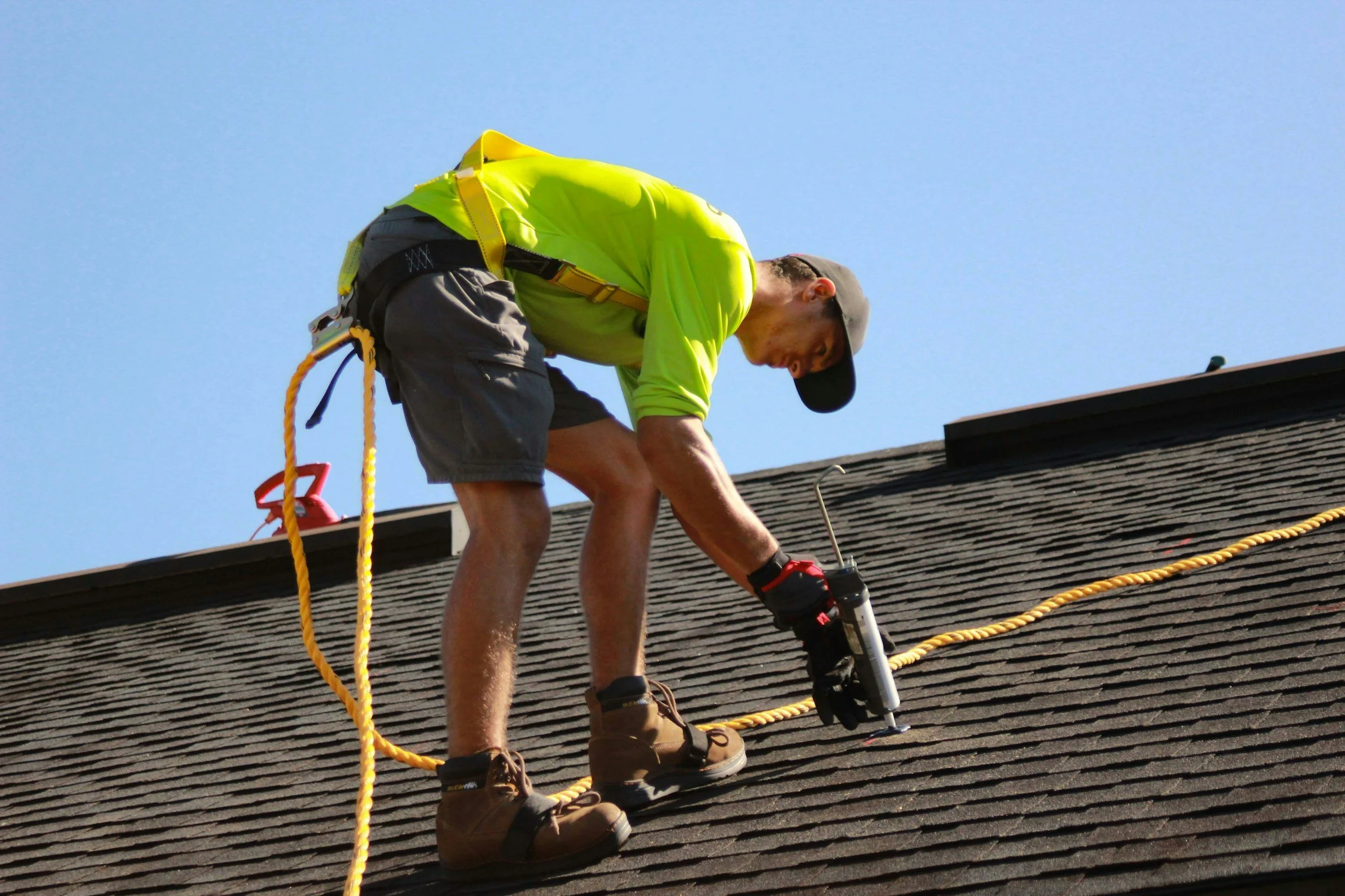
Commercial roofing projects require specialized knowledge, equipment, and expertise. The installation process involves much more than simply placing materials on a roof surface. Contractors must evaluate structural conditions, determine load capacities, ensure proper drainage, and install waterproofing systems with precision.
Professional installation helps maximize the lifespan of roofing materials and reduces the likelihood of future problems. Experienced roofing specialists understand how to address complex design challenges while ensuring compliance with building codes and safety regulations.Choosing qualified professionals also provides access to warranties and long-term support. These benefits can significantly reduce maintenance costs and protect the investment over the life of the roofing system.
Signs That a Commercial Roof Needs Attention
Recognizing warning signs early can prevent extensive damage and costly repairs. One of the most obvious indicators is water leakage inside the building. Even minor leaks should be investigated immediately because moisture can spread rapidly through insulation and structural materials.
Ponding water is another common concern, especially on flat roofs. Water that remains on the surface for extended periods can weaken roofing materials and increase the likelihood of leaks. Cracks, punctures, and membrane separation should also be addressed promptly to prevent further deterioration.
Rising energy bills may indicate roofing-related insulation problems. When insulation becomes damaged or moisture-saturated, the building loses its ability to regulate temperature efficiently. Regular inspections help identify these issues before they become major problems.
Maintenance Strategies for Long-Term Success
Preventative maintenance is one of the most effective ways to extend the life of a commercial roof. Routine inspections allow property owners to identify and correct small issues before they develop into expensive repairs. Many roofing professionals recommend conducting inspections at least twice per year, as well as after severe weather events.
Cleaning debris from the roof surface and drainage systems is essential for preventing water accumulation. Leaves, dirt, and other materials can block drains and create standing water that damages roofing components over time.Maintaining flashing, seals, and roof penetrations is equally important because these areas are particularly vulnerable to leaks. Consistent maintenance reduces repair costs, improves performance, and helps ensure that the roofing system continues to provide reliable protection.
Energy Efficiency Benefits of Modern Roofing Systems
Energy efficiency has become a major priority for commercial property owners. Modern roofing systems are designed to reduce heat transfer and improve overall building performance. Reflective roofing materials can reduce solar heat absorption, helping maintain cooler indoor temperatures during warmer months.
Improved insulation also contributes to energy savings by reducing the workload on heating and cooling systems. As energy costs continue to rise, investing in an efficient roofing system can provide significant financial benefits over time.
Businesses that prioritize energy efficiency often experience lower operating expenses while improving occupant comfort and supporting sustainability goals. These advantages make roofing upgrades an important consideration for long-term property management strategies.
Sustainability and Environmental Responsibility
Sustainability is becoming increasingly important in the construction and property management industries. Commercial roofing systems play a significant role in environmental performance because they influence energy consumption, waste generation, and resource usage.
Many modern roofing materials are manufactured using recyclable components and environmentally responsible processes. Durable roofing systems reduce waste by minimizing the need for frequent replacements. Reflective surfaces help lower energy consumption, reducing a building's overall carbon footprint.
Green roofing systems provide additional environmental benefits by supporting stormwater management, improving insulation, and creating habitats for vegetation. As organizations continue to pursue sustainability initiatives, roofing systems will remain an important component of environmentally responsible building design.
Technological Advancements in Roofing
Technology continues to transform the roofing industry. Advanced materials offer greater durability, weather resistance, and energy efficiency than ever before. Drone inspections allow roofing professionals to assess large roof surfaces safely and accurately without disrupting business operations.
Infrared imaging technology helps identify hidden moisture and insulation problems that might otherwise go unnoticed. Smart monitoring systems can track roof conditions in real time, providing valuable information about performance and maintenance needs.These innovations help property owners make more informed decisions while improving safety, efficiency, and long-term reliability.
Why Expert Guidance Matters
Selecting the right roofing system requires careful planning and professional expertise. Every building has unique requirements based on its size, structure, location, and operational needs. Working with experienced roofing professionals ensures that all factors are considered during the decision-making process.
Property owners seeking dependable solutions can benefit from professional commercial roofing services that provide expert installation, maintenance, inspections, and long-term support. Experienced specialists help maximize performance, reduce risks, and protect valuable investments through every stage of a roof’s lifecycle.
A well-maintained commercial roofing system contributes to business continuity, energy efficiency, and structural integrity. Property owners who prioritize quality workmanship and ongoing maintenance are better positioned to avoid unexpected expenses and extend the lifespan of their roofing assets.
Conclusion
A commercial roof is far more than a protective covering. It is a critical component that influences building performance, operational efficiency, energy consumption, and long-term property value. From selecting the right materials to implementing proactive maintenance strategies, every decision plays a role in determining how effectively a roofing system performs over time.
As roofing technology continues to evolve, businesses have access to innovative solutions that offer improved durability, sustainability, and efficiency. By investing in professional installation, routine maintenance, and high-quality materials, property owners can protect their buildings, reduce operational costs, and ensure reliable performance for decades to come. The value of a well-designed and properly maintained commercial roofing system extends far beyond protection—it becomes a strategic asset that supports the long-term success of the entire property.
HOW DO YOU FEEL ABOUT FASHION?
COMMENT OR TAKE OUR PAGE READER SURVEY
Featured



A Texas move can become a lot quickly. Long highways, heavy heat, surprise traffic, elevator rules, storage gaps, and tiny details all start competing for your attention.