
High-Performance Commercial Climate Control Systems for Energy Efficiency and Longevity
PAGE
By PAGE Editor
Introduction
Modern businesses rely heavily on stable indoor environments to maintain productivity, protect equipment, and ensure comfort for employees and customers. Unlike residential systems, large buildings require more powerful and complex climate control solutions capable of handling continuous operation and varying load demands. This is where commercial hvac systems play a critical role in maintaining consistent temperature, ventilation, and air quality across large spaces.
These systems are designed to manage heating, cooling, and ventilation in offices, retail centers, warehouses, hospitals, and other large facilities. Because of their scale and complexity, they require careful design, precise installation, and ongoing maintenance to ensure reliable performance. A small issue in a large system can affect multiple zones, making efficiency and reliability essential.Understanding how these systems operate and what affects their performance helps businesses reduce operational costs, improve comfort, and extend equipment lifespan.
How Large-Scale Climate Systems Work
Commercial HVAC systems operate on the same basic principles as residential systems but are designed to handle much larger spaces and more complex airflow requirements. These systems regulate temperature by distributing conditioned air through extensive duct networks connected to multiple zones within a building.
During cooling mode, warm air is drawn into the system and passed over evaporator coils where heat is absorbed. The refrigerant then carries the heat to an outdoor condenser unit where it is released. During heating mode, the process is reversed, using furnaces or heat pumps to distribute warm air throughout the building.
Ventilation is also a critical component, ensuring that fresh air is continuously introduced while stale air is removed. This helps maintain indoor air quality and prevents the buildup of pollutants.Because these systems operate continuously in many commercial environments, efficiency and durability are key factors in their design and maintenance.
Importance of Proper System Design in Commercial Buildings
Proper system design is essential for ensuring that commercial HVAC systems operate efficiently. Unlike residential systems, commercial spaces often have multiple zones with different temperature and airflow requirements.
Load calculations are used to determine the correct system size based on building dimensions, occupancy levels, equipment heat output, and insulation quality. Incorrect sizing can lead to inefficiency, uneven temperature distribution, and increased energy consumption.Zoning systems are often used in commercial buildings to allow independent temperature control in different areas. This improves comfort and reduces unnecessary energy usage.
Duct design is also critical, as poorly designed ductwork can result in pressure imbalances, air leaks, and inefficient airflow distribution.A well-designed system ensures that commercial hvac equipment operates efficiently and meets the demands of the building.
Common Problems in Commercial HVAC Systems
Due to their size and continuous operation, commercial HVAC systems can develop a variety of issues over time. One of the most common problems is airflow restriction caused by dirty filters or clogged ductwork.Refrigerant leaks can significantly reduce cooling performance and place strain on compressors, leading to expensive repairs if not addressed early.
Electrical issues such as faulty wiring, sensor failures, or control system malfunctions can disrupt system operation and affect multiple zones.Mechanical wear in large components such as motors, fans, and compressors can reduce efficiency and increase energy consumption over time.Because of the complexity of these systems, small issues can quickly escalate if not properly managed.
Early Warning Signs of System Failure
Recognizing early signs of system problems is essential for preventing costly downtime in commercial buildings. Uneven temperature distribution across different zones is often one of the first indicators of a problem.
Strange noises such as rattling, humming, or grinding may indicate mechanical issues within the system.Unusual odors from vents can suggest mold growth, dust accumulation, or electrical problems.A sudden increase in energy bills without changes in usage often signals reduced system efficiency.Weak airflow or frequent system cycling can also indicate underlying issues that require professional attention.
Early detection allows timely maintenance and prevents major system failures.
Maintenance and Repair Process for Large Systems
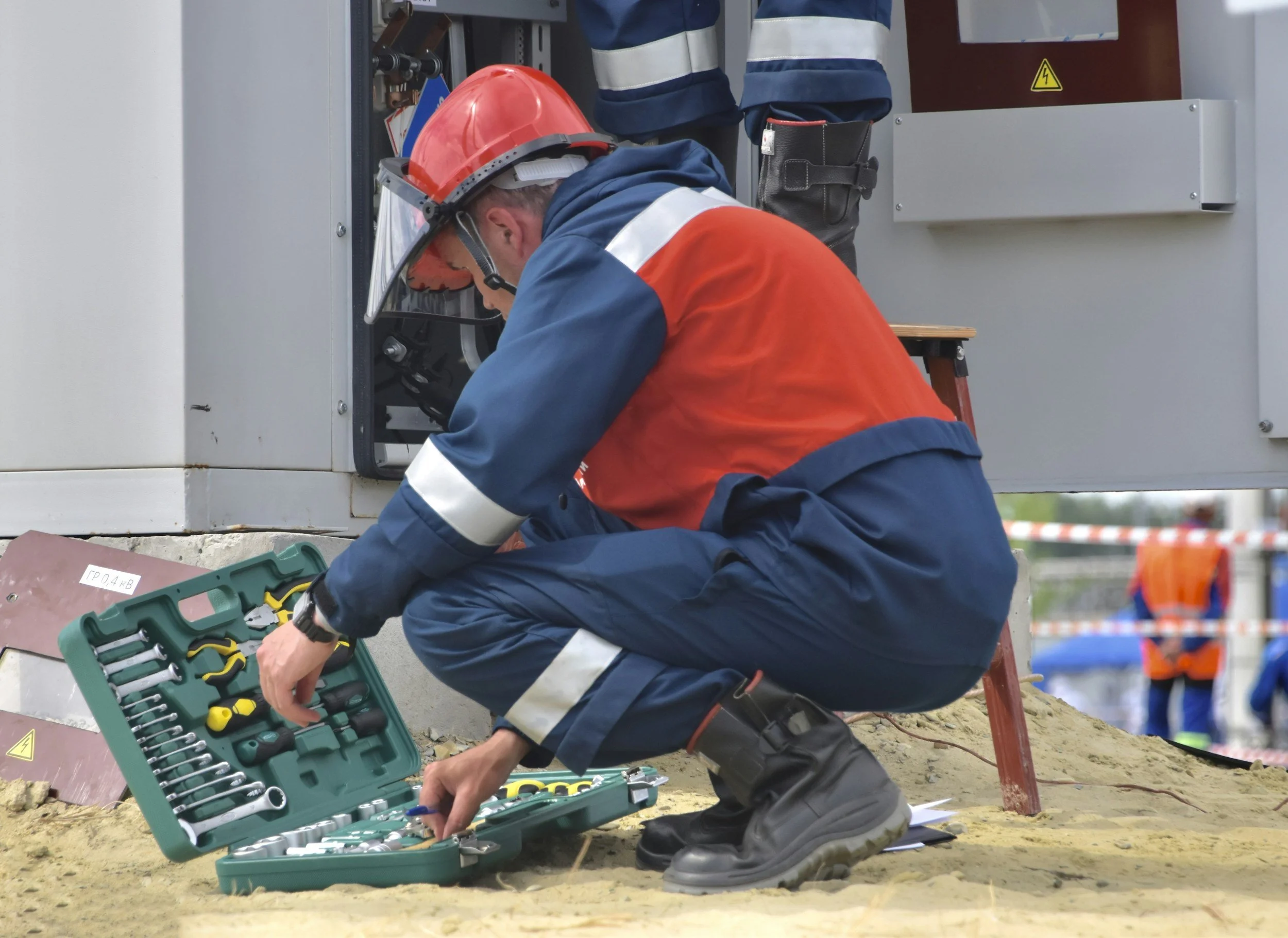
Maintaining commercial HVAC systems involves a structured and ongoing process designed to ensure efficiency and reliability. The process begins with a full system inspection where technicians evaluate compressors, coils, ductwork, electrical systems, and airflow distribution.Filters are cleaned or replaced regularly to maintain proper airflow and air quality. Coils are inspected and cleaned to improve heat exchange efficiency.
Refrigerant levels are checked and adjusted to ensure optimal performance.Electrical systems and control panels are tested for safety and functionality.After maintenance or repairs, the system is thoroughly tested to ensure balanced airflow and consistent temperature control across all zones.
Importance of Preventive Maintenance Programs
Preventive maintenance is essential for commercial HVAC systems due to their continuous operation and high workload. Regular inspections help identify small issues before they become major problems.Routine maintenance includes cleaning filters, inspecting ductwork, checking refrigerant levels, and testing electrical components.
Seasonal servicing ensures that systems are prepared for peak heating and cooling demands.Preventive care reduces downtime, improves efficiency, and extends system lifespan.Without regular maintenance, commercial hvac systems are more likely to experience unexpected failures and increased operating costs.
Professional Commercial HVAC Services
Due to the complexity and scale of commercial systems, professional expertise is essential for installation, maintenance, and repair. These systems involve advanced electrical, mechanical, and control technologies that require specialized knowledge.Professional technicians ensure that systems are installed correctly, balanced properly, and optimized for efficiency.
For reliable long-term performance and expert support, commercial hvac services provide comprehensive installation, maintenance, and repair solutions designed to meet commercial demands.Professional service providers also offer customized maintenance plans tailored to specific building requirements.
Energy Efficiency and Operational Cost Control
Energy efficiency is one of the most important factors in commercial building management. HVAC systems often account for a significant portion of total energy consumption in large facilities.Inefficient systems can lead to high operational costs, especially when issues such as dirty filters, refrigerant leaks, or faulty components are present.
Proper maintenance and system optimization help reduce energy consumption and improve overall efficiency.Efficient systems not only lower utility bills but also improve sustainability and environmental performance.
Environmental Considerations in Large Systems
Commercial HVAC systems have a significant environmental impact due to their size and energy usage. Older systems may consume large amounts of energy and use refrigerants that contribute to environmental harm.Modern systems are designed to be more energy-efficient and environmentally friendly.
Proper maintenance reduces energy waste and minimizes greenhouse gas emissions.Many businesses are now adopting sustainable HVAC solutions to meet environmental regulations and corporate sustainability goals.
Technological Advancements in Commercial Systems
Modern commercial HVAC systems have benefited greatly from technological innovation. Smart building management systems allow centralized control of temperature, airflow, and energy usage.Variable-speed motors and compressors improve efficiency by adjusting output based on demand.
Advanced sensors monitor system performance in real time and detect issues early.Predictive maintenance technology helps reduce downtime by identifying potential failures before they occur.These innovations make commercial systems more efficient, reliable, and easier to manage.
Future of Commercial Climate Control Systems
The future of commercial HVAC technology is focused on automation, sustainability, and smart energy management.Artificial intelligence will play a major role in optimizing system performance based on occupancy and environmental conditions.
Integration with smart building systems will allow fully automated climate control.Eco-friendly refrigerants and energy-efficient designs will become industry standards.These advancements will continue to improve efficiency, reduce costs, and enhance environmental sustainability.
Conclusion
Large-scale indoor climate systems are essential for maintaining comfort, productivity, and air quality in commercial environments. Proper design, installation, and maintenance are critical for ensuring long-term performance and efficiency.
Understanding how these systems work and recognizing early warning signs helps businesses avoid costly downtime and operational disruptions. With professional support and preventive care, commercial hvac systems can deliver reliable performance, energy efficiency, and long-term cost savings.With ongoing technological advancements and sustainable practices, commercial HVAC systems will continue to evolve, offering smarter and more efficient solutions for modern buildings.
HOW DO YOU FEEL ABOUT FASHION?
COMMENT OR TAKE OUR PAGE READER SURVEY
Featured




Deep clean, seal, and protect your tile & grout in Oceanside, CA. Bring the original shine back to your floors. Request a quote today!