
Flood Recovery and Restoration: Complete Process for Safe Property Rebuilding After Water Damage
PAGE
By PAGE Editor
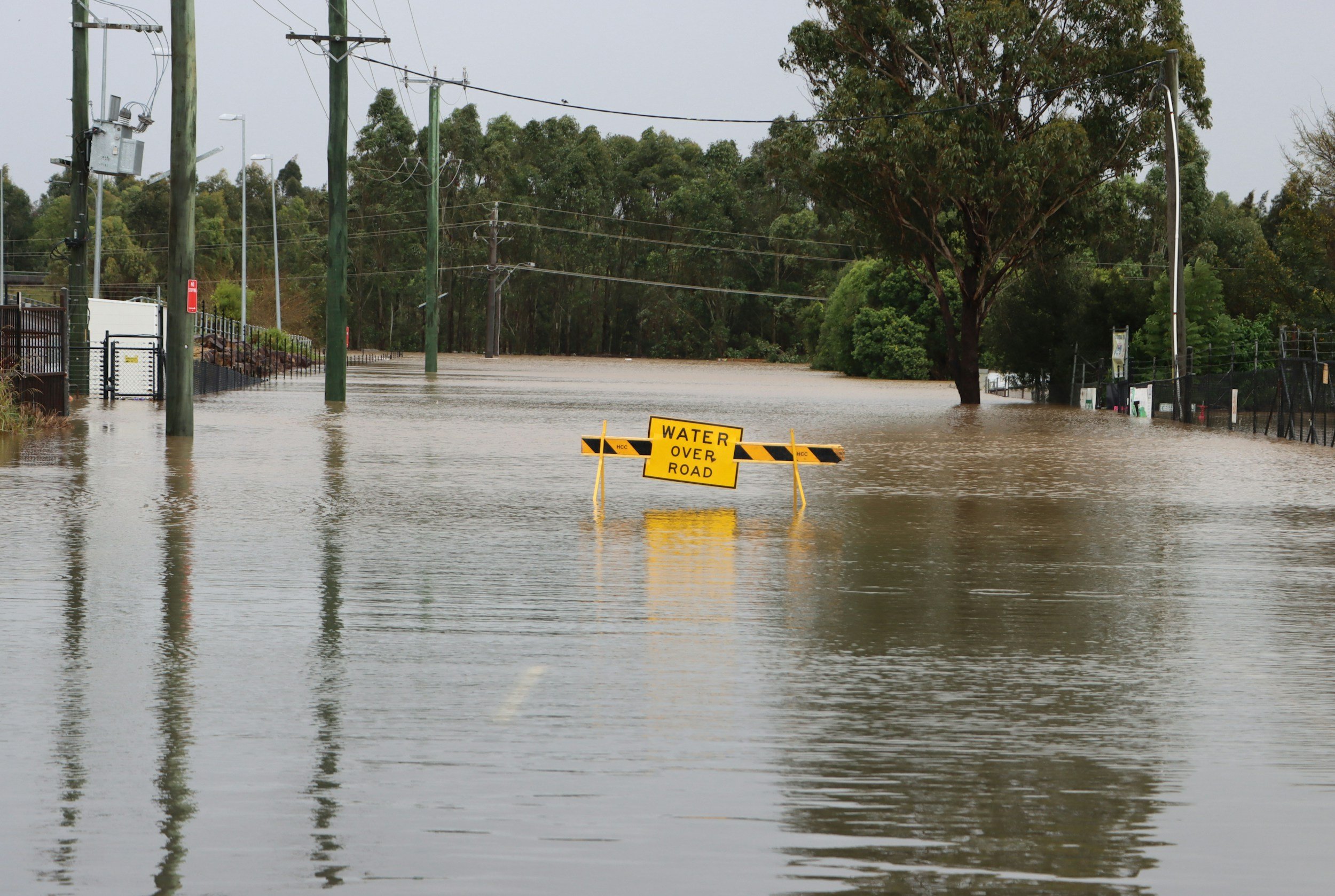
Flooding can disrupt lives within minutes, leaving behind damaged structures, unsafe living conditions, and emotional stress. Whether caused by heavy rainfall, plumbing failures, or natural disasters, water intrusion is one of the most destructive forces for residential and commercial properties. The aftermath is not only about visible water it involves hidden moisture, contamination risks, weakened structures, and potential long-term health hazards.
Understanding how to manage recovery properly can significantly reduce losses and speed up restoration. This article provides a complete guide to flood recovery, explaining the damage process, safety steps, professional restoration methods, and prevention techniques in detail.
Understanding How Floodwater Affects Buildings and Interiors
When water enters a building, it spreads quickly through floors, walls, furniture, and structural materials. Unlike surface dirt, water penetrates deep into porous surfaces such as wood, drywall, insulation, and carpets. This is what makes flood damage so difficult to handle without proper methods.
One of the biggest concerns after flooding is hidden moisture. Even when surfaces look dry, water can remain trapped inside walls or under flooring. This hidden moisture continues to damage materials long after the flood has passed. Over time, it leads to swelling, warping, and weakening of structural components.Another major issue is contamination. Floodwater is often mixed with sewage, chemicals, soil, and bacteria. This creates an unsafe environment that requires careful sanitation before the area can be used again. Exposure to contaminated water can cause skin infections, gastrointestinal illnesses, and respiratory issues.
Electrical systems are also at risk. Water exposure can damage wiring, outlets, and appliances, creating potential fire hazards or system failures. For this reason, power should never be restored until a full safety inspection is completed.Because of these risks, immediate action is essential to limit further deterioration and health hazards.
First Response Actions After Flooding Occurs
The initial steps taken after flooding play a critical role in reducing long-term damage. Safety must always be the top priority. If water levels are high or rising, evacuation is necessary without delay.
Once conditions are safe, identifying the source of flooding is important. In plumbing-related cases, shutting off the main water supply can prevent further damage. In natural flooding situations, waiting for water to recede is often necessary before entry.Documentation should be done carefully. Taking clear photos and videos of affected areas helps during insurance claims and provides a record of damage severity.
It is also important to avoid direct contact with contaminated water. Protective gear such as gloves and boots should be used if entry is required. Electrical appliances should never be turned on in wet conditions.At this stage, professional help is often required to begin structured recovery. This is where systematic drying, cleaning, and restoration begin.
Step-by-Step Water Removal and Structural Drying Process
Water removal is the foundation of all recovery efforts. The faster water is extracted, the lower the chance of permanent damage.The process begins with water extraction using industrial pumps and vacuum systems. These machines remove standing water from floors, carpets, and other affected areas. Quick extraction prevents further absorption into building materials.
After visible water is removed, drying begins. This is one of the most important stages of recovery. High-powered air movers and dehumidifiers are used to remove moisture from the air and structure. This process may take several days depending on the severity of flooding.Moisture detection tools are often used during this stage to identify hidden water pockets. These tools help ensure that no damp areas are left untreated, which could lead to mold growth later.
Sanitation is also part of this phase. Since floodwater often contains harmful bacteria, all affected surfaces must be thoroughly disinfected. This ensures a safe environment for future occupancy.During this process, flood damage cleanup becomes essential as it involves not only removing water but also eliminating contaminants, drying structural components, and restoring safe conditions. Without proper flood damage cleanup, hidden moisture and bacteria can continue causing damage long after the visible floodwater is gone.
Mold Growth Risks and How to Prevent Them
Mold is one of the most serious consequences of flooding. It begins to grow within 24 to 48 hours in moist environments. Once it spreads, it can become difficult and expensive to remove.
Mold spores exist naturally in the air, but they require moisture and organic material to grow. Flooded environments provide ideal conditions for this growth.Preventing mold requires fast drying and proper ventilation. Keeping humidity levels low is essential. Ideally, indoor humidity should remain below 50 percent during recovery.Porous materials such as carpets, insulation, and drywall often need to be removed if heavily contaminated. Non-porous surfaces can usually be cleaned and disinfected effectively.
Air circulation also helps prevent mold growth. However, airflow alone is not enough without proper drying equipment.Ignoring mold risks can lead to long-term structural damage and serious health issues, making early intervention critical.
Restoration Process and Repair of Damaged Structures
After drying and cleaning, the restoration phase begins. This stage focuses on repairing or replacing damaged components of the property.Walls, ceilings, and flooring are inspected for structural integrity. Materials that have absorbed too much water may need to be replaced. Drywall and insulation are commonly affected and often removed during restoration.
Electrical and plumbing systems are also checked for safety. Any compromised wiring or pipes must be repaired before the property can be safely used again.Furniture and personal belongings are assessed for salvageability. Some items can be restored, while others may need to be discarded due to contamination or damage.
Odor removal is another important part of this stage. Even after drying, flood-affected areas may retain unpleasant smells. Specialized treatments such as air purification or deodorization techniques are used to eliminate these odors.Restoration ensures that the property is not only visually restored but also structurally safe and hygienic.
Challenges Faced During Flood Recovery
Flood recovery is a complex process with many challenges. One of the biggest difficulties is hidden water damage. Moisture trapped inside walls or floors is not always visible and requires specialized detection tools.
Time is another critical factor. The longer water remains in a structure, the more damage it causes. Delayed response increases repair costs and reduces the chances of salvaging materials.Insurance processes can also be complicated. Proper documentation and timely reporting are essential to ensure claims are approved.
Another challenge is contamination. Floodwater often carries hazardous substances that require professional cleaning methods.Despite these challenges, structured restoration processes can effectively bring most properties back to safe condition.
Preventive Measures for Future Flood Protection
While flooding cannot always be avoided, preventive measures can significantly reduce damage.Improving drainage systems around a property helps direct water away from structures. Regular maintenance of gutters and downspouts is also important.Installing water detection systems can provide early warnings of leaks or rising water levels.
In flood-prone areas, elevating electrical systems and valuable belongings can reduce risk.Waterproofing basements and sealing foundation walls can also help reduce water intrusion.Emergency preparedness is equally important. Having a response plan in place ensures faster action during flooding events.These preventive steps help minimize future losses and improve safety.
Conclusion
Flood recovery is a complex and time-sensitive process that requires careful attention at every stage, from initial safety measures to complete structural restoration. Water damage does not only affect visible surfaces; it also penetrates deep into walls, flooring, and foundations, creating hidden moisture problems that can lead to long-term deterioration if not properly addressed. This is why immediate action and a structured approach are essential for minimizing both financial loss and health risks.
A proper recovery process involves water removal, thorough drying, sanitation, and rebuilding damaged areas. Each step is interconnected, and missing any stage can result in recurring issues such as mold growth, foul odors, or structural weakening. In many cases, professional assistance becomes necessary because specialized equipment and expertise are required to detect and eliminate hidden moisture effectively.
During the recovery process, flood damage cleanup plays a central role in ensuring that contaminated water, bacteria, and moisture are completely removed from the affected environment. Without proper flood damage cleanup, even a seemingly restored property can continue to face hidden risks that compromise safety and durability over time.
Ultimately, successful flood restoration depends on speed, accuracy, and proper execution. When handled correctly, even severely affected properties can be restored to safe and livable conditions. However, the best long-term strategy remains prevention—strengthening drainage systems, preparing emergency plans, and maintaining awareness of flood risks to reduce future damage.
HOW DO YOU FEEL ABOUT FASHION?
COMMENT OR TAKE OUR PAGE READER SURVEY
Featured



Preparing a home for overnight guests creates different priorities from ordinary weekly upkeep.