
What Love Island USA Gets Right—And Wrong—About Modern Romance
PAGE
By PAGE Editor
As millions of viewers watched Love Island USA crown Bryce and Trinity the winners of Season 8, the finale delivered exactly what reality television promises: celebration, suspense and the possibility that love can emerge from an unlikely setting. Yet once the villa empties and the cameras disappear, a more compelling question begins.
Can reality television create relationships that actually endure?
The answer extends far beyond entertainment. Dating shows have evolved into cultural laboratories, shaping how audiences perceive romance, compatibility and commitment. While viewers often focus on chemistry, attraction and dramatic declarations of affection, relationship experts argue those qualities rarely predict whether a couple succeeds in everyday life.
Outside televised settings, people seeking a more deliberate compatibility process may work with a marriage agency in Singapore rather than rely on chemistry alone.
According to relationship coach and women's embodiment expert Lauren Salaun, emotional safety—not chemistry—is the strongest indicator of long-term relationship health.

That distinction matters because reality television is designed to amplify chemistry. Contestants experience compressed timelines, constant proximity and emotionally charged situations that naturally intensify attachment. What appears to be an extraordinary connection may, in many cases, be an accelerated emotional response created by an extraordinary environment.
Psychologists have long observed that shared stress and novelty can strengthen emotional bonds in the short term. Inside a competition like Love Island USA, participants are removed from their daily responsibilities, surrounded by attractive peers and immersed in an environment where every interaction carries emotional weight. The result is a relationship dynamic unlike the realities of careers, family obligations and everyday routines waiting outside the villa.
For viewers, this distinction is increasingly relevant.
Reality dating has become a dominant form of entertainment because it reflects—and exaggerates—the challenges of modern relationships. Social media rewards grand gestures, viral moments and public validation. Dating shows often mirror those same incentives, encouraging contestants to demonstrate compatibility in ways that resonate with audiences as much as with each other.
But performing compatibility is fundamentally different from building intimacy.
Authentic intimacy develops through consistency, vulnerability and conflict resolution over time. Emotional safety allows partners to communicate honestly without fear of rejection or performance. Cameras may capture affectionate conversations and dramatic reunions, but they rarely reveal the slower, less visible work that sustains healthy relationships after public attention fades.

This explains why winning a dating competition has never guaranteed relationship longevity. The transition from a highly curated environment to everyday life introduces financial decisions, geographic distance, career demands and private disagreements—variables that no television format can fully simulate.
Bryce and Trinity now face the same challenge that every successful reality television couple encounters: transforming a relationship built under extraordinary circumstances into one capable of surviving ordinary ones.
Whether they succeed remains to be seen.
Regardless of the outcome, their story offers something more valuable than another reality television ending. It reminds viewers that lasting relationships are rarely defined by the intensity of their beginning. Instead, they are shaped by trust, emotional security and the ability to navigate life once the spotlight disappears.
As dating culture continues to blur the line between authentic connection and public performance, Love Island USA serves as both entertainment and a reflection of contemporary relationship expectations. The villa may manufacture unforgettable moments, but lasting love still depends on the quieter qualities that cameras often overlook.
HOW DO YOU FEEL ABOUT FASHION?
COMMENT OR TAKE OUR PAGE READER SURVEY
Featured


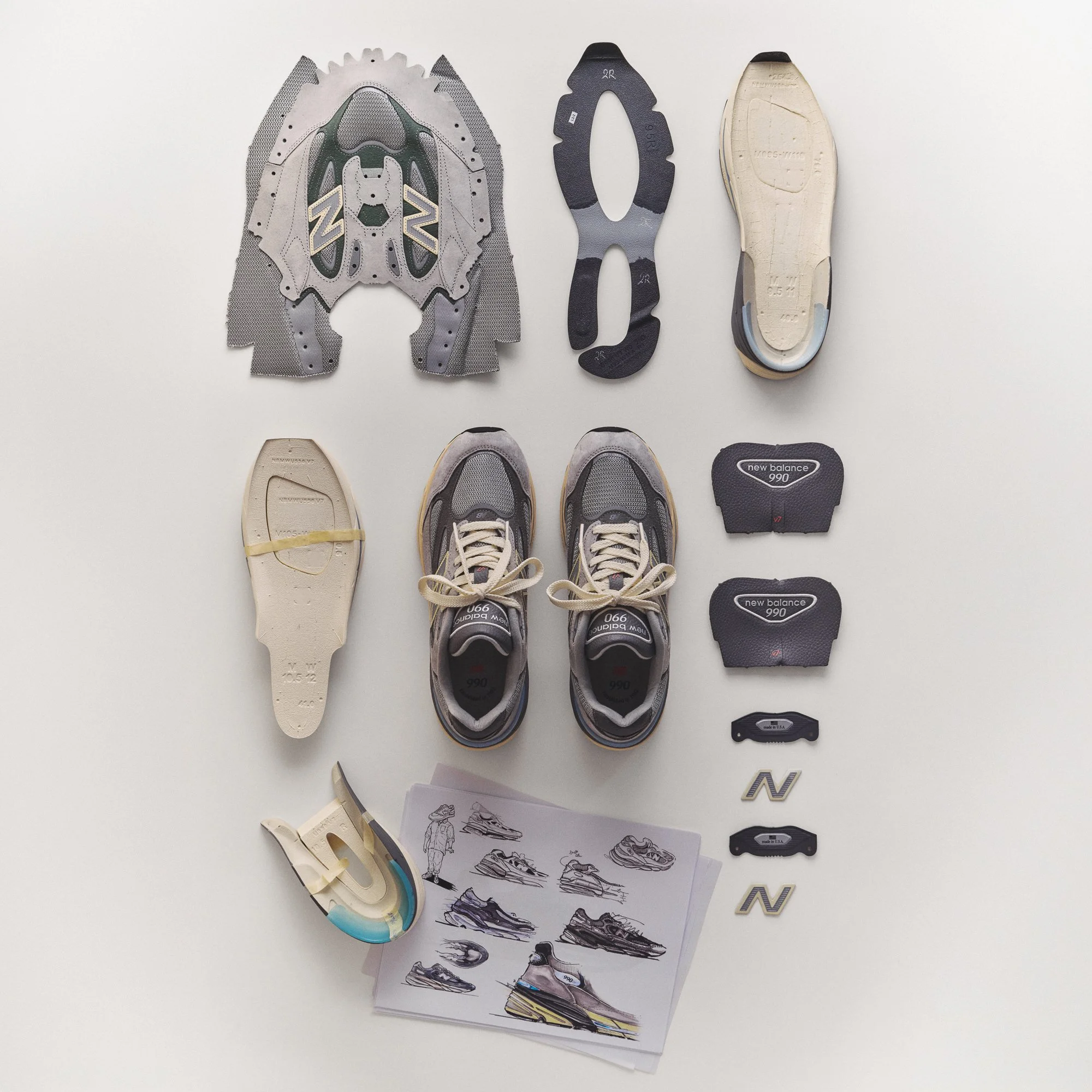

Wale joins CapSole as Chief Creative Officer and equity partner, bringing his influence in sneaker culture to a business focused on preservation, sustainability, and extending the life of collectible footwear.