
Why Are Variable Data Printing Companies Important For Targeted Direct Mail?
PAGE
By PAGE Editor
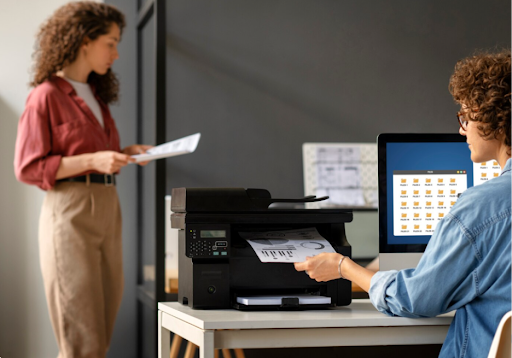
Sending the same postcard or promotional offer to thousands of people does not always produce the response you expect. Customers have different interests, needs, and buying habits. When your message feels too general, recipients may ignore it. Your business then spends money on printing and postage without making a strong connection with potential customers.
Variable data printing (VDP) offers a more effective approach. It lets you customize names, images, offers, and messages within a single print run. However, successful personalization requires more than printing different versions of a document. You also need accurate customer data, suitable designs, reliable production, and proper mail preparation. An experienced printing partner can bring these elements together.
Variable data printing companies help you make direct mail more relevant, efficient, and measurable. Here are five reasons why their expertise matters to your marketing campaigns.
1. Personalize Messages for Every Recipient
People are more likely to notice messages that reflect their interests. Generic mail often lacks that personal connection. Variable data printing allows you to customize individual mail pieces with recipient names, locations, product preferences, and relevant offers. You can maintain a consistent design while changing selected content to suit each person.
For instance, an e-commerce store will make recommendations to the buyer based on their purchase history. The bank will offer financial options to the customer and also to those looking for accounts. In the health sector, a message will be sent to patients with regard to their needs.
Additionally, with the assistance of experienced variable data printing companies, you can use customer information to create custom materials. These experts will help with data merging, variable information, template creation, and printing checks to make sure that the right information is printed in each individual copy. You can thus communicate your message without printing a separate copy for each customer.
2. Target Relevant Customer Segments
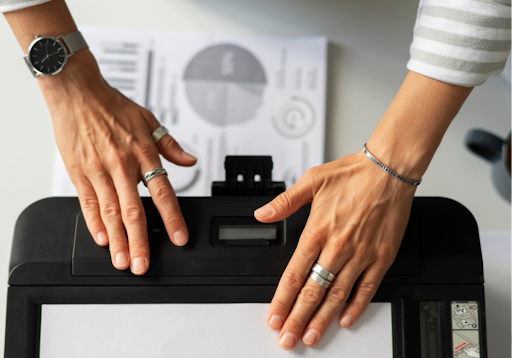
Your customer database may include people with different preferences, locations, and purchasing habits. Sending everyone the same promotion can reduce campaign relevance. Audience segmentation helps you group customers according to useful characteristics, such as purchase history, location, service requirements, or previous interactions. You can then prepare messages that address each group's interests.
Variable data printing makes those segments easier to reach through customized materials. For instance, an insurance provider can send renewal reminders to existing policyholders and introductory offers to potential customers. A retailer can promote seasonal products based on regional demand. A nonprofit can create separate appeals for regular donors and first-time supporters.
Moreover, the benefit of working with a specialized printing company is that your mailing list can be organized and the customer database matched to the relevant material. Proper preparation of data ensures there will not be any duplicates of the same mail, any errors made while filling out the form, or inappropriate offers. The marketing department can concentrate on choosing an appropriate audience and designing campaign messages rather than production details.
3. Increase Direct Mail Response Potential
The direct mail you will send out has to provide a definite reason for the recipients to act on it. While an attractive design may capture the recipient’s attention initially, it is the relevance of the content that will keep them interested in your mailing. Personalizing your headings, using appropriate product images, and giving customer-related offers make your offer relevant to the recipient.
Variable data printing also supports campaign testing. You can compare different headlines, images, promotional offers, and calls to action across selected audience groups. For example, one group might receive a discount, while another sees a message focused on product benefits. You can review the results to understand which approach generates more inquiries or purchases.
Printing specialists help maintain consistency across different versions while managing production requirements. They can also incorporate personalized QR codes, unique URLs, and promotional codes into your materials. These features connect physical mail with digital channels and provide additional ways to measure customer activity. Although personalization cannot guarantee a response, it gives your campaign more opportunities to engage recipients.
4. Improve Production Efficiency and Cost Control
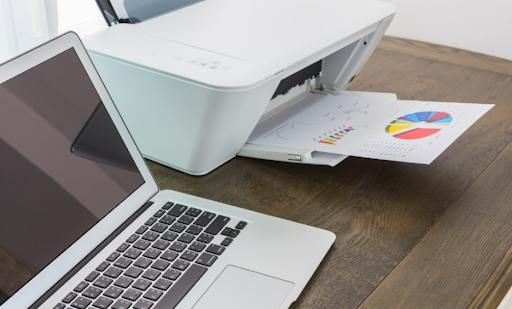
Creating multiple variations of your marketing product using traditional printing might require more than one print job. Each print job would then need to include extra setup and production time. With variable data printing, you have the ability to create different variations of content all at once. Your company can target many customers without having to arrange for each individual print job.
Accurate data preparation is equally important for controlling costs. Incorrect addresses, duplicate records, and incomplete information can lead to wasted materials and returned mail. Experienced providers can standardize customer lists and validate address details before production. Automated data merging, digital proofing, and quality checks also help identify mistakes before printed materials enter the mailing process.
You can simplify operations further by choosing a company that offers integrated printing and mailing services. Design, data processing, digital printing, fulfillment, and postal optimization can work together under one workflow. This reduces the need to coordinate several vendors and helps your team manage deadlines more effectively. For large campaigns, organized production can save time and limit avoidable expenses.
5. Track Campaign Performance More Effectively
Your marketing team needs reliable information to understand whether a direct mail campaign achieves its objectives. Variable data printing allows you to add tracking elements to individual mail pieces. Personalized QR codes, campaign URLs, and promotional codes can help identify which materials generate website visits, inquiries, or purchases. You can use these details to connect physical mail with measurable customer actions.
Tracking also helps you compare results across audience groups. For example, you can examine whether customers in one location respond better to a particular promotion. You can also compare different product recommendations, messages, and calls to action. These insights help identify successful campaign elements and highlight areas that need improvement.
A professional printing partner can prepare personalized tracking features and maintain consistency throughout production. However, you should establish clear performance goals before sending your mail. Decide whether you want more website traffic, store visits, product inquiries, or completed sales. Select tracking methods that match those objectives. After delivery, review the results and use the findings to improve your next campaign.
Conclusion
Variable data printing companies play an important role in targeted direct mail because they combine personalization, data management, printing expertise, and production support. Their services help you reach relevant audiences, create useful messages, manage costs, and measure campaign performance. These advantages can make your marketing efforts more focused and efficient.
Before your next campaign, review your customer records and identify suitable audience segments. Develop relevant offers, set clear performance goals, and choose a printing partner with the technology and expertise to manage the complete process. A well-planned campaign gives every mail piece a clearer purpose.
HOW DO YOU FEEL ABOUT FASHION?
COMMENT OR TAKE OUR PAGE READER SURVEY
Featured




Buying property near the coast involves more than comparing views, floor areas, and asking prices.