
5 Advanced Car Interior Technology That Improves Every Alfa Romeo Car Experience
PAGE
By PAGE Editor
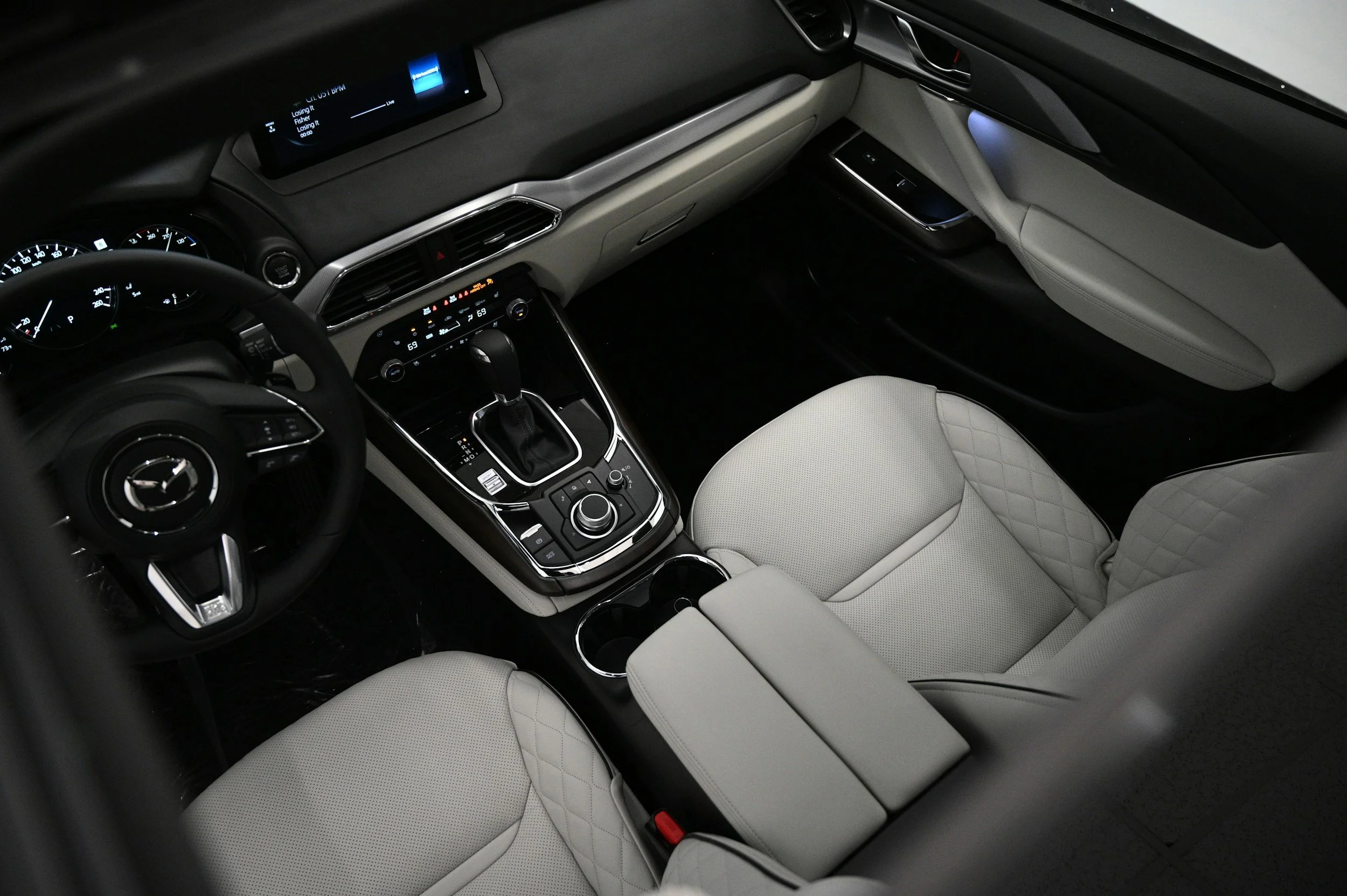
Modern vehicles are no longer defined only by engine performance, exterior styling, or driving dynamics. Interior technology has become a central part of the automotive experience, shaping how drivers interact with navigation systems, entertainment platforms, comfort settings, and vehicle information. Luxury automotive brands increasingly invest in advanced cabin technology to create interiors that combine convenience, connectivity, and driver engagement.
Alfa Romeo vehicles reflect this industry shift by integrating sophisticated interior technologies designed to enhance comfort, usability, and driving interaction. When exploring luxury vehicle features and model options, some buyers research resources such as best Alfa Romeo dealership in PA to compare available technologies and vehicle configurations.
Understanding the advanced interior systems found in Alfa Romeo vehicles can help drivers appreciate how modern technology contributes to the overall ownership experience. Below are five important interior technologies that significantly improve the Alfa Romeo driving environment.
1. Advanced Digital Infotainment Systems for Connected Driving
One of the most influential interior technologies in modern vehicles is the infotainment system.
Infotainment technology combines communication, navigation, entertainment, and vehicle management functions into a centralized interface that drivers and passengers use regularly.
Modern Alfa Romeo interiors often incorporate advanced infotainment systems featuring:
Touchscreen interfaces
Smartphone integration
Navigation capabilities
Voice command functionality
Media streaming access
Vehicle settings customization
These systems help streamline access to important information while reducing the need for separate devices or manual adjustments.
Touchscreen displays allow users to manage climate controls, media selection, navigation tools, and connected applications from a centralized location.
Smartphone compatibility has become especially important in contemporary driving environments. Many drivers expect seamless access to familiar mobile tools for communication, mapping, and entertainment.
Voice command systems further improve convenience by allowing users to perform functions without extensive manual interaction.
Navigation technology also plays a major role in everyday usability.
Integrated navigation systems can support route planning, location searching, traffic awareness, and trip management during commuting, travel, or unfamiliar driving situations.
Because infotainment systems influence daily vehicle interaction so heavily, their design, responsiveness, and ease of use contribute significantly to the overall Alfa Romeo cabin experience.
2. Digital Driver Information Displays That Improve Awareness
Traditional instrument clusters have evolved considerably in modern automotive interiors.
Many luxury vehicles now use digital driver information displays to present vehicle data in more customizable and visually organized formats.
Alfa Romeo interiors increasingly incorporate digital display technology that supports driver awareness through clear information delivery.
These displays may provide access to:
Vehicle speed information
Navigation guidance
Fuel and efficiency data
Safety alerts
Driver assistance notifications
Performance-related vehicle metrics
Unlike conventional analog gauges with limited flexibility, digital displays can adapt based on driving mode, vehicle settings, or driver preferences.
This adaptability allows drivers to prioritize the information most relevant to their current driving situation.
For example, navigation directions can appear directly within the driver's viewing area, reducing the need to repeatedly shift attention toward a central screen.
Safety notifications and system alerts can also be displayed more clearly through digital instrumentation.
The organization of information matters because efficient visual communication can support improved driver awareness during everyday travel.
Digital interfaces contribute not only to modern aesthetics but also to functional usability within the vehicle environment.
As interior technology continues evolving, customizable display systems have become an increasingly important component of premium automotive design.
3. Intelligent Climate Control Technology for Personalized Cabin Comfort
Comfort remains one of the most important expectations in modern luxury vehicles.
Climate control technology plays a major role in shaping how comfortable drivers and passengers feel during short trips, long commutes, and seasonal travel.
Alfa Romeo interiors often include advanced climate management technologies intended to support individualized comfort preferences.
Common features may include:
Dual-zone automatic climate control
Rear passenger climate management
Air quality management systems
Heated seating functions
Ventilated seating options
Automatic temperature regulation
Dual-zone climate systems allow drivers and front passengers to adjust temperatures independently.
This capability can improve comfort when occupants have different temperature preferences.
Automatic climate regulation further simplifies cabin management by adjusting airflow and temperature settings based on chosen conditions.
Temperature management becomes especially relevant during seasonal weather changes involving:
Summer heat
Winter cold
Humid environments
Long-distance highway travel
Heavy traffic conditions
Heated and ventilated seating technologies add another dimension to cabin comfort.
Rather than controlling only ambient air temperature, seat climate functions address direct body comfort.
Some systems also include air filtration or air-quality management features designed to support cabin freshness and environmental control.
Because drivers spend considerable time inside their vehicles, comfort-oriented interior technologies contribute meaningfully to the daily ownership experience.
4. Advanced Driver Assistance Integration Within the Cabin Environment
Vehicle safety technology increasingly relies on interior interfaces that communicate information clearly to the driver.
Modern Alfa Romeo interiors support advanced driver assistance technologies through integrated displays, alerts, and monitoring systems.
These systems may include:
Blind spot monitoring notifications
Lane departure alerts
Adaptive cruise control information
Collision warning indicators
Parking assistance displays
Driver attention alerts
The effectiveness of many safety technologies depends partly on how efficiently they communicate with the driver.
Interior display integration helps ensure important notifications are visible, timely, and understandable.
For example, blind spot monitoring systems may use visual indicators positioned strategically within the cabin environment.
Parking assistance systems often rely on camera displays, proximity graphics, and sensor-based alerts to help drivers maneuver more effectively.
Driver assistance technologies increasingly operate through a combination of:
Cameras
Sensors
Radar systems
Digital displays
Audio notifications
Visual warning indicators
Interior technology acts as the communication bridge connecting these systems to the human driver.
Well-designed cabin interfaces can help reduce confusion while supporting faster interpretation of safety information.
As advanced driver assistance systems become more sophisticated, interior technology design becomes increasingly important in maintaining intuitive usability.
5. Premium Audio and Acoustic Technology for an Enhanced Driving Atmosphere
Sound quality has become an essential element of the modern luxury automotive experience.
Interior technology now extends beyond displays and connectivity to include carefully engineered acoustic environments.
Alfa Romeo vehicles often incorporate advanced audio and sound-management technologies designed to improve the cabin atmosphere.
Important audio-related technologies may include:
Premium speaker systems
Digital sound tuning
Noise management engineering
Enhanced audio clarity systems
Surround sound functionality
Premium audio systems are designed to provide balanced sound reproduction across different music genres, media formats, and listening preferences.
Speaker placement, cabin acoustics, and digital tuning algorithms all influence sound performance.
In addition to entertainment quality, noise management technology contributes significantly to cabin refinement.
Modern luxury vehicles frequently incorporate sound-insulating materials, aerodynamic engineering, and acoustic design strategies to reduce unwanted noise sources such as:
Wind noise
Tire noise
Road vibration
Engine intrusion
External traffic sounds
A quieter cabin can improve comfort during daily commuting, extended highway travel, or hands-free communication.
Acoustic refinement also affects perceived luxury quality.
By managing both entertainment sound delivery and environmental noise control, advanced audio technologies help create a more immersive and comfortable interior environment.
For many drivers, the overall sensory atmosphere of a vehicle influences long-term satisfaction just as much as performance or styling characteristics.
How Interior Technology Supports the Overall Alfa Romeo Driving Experience
Interior technology does not function as a collection of isolated features.
Instead, modern vehicle systems increasingly operate together to create a connected, integrated driving environment.
In Alfa Romeo interiors, multiple technologies work collectively to influence:
Driver convenience
Passenger comfort
Safety awareness
Digital connectivity
Personalized customization
Driving engagement
For example, infotainment systems may interact with navigation platforms, driver displays, and voice command tools simultaneously.
Climate systems, seating technology, and acoustic refinement collectively shape physical comfort.
Driver assistance systems rely on integrated displays, alerts, and interface design to support safer decision-making.
This interconnected approach reflects broader automotive industry trends emphasizing seamless user experiences rather than isolated feature lists.
Understanding how these technologies interact provides deeper insight into what modern luxury interiors are designed to achieve.
Conclusion
Interior technology has become one of the defining elements of the contemporary automotive experience, influencing everything from connectivity and comfort to safety communication and personalized usability.
Alfa Romeo vehicles incorporate several advanced interior technologies that contribute to a refined, driver-focused environment. Digital infotainment systems, customizable driver displays, intelligent climate management, integrated safety interfaces, and premium audio technologies all play meaningful roles in shaping the cabin experience.
These technologies extend beyond convenience alone. They influence how drivers access information, interact with vehicle systems, manage comfort preferences, and experience everyday travel.
As automotive interiors continue evolving toward greater connectivity and personalization, understanding these advanced cabin features can help drivers more effectively evaluate how technology contributes to the overall Alfa Romeo ownership experience.
HOW DO YOU FEEL ABOUT FASHION?
COMMENT OR TAKE OUR PAGE READER SURVEY
Featured




Deep clean, seal, and protect your tile & grout in Oceanside, CA. Bring the original shine back to your floors. Request a quote today!