
5 Signs an Existing Dust Collection Setup Is Undersized for Current Equipment
PAGE
By PAGE Editor
A dust collection system that worked fine when a workshop first installed it doesn’t automatically keep pace as equipment gets added or upgraded over the years. Five signs point to a setup that’s fallen behind what the current equipment actually needs.
Visible Dust Settling on Surfaces Near Active Machines
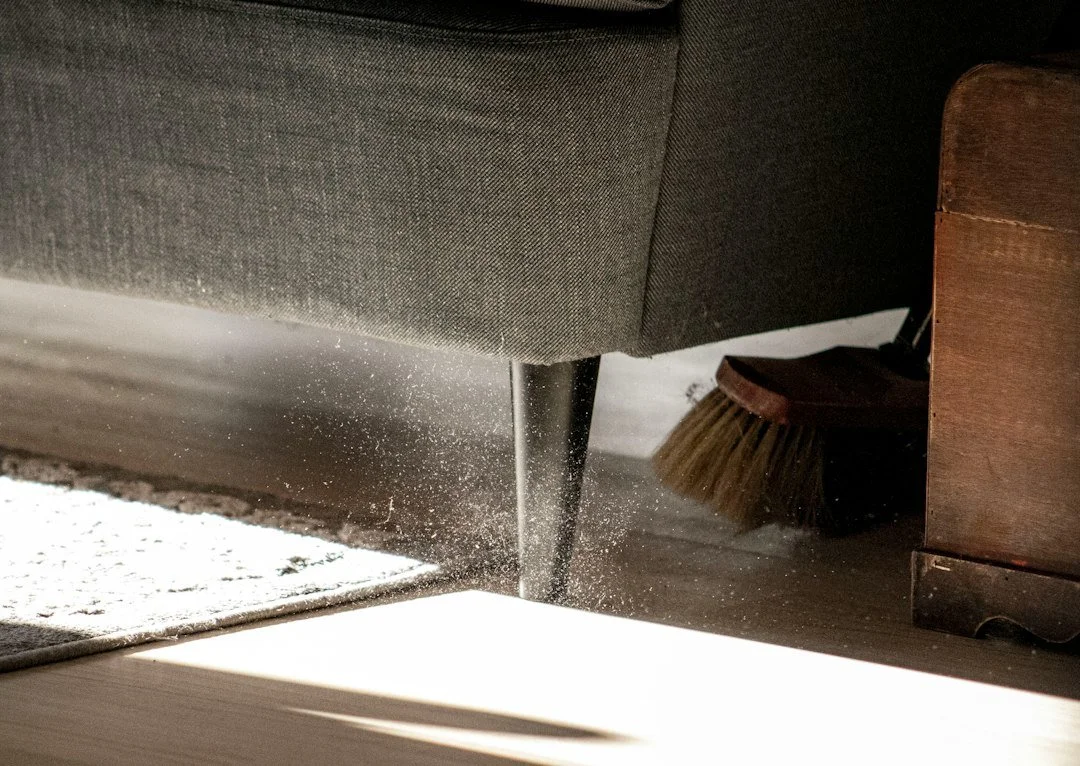
If dust is visibly settling on benches, floors, and nearby equipment within a short distance of a machine that’s supposed to be connected to extraction, the system isn’t capturing what it should be. This is one of the most obvious signs of undersized capacity, since a properly matched system captures dust at the source before it has a chance to become airborne and settle across the workshop.
Good industrial dust collector systems leave minimal dust accumulation around the machine during normal operation. Persistent visible buildup points to airflow that’s insufficient for the volume of dust being generated.
Multiple Machines Connected to One System
Adding a new machine to an existing ducted system without recalculating whether the collector can maintain sufficient airflow at every connected point is a common way collection capacity quietly falls behind. Each additional branch and blast gate in a ducted system draws from the same overall airflow the collector produces. A system sized for three machines doesn’t automatically handle five just because the ductwork physically connects to all of them.
If a workshop has added equipment over time without reassessing total system capacity against the number and type of machines now connected, there’s a reasonable chance the collector is stretched thinner than its original design intended. This is very true even if it appears to be running normally.
Reduced Suction at Machines Furthest From the Collector
A properly designed ducted system accounts for airflow loss over distance and through multiple duct runs, sizing ductwork and calculating static pressure to maintain adequate suction throughout. If machines positioned further from the collector show noticeably weaker extraction than those closer to it, this indicates the system wasn’t sized with enough capacity to overcome the static pressure losses across the full duct run.
This becomes more pronounced as a system ages or expands, since additional duct length and extra fittings both increase resistance, and a collector that was marginal to begin with falls further behind as the ductwork network grows more complex over time.
Increased Fine Dust in the Air Despite the System Running
Coarse sawdust settling out is one problem, but fine, airborne dust that lingers in the air well after a machine’s finished cutting is a different and more serious sign. Fine particulate requires sufficient airflow velocity to capture it at the source, and a collector that’s adequate for coarse chip collection can still be undersized for capturing genuinely fine dust generated by sanding or certain cutting processes.
If workshop air noticeably feels dustier or hazier after operating equipment, this points to a capacity gap specifically around fine particulate capture. This is a distinction worth understanding since the fix differs from simply adding more raw suction power.
The Collector Runs Constantly Without Ever Fully Clearing the Air
A system working within its capacity should visibly and measurably improve air quality within a reasonable time after a machine stops running. If the collector runs continuously and workshop air quality never seems to genuinely improve, even during periods when no machine is actively producing dust, this suggests the system is operating at or beyond its practical limit.
HOW DO YOU FEEL ABOUT FASHION?
COMMENT OR TAKE OUR PAGE READER SURVEY
Featured





Wale joins CapSole as Chief Creative Officer and equity partner, bringing his influence in sneaker culture to a business focused on preservation, sustainability, and extending the life of collectible footwear.