
7 Steam Cleaning Mistakes That Quietly Damage Hardwood and Tile Floors Over Time
PAGE
By PAGE Editor
Steam cleaning seems like an effortless path to spotless floors without any harsh chemicals. But here's the catch: many people slowly wreck their surfaces while chasing that fresh shine. Hardwood and tile deal with heat and moisture in totally different ways, so small mistakes stack up before anyone notices. Give it enough time, and certain habits start weakening finishes, loosening grout, and warping planks. Catching these slip-ups early helps protect floors and keep rooms looking sharp.
1. Using Steam on Unsealed Hardwood
Wood drinks up moisture way faster than most folks expect. The moment steam sneaks past a worn or unsealed finish, water works its way between the planks and swells the fibers below. You end up with cupping, gaps that widen, and edges that begin to peel upward. Quite a few manufacturers will void a warranty as soon as steam contacts solid timber. So before any hot moisture touches a wooden surface, make sure that finish is still doing its job.
2. Setting Temperatures Too High
Crank the heat too far, and protective coatings break down fast. Most finishes can handle temperatures around 200°F, but stronger machines can exceed that without much effort. All that heat softens polyurethane, and suddenly the floor looks dull and picks up scratches easily. Good commercial steam cleaners hand the operator precise control over output, which really helps when different rooms have different flooring underfoot. Match the temperature to the surface, and you protect the finish while still lifting dirt and grime, so dialing things in carefully counts just as much as raw cleaning muscle.
3. Leaving the Nozzle in One Spot
Hover in one place too long, and you drive heat and moisture straight into a tiny patch. Grout lines soak up the extra water, while wooden seams puff out under that constant exposure. Keep the head moving, though, and the energy spreads evenly, so nothing gets saturated. One smooth, gliding pass cleans deep without soaking a single spot. Even a quick pause can trigger discoloration and quiet structural damage that won't show its face for weeks.
4. Skipping the Dry Mop First
Loose grit acts just like sandpaper once a steam head slides across it. Drag that debris over finished wood or glazed tile, and you're left with fine scratches that dull the shine. A quick sweep or vacuum first clears out the particles that heat alone will never dissolve. It's one small prep step, but it keeps surfaces bright and crisp. Floors that start clean always respond to steam far better than gritty ones ever could.
5. Ignoring Grout and Tile Differences
Not every tile reacts to steam the same way. Porous natural stone, think marble and slate, tends to react badly to sharp heat and lingering dampness. Sealed ceramic and porcelain, by contrast, handle the whole process much more gracefully. Hit delicate stone with aggressive steam, and you etch the surface while stripping the sealant right off. Figure out the material first, and you'll dodge permanent marks and keep grout tucked in tight between every tile.
6. Over-Wetting Instead of Dry Steaming
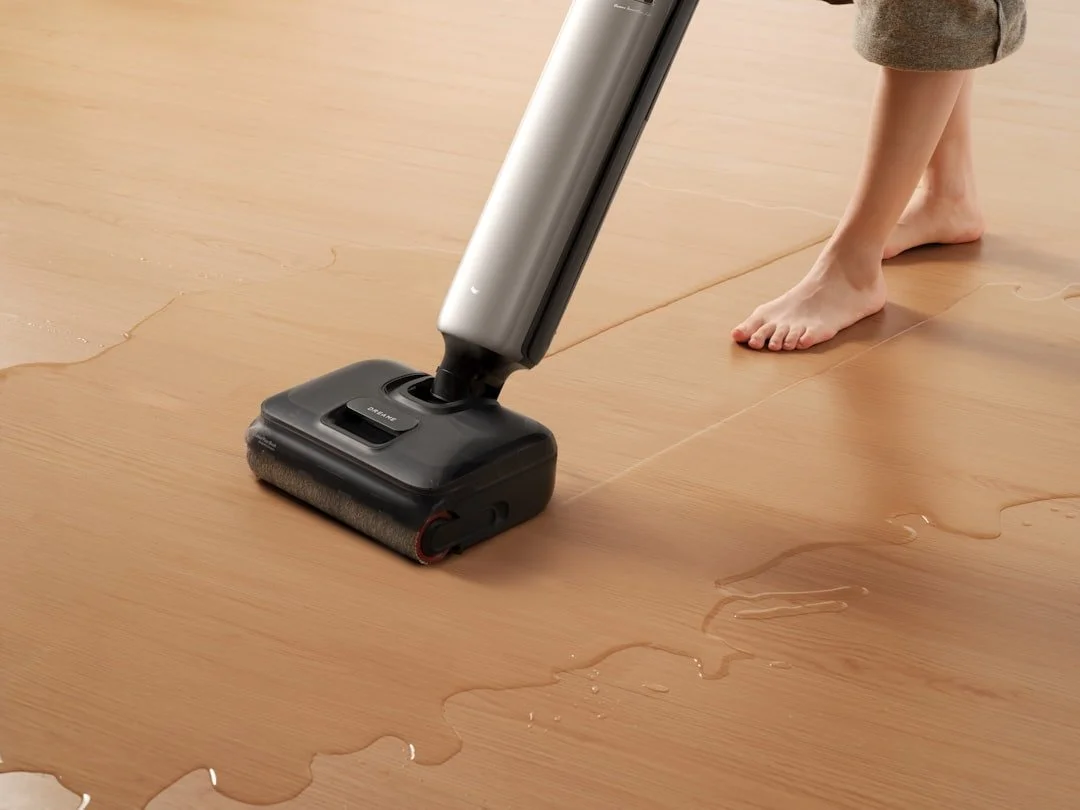
Loading on extra water hardly ever gets you a cleaner result. All that surplus moisture pools in crevices, softens the glue under tiles, and sinks deep into wood grain. Dry vapor systems put out far less liquid while still sanitizing each surface. Pick a lower moisture setting, and you shield subfloors while trimming drying time a good bit. Puddles trailing behind you usually mean the machine is pumping out more water than the job ever needed.
7. Neglecting Regular Maintenance of Equipment
A dirty machine mostly just shoves grime around instead of lifting it. Clogged nozzles spray unevenly, and mineral scale slowly chips away at steam quality. Rinse the tanks, swap the pads, and descale on a schedule, and everything keeps running smoothly. Gear that's kept in shape puts out steady heat and passes that come out noticeably cleaner. Neglected units, meanwhile, tend to leave streaks that gradually stain both wood and tile.
Conclusion
Steam only stays gentle on floors as long as the technique fits the surface below it. Little tweaks, like managing the heat, prepping first, and respecting what each material can take, hold off the slow damage that later gets expensive. Hardwood and tile both want careful attention, not rushed shortcuts. Avoid these common mistakes, and homeowners can keep their floors looking beautiful and tough in every space. Good habits now lead to stronger, cleaner surfaces for years to come.
HOW DO YOU FEEL ABOUT FASHION?
COMMENT OR TAKE OUR PAGE READER SURVEY
Featured





Jackets have always been an important part of fashion.