
Why Casino Floors Hire Stylists: Uniforms, Atmosphere and the Look of a Brand
PAGE
By PAGE Editor
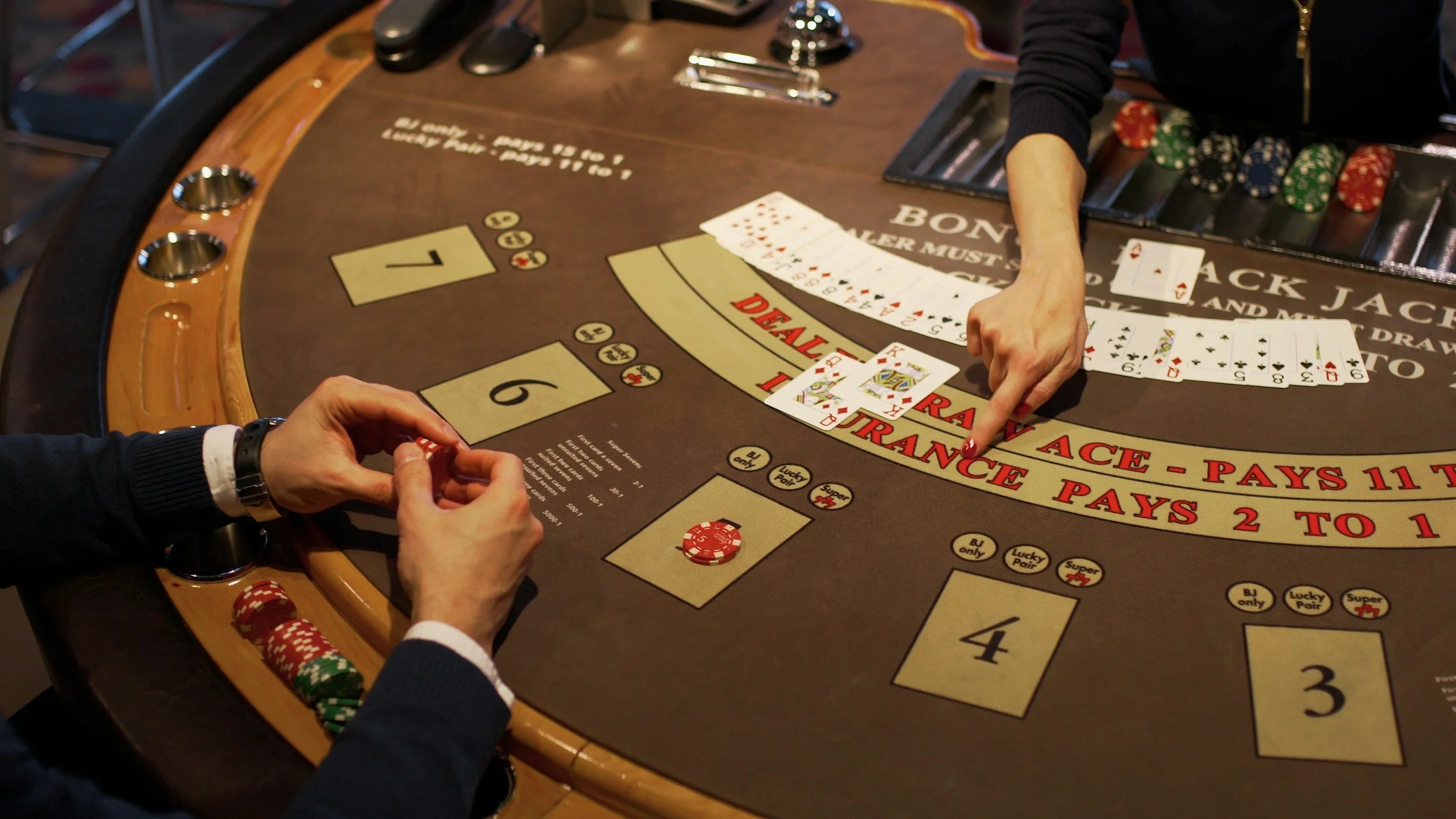
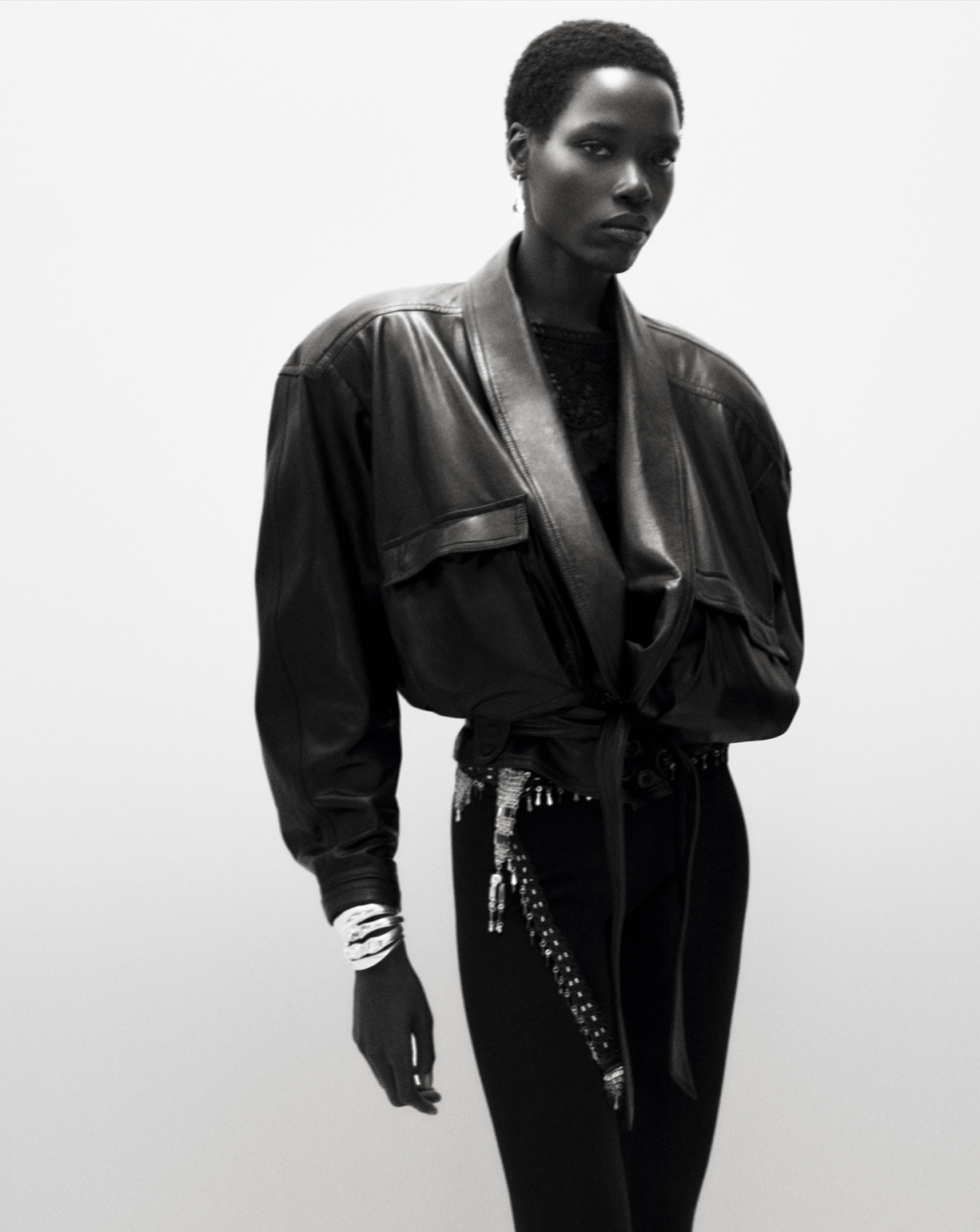
A waistcoat can do more work than a billboard. Watch a blackjack dealer in a fitted vest, crisp cuffs and a name tag worn at exactly the same angle as every colleague's, and you are reading a brand without a single logo being shouted at you.
That is the quiet part of casino design, and it is far more deliberate than most visitors realise. Fashion people already know the logic. A house builds legacy through silhouette, fabric and repetition, and a casino floor runs on the same grammar. This piece looks at how the wardrobe side of gambling is planned, why stylists and costume designers get hired for it, and how all of that polish has migrated onto a screen.
The uniform is the brand, worn
Walk onto a floor that has been properly styled and you notice the palette before you notice the games. Deep burgundy and brass in one room. Cool charcoal and silver in the next. Staff dress is chosen to belong to that palette, not to stand apart from it.
The trade has written about this for years. GGB Magazine's feature on casino uniforms traces how staff outfits have shifted alongside the décor, and how employees end up carrying the brand image into every interaction. That framing is the one a fashion editor would use for a flagship store.
So the cocktail-server outfit stops being a costume gag. It is a silhouette decision. Fabric weight matters because someone is on their feet for eight hours. Colour matters because it has to read under warm, low lighting without washing out. Footwear matters most of all, and anyone who has ever cared about a good pair of work boots will understand why.
Dealers get a different brief. Their wardrobe signals trust. Clean lines, restrained colour, nothing that flaps or catches on the chips. The best of them look almost architectural, and that is the point.
Dress shapes the person wearing it
There is a second audience for all this, and it is the staff. Uniform design is partly about how a person feels once the shirt goes on.
Research from Rice University on work clothes suggests that what people wear at work can influence how they see themselves and approach their professional roles. The same principle may apply to casino uniforms, where a comfortable, well-designed outfit can influence how employees perceive their professional role.
Clothing as self-expression, clothing as identity, and here it is operating inside a commercial setting where nobody calls it fashion.
There is friction too. Uniforms get it wrong all the time. Too tight across the shoulders, a fabric that does not breathe, a heel that looks glamorous on a mood board and punishing at 3 a.m. The good stylists fit-test with real staff and rework pieces after the first month. Treating a uniform as a living garment, not a one-off print job, is the same instinct behind the slow-fashion crowd's love of repair and longevity.
VIP rooms and the grammar of dress codes
The VIP lounge is where costume turns into stagecraft. Lighting drops a few degrees. Seating changes from upholstered stools to something closer to a hotel library. Staff dress shifts with it: tailored jackets, quieter accessories, a slightly slower walk.
Dress codes for guests follow the same script. Some rooms ask for smart casual, others want jackets, and a few quietly enforce a look nobody has written down. None of it is accidental. A room that signals old-world formality attracts a certain pace of play, and a room that signals neon and noise attracts another.
This is brand heritage in the plainest sense. Houses like Vlisco or Moncler spend decades teaching you to recognise them from a print or a sleeve. A casino brand does a compressed version of that with a vest colour, a lapel pin and a particular shade of felt.
From floor to screen
Here is where the story gets interesting for anyone who cares about creative direction. Online operators inherited the whole toolkit.
Live-dealer studios are built like small sets. Backdrops are chosen to echo a brand palette. Dealers wear wardrobes that were fitted, steamed and approved before the camera ever rolled. Lobbies are themed, with typography, button shapes and animation speeds treated as part of the same identity that once lived in a waistcoat.
Decisions that used to be about fabric are now about pixels. How warm should the green of a virtual table be? Does a gold accent feel premium or cheap at phone size? Does a dealer's collar read clearly through a compressed video stream? Stylists who once worked on physical floors now consult on studio wardrobes, because a stripe that looks elegant in person can shimmer badly on camera.
That shimmer problem is real, and it is the same one fashion photographers know well. Fine herringbone, small checks and tight stripes all moiré on video. So live-dealer wardrobes lean toward solid colours, matte finishes and strong necklines. The constraint produces a recognisable look, and brands build on it.
Studio design, lobby layout and dealer styling can differ considerably between online casino platforms. Some operators favour formal dealer attire, muted colours and traditional table settings, while others use brighter graphics, contemporary uniforms and more elaborate digital backgrounds. These choices influence how each brand presents itself, particularly on mobile screens where visual details need to communicate quickly.
The contrast is also visible in international casino comparisons aimed at American audiences. For example, esports.gg reviews the best online casinos in California, comparing offshore platforms on features such as game selection, live-dealer experiences, mobile presentation and payment methods. Although these operators appear in California-focused rankings, they are not licensed by the state, which does not authorise real-money online casinos.
The contrast between operators is the useful part. Some lean on a heritage look, with dark woods, brass tones and classic dealer attire. Others go bright, graphic and youthful. Neither is wrong. They are different answers to the same creative question: who is this brand talking to?
It also shows how quickly a styling idea ages. A dealer wardrobe that felt fresh three years ago can now read dated, and the better brands refresh theirs the way a fashion label refreshes a core collection, keeping the recognisable bones and quietly changing the details.
What the styling work teaches the rest of us
There is a lesson here for anyone who builds a wardrobe, a brand or both.
First, consistency beats novelty. A uniform works because it repeats. The same cut, the same colour, worn by dozens of people, turns into a signature. That is how a trench coat or a canvas tote becomes iconic.
Second, constraint is a gift. Dealers cannot wear anything loose near chips. Cameras cannot handle fine patterns. Those limits narrow the options, and narrowed options produce a cleaner point of view.
Third, clothing is communication. Nobody on a casino floor reads a style brief, yet everyone absorbs it. That is the quiet power of dress, and it is why costume designers who move between theatre, retail and hospitality keep finding work.
The next time you pass a hotel lobby or scroll through a polished live-dealer lobby, look at the sleeves, the colours and the stitching of the person at the centre of the frame. Somebody chose all of it.
FAQ
Do casinos really hire stylists or costume designers?
Yes, many larger properties and operators bring in designers for staff wardrobes, often alongside interior and branding teams. The aim is a consistent look that matches the venue's palette, lighting and target guest, from cocktail servers to dealers to VIP hosts.
Why are dealer outfits usually plain and restrained?
Trust and practicality. Clean lines signal reliability, and loose fabric or flashy accessories can interfere with cards and chips. On live-dealer streams, plain solid colours also avoid the shimmer that fine patterns cause on camera.
How does casino styling carry over to online platforms?
Operators reuse the same thinking in studio sets, dealer wardrobes, colour palettes and lobby design. Typography, button shapes and animation speed take the role that fabric and cut play on a physical floor, shaping how a brand feels at a glance.
What fabrics work best for live-dealer wardrobes?
Solid, matte fabrics in confident colours tend to photograph best. Herringbone, tight checks and fine stripes can moiré on video, so costume teams usually steer toward simple textures and strong necklines that stay crisp through compression.
Can uniform design really affect how staff perform?
Research on work clothing suggests it can influence how employees perceive their roles and approach their tasks. Comfort, fit and consistency may also contribute to confidence, although a well-designed uniform does not automatically improve job performance.
HOW DO YOU FEEL ABOUT FASHION?
COMMENT OR TAKE OUR PAGE READER SURVEY
Featured

A waistcoat can do more work than a billboard. Watch a blackjack dealer in a fitted vest, crisp cuffs and a name tag worn at exactly the same angle as every colleague's, and you are reading a brand without a single logo being shouted at you.