
7 Steps for Planning a Safe and Efficient Property Demolition in Winnipeg
PAGE
By PAGE Editor
Property demolition is more complicated than simply tearing down a structure and hauling away the debris. In Winnipeg, property owners need to consider the condition of the building, site accessibility, utility connections, safety requirements, permits, weather conditions, and what will happen to the property after the demolition is complete. Careful preparation can help prevent delays, unexpected costs, and safety issues throughout the project.
Whether an older building is being removed to make way for new construction or a damaged structure needs to be taken down, having a clear demolition plan is essential. The following steps can help property owners organize a demolition project and prepare the site for its next purpose.
1. Inspect the Property and Determine the Scope of Demolition
Before any demolition work begins, the property should be thoroughly assessed to determine exactly what needs to be removed. This includes examining the building's structural condition, identifying potential hazards, checking access points, and considering nearby buildings, roads, sidewalks, and other structures.
Working with an experienced contractor such as Winnipeg Demolition can help property owners determine whether the project requires complete building demolition, partial demolition, interior demolition, or selective removal. A professional assessment also helps establish what equipment, workers, and safety measures will be needed.
Defining the scope of the demolition early makes it easier to estimate costs, establish timelines, and organize the work before equipment arrives on-site.
2. Confirm Winnipeg Demolition Permits and Requirements
Once the scope of the project is established, property owners should determine which permits and approvals are required before demolition begins. Local requirements can vary depending on the type, location, and size of the structure being removed.
It is important to address these requirements before scheduling demolition because missing documentation can delay the project. Property owners should also determine whether there are additional requirements concerning waste disposal, environmental concerns, hazardous materials, or protection of surrounding properties.
Taking care of the administrative side of the project early allows the demolition crew to begin work according to an established schedule.
3. Locate and Disconnect Every Utility Before Demolition
Utility management is one of the most important safety considerations when preparing a property for demolition. Electrical, natural gas, water, sewer, and other service connections need to be identified and properly disconnected before the structure is taken down.
Contractors and property owners should coordinate with qualified professionals and relevant utility providers to confirm that services have been safely shut off. Hidden or improperly disconnected utilities can create serious risks for workers and surrounding properties.
A proper utility inspection should therefore be completed before demolition equipment enters the work area.
4. Plan the Demolition Sequence and Site Safety Measures
A safe demolition project requires more than choosing where to begin tearing down the structure. Contractors should establish a clear sequence for removing different portions of the building and determine how equipment and workers will move around the site.
The demolition plan should account for:
Structural stability during each stage of removal.
Safe access and exit routes.
Areas where workers and equipment can operate.
Nearby buildings, pedestrians, vehicles, and roads.
Dust, falling debris, and other potential hazards.
Winnipeg's weather and ground conditions.
Creating designated safety zones and controlling access to the demolition area can help reduce the risk of accidents while allowing the crew to work more efficiently.
5. Choose the Right Demolition Equipment and Contractor
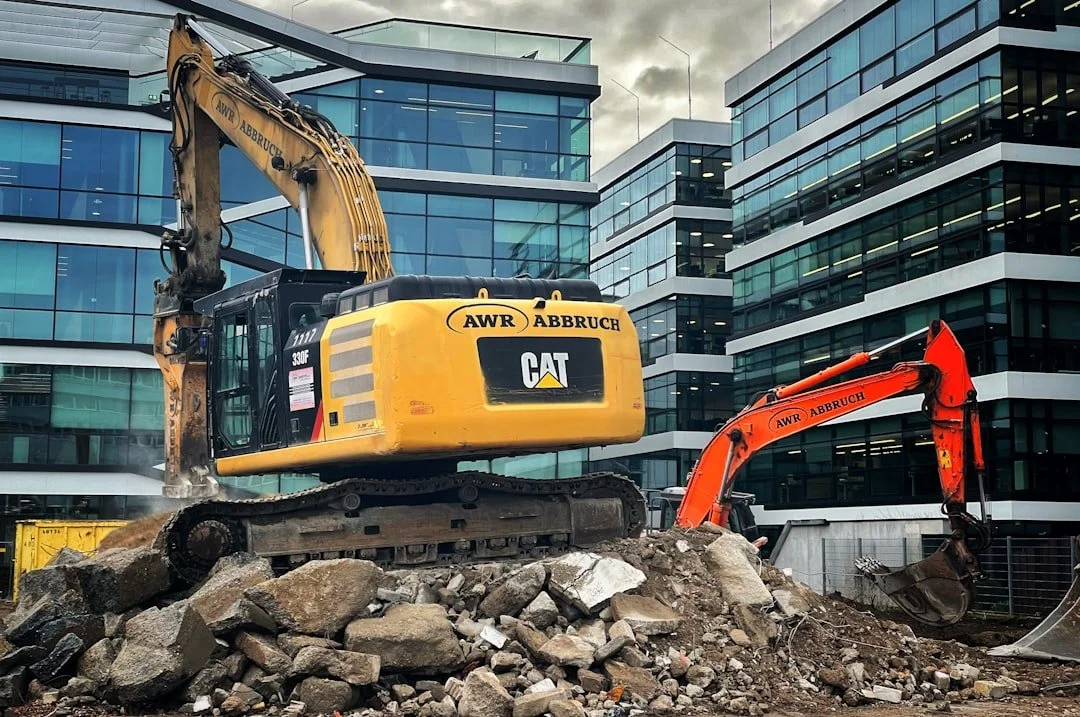
The equipment required for a demolition project depends on the structure, its location, and the type of demolition being performed. Excavators, loaders, specialized attachments, and other equipment may be needed for larger projects, while smaller structures may require different approaches.
Choosing an experienced demolition contractor is therefore an important part of the planning process. Property owners should consider the contractor's experience with similar projects, safety practices, equipment, project estimates, and ability to manage the demolition from preparation through cleanup.
An experienced team can also identify potential challenges before work starts, helping property owners avoid unnecessary interruptions.
6. Organize Debris Removal, Recycling, and Disposal
A demolition project can generate a large volume of concrete, wood, metal, drywall, insulation, and other materials. Planning how these materials will be handled before demolition begins can keep the site cleaner and prevent debris from becoming an obstacle to ongoing work.
Property owners and contractors should determine where demolition waste will go and whether certain materials can be separated for recycling or reuse. Proper disposal is particularly important when a building contains materials that require specialized handling.
Having dumpsters, hauling arrangements, and disposal plans ready before demolition begins can help maintain an efficient workflow and reduce unnecessary downtime.
7. Prepare the Winnipeg Property for Its Next Stage
Demolition is only one part of a property's transformation. After the structure has been removed, the site may need additional work before construction, redevelopment, landscaping, or another use can begin.
Post-demolition work may include removing remaining debris, clearing the foundation, grading the land, filling excavated areas, or preparing the site for new construction. Property owners should consider these requirements during the initial demolition planning process rather than treating them as an afterthought.
Planning the transition from demolition to the property's next use can help prevent unnecessary delays and make it easier for contractors to begin the next phase of the project.
Moving Forward With a Safe and Efficient Demolition
Planning a property demolition in Winnipeg requires attention to the entire process, from the initial site assessment to final cleanup and property preparation. Permits, utility disconnections, structural safety, equipment selection, debris management, and post-demolition work all play important roles in keeping the project organized.
By establishing a detailed plan and working with an experienced demolition contractor, property owners can reduce potential complications and create a safer, more efficient worksite. Proper preparation ultimately makes it easier to remove the existing structure and move forward with whatever comes next for the property.
HOW DO YOU FEEL ABOUT FASHION?
COMMENT OR TAKE OUR PAGE READER SURVEY
Featured





Jackets have always been an important part of fashion.