
Best Print-on-Demand Platforms for Personalised Apparel in 2026
PAGE
By PAGE Editor
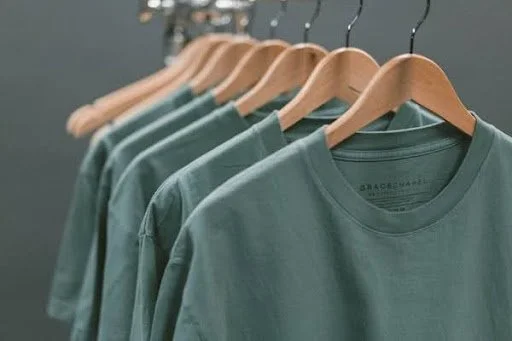
Great personalised apparel has to do more than carry a logo. It should feel good on skin, flatter the fit you want, and keep its color after repeated washes. For this ranking, I weighed hand feel, which means how the fabric and print feel when worn, along with color accuracy, style range, price clarity, and delivery speed.
Two print terms matter most when you shop. Direct-to-garment, or DTG, sinks ink into cotton for a softer finish, while direct-to-film, or DTF, sits closer to the surface and gives bolder color on dark or blended tees. If you care about a premium feel, smoother ringspun cotton and a lighter print hand usually look more elevated than basic blanks with heavy graphics.
Key Takeaways
These quick points will help you narrow your shortlist before you spend money on samples.
Printify is the strongest all-around pick. It gives you the broadest choice of blanks, easy store integrations, healthy margins, and fast shipping options on eligible items.
Printful is the safest choice for polish. Its in-house production and clear print guidance make it a smart fit when you want a retail-ready finish with fewer surprises.
Gelato works best for global audiences. Local production in 32 countries helps reduce transit time and import friction for shoppers in 200+ destinations.
SPOD leads on speed. Its 95 percent under-48-hour production target is hard to beat for event merch, holiday gifts, and last-minute drops.
Spreadshop and Spring are easy to sell through. Both lean into creator commerce, with simple setup and built-in paths to social traffic.
Redbubble is best for passive discovery. You trade control for convenience, but the built-in marketplace can surface fresh designs without a separate store.
1. Printify: Best Overall for Selection, Speed Options, and Creator Margins
Printify gives you the best mix of choice, control, and profit for stylish personalised apparel.
Design Tools
The Product Creator is friendly enough for first-time sellers, but it still gives you useful control. You can test text layouts, remove backgrounds, build quick mockups, and use the AI Image Generator when you need a starting point for a graphic concept. If the catalog feels huge, start with one fit, one color family, and two print providers so you can compare results without getting lost.
Fabric and Print Quality
Printify's network covers soft everyday tees, oversized streetwear styles, fitted options, organic cotton pieces, and heavier blanks that suit fashion-led drops. It also supports DTG, DTF, sublimation, and embroidery through different partners. Quality can vary by provider, so ratings matter, and samples matter even more, especially if your design uses soft pastel tones, washed black fabric, or fine line art.
Pricing
No order minimums keep the risk low when you are testing a new capsule. Printify Premium can cut product costs by up to 20 percent on most catalog items, which makes a visible difference if you want room for branded packaging, content shoots, or paid social. That pricing flexibility is one reason small creators can grow on the platform instead of outgrowing it.
Standout Features
Printify stands out because it lets you compare blanks, providers, and margins in one place instead of forcing a single production path. Express Delivery on eligible products is especially useful if you are planning a timed launch around a concert date, creator collaboration, or holiday drop. For most people who want stylish tees without locking into one look or one price point, this is the easiest place to start. If you want to compare fits, colors, and price points without leaving the catalog, it makes sense to start with custom t shirts and then check Express Delivery on eligible styles.
2. Printful: Best for Consistent, Retail-Ready Quality
Printful is the better pick when consistency matters more than the widest possible catalog.
Design Tools
The Design Maker is clear, polished, and easy to trust. Templates, text tools, and mockups help you build listings quickly, while print file guidance reduces the risk of fuzzy artwork or awkward placement. That matters if you want a clean chest graphic, a tiny sleeve logo, or minimalist embroidery that needs precise positioning.
Fabric and Print Quality
Printful uses water-based DTG inks that are OEKO-TEX-certified, which means they meet tested safety standards. It also offers DTFlex for bolder color where regular DTG can look softer on dark garments. Because fulfillment is handled in-house, placement and print consistency tend to feel steadier from order to order.
Pricing
Base pricing is straightforward, and sample orders are discounted by 20 percent. That makes it easier to test a premium blank, compare a standard tee against a heavyweight option, or see if an embroidered logo feels worth the extra spend. You may pay a bit more than bargain-first platforms, but the smoother finish can justify it.
Standout Features
Printful feels closest to a small retail production partner. If you want merchandise that looks ready for a boutique rack, press mailer, or creator pop-up, it earns its place near the top.
3. Gelato: Best for International Shoppers via Local Production
Gelato makes the most sense when your audience is spread across countries, not concentrated in one market.
Design Tools
The setup flow is straightforward, especially through Shopify and Etsy. You upload your design, review the print area, and connect the product to your storefront without much friction. The editor is not the flashiest here, but it covers the essentials well enough for clean graphic tees and creator basics.
Fabric and Print Quality
Gelato works with local partners in 32 countries and reaches more than 200 delivery destinations. Product and print options can vary by region, so the smart move is to sample from the places where most of your customers live. That extra step matters if you sell to both London and Los Angeles, where expectations on fit and fabric weight can differ.
Pricing
Shipping is where Gelato can save money and headaches. Producing closer to the customer usually means fewer long-haul charges, quicker delivery windows, and less chance of customs delays. Standard and Express options are available, with domestic delivery commonly landing within a few days after production.
Standout Features
Gelato is a strong choice for global brands, destination-focused creators, or anyone building a community across several countries. It solves a real problem that smaller labels face early, which is how to ship quickly without holding inventory everywhere.
4. SPOD: Best for Fastest Production
SPOD is the platform to pick when speed is not a bonus, but the whole point.
Design Tools
The builder is simple and practical. It will not win points for luxury presentation, but it gets products live fast and supports customer personalization with text and images if that fits your store. That can work well for event shirts, bridal parties, or one-off gift orders.
Fabric and Print Quality
SPOD keeps quality solid for everyday merch across its US and EU facilities. The sweet spot is bold, straightforward artwork rather than ultra-delicate detail or high-fashion finishing. A sample is still worth it if your design relies on subtle shadow, tiny serif text, or exact brand colors.
Pricing
Base costs stay competitive, which helps when you need a low-risk product for a quick campaign. Fast production also lowers the pressure to pre-plan weeks ahead, which can be valuable if your content calendar changes often.
Standout Features
SPOD says 95 percent of orders are produced within 48 hours. That speed makes it a smart option for flash sales, surprise creator drops, and seasonal demand spikes where slower fulfillment would cost sales.
5. Spreadshop: Best for a Simple Branded Storefront
Spreadshop is easiest for creators who want a clean store without spending much time managing it. Broader luxury and lifestyle apparel coverage tracks the same pattern across higher-end markets, where the strongest creator-led brands are usually the ones that focus on consistent visual identity rather than chasing every trend at once.
Design Tools
The product creator is simple to learn, and templates help you roll one design across several products quickly. You can also let shoppers personalize items with their own text or images, which adds a useful gift angle for names, dates, or team slogans.
Fabric and Print Quality
Production runs through the Spreadshirt network, with quality that fits casual creator merch well. It is a sensible choice for audience-first apparel, though you should still test your preferred blank before promising a premium boutique feel. A washed neutral tee with a small front print usually plays better here than an ultra-detailed art piece.
Pricing
Pricing is refreshingly clear. Each product has a base cost, you set your margin on top, and you keep that difference. For newer sellers, that simple structure can be easier to manage than memberships, layered discounts, or shipping rules that change by integration.
Standout Features
Spreadshop is built for low-maintenance selling. If your priority is a tidy branded storefront that connects neatly to your audience channels, it delivers a smooth starting point.
6. Spring: Best for YouTube Shopping Integration
Spring works best when your merch strategy is tied closely to content, personality, and fan loyalty.
Design Tools
The builder is streamlined, so you can move from idea to product listing quickly. That suits creators who design around a catchphrase, a tour moment, or a recurring visual identity rather than a deep fashion collection. It is less about advanced design play and more about speed to market.
Fabric and Print Quality
Spring covers tees, hoodies, and other merch staples through on-demand production. As with any platform in this category, the safest move is to order samples before you promote heavily. That is especially important if your audience expects a softer premium tee instead of basic merch-table quality.
Pricing
There is no upfront fee, and profit comes from the gap between the base cost and your retail price. That model is easy to understand, but your margins can narrow fast if you want premium blanks and modest pricing. Setting the right price takes a little realism.
Standout Features
Its official YouTube Shopping connection is the main attraction. If fans can buy from the same place they watch, click-through friction drops, and impulse purchases become more likely.
7. Redbubble: Best for Marketplace Discovery
Redbubble is the easiest option if you want exposure first and brand control second.
Design Tools
Upload your art once, choose the products you want to enable, and set your margins. Templates speed up setup, so testing a new graphic is quick. That makes Redbubble useful for trend-led art, slogan designs, or niche fandom concepts that you want to validate before building a full brand site.
Fabric and Print Quality
Apparel is usually printed through third-party partners using DTG for standard tees and sublimation for some all-over items. Results can vary more than on in-house platforms, so it is wise to order a sample before you send traffic there. If you are very particular about exact blanks and styling, you may feel limited.
Pricing
Redbubble uses a base-price-plus-margin model, so your earnings depend on the markup you set. That sounds simple, but marketplace competition can pressure you to keep prices reasonable. It works best when discovery matters more than maximum profit per item.
Standout Features
The built-in audience is the real value. Redbubble can surface your design to shoppers who would never find a standalone store, which makes it a useful testing ground for emerging artists and side-project creators.
Conclusion
Order samples from your top two picks before you build a full collection.
For most style-minded shoppers and small creators, Printify is the best first stop because it balances variety, margin, and speed with less friction than most rivals. Printful is the stronger choice if you care most about a polished, retail-ready finish. Gelato solves international shipping headaches, SPOD solves rush timing, Spreadshop and Spring make social selling easier, and Redbubble helps you test ideas in front of an existing audience. Match the platform to the way you want the final tee to look, feel, and arrive, then build from there.
FAQ
These common questions can help you avoid the most expensive early mistakes.
Which platform is best for fashion-led personalized T-shirts?
Printify is the strongest all-around option because it gives you more blank choices, more pricing flexibility, and more room to shape your brand aesthetic. If you want the safest premium finish with less variability, Printful is the better bet.
What is the best print method for a soft feel?
DTG is usually the best choice on cotton when you want a softer print that moves with the fabric. DTF gives stronger color on dark or blended garments, but it can feel a touch more noticeable on the surface. Your artwork and blank choice both affect the final feel.
Which platform ships fastest?
SPOD is the speed leader because it reports that 95 percent of orders are produced within 48 hours. Printify is also worth a look if the product you want qualifies for Express Delivery and the style fits your timeline.
How should I price personalized apparel without scaring buyers away?
Start with the full cost of the garment, printing, and shipping, then compare that total with the kind of tee you would personally buy. A premium blank can justify a higher price if the fit, fabric, and design feel intentional. If the product looks basic, the price needs to stay honest.
HOW DO YOU FEEL ABOUT FASHION?
COMMENT OR TAKE OUR PAGE READER SURVEY
Featured




Having a friends with benefits relationship is a great idea, if you find the right person for it.