
Better With Age Is Proving That Circularity Can Be Luxury's Most Radical Innovation
PAGE
By PAGE Editor
For decades, sustainability has largely been communicated through statistics, certifications, and environmental promises. Fashion has often framed circularity as an obligation rather than an aspiration. Yet Los Angeles-based label Better With Age has quietly rewritten that narrative, positioning post-consumer garments not as compromises, but as the foundation of contemporary luxury.
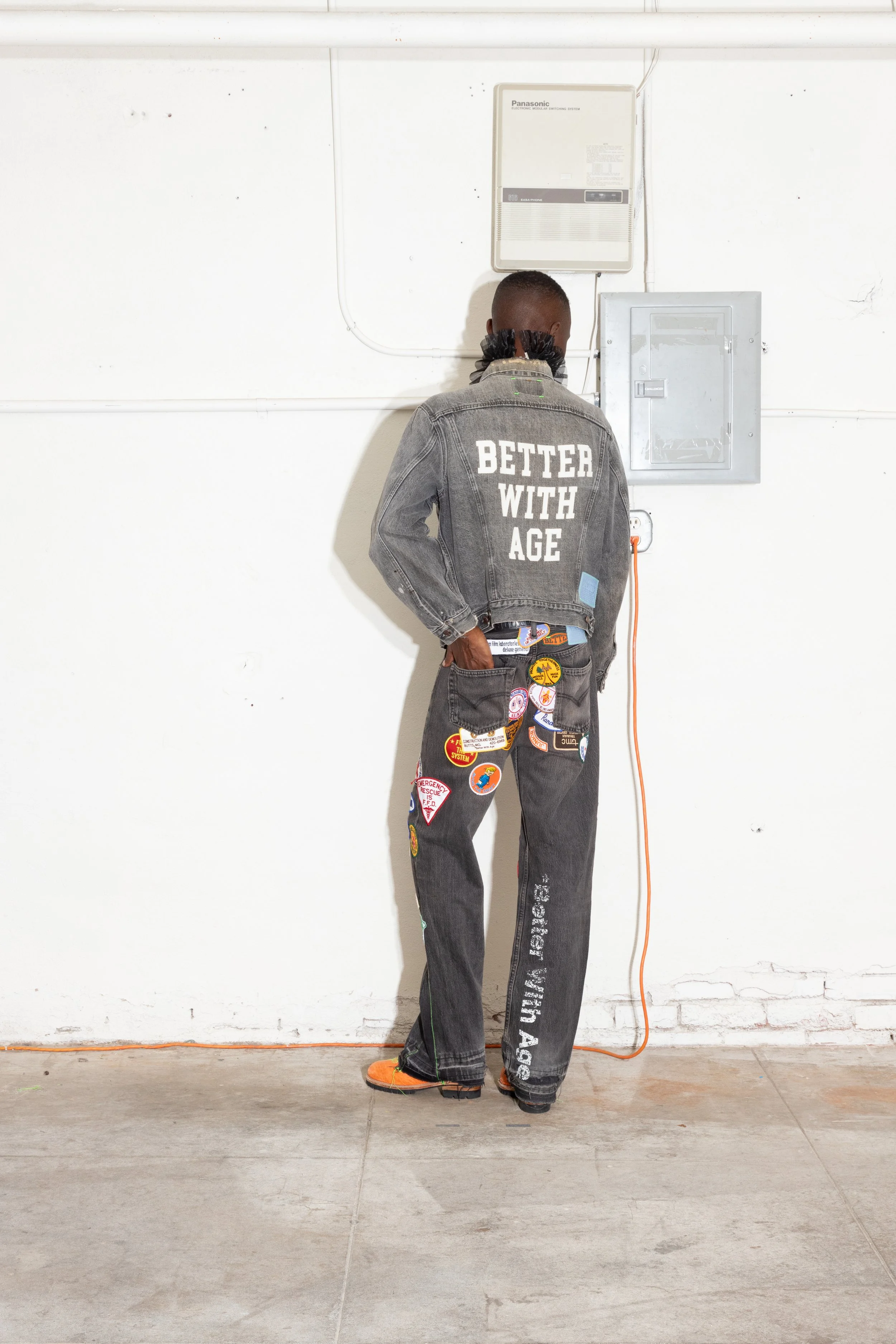
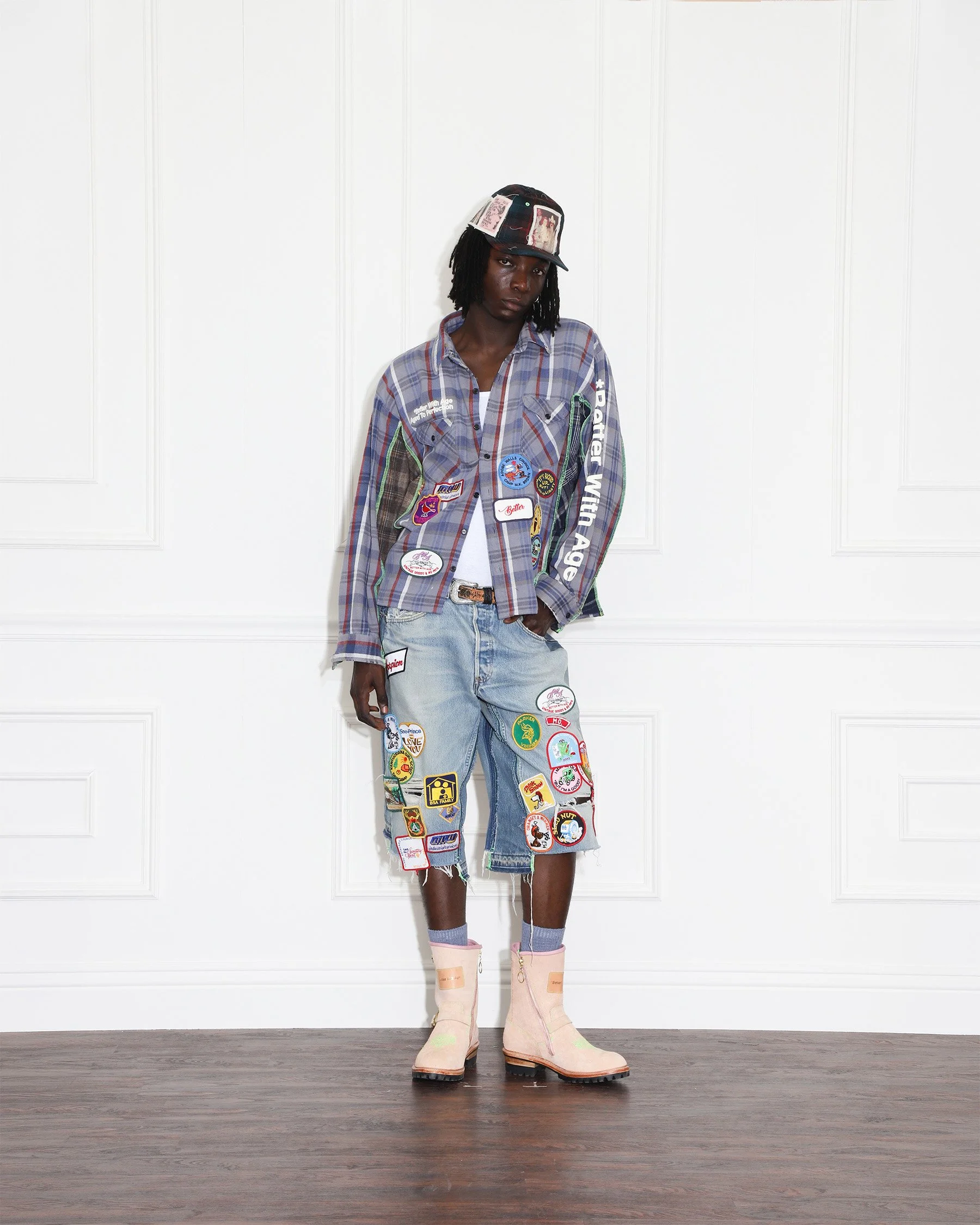
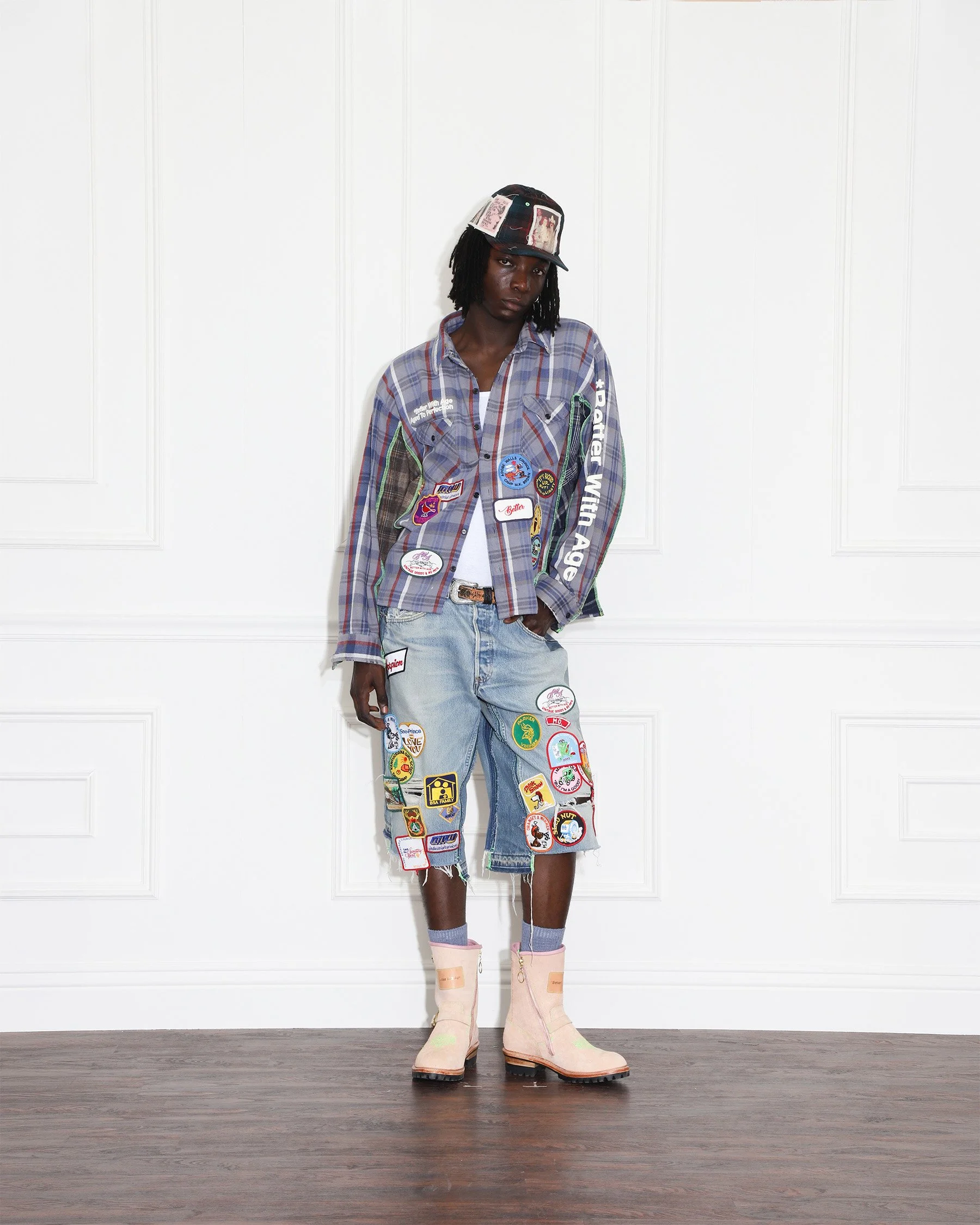
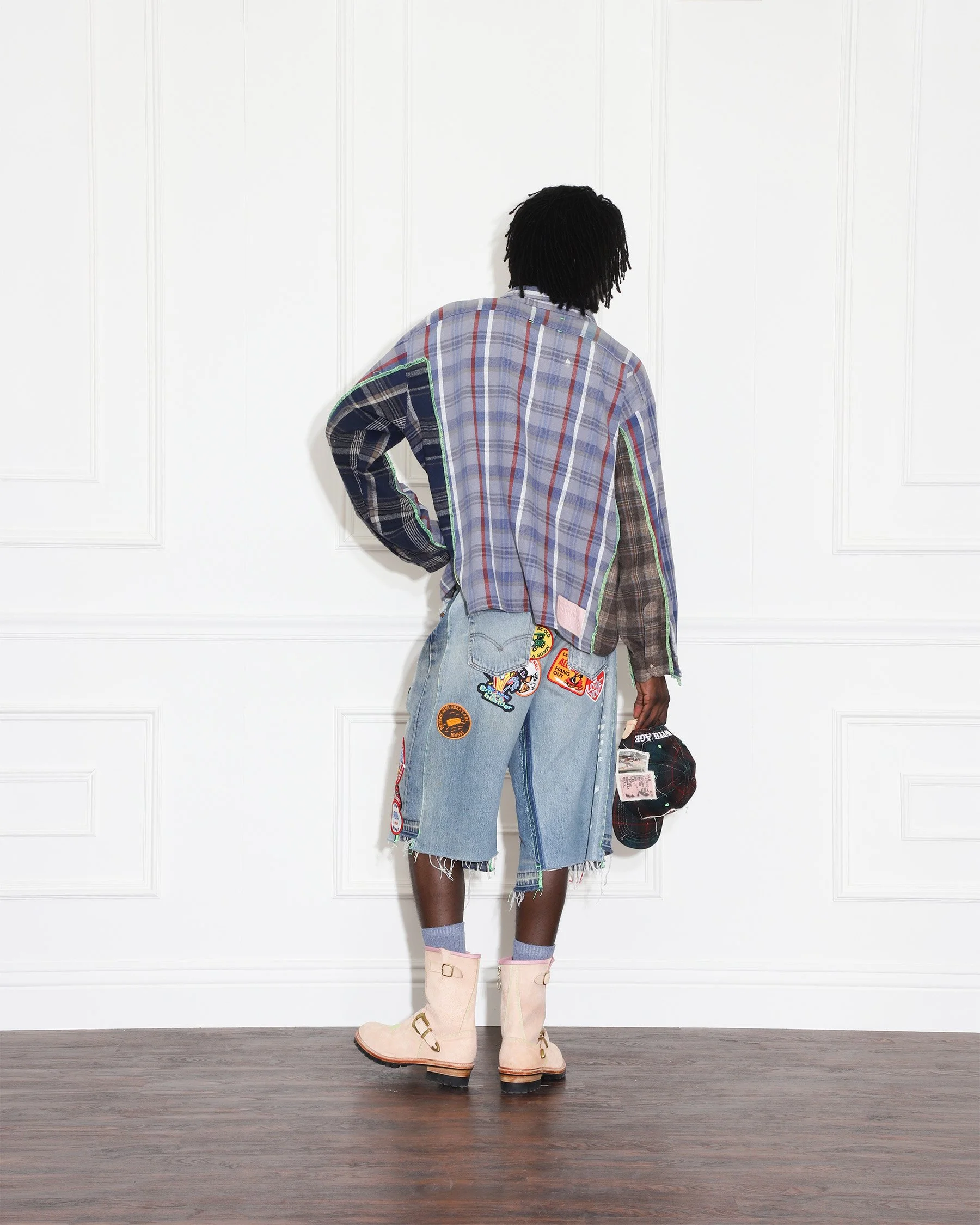
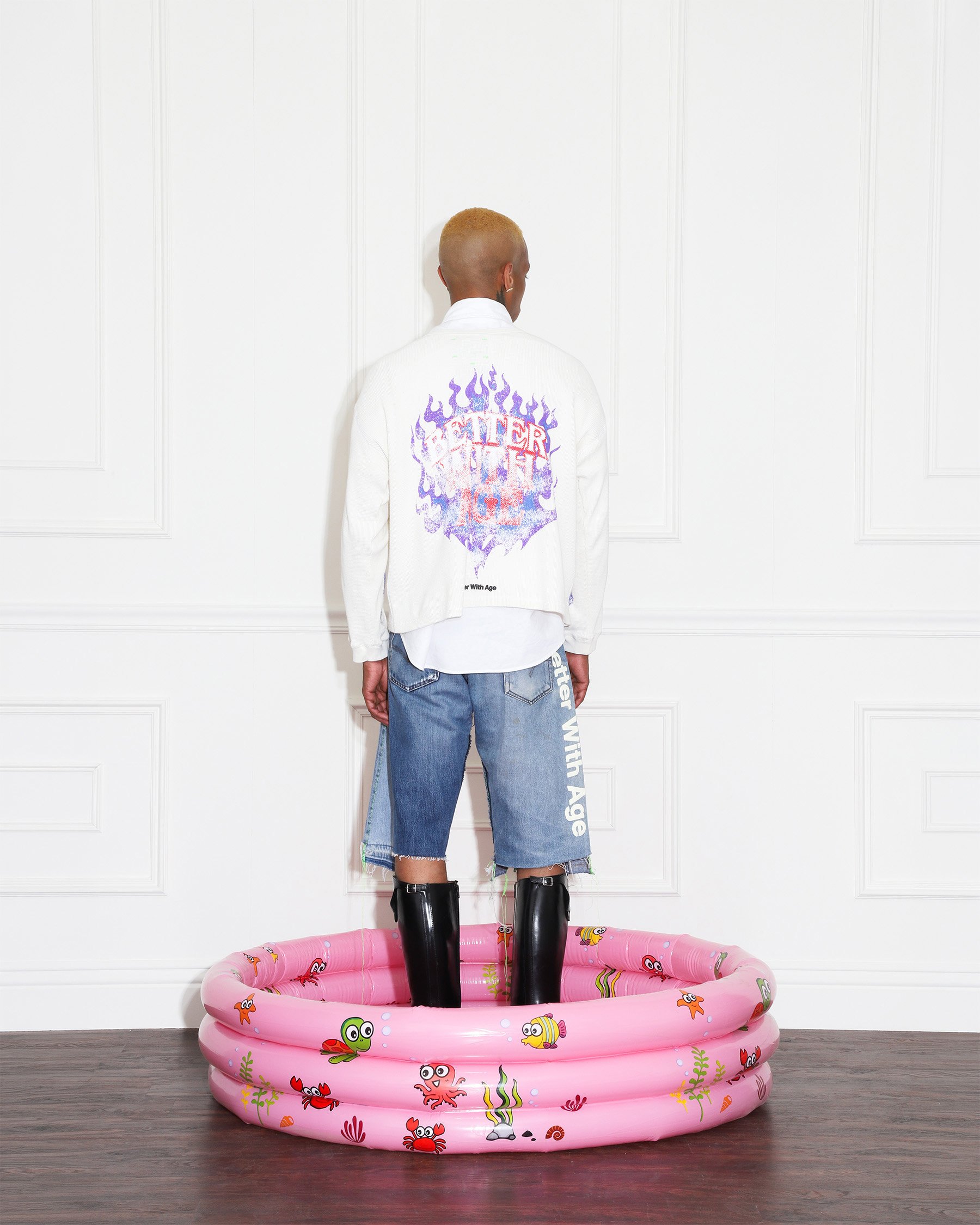
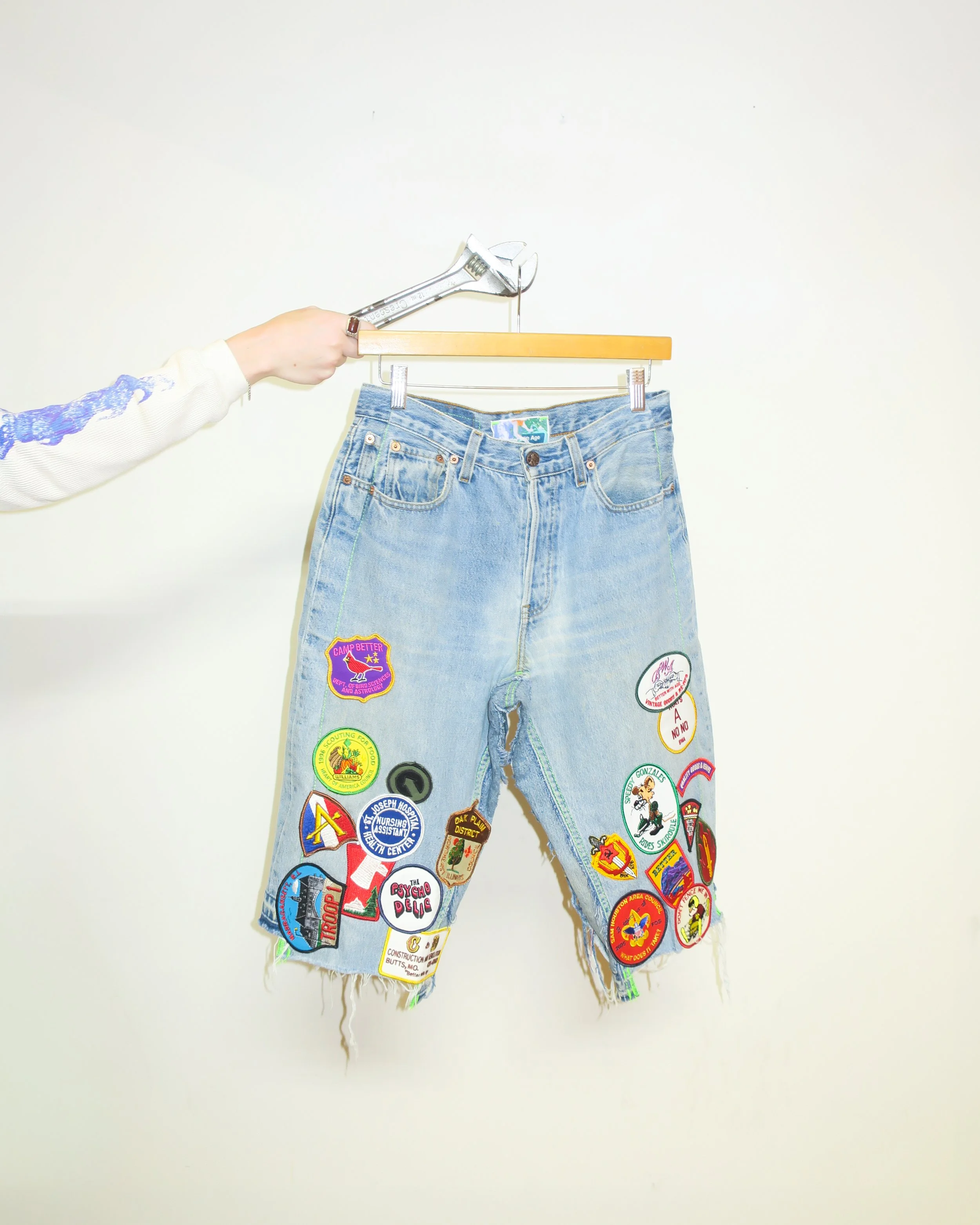
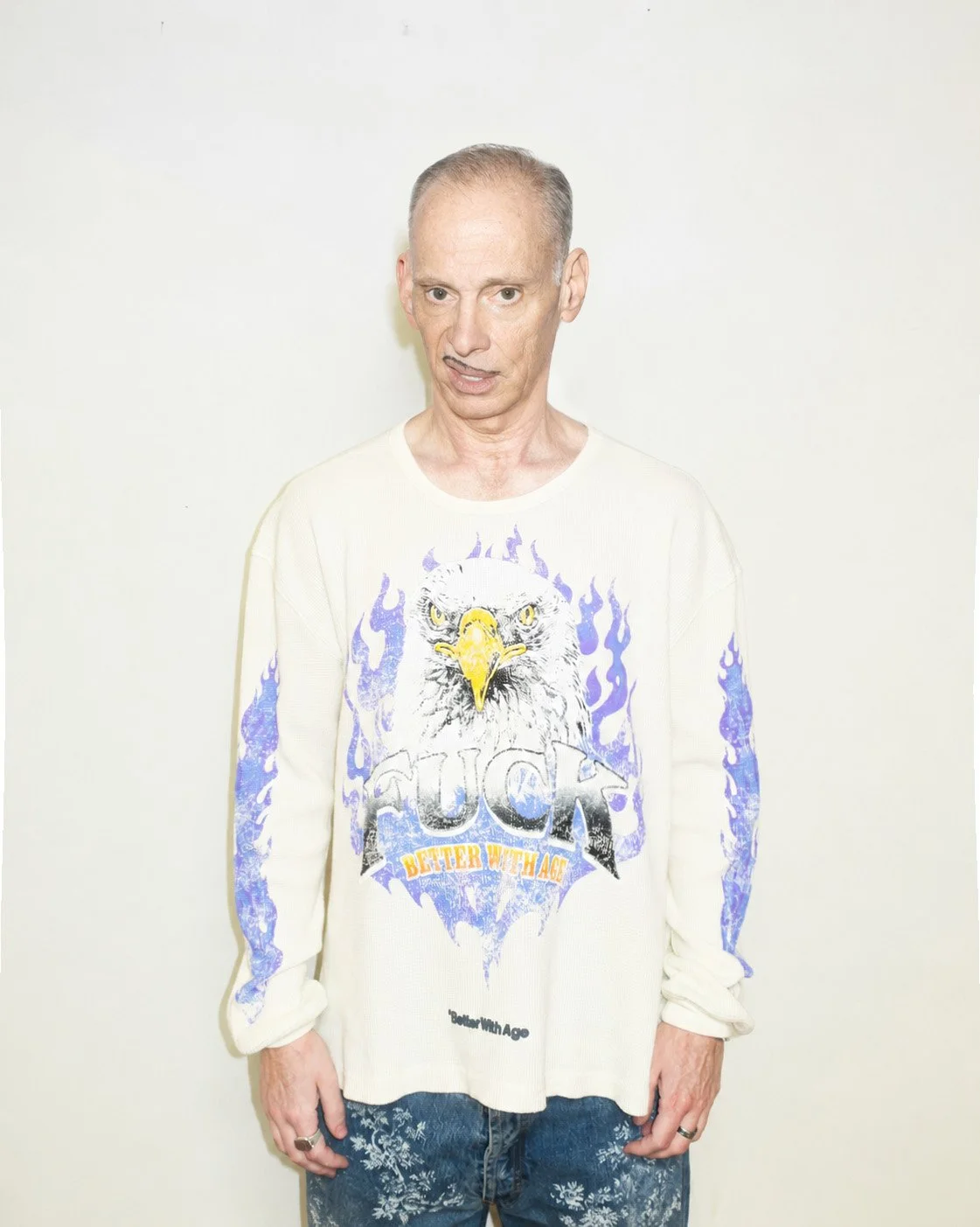
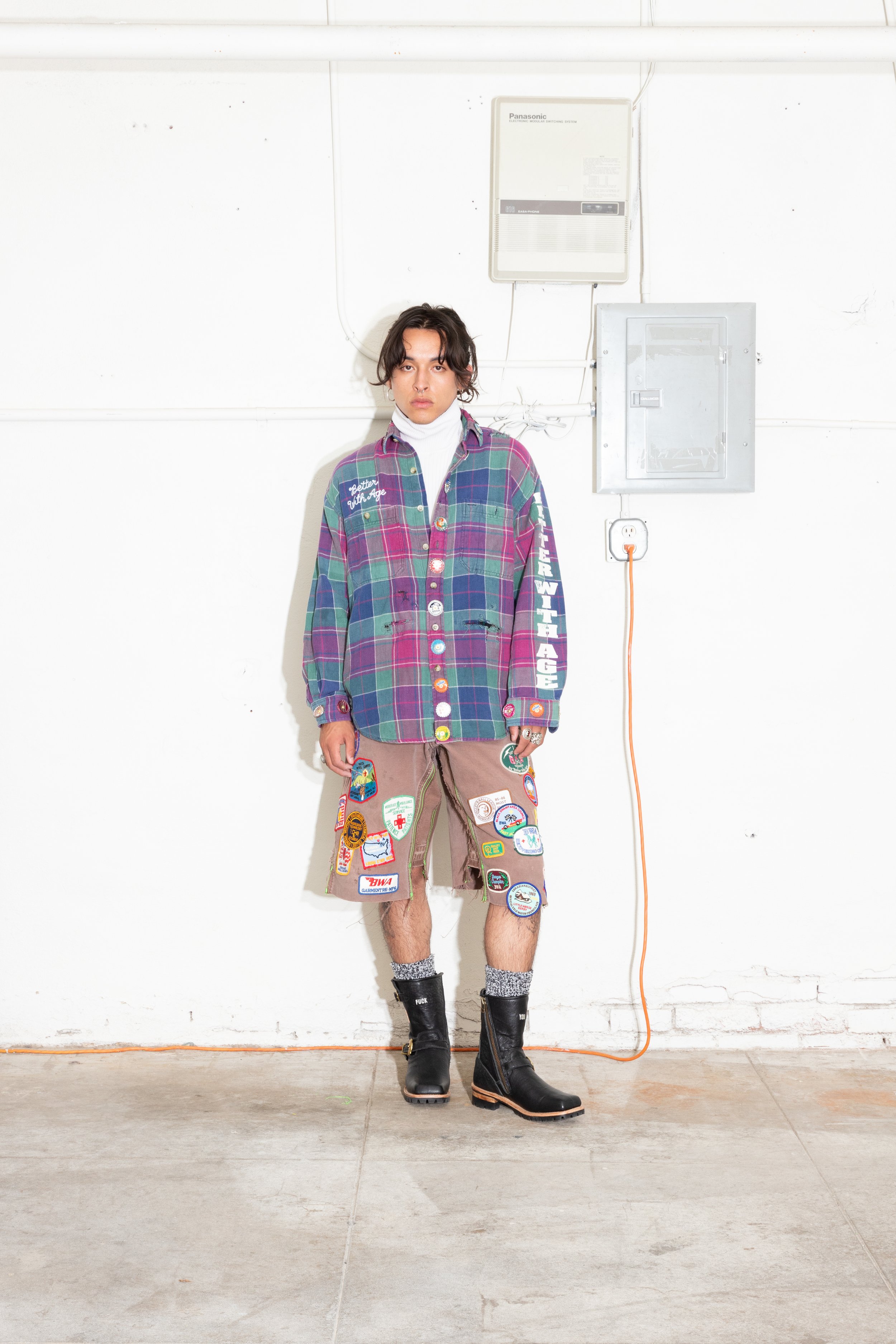
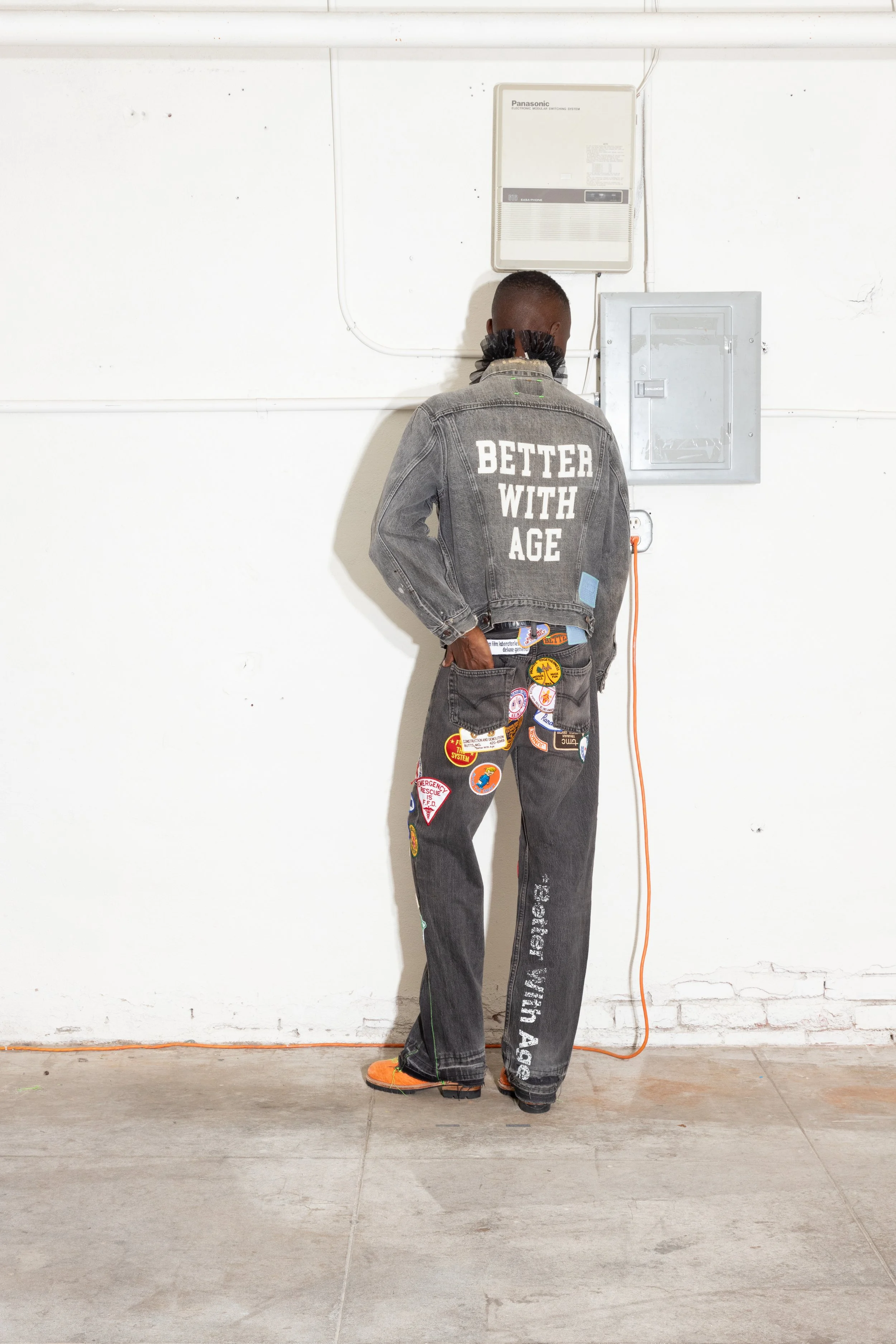
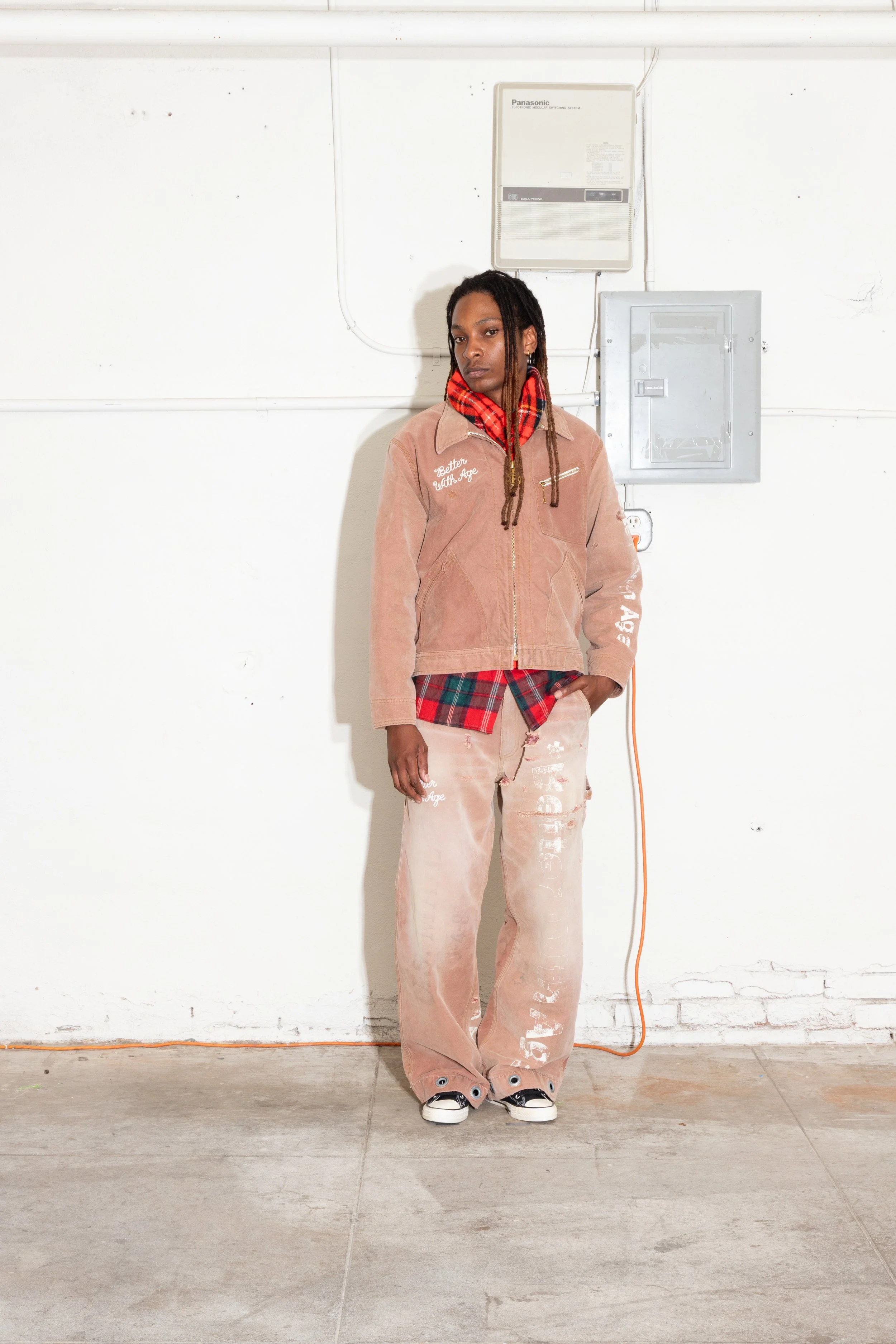
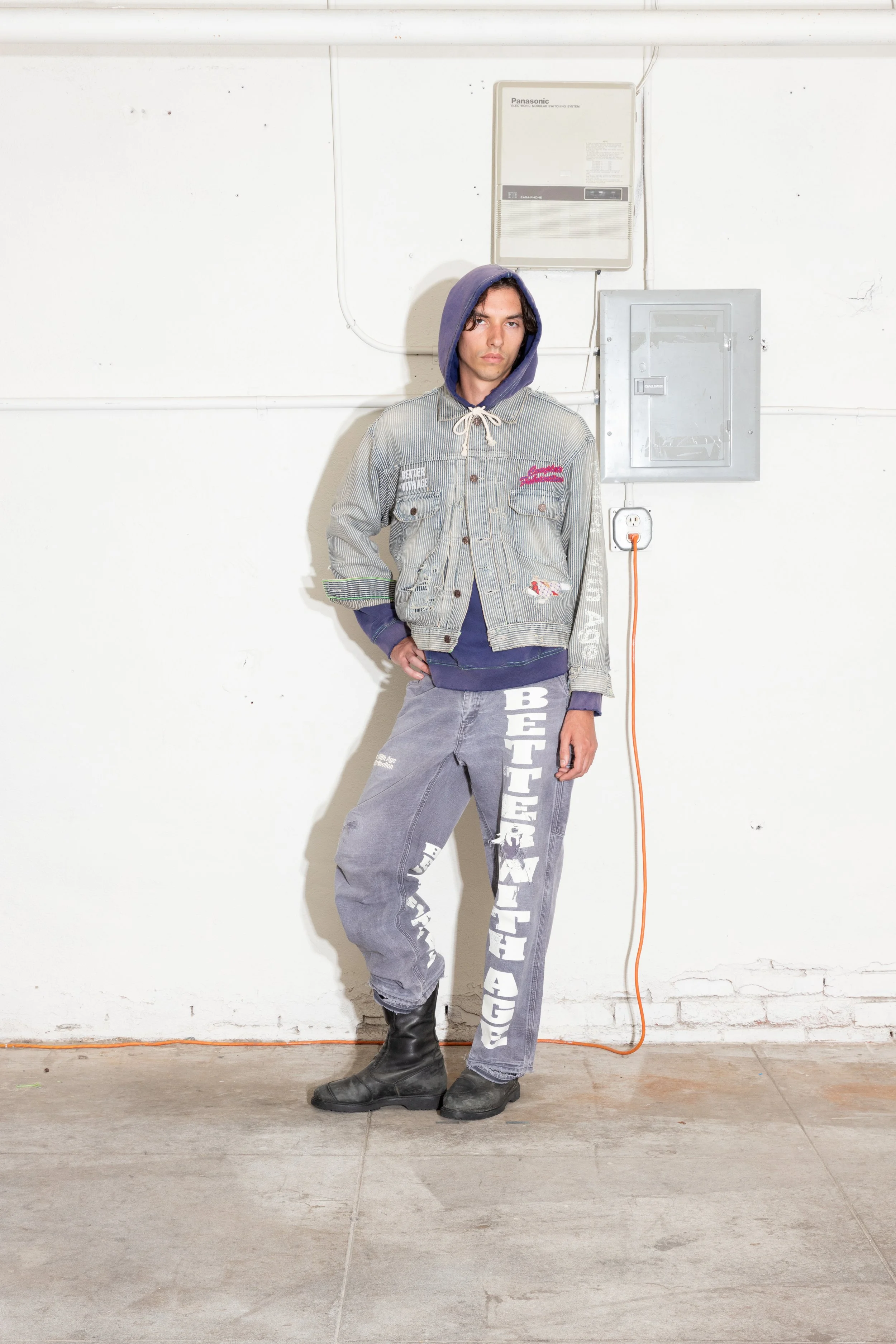
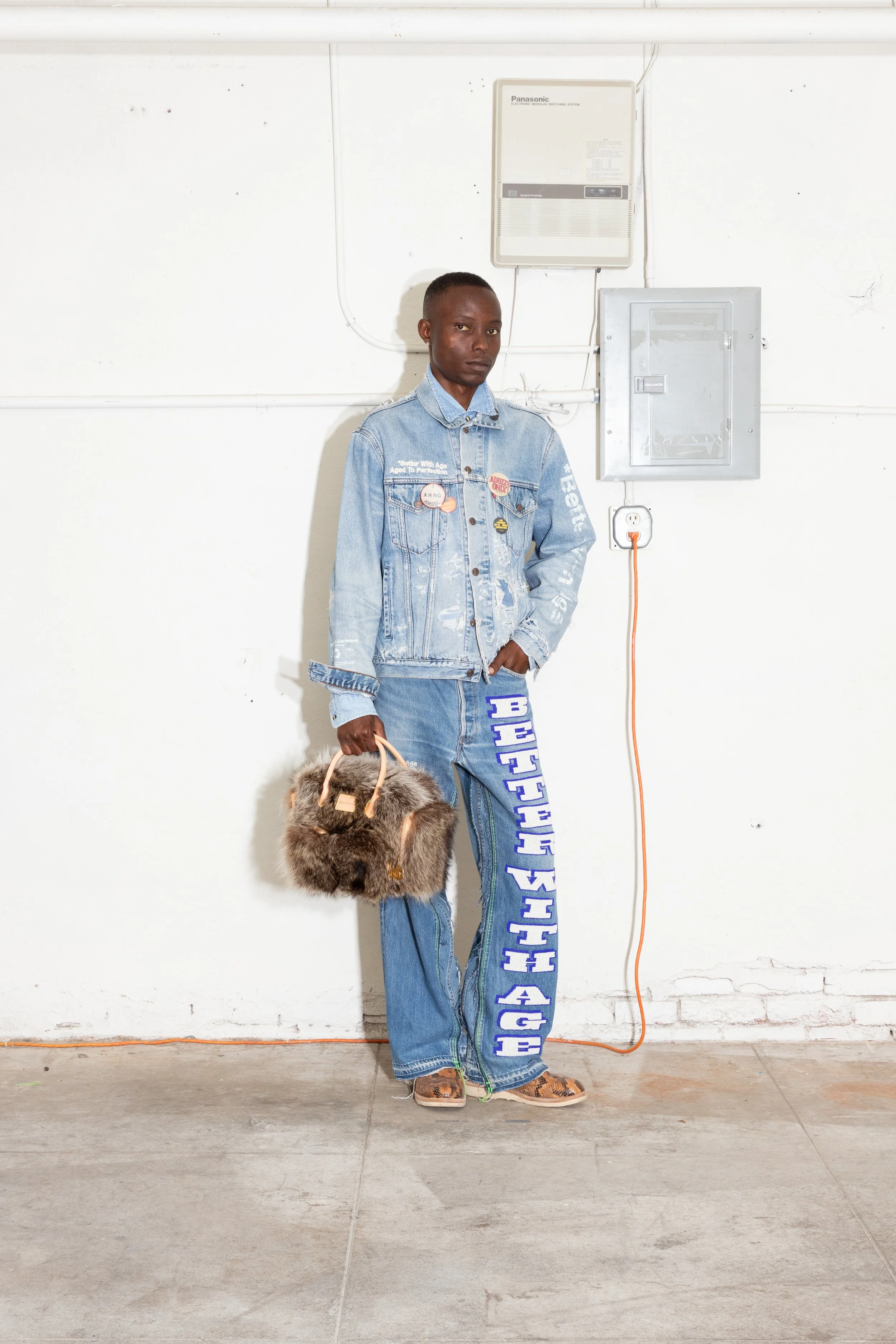
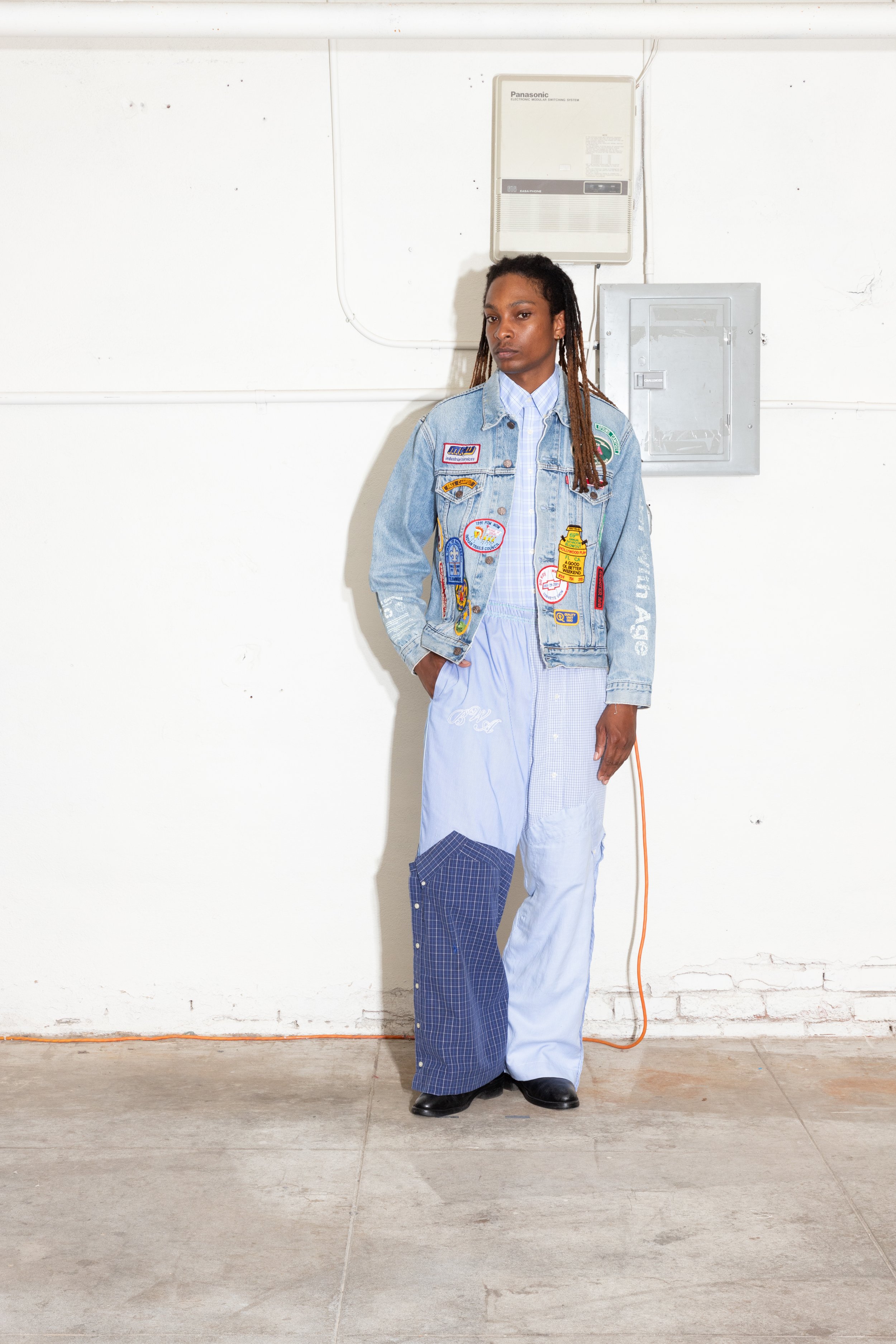
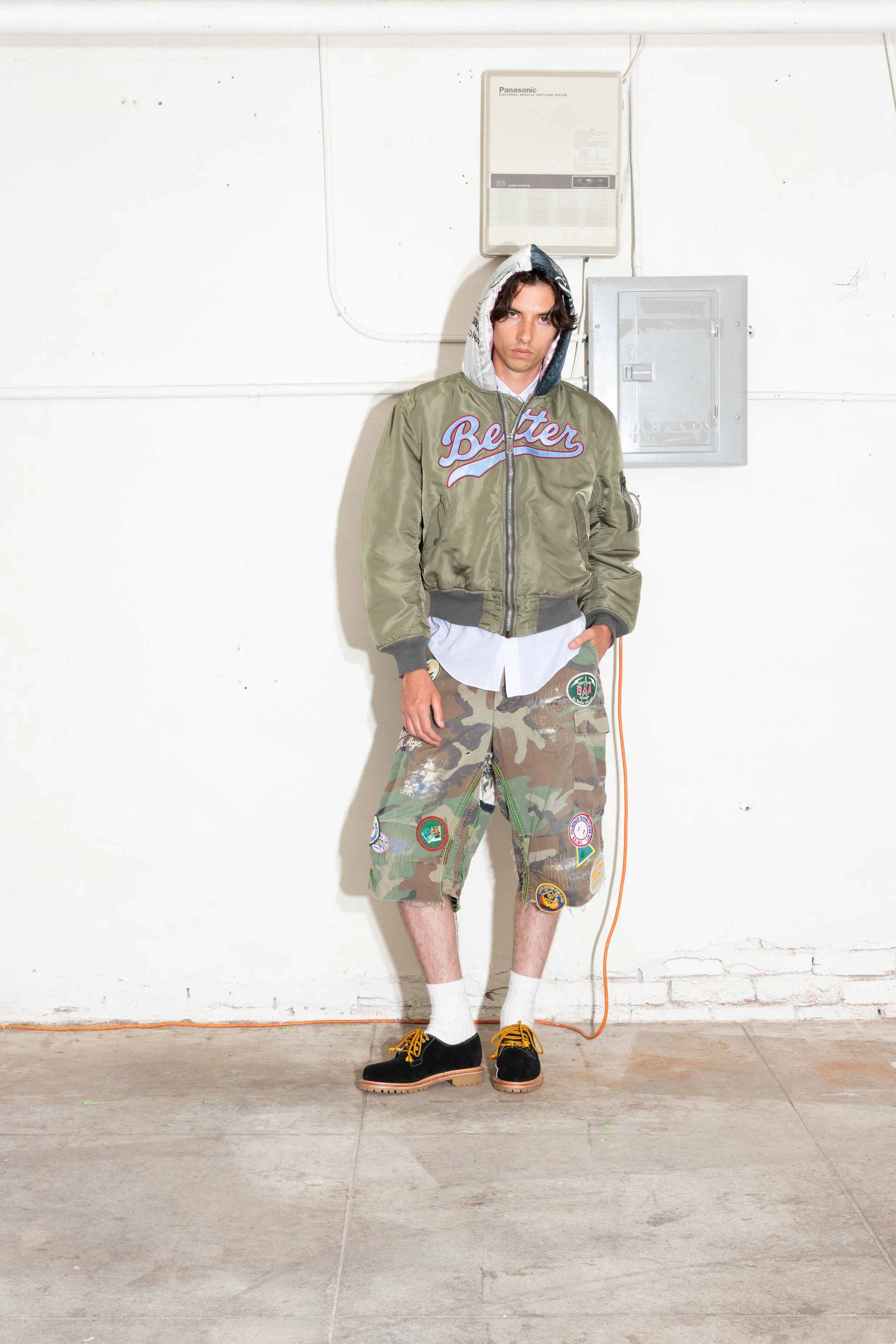
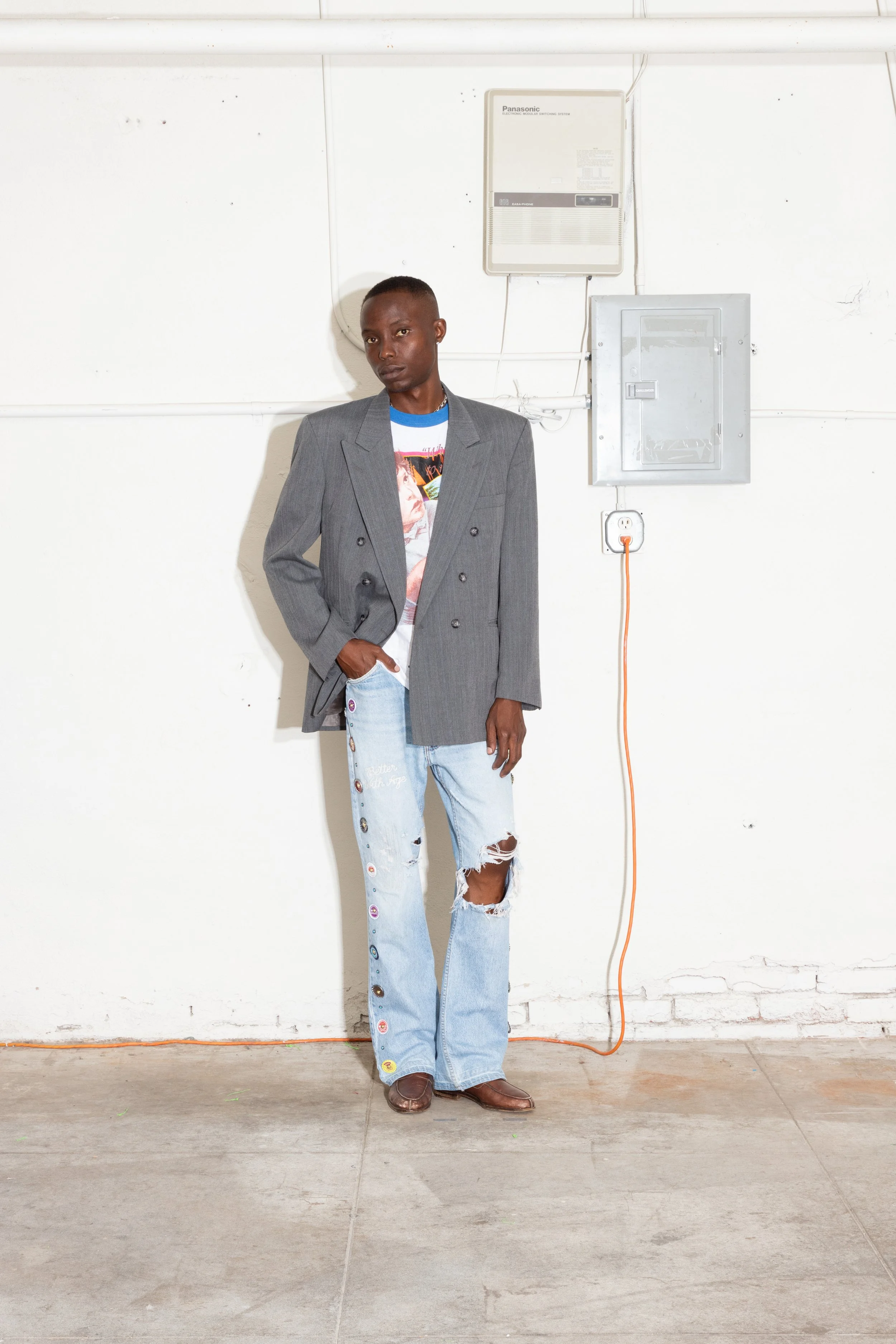
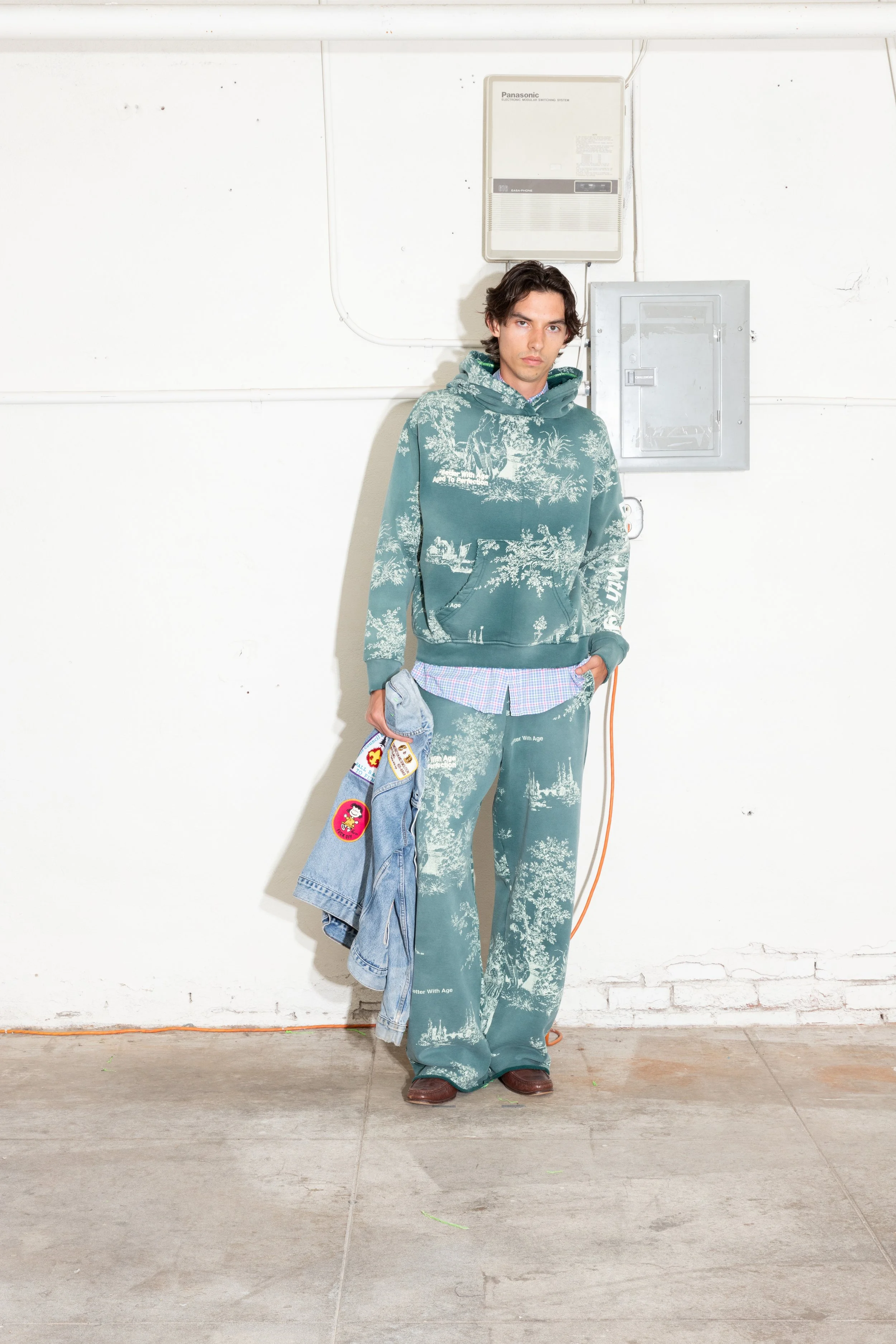
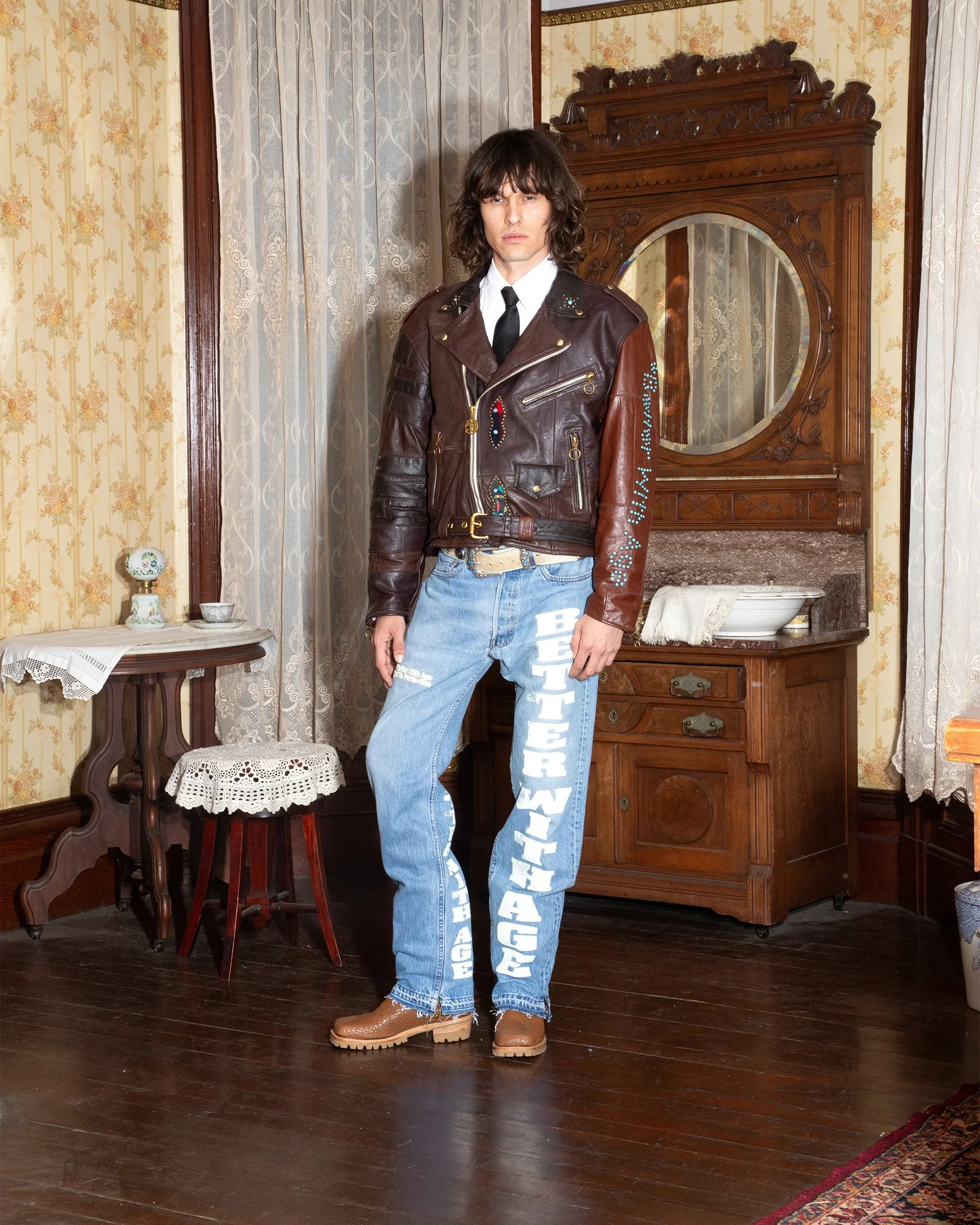
Founded by Remy Milchman, and partner Neal Donnelly, the brand has built its reputation by reconstructing vintage garments into one-of-one pieces that embrace wear, repair, fading, and history. Rather than concealing the evidence of a garment's previous life, Better With Age elevates those characteristics into its greatest design asset, transforming circularity from an environmental initiative into an entirely new design language.
For Milchman, circularity was never an afterthought. "Circularity is the blood running through the veins of Better With Age. It wasn't something we adopted later—it was there from the very beginning."
That philosophy emerged well before vintage became fashion's dominant currency. While studying fashion at Florida State University, Milchman operated an online vintage business that provided an endless archive of garments to experiment with. Those early explorations—including the now-famous split vintage T-shirts that helped establish the brand's identity—revealed something larger than customization.
"The moment people reacted to those first split vintage T-shirts," he explains, "I realized there was something bigger happening. I always believed luxury menswear needed to be flipped on its head, and the most anarchic thing you could do was take used clothing and present it as luxury."
The statement remains one of Better With Age's defining provocations. In an industry historically built upon exclusivity through pristine materials and newness, Milchman instead asks consumers to find value in garments that already possess a lifetime of stories.
That perspective fundamentally changes how the brand approaches sourcing. While most luxury manufacturers pursue flawless materials, Better With Age actively searches for imperfections. "Most brands source Grade A vintage with no stains, no holes, and no wear. We ask for Grade B and Grade C. We want the paint marks. We want the tears. That's the proof in the pudding. That's where the history lives."
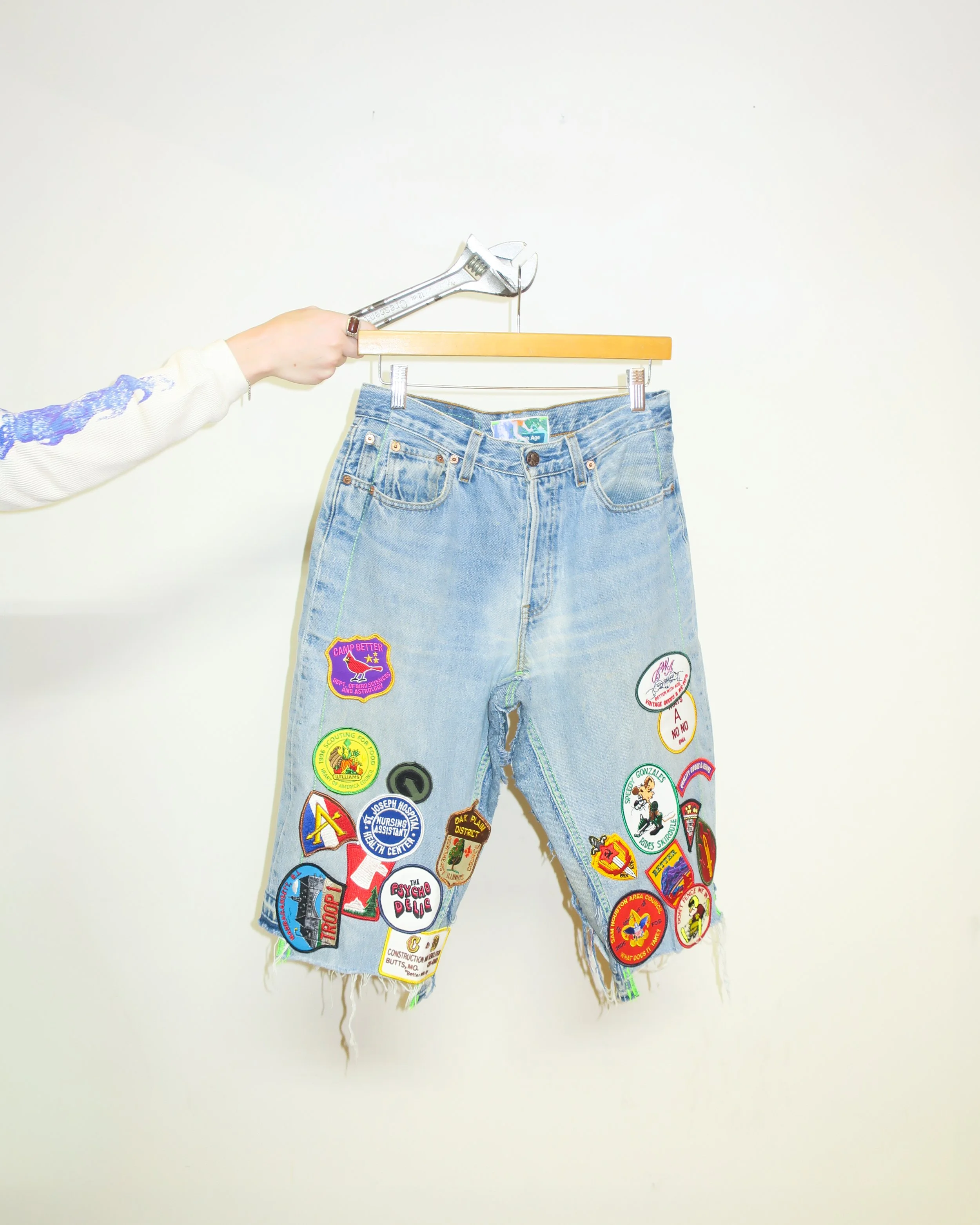
Those imperfections are not repaired out of existence. "Those imperfections aren't flaws—they're the character of the garment. They're what make every piece unique." It is an approach that positions craftsmanship less as restoration and more as preservation. Every stain, abrasion, repair, or faded seam becomes evidence of a garment's previous owner—a history that Milchman believes deserves to remain visible.
"Every garment we use has already lived an entire life before it reaches us. Our job isn't to erase that history. Our job is to honor it." That reverence for material history also demands an unusually complex manufacturing process. Although Better With Age now produces roughly 20,000 garments annually, maintaining individuality at scale requires meticulous planning.
"People often call what we do DIY, but I don't really like that term anymore. At this level, what we're doing is closer to couture atelier craftsmanship." Behind every collection sits what Milchman describes as "engineered randomness"—production systems designed to preserve spontaneity without sacrificing quality.
"Randomness is a huge part of our design philosophy, but it's engineered randomness. It takes an incredible amount of planning to create something that still feels one-of-one." That commitment extends beyond Better With Age's own collections. Collaborative projects with established brands require significantly more negotiation because Milchman refuses to dilute the company's sourcing standards.
"Working with larger brands is five to ten times harder because we refuse to compromise our standards." That philosophy has even meant walking away from commercially attractive opportunities. "We've turned down collaborations simply because we couldn't make them align with our values. We were planning a project with Puma for six months, and I eventually pulled the plug because I wasn't willing to sacrifice the ethos of Better With Age just to release another sneaker."

Interestingly, Better With Age rarely positions sustainability as its primary marketing message. Milchman believes fashion—not environmental rhetoric—is what ultimately changes consumer behavior. "We don't market ourselves as an eco-conscious brand first. We lead with fashion."
Instead, the brand hopes to normalize secondhand luxury by shifting perceptions around value itself. "Our goal is to prove that used is not synonymous with bad."
That philosophy resonates particularly with a generation increasingly seeking individuality over mass-produced exclusivity. "Giving someone a true one-of-one piece is more valuable than giving them another mass-produced luxury item." Milchman sees Better With Age not simply as an upcycling label, but as a cultural reframing of luxury itself.
"The history in these garments is what makes them special. If ancient artifacts belong in museums because of their age, why shouldn't that same logic apply to luxury fashion?" It is a compelling argument. Patina has long elevated value in watches, furniture, automobiles, and fine art. Fashion, by contrast, has traditionally treated visible wear as deterioration rather than distinction. Better With Age proposes an alternative future—one where garments become more desirable precisely because they have lived.
As luxury increasingly searches for authentic sustainability rather than performative messaging, Milchman's approach offers something notably different. Circularity is not treated as an initiative layered onto the business. It is embedded into every sourcing decision, every reconstruction technique, and every product released.
In an era increasingly defined by overproduction and disposable consumption, Better With Age demonstrates that the most progressive innovation in fashion may not involve inventing something new at all. It may simply require recognizing the extraordinary value already stitched into what exists.

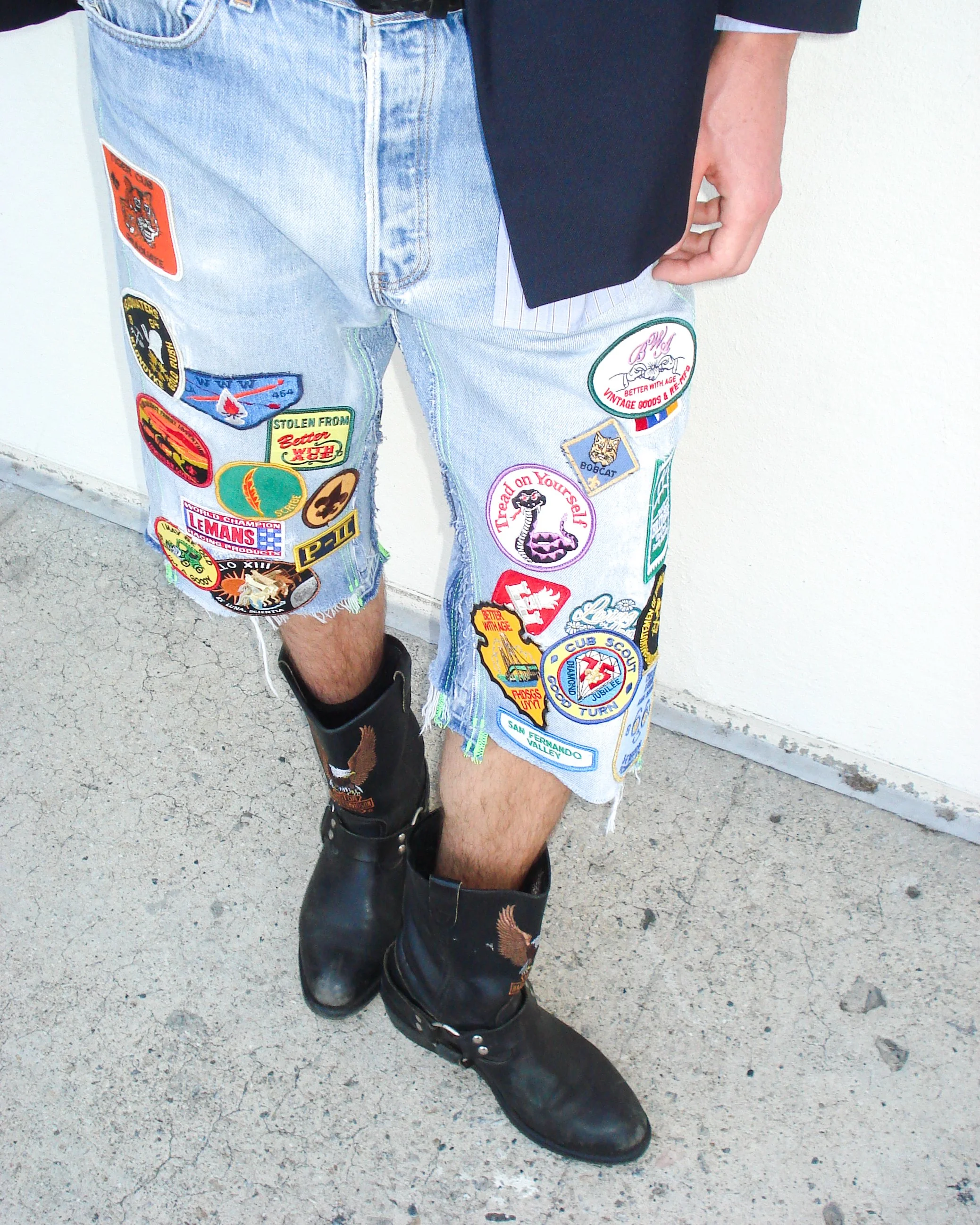
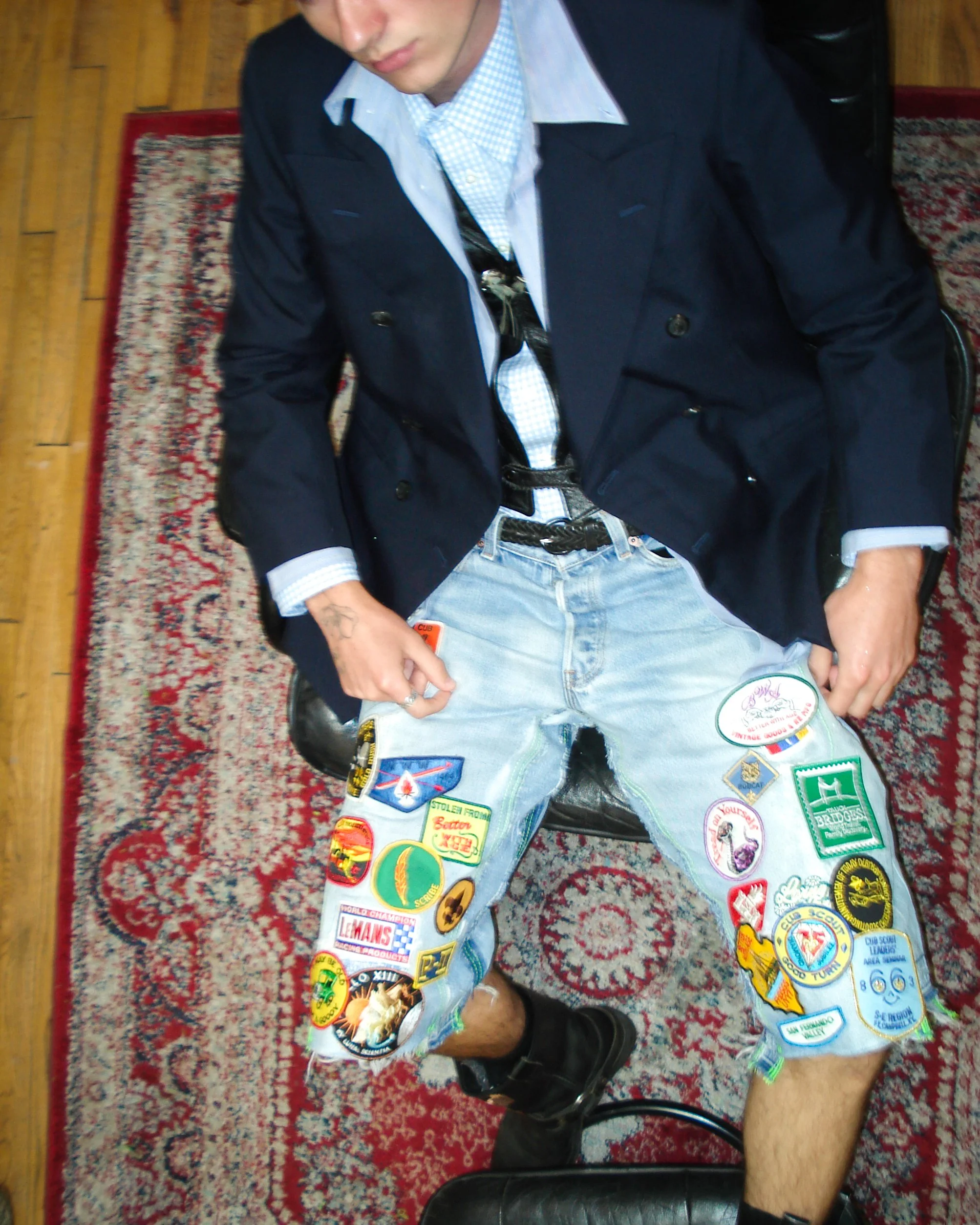
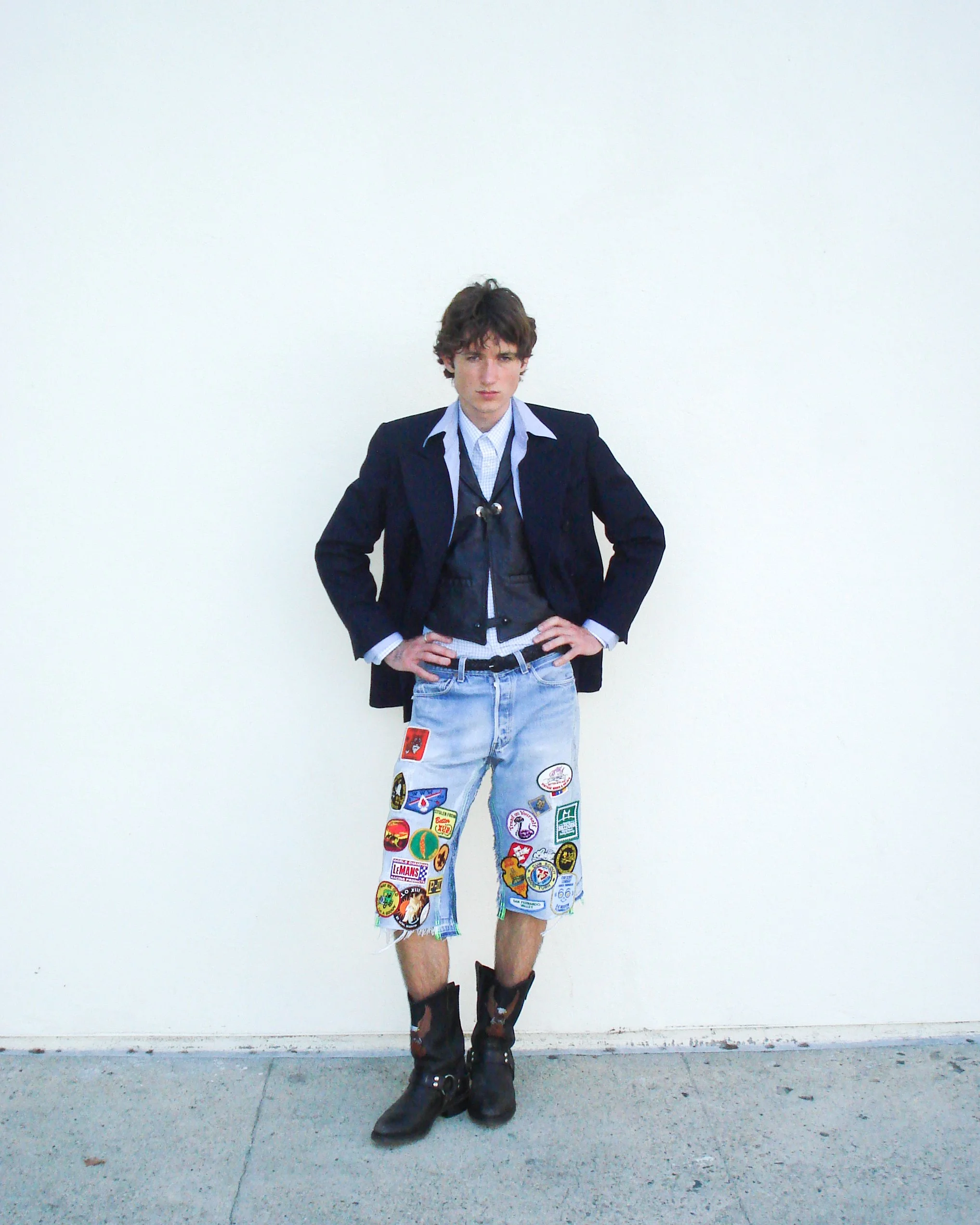
SS27 VIRGIN VINTAGE:
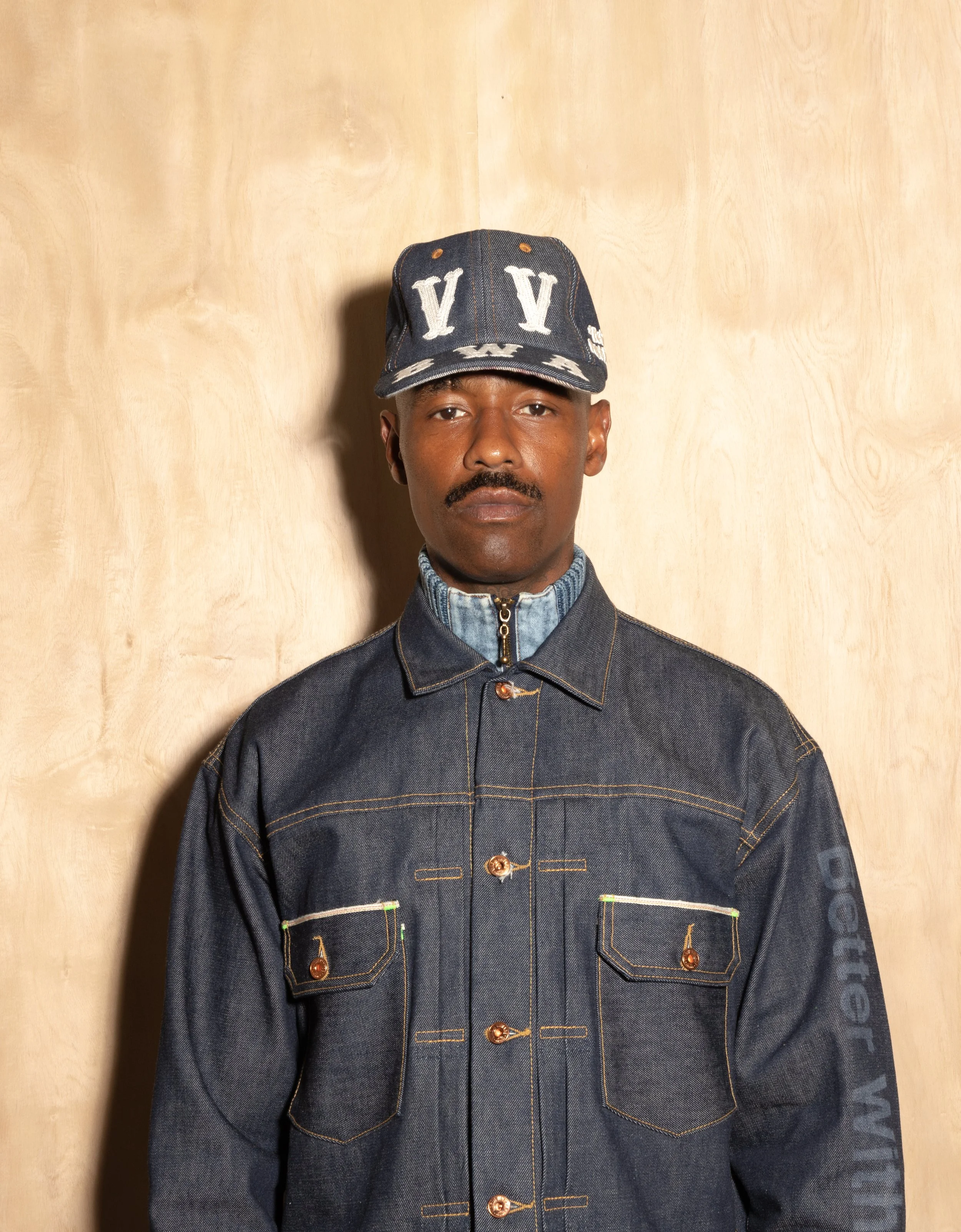
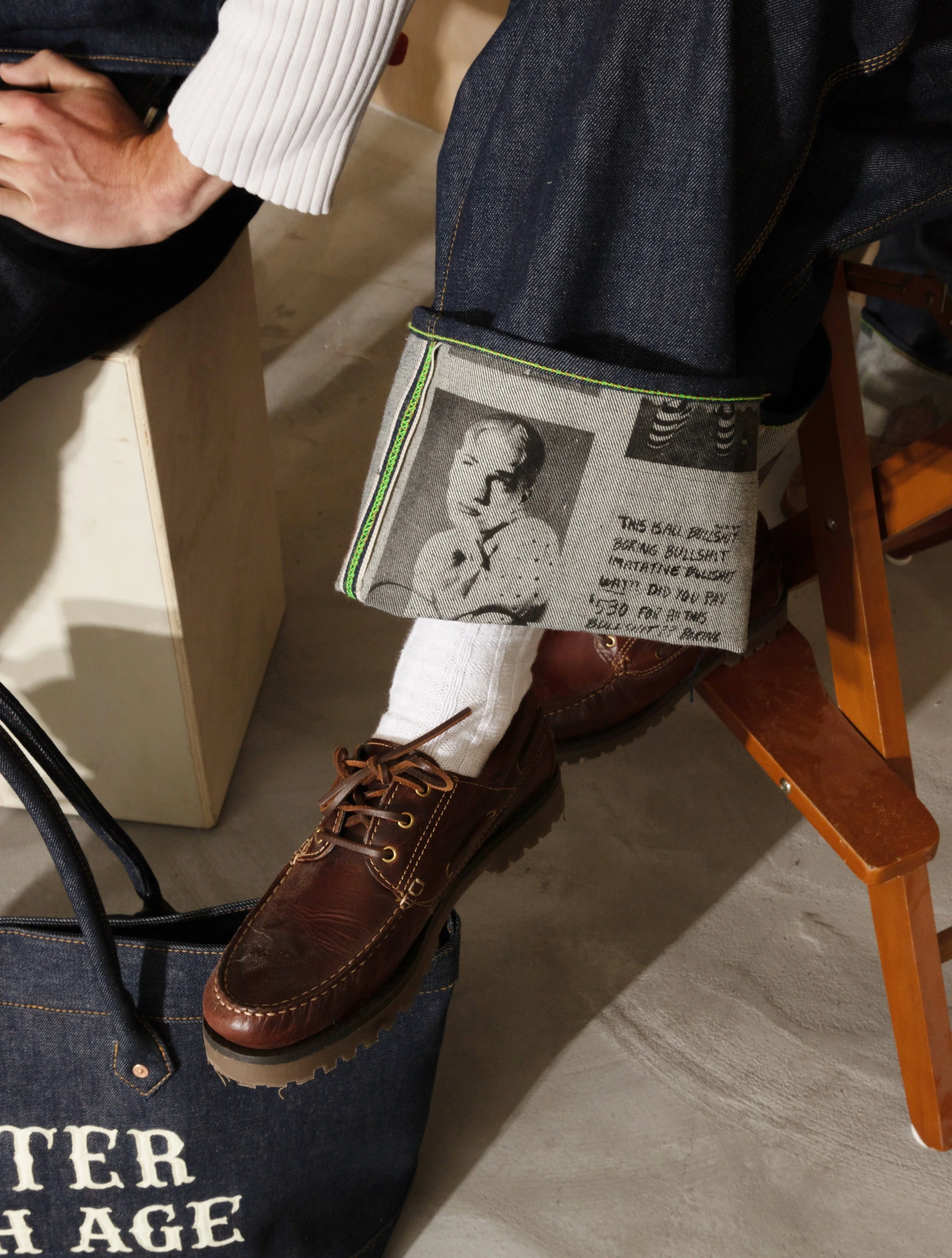
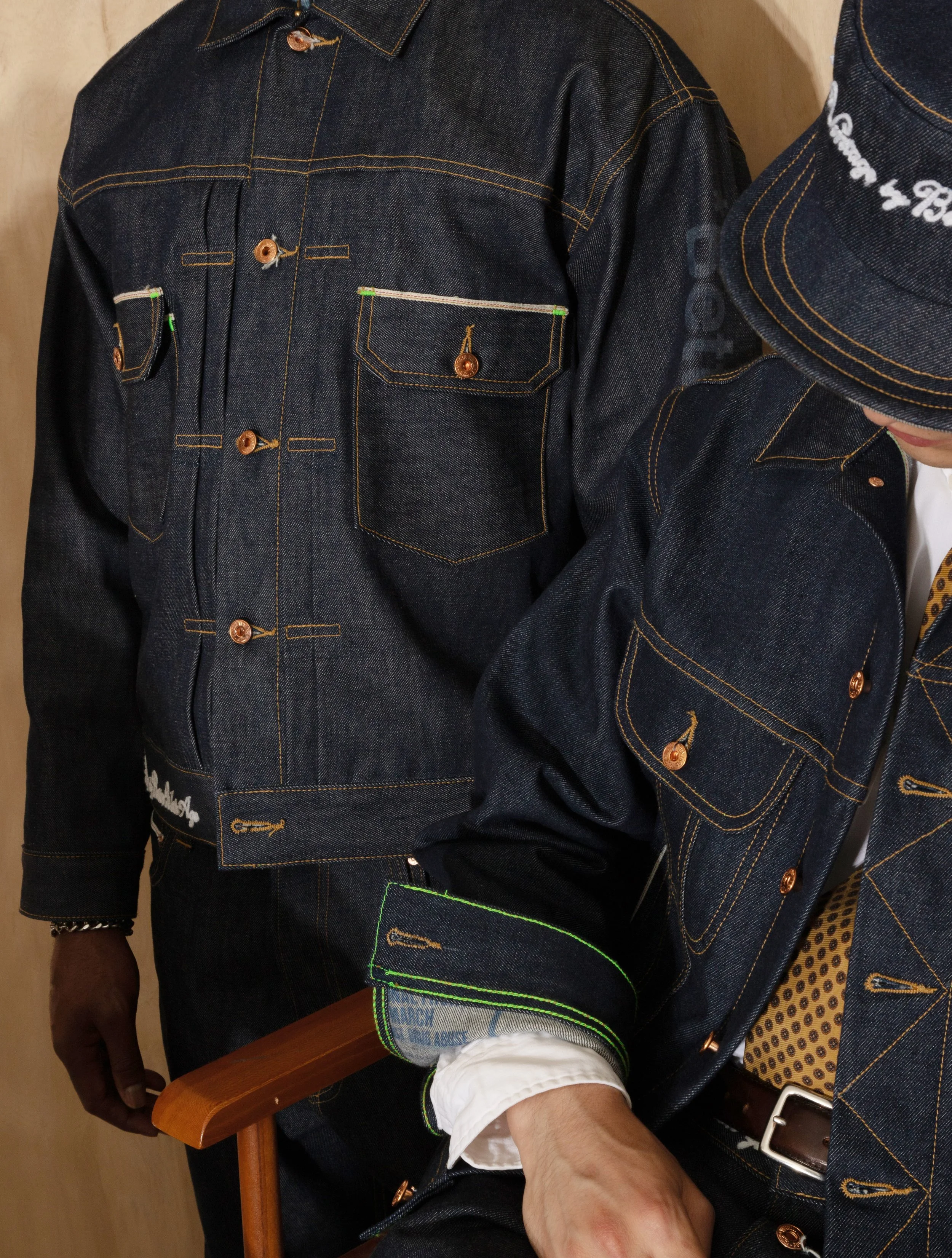
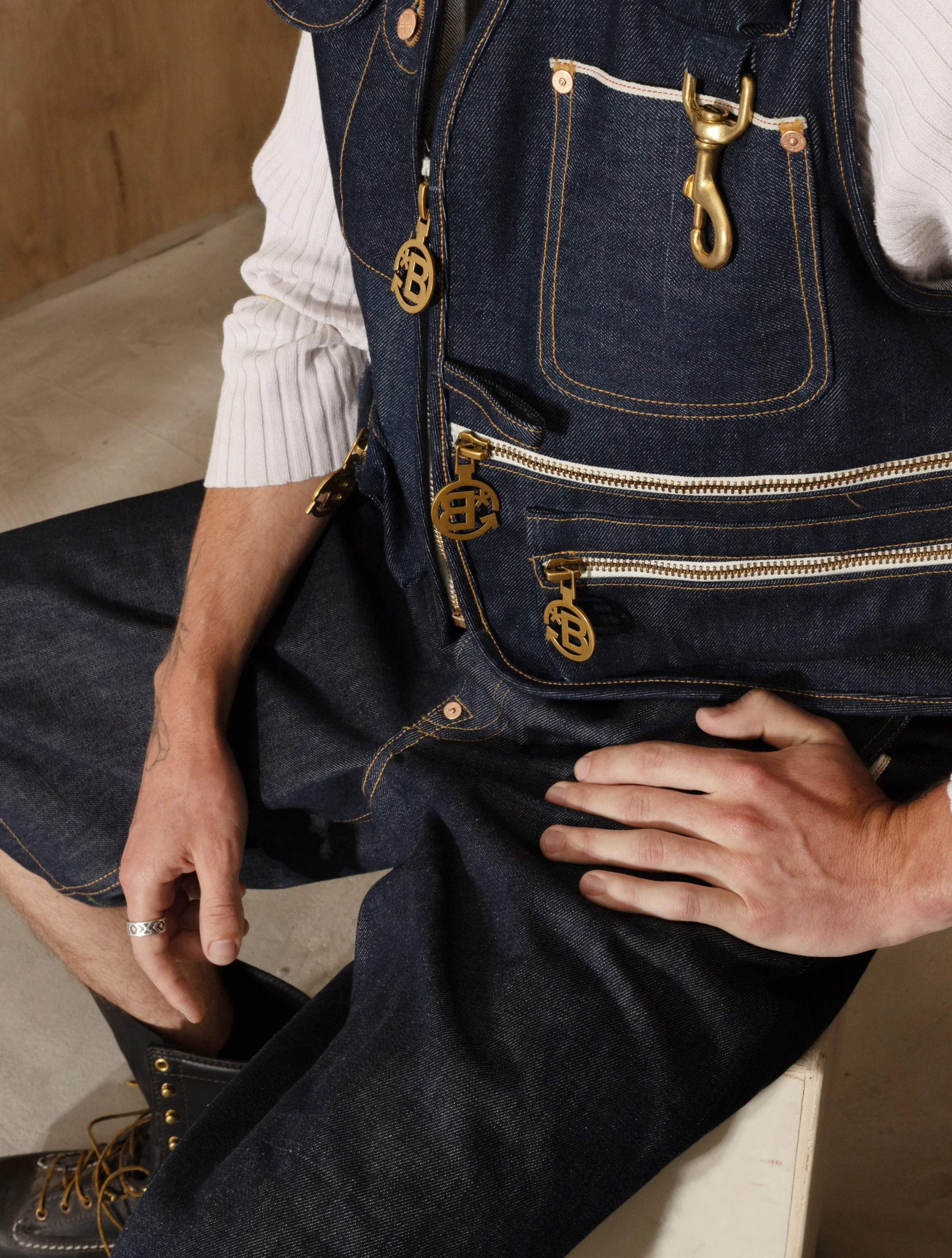
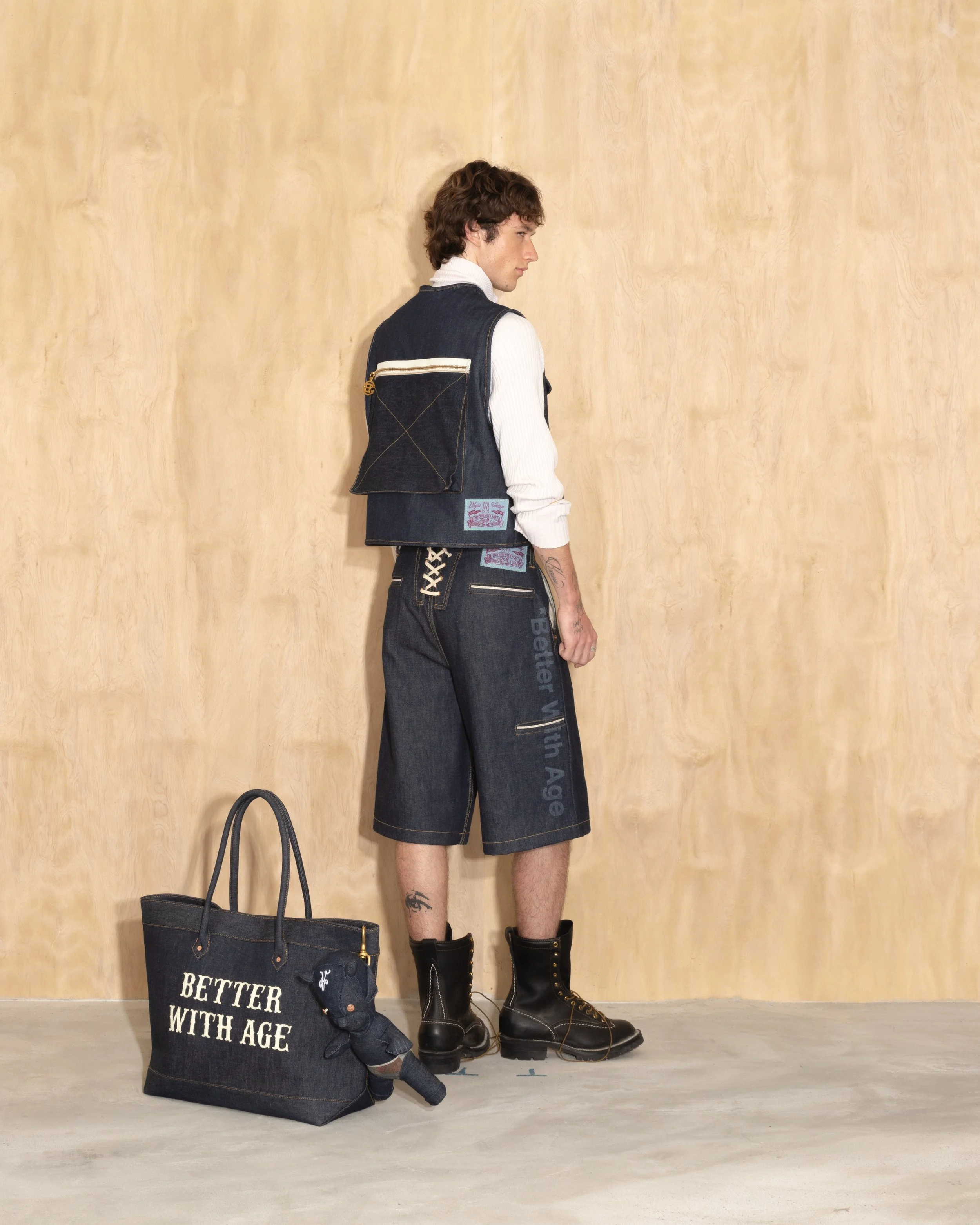
SS27 LOOKBOOK:
HOW DO YOU FEEL ABOUT FASHION?
COMMENT OR TAKE OUR PAGE READER SURVEY
Featured


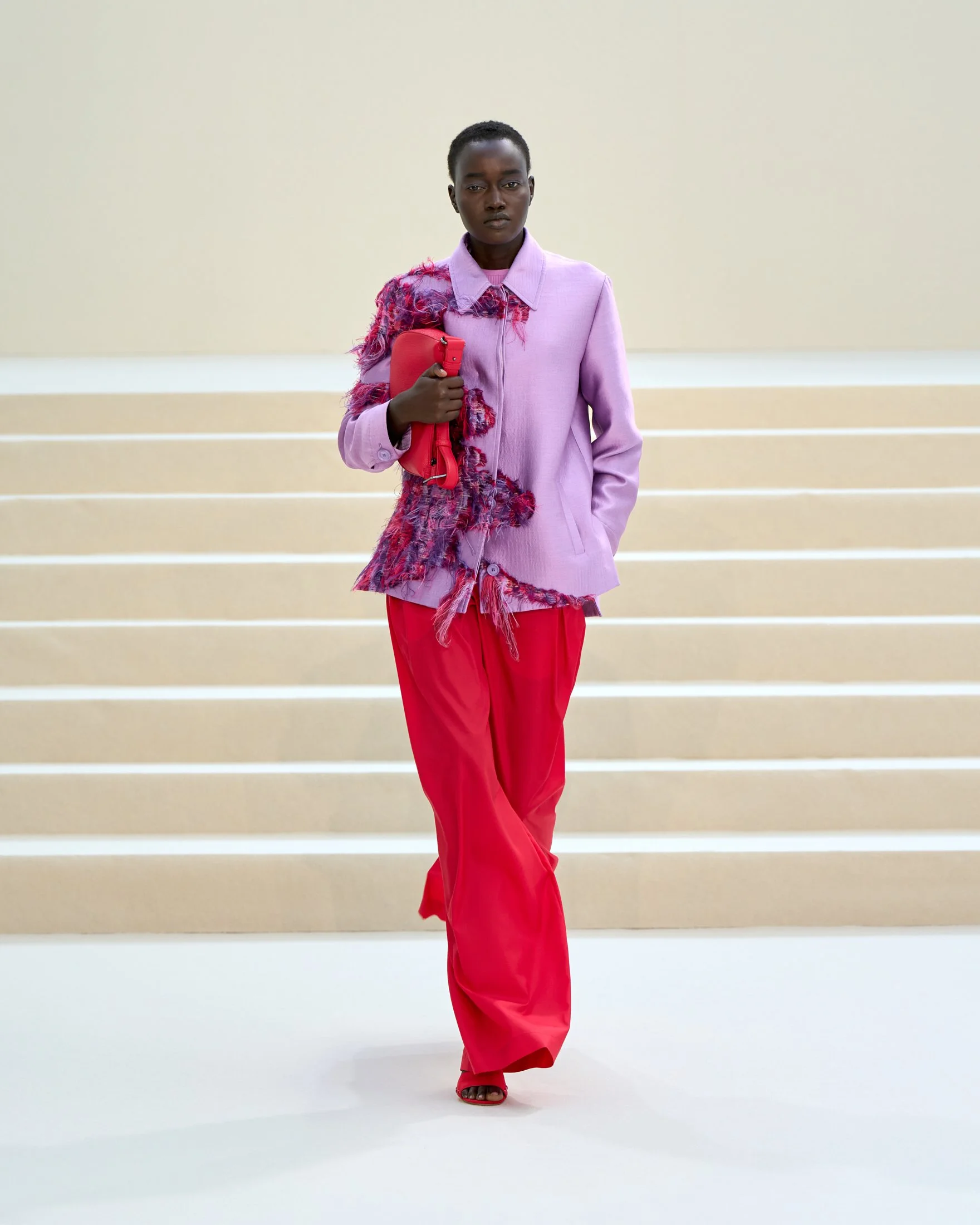
Telfar's SS2027 collection transforms the sample sale into a runway, using inside-out tailoring, manipulated materials, New York street references and a Brooklyn-to-Paris spectacle to question who gets to define fashion—and where it actually happens.