
Botox vs Fillers Differences Benefits and Results OGOmed
PAGE
By PAGE Editor
Botox and dermal fillers are often mentioned together, but they solve very different problems. One reduces the activity of specific muscles. The other replaces or reshapes facial volume. That distinction matters because a line created by movement does not behave like a crease caused by volume loss, and neither responds particularly well when treated as the other.
Both belong to the broad group of injectable cosmetic treatments, yet choosing between them depends less on age and more on what is actually happening beneath the skin. Someone bothered by forehead movement may need a completely different approach from someone noticing deeper smile lines or flatter cheek contours.
How Botox Works
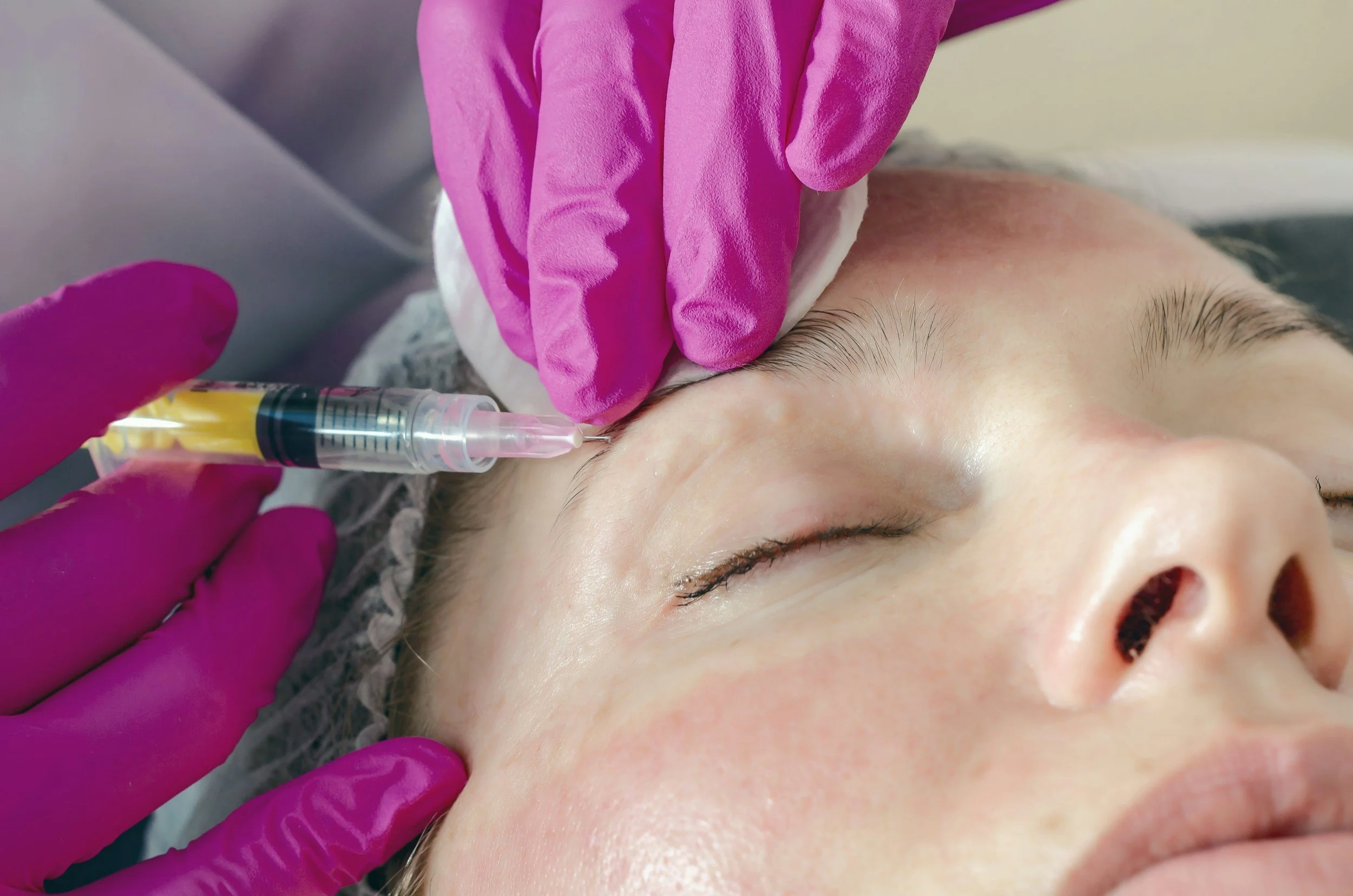
Botox is a purified form of botulinum toxin used in very small, controlled amounts. During Botox injections, the product is placed into targeted facial muscles, where it works by blocking nerve signals that normally trigger contraction. The result is temporary muscle relaxation, not the filling or stretching of skin.
In practical terms, Botox works best where repeated movement is responsible for visible lines. Squinting, frowning and raising the eyebrows thousands of times gradually leave marks in the skin, particularly around the eyes and upper face.
What Botox Is Usually Used For
The treatment is closely associated with expression lines. Common areas include:
forehead horizontal lines created when raising the eyebrows;
frown lines between the brows;
crow's feet caused by smiling or squinting;
certain lines around the nose or lower face;
areas where controlled muscle movement can change facial balance.
A clinician may treat forehead wrinkles with carefully distributed botulinum toxin injections, but the goal is generally not to freeze every expression. Good dosing reduces excessive muscle contractions while allowing the face to retain natural movement.
Lines produced by repeated facial expressions often respond better than deeply etched static wrinkles. Static lines remain visible even when the face is completely relaxed. Botox may soften them over time, especially if movement keeps making them deeper, but an established crease sometimes needs another treatment approach.
Botox Injections Results and How Long They Last
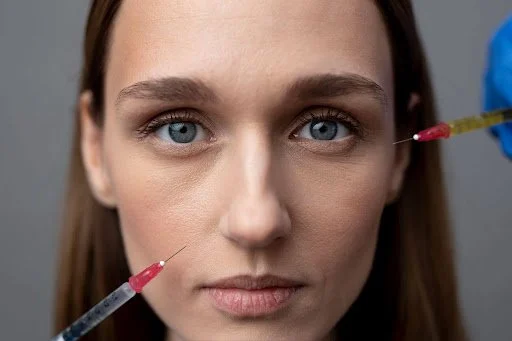
Botox results do not usually appear immediately. Changes tend to develop gradually over several days as the treated muscles become less active, with the full effect becoming clearer afterward. The skin above those muscles can then appear calmer, with smoother skin and less obvious movement-related creasing.
Botox lasts for different lengths of time depending on the person and treatment area (typically — from 3 to 4 months). Muscle strength, dose, metabolism and the exact injection pattern all matter. Because the effect is temporary, movement gradually returns rather than switching back overnight.
Possible temporary reactions include tenderness, swelling, bruising or redness pain around the treatment area. Less common complications depend on where the product was injected, which is one reason these cosmetic procedures should be performed by appropriately trained medical professionals. For clinics and licensed aesthetic professionals, product quality and sourcing are also part of safe treatment planning. Those who order Korean Botox at Ogomed can check product details, packaging, and storage information before using it in professional practice.
What Dermal Fillers Actually Do
Fillers work from a completely different angle. Instead of reducing movement, dermal fillers add volume underneath or within selected areas of tissue. Many modern products contain hyaluronic acid, a substance that naturally occurs in the body and has the ability to hold water. These products are sometimes called soft tissue fillers. Depending on their formulation, they can be soft and flexible or relatively firm, allowing clinicians to use different products for lips, cheeks, folds or structural support.
Where Dermal Fillers Can Be Used
Dermal filler treatments may be considered when the issue is related to shape, lost support or deeper creases rather than excessive muscle activity. Typical applications include:
adding definition or restoring facial volume in the cheeks;
creating a subtle fuller appearance with lip filler;
softening smile lines and marionette lines;
improving certain facial contours;
supporting areas affected by age-related volume loss.
Some dermal filler procedures are also used for selected acne scars or deeper facial folds. The specific technique matters because filler may be placed at different depths depending on whether the aim is surface correction, contouring or support of the underlying facial structure. Most dermal filler injections involve gel like substances that physically occupy space. That is fundamentally different from Botox: filler changes volume and contour, while Botox changes muscle activity.
What Results Feel and Look Like
Unlike Botox, dermal filler changes can often be noticed immediately, although swelling may temporarily exaggerate the outcomes. Filler results can last from 6 months to 2 years, depending on type. The treated area usually settles and becomes easier to judge accurately. Dermal fillers provide different kinds of correction depending on the product and placement. A flexible lip product behaves differently from a firmer cheek filler, for example. Skilled injectors select consistency and depth according to the movement and anatomy of that part of the face.
Temporary tenderness or bruising can happen after treatment. An allergic reaction is possible but uncommon with many modern dermal fillers. More serious complications can occur if material enters or compresses a blood vessel, so plastic surgeons, dermatologists and other appropriately qualified injectors pay close attention to anatomy during treatment.
Key Differences Between Botox and Fillers
The simplest way to understand Botox vs. fillers is to look at what creates the problem. Botox targets overactive movement. Dermal fillers replace or redistribute volume.
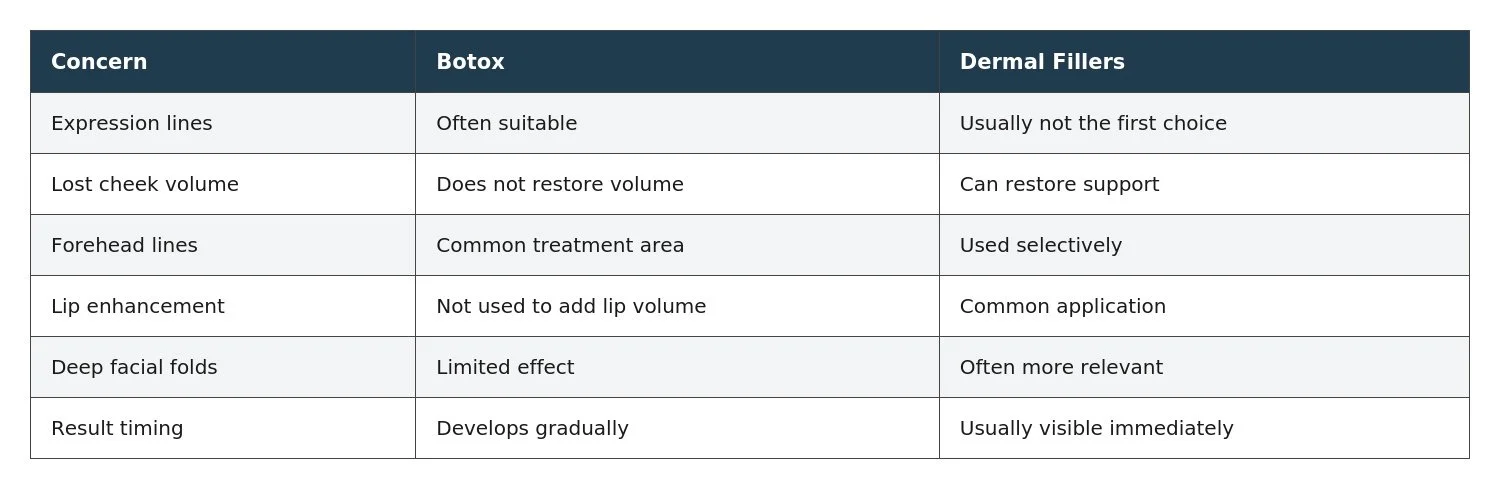
This is why unlike Botox dermal fillers can physically reshape an area. They may lift a shadow, replace missing support or change proportions, whereas Botox cannot create new volume.
Dynamic Lines Versus Existing Wrinkles
Lines that appear mainly during expression are often described as dynamic wrinkles. These are the classic wrinkles caused by repetitive movement and are where Botox tends to make the most sense. Deeper existing wrinkles can be more complicated. If a crease remains visible when the face rests, weakening the underlying muscle may prevent it from becoming stronger, but it might not completely erase the line. Dermal filler treatments may sometimes support the area, though not every crease should automatically be filled.
When the goal is simply to reduce wrinkles, identifying their cause comes first:
movement-related creases point more toward Botox;
hollowing and lost support point toward filler;
mixed changes may involve both Botox and fillers;
sagging skin may require an entirely different strategy.
That final distinction is important. Neither product is a universal answer for skin laxity. Injectables can create a more youthful appearance in the right situation, but they cannot reproduce what surgical lifting or certain skin-tightening treatments are designed to do.
Can Botox and Fillers Be Combined?
Injectable treatments are often combined because aging does not happen through one mechanism. The forehead may develop movement-related lines while the midface loses volume at the same time, so treating only one of those changes may leave the other untouched. A Botox treatment might soften active upper-face lines while dermal filler is used elsewhere to restore contour. The two products are not competing versions of the same thing. They are tools for different anatomical problems.
The most useful question is therefore not simply whether Botox or dermal filler is better. It is whether the concern comes from movement, reduced volume, skin quality, deeper structural change, or a combination of several factors. That distinction usually determines which treatment can realistically smooth wrinkles, soften smooth lines, rebuild contour or leave certain features alone.
A More Practical Way to Think About Treatment
The key differences between Botox and dermal fillers become clearer when treatment starts with the face itself rather than a product name. Some changes appear mainly with facial expressions, while others come from volume shifts, deeper folds, or changes in skin support. Even wrinkles caused by years of movement may eventually behave differently from newer expression lines.
A youthful appearance also does not have to mean removing every line or adding noticeable volume. Sometimes the best result comes from preserving natural movement and making small, precise adjustments. Products based on hyaluronic acid can be useful when structure or fullness needs support, while muscle-relaxing treatments address a different part of the picture. Good planning is therefore less about choosing one injectable over another and more about matching the treatment to the actual facial change.
HOW DO YOU FEEL ABOUT FASHION?
COMMENT OR TAKE OUR PAGE READER SURVEY
Featured





Flyknit and leather sit at opposite ends of the handbag world, and buyers get pushed into picking a side too early. One sounds modern and light. The other sounds premium and safe.