
How Parents Can Make Learning a Natural Part of Everyday Life
PAGE
By PAGE Editor
Kids don't only learn when they're sitting at a desk with a textbook. Some of the best learning happens in ordinary moments: a story before bed, a tricky puzzle, a hand with the cooking, a question about the moon, or a chat about something they noticed on the way home.
That's good news for parents. It means learning doesn't have to feel like a chore you're forever nagging about. When children are free to explore, ask questions, read, create, and practise in ways they actually enjoy, they slowly build habits that help them at school and at home.
Start With Reading
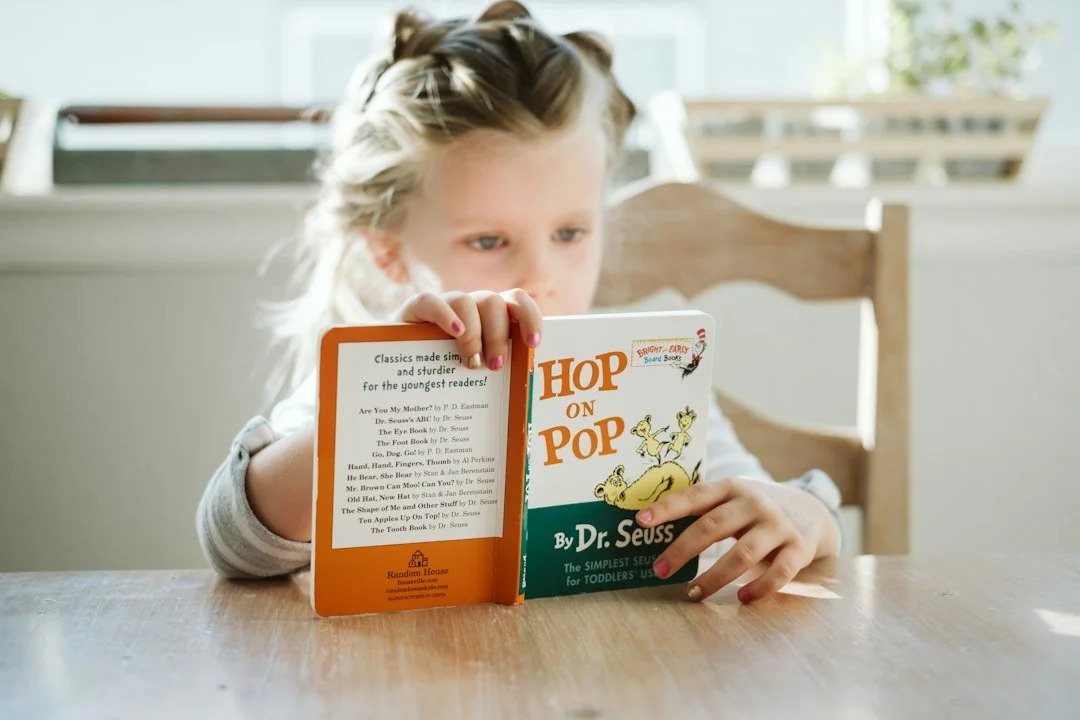
Reading is one of the easiest ways to bring learning into your child's day. You don't need a long, formal study hour. Even 10 or 15 minutes can make a real difference.
Short stories work especially well for younger children. They can be finished in one sitting, yet they still bring in new words, new characters, and new ideas. Pick something that suits your child's age and reading level, then talk about it together.
If you're looking for a place to begin, this collection of short stories for children is an easy starting point for regular reading. Once the story ends, you might ask:
What was your favorite part?
Why do you think the character made that choice?
What would you have done differently?
What lesson did the story teach?
Questions like these turn reading into a conversation, not just an exercise in sounding out words.
Turn Everyday Questions Into Learning Moments
Children are naturally curious. A question like "Why does it rain?" or "How do plants grow?" can easily become a small adventure.
Try not to jump in with the answer straight away. Instead, ask what they already know, what they think might happen, and how they could find out.
Say your child wonders why some things float while others sink. You could gather a few safe household objects and let them guess first, then test each one in a bowl of water. They'll be observing, predicting, experimenting, and talking it through, and it won't feel like a science lesson at all.
The same idea works for maths, language, and social studies too.
Make Practice More Fun
Kids often need repetition to get a new skill right, but endless worksheets and memorizing can get tiring fast. A little interaction goes a long way.
You could turn maths practice into a pretend shopping game, count with things around the house, play word games on a car ride, or ask your child to make up their own quiz questions for you to answer.
None of this is meant to replace school. It simply gives children a relaxed way to strengthen what they're already learning in class.
Build a Simple Study Routine
Learning needs plenty of flexibility, but children also feel secure when they know what to expect. A simple daily or weekly rhythm helps them see when it's time to read, do schoolwork, play, and rest.
It doesn't need to be complicated. It might look something like this:
After school: snack and free time
Later: homework or focused study
Evening: reading or a creative activity
Weekend: revision, educational games, outdoor fun, and family time
Older students may need a bit more structure, such as breaking big assignments into smaller study sessions. A practical study planner can help them organize schoolwork, revision, and practice, so nothing gets squeezed into the last minute.
What matters most is that the routine feels realistic for your child's age and workload.
Let Children Learn Through Play
Play isn't just a break from learning. Depending on what kids are doing, it can build problem-solving, communication, creativity, memory, and decision-making.
Board games, puzzles, building blocks, drawing, storytelling, educational games, and role-play each help in their own way.
You can also let your child invent their own games. Making up rules, explaining them to a friend, keeping score, and changing the rules when something isn't working takes surprisingly deep thinking.
Ask Them to Explain What They Know
One of the simplest ways to find out whether your child really understands something is to ask them to explain it.
After a lesson, a reading session, or an educational video, try saying, "Can you teach me what you just learned?"
They might walk you through how a maths method works, retell a story, describe a science idea, or tell you why an answer is correct.
Explaining helps children sort out their thoughts and put ideas into their own words. It also shows you where they might need a little extra practice.
Start From What They Love
A child's interests are often the best doorway into learning.
If your child adores animals, they might enjoy reading about habitats, making an animal fact file, comparing animal sizes, or writing a story about an imaginary creature.
If they love football, the game can lead them toward statistics, geography, history, teamwork, and even physics.
When learning is tied to something kids already care about, they're far more likely to go exploring on their own.
Don't Turn Every Activity Into a Test
One of the hardest things for parents is finding the balance between supporting learning and adding too much pressure.
Not every reading session needs a quiz. Not every chat needs to become a lesson. Sometimes children just need the freedom to enjoy a story, draw a picture, play with an idea, or ask a question without worrying about getting it "right."
A relaxed home helps children link learning with curiosity, not constant judgment.
Give Them a Chance to Create
Learning sticks when children get to make something of their own.
After a story, your child could draw a new ending. After a science topic, they could build a simple model. After learning a new word, they could use it in a sentence or even a little story.
Creating lets children use what they know instead of just remembering it.
Make Learning a Family Habit
Perhaps the most important shift is to see learning as something that goes on all through daily life, not just at the desk.
Children learn a lot by watching you. When they see you reading, asking questions, picking up new skills, talking about interesting things, and showing your own curiosity, they notice.
A family that reads together, shares ideas, explores questions, and celebrates curiosity creates a home where learning simply feels normal.
And remember, the goal isn't to fill every spare minute with educational activities. Children need play, rest, friends, and plenty of unstructured time too. Just look for small chances to make ordinary moments a little more interesting.
When learning becomes part of everyday life, children gain something more valuable than the ability to finish a worksheet: the confidence and curiosity to keep learning long after the lesson is over.
HOW DO YOU FEEL ABOUT FASHION?
COMMENT OR TAKE OUR PAGE READER SURVEY
Featured



Flyknit and leather sit at opposite ends of the handbag world, and buyers get pushed into picking a side too early. One sounds modern and light. The other sounds premium and safe.