
Common Hazards Riders Encounter on Scenic California Roads
PAGE
By PAGE Editor
California offers some of the most scenic motorcycle routes in the country, from the Pacific Coast Highway to the winding roads of the Sierra Nevada mountains. While these routes provide unforgettable riding experiences, they also present unique dangers that many riders underestimate. Understanding the common hazards found on California's scenic roads can help motorcyclists stay safer and avoid preventable accidents.
When serious crashes occur, speaking with Motorcyclist Attorney may help riders better understand their rights and options. Before your next ride, it's important to recognize the risks that may be waiting around the next bend.
Changing Road Conditions
One of the most common hazards riders encounter on scenic California roads is changing pavement conditions. Motorcycles are more sensitive to roadway defects than passenger vehicles. Hazards can include:
Potholes
Cracked pavement
Uneven road surfaces
Construction zones
Gravel shoulders
Mountain and coastal roads often experience weather-related wear that can create dangerous riding conditions. Riders should remain alert and adjust their speed when road quality changes unexpectedly.
Gravel, Sand, and Road Debris
Scenic roads often pass through rural, undeveloped areas where debris can accumulate. Common roadway hazards include:
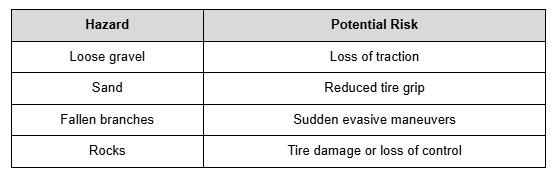
Even a small amount of debris can significantly affect motorcycle stability, especially while cornering. Maintaining a safe speed and scanning the road ahead can help riders identify hazards early.
Wildlife Encounters
California's scenic routes often travel through forests, mountains, and open countryside where wildlife crossings are common.
Riders may encounter:
Deer
Coyotes
Raccoons
Livestock in rural areas
Wildlife activity tends to increase during dawn and dusk hours. Unlike drivers in enclosed vehicles, motorcyclists face greater injury risks when attempting to avoid animals or after direct collisions. Reducing speed in known wildlife zones can provide valuable reaction time.
Sharp Curves and Limited Visibility
Many of California's most beautiful roads are known for winding turns and elevation changes. Popular routes often feature:
Blind curves
Steep descents
Narrow shoulders
Limited sight distances
These conditions can make it difficult to anticipate stopped vehicles, cyclists, or hazards ahead. The California DMV Motorcycle Handbook recommends entering curves at safe speeds and maintaining lane positioning that maximizes visibility.
Distracted or Inexperienced Drivers
Not all hazards come from the roadway itself. Drivers on scenic routes are often distracted by scenery, navigation devices, or unfamiliar surroundings. Common driver-related dangers include:
Sudden lane changes
Unsafe passing
Failure to check blind spots
Abrupt stops for photographs or viewpoints
Motorcyclists should assume that other drivers may not see them and ride defensively at all times.
Weather Changing Quickly
California's diverse geography creates rapidly changing weather conditions. Riders may encounter:
Coastal fog
High winds
Rain
Extreme heat
Reduced visibility
Weather-related hazards can significantly affect traction and reaction times. Checking forecasts before a ride and carrying appropriate gear can improve safety.
What Riders Should Do After a Scenic Road Accident
Even experienced riders can be involved in accidents caused by unexpected hazards.
If a crash occurs:
Seek immediate medical attention
Contact law enforcement
Document the scene with photographs
Obtain witness information
Preserve damaged gear and equipment
Roadway defects, negligent drivers, and hazardous conditions may all contribute to liability.
Enjoying California's Roads Safely
California's scenic roads offer incredible riding opportunities, but they also demand heightened awareness and preparation. By understanding common hazards such as debris, wildlife, poor road conditions, and distracted drivers, riders can make safer decisions and reduce their risk of injury.
If you get involved in a California motorcycle accident, a free consultation with Motorcylist Attorney can help you understand what to do next, the documents to prepare, and what to expect in the claims process.
Nevertheless, remember that a little preparation before each ride can go a long way toward making your next adventure memorable for the right reasons.
HOW DO YOU FEEL ABOUT FASHION?
COMMENT OR TAKE OUR PAGE READER SURVEY
Featured




Your users don't all run the same phone, OS version or browser.