
Digital Craftsmanship: How Technology Is Redefining What We Value in Luxury Vehicles
PAGE
By PAGE Editor
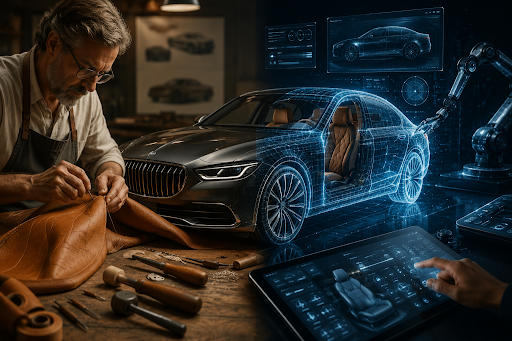
For decades, luxury in the automotive world was defined by materials, craftsmanship and engineering excellence. The finest vehicles distinguished themselves through hand-stitched leather, meticulously polished wood veneers and painstaking attention to detail. Luxury was something tangible—something drivers could see, touch and experience through traditional craftsmanship.
Yet the definition of automotive luxury is evolving. As vehicles become increasingly connected, intelligent and software-driven, manufacturers are discovering that premium experiences are no longer limited to physical components alone. Digital technologies, artificial intelligence and seamless user experiences are becoming just as important to perceptions of quality and exclusivity as the materials used in a cabin.
The question facing the industry is no longer whether technology belongs in luxury vehicles, but whether digital craftsmanship can become a luxury attribute in its own right.
The Shift from Mechanical Excellence to Digital Experience
Historically, luxury manufacturers competed on engineering precision. Smooth power delivery, refined ride quality and exceptional build standards set premium vehicles apart from their mainstream counterparts.
While those qualities remain important, modern buyers increasingly interact with their vehicles through digital interfaces. Touchscreens, voice assistants, personalised settings and connected services now shape everyday ownership experiences.
With the growing sophistication of AI for cars, drivers may spend more time engaging with a vehicle's software than appreciating its engine components. As a result, the quality of these digital interactions has become a critical measure of perceived luxury.
A lagging infotainment system or confusing interface can undermine an otherwise exceptional vehicle. Conversely, intuitive software that anticipates user needs can elevate the entire ownership experience.
Luxury is increasingly being measured by how effortlessly technology integrates into daily life.
The Rise of Digital Craftsmanship
The concept of craftsmanship traditionally refers to the skill, care and expertise involved in creating physical products. Today, many manufacturers are applying the same philosophy to software development.
Digital craftsmanship focuses on creating technology that feels thoughtful, intuitive and refined. It prioritises user experience rather than simply adding more features.
The best digital experiences are often the least noticeable. Menus are logically organised. Voice commands respond naturally. Personalisation settings work seamlessly in the background. Updates improve functionality without disrupting the user.
In this sense, software is becoming a modern form of craftsmanship—one that requires as much attention to detail as traditional automotive design.
The challenge for manufacturers is ensuring that technology feels purposeful rather than overwhelming. Luxury buyers increasingly value simplicity, elegance and reliability over feature lists filled with gimmicks.
Personalisation as the New Luxury
One of the most significant ways technology is reshaping luxury is through personalisation.
Modern vehicles can remember seating positions, climate preferences, entertainment choices and driving modes for individual users. Some systems adjust settings automatically based on who is behind the wheel.
Artificial intelligence is expected to make these capabilities even more sophisticated in the coming years. Vehicles may learn routines, predict destinations, optimise comfort settings and tailor information displays based on driver preferences.
This creates a highly personalised ownership experience that would have been impossible just a decade ago.
The broader trend reflects a growing desire for individuality within car culture. Consumers increasingly seek ways to make vehicles feel unique and representative of their identity. This extends beyond software and into physical customisation, where businesses such as Plates Express are part of a wider ecosystem supporting motorists who want their vehicles to reflect personal tastes and preferences.
The future of luxury may therefore be defined less by universal status symbols and more by experiences tailored to individual users.
Artificial Intelligence and the Human-Centred Vehicle
Artificial intelligence is rapidly becoming one of the automotive industry's most influential technologies.
Rather than replacing drivers, many luxury manufacturers are positioning AI as a tool for enhancing convenience and reducing friction. Intelligent assistants can manage navigation, answer questions, adjust vehicle settings and simplify routine tasks.
The most successful implementations are likely to be those that remain unobtrusive. Luxury customers generally do not want technology to dominate the driving experience. Instead, they expect it to work quietly and effectively in the background.
This mirrors traditional luxury principles. The finest craftsmanship often appears effortless despite the expertise required to create it.
As AI capabilities mature, manufacturers will need to balance innovation with restraint, ensuring technology enhances rather than distracts from the overall experience.
When Software Becomes Part of Brand Identity
Vehicle software is increasingly becoming a differentiating factor between manufacturers.
Historically, brand identity was shaped by design language, performance characteristics and engineering philosophy. Today, digital ecosystems are becoming equally important.
Consumers are beginning to associate certain brands with intuitive interfaces, seamless connectivity or advanced driver assistance technologies. Software experiences can influence customer loyalty in much the same way as styling or performance.
This shift has encouraged manufacturers to invest heavily in in-house software development and digital platforms. In many respects, software is becoming a core component of brand value.
The premium automotive market is no longer solely competing on horsepower or craftsmanship. It is also competing on digital excellence.
Balancing Tradition and Innovation
Despite the growing importance of technology, physical craftsmanship remains central to luxury vehicles.
Leatherwork, material quality, ergonomic design and manufacturing precision continue to influence perceptions of value. Few buyers are willing to sacrifice these qualities for digital innovation alone.
The most successful luxury vehicles combine both worlds. Traditional craftsmanship creates emotional appeal, while technology delivers convenience, personalisation and functionality.
Rather than replacing heritage, digital innovation is expanding the definition of what craftsmanship means in the automotive sector.
Manufacturers that understand this balance are likely to be best positioned for the future.
Conclusion
Luxury vehicles are undergoing a significant transformation. While traditional craftsmanship remains highly valued, digital experiences are becoming equally important in shaping perceptions of quality and exclusivity.
Software, artificial intelligence and personalised user experiences are no longer simply features—they are increasingly part of what makes a vehicle feel premium. As technology becomes more sophisticated, digital craftsmanship may emerge as one of the defining characteristics of modern automotive luxury.
The future of luxury is unlikely to be determined by materials or technology alone. Instead, it will belong to manufacturers capable of blending exceptional physical craftsmanship with intelligent, human-centred digital experiences that enhance every aspect of ownership.
HOW DO YOU FEEL ABOUT FASHION?
COMMENT OR TAKE OUR PAGE READER SURVEY
Featured




Jackets have always been an important part of fashion.