
Complete Guide to Rapid Response Vehicle Recovery, On-Road Breakdown Solutions, and Heavy Truck Reliability Management Systems
PAGE
By PAGE Editor
Understanding the Importance of Emergency Support for Heavy Trucks
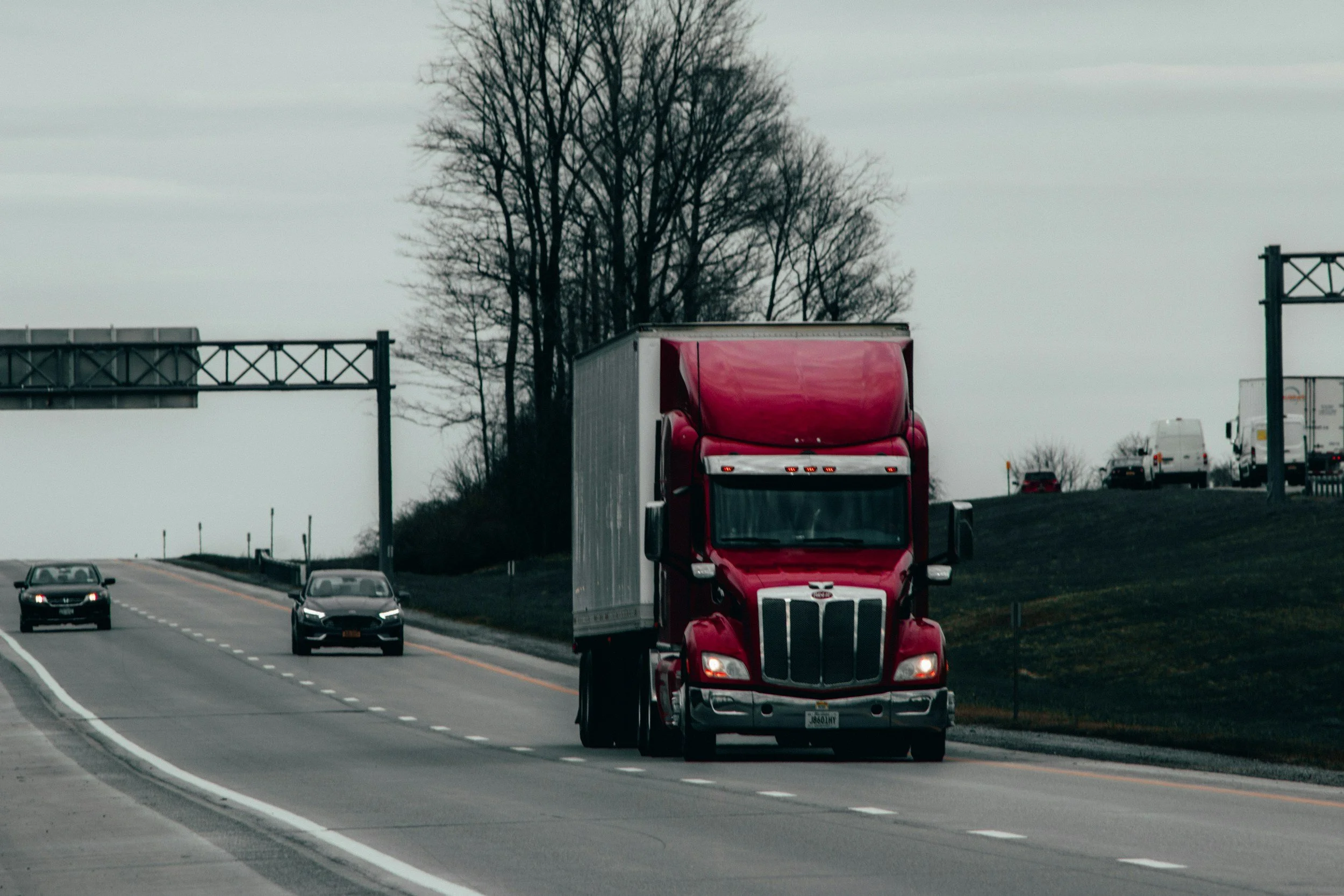
Heavy-duty trucks are essential to global transportation systems, carrying goods across long distances and ensuring that supply chains remain functional and efficient. These vehicles operate under intense pressure due to heavy loads, continuous driving, and unpredictable road conditions. Because of this constant strain, mechanical failures and unexpected breakdowns are inevitable. When a breakdown occurs, it not only affects the driver but also disrupts delivery schedules, increases operational costs, and can even impact entire logistics networks. In such situations, immediate response becomes critical. Delays in repair can lead to lost revenue, missed deadlines, and increased safety risks for drivers stranded on highways or remote routes. This is why rapid-response services have become a core part of modern fleet management systems. One of the most essential solutions in these situations is emergency truck repair, which focuses on providing immediate mechanical assistance at the location where the breakdown occurs, reducing downtime and preventing further complications. The ability to respond quickly and effectively during breakdown situations has transformed the way commercial transport operations are managed, making roadside support a vital part of logistics planning rather than just a backup option.
Common Causes of Truck Breakdowns on the Road
Heavy trucks are complex machines with multiple interconnected systems that must work in perfect harmony. When one system fails, it can quickly affect the entire vehicle. Engine issues are among the most common causes of breakdowns, including overheating, oil leaks, fuel system blockages, and loss of compression. Transmission failures are another frequent issue, especially in vehicles carrying heavy loads over long distances. Brake system failures are particularly dangerous and require immediate attention due to the safety risks involved. Electrical system failures, including battery issues, alternator malfunctions, and wiring faults, can also leave a truck completely inoperable. Tire blowouts, suspension damage, and steering system faults further contribute to roadside breakdown scenarios. Because these issues can occur without warning, having access to fast-response support is essential for maintaining safety and operational continuity.
Roadside Risks and Operational Challenges
When a heavy truck breaks down unexpectedly, the situation can quickly become hazardous. Drivers may be stranded in unsafe environments such as highways, industrial routes, or remote areas with limited access to support services. Exposure to traffic, weather conditions, and limited visibility increases the risk of accidents or further mechanical damage. From a business perspective, breakdowns can severely disrupt logistics operations. Delivery delays may result in contractual penalties, customer dissatisfaction, and financial losses. Towing a heavy truck is expensive and time-consuming, often requiring specialized equipment and coordination with recovery services. These challenges highlight the importance of immediate on-site solutions that minimize downtime and reduce the need for towing.
On-Site Diagnostic Systems and Rapid Troubleshooting
Modern emergency repair units are equipped with advanced diagnostic tools that allow technicians to quickly identify mechanical and electrical problems. These tools can scan engine control systems, evaluate transmission performance, and detect electrical faults with high accuracy. Once the issue is identified, technicians can perform a wide range of repairs directly at the breakdown site. These include battery replacement, brake adjustments, hose repairs, fuel system fixes, and minor engine corrections. This capability significantly reduces downtime and helps trucks return to service without the need for towing in many cases. The efficiency of these mobile systems is one of the key reasons why emergency truck repair services have become essential in modern transportation networks.
Engine System Failures and Immediate Response Needs
The engine is the core component of any heavy truck, and its failure can completely halt operations. Engine problems often include overheating, coolant leaks, fuel contamination, and lubrication issues. Cooling system failures are particularly critical because they can cause severe internal damage if the engine continues to run under high temperatures. Oil system issues can also lead to increased friction and long-term engine wear. In emergency situations, technicians must act quickly to diagnose the issue and apply temporary or permanent fixes depending on the severity of the problem. Immediate response through emergency truck repair helps prevent further engine damage and reduces the risk of complete engine failure.
Brake System Failures and Safety Risks
Brake systems are one of the most important safety components in heavy trucks. Due to the size and weight of these vehicles, any brake malfunction can lead to serious accidents. Air brake systems rely on consistent pressure levels to function properly. Air leaks, worn brake pads, or faulty valves can reduce braking efficiency and create dangerous driving conditions. On-site technicians can often repair air leaks, replace damaged components, and restore braking functionality directly at the breakdown location. This makes emergency truck repair a critical safety service that helps prevent accidents and ensures driver protection.
Electrical System Failures and Fast Troubleshooting
Modern trucks rely heavily on electrical systems for engine control, lighting, communication, and monitoring. Electrical failures can cause sudden shutdowns or prevent the vehicle from starting entirely. Common issues include dead batteries, alternator failure, wiring damage, and sensor malfunctions. Mobile repair teams use advanced diagnostic tools to identify electrical faults quickly and replace or repair components as needed. This immediate response reduces downtime and helps maintain fleet efficiency even in challenging conditions.
Tire Blowouts and Suspension Damage
Tires are under constant stress due to heavy loads and long-distance travel. Blowouts, punctures, and uneven wear are common problems that can lead to sudden breakdowns. Suspension systems also face significant strain and may suffer from shock absorber failure, broken springs, or air suspension leaks. These issues affect vehicle stability and safety, making it difficult to continue driving. On-site repair teams can replace damaged tires, adjust suspension systems, and restore basic functionality to allow safe continuation of the journey.
Preventive Maintenance and Breakdown Prevention
While emergency services are essential, preventive maintenance plays a crucial role in reducing the likelihood of breakdowns. Regular inspections of engine systems, brakes, tires, and electrical components help identify potential problems before they become serious. Preventive maintenance includes oil changes, filter replacements, brake inspections, tire rotation, and system diagnostics. By maintaining a consistent service schedule, fleet operators can significantly reduce the frequency of unexpected failures. However, even with preventive care, breakdowns can still occur due to unpredictable conditions, making emergency truck repair an essential backup solution.
Importance of Rapid Response in Fleet Operations
In commercial transportation, time is one of the most valuable resources. Every minute of downtime can lead to missed deadlines and financial losses. Rapid-response repair systems ensure that trucks are serviced as quickly as possible, minimizing delays and improving efficiency. Fast assistance also improves driver safety by reducing the time spent in potentially dangerous roadside environments.
Role of Skilled Technicians and Mobile Equipment
Effective breakdown response depends on the skills of technicians and the quality of tools available in mobile units. Experienced professionals can quickly diagnose complex issues and apply appropriate solutions under challenging conditions. Mobile repair units are equipped with essential tools, spare parts, and diagnostic systems that allow a wide range of repairs to be performed on-site.
Conclusion on Reliable Breakdown Recovery Systems
Heavy truck operations depend on reliability, speed, and efficiency. Breakdowns are inevitable due to constant mechanical stress, but their impact can be minimized through effective response systems. From engine failures and brake issues to electrical faults and tire damage, every system plays a role in overall vehicle performance. By combining preventive maintenance with rapid response solutions like emergency truck repair fleet operators can ensure maximum uptime, improved safety, and reduced operational costs.
HOW DO YOU FEEL ABOUT FASHION?
COMMENT OR TAKE OUR PAGE READER SURVEY
Featured





As European organisations continue to modernise their digital environments, the demand for practical technology services is increasingly being shaped by operational complexity rather than by simple software adoption.