
How to Choose a TV Stand for Your Screen Size and Room Layout
PAGE
By PAGE Editor
To choose the right TV stand, match its supported screen size, weight capacity, and VESA compatibility to your television, then consider how its base dimensions, height, and design fit the available room space. A stand that accommodates the screen should also leave enough clearance around nearby furniture, provide a comfortable viewing position, and support any equipment used with the TV. Considering these requirements together helps create a setup that works with both the television and the room's everyday layout.
Start With Your Room Layout
Begin by identifying where the television will be placed and how people will watch it. In a living room, the sofa usually determines the main viewing direction, so the screen should face the primary seating area while leaving sufficient space for everyday movement. Consider the distance between the proposed TV position and nearby furniture, doorways, and windows, since these features can affect both the stand's footprint and the screen's placement.
The available wall and floor space also influence which stand structure makes the most sense. A long, uninterrupted wall may accommodate a wider furniture arrangement, while a room with several windows or doorways may require a more compact support. In a bedroom, the space around the bed and other furniture can make a slim freestanding or tabletop design more practical. Open-plan living areas have different considerations because the television may need to sit independently of the wall while remaining visible from the main seating zone.
These layout details provide a starting point for comparing stand designs. Once the intended position is clear, the next step is to check whether the television and its supporting structure will fit that space.
Match the Screen Size to the Stand's Dimensions
Television sizes are measured diagonally, so the advertised screen size does not represent the actual width or height of the TV. For example, a typical 65-inch 16:9 television is approximately 57 inches wide, although the exact dimensions vary by model. This matters when placing a television between furniture, in a corner, or above a stand with a relatively narrow support structure. Measuring the actual screen width and height helps establish how much space the complete setup will occupy.
The stand's base dimensions deserve equal attention. A tabletop model needs enough surface area for the television's original feet, including the distance between them, while a freestanding design requires sufficient floor space for its base. When comparing a tv stand, check the manufacturer's supported screen-size range alongside the base width, depth, and overall mounting dimensions. The screen may extend beyond the supporting structure, so leave suitable clearance around its edges, especially when the stand will sit close to walls or other furniture.
Physical dimensions are only part of the compatibility check. The television's weight must remain within the stand's rated capacity, and its VESA mounting pattern must match the supported bracket configuration. These specifications establish whether the stand can support the screen, while the base and screen measurements determine how comfortably the complete arrangement fits the room.
Choose a Stand Style That Fits the Room
Different TV stand structures suit different furniture arrangements and available spaces. A tabletop TV stand works well when a media console or cabinet is already part of the room, supporting the screen above the furniture surface while leaving space underneath for connected devices. Its suitability depends on the tabletop's available area, the television's mounting requirements, and the placement of its original feet. This arrangement can be particularly practical in bedrooms and living rooms where storage furniture is already established.
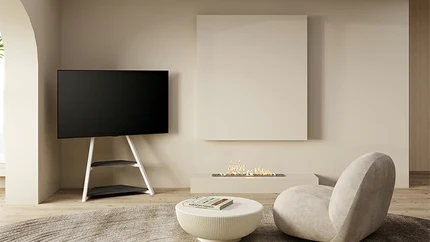
A freestanding TV stand offers more flexibility when the screen needs to sit independently of a large cabinet or fixed wall position. Its vertical support and floor base allow the television to be positioned according to the seating arrangement, making it useful in rooms where wall space is limited or furniture placement changes. Corner-oriented designs provide another option for rooms with restricted wall space, using a base structure suited to positioning the screen near the intersection of two walls. For households that regularly reposition the television, a mobile stand adds rolling casters and, on selected models, adjustable mounting features.
The choice should reflect how the room is used rather than the appearance of the stand alone. A compact tabletop design may suit an existing media cabinet, while a freestanding or corner model can provide more placement flexibility. Considering the stand's structure alongside the furniture layout helps the television feel integrated into the room.
Consider Viewing Position and Equipment Space
After choosing a suitable stand structure, consider the height and angle at which the television will be watched. The screen should be positioned comfortably relative to the main seating or resting position, with enough adjustment available to accommodate differences in sofa, chair, or bed height. Adjustable-height stands can be useful when the television serves more than one viewing position, while swivel and tilt functions help direct the screen toward seating areas that are slightly off-center.
The surrounding equipment also affects how much space the stand needs. A soundbar may require a dedicated shelf or mounting accessory below the screen, while gaming consoles, streaming devices, and media players need suitable support and accessible connections. Check the dimensions and weight of these devices against the available shelves, paying attention to ventilation and cable access. Integrated cable-management features can help organize power and signal connections along the stand, keeping the area around the television easier to maintain.
A complete setup should allow the screen and connected equipment to work together without crowding the available space. Considering viewing adjustments, storage, and cable routing before choosing a model makes it easier to select a stand that supports everyday use.
Bring the TV and Room Layout Together
A suitable TV stand should support the television securely while working naturally with the surrounding furniture and available space. FITUEYES offers tabletop, freestanding, corner, and mobile TV stand designs, with selected models featuring adjustable viewing heights, swivel functions, and additional equipment storage. These different structures provide options for rooms with varying layouts, screen sizes, and entertainment needs.
The most practical choice brings the television's dimensions, supporting structure, and viewing position together. When these factors are considered as one complete setup, the TV becomes a natural part of the room while leaving the surrounding space comfortable and functional.
HOW DO YOU FEEL ABOUT FASHION?
COMMENT OR TAKE OUR PAGE READER SURVEY
Featured




Picking a cold plunge and sauna is easy. Making the pair work together takes layout, water access, and a clear order of use. Here is how to plan it.