
DIY vs. Professional Nail Care: When Is It Worth the Splurge?
PAGE
By PAGE Editor
As someone who has spent years analyzing the beauty industry and observing the long-term effects of various nail treatments, I’ve seen it all. From the flawless, glass-like finish of a masterfully applied hard gel to the severe, painful damage caused by peeling off acrylics at home, the gap between DIY and professional nail care is significant.
Over the past few years, the market has been flooded with at-home nail kits. Press-ons, LED gel lamps, and dip powder systems now promise salon-quality results from the comfort of your couch. But while DIY nail care is more accessible than ever, many people still struggle with chipping, uneven application, and worst of all, nail damage.
So, when is it time to roll up your sleeves and paint your own nails, and when should you leave it to the licensed professionals? Deciding between DIY and professional nail care comes down to budget, time, desired results, and above all, your overall nail health. Let’s break down when to save and when to splurge.
The Appeal (and Pitfalls) of DIY Nail Care
There is a distinct satisfaction in completing your own manicure. However, the DIY route is a double-edged sword.
The Pros: Cost and Convenience
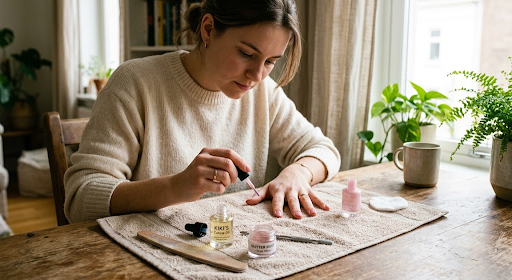
The most obvious benefit of doing your own nails is the financial savings. Once you invest in a basic kit—clippers, a glass file, cuticle oil, base coat, color, and top coat, the cost per manicure drops to pennies. Furthermore, DIY care offers unmatched convenience. You can fix a chipped nail at midnight in your pajamas while watching your favorite show, without the need to schedule an appointment weeks in advance.
The Cons: The Learning Curve and Risk of Damage
The reality of DIY nail care is that it requires a steep learning curve. Painting with your non-dominant hand often results in flooded cuticles, a common mistake where polish pools at the skin, leading to premature lifting and peeling.
More importantly, DIY poses a serious risk to your nail health. As a professional, the most common at-home injuries I see stem from improper removal. Peeling off gel polish or forcefully prying off press-ons strips layers of keratin from the natural nail plate, leaving them paper-thin and brittle. Additionally, at-home gel kits carry the risk of uncured gel sitting on the skin, which can lead to severe allergic reactions and contact dermatitis over time.
The Unmatched Benefits of Professional Nail Care
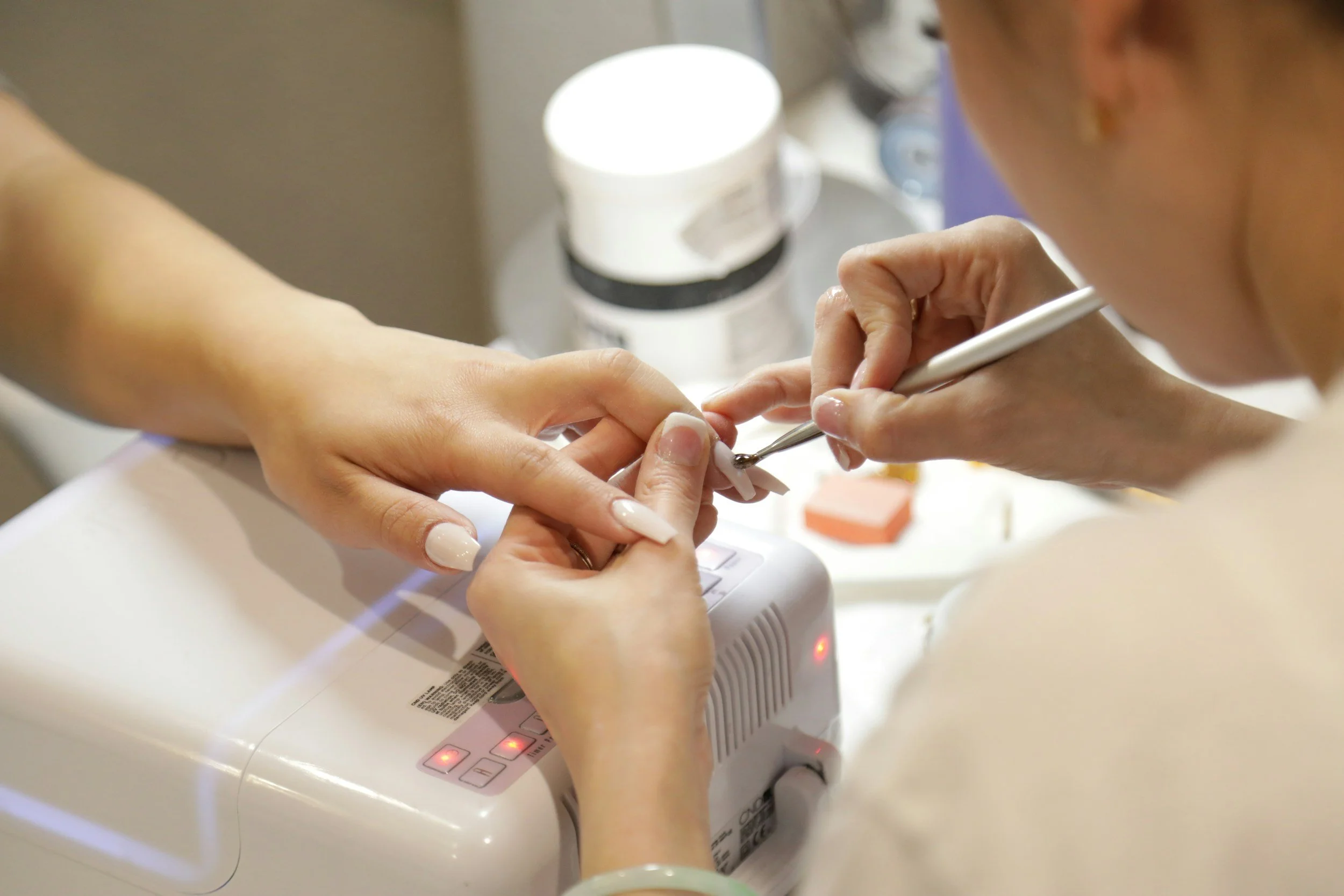
There is a reason professional nail technicians require hundreds of hours of training, state board examinations, and licensing. You are paying for their expertise, not just a bottle of polish.
Expertise and Nail Health
A trained technician understands the anatomy of the nail. They know the critical difference between the eponychium (living skin that should never be cut) and the true cuticle (dead skin on the nail plate that should be gently removed).
Furthermore, professional salons adhere to strict, state-mandated sanitization protocols. Tools are often sterilized in medical-grade autoclaves or hospital-grade disinfectants (like Barbicide), and items like files and buffers are either single-use or strictly assigned to one client. This level of hygiene is incredibly difficult to replicate at home and protects you from fungal and bacterial infections.
The Pampering Experience and Hand Wellness
If you’ve ever looked up what is manicure, you'll quickly realize it is a comprehensive hand wellness treatment, not just a color change. A professional service includes deep exfoliation to remove dead skin cells, hydration treatments, and targeted massage to improve circulation in the hands and forearms. It is a dedicated act of self-care.
Longevity and Premium Finish
Professionals have access to commercial-grade products and the technical skill to prep the nail perfectly. By thoroughly dehydrating the nail plate, removing all invisible cuticle, and properly capping the free edge, a professional gel manicure can last three to four weeks without a single chip.
Cost Breakdown: Is the Salon Price Tag Justified?
At first glance, a $50 to $100 salon visit seems expensive compared to an $8 bottle of drugstore polish. However, DIY has hidden costs. Think about the bottles of polish that dry out before you finish them, the specialized tools you have to buy, and the time you spend fixing mistakes.
When you book an appointment, you are paying for guaranteed results. For instance, if you are searching for the best nail salon in Fort Lauderdale fl, you aren't just looking for a quick polish change; you're looking for an establishment that guarantees safety, luxury, and longevity. The premium price tag accounts for top-tier hygiene standards, high-quality non-toxic products, and the artisanal skill of the technician who ensures your natural nails remain healthy underneath the enhancements.
The Verdict: When to DIY vs. When to Book an Appointment
Still on the fence? Here is a quick guide to help you decide when to save and when to splurge.
When to DIY:
You need a simple fix: If you just want a quick clear coat, nail strengthener, or a basic traditional polish, DIY is perfect.
You are on a strict budget: If you are actively cutting back on discretionary spending, standard at-home polish is the safest and most economical route.
You want to let your nails "breathe": Taking a break from enhancements? A DIY regimen of cuticle oil and a gentle glass file is exactly what you need.
When to Book a Professional:
Before a major event: For weddings, vacations, or important professional presentations, you don't want to risk a chipped nail on day two. Book a pro.
You want structural enhancements: Builder gel (BIAB), acrylics, dip powder, and extensions require a deep understanding of nail architecture (creating an apex for strength). Do not attempt these at home.
Your nails are damaged: If your nails are peeling, splitting, or paper-thin from previous damage, a professional can offer rehabilitative treatments and safely apply protective overlays.
You need a mental break: Sometimes, you just need to put your phone away, sit back, and let someone else take care of you.
Final Thoughts
DIY nail care is a fantastic option for basic maintenance and budget-conscious weeks. However, professional nail care is an investment in your physical health, your appearance, and your mental well-being. By understanding the limitations of at-home kits and respecting the scientific expertise of licensed technicians, you can strike the perfect balance for beautiful, healthy hands year-round.
1. Is a professional manicure really worth the extra money?
Answer: Yes. Beyond the aesthetic finish, a professional manicure includes expert nail preparation, cuticle care without damage, deep hand exfoliation, and strict sanitization. High-grade products and techniques used by licensed technicians ensure manicures last up to 3–4 weeks while preserving the integrity of your natural nail plate.
2. Can at-home gel manicure kits damage your natural nails?
Answer: Yes, primarily due to improper removal and application. Forcefully peeling or scraping off gel strips away natural keratin layers, leaving nails thin and weak. Additionally, unpolished application that causes uncured gel to sit on surrounding skin can trigger severe contact dermatitis or acrylic allergies over time.
3. When should I choose a salon manicure over doing it myself?
Answer: You should book a professional salon visit when:
Preparing for a major event (weddings, vacations, photo shoots).
Getting structural enhancements like builder gel (BIAB), acrylics, or extensions.
Your natural nails are brittle, splitting, or damaged and require professional rehabilitation.
You want a full pampering and hand-wellness experience.
HOW DO YOU FEEL ABOUT FASHION?
COMMENT OR TAKE OUR PAGE READER SURVEY
Featured





Deep clean, seal, and protect your tile & grout in Oceanside, CA. Bring the original shine back to your floors. Request a quote today!