
Everything You Need to Know Before Buying Fine Jewelry
PAGE
By PAGE Editor
Buying fine jewelry is exciting, but it can also feel overwhelming. With so many gemstones, metals, styles, and price points available, it's easy to make an expensive mistake if you don't know what to look for.
This fine jewelry buying guide will help you understand the essentials before making your purchase. Whether you're shopping for your first luxury piece, celebrating a milestone, or investing in jewelry you'll wear for years, these tips will help you buy with confidence.
What Is Considered Fine Jewelry?
Fine jewelry is made from precious metals such as gold, platinum, or sterling silver and often features genuine gemstones like diamonds, sapphires, emeralds, or rubies.
Unlike fashion jewelry, fine jewelry is designed to last for decades with proper care. While it typically costs more upfront, its durability, craftsmanship, and timeless appeal often make it a better long-term investment.
Decide Why You're Buying
Before comparing necklaces or rings, ask yourself what you're shopping for.
Common reasons include:
Everyday wear
Special occasions
Engagement or wedding jewelry
Anniversary gifts
Birthday presents
Investment pieces
Family heirlooms
Your purpose will influence everything from the metal you choose to your budget and preferred style.
Set a Realistic Budget
Fine jewelry is available across a wide price range. Establishing a budget early helps narrow your choices and prevents overspending.
Remember that price depends on several factors, including:
Precious metal type
Gemstone quality
Brand reputation
Design complexity
Craftsmanship
Certification
A higher price doesn't automatically mean better value. Focus on quality and materials rather than marketing alone.
Understand Precious Metals
The metal forms the foundation of every jewelry piece.
Gold
Gold continues to be a favorite thanks to its lasting durability, timeless value, and range of beautiful color options.
Common options include:
Yellow gold
White gold
Rose gold
Gold purity is measured in karats:
24K: Pure gold but softer
18K: Rich color with excellent durability
14K: Outstanding balance between strength and beauty
10K: More affordable and highly durable
For everyday jewelry, many buyers prefer 14K because it withstands daily wear while maintaining its appearance.
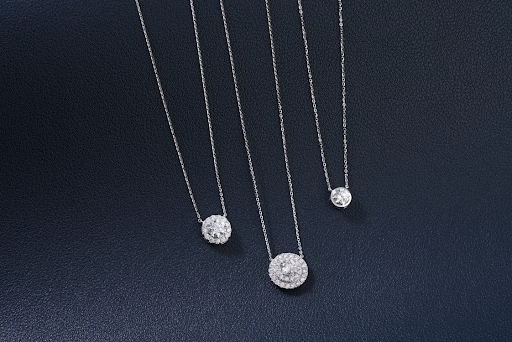
If you're looking for a modern everyday necklace, the 14k Gold Sparkle Paperclip Necklace offers a versatile design that pairs effortlessly with both casual and formal outfits.
Platinum
Platinum has a naturally bright white appearance, offers outstanding durability, and is an excellent choice for people with sensitive skin. Although more expensive than gold, it's ideal for jewelry intended to last a lifetime.
Sterling Silver
Sterling silver offers an affordable entry into fine jewelry. While it requires occasional polishing, it provides excellent value for stylish everyday pieces.
Learn About Gemstone Quality
When purchasing gemstone jewelry, quality matters just as much as appearance.
For diamonds, experts typically evaluate the famous Four Cs:
Cut
A well-cut diamond reflects light beautifully, creating maximum sparkle.
Color
Less color generally means higher value for white diamonds.
Clarity
Clarity measures the number of natural inclusions or imperfections inside the stone.
Carat
Carat is a unit of weight, so two stones with the same carat can look different in size depending on their cut and shape.
Colored gemstones should also be evaluated based on color intensity, clarity, treatment history, and overall craftsmanship.
Always Ask About Certification
Reputable jewelers provide certificates for significant gemstones.
Independent grading reports from recognized laboratories help verify:
Authenticity
Stone characteristics
Quality grading
Treatment disclosures
Certification gives buyers greater confidence and simplifies future resale or insurance.
Examine the Craftsmanship
Beautiful gemstones deserve equally beautiful craftsmanship.
Look closely at:
Secure stone settings
Smooth metal finishes
Strong clasps
Symmetrical design
Comfortable fit
Clean polishing
Well-crafted jewelry not only looks better but also lasts longer.
Think About Everyday Wear
A stunning piece should also fit your lifestyle.
Ask yourself:
Will you wear it daily?
Is it comfortable?
Can it match multiple outfits?
Is it suitable for work?
Does it require frequent maintenance?
Versatile designs often provide the best long-term value because you'll reach for them more often.
Buy From a Trusted Jeweler
Choosing the right retailer is just as important as choosing the jewelry itself.
Look for sellers who offer:
Transparent pricing
Clear product descriptions
Authentic materials
Certificates when applicable
Return policies
Product warranties
Positive customer reviews
Trustworthy jewelers are happy to answer questions instead of pressuring you into making a quick purchase.
Don't Chase Trends Alone
Fashion trends change quickly, but fine jewelry often stays with you for decades.
Classic styles usually offer greater versatility and timeless appeal. Trendy pieces can still be wonderful additions, but they shouldn't be your only purchase if you're building a lasting collection.
Understand Jewelry Care
Proper care protects your investment.
To extend the life of your jewelry:
Store each piece separately.
Remove jewelry before swimming.
Avoid harsh chemicals.
Clean pieces according to manufacturer recommendations.
Schedule professional inspections for valuable items.
Simple maintenance helps preserve brilliance and prevents unnecessary damage.
Is Fine Jewelry a Good Investment?
Many people purchase fine jewelry primarily for personal enjoyment, while others also consider its long-term value.
Although not every piece appreciates over time, jewelry made with precious metals, exceptional craftsmanship, and high-quality gemstones generally retains value better than inexpensive fashion jewelry.
The best investment is choosing pieces you'll genuinely enjoy wearing for years.
Common Mistakes First-Time Buyers Make
New buyers often make avoidable mistakes, including:
Buying without researching materials
Ignoring certifications
Focusing only on price
Choosing uncomfortable designs
Forgetting about maintenance
Purchasing from unfamiliar sellers without verifying credibility
Taking time to research before buying usually leads to better decisions and greater satisfaction.
Final Thoughts
Buying fine jewelry doesn't have to be intimidating. Once you understand metals, gemstones, certifications, craftsmanship, and reputable retailers, you'll be able to shop with confidence.
Whether you're purchasing your first necklace, celebrating an important milestone, or adding another timeless piece to your collection, informed decisions will help you enjoy your jewelry for many years.
Frequently Asked Questions
What is the difference between fine jewelry and fashion jewelry?
Fine jewelry uses precious metals and genuine gemstones, making it more durable and valuable. Fashion jewelry typically uses less expensive materials designed for shorter-term wear.
Is 14K gold good for everyday jewelry?
Yes. Fourteen-karat gold offers an excellent balance of durability, beauty, and affordability, making it one of the most popular choices for everyday wear.
Should fine jewelry come with certification?
High-value gemstones, especially diamonds, should ideally include certification from a recognized independent laboratory to verify quality and authenticity.
How much should I spend on fine jewelry?
There is no universal amount. Your budget should reflect your financial situation, the purpose of the purchase, and the quality you're seeking.
Can fine jewelry last a lifetime?
Absolutely. With proper care and occasional professional maintenance, quality fine jewelry can last for generations and even become cherished family heirlooms.
HOW DO YOU FEEL ABOUT FASHION?
COMMENT OR TAKE OUR PAGE READER SURVEY
Featured


Having a friends with benefits relationship is a great idea, if you find the right person for it.