
Ferrari Brings Movement and Precision to Vogue World: Milano
PAGE
By PAGE Editor
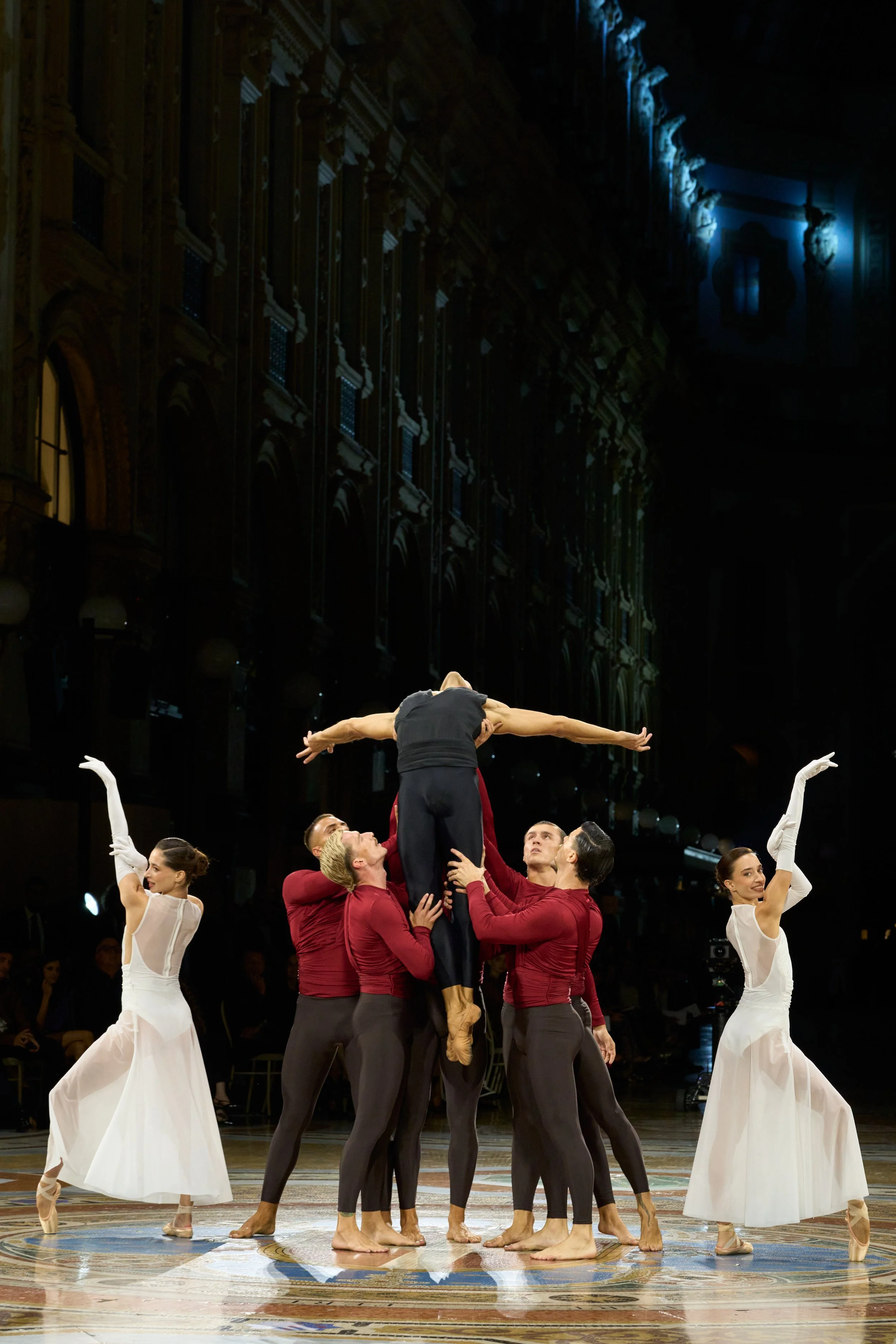
At Vogue World: Milano, fashion was never meant to stand still. Set inside Milan’s historic Galleria Vittorio Emanuele II, the fifth edition of Vogue’s global fashion and culture spectacle placed Italian craftsmanship, performance and innovation in conversation. Among the evening’s most compelling intersections was Ferrari’s collaboration with Roberto Bolle and the evening’s performers, translating the house’s contemporary design language into a wardrobe built for movement.
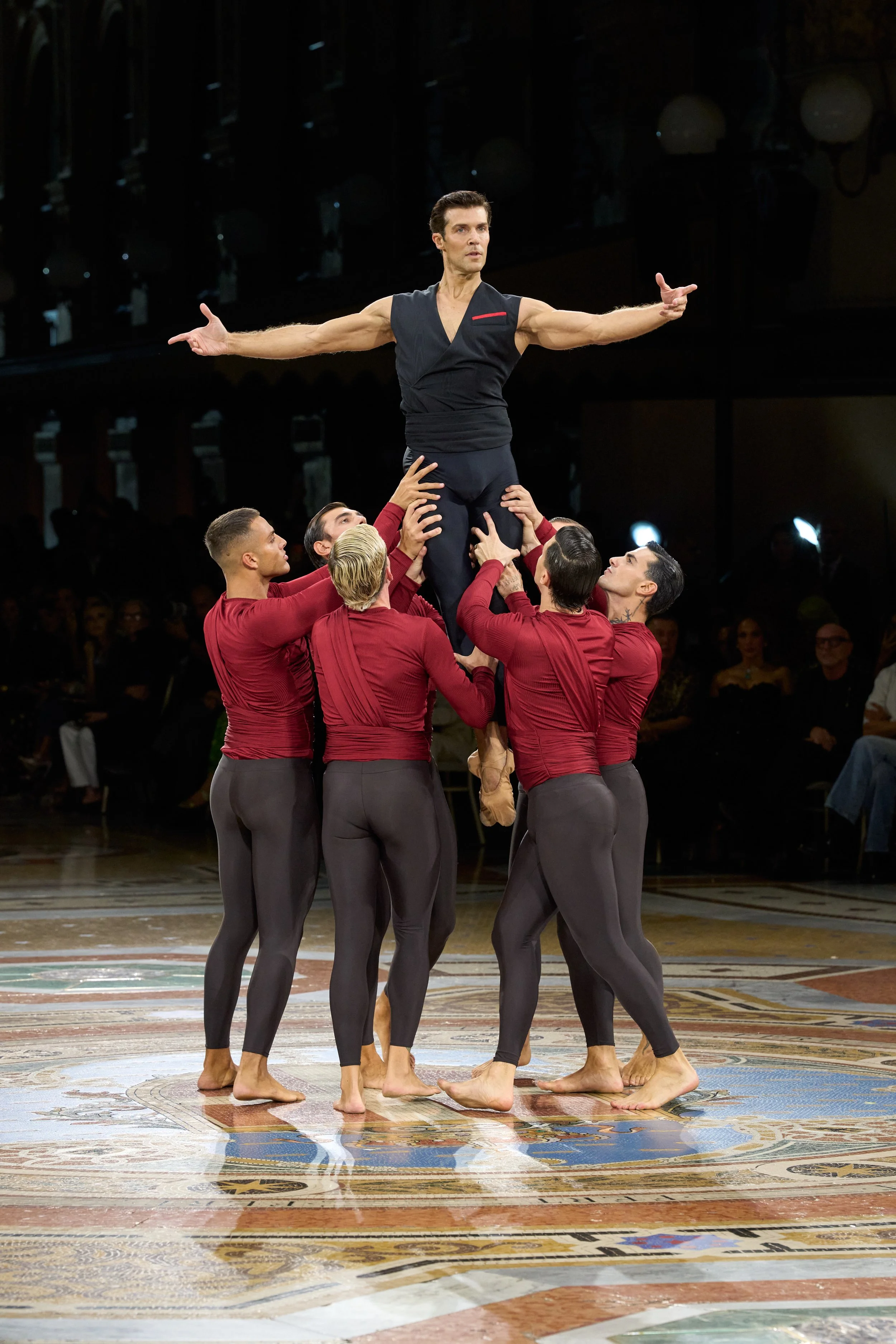
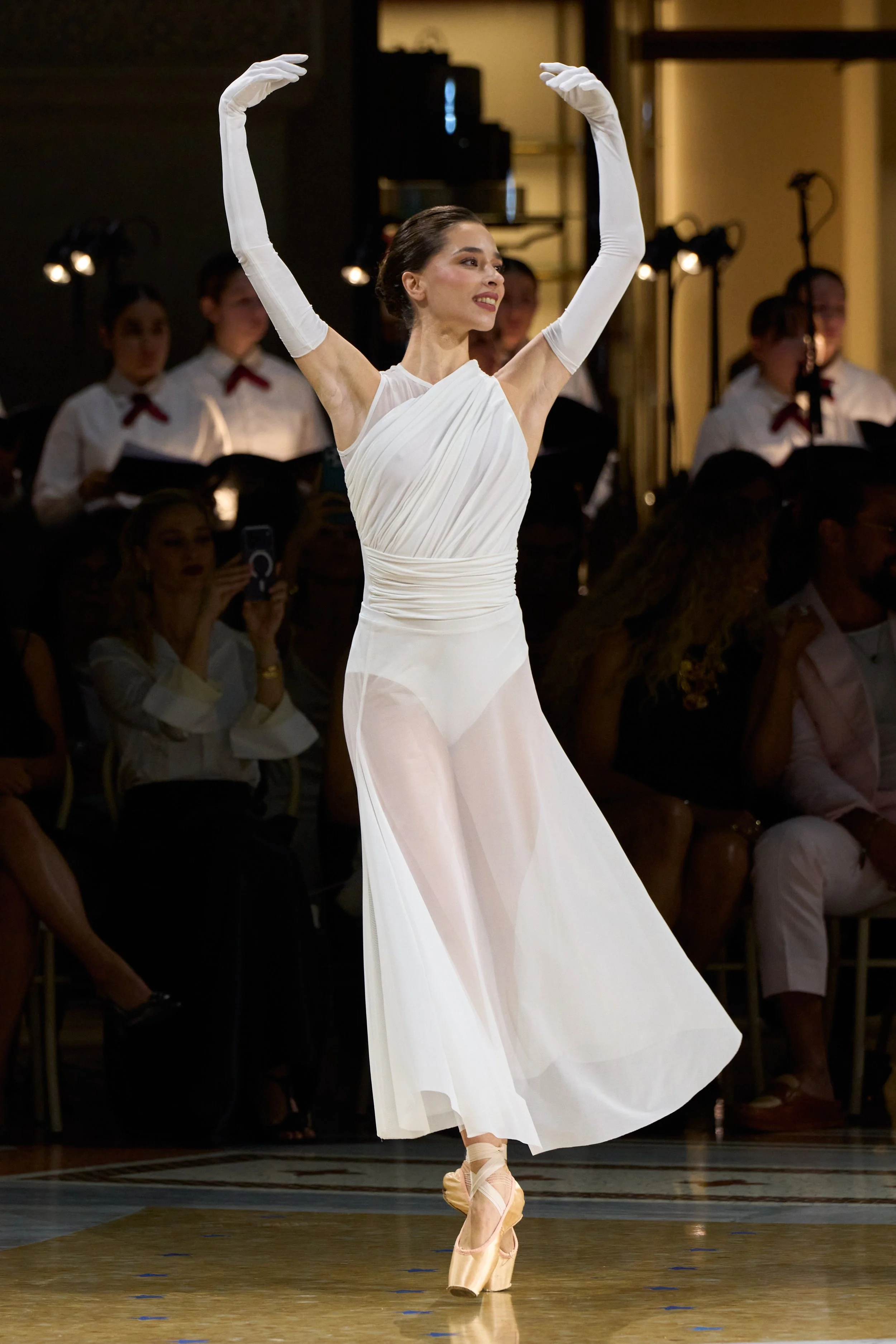
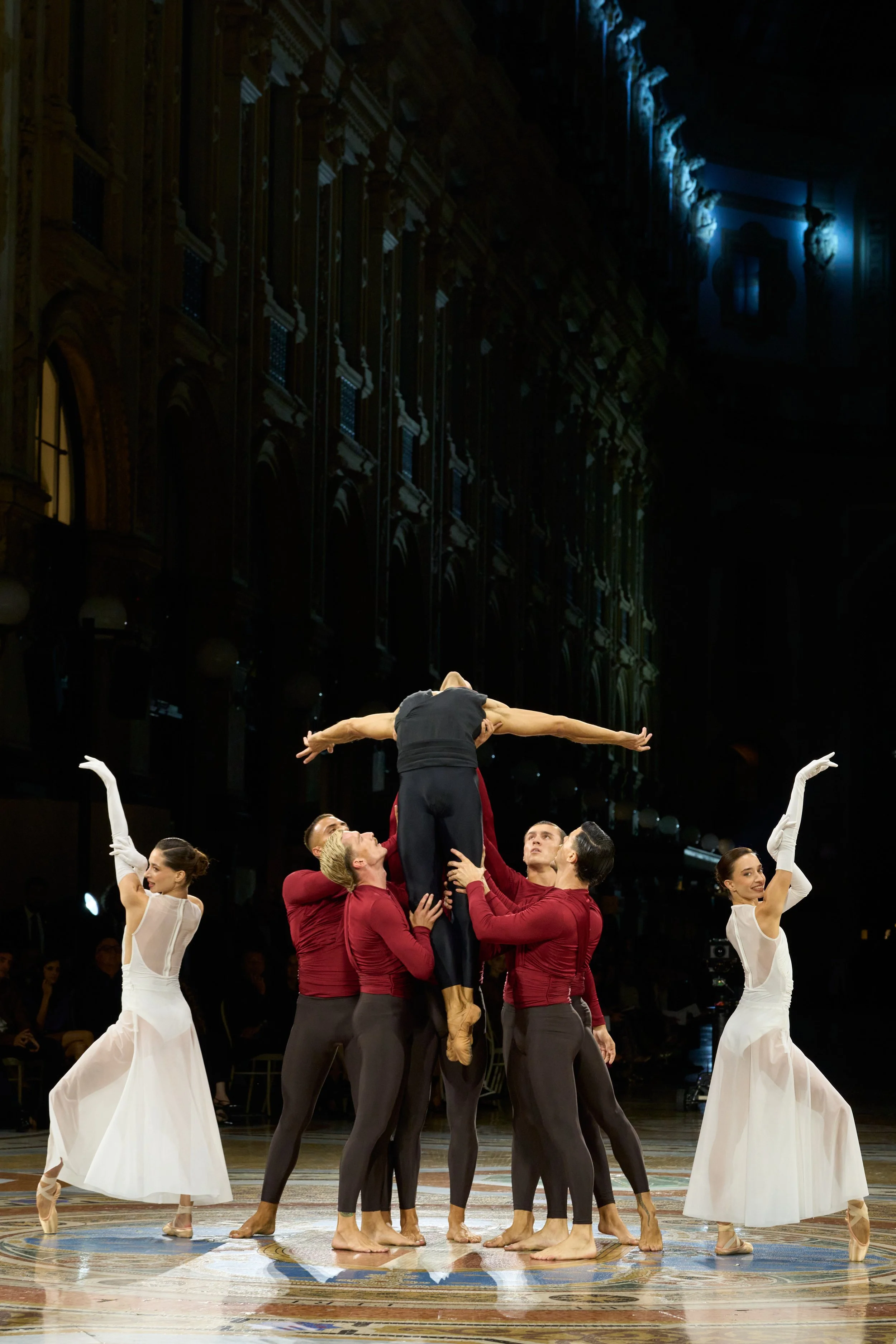
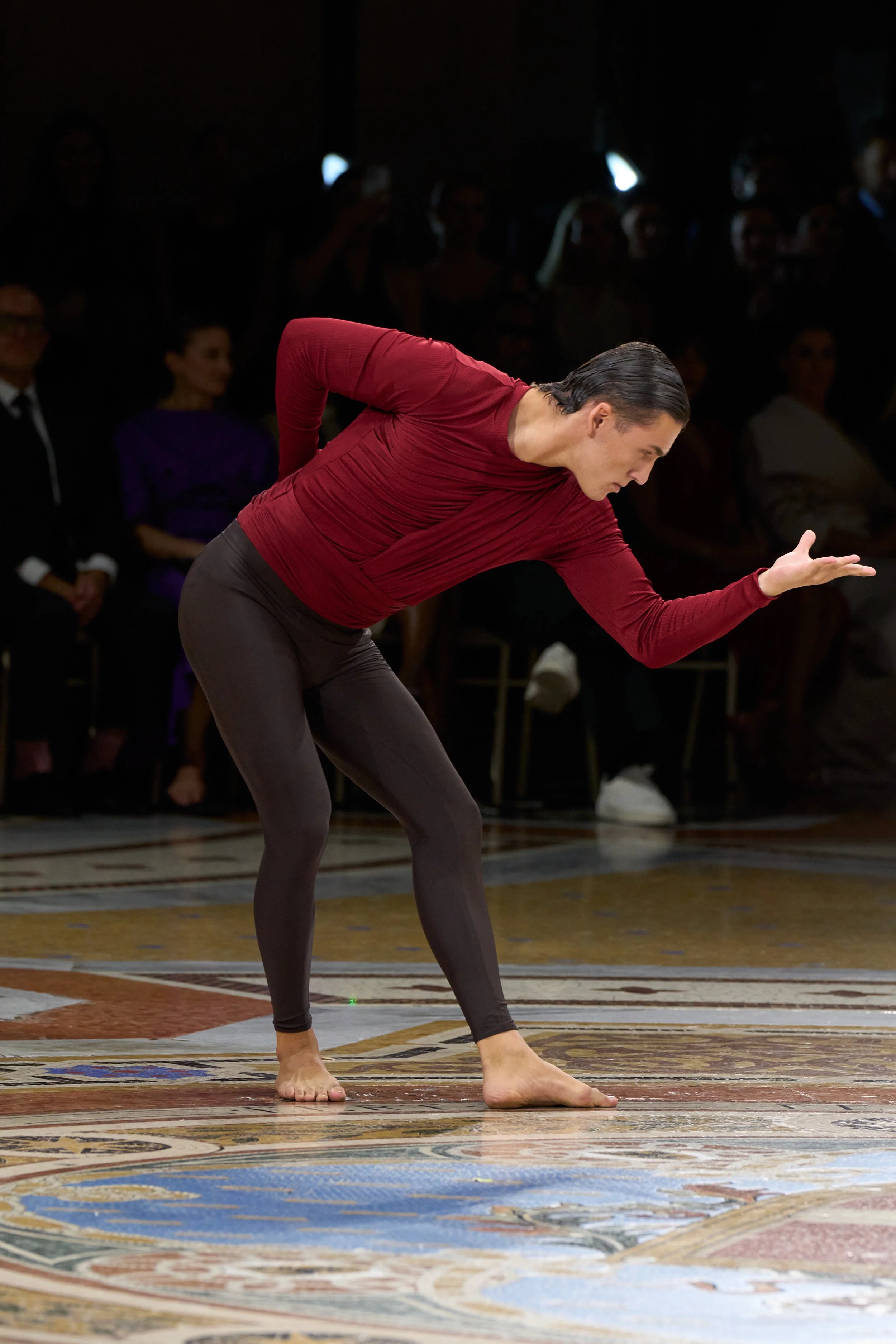
Under the creative direction of Rocco Iannone, Ferrari developed a series of bespoke creations exclusively for the occasion. Rather than approaching performance costume as an afterthought, Iannone treated the body in motion as the starting point. The result was a collection of looks where technical construction and visual drama meet: male dancers appeared in Ferrari’s signature sleeveless, draped turtleneck dresses in Rosso Magma jersey with fitted performance leggings, while female performers wore technical bodysuits paired with fluid cream tulle skirts.
“Performance and fashion share the same language: they both give form to emotion through movement,” Iannone says.
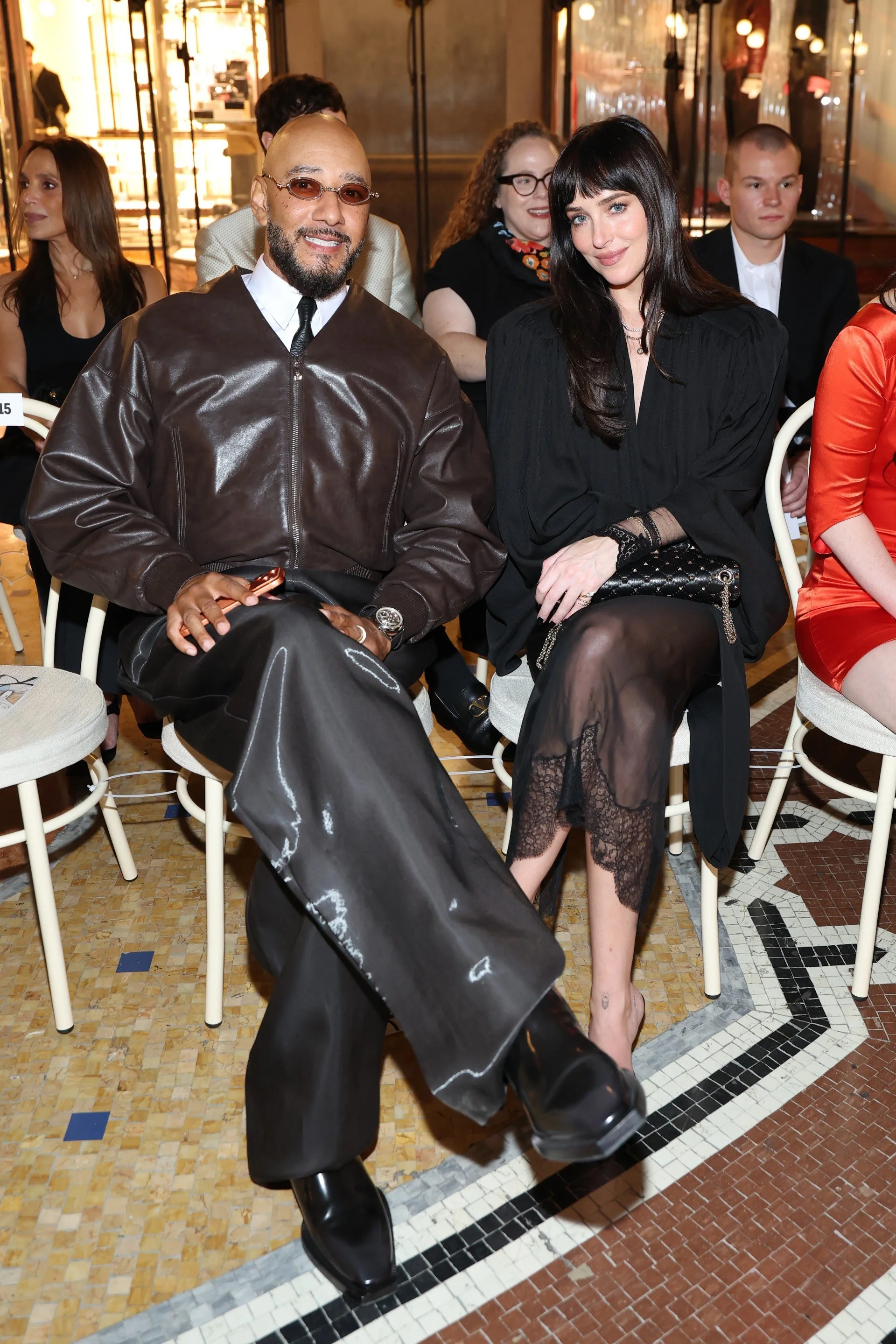
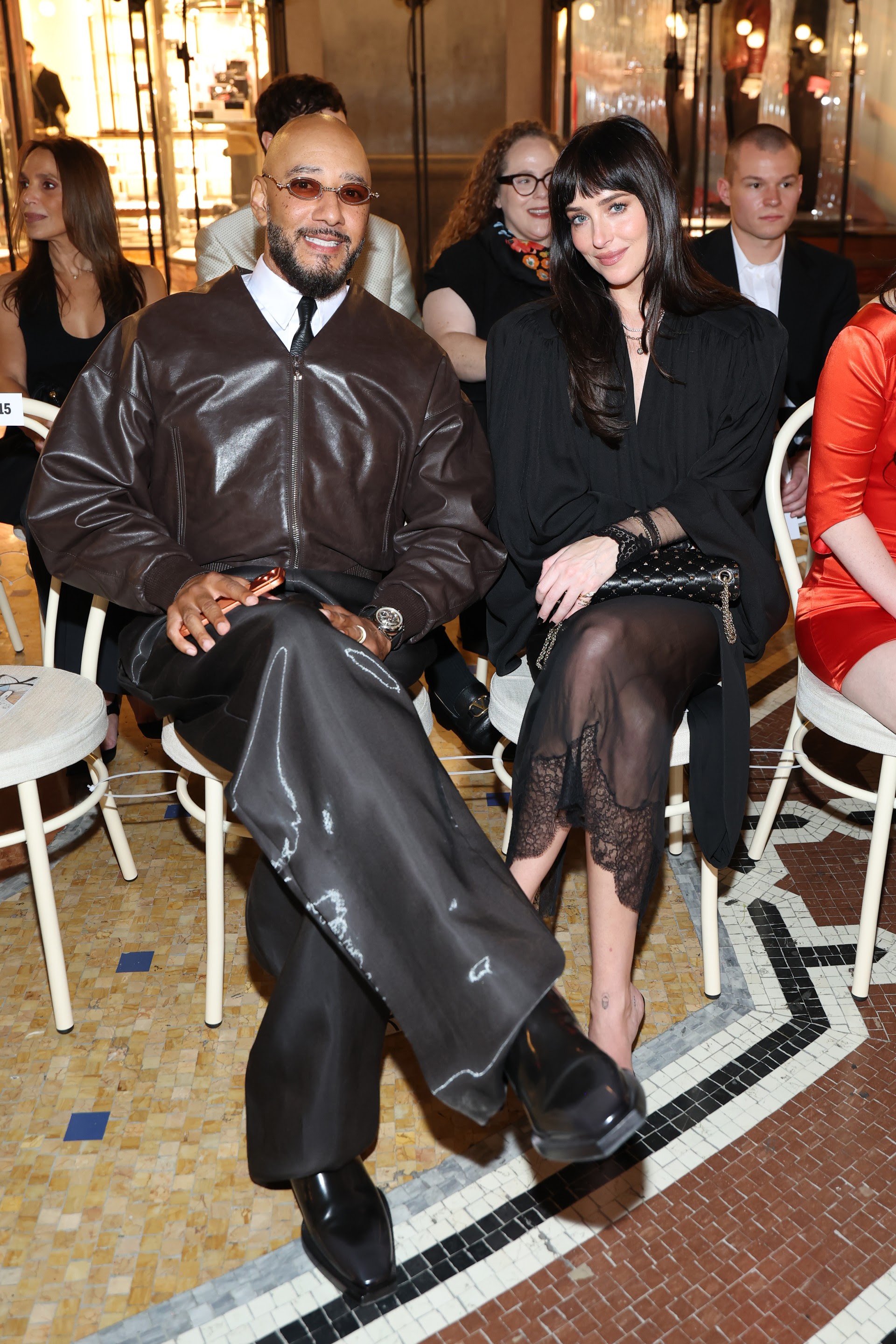
Grammy Award winner Swizz Beatz attended in a leather bomber jacket in the Nero Purosangue colorway, paired with a white cotton shirt and dark grey tailored trousers.
“For Vogue World: Milano, we conceived these creations as an extension of the body, allowing individuality, energy and expression to emerge through every gesture. The costumes are designed to move with the performers, becoming part of the narrative itself.”
That idea becomes particularly relevant when considering Bolle, the étoile and Friend of the House whose physical vocabulary has long made the relationship between clothing and movement inseparable. During the performance, Bolle first appeared in a black waistcoat and shirt before returning for the finale in a dramatic black bolero jacket. Vogue’s reporting further details how Iannone approached the costume as a “second skin,” employing highly elastic technical materials such as jersey and Lycra to balance comfort, durability and precision.
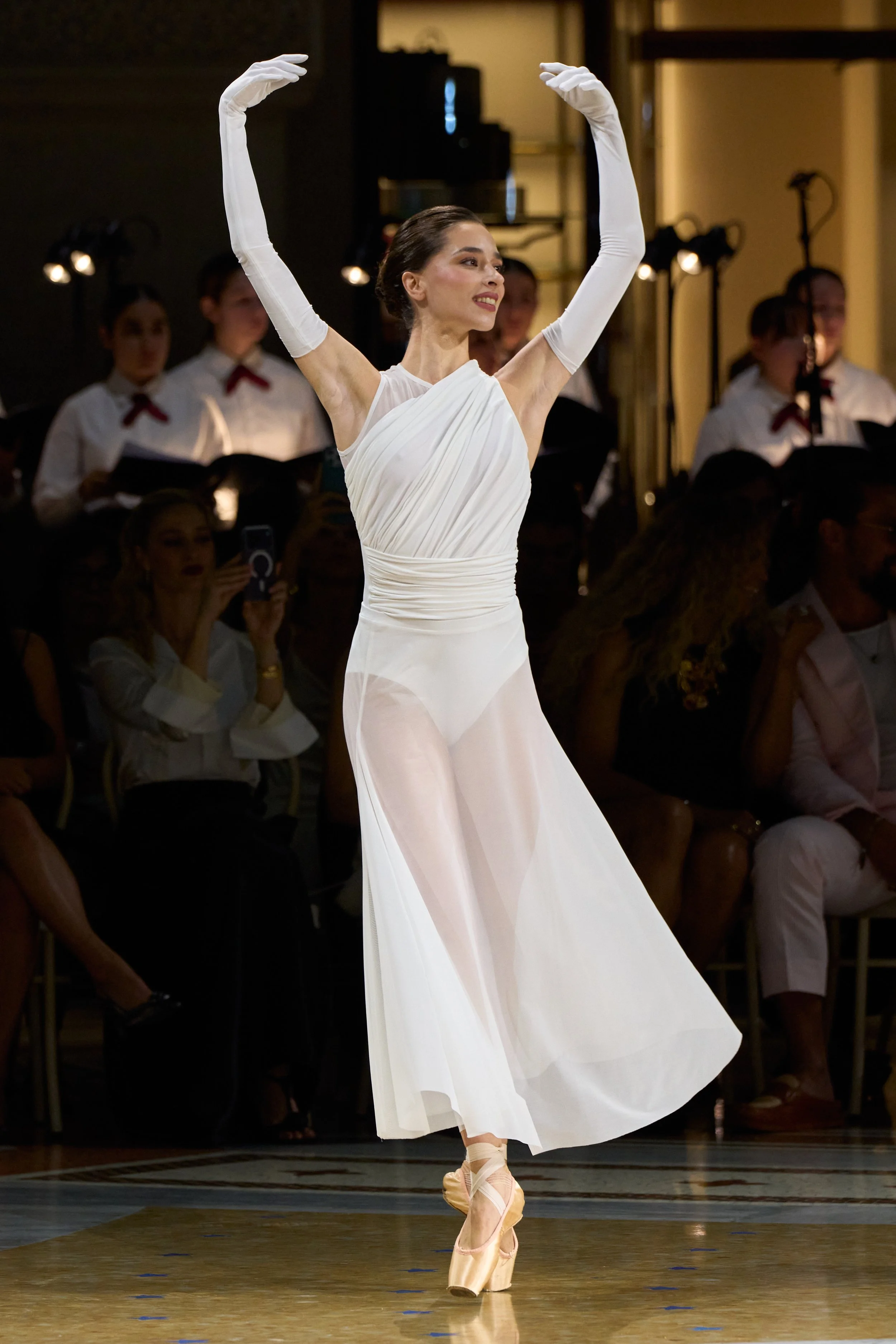
For Ferrari, the project also offered an opportunity to reconsider its own visual codes through performance. Rosso Magma—the vivid red embedded within the house’s vocabulary—was selected for its association with energy, passion and dynamic tension. In the context of dance, that familiar Ferrari red becomes less about the automobile and more about the human body: muscle, velocity, discipline and emotion.
The silhouettes similarly borrow from sculpture. Draping follows the body’s gestures, while clean construction and technical fabrication provide the control required by choreography. Iannone describes his process as beginning with “the body in motion,” developing garments that emphasize the line of a gesture and the tension of the muscles.
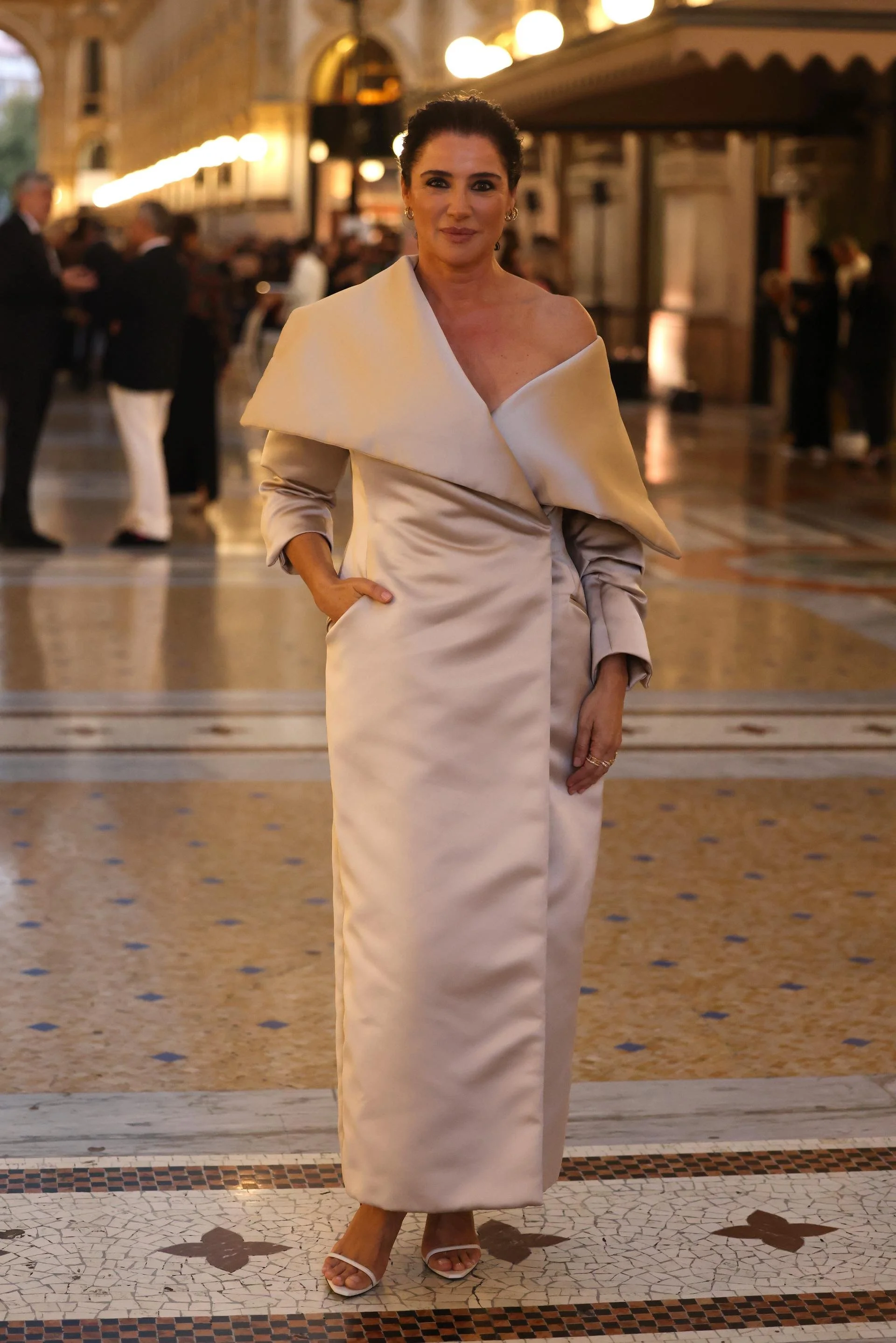
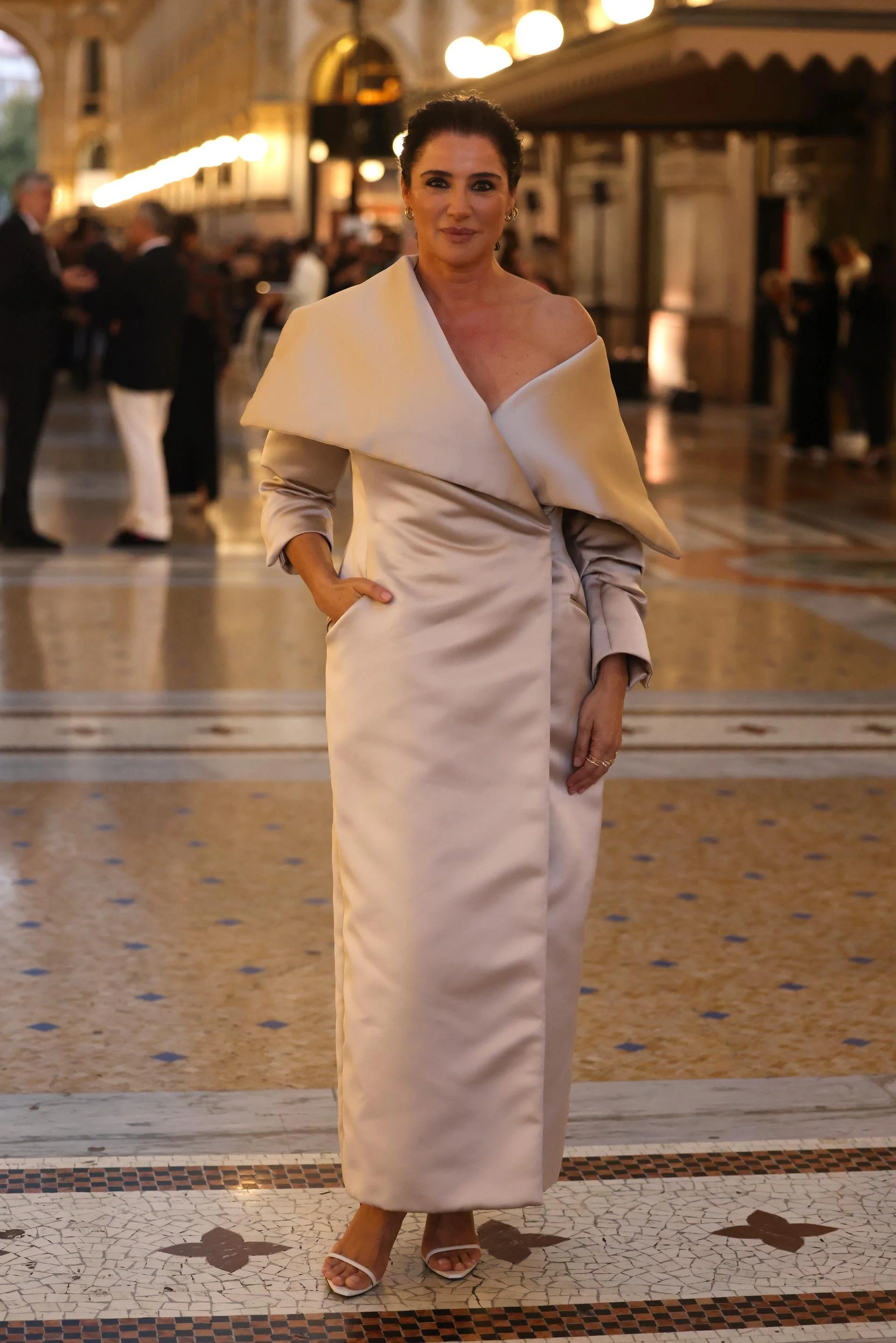
Italian actress Luisa Ranieri wore a long coat crafted in dune duchesse satin
The collaboration ultimately reflects the broader premise of Vogue World: Milano, which placed Italian craftsmanship and the human touch at the center of a fashion landscape increasingly shaped by technology. Ferrari’s contribution fits naturally within that conversation. Its performance looks demonstrate that innovation does not necessarily mean abandoning craft; instead, technical experimentation can deepen the relationship between garment, wearer and movement.
In this setting, clothing becomes something more than an image. It becomes an instrument. And when the costume works, as Bolle suggests, it nearly disappears—leaving the performer, the gesture and the emotion to command the room.
HOW DO YOU FEEL ABOUT FASHION?
COMMENT OR TAKE OUR PAGE READER SURVEY
Featured
Telfar's SS2027 collection transforms the sample sale into a runway, using inside-out tailoring, manipulated materials, New York street references and a Brooklyn-to-Paris spectacle to question who gets to define fashion—and where it actually happens.