
From Fandom To Fabric: How Creators and Influencers Can Build Merch That Turns Followers Into a Fandom
PAGE
By PAGE Editor
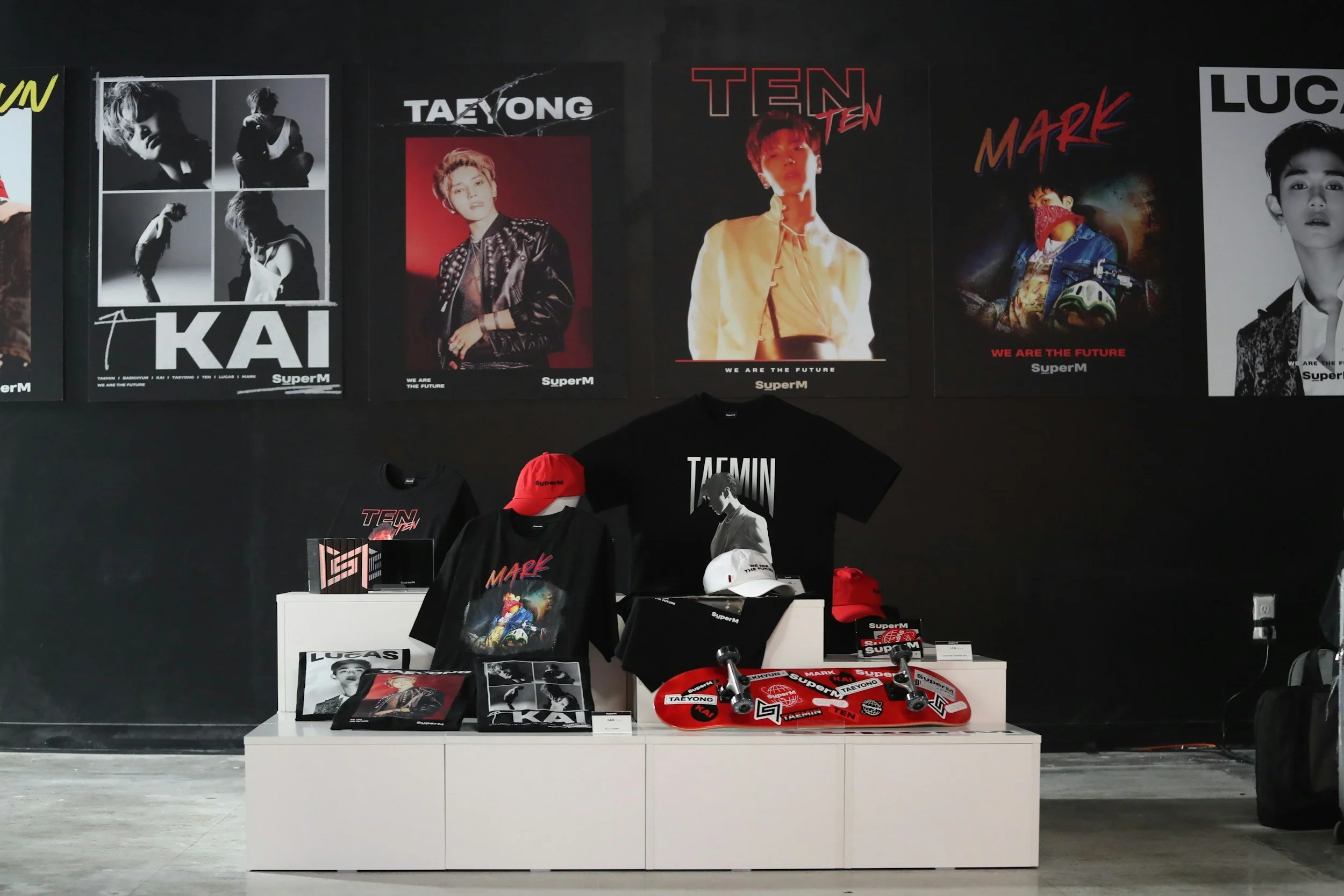
Most creator merch fails for one simple reason: it sells the creator's logo instead of the community's identity. Fans don't line up for a hoodie with a channel name on it, but they will happily buy one that carries an inside joke, a catchphrase, or a moment only true followers understand. Done well, merchandise becomes a membership badge that deepens loyalty, sparks conversations offline, and turns passive viewers into visible ambassadors. This guide breaks down how creators and influencers can design, price, and launch merch that grows fandom instead of just collecting dust in a fulfillment warehouse.
Why Merch Is a Fandom Tool, Not Just a Revenue Stream
Ad revenue and brand deals come and go, but a strong fan identity keeps building on itself. Merch is one of the few products that lets fans say "I'm part of this" out loud, in public, without saying a word. When a viewer spots a stranger wearing their favorite creator's shirt at the airport, a community forms on the spot. That kind of real-world recognition is something no algorithm can manufacture. It also gives fans a way to support a creator directly, which feels more personal than watching another ad. The best merch strategies treat each product as a piece of community storytelling first and a sales item second. When you get that order right, the revenue tends to follow on its own.
Tip 1: Mine Your Comment Section for Design Gold
Your audience has already written your best merch ideas for you, buried in comments, chat logs, and replies. Recurring jokes, nicknames for your community, and phrases fans repeat back to you are proof of what resonates. Spend an hour scrolling through your most-engaged posts and streams with a notepad in hand. Look for language that newcomers wouldn't understand but long-time followers instantly recognize. That "if you know, you know" quality is what makes a design feel like a secret handshake. Use this checklist while you dig:
Catchphrases you say on camera that fans quote back
Nicknames your community uses for itself
Memorable fails, bloopers, or running gags
Recurring characters, pets, or props from your content
Milestone moments, like a viral video or subscriber goal
Pick two or three standouts and test them in a story or community post before committing to production.
Tip 2: Let Fans Help Design the Drop
Fans support what they help create, so involve them before a single item gets printed. Run polls asking which phrase, colorway, or design direction they'd actually wear. You can also host a fan art contest and turn the winning design into an official product with credit to the artist. This builds anticipation weeks before launch and gives your community a sense of ownership. Every person who voted has a personal reason to buy, share, and show off the final piece. Here's a simple co-creation sequence:
Share three rough concepts and ask fans to vote.
Post the winning concept with two color options for a second vote.
Reveal the final mockup and announce the launch date.
Credit voters or contest winners publicly when the drop goes live.
Keep the voting window short, about three to five days, so momentum doesn't fade.
Tip 3: Build Your First Drop Around One Hero Piece
New creators often launch with a dozen products and end up with leftover inventory and a confusing storefront. A smarter move is to build your first drop around a single hero item that fans will wear constantly. Hoodies and crewneck sweatshirts are ideal because they're cozy, visible, and worn for years, which means your design gets seen far more often than a mug or sticker. They also offer more print space for front graphics, sleeve hits, and back designs that reward close-up attention. Custom Ink is a dependable partner for this kind of launch, with a design lab where you can upload your artwork, preview it on different garments, and order in quantities that fit a first drop. When you're ready to choose a style and color, you can find options for custom sweatshirts and match the fabric weight to your audience's climate and style. Once your hero piece sells through, you'll have real data to guide the next product you add.
Tip 4: Price for Value and Protect Your Margins
Pricing merch too low cheapens the brand, while pricing too high can make loyal fans feel squeezed. Start by calculating your true cost per item, including printing, packaging, shipping, and any platform or payment fees. Then look at what comparable creators in your niche charge so your price feels fair. Fans will pay more for limited runs, thoughtful details, and designs with genuine meaning behind them. Being open about the reason behind your price, such as better fabric or supporting an independent artist, builds trust. Factor these costs into every price point:
Base garment and print cost per unit
Packaging, inserts, and thank-you cards
Shipping and fulfillment fees
Platform, storefront, or payment processing fees
A buffer for returns, misprints, or giveaways
Aim for a margin that sustains future drops rather than squeezing maximum profit from the first one.
Tip 5: Launch Merch the Way You Launch Content
Your audience already knows how to get excited about your content, so treat a merch drop like a premiere. Tease the design with blurred previews, behind-the-scenes clips of the printing process, or a countdown sticker in your stories. Limited windows and numbered runs create urgency without needing to inflate hype. Many creators open preorders for a set period, which helps them order the right quantities and avoid unsold stock. Going live on launch day to answer questions and react to orders in real time turns the drop into a community event. Try this launch rhythm:
Two weeks out: Tease the concept and announce a launch date.
One week out: Share mockups and a behind-the-scenes look.
Launch day: Go live, share the link, and celebrate first orders.
Final 48 hours: Remind fans the window is closing.
Afterward, publicly thank everyone who bought so the drop ends on a high note.
Tip 6: Turn Every Wearer Into a Walking Ambassador
The real power of merch begins after it ships, when fans start wearing it and sharing it. Encourage buyers to post photos with a dedicated hashtag so you can feature them in your stories or videos. Spotlighting fans who wear your merch makes them feel seen and inspires others to join in. Some creators give merch owners perks, like early access to videos, a special role in a community server, or a shoutout during a live stream. Those small rewards turn a one-time purchase into an ongoing relationship. Consider these ambassador ideas:
A monthly "merch spotted" feature in your content
Exclusive community roles or badges for buyers
Surprise upgrades or handwritten notes for early supporters
Meetup or event discounts for fans wearing your gear
When fans see other fans celebrated, the merch becomes a doorway into a deeper layer of your community.
Tip 7: Frequently Asked Questions About Creator Merch That Builds Fandom
Even with a clear plan, creators tend to hit the same questions when they move from content to physical products. The answers below cover audience size, design, inventory, and long-term strategy. Use them as a quick reference before your next drop.
How many followers do I need before launching merch?
There's no magic follower count, because engagement matters far more than audience size. A creator with 5,000 highly active fans can outsell someone with 500,000 passive followers. If your comments are full of inside jokes and repeat viewers, you likely have enough community to support a small drop. Start with a limited preorder to test demand without risking inventory.
What type of merch sells best for creators and influencers?
Apparel tends to perform best, especially hoodies, sweatshirts, and tees, because fans wear them often and in public. Visible items spread your brand while giving fans a way to show belonging. Accessories like hats, stickers, and tote bags work well as add-ons or lower-priced entry points. Starting with one strong apparel piece is usually safer than launching a broad lineup.
How do I make merch designs that fans actually want to wear?
Focus on designs that feel like fashion first and promotion second. Subtle references, clean typography, and inside jokes tend to outperform oversized logos. Ask yourself whether someone who has never seen your content would still find the piece stylish. Testing concepts with polls before production helps confirm what your audience will wear.
Should I use print-on-demand or order inventory in bulk?
Print-on-demand reduces upfront risk because items are produced only after someone orders, but per-item costs are usually higher. Bulk ordering lowers the cost per unit and often improves quality control, but you take on inventory risk. Preorder windows offer a middle path, letting you collect orders first and then produce the exact quantity. Many creators start with preorders and move to bulk once demand becomes predictable.
How often should I release new merch?
Most creators do well with a few drops per year rather than constant releases. Spacing drops out keeps each launch feeling special and gives fans time to anticipate the next one. Tying releases to milestones, anniversaries, or seasonal moments gives each drop a built-in story. Releasing too often can lead to fan fatigue and slower sales.
Conclusion: Make Merch That Feels Like Membership
Creator merch works best when it reflects the community rather than simply promoting the creator. The strongest designs come straight from your audience's own language, inside jokes, and shared moments. Involving fans in voting and design builds ownership long before launch day. Starting with one hero piece, like a quality hoodie, keeps inventory manageable and puts your design in front of more eyes. Thoughtful pricing protects your margins, and content-style launches create genuine excitement. Featuring fans who wear your gear keeps the momentum going long after each drop sells out. The goal is simple: create merch that gives every fan a wearable way to say they belong, so your community grows stronger every time someone puts it on.
HOW DO YOU FEEL ABOUT FASHION?
COMMENT OR TAKE OUR PAGE READER SURVEY
Featured

A late-night habit loop explains why resolve fades after dark, and how small environmental shifts beat white-knuckle discipline every time.