
Privacy Is Part of Consent in Online Connections

PAGE
By Finixio Digital
When people talk about safer online connections, they often focus on the moment a conversation feels wrong: a pushy message, a request for money, a profile that does not quite add up. Those signals matter. But privacy is not merely a cleanup job for after something goes wrong. It is part of having room to decide what you want to share, with whom, and at what pace.
That is especially important on platforms built around conversation, dating, communities, or live interaction. A person may be perfectly comfortable being seen by one audience and deeply uncomfortable being searchable by another. The difference is not a technical detail. It is a boundary.
Start with the information that travels without you noticing
A name and a photo are obvious pieces of identity. Less obvious details can narrow things down quickly: a workplace badge in the background, a familiar street outside a window, a social handle reused across apps, or a routine mentioned in passing. None of these details is automatically dangerous. Together, though, they can make a private conversation much less private than it feels.
A sensible first habit is to look at a profile as a stranger would. Search the username, review connected accounts, and ask whether a photo gives away a regular location. If it does, there is no need to panic or delete your whole digital life. Adjust the things that are easy to adjust: make old public posts less visible, use different handles where that makes sense, and turn off location sharing when it is not serving you.
It also helps to separate identity verification from oversharing. You can ask someone to respect a boundary, report a concerning account, or leave a conversation without giving a detailed explanation. Online safety advice sometimes makes people feel responsible for proving that their discomfort is reasonable. You do not need a courtroom case to decide that a chat is no longer for you.
Your connection can reveal context too
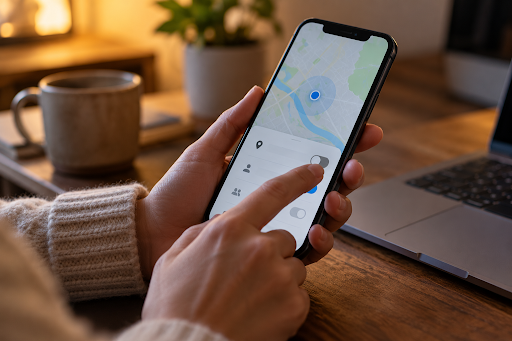
Most people remember passwords and privacy settings, then forget the network carrying the conversation. Public Wi-Fi at a café, hotel, airport, or shared building is convenient, but it is not the place to become casual about accounts, billing details, or private messages. Using HTTPS is important, and keeping devices updated still matters. A private connection is one more practical layer, not a substitute for the others.
For people who want an accessible starting point, https://xvpn.io/ describes X-VPN as a service that can encrypt traffic and mask an IP address. That can reduce what a local network can observe. It cannot make a false profile trustworthy, erase a screenshot, or stop a platform from collecting information under its own rules. The useful mindset is modest: protect the part of the situation that the tool can actually protect.
Build a pause into the conversation
Pressure works by making a choice feel urgent. “Send it now.” “Do not tell anyone.” “Move this chat somewhere private.” A small pause changes the rhythm. Before switching apps, sharing a personal image, or accepting a new contact, step away for a few minutes. Read the request again when you are not responding in real time.
That pause is also a good time to check basic account hygiene. Use a unique password for the platform, enable two-factor authentication if it is offered, and make sure recovery details point to an email account you control. If a service asks for permissions that do not fit its purpose, decline them until you understand why they are needed. A video-chat app does not need your entire contact list just because it asks.
People sometimes treat a Free VPN as a magic privacy button. It is better to treat it as one item in a routine: check the platform, choose what to disclose, protect the account, and leave when the interaction stops feeling respectful. X-VPN says its free plan can be used without creating an account, which may suit someone who wants to try a basic connection-protection tool before committing. Read the provider’s terms and privacy policy as you would with any service that handles your traffic.
Consent includes the right to change your mind
Good online interactions are not built on perfect security; they are built on clear choices. You might decide to use your real name later, move a conversation to another platform, or share more with someone who has earned trust over time. The point is that those choices should remain yours.
Privacy settings, account security, and network protection can feel less exciting than a new connection. In practice, they make connection easier to enjoy. They give you more control over the version of yourself that appears online—and more confidence that you can step back when you need to.
There is a social benefit to this approach as well. Clear boundaries make it easier to be direct without becoming cold. Instead of disappearing because a request feels uncomfortable, you can say that you do not share that information, do not move conversations off-platform, or do not want to continue. A trustworthy person may be disappointed, but will not try to bargain you out of a reasonable limit. Someone who reacts with anger or urgency has given you useful information.
Keep evidence when a situation crosses into harassment, threats, blackmail, or impersonation. Save the account name, dates, and relevant messages, then use the platform’s reporting process. If there is an immediate safety concern, contact the appropriate local service or a trusted person. Privacy is not about handling every risk alone. It is about preserving enough control to ask for help on your own terms.
The lasting habit is simple: share deliberately, not defensively. People can be warm, curious, and open online while still keeping control of their location, identity, account, and attention.
That balance is worth practising before a difficult conversation arrives. Review a setting when you are calm, choose what information is public by default, and remember that a respectful connection will make room for your answer. Privacy does not close the door on connection; it lets you decide how and when to open it.
HOW DO YOU FEEL ABOUT FASHION?
COMMENT OR TAKE OUR PAGE READER SURVEY
Featured





New Balance introduces the Made in USA 990v7, updating its iconic running silhouette with refined materials, enhanced cushioning, and contemporary design while preserving the craftsmanship and cross-generational appeal that have defined the franchise since 1982.