
Full-Service Plumbing Pipe Installation for Residential and Commercial Water Systems
PAGE
By PAGE Editor
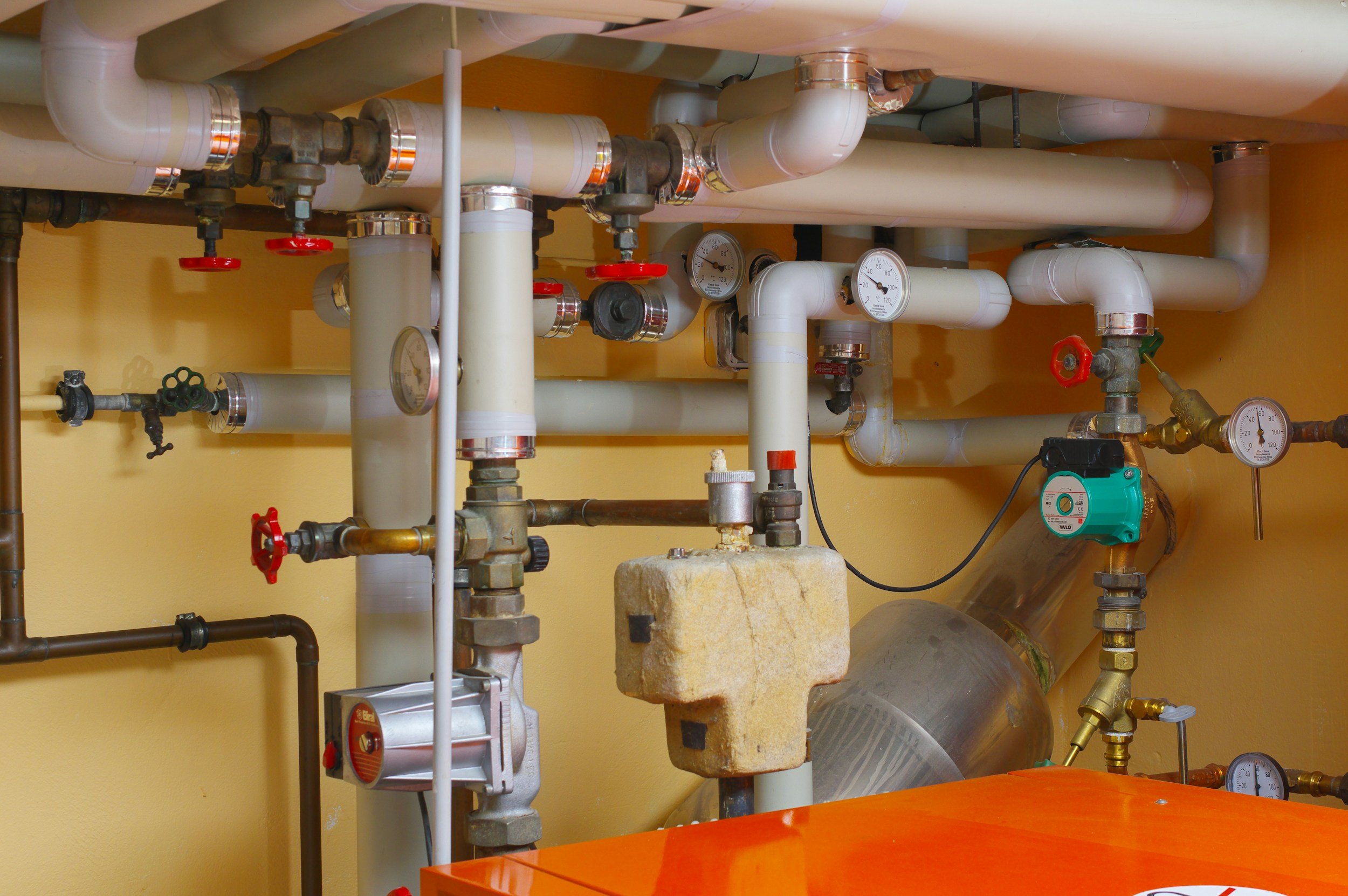
Modern buildings depend on invisible systems that work continuously behind walls, beneath floors, and underground. Among the most essential of these systems is piping, which transports water, gas, waste, and sometimes industrial fluids safely and efficiently throughout a structure. Whether in residential homes, commercial buildings, or large-scale industrial facilities, proper pipe installation is the foundation of reliable plumbing performance and long-term structural safety.
Although piping systems are often hidden from view, their design and installation directly impact water pressure, drainage efficiency, sanitation, and even energy usage. A poorly installed pipe system can lead to leaks, contamination, blockages, or structural damage, while a properly engineered system can function efficiently for decades with minimal maintenance. This makes pipe installation one of the most important stages in any construction or renovation project.
Understanding the Role of Piping Systems in Buildings
Piping systems serve multiple essential functions depending on the type of building and application. In residential and commercial environments, pipes are primarily used for clean water supply, wastewater removal, and sometimes gas distribution. In industrial settings, piping may also carry chemicals, steam, compressed air, or specialized fluids.
Each system must be designed with precision to ensure proper flow rates, pressure balance, and safety. Water supply lines must deliver consistent pressure to fixtures, while drainage systems must rely on gravity and proper slope to remove wastewater efficiently.The success of all these systems depends heavily on accurate pipe installation, which ensures that every connection, joint, and alignment supports smooth operation without leaks or failures.
Planning and Design Before Pipe Installation Begins
Before any physical installation takes place, careful planning is essential. Engineers and plumbing designers create detailed layouts that determine pipe routes, material selection, diameter sizing, and connection points.
One of the most important considerations is flow efficiency. Pipes must be sized correctly to handle expected water demand without causing pressure drops or excessive velocity. Drainage systems must also maintain proper slope to allow gravity-driven flow without stagnation.
Material selection is another key factor. Common piping materials include PVC, CPVC, PEX, copper, and galvanized steel, each with unique advantages depending on temperature, pressure, and chemical exposure requirements.
During the planning stage, compatibility with other building systems such as electrical wiring, HVAC ducts, and structural components must also be considered to avoid conflicts during construction.
Types of Pipe Systems Used in Construction
There are several categories of piping systems, each serving a specific purpose within a building.Water supply systems deliver clean potable water to fixtures such as sinks, showers, and appliances. These systems must maintain hygiene, pressure stability, and resistance to corrosion.
Drainage systems remove wastewater and rely on gravity flow. Proper slope and venting are essential to prevent clogs and sewer gas buildup.Gas piping systems are used in some buildings to distribute natural gas or propane for heating, cooking, or industrial use. These systems require strict safety standards due to the flammable nature of the materials.
In industrial environments, specialized piping systems handle chemicals, steam, or compressed air, often requiring reinforced materials and advanced engineering.Each of these systems requires precise pipe installation techniques to ensure safety, efficiency, and durability.
The Pipe Installation Process Step by Step
Pipe installation begins with site preparation and marking. Layout lines are drawn according to design specifications, ensuring that pipes follow the correct routes and maintain proper spacing.
Once the layout is confirmed, trenches or wall openings are prepared depending on whether the system is underground or within a structure. In underground installations, excavation must be carefully controlled to maintain slope and prevent soil collapse.
Next, pipes are cut, measured, and assembled according to the system design. Joints are sealed using adhesives, welding, threading, or mechanical fittings depending on the material used.
During installation, alignment is critical. Even minor deviations can affect flow efficiency or cause long-term stress on joints, leading to leaks or failures.After assembly, the system is tested for leaks and pressure integrity. Water or air pressure tests are conducted to ensure that all connections are secure and functioning correctly before the system is covered or enclosed.
Importance of Proper Pipe Alignment and Slope
One of the most overlooked but critical aspects of pipe installation is alignment and slope. In water supply systems, correct alignment ensures consistent pressure distribution. In drainage systems, slope determines how effectively wastewater flows through the system.If drainage pipes are installed without proper slope, water may stagnate, leading to blockages, odors, and long-term damage. Excessive slope, on the other hand, can cause water to flow too quickly, leaving solids behind and creating buildup inside the pipe.
Accurate leveling and measurement tools are used during pipe installation to ensure that all systems meet engineering standards for performance and efficiency.Improper pipe installation can lead to serious long-term problems. One common issue is poor joint sealing, which can result in leaks that damage walls, floors, and foundations.
Using incorrect pipe materials for specific applications is another frequent mistake. For example, using low-temperature-rated pipes in hot water systems can lead to deformation or failure.Inadequate support or spacing between pipe brackets can cause sagging, stress on joints, and eventual cracking.
Incorrect slope in drainage systems can result in frequent clogs and wastewater backup.These issues highlight why professional expertise is essential in every stage of pipe installation.
Tools and Techniques Used in Modern Pipe Installation
Modern plumbing relies on a wide range of tools and techniques to ensure accuracy and durability. Pipe cutters, welding machines, threading tools, and sealing compounds are commonly used depending on the material.Laser levels and digital measuring tools help ensure precise alignment and slope control. Pressure testing equipment is used to verify system integrity before final installation is completed.
Advanced installation methods such as fusion welding for plastic pipes or soldering for copper systems help create strong, leak-resistant joints.Technology has significantly improved the accuracy and efficiency of pipe installation, reducing errors and increasing system longevity.
Safety Standards in Pipe Installation Work
Safety is a critical aspect of any piping project. Installers must follow strict guidelines to prevent accidents, contamination, and structural hazards.
In gas piping systems, leak detection and ventilation safety are especially important. Even small errors can lead to dangerous situations if not properly managed.Underground pipe installation also requires trench safety measures to prevent collapses and ensure worker protection.
Compliance with building codes and industry standards ensures that all pipe installation work meets legal and safety requirements.Once installed, piping systems require periodic maintenance to ensure continued performance. Regular inspections help detect leaks, corrosion, or blockages before they become serious problems.Water supply systems may require flushing or pressure checks, while drainage systems benefit from periodic cleaning to prevent buildup.
Proper maintenance extends the lifespan of piping systems and reduces the likelihood of costly repairs or replacements.Well-installed systems typically require less maintenance over time, highlighting the importance of quality installation from the beginning.
Environmental Considerations in Modern Pipe Installation
Sustainability has become an important focus in modern construction practices. Many piping systems now use recyclable or eco-friendly materials that reduce environmental impact.
Efficient water systems help reduce waste by preventing leaks and improving flow control. Advanced drainage systems also help manage wastewater more effectively, reducing environmental contamination risks.In industrial applications, environmentally safe piping materials are used to transport chemicals and reduce the risk of leaks or hazardous exposure.Modern pipe installation practices increasingly prioritize environmental responsibility alongside performance and durability.
While pipe installation may appear straightforward, it requires a high level of technical skill and experience. Professionals understand how to interpret engineering drawings, select appropriate materials, and ensure compliance with safety codes.
They also have the expertise to troubleshoot unexpected challenges during installation, such as uneven terrain, structural obstacles, or system integration issues.Professional installation ensures that systems operate efficiently, safely, and reliably over the long term.
Conclusion: The Foundation of Every Functional Building System
Piping systems are the hidden backbone of modern infrastructure, supporting everything from clean water delivery to wastewater removal and industrial operations. Their performance depends entirely on accurate planning, skilled execution, and proper material selection.
Effective pipe installation ensures that buildings operate smoothly, efficiently, and safely for years to come. From residential homes to large commercial and industrial facilities, properly installed piping systems reduce maintenance costs, prevent damage, and improve overall functionality.
Ultimately, investing in quality pipe installation is an investment in long-term reliability, safety, and performance, ensuring that the essential systems behind every building continue to function without interruption.
HOW DO YOU FEEL ABOUT FASHION?
COMMENT OR TAKE OUR PAGE READER SURVEY
Featured





Wale joins CapSole as Chief Creative Officer and equity partner, bringing his influence in sneaker culture to a business focused on preservation, sustainability, and extending the life of collectible footwear.