
Ground Compaction in Industrial Construction and Logistics Infrastructure: The Role of a Reversible Vibratory Plate Compactor
PAGE
By PAGE Editor
Industrial construction and logistics infrastructure across the United States depend on stable ground surfaces. Distribution centers, warehouse yards, access roads, and equipment staging areas require properly compacted soil or aggregate layers to support heavy machinery and frequent vehicle movement. Without adequate compaction, surfaces may shift, settle, or develop drainage problems that affect operational safety and long term structural performance.
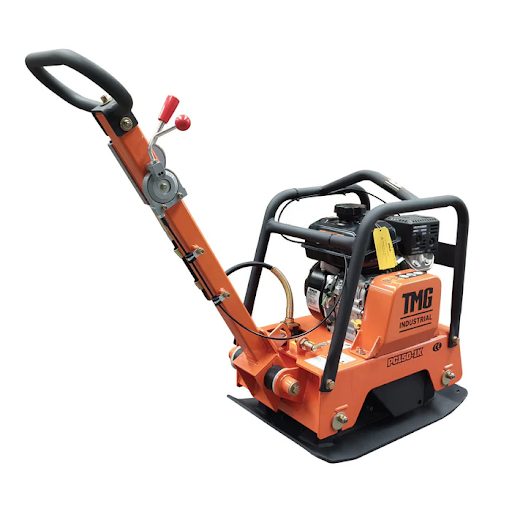
Mechanical compaction equipment is therefore widely used in construction, facility expansion, and site maintenance projects. A commonly used tool in these operations is the Reversible Vibratory Plate Compactor. This type of equipment applies controlled vibration and pressure to compact soil, gravel, or asphalt layers in preparation for construction or surface finishing.
Infrastructure Development and Ground Preparation in the United States
The United States continues to invest in transportation networks, warehouse facilities, and industrial parks. Ground preparation is a critical early stage in these projects. Before concrete slabs, pavement, or structural foundations are installed, soil layers must be compacted to achieve stable load bearing conditions.
Improper compaction may lead to settlement, cracking, or uneven surfaces that affect facility operations. Mechanical plate compactors help construction crews create a dense and uniform ground base before the next stage of building or infrastructure development.
Technical Principles of Vibratory Plate Compaction
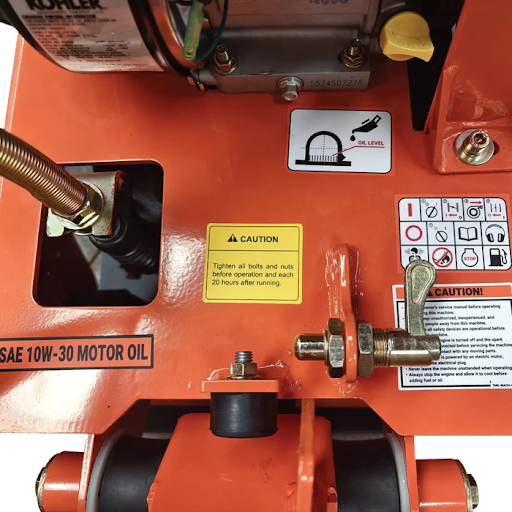
A vibratory plate compactor works by generating rapid vibrations through an engine powered mechanism connected to a steel plate. As the plate vibrates against the ground surface, soil particles move closer together and air pockets are reduced. This process increases soil density and improves structural stability.
Typical operational uses include:
· Compacting gravel layers in warehouse construction
· Preparing soil before concrete slab installation
· Stabilizing surfaces for industrial equipment storage areas
· Compacting asphalt patches during road maintenance
· Supporting drainage and landscaping work around facilities
Efficiency, Safety, and Productivity in Site Preparation
Ground compaction equipment allows construction teams to complete surface preparation more efficiently than manual methods. Consistent compaction improves the reliability of the final structure and reduces the likelihood of later repair work.
· Faster preparation of construction surfaces
· Uniform compaction across large work areas
· Improved load support for heavy vehicles and equipment
· Reduced risk of ground settlement after construction
Technical Design and Operational Capacity
The effectiveness of a vibratory plate compactor depends on several design characteristics. Industrial users often evaluate these factors before selecting equipment for site preparation tasks.
Key technical elements include:
· Engine power that drives the vibration system
· Compaction force produced by the vibrating plate
· Plate size and thickness for durability
· Forward and reverse operating capability
· Structural frame strength for long term operation
Factors That Influence Compaction Performance
Several environmental and operational variables influence the effectiveness of soil compaction. Understanding these factors helps operators achieve more consistent results.
· Soil composition such as sand, clay, or gravel
· Moisture content within the ground material
· Layer thickness during compaction
· Operating speed and equipment handling technique
Safety Considerations and Best Practices
Vibratory compaction equipment generates strong mechanical forces and continuous vibration. Proper training and safety procedures are required to reduce operational risks.
· Inspect the engine and vibration components before operation
· Operate on stable ground and avoid steep slopes
· Maintain safe distance from other workers
· Wear protective equipment including gloves, hearing protection, and safety boots
· Follow manufacturer guidelines for maintenance and operation
Related Equipment and Supporting Tools
Ground preparation projects often involve multiple machines and tools that perform different stages of site development.
· Excavators for soil removal and trenching
· Skid steer loaders for material transport
· Laser leveling equipment for surface grading
· Soil moisture measurement tools
Advantages and Operational Limitations
Advantages
· High compaction efficiency in small and medium work areas
· Forward and reverse movement for flexible operation
· Suitable for soil, gravel, and asphalt surfaces
· Compact equipment size for transportation between sites
Limitations
· Not suitable for very deep soil compaction layers
· Requires operator training to achieve uniform results
For broader land management and equipment solutions, explore reliable options from industrial suppliers like TMG Industrial equipment solutions, including products such as the 5600-lb Reversible Vibratory Plate Compactor.
Example from a Warehouse Construction Project
During the development of a new logistics distribution center in the southeastern United States, construction crews prepared the foundation area for a large concrete floor slab. The project required multiple layers of compacted gravel to support warehouse vehicle traffic. Workers used reversible vibratory plate compactors to compact each layer before placing the next material level. This process ensured that the foundation achieved the required density before concrete installation.
Conclusion and Future Industry Trends
Ground compaction remains a fundamental process in industrial construction and infrastructure development. Vibratory plate compactors provide a practical method for improving soil density, stabilizing construction surfaces, and preparing foundations for buildings and transportation infrastructure.
Future developments in compaction equipment may include improved vibration control systems, enhanced fuel efficiency, and more ergonomic operator controls. As logistics facilities and industrial sites continue to expand across the United States, reliable ground preparation equipment will remain an important component of construction and maintenance operations.
HOW DO YOU FEEL ABOUT FASHION?
COMMENT OR TAKE OUR PAGE READER SURVEY
Featured





A comfortable home should offer more than a place to sleep and eat.