
GTA VI Might Be The Most Powerful Radio Station On Earth
PAGE
By Ella Edman
Ella Edman is a Swedish-based Social Media Editor whose work maps the space where premium branding meets contemporary youth culture. Her background spans across digital strategies for Vogue Scandinavia, Swedish Fashion Council, and The Face Magazine, to driving content and media strategies for disruptive luxury labels and media powerhouses. She brings an insider eye for aesthetics and digital trends to her commentary on modern entertainment and design.
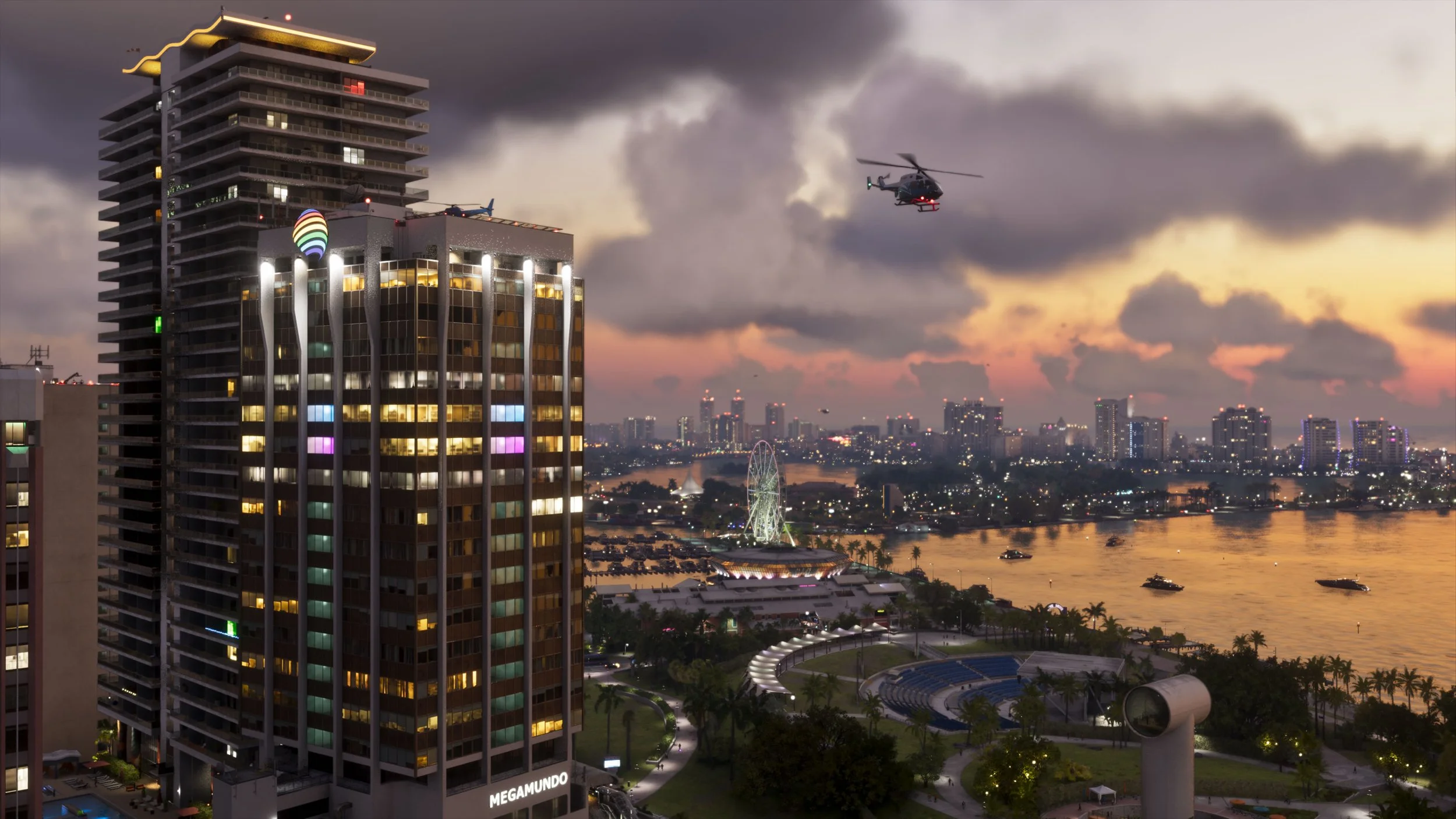
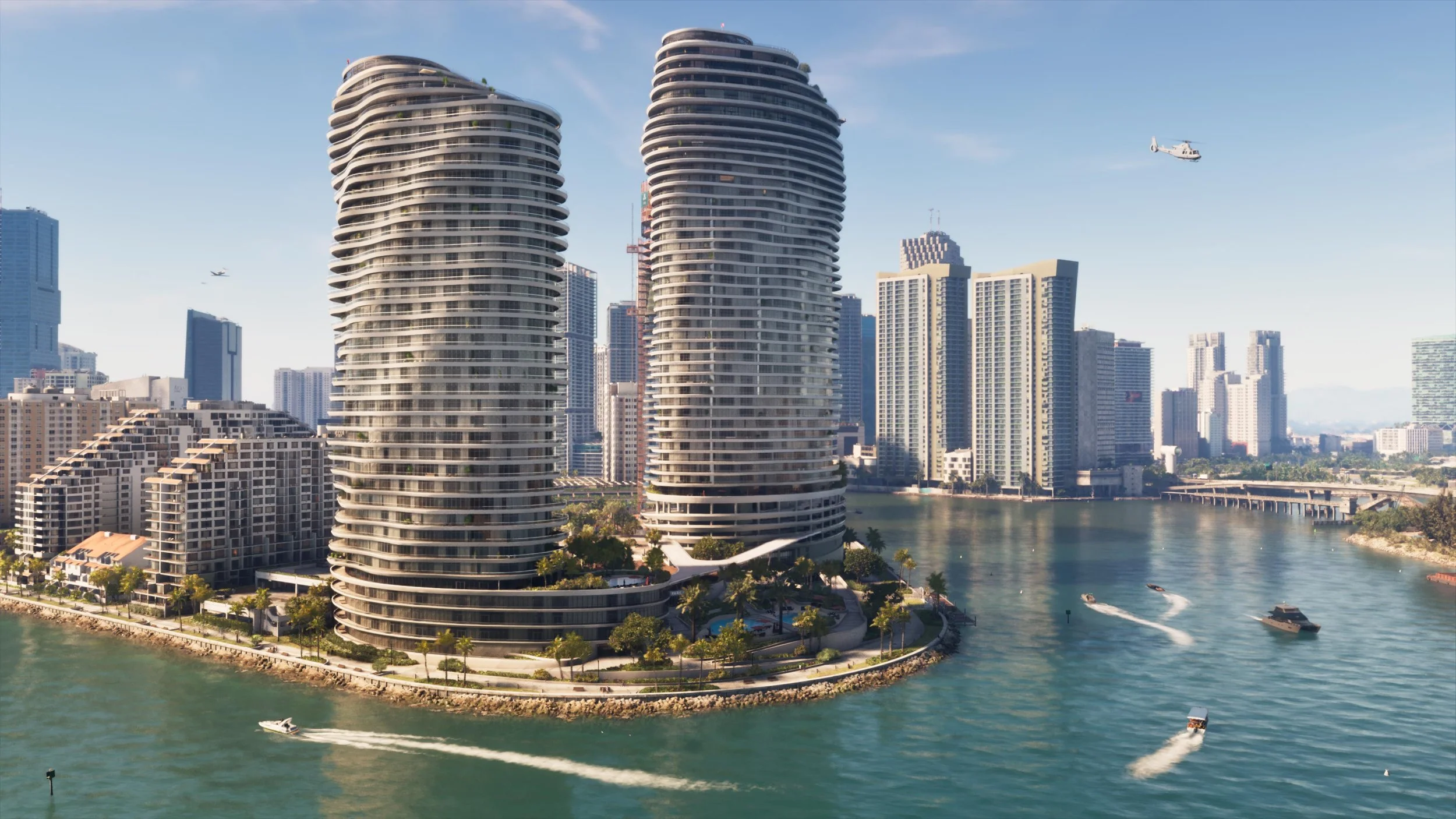
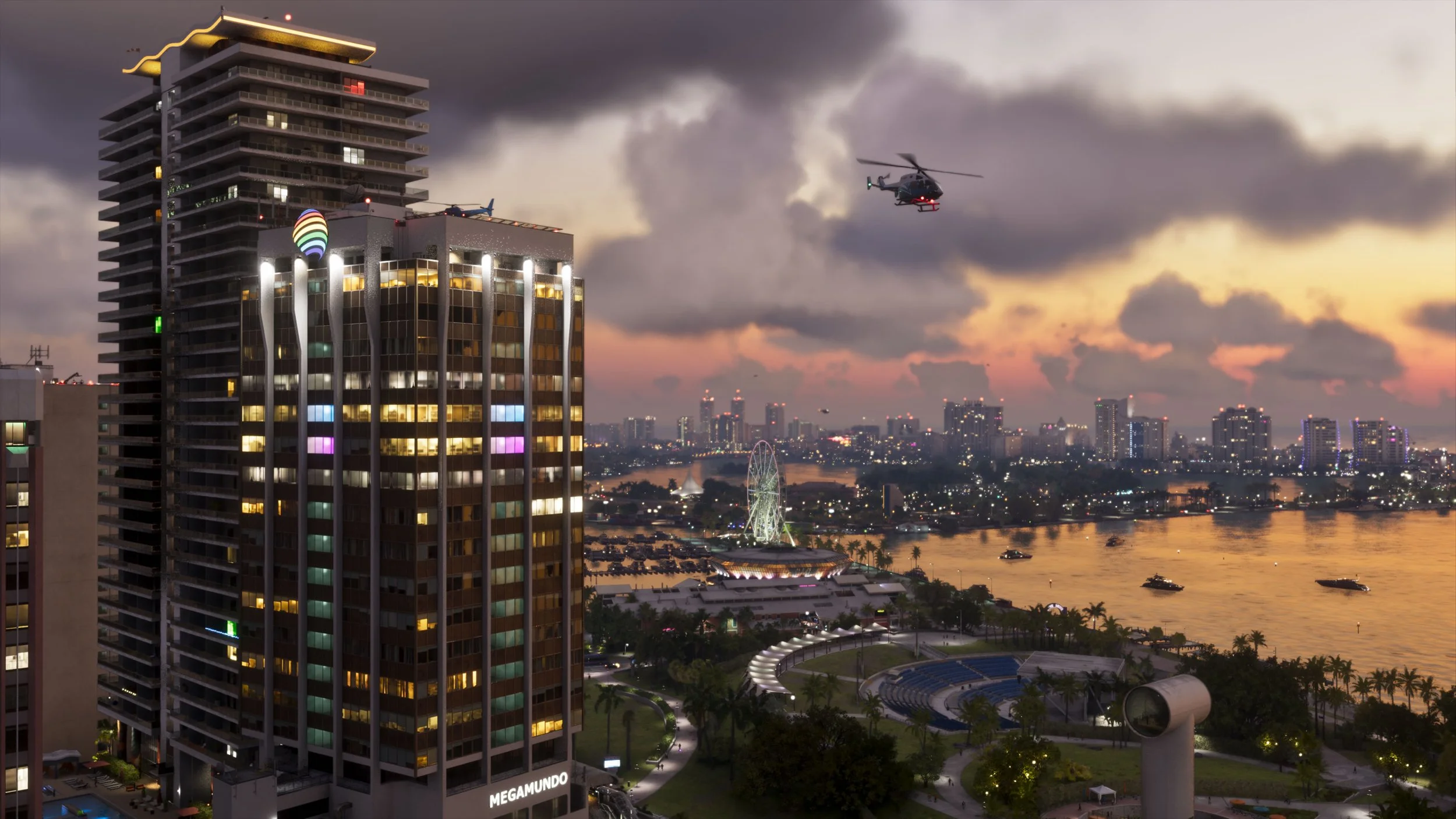
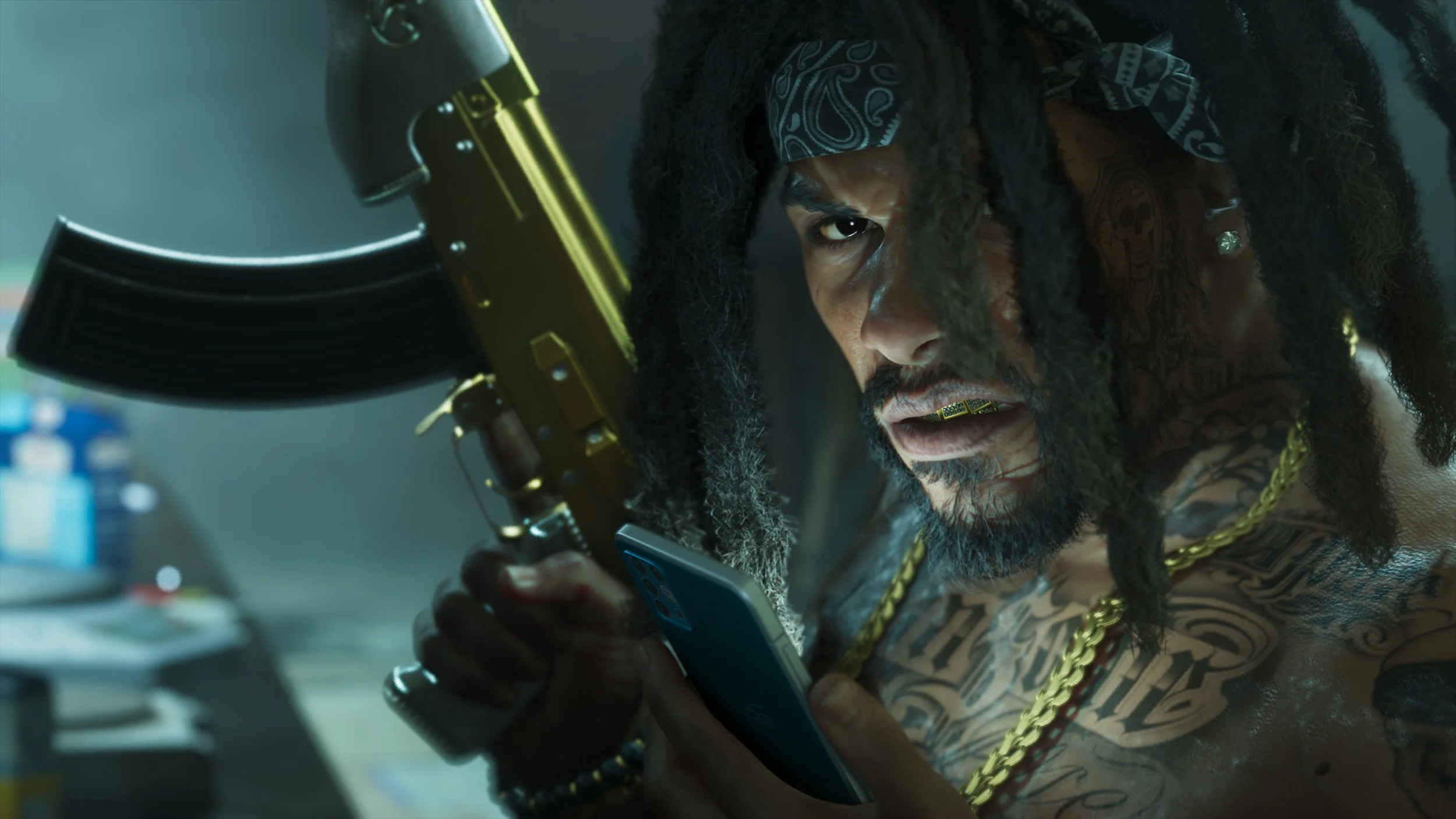
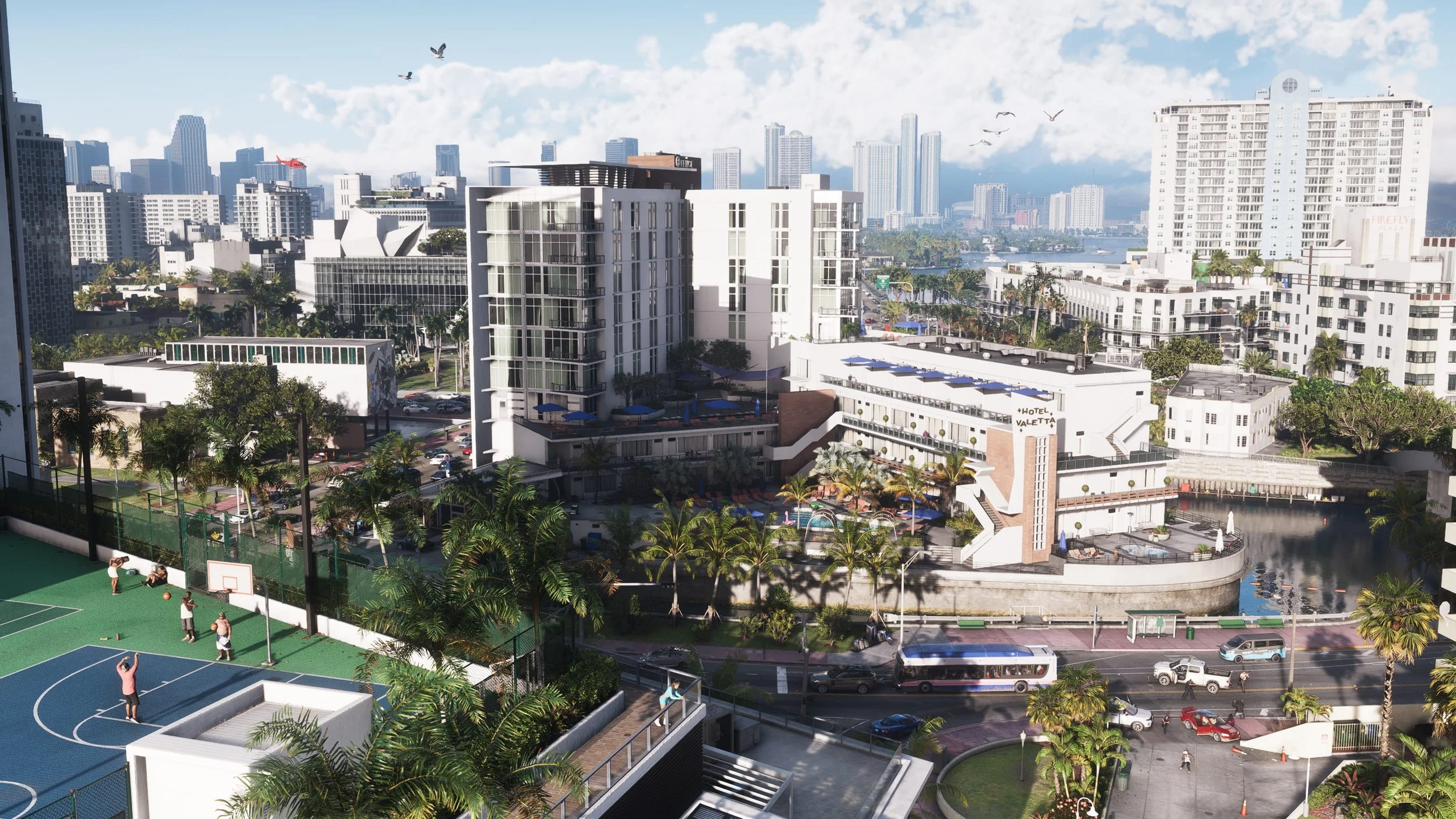
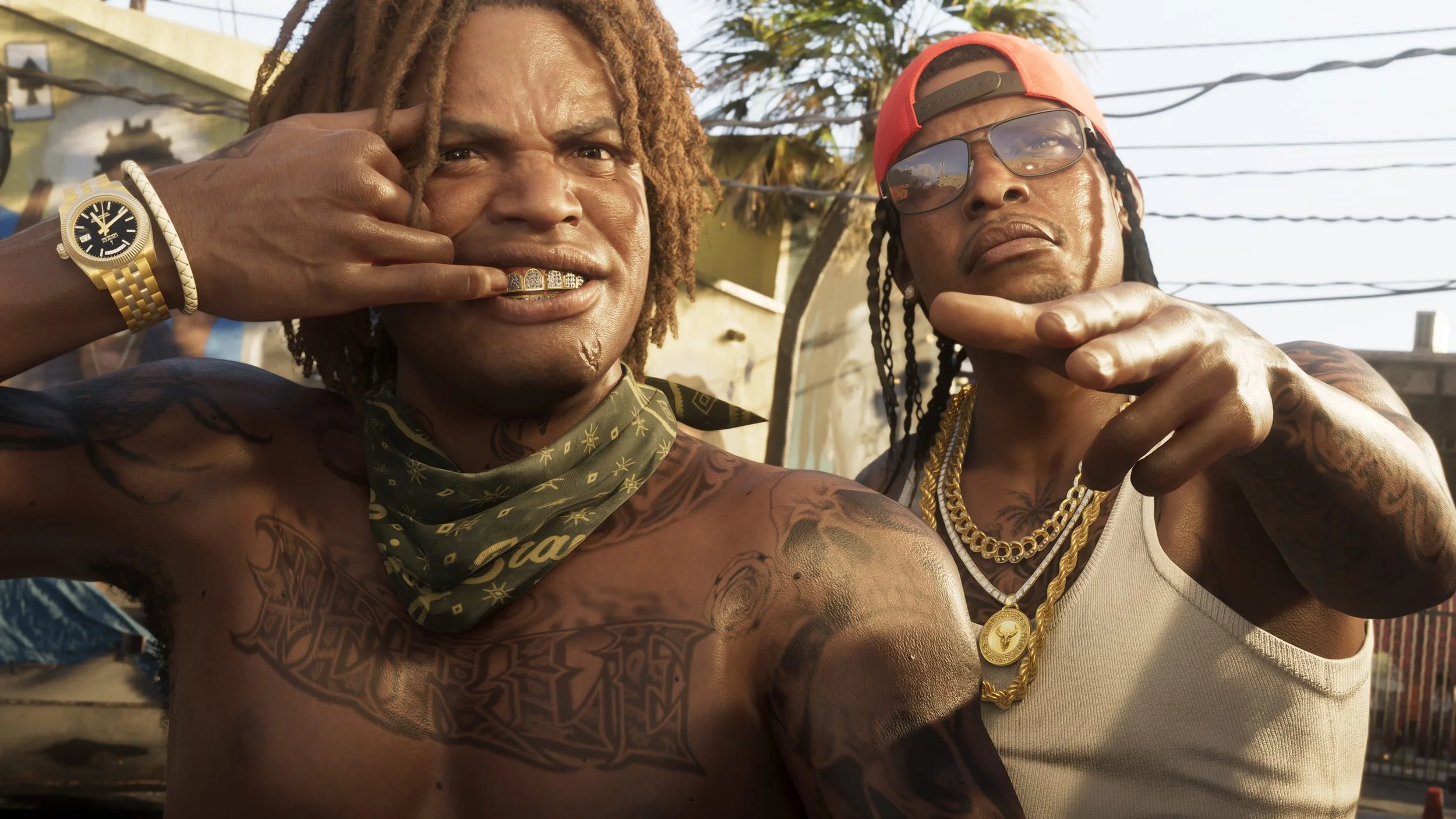
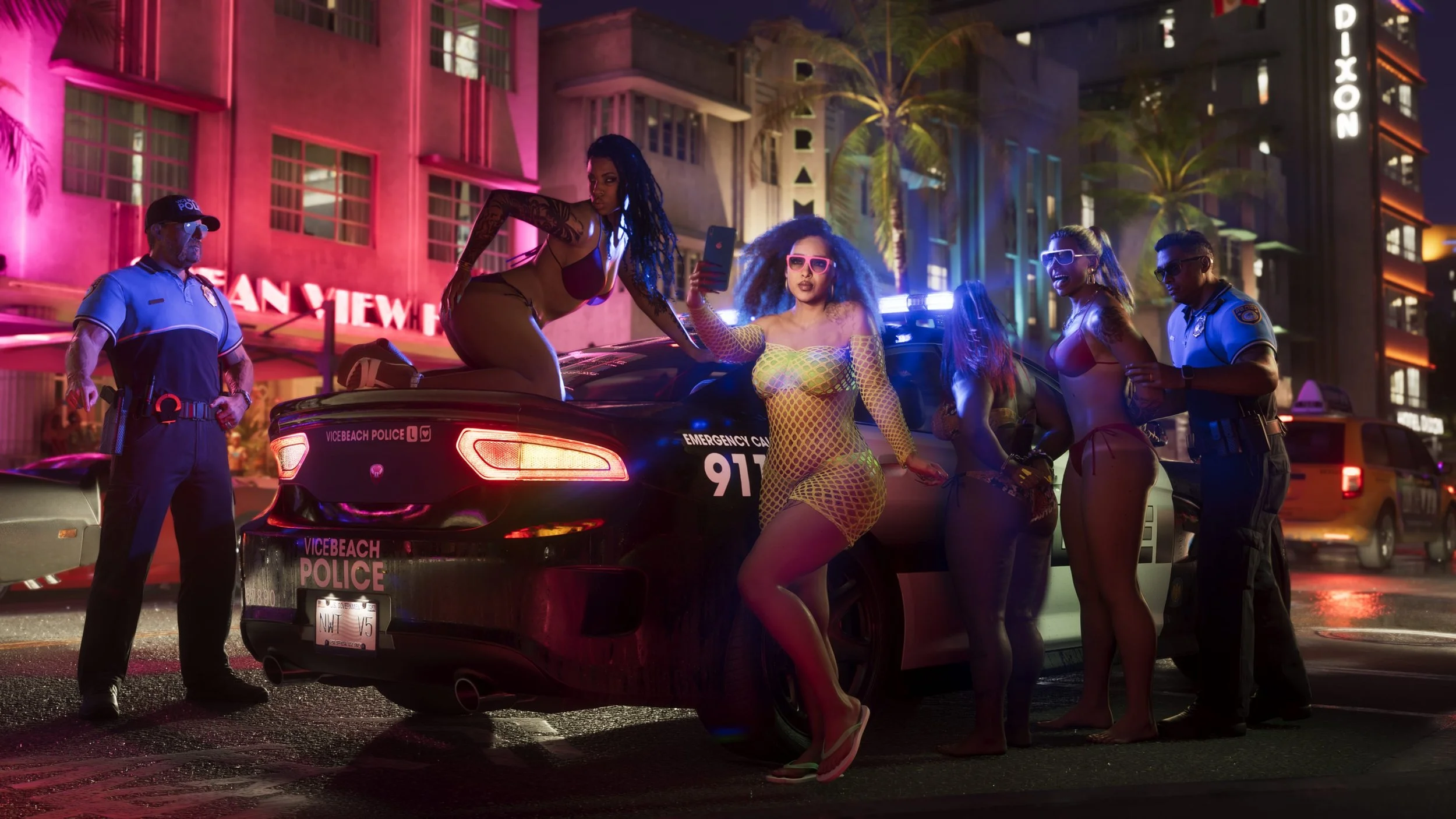
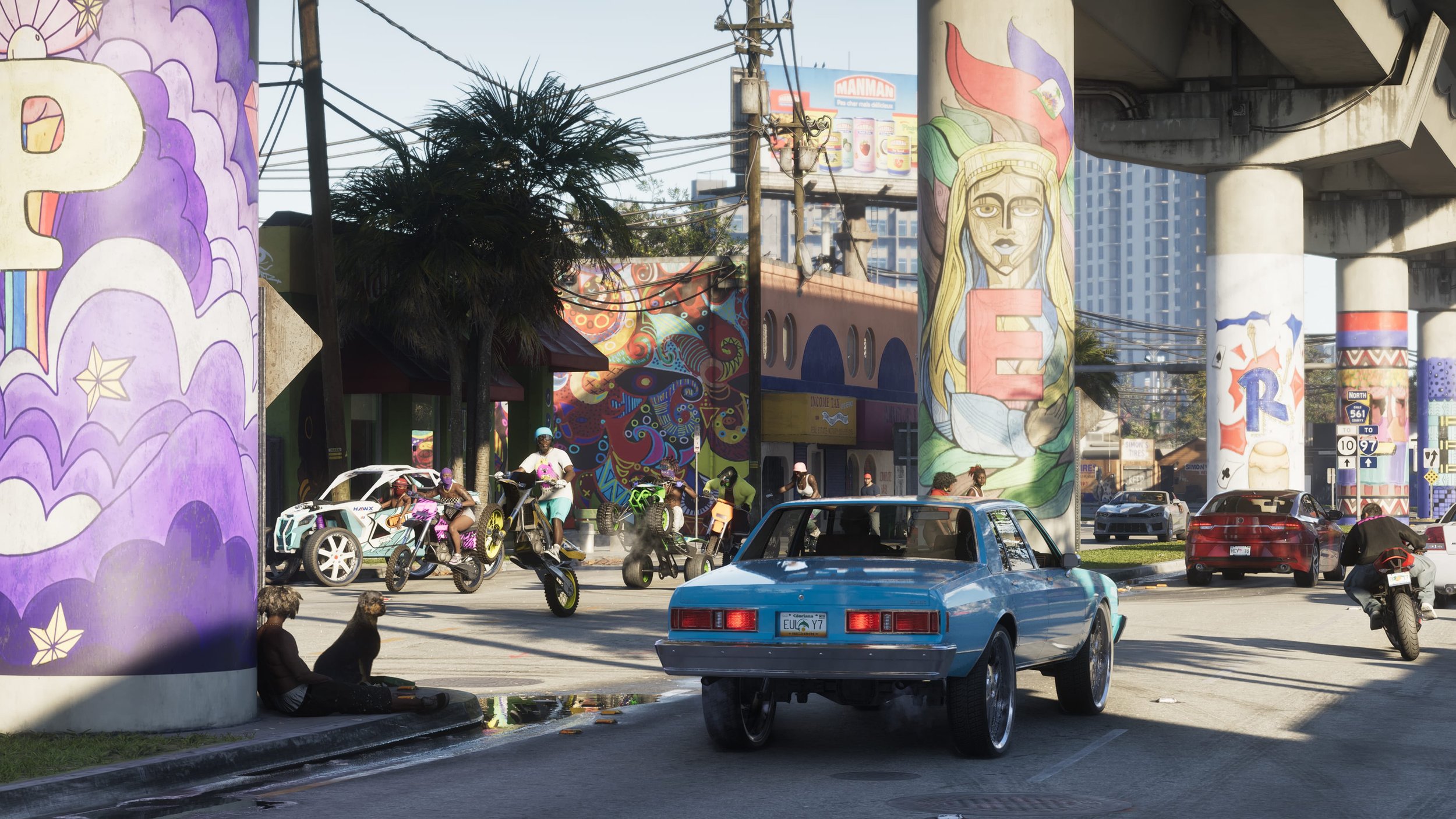
With Grand Theft Auto VI set for a November 2026 release, most of the conversation has centered around leaks, nostalgia cycles, and gameplay speculation. But something largely overlooked is quieter—yet arguably more influential: GTA Radio.
An ecosystem in itself, it behaves like an A&R department, a cultural archive, and a distribution platform all at once—except it operates without the visibility, metrics, or self-awareness of any of those systems. It revives catalog music, extends the lifespan of emerging artists, and places songs in moments where you didn’t go looking for them—which is precisely why they stay.
How GTA Learned to Curate
Grand Theft Auto first launched in 1997 as a top-down, controversial experiment from DMA Design (now Rockstar North). The games were—and still are—chaotic, violent, and culturally disruptive, but music was secondary at the time. That changed with Grand Theft Auto III.
The game introduced a 3D open world that came with something deceptively simple: in-car radio stations modeled after real broadcasting. According to Rockstar’s developer commentary, the goal was immersion—but what they built was infrastructure.
Each subsequent title refined that idea:
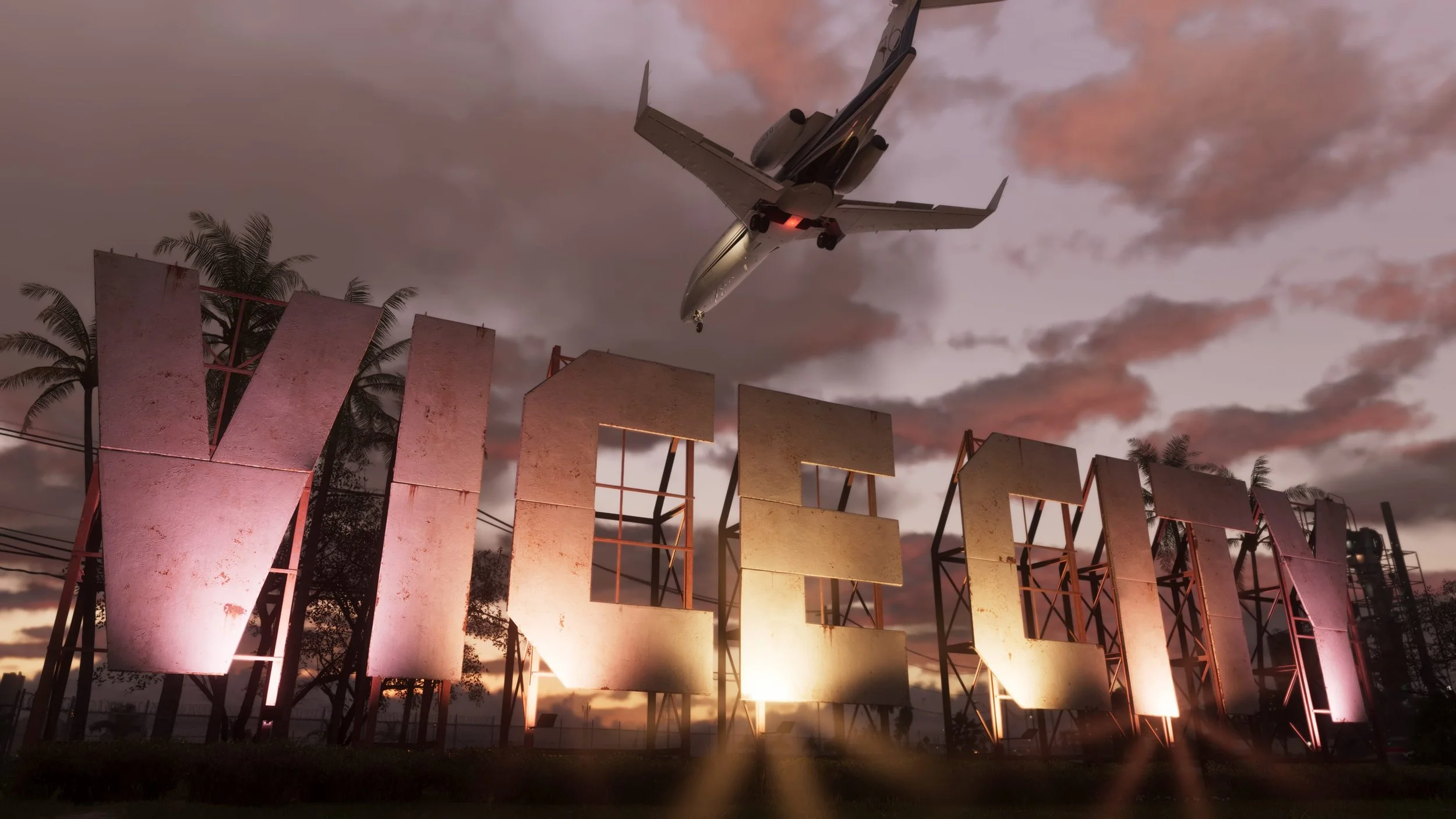
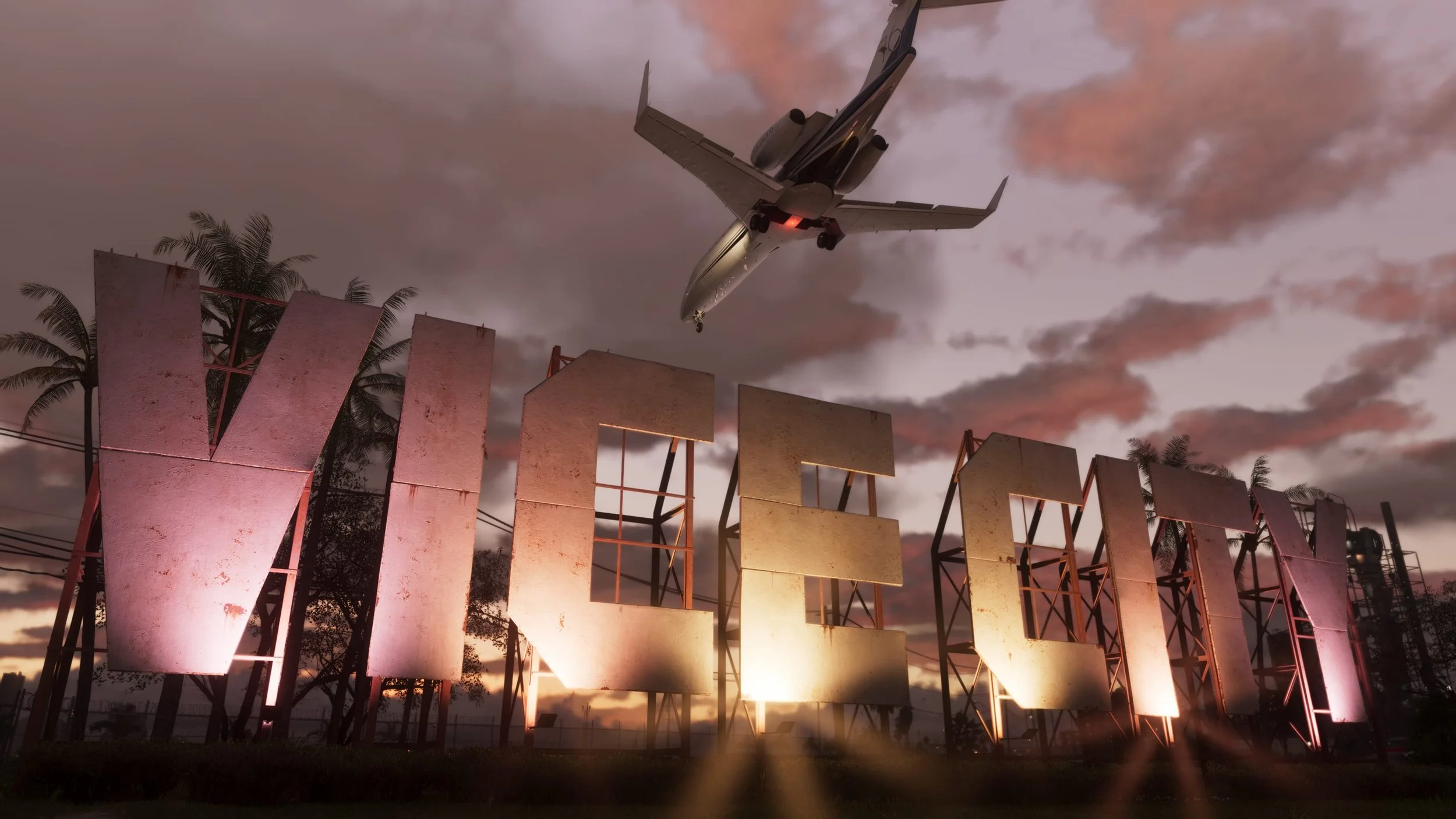
Grand Theft Auto: Vice City used tightly curated 1980s playlists to define tone and era
Grand Theft Auto: San Andreas expanded into hip-hop, funk, and talk radio that mirrored regional identity
Grand Theft Auto V transformed radio into a living, evolving platform
By the time GTA V launched, Rockstar was licensing hundreds of tracks across genres, eras, and scenes. The game has since sold over 190 million copies, making it one of the most widely distributed music platforms in the world.
From Background Noise to Cultural Infrastructure
Since launching GTA V, the franchise has functioned as a parallel music universe.
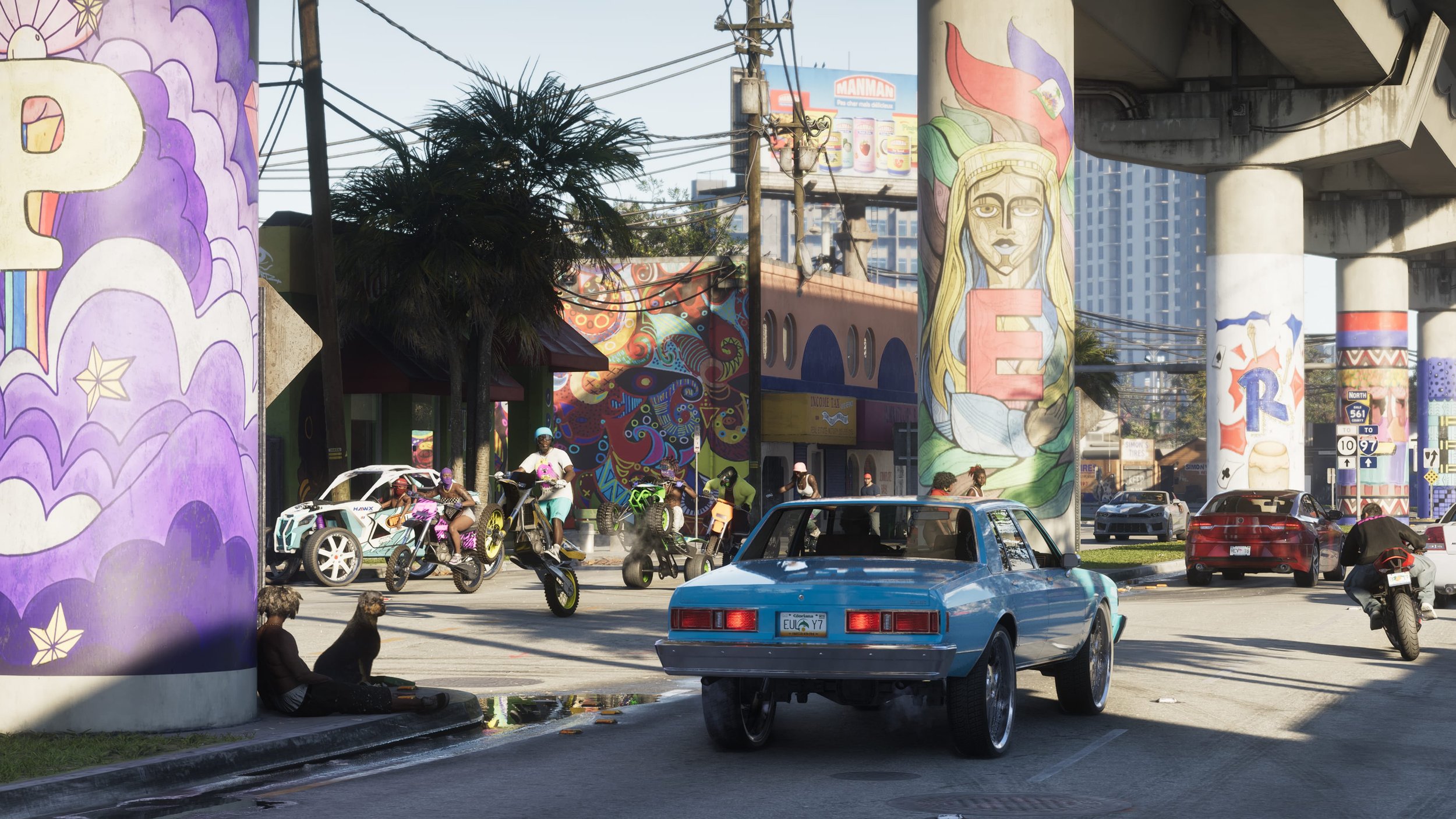
Driving through Los Santos can mean rediscovering Tom Petty or catching Flying Lotus between missions—without context, intention, or the ability to skip. That lack of control is the point.
Tracks in GTA don’t behave like those on streaming platforms. They loop because you failed a mission, resurface because you took the same route, and attach themselves to memory—specific corners, moments, and chaos.
Over time, they migrate outward—appearing in TikTok edits, playlists, and algorithmic nostalgia cycles—opening the door for entirely new generations to discover them.

GTA as an A&R System
The most useful way to understand GTA Radio is as a form of A&R that refuses to identify as such.
Traditional A&Rs respond to momentum. Platforms like Spotify amplify what’s already performing, while TikTok accelerates fragments into virality. Both function as reactive systems shaped by data and immediacy. Rockstar operates on a different timeline.
According to media reporting on GTA V’s music strategy, Rockstar licenses tracks years in advance—often before artists reach peak visibility. While no single official timeline has been published, this approach is inferred from the company’s multi-year development cycles. Music is selected well ahead of release, without relying solely on current streaming trends.
This places Rockstar closer to forecasting—not just reflecting the musical zeitgeist, but anticipating it. Occasionally, that forecast lands with precision.
When Frank Ocean launched Blonded Los Santos 97.8 FM inside GTA Online in 2017, it quietly redefined what GTA Radio could be.
Far beyond curation, it became distribution. Ocean premiered exclusive tracks and alternate versions directly in-game. With updates over time, the station blurred the line between radio station, artist, platform, and release strategy—suggesting GTA isn’t just reflecting music culture, but participating in release cycles.
Stations That Shaped Culture
FlyLo FM, curated by Flying Lotus, is often cited as the franchise’s “tastemaker station,” featuring experimental hip-hop, electronic, and underground artists—including unreleased material. For many players, it served as an introduction to left-field electronic music.
iFruit Radio, hosted by Danny Brown and Skepta, brought a more contemporary feel—blending UK grime, U.S. rap, and club music into a globally informed sound.
Established artists like Kendrick Lamar, A$AP Rocky, and Little Dragon expanded their reach through GTA placements.
Meanwhile, artists such as Shabazz Palaces, King Krule, and Noname gained exposure beyond niche audiences.
A Different Discovery System
GTA is not SoundCloud or TikTok—and it rarely creates viral artists in the same way.
Instead, it does something slower and arguably more powerful: it legitimizes and extends artists by embedding them in a world players return to for years.
The difference is structural:
Spotify is intent-based
TikTok is fragment-based
GTA is experience-driven
Music is tied to actions—car chases, late-night drives, failed missions. Repetition isn’t chosen; it happens naturally, embedding songs into memory. Not something you chose—but something that happened to you.
As media theorists have noted in discussions of interactive environments, music tied to gameplay has higher recall because it’s associated with physical input and repetition. GTA exploits this dynamic at scale.
That’s why catalog revivals feel organic. Tom Petty’s “Runnin’ Down a Dream” didn’t resurface because of a campaign—it resurfaced because millions of players heard it repeatedly while doing something else.
The Invisible Architect
Much of this system is shaped by Ivan Pavlovich, Rockstar’s longtime music director since 2004.
While not officially confirmed for GTA VI, Pavlovich has been credited across major titles, including GTA IV, GTA V, and GTA Online, as well as Red Dead Redemption 2. His approach is collaborative, research-driven, and deliberately eclectic—building stations around mood, geography, and narrative rather than trends.
In practice, it looks less like playlist curation and more like world-building. And that distinction matters. When music is embedded into a world rather than presented as content, it behaves differently—it lingers.
A Different Industry, 12 Years Later
If you’ve been online, it’s hard to miss the “We Got X Before GTA 6” meme—a cultural marker highlighting everything that has happened between GTA V and GTA VI. It’s more than a joke; it reflects how much has changed.
In 2013, streaming was still consolidating. TikTok didn’t exist, and discovery wasn’t fully algorithmic. By 2026, the landscape is defined by speed. Songs peak faster, trends collapse quicker, and attention is fragmented across platforms that reward immediacy over depth.
GTA exists outside that cycle. It’s slow, immersive, and resistant to skipping. Songs play in full. Discovery feels accidental. If Spotify is curated and TikTok is chaotic, GTA sits somewhere in between: passive, immersive, and oddly intimate.

What GTA VI Might Become
Rockstar hasn’t confirmed how GTA VI’s radio system will evolve—but the possibilities are more radical now. One theory is a dynamic radio system that updates over time, integrating new releases and allowing artists to premiere music directly in-game—similar to how GTA Online evolved.
We’ve already seen early versions of this in Fortnite, where virtual concerts proved audiences will engage with music inside interactive spaces. GTA could take this further—embedding music not just as an event, but as a continuous system.
This raises a larger question: what happens when one of the most effective discovery platforms exists outside traditional music industry structures?
The Quiet Power of GTA Radio
We don’t yet know what GTA Radio will look like in its next iteration. But its influence is already measurable—in streaming spikes, artist visibility, and the persistence of songs you didn’t choose but can’t forget.
For artists, placement in GTA isn’t just exposure—it’s context, repetition, and memory. For players, it’s discovery without intent. And for Rockstar, it’s something closer to authorship in an entirely new context.
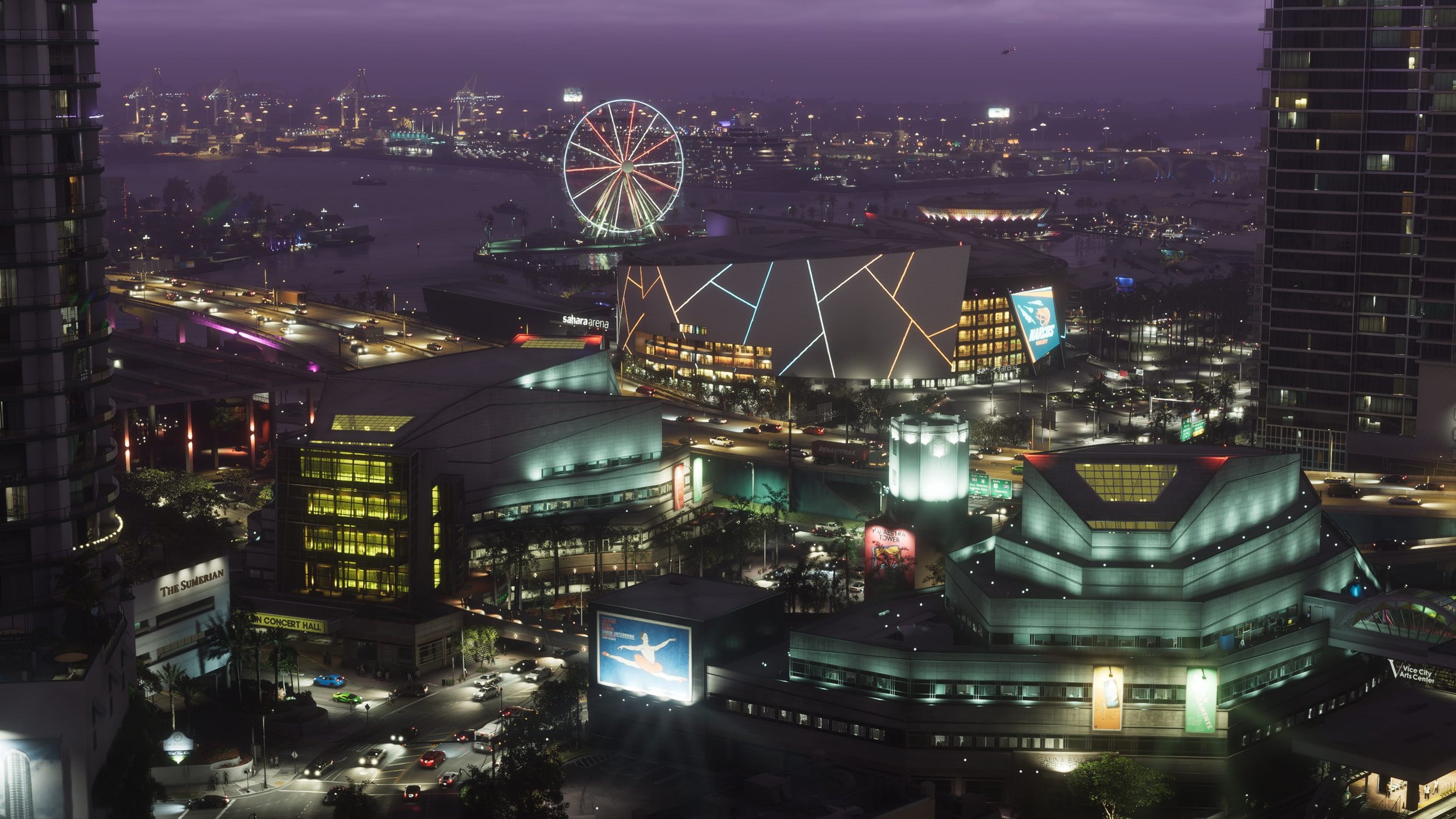
The most influential place to hear new music in the next few years might not be a streaming platform, festival, or film. It might be stealing a car in Vice City—and not changing the station.


HOW DO YOU FEEL ABOUT FASHION?
COMMENT OR TAKE OUR PAGE READER SURVEY
Featured


Grand Theft Auto’s radio system has evolved beyond a gaming soundtrack into a powerful cultural platform that revives catalog music, introduces emerging artists to global audiences, and shapes music discovery through immersive gameplay, with GTA VI potentially redefining how the gaming and music industries intersect.