
How Adding the Right Cardio Machine Can Transform Your Fitness Results and Keep You Consistent
PAGE
By PAGE Editor
The right cardio machine does not just add variety to your workout routine. It removes the friction that stands between you and showing up consistently, day after day, week after week. Most people do not quit fitness because they lack motivation. They quit because the equipment they chose does not fit their body, their goals, or their lifestyle. When you find the machine that genuinely works for you, consistency stops being a struggle and starts being a natural part of your day. This guide walks you through everything you need to know to make that choice with confidence.
Why Consistency Is the Most Important Factor in Any Fitness Routine
Ask any fitness professional what matters most in a long-term training program, and the answer is almost always the same: consistency. Not intensity. Not the perfect workout split. Not the most advanced equipment. Consistency. Research consistently shows that moderate exercise performed regularly produces far better long-term outcomes than intense exercise performed sporadically.
The right cardio machine plays a direct role in how consistent you become. When your equipment is enjoyable, comfortable, and accessible, the psychological barrier to starting a session drops significantly. When it is not, even the best intentions fade quickly. Understanding why people abandon cardio is just as important as understanding how to do it well. Boredom, discomfort, joint pain, and inconvenience are the most common culprits, and the right machine addresses all of them before they become a problem.
Understanding Your Fitness Goals Before Choosing a Cardio Machine
No cardio machine is universally the best choice. The best machine for you is the one that aligns with your specific goals, physical condition, and lifestyle. Someone training for a 10K race has very different needs from someone recovering from a knee replacement or a retiree looking to improve cardiovascular health without joint strain.
Weight loss goals generally benefit from machines that allow sustained moderate to high intensity effort over longer sessions. Endurance building requires progressive overload over time, rewarding machines with programmable resistance and tracking features. Rehabilitation and low-impact training demand machines that minimize stress on vulnerable joints while still delivering meaningful cardiovascular benefit. Budget, available space at home, and how much time you realistically have to train each week are equally important filters when narrowing down your options.
The Most Popular Cardio Machines and What They Are Best For
The cardio equipment market offers more options than ever, and each machine brings distinct advantages depending on how and why you train:
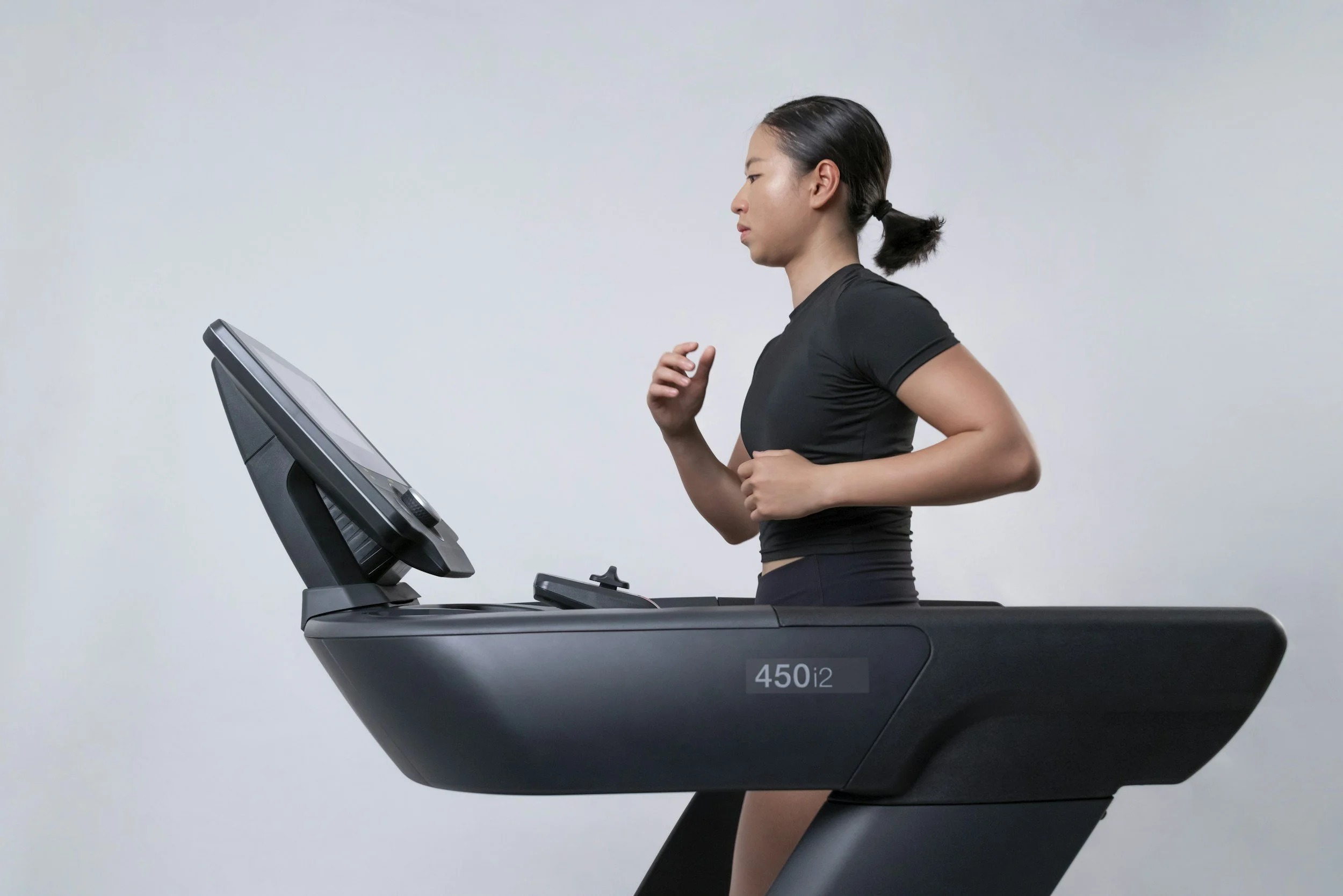
Treadmills remain the most popular home cardio machine, offering a natural running and walking motion with high calorie burn potential and straightforward progressive training
Ellipticals deliver a full-body low-impact workout that suits a wide range of ages and fitness levels, making them a strong all-around choice for those managing joint concerns
Upright bikes offer compact, effective cardiovascular training with strong lower body engagement and a relatively small footprint, ideal for tighter home gym spaces
Rowing machines provide exceptional total body conditioning, simultaneously training cardiovascular endurance and muscular strength in a single low-impact movement
Stair climbers deliver high-intensity lower body cardio with impressive calorie burn in shorter sessions, suited to those looking for a serious challenge in less time
Why Recumbent Bikes Are One of the Best Cardio Investments You Can Make
Among all the cardio machines available today, recumbent bikes stand out as one of the most consistently underrated options on the market. Unlike upright bikes or treadmills, recumbent bikes feature a reclined seated position with full back support and forward-placed pedals, a design that fundamentally changes the training experience in ways that benefit almost every type of user.
The cardiovascular benefits of recumbent bike training are substantial. Regular sessions improve heart health, boost metabolic function, and build lower body endurance effectively without the impact stress associated with running or stair climbing. The supported seating position makes recumbent bikes particularly valuable for people managing chronic back pain, hip or knee issues, or those returning to exercise after an injury or surgical procedure.
Recumbent bikes also support longer training sessions. Because the body is comfortably supported throughout the workout, fatigue sets in more slowly, allowing users to sustain effort for extended periods that build aerobic capacity more effectively than shorter, more uncomfortable sessions on less supportive equipment. For older adults and those new to cardiovascular exercise, the accessibility and comfort of a recumbent bike often make the difference between sticking with a routine and abandoning it within weeks.
When choosing a recumbent bike, look for adjustable resistance levels, pre-programmed workout options, a clear and easy-to-read console, and a seat that adjusts to accommodate different body sizes comfortably.
How to Get the Most Out of Your Cardio Machine
Owning the right machine is only half the equation. Getting results requires a smart and progressive approach to how you use it. Using comfortable recumbent bikes and other quality cardio equipment is most effective when paired with a structured training plan that evolves as your fitness improves:
Start with a realistic schedule of three to four sessions per week and build from there as your endurance and recovery capacity improve over time
Alternate between steady state and interval training to challenge your cardiovascular system in different ways, prevent adaptation plateaus, and keep sessions engaging
Track your progress using built-in console metrics like time, distance, calories burned, and heart rate to stay accountable and recognize improvement as it happens
Combine cardio with strength training two to three times per week for a balanced program that builds muscle, supports metabolism, and reduces injury risk over the long term
Avoid the most common cardio mistakes including skipping warm-ups, training at the same intensity every session, and neglecting recovery days that allow your body to adapt and strengthen
Making Cardio a Habit That Sticks
The final piece of the consistency puzzle is building an environment and a routine that makes skipping a workout feel harder than doing one. Setting up a dedicated workout space at home, even a small one, dramatically increases the likelihood that you will train regularly. Pairing cardio sessions with something you genuinely enjoy, whether that is a favourite podcast, a playlist, or an episode of a show you are following, transforms exercise from a chore into something you look forward to.
Scheduling your workouts at the same time each day anchors them to your existing routine and removes the daily decision fatigue of figuring out when to train. Tracking consistency through a simple calendar or app and celebrating streaks and milestones reinforces the habit loop that makes regular exercise feel automatic over time. The long-term rewards of consistent cardio extend far beyond physical fitness, touching mental clarity, emotional resilience, sleep quality, and overall quality of life in ways that make every session an investment in your future self.
HOW DO YOU FEEL ABOUT FASHION?
COMMENT OR TAKE OUR PAGE READER SURVEY
Featured





Flyknit and leather sit at opposite ends of the handbag world, and buyers get pushed into picking a side too early. One sounds modern and light. The other sounds premium and safe.