
How Overnight 18 Wheeler Parking Facilities Help Drivers Meet Safety and Hours-of-Service Requirements
PAGE
By PAGE Editor
The Growing Importance of Truck Parking in Modern Transportation
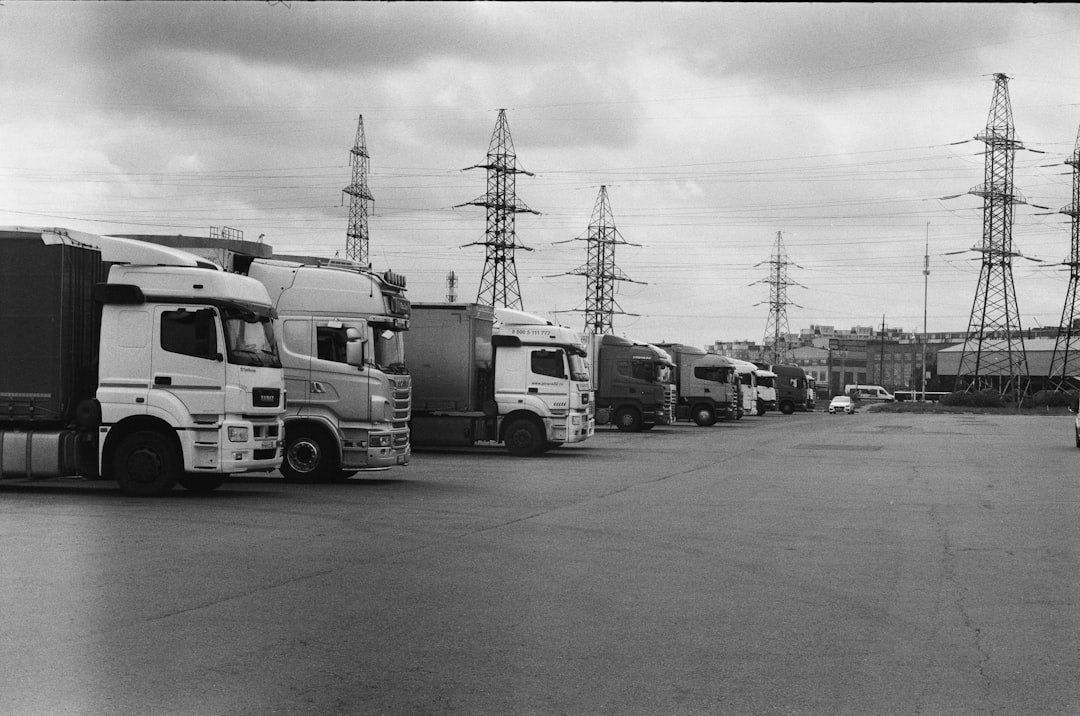
The trucking industry plays a vital role in keeping supply chains active and businesses running smoothly. Every day, thousands of truck drivers travel long distances carrying goods across highways and industrial routes. While the focus is often placed on delivery schedules, fuel efficiency, and vehicle maintenance, one equally important aspect is frequently overlooked: finding secure and convenient parking during overnight journeys. Drivers face many challenges when searching for a safe place to rest, especially when parking areas become crowded or lack proper facilities. This is why the demand for overnight 18 wheeler parking continues to grow across the transportation industry.
Long-haul trucking requires drivers to spend extended hours on the road, often traveling through unfamiliar regions. Federal regulations regarding driver rest periods make parking more than just a convenience; it becomes a legal and safety necessity. Truck operators need locations where they can park their vehicles securely, rest properly, and continue their journey without unnecessary stress. Unfortunately, limited parking availability has become a widespread issue, creating problems for both independent truckers and large fleet operators.
Why Safe Parking Matters for Truck Drivers
One of the biggest concerns for truck drivers is safety. Parking a large commercial vehicle in an unsecured area can expose both the truck and cargo to theft, vandalism, or damage. Cargo losses can create major financial setbacks for businesses, while drivers may feel vulnerable when resting in isolated locations. Reliable truck parking facilities reduce these risks by offering surveillance systems, controlled access, proper lighting, and sometimes even on-site security personnel. These features help drivers sleep peacefully and protect valuable freight during overnight stops.
Another important factor associated with truck parking is driver fatigue. Long hours behind the wheel can lead to exhaustion, reduced concentration, and slower reaction times. Rest is essential for maintaining road safety, not only for truck drivers but for everyone sharing the highway. When drivers struggle to locate parking, they may continue driving beyond safe limits or park in unsafe roadside areas. This increases the likelihood of accidents and traffic hazards. Access to organized overnight 18 wheeler parking facilities supports compliance with rest regulations while improving driver health and public safety.
Modern Truck Parking Facilities and Their Advantages
The modern transportation industry has evolved significantly, and truck parking solutions are evolving as well. Today’s advanced parking facilities are designed with convenience in mind. Many locations now provide amenities such as clean restrooms, showers, food services, laundry areas, internet access, and fueling stations. These additions improve the overall experience for drivers who spend days or even weeks away from home. Comfortable facilities can have a positive effect on driver morale, job satisfaction, and productivity.
Technology is also transforming the way drivers locate parking spaces. Mobile applications and digital reservation systems allow truckers to find available spots in real time. Instead of wasting fuel and time searching for open parking areas late at night, drivers can reserve spaces in advance and plan their routes more effectively. Fleet managers benefit as well because they can coordinate schedules more accurately and avoid unnecessary delays. This level of efficiency helps transportation companies save money while improving operational performance.
The Challenge of Limited Parking Availability
Parking shortages have become a major issue in many areas due to increasing freight demand and the growing number of commercial vehicles on the road. High traffic corridors often experience severe congestion at truck stops during nighttime hours. Drivers arriving late may find every spot occupied, forcing them to continue searching under stressful conditions. Expanding truck parking infrastructure has therefore become an important discussion within the logistics and transportation sector. Government agencies, private companies, and industry organizations are recognizing the need for additional investment in parking facilities to support economic growth and highway safety.
Environmental concerns are also connected to parking availability. When truck drivers spend excessive time driving in search of parking, fuel consumption increases unnecessarily. This leads to higher emissions and greater operational costs. Efficient parking management systems can help reduce idle time and support environmentally responsible transportation practices. Some modern facilities are even integrating sustainable technologies such as solar lighting, electric charging stations, and energy-efficient infrastructure to minimize environmental impact while serving commercial drivers more effectively.
Financial and Operational Benefits of Secure Parking
For independent owner-operators, finding affordable parking can be especially challenging. Many drivers operate on tight budgets and may hesitate to pay high parking fees regularly. However, the cost of secure parking is often much lower than the financial consequences of theft, cargo damage, or safety incidents. Investing in dependable parking solutions can ultimately protect both income and business reputation. Additionally, many parking providers now offer flexible pricing structures, memberships, or loyalty programs designed to accommodate different trucking needs.
The logistics industry relies heavily on timely deliveries, and parking availability directly affects scheduling efficiency. Delays caused by parking difficulties can disrupt supply chains, affect customer satisfaction, and increase operational costs. Warehouses, retailers, and manufacturers depend on consistent transportation performance to maintain inventory flow. By improving truck parking infrastructure, the industry can reduce delays and create a smoother logistics network overall.
How Truck Parking Supports Community Safety
Truck parking facilities also contribute to community safety and urban organization. When designated parking areas are unavailable, drivers sometimes resort to parking on highway shoulders, vacant lots, or residential streets. This can create traffic problems, safety hazards, and complaints from local communities. Properly planned parking facilities help direct commercial vehicles toward safe and designated spaces, improving traffic management and reducing public concerns.
The future of trucking will likely bring even greater demand for organized parking solutions. E-commerce growth, increased freight movement, and supply chain expansion are all contributing to higher volumes of truck traffic. As transportation networks continue evolving, parking infrastructure must keep pace with industry demands. Smart planning, public-private partnerships, and technology-driven solutions will play a crucial role in addressing parking shortages in the years ahead.
Technology and Innovation in Truck Parking Systems
Security innovations are becoming increasingly sophisticated within modern truck parking facilities. Some locations now use automated gate systems, license plate recognition technology, and digital monitoring platforms to enhance protection. Drivers can receive alerts regarding vehicle status, and fleet managers can monitor parking activity remotely. These advancements create additional layers of security while helping businesses maintain better control over valuable assets.
Driver wellness is another area receiving increased attention within the transportation sector. The trucking profession can be physically and mentally demanding, making rest and comfort essential for long-term health. Quality parking facilities that provide comfortable environments, healthy food options, and access to personal services can improve overall well-being for drivers. A healthier workforce contributes to better performance, reduced turnover, and safer road conditions.
The Long-Term Impact of Reliable Truck Parking
Insurance considerations also highlight the importance of secure truck parking. Insurance providers may evaluate parking practices when assessing risk levels for commercial transportation businesses. Companies that use monitored and secured parking facilities may benefit from lower risks associated with theft or damage claims. This demonstrates how parking decisions can influence broader operational and financial outcomes within the trucking industry.
The role of truck parking became even more noticeable during periods of supply chain disruption and increased freight demand. During challenging times, drivers faced additional pressure to maintain deliveries despite limited resources and crowded facilities. These situations emphasized how critical reliable parking infrastructure is to maintaining transportation stability and supporting economic resilience.
Collaboration between industry stakeholders is essential for improving parking availability. Transportation companies, local governments, infrastructure developers, and trucking associations all have important roles to play. Investments in highway-adjacent parking zones, upgraded rest areas, and digitally connected parking systems can significantly improve conditions for drivers nationwide. Long-term planning must consider future freight growth while balancing safety, accessibility, and environmental responsibility.
Planning Ahead for Better Parking Solutions
Training and awareness can also help drivers make better parking decisions. Route planning strategies, parking reservation tools, and knowledge of available resources allow drivers to avoid last-minute difficulties. Many experienced truckers understand the importance of planning stops early, especially along busy freight corridors where parking fills quickly during evening hours. Proactive planning reduces stress and supports safer driving habits.
The economic impact of trucking extends far beyond transportation itself. Retail stores, manufacturers, agricultural suppliers, and countless other industries depend on efficient freight movement. Reliable overnight 18 wheeler parking solutions support this economic engine by helping drivers operate more safely and efficiently. Every successful delivery depends not only on the truck and driver but also on the infrastructure supporting their journey.
Modern consumers expect rapid shipping and consistent product availability, placing additional pressure on logistics systems. Truck drivers are often working under strict deadlines while balancing regulatory requirements and personal safety concerns. Accessible parking helps drivers manage these responsibilities more effectively. By reducing uncertainty and improving route efficiency, the transportation industry can better meet growing customer expectations.
The Future of the Trucking Industry and Parking Infrastructure
Many companies are now recognizing truck parking as a strategic business priority rather than a secondary concern. Businesses that support drivers with reliable parking options may gain operational advantages, improve driver retention, and strengthen delivery performance. In a competitive logistics environment, small improvements in efficiency can lead to meaningful long-term benefits.
Innovation within the trucking sector continues to create new opportunities for improving parking systems. Data analytics, GPS integration, and predictive occupancy technology can help optimize parking availability and reduce congestion. Future developments may include fully connected parking networks capable of communicating directly with fleet management systems and autonomous transportation platforms.
The trucking profession requires dedication, discipline, and resilience. Drivers spend countless hours ensuring that goods reach their destinations safely and on time. Supporting these professionals with reliable parking infrastructure is not simply a matter of convenience; it is an investment in transportation safety, economic stability, and workforce well-being. As freight demand continues to grow, the need for effective overnight 18 wheeler parking solutions will remain a critical priority for the industry.
Conclusion
Truck parking plays an essential role in maintaining efficient transportation networks and ensuring road safety. Safe parking areas protect drivers, cargo, and vehicles while supporting compliance with rest regulations. Modern facilities equipped with security features, amenities, and digital technologies are transforming the trucking experience and improving operational efficiency across the logistics industry. As the transportation sector evolves, continued investment in parking infrastructure will be necessary to meet increasing demand and support long-term economic growth. Reliable parking is not merely a stopping point during a journey; it is a foundation for safer roads, stronger supply chains, and a more sustainable future for the trucking industry.
HOW DO YOU FEEL ABOUT FASHION?
COMMENT OR TAKE OUR PAGE READER SURVEY
Featured





Finding the right job in human resources or recruitment can take time, especially when you're searching online.