
How Rooftop HVAC Equipment Creates Hidden Problems for Commercial Roofs
PAGE
By PAGE Editor
A technician climbs onto a flat roof to replace a worn belt in an air-conditioning unit. The service takes less than an hour, and the system is running again before the building opens. Weeks later, water appears on a ceiling tile in an office below. The equipment works perfectly, but the roof around it has developed a problem that nobody noticed during the visit.
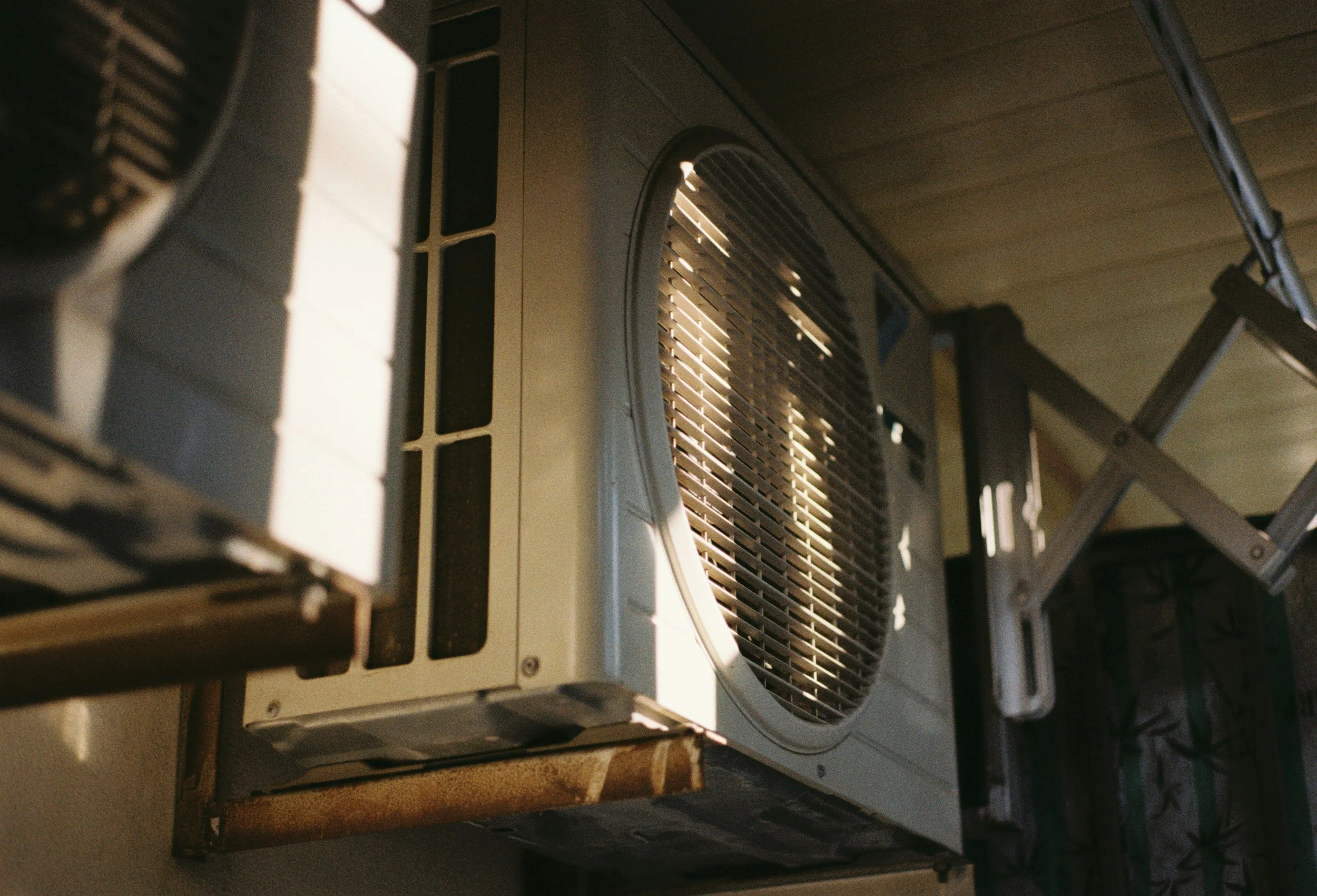
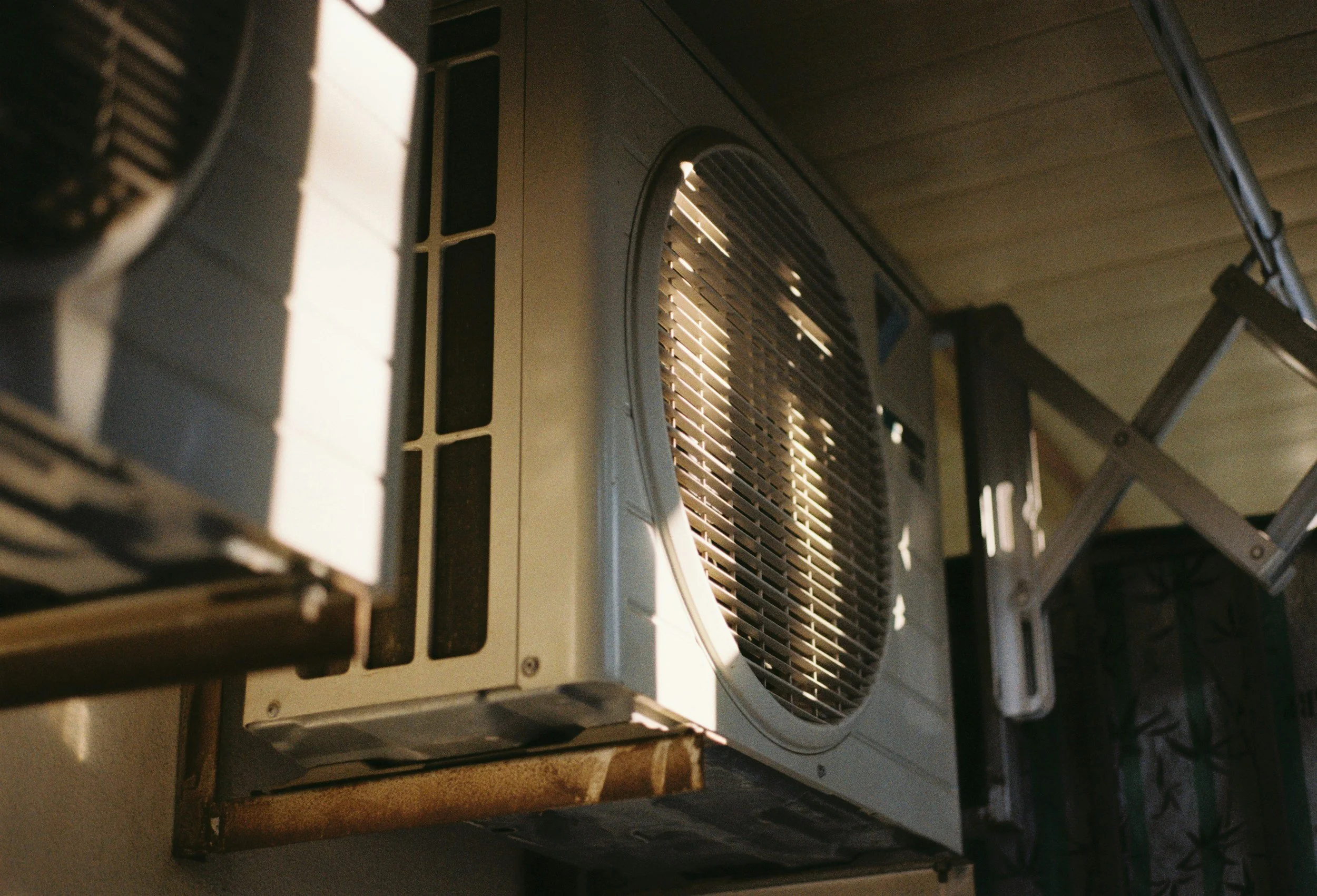
Rooftop heating and cooling equipment creates a special challenge for Commercial Roofing because the roof is doing two jobs at once. It must keep water out of the building while supporting equipment that needs regular access, drainage, and occasional replacement. A minor mistake during an otherwise successful HVAC service call can affect the waterproofing below.
For property managers reviewing roof conditions with Cali Roofing Solutions, the useful question is not whether rooftop units are inherently bad for a roof. It is whether the surrounding details and maintenance routines account for the work that happens there. Several of the most damaging problems develop beside functioning equipment, where they are easy to miss from the ground.
The Most Traveled Part of the Roof May Be the Least Protected
Unlike most homeowners, commercial building managers may have multiple trades visiting the roof throughout the year. HVAC technicians carry toolboxes, replacement motors, refrigerant equipment, and sometimes heavy panels removed from a unit. Even careful workers can put repeated pressure on the same route between the roof hatch and the equipment.
On a single-ply membrane, dropped tools and sharp edges can cause punctures. Heavy foot traffic can scuff or wear the surface, particularly around tight corners where workers turn or kneel. A surface that seems sturdy under an ordinary shoe may not withstand a metal component set down with its weight concentrated on a narrow edge.
Service Paths Need More Than a Verbal Warning
Walkway pads or other manufacturer-approved traffic protection can help where technicians routinely travel. Their placement should follow the roof system's requirements so they do not interfere with drainage or create new weak points. Clear service routes also help keep workers away from vulnerable seams and skylights.
A commercial roofing in Corona assessment should examine the actual path technicians take, not just the membrane directly beneath each unit. Scuffs near the access hatch or a trail of repeated patches across the roof can reveal traffic patterns worth addressing before the next equipment service.
The Support Under a Unit Is Part of the Waterproofing System
Many rooftop units sit on raised curbs that extend through the roofing assembly. The curb carries or supports the equipment and provides a connection where the membrane, insulation, and flashing must meet. This connection is particularly important because water can collect near a unit's base during storms.
If flashing separates at a corner, water may reach insulation or the roof deck before showing up inside. Movement, poor installation, and later modifications can all contribute to trouble. A new unit does not automatically require a new curb, but replacement equipment may have different dimensions or connections that need careful adaptation.
The Dangerous Shortcut Is Often Hidden by Trim
Metal counterflashing or equipment panels can obscure the membrane termination beneath them. Someone examining the area from a distance may see a neat metal edge without knowing whether the underlying connection remains secure. Applying surface sealant to an uncertain joint might conceal symptoms without restoring the intended detail.
When Cali Roofing Solutions evaluates equipment-related leakage, the relevant discussion should include the condition of curb flashing and how the unit connects to the roof—not merely whether the top surface appears undamaged. Access may be limited by the equipment itself, so any inspection that requires lifting or disconnecting components should be coordinated with qualified HVAC personnel.
Condensate Water Needs a Deliberate Route Away
Cooling equipment removes moisture from indoor air. That condensate has to drain somewhere. If a drain line discharges onto the roof without suitable routing, one area can remain wet long after the surrounding surface has dried. The water may carry dirt and encourage deposits, while constant wetting can expose defects that would otherwise receive water only during rain.
A clogged or disconnected condensate line may also overflow near the equipment. Maintenance crews can mistake the resulting wet patch for a roofing leak, especially when the problem appears during hot weather rather than after a storm. Conversely, water found beneath a unit may come from rain entering through faulty flashing instead of from the cooling system.
Timing Helps Separate Two Different Problems
Managers can note whether moisture appears while the air conditioner is operating, after rainfall, or under both conditions. That information is useful to the HVAC technician and the roofer. Neither trade should assume the other's system is responsible without checking the actual source.
For Commercial Roofing teams, drainage around mechanical equipment includes more than keeping roof drains open. Condensate outlets, nearby low spots, and paths around support structures deserve attention because water that cannot leave promptly has more opportunities to encounter a defect.
Small Equipment Changes Can Create New Roof Penetrations
An HVAC upgrade may require a new electrical conduit, control cable, refrigerant line, or exhaust connection. Each route through the roof needs a suitable, properly flashed penetration detail. Improvised openings, incompatible sealants, or unsupported pipes can create vulnerabilities that remain invisible behind the finished equipment.
Even when a line does not penetrate the surface, it can cause trouble if it rests directly on the membrane. Movement and vibration may produce abrasion at contact points. Appropriate supports can keep lines off the waterproofing and reduce concentrated loads, but the supports themselves must suit the roof type and not obstruct runoff.
A proposal involving Cali Roofing Solutions and a mechanical contractor should clearly assign responsibility for any new penetration and its finished flashing. Otherwise, each crew may reasonably believe the other is handling the final watertight connection. The best time to resolve that question is before anyone cuts into the roof.
Service Work Can Leave Damage Without Causing an Immediate Leak
Not every puncture produces a stain the next day. Water may enter an insulation layer and travel before reaching an interior surface. Some damaged areas remain unnoticed until repeated storms enlarge a weak point. A technician might also move a protective pad or loosen a flashing cover and forget to return it to its original position.
In Commercial Roofing, a short post-service visual check can be valuable after major mechanical work. Building staff can request photographs of the area before and after the visit, including where materials were staged and where technicians walked. A roofing professional should investigate suspicious cuts, displaced protection, or standing water rather than asking building staff to walk onto an unsafe or restricted roof.
Coordination becomes particularly important during equipment replacement, when cranes, temporary supports, and multiple crews may be involved. For Cali Roofing Solutions, as for any roofing company considered for that work, a clearly defined inspection and handoff process is a better indicator of preparedness than a vague promise to repair anything that happens later.
Make the Roof Part of the Equipment Maintenance Plan
Most facilities already schedule filter changes, coil cleaning, and mechanical inspections. The roof around the equipment should have an equally clear place in that schedule. Property managers can keep records of roof-access visits, photographs of recurring trouble spots, and the dates of equipment upgrades. They should also identify who is permitted to inspect or repair roofing components.
A practical Commercial Roofing maintenance plan accounts for traffic areas, curb flashing, drains, condensate discharge, pipe supports, and newly added penetrations. It should be updated whenever equipment changes. A roof may perform well for years under the original layout but develop problems after repeated service work changes how its surface is used.
There is no need to treat every rooftop HVAC visit as a roofing emergency. What matters is noticing when ordinary maintenance has changed the conditions around the waterproofing. A property manager considering Cali Roofing Solutions can ask how roof inspections will be coordinated with mechanical work and how newly discovered defects will be documented. Protecting a commercial roof often depends as much on the handoff between trades as on the materials installed beneath their feet.
Featured


A storm passes, the lawn is scattered with leaves, and the siding seems unharmed.