
How Sleepwear Became Part of the Modern Fashion Conversation
PAGE
By PAGE Editor
There was a time when the boundary between what you wore to bed and what you wore in public was absolute. Sleepwear existed in a separate category, a private one, with its own rules and no ambitions beyond the bedroom. That boundary has quietly dissolved, and the fashion industry is still working out what it means.
The shift didn't happen overnight and it didn't come from a single runway moment. It accumulated across a decade of small decisions. A satin slip worn to dinner. A silk pajama set styled with heels for an event. A nightgown layered under an oversized blazer. Eventually the cumulative weight of those choices became something the industry had to acknowledge.
The Pieces That Crossed Over First
Satin and silk were the early movers. Fabric with that kind of drape and sheen was always going to blur the line between sleepwear and eveningwear, and designers recognized it quickly. Olivia von Halle and Sleeper built entire brand identities around the idea that a well-cut silk pajama set should move between contexts without apology, attracting fans like Kate Moss and Rihanna in the process.
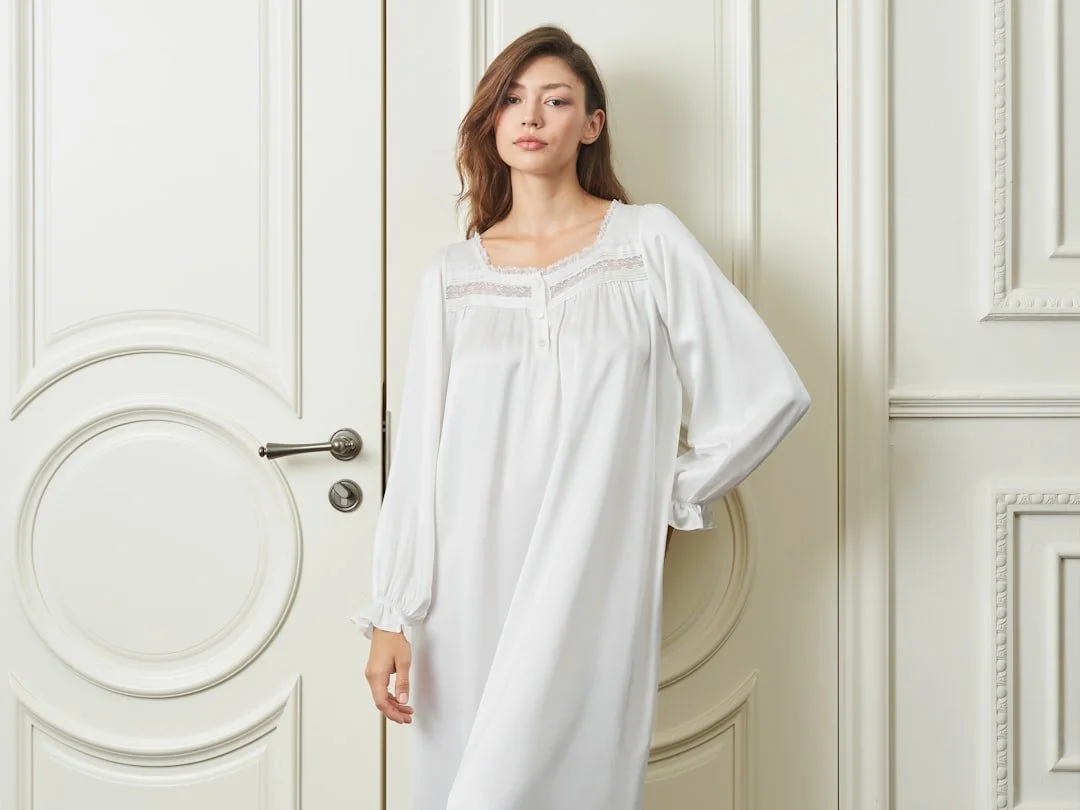
What came next was the quiet rehabilitation of more traditionally domestic silhouettes. Classic women's nightgowns, once considered firmly outside the fashion conversation, found their way back into it through the lens of vintage references, old-money aesthetics, and a broader cultural reconsideration of what ease and femininity could look like. The nightgown's long fluid line and deliberate simplicity started reading as intentional rather than incidental.
That recontextualization is how sleepwear pieces consistently enter fashion. They don't get redesigned. They get reframed.
What the Pandemic Accelerated
The pandemic did what it typically does to trends already in motion. It pushed them forward by several years in the space of twelve months. Loungewear sales doubled across multiple brands. The logic of getting dressed for an audience that wouldn't see you below the waist on a video call reshaped how people thought about clothing categories that had always been kept separate.
The more significant shift was cultural. People who had spent years treating comfort as something to be earned after hours, as a private reward, started wearing that comfort with less apology. By the time the world opened back up, a relaxed relationship with sleepwear-adjacent dressing had become normalized in a way that would have felt transgressive before.
The looks that emerged weren't sloppy. That distinction matters. Pajama dressing at its most fashion-credible is precise and considered. Crisp cotton sets with piped edges, slip dresses with structured outerwear, nightgown silhouettes in weight-appropriate fabrics styled for public life. The comfort is real but the intention is visible.
How the Runways Responded
Designers didn't create this trend, but they codified it. Prada, Fendi, and Dolce and Gabbana all incorporated pajama-inspired looks into their collections. The Row's Women's Summer 2026 collection featured silhouettes that read directly from the nightgown. Nicklas Skovgaard presented sculptural sleep-inspired pieces at Spring 2026 that took the reference further than most.
What the runway treatment accomplished was to confirm that the aesthetic had enough cultural weight to sustain serious creative engagement. Fashion's relationship with sleepwear moved from a street-level observation into a legitimate design conversation.
The category also attracted discussion at an industry level. WWD traced the specific arc of pajama dressing from niche luxury brand territory into mainstream fashion acceptance, noting that the look should feel chic and polished rather than like you just rolled out of bed, a distinction that separates the trend from simple casualwear and explains why it has sustained itself beyond the initial novelty.
The Fabric Question
Material has always been the dividing line between sleepwear that reads as fashion and sleepwear that reads as pajamas. Silk, modal, fine cotton, and considered blends carry the weight of intention. Polyester fleece does not. This isn't snobbery. It comes down to what happens visually and physically when these fabrics move in public spaces. Certain materials hold a silhouette and carry light in a way that communicates care regardless of context.
This is also where the functional and aesthetic conversations intersect. The properties that make a fabric excellent for sleeping, including breathability, softness, temperature regulation, and the absence of friction against skin, also translate into garments that wear well across extended periods of time. Good sleepwear fabric is, by design, fabric that feels effortless to be in.
Where the Conversation Goes Next
The sleepwear conversation in fashion is no longer about whether these pieces belong outside the bedroom. That argument is settled. The more interesting question now is how the category continues to develop as brands build specifically for this dual-purpose context rather than retrofitting existing sleepwear for public life.
The drivers behind the shift haven't disappeared. The appetite for clothing that doesn't demand performance, that allows the wearer to feel at ease without sacrificing visual intention, has become a permanent fixture in how people think about getting dressed. Sleepwear found its way into that appetite naturally, and fashion followed.
HOW DO YOU FEEL ABOUT FASHION?
COMMENT OR TAKE OUR PAGE READER SURVEY
Featured



A comfortable home should offer more than a place to sleep and eat.