
How to Evaluate a Pre-Owned Luxury Watch Before Buying
PAGE
By PAGE Editor
Buying a second-hand luxury watch takes more than a quick glance at photos or a comparison of price tags. A timepiece can look pristine in a listing and still hide mechanical problems, swapped parts, or patchy documentation that only surfaces after the sale is done. Anyone shopping for a pre-owned luxury watch—be it a vintage chronograph or a modern rolex watch—is better served by a structured evaluation process than by leaning on brand recognition or chasing a suspiciously low price. This article walks through seven core areas: authenticity, condition, provenance, service history, seller reliability, total cost, and consumer protections. Treat it as general educational guidance rather than a replacement for professional authentication or appraisal services.
Define Your Buying Priorities Before Comparing Watches
What you plan to do with the watch should guide the entire search. Someone looking for a dependable daily companion has different priorities than a collector hunting for a historically significant reference meant mainly for display. The first buyer usually cares most about water resistance, durability, and ease of servicing, while the second tends to prioritize originality, rarity, and a well-documented history—sometimes at the cost of everyday practicality.
Before you start browsing listings, work out a realistic total budget that goes beyond the sticker price. Shipping, taxes, insurance, future servicing, a possible strap or bracelet replacement, and import or transaction fees can all add up and meaningfully change the final cost.
Before you shop — checklist:
- Preferred case size, material, and movement type
- Minimum acceptable water resistance
- Target age or production era
- Maximum total budget, including post-purchase costs
- Primary purpose: daily wear, collecting, or gifting
Understand the Difference Between Condition, Age, and Desirability
Assess External Condition
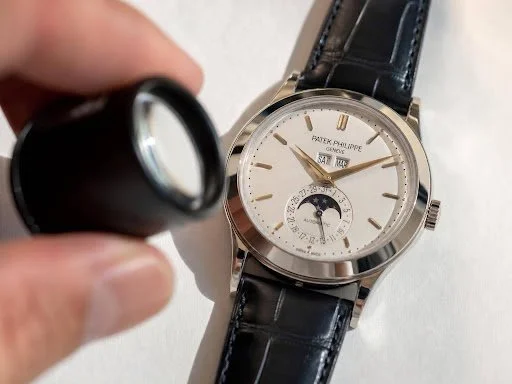
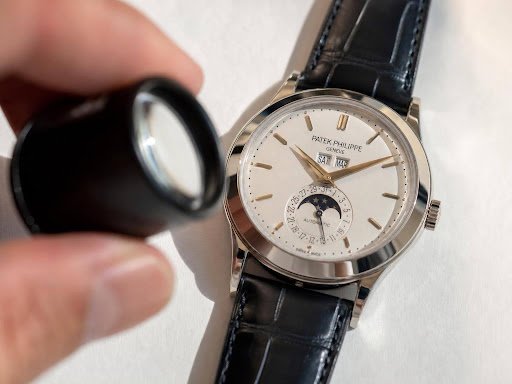
Start with the case edges—uneven symmetry often points to repeated polishing over the years. Look closely at scratches, dents, crystal clarity, dial printing, and the hands for fading or misalignment. Check the crown, pushers, bezel, clasp, and bracelet for stretch or looseness. Wear itself isn't a red flag; plenty of buyers are perfectly happy with honest signs of age. But heavy or uneven polishing can chip away at originality and, with it, long-term value. Keep in mind that photos can hide scratches, corrosion, or replaced components, so always ask for high-resolution images from several angles before moving forward.
Evaluate Mechanical Condition
Timekeeping accuracy, how the watch winds, its power reserve, and whether any complications still function properly all offer clues about mechanical health. If the crown feels gritty or makes an odd sound when turned, that's worth investigating further. That said, only a qualified professional can truly assess movement condition, actual water resistance, and internal authenticity. A recent service record is useful information, but it doesn't guarantee that everything inside the case is original.
Verify Authenticity and Originality
Authentication needs to go well beyond glancing at a logo, checking a serial number, or trusting an accompanying certificate. A thorough review looks at the model and reference details, serial or identifying numbers where they apply, movement and case specifics, and whether the components present actually match the stated production period.
It helps to think in terms of four categories: an authentic watch, an authentic watch with replaced parts, a modified or customized watch, and an outright replica or counterfeit. Paperwork can be incomplete, lost, altered, or simply mismatched to the item being sold, which is why an independent authentication by a qualified watchmaker—completed before the return period closes—is well worth the effort. If a seller insists a watch is "guaranteed authentic" but won't offer a clear inspection and return process, treat that as a warning sign.
Key takeaway: A genuine brand name does not guarantee that every component is original.
Investigate Provenance and Supporting Documentation
Original receipts, service invoices, warranty papers, repair records, and details on prior ownership all add useful context, though none of them tell the whole story on their own. Don't assume what "full set" means—ask the seller to spell it out, and compare the documentation's reference numbers and dates against the watch itself. Missing papers don't automatically mean the watch is fake, but they can dent buyer confidence and affect resale value, insurance eligibility, and overall valuation down the line. When technical questions come up, checking manufacturer service guidance or consulting recognized horological organizations adds another layer of verification.
Evaluate the Seller and the Terms of Sale
Check Seller Reliability
Look into the seller's business identity, physical location where relevant, independent customer feedback, written authenticity policy, warranty terms, and inspection or return procedures. A slick website or persuasive marketing copy doesn't, by itself, make a seller trustworthy. As consumer protection authorities point out, an unusually low price on a high-value branded item can signal counterfeit, stolen, misrepresented, or damaged merchandise.
Read the Transaction Terms Carefully
Before any money changes hands, pin down the exact item condition, total price, delivery estimate, return window, restocking fees, who covers return shipping, refund timing, and warranty exclusions. Hold onto the product description, photographs, invoices, and all correspondence—you may need them later. Consumer protections differ by jurisdiction, so check the rules that apply where you live. Regulatory guidance generally recommends researching the seller, reading the full listing carefully, understanding refund terms, and keeping records—and, with unfamiliar sellers, favoring payment methods that offer dispute resolution over irreversible transfers.
Calculate the Long-Term Cost of Ownership
The purchase price is only part of what a luxury watch will actually cost you over time. Routine servicing, repairs, water-resistance testing, parts replacement, insurance, secure storage, and shipping for service all factor into the total ownership cost. A lower upfront price isn't necessarily the better deal if the watch needs immediate servicing or has non-original parts that undercut its reliability or resale value.
Total ownership cost worksheet:
Purchase price + shipping/taxes + estimated first service + insurance (annual) + strap/bracelet replacement (if needed) = realistic total cost
Common Mistakes to Avoid
Buying solely because the price seems unusually low
Treating box and papers as conclusive proof of authenticity
Assuming "serviced" means recently serviced by a qualified professional
Ignoring modifications, aftermarket parts, or refinishing
Failing to confirm the return period before arranging authentication
Sending payment before reviewing complete terms
Comparing watches by brand alone rather than reference, condition, and documentation
Relying on a single photograph or informal opinion
A Practical Pre-Purchase Inspection Workflow
A sensible approach runs roughly as follows: define intended use and budget, pin down the exact model or reference, compare multiple listings, request any missing photos or documentation, review seller policies, confirm payment and delivery terms, arrange an independent inspection, test functions as soon as the watch arrives, and keep every record. Following this sequence won't guarantee authenticity or future value, but it does cut down on avoidable risk.
Key takeaway: Inspect first, document everything, and make sure the return option remains available.
Final Perspective: Buy the Evidence, Not Just the Appearance
A careful evaluation comes down to verifying identity, inspecting condition, digging into provenance, assessing the seller, and calculating ownership costs. A sound purchase rests on evidence and transparent terms—not prestige, urgency, or a flattering photograph. If the documentation doesn't add up, the seller dodges reasonable questions, or the terms stay vague, walking away is often the smarter move. Work through a structured checklist before committing, and bring in independent professional advice whenever the purchase is expensive or technically complicated.
HOW DO YOU FEEL ABOUT FASHION?
COMMENT OR TAKE OUR PAGE READER SURVEY
Featured


For years, party dressing followed a simple script: buy something new, wear it once, and move on.