
Why Considered Partywear Is Replacing the One-Night Outfit
PAGE
By PAGE Editor
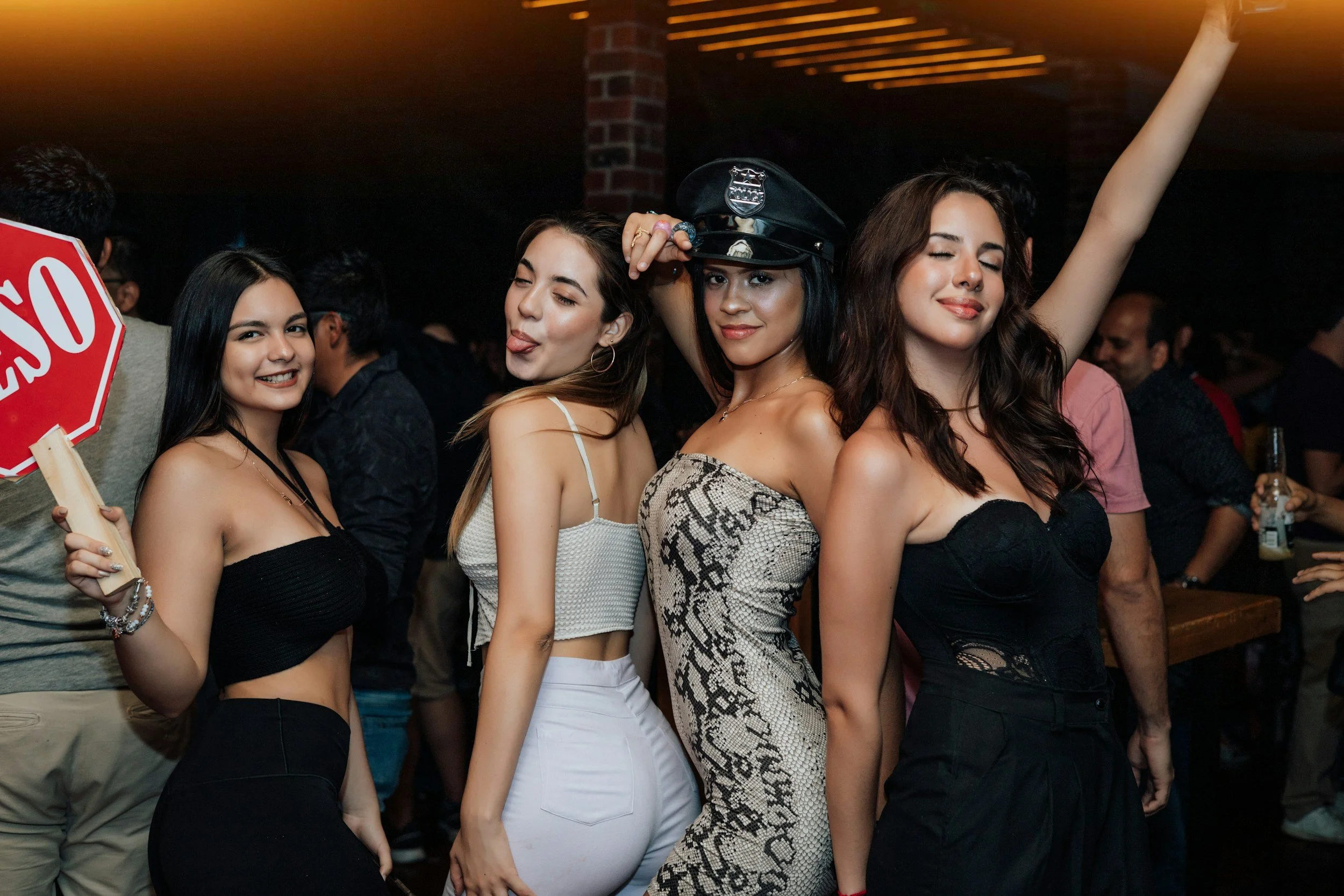
For years, party dressing followed a simple script: buy something new, wear it once, and move on. That logic is beginning to shift. Shoppers are asking more of the pieces they bring home, and the party wardrobe has become a place where craftsmanship, versatility, and longevity matter as much as sparkle.
Within that shift, partywear is being judged less by how loudly it announces itself and more by how well it moves from one occasion to the next. A dress that works for a gallery opening, a holiday dinner, and a friend’s engagement celebration earns its place in a wardrobe in a way that a single statement look rarely does.
From Single Wear to Repeat Wear
Social media once encouraged a cycle in which every event required a fresh outfit, and repeat wearing felt like a risk. That pressure has eased. Many people now treat re-wearing as a mark of confidence, and styling the same piece in different ways has become part of the conversation around personal style. An outfit’s value is increasingly measured by how often it leaves the closet.
Cost per wear has become a practical way to think about it. A piece that appears at six events across a year costs far less per outing than one worn once, even when the initial price is higher.
Fabric and Construction Matter More
When pieces are expected to last, the details beneath the surface begin to matter. Lined bodices, reinforced seams, secure fastenings, and fabrics that recover from sitting and dancing all contribute to how a garment ages. Sequins and beading sewn firmly into place survive repeated wear, while loosely attached embellishment tends to shed after a few evenings.
Textures such as velvet, satin, crepe, and structured lace have regained attention because they hold their shape and photograph well under mixed lighting. Hand finishing, where it appears, signals that the garment was designed for more than a single outing.
Restyling Instead of Replacing
A strong party piece becomes more useful once it’s treated as a foundation. A sequin skirt can be worn with a fine knit for dinner and a bodysuit for a late night. A velvet dress can be dressed up with heels or softened with boots and a long coat. Tailored jackets, belts, and scarves allow a single dress to appear in entirely different contexts.
Accessories do much of the heavy lifting. Jewelry, bags, and shoes shift the register of an outfit quickly, and vintage or secondhand finds add individuality that new purchases cannot always supply.
Fit, Comfort, and Inclusive Sizing
Comfort has become part of the definition of well made. Garments that allow sitting, moving, and dancing for several hours feel more modern than those that demand constant adjustment. A broader range of sizes and cuts has also widened the conversation, as more people expect festive clothing that fits properly rather than clothing designed around a narrow idea of the body.
Tailoring supports this shift. A skilled alterations professional can adjust hems, straps, and waistlines so that a piece feels made for its wearer, which also extends its life.
Even simple adjustments, such as moving a strap or taking in a waist, can change how confident a garment feels on the body.
Care and Longevity
How a garment is stored and cleaned shapes how long it lasts. Padded hangers, breathable garment bags, and careful spot cleaning protect delicate fabrics, while following care labels prevents damage to embellishment. Repairing small issues quickly, such as a loose bead or a hanging thread, keeps a wardrobe in good condition and reduces waste.
Rotation matters as well. Pieces that are worn regularly and aired between uses tend to stay fresher than those left untouched for a year, and a seasonal review of the closet makes it easier to see which items deserve another outing.
The Role of Resale and Rental
Resale platforms, vintage stores, and rental services have widened the options for anyone who wants variety without constant purchasing. A secondhand beaded jacket or a borrowed gown for a single event extends the life of existing garments and brings an element of surprise that mass-produced pieces rarely offer.
Selling or passing on pieces that no longer suit also keeps the cycle moving, so that well-made clothing finds a second and third wearer rather than ending up in storage.
What the Shift Signals
The move toward considered party dressing reflects a broader change in how clothing is valued. Occasions still matter, and the pleasure of dressing up remains central, but the approach has become more intentional. Choosing fewer, better pieces and wearing them often allows personal style to develop over time rather than reset with each invitation.
Designers and retailers are responding in kind, with collections that emphasize versatility, repair services, and clearer information about materials. The result is a party wardrobe that feels less like a series of disposable decisions and more like a body of work built over time.
HOW DO YOU FEEL ABOUT FASHION?
COMMENT OR TAKE OUR PAGE READER SURVEY
Featured


Tommy Hilfiger brings Romeo Beckham, Travis Kelce, JISOO, and an international cast of cultural personalities together for its Winter 2026 campaign, celebrating individual holiday traditions through personal storytelling and a modern interpretation of classic American prep.