
How to Keep High-Traffic Carpet Zones From Looking Worn
PAGE
By PAGE Editor
We all have one: the strip of carpet that looks ten years older than the rest of the house. For most people, it runs from the front door to the kitchen. For others it's the six feet of floor between the couch and the coffee table. I've walked into enough homes to guess the wear pattern within about four steps of coming through the door, and I'm rarely wrong.
Here's the good news. Carpet wear is predictable, which means it's partly preventable. In the next few minutes, you'll learn which fibers hold up and which ones surrender, how to set up your home so feet and sunlight stop ganging up on one spot, and how a simple twice-a-year routine keeps the rest of the house looking newer for longer.
Why the Same Few Feet of Carpet Always Age First
Two forces do almost all the damage. The first is foot traffic. Every step grinds soil deeper into the pile, and those particles act like tiny sandpaper against the fibers. The second is sunlight. Ultraviolet light fades dye and breaks down the fiber structure itself, which is why the carpet near a west-facing window looks bleached while the closet carpet still looks brand new.
The Environmental Protection Agency has long pointed out that indoor air can carry more pollutants than outdoor air in many homes, and carpet is one of the surfaces that traps that material until it's removed. That's not a reason to rip anything out. It's a reason to think about where soil collects and how often you pull it out.
Walk your own house and rank the rooms by foot traffic. You'll usually end up with three tiers:
Tier one: entryways, hallways, stairs, and the path beside the kitchen counter
Tier two: living room seating areas and bedroom doorways
Tier three: guest rooms, closets, and the space under furniture
Now look at how much of your total carpet sits in tier one. It's probably less than a quarter. That's your leverage point. Fix the heavy-traffic zones and the whole house reads as cleaner.
Which Fibers Actually Hold Up Under Traffic
If you're choosing carpet for a hallway or stairway, the fiber matters more than the color, the pattern, or the price per square yard. Nylon resists crushing better than anything else on the market, which is why it still dominates in commercial settings. Triexta, sold under brand names you've seen in showrooms, does well with stains and has gained ground in family homes. Polyester feels plush underfoot but tends to mat down on stairs and narrow halls. Olefin is tough and cheap, and it's fine in a basement where nobody lingers.
Pile height matters too. Tight loops and short cut piles hide footprints. Deep, fluffy plush looks gorgeous in a showroom and shows every step in a hallway. If a salesperson steers you toward plush for your staircase, ask why. Stairs are the single hardest surface in a house: concentrated weight, constant friction, and no way for the pile to bounce back.
The National Institute of Standards and Technology sets the technical baseline for how textile materials behave under stress, and the takeaway for homeowners is simple. Fiber resilience is measurable, and it varies widely by material. You can't upgrade a carpet's fiber later, so that's the one decision to get right before installation.
The Entry Mat System That Saves Your Carpet
Most homes have one small mat at the door. That's not a system; that's a suggestion. Soil removal works in stages, and each stage needs its own square footage.
Outside the door, put a coarse scraper mat. It knocks off gravel, grit, and whatever the dog dragged in from the yard. Just inside, put an absorbent mat that wicks moisture off shoes. The goal is roughly three to four steps of mat before bare carpet starts. I know how that sounds in a narrow entryway. Do it anyway, and if space is tight, prioritize the absorbent mat inside, because moisture plus soil is what sets a stain for good.
Wash those mats. A mat that's packed with grit stops trapping anything and starts smearing dirt into the first few feet of carpet. Shake them outside weekly and launder the fabric ones monthly. It's the cheapest carpet protection you'll ever buy.
A Simple Twice-a-Year Carpet Routine
Vacuuming handles the surface. Deep cleaning handles what's buried below the pile, and that's the part you can't reach with a household machine. Here's the routine I'd run in my own house:
Vacuum high-traffic lanes twice a week, the rest of the house once. Slow passes beat fast ones, because suction needs contact time.
Rearrange furniture every few months so the same dents don't set permanently.
Blot spills immediately with a clean white cloth, working from the outside in.
Close blinds or add UV film on windows that pour sun onto carpet for hours a day.
Schedule a deep clean for the whole house once or twice a year, and always after winter.
On that last point, timing beats frequency. A deep clean right after the muddy season resets the clock. Skip it for two years, and the soil works its way to the backing, where no machine can lift it out.
When to Hand It Off Instead of DIY
Renting a machine from the grocery store and pushing it around on a Saturday is a fine instinct. It's also where a lot of carpet gets damaged. Over-wetting is the classic mistake, and it causes the backing to delaminate, which shows up later as ripples and wrinkles that never lie flat again. If you've ever walked on a carpet that stayed damp for two days, you've felt the beginning of that problem.
Professionals bring two things a rental can't: controlled moisture and proper extraction. The Institute of Inspection Cleaning and Restoration Certification maintains the industry standards for cleaning methods and drying times, and those standards exist because wet carpet left too long becomes a bigger problem than the stain it started with. If you want the job handled with those standards in mind, look into professional carpet cleaning for the heavy zones at minimum, even if you keep maintaining the rest yourself.
My honest stance: handle tier two and tier three yourself, and pay for tier one. The stairway, the hallway, and the entry lane are where money spent actually shows.
Three Things That Quietly Ruin Carpet
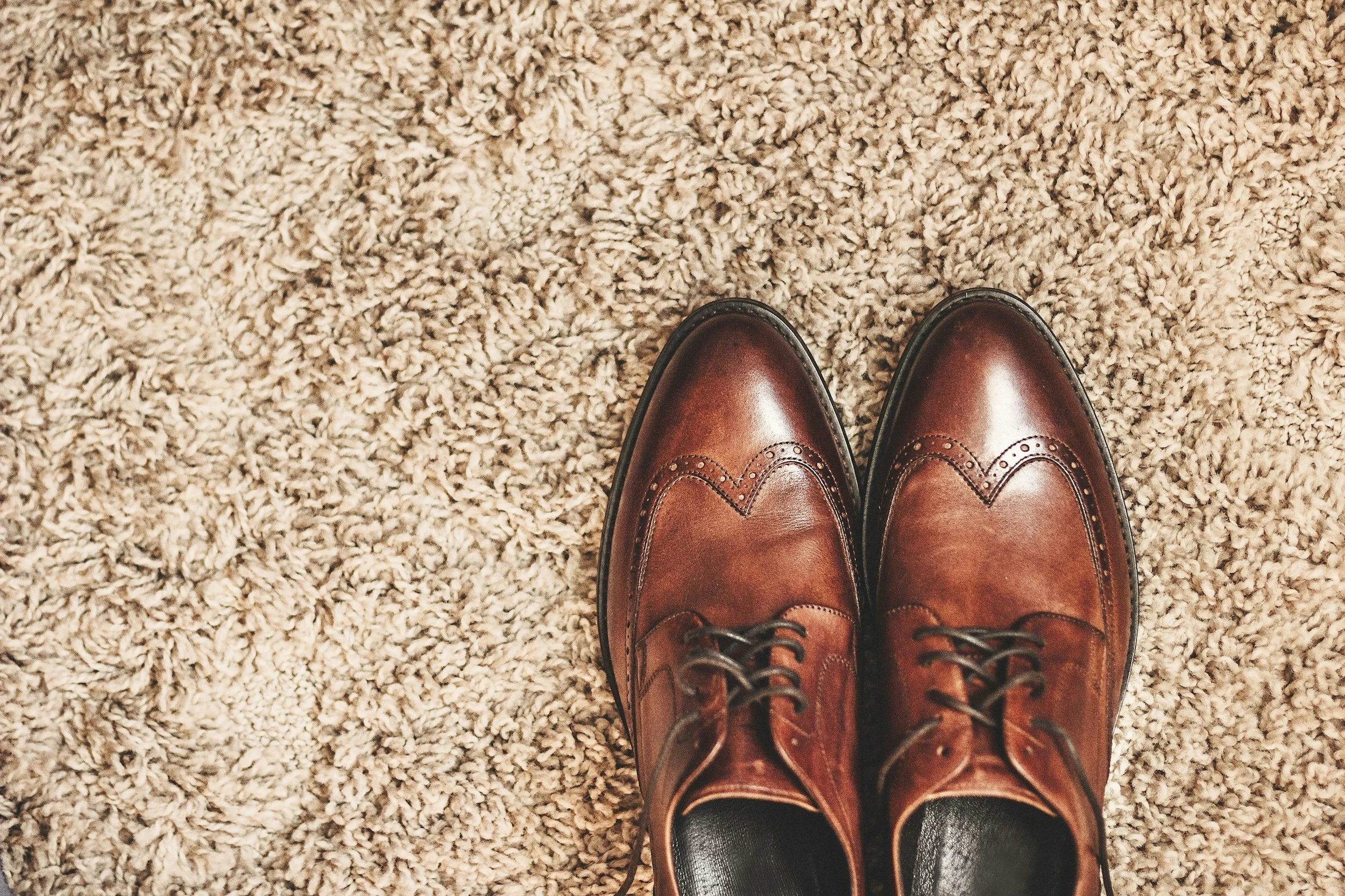
Walking shoes indoors. Every pair that crosses the threshold carries grit to the same few square feet. A shoe rack by the door costs less than a single cleaning visit.
Cheap spot treatments. Some store-bought sprays set stains instead of lifting them, especially on wool. Test anything new on a hidden scrap first.
Direct sun on one side of a room. Fading is permanent, and no cleaning method reverses it. Rotate area rugs so the fade spreads evenly instead of pooling in one stripe.
Getting More Years Out of the Carpet You Already Own
You don't need to replace anything to fix the way your floors read. Swap the entry setup, vacuum the lanes more deliberately than the corners, and put real money behind the deep clean on the zones that take the beating. Do that, and your carpet stops announcing which part of the house gets used most. So walk your hallway today and look at where the pile lies flat. If you can see your own traffic pattern in the fibers, that's the sign it's time to act. What's the first room you'd tackle?
HOW DO YOU FEEL ABOUT FASHION?
COMMENT OR TAKE OUR PAGE READER SURVEY
Featured




Preparing a home for overnight guests creates different priorities from ordinary weekly upkeep.