
How to Plan Your Prom Dress Shopping Timeline and Avoid Last-Minute Alterations
PAGE
By PAGE Editor
The dress can look wonderful in a product photo and still create a small crisis the week before prom. Perhaps the hem brushes the floor once you put on your shoes. Maybe the straps need adjusting, or the parcel arrives later than expected. None of these problems is particularly glamorous, but they can turn an otherwise exciting purchase into a stressful countdown.
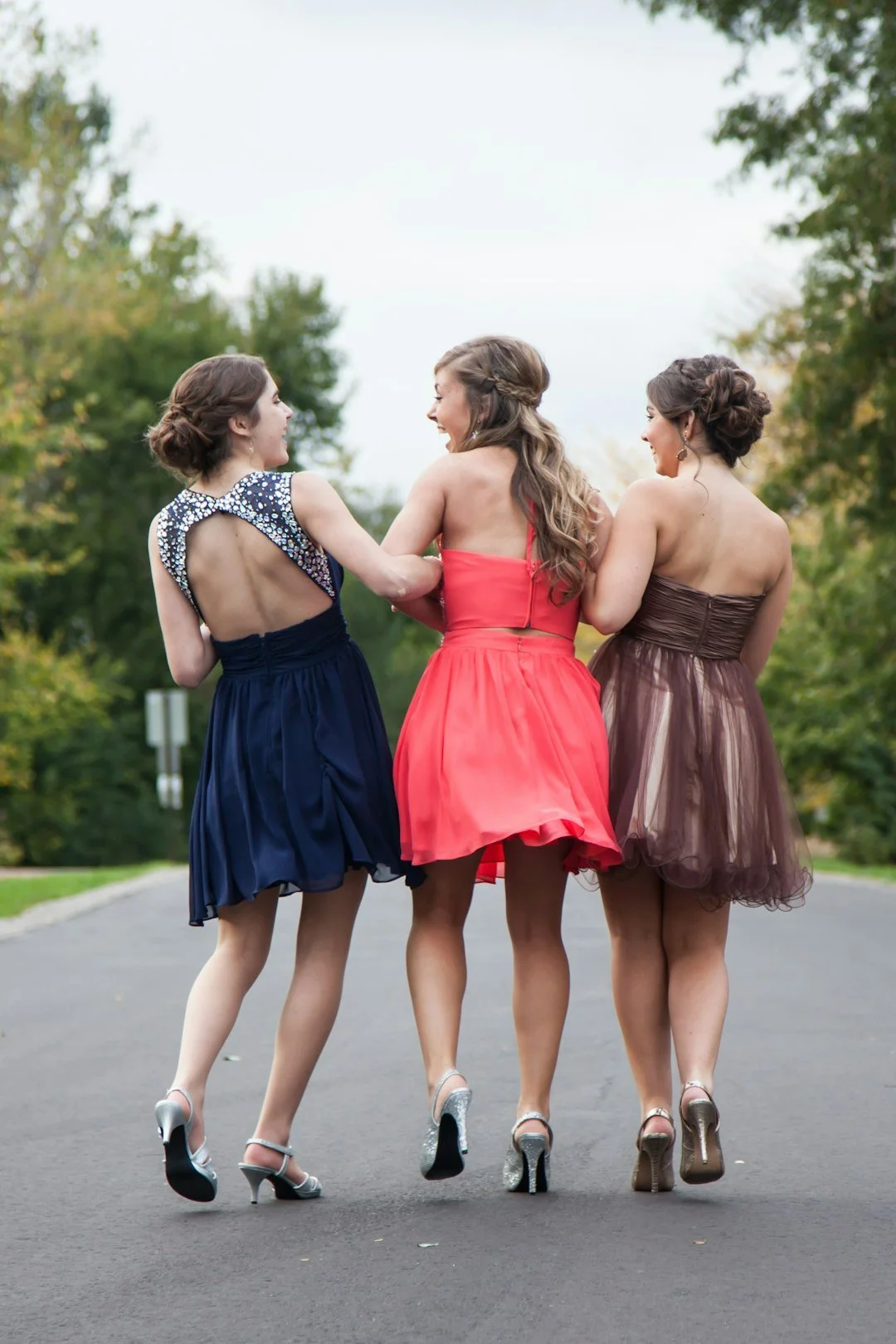
A little planning changes the experience. Instead of choosing a gown and hoping the remaining details sort themselves out, work backward from the event and make a few decisions in order. The more useful questions concern fit, movement, delivery, and what can realistically be changed before the dance. Comparing prom dresses can help you identify the shapes and details you like, but the photos are only the beginning.

Start With the Date, Not the Dress
Write down the prom date, then mark the latest day you would comfortably want the dress in your hands. Leave a separate window for a full try-on and possible alterations. The amount of time you need depends on the garment and your local tailor's availability, so ask about appointments before setting a deadline. A dress that technically arrives before the event can still arrive too late for changes.
Online ordering adds two different clocks: the time needed to prepare or make the garment and the time a carrier needs to deliver it. A quick dispatch label is not a promise of next-day arrival. Look at the estimate for the specific dress, size, destination, and shipping method at checkout. If any part of that timeline is uncertain, treat the earliest possible arrival as a bonus rather than the basis of your plan.
Choose a Shape You Can Live In
A gown has to do more than hold a pose. You will sit through dinner, climb stairs, greet friends, and probably dance. When comparing silhouettes, imagine those movements instead of judging only the front-facing model photo. An A-line skirt generally gives the legs more room, while a close-fitting mermaid cut deserves closer attention around the hips, knees, and flare point. Neither is inherently more comfortable; Construction and fit make the difference.
Small design details also have consequences. A high slit may allow a longer stride but needs checking when sitting. Pockets can be useful, provided they do not distort the skirt when filled. A train can photograph beautifully yet requires management on a crowded dance floor. Before making a shortlist, decide which compromises you would actually accept. If you cannot picture walking naturally in a particular design, save it as inspiration rather than your first purchase choice.
Measure Before Choosing a Size
Take fresh measurements rather than relying on the number printed inside an everyday dress. Use a flexible tape for the bust, natural waist, and hips, keeping it level without pulling it tight. Have someone help if possible, and repeat each measurement to catch obvious errors. Compare the results with the chart for the selected gown, especially when the bust, waist, and hip measurements point to different sizes.
This is the moment to compare prom dresses using more than color filters. Look closely at whether a chosen style is fitted through the hips, has adjustable straps, or requires a particular length measurement. If your measurements fall between sizes, ask the retailer what it recommends for that specific construction.
For a floor-length gown, consider the shoes you intend to wear before deciding on length. Measure according to the retailer's instructions, noting whether they ask for hollow-to-floor measurements, height, or additional length for heels. A hem should suit the shoes you can comfortably keep on, not a pair you expect to abandon after the first song.
Budget for the Entire Look
Set a total spending limit and divide it into categories before browsing seriously. The dress is only one part. Shoes, undergarments, a small bag, shipping, and possible tailoring all compete for the same budget. If an elaborate gown uses almost everything you can spend, you may have little flexibility when the hem needs work or the intended shoes do not suit the length.
Read the Order Terms Carefully
Before paying, check the garment's preparation estimate, delivery options, cancellation rules, and return conditions. Standard sizing and made-to-measure orders may carry different restrictions. A general return window does not necessarily mean an altered, worn, or custom-sized gown can be sent back for any reason. If the information on a product page and a policy page seems inconsistent, ask the retailer for written clarification about your order before proceeding.
Also consider what will happen if the fit needs work. Find a local alterations specialist and ask which changes are realistic for the gown's fabric and construction. Shortening a simple hem is a different undertaking from reshaping a heavily beaded bodice. Check whether the tailor needs an appointment and whether they want you to bring the actual shoes and undergarments. A backup plan is far more useful when arranged early.
Do One Complete Dress Rehearsal
When the gown arrives, try it on promptly at home, keeping any return-eligible item clean and tagged while you assess it. Put on the intended shoes and undergarments, then check the neckline, straps, waist, and hem in natural light. Walk across the room, sit in a chair, raise your arms, and turn around. Photographing the outfit from the side and back may reveal problems that a front-facing mirror misses.
If something needs correcting, describe the precise issue to the tailor: the hem catches under your heel, the bodice shifts when you sit, or a strap slides when you move. Avoid vague requests to make the dress “fit better.” Once any adjustments are finished, rehearse again with the complete outfit. Store everything together, including a small emergency kit with appropriate fashion tape or safety pins for minor issues, not structural repairs.
Leave the Final Days for Enjoying Prom
Good prom planning is less about following a rigid shopping calendar than making room for decisions that cannot be rushed. Choose a silhouette that suits the evening, measure against the actual garment chart, check the full order timeline, and reserve time for one honest fitting. Those steps give you a clearer basis for saying yes to a dress.
The finished look should feel like something you can wear through the entire evening, not just for the first photograph. When the shoes, hem, and details are settled ahead of time, the last few days can belong to friends, plans, and the occasion itself.
HOW DO YOU FEEL ABOUT FASHION?
COMMENT OR TAKE OUR PAGE READER SURVEY
Featured



Plan strip lighting for shelves, ceilings, and cabinets. Learn how placement, power, controls, and cutting affect the finished look.