
Mental Health Services in Clinton, MD: When Should You Seek Professional Help?

PAGE
By PAGE Editor
Mental health is an important part of everyday life. It affects how people think, feel, behave, and handle daily responsibilities. Everyone experiences stress or difficult emotions from time to time. However, some problems can continue and become harder to manage. Changes in mood, sleep, energy, or behavior may indicate that someone needs additional support. Recognizing these changes is an important first step.
People seeking professional care can explore Mental Health Services in Clinton, MD at Altitude Behavioral Care and Integrative Health. Qualified professionals can help them understand their symptoms and find suitable treatment options. Some individuals may need therapy, while others may benefit from psychiatric evaluations or medication management.
Professional support can make a positive difference in a person's life. Early attention may help prevent symptoms from becoming more difficult to manage. The common warning signs can help individuals make informed decisions about their mental well-being. They can also recognize when professional guidance may be useful.
Recognizing Common Mental Health Symptoms
Mental health symptoms can affect people in different ways. Some individuals experience emotional changes, while others notice changes in their thoughts, behavior, or physical health. These symptoms may appear gradually or develop after a difficult life event. Understanding them can help people recognize when something is affecting their well-being.
Common symptoms may include ongoing sadness, excessive worry, irritability, and difficulty concentrating. Some people may lose interest in activities they once enjoyed. Others may experience changes in appetite, sleeping patterns, or energy levels. These experiences can affect work, education, relationships, and daily responsibilities.
Not every difficult emotion indicates a mental health condition. However, symptoms that continue for a long time or interfere with everyday life deserve attention. A qualified professional can help identify possible causes and recommend appropriate support. Early recognition can also help individuals understand when their symptoms need further evaluation.
Signs You May Need Support
Knowing when to seek professional help can sometimes be difficult. People may try to manage their concerns alone. However, certain signs suggest that additional support may be helpful. Paying attention to these changes can prevent individuals from ignoring important mental health needs.
Consider seeking professional guidance if you experience:
Ongoing Sadness: Feeling low for extended periods.
Frequent Anxiety: Constant worry or fear.
Sleep Problems: Difficulty sleeping or oversleeping.
Social Withdrawal: Avoiding friends and family.
Mood Changes: Frequent emotional ups and downs.
Daily Struggles: Difficulty completing normal responsibilities.
These signs can affect personal and professional life. Some people may also experience difficult relationship patterns or repeated emotional conflicts. Learning about the 12 Traits of a Narcissist can help individuals understand certain behaviors, such as a lack of empathy or a strong need for admiration. However, these traits alone do not confirm a diagnosis. If symptoms affect daily life, speaking with a qualified professional can help identify suitable next steps.
Importance of Early Mental Health Care
Early mental health care can help individuals understand their concerns before they become more difficult to manage. When people recognize symptoms and seek guidance, they have an opportunity to discuss their experiences with a trained professional. This can help them identify possible triggers and understand their emotional needs.
Early support may also improve daily functioning. Therapy can teach practical ways to manage stress, understand emotions, and respond to difficult situations. Some individuals may also benefit from medication or other forms of psychiatric care. The right approach depends on their symptoms and professional assessment.
Waiting too long can sometimes make mental health challenges harder to manage. Symptoms may affect sleep, relationships, concentration, and physical well-being. Early attention does not guarantee that every concern will disappear quickly. However, it can provide useful guidance and help individuals take positive steps toward better mental health.
Understanding Psychiatric Evaluations
A psychiatric evaluation is an important step in understanding a person's mental health needs. It allows a qualified professional to learn about symptoms, personal experiences, and medical history. The purpose is to understand the individual's concerns and consider whether a mental health condition may be present.
During an evaluation, the provider may ask questions about mood, sleep, appetite, behavior, and daily activities. They may also discuss family history, current medications, and previous treatment. Patients should answer honestly and share any concerns they have. Open communication helps the professional develop a clearer understanding of the situation.
The following table explains some common areas that may be discussed during a psychiatric evaluation:
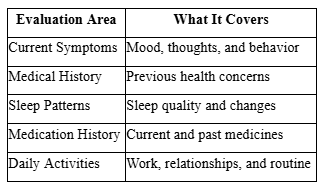
After the assessment, the provider may discuss possible diagnoses and treatment recommendations. Some individuals may need further evaluation or regular follow-up appointments. Others may benefit from therapy, medication management, or a combination of approaches.
Personalized Mental Health Treatment Options
Mental health treatment should reflect each person's needs and circumstances. Different individuals may experience similar symptoms but require different types of support. A professional can recommend suitable options after reviewing symptoms, medical history, and personal treatment goals.
Common treatment options include:
Individual Therapy
Cognitive Behavioral Therapy
Medication Management
Family Counseling
Telepsychiatry
Therapy can help individuals understand their emotions and develop healthier coping skills. Cognitive behavioral therapy focuses on recognizing unhelpful thought patterns and developing practical ways to manage them. Medication may be recommended when clinically appropriate. People who want to understand the 12 Traits of a Narcissist may also explore related relationship concerns and behavioral patterns. They can discuss these concerns with a qualified mental health professional. This can help them explore healthy boundaries and emotional well-being without making assumptions about a diagnosis.
Regular appointments allow providers to review progress and discuss any changes in symptoms. Treatment plans may also be adjusted as a person's needs change. Some individuals may benefit from combining therapy and medication, depending on professional recommendations. Patients should discuss their preferences and concerns with their provider before choosing a treatment approach.
Finding Professional Support in Clinton
Finding suitable mental health care begins with identifying personal needs. Individuals should consider the symptoms they are experiencing and the type of support they may need. They can start by contacting a qualified psychiatrist or mental health provider. A primary care professional may also help them understand where to seek further support.
When comparing providers, consider their qualifications, experience, available services, appointment options, and accepted insurance plans. It is also helpful to ask whether they offer psychiatric evaluations, therapy, and medication management. Clear communication about these details can make the process easier and help individuals choose a provider who understands their concerns.
People searching for Mental Health Services in Clinton, MD should choose a provider who listens carefully and explains treatment options clearly. Feeling comfortable during appointments can make it easier to discuss personal concerns. Preparing for the first appointment can also help. Write down your symptoms, questions, current medications, and any changes you have noticed. If someone is at immediate risk of harming themselves or others, they should seek emergency assistance rather than wait for a routine appointment.
Conclusion
Recognizing mental health symptoms is an important part of protecting overall well-being. Ongoing sadness, anxiety, sleep problems, and changes in behavior may indicate a need for professional guidance. Individuals should not ignore symptoms that interfere with their daily lives. Seeking help is a positive step, not a sign of weakness.
Professional care can help people understand their concerns and explore suitable treatment options. Therapy, psychiatric evaluations, and medication management may support better emotional health when recommended by qualified professionals. People considering Mental Health Services in Clinton, MD can explore appropriate care with qualified providers. Taking action at the right time can help individuals move toward a healthier and more balanced life.
HOW DO YOU FEEL ABOUT FASHION?
COMMENT OR TAKE OUR PAGE READER SURVEY
Featured





Fleet owners running dump trucks in construction, aggregates, demolition, or waste hauling face a persistent operational challenge that rarely gets enough direct attention: knowing exactly how much their trucks weigh at any given point in the loading and transport cycle.