
P. Andrade Turns Brazilian Cultural Memory Into A Global Fashion Language At Paris Fashion Week
PAGE
By PAGE Editor
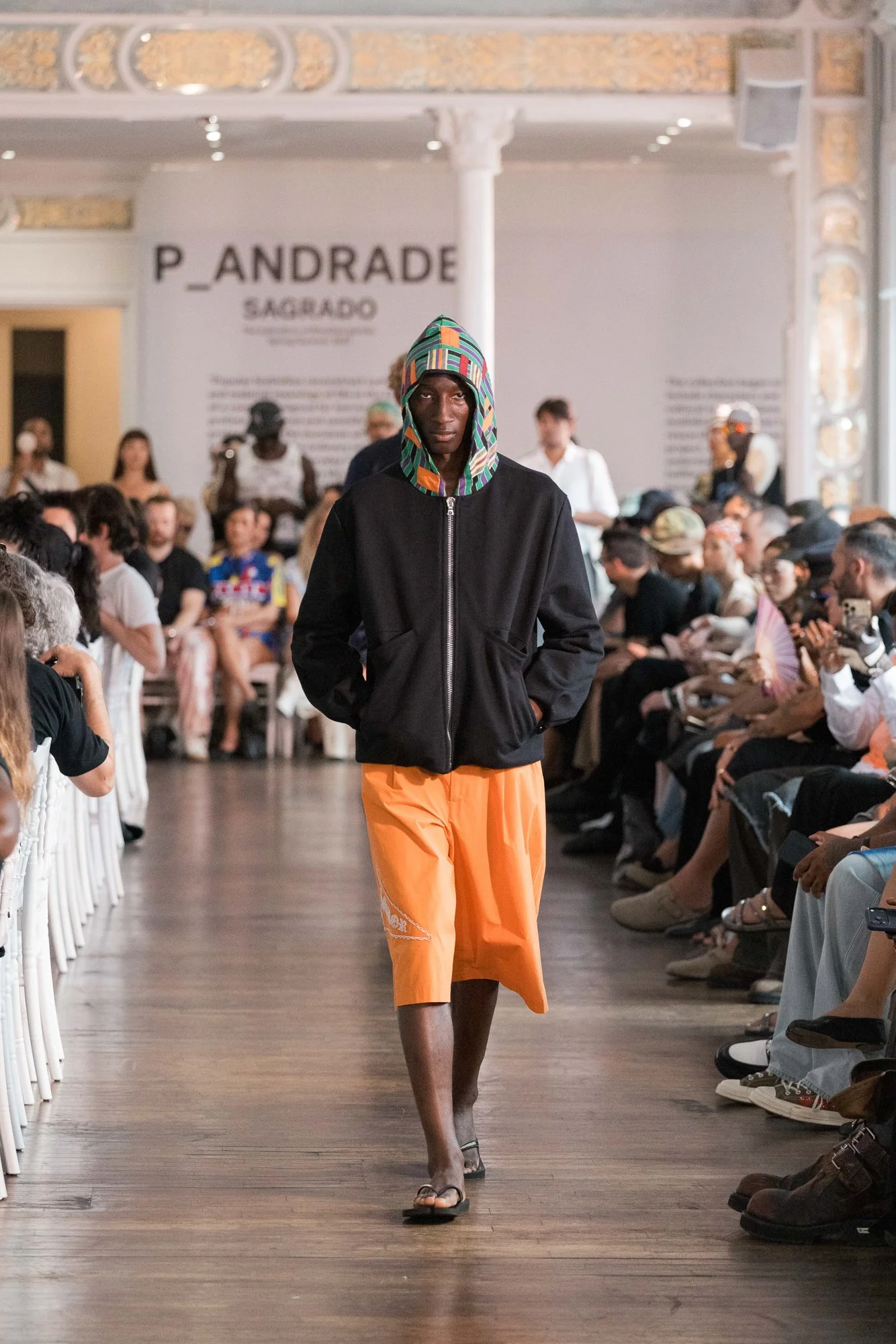
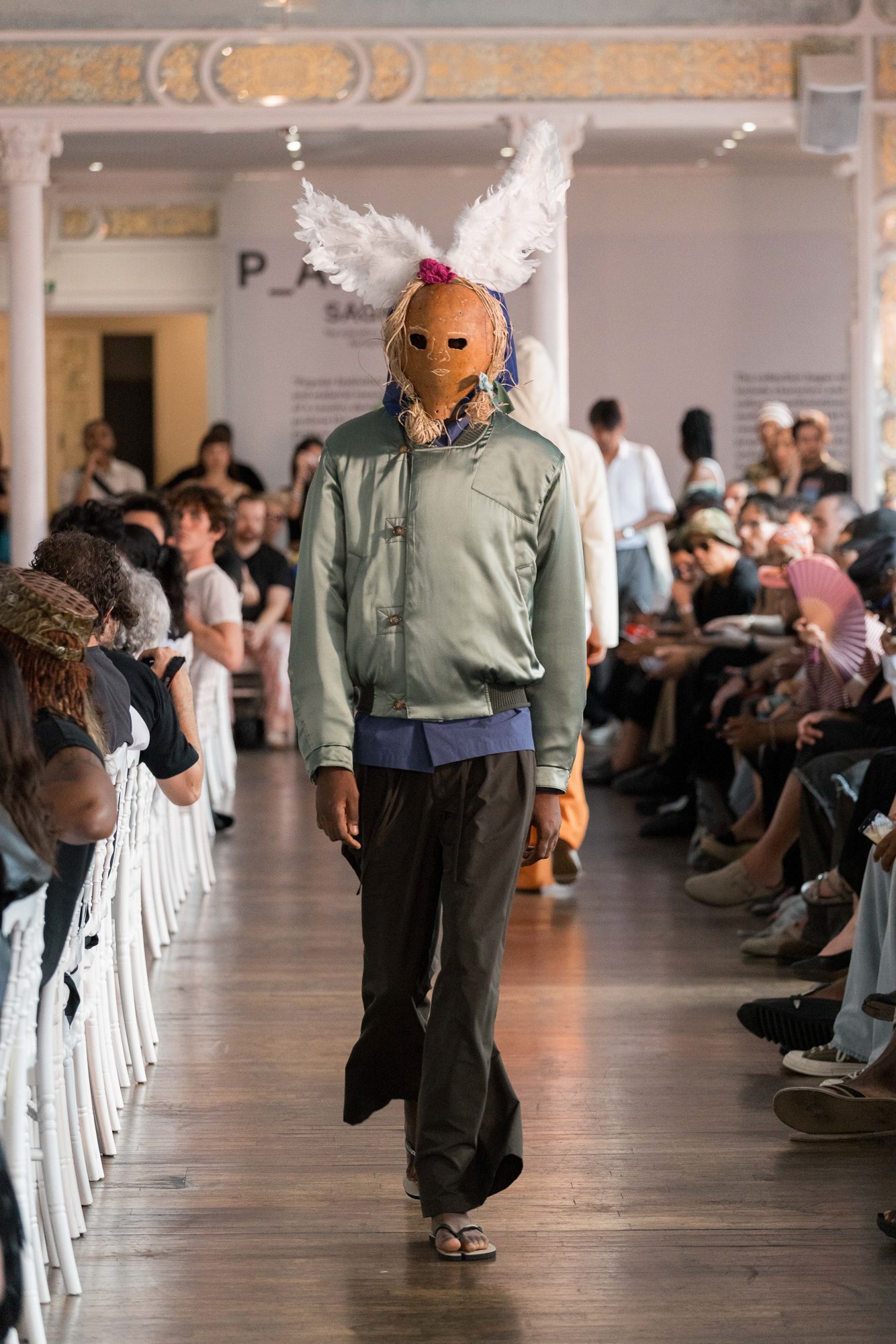
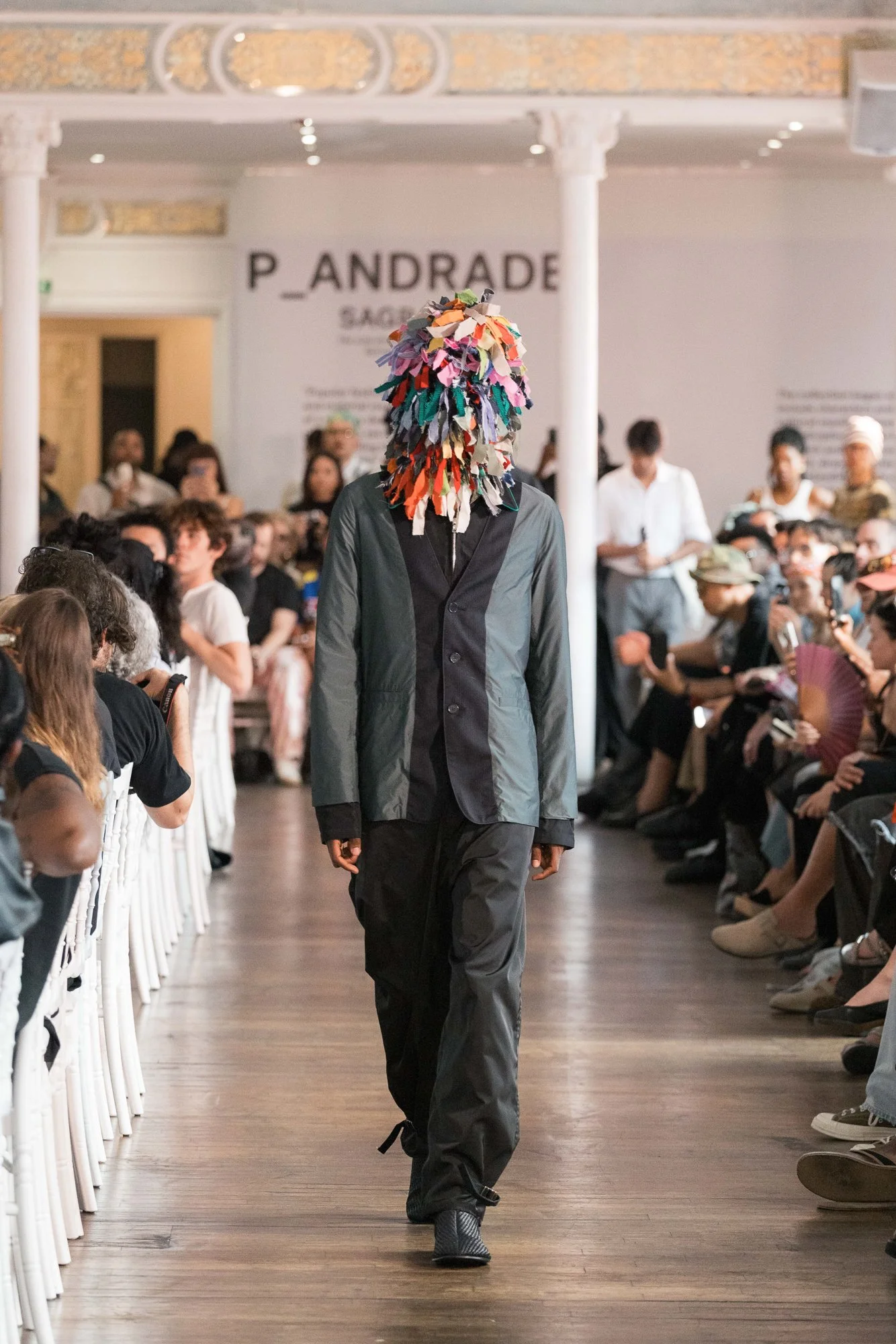
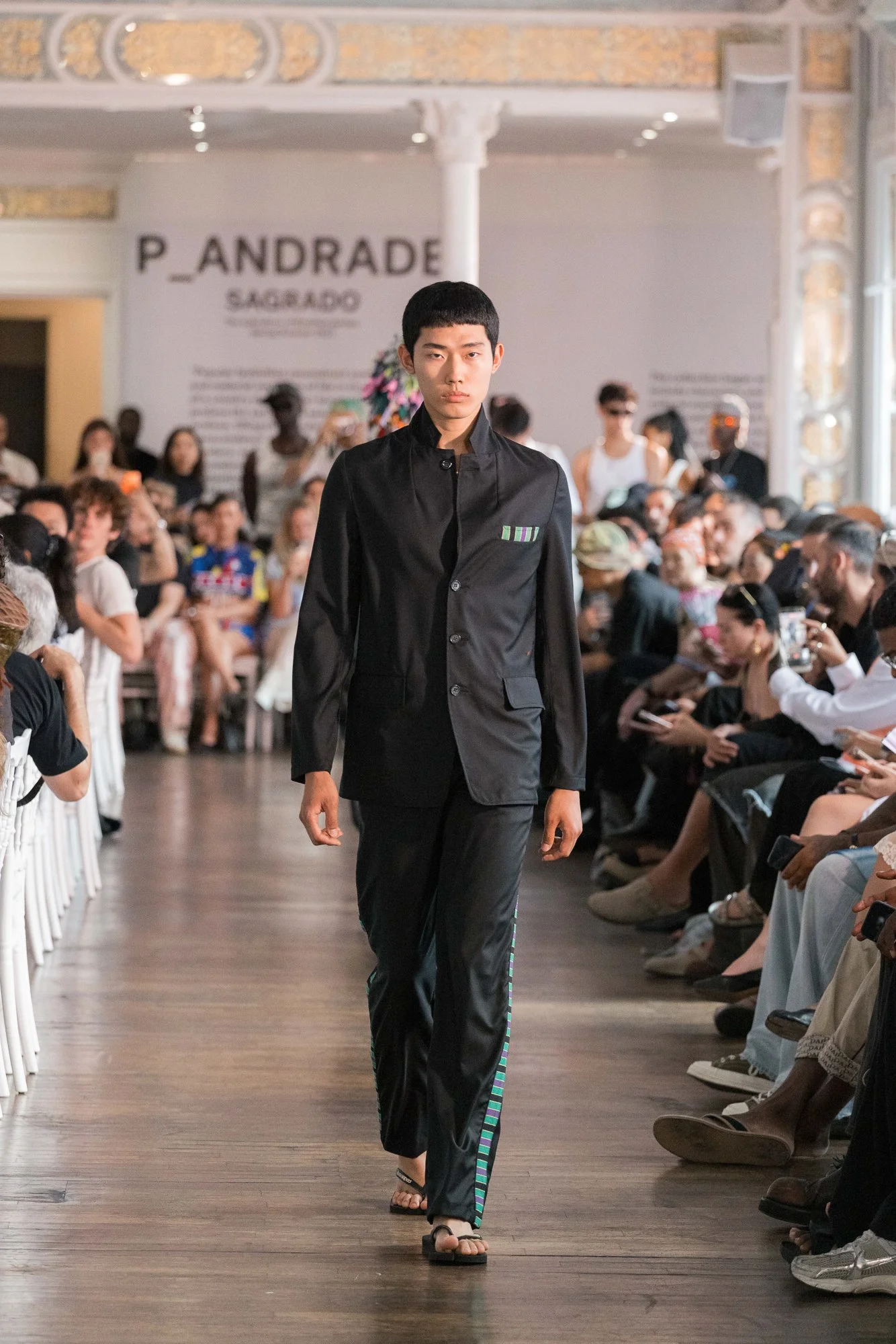
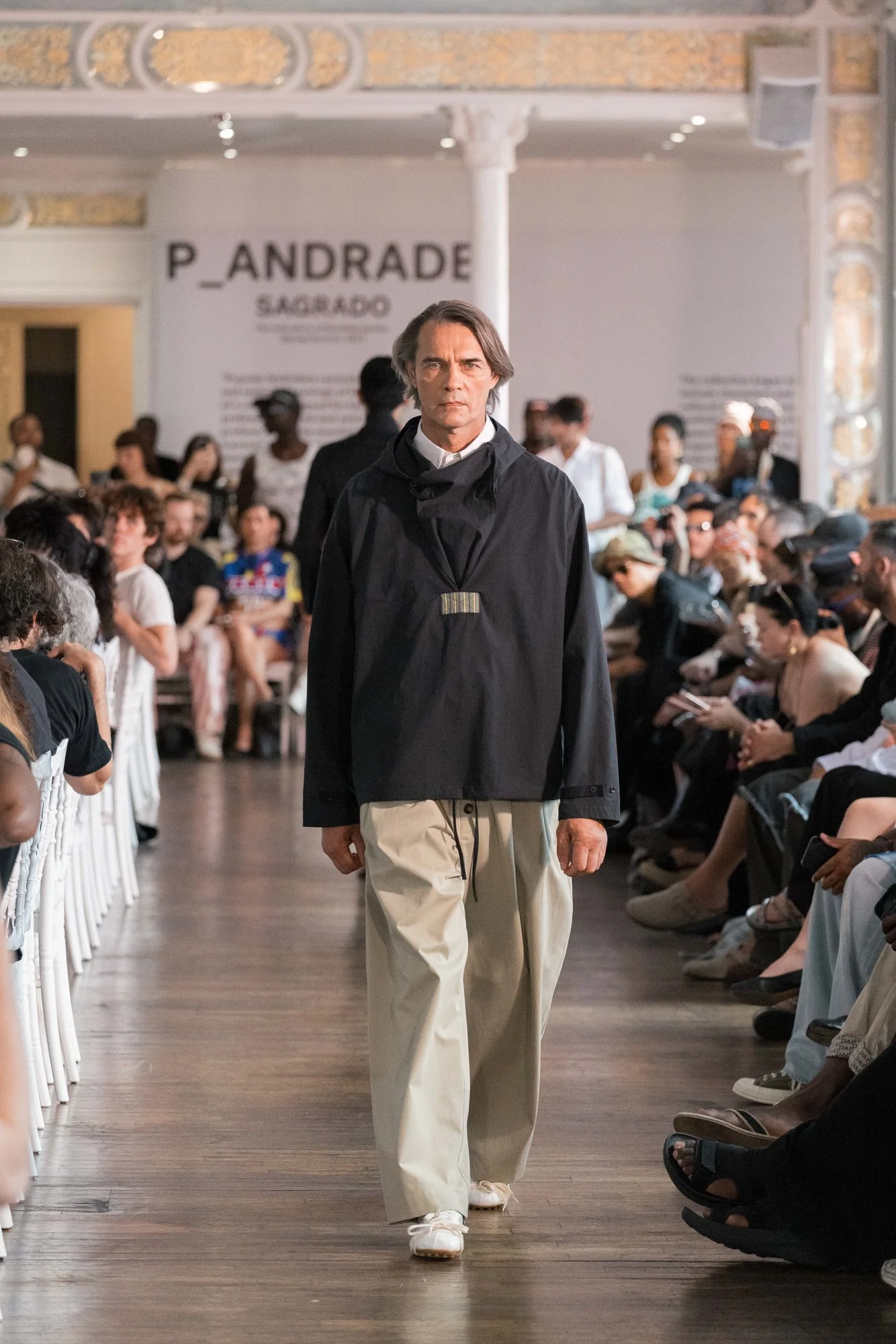
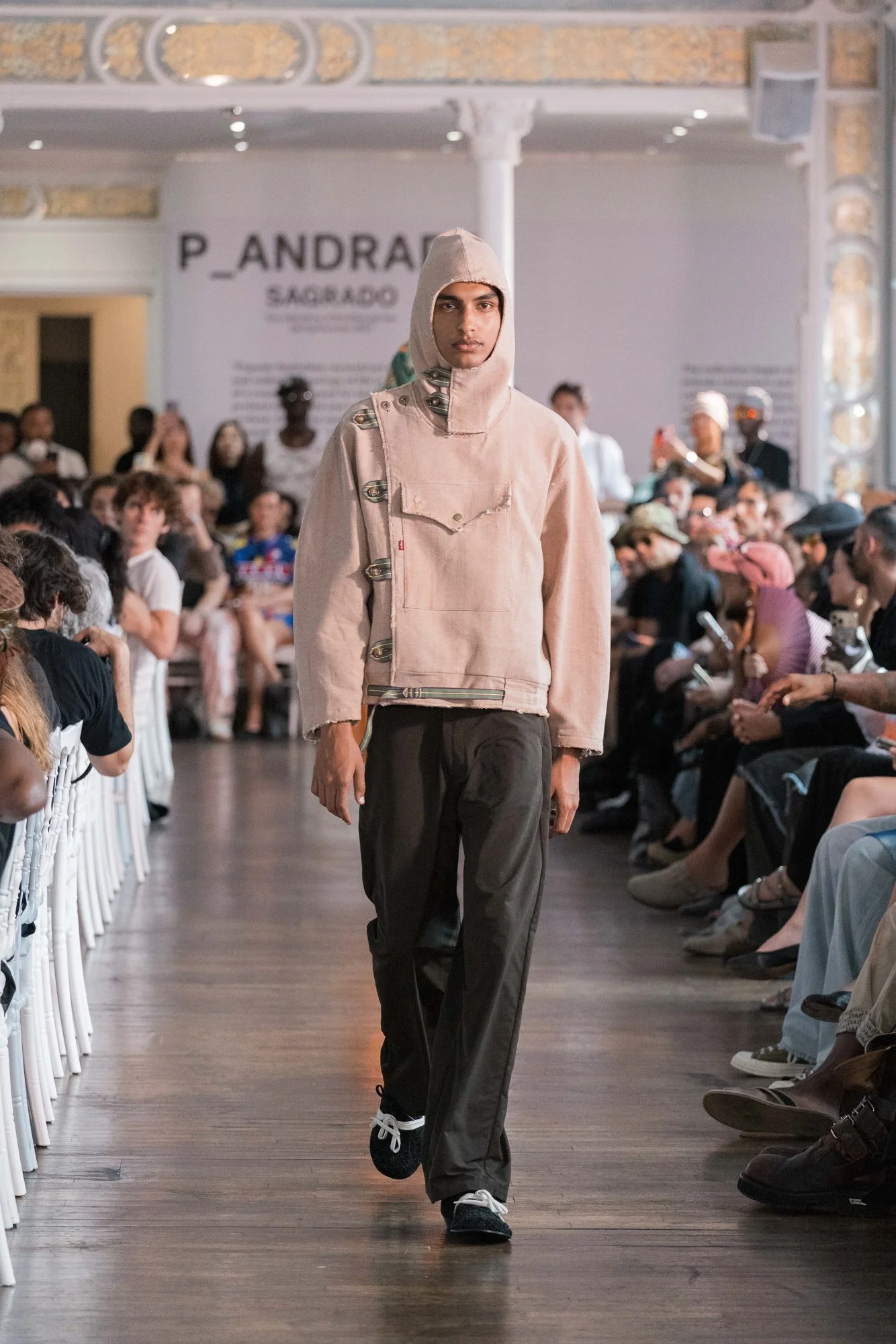
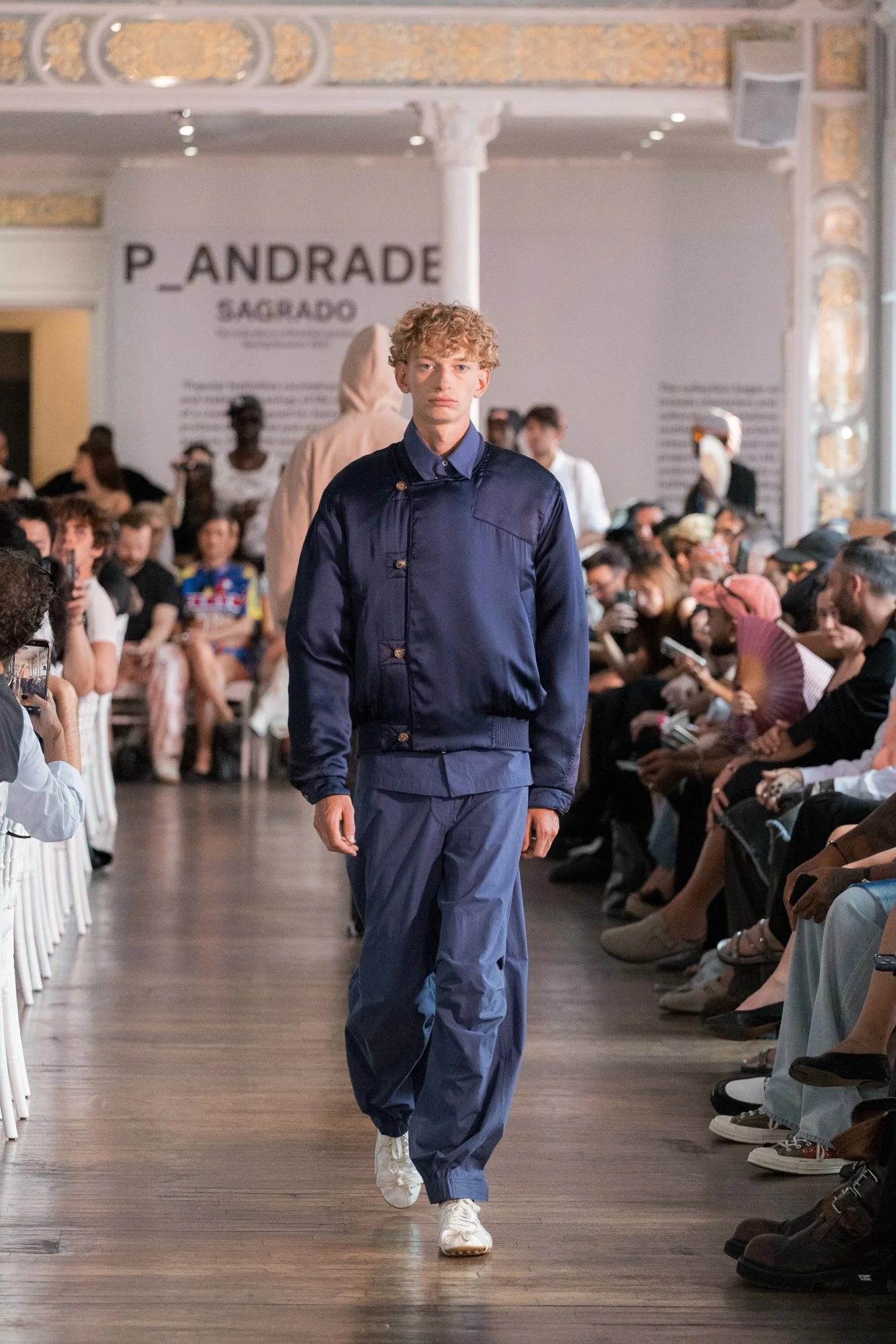
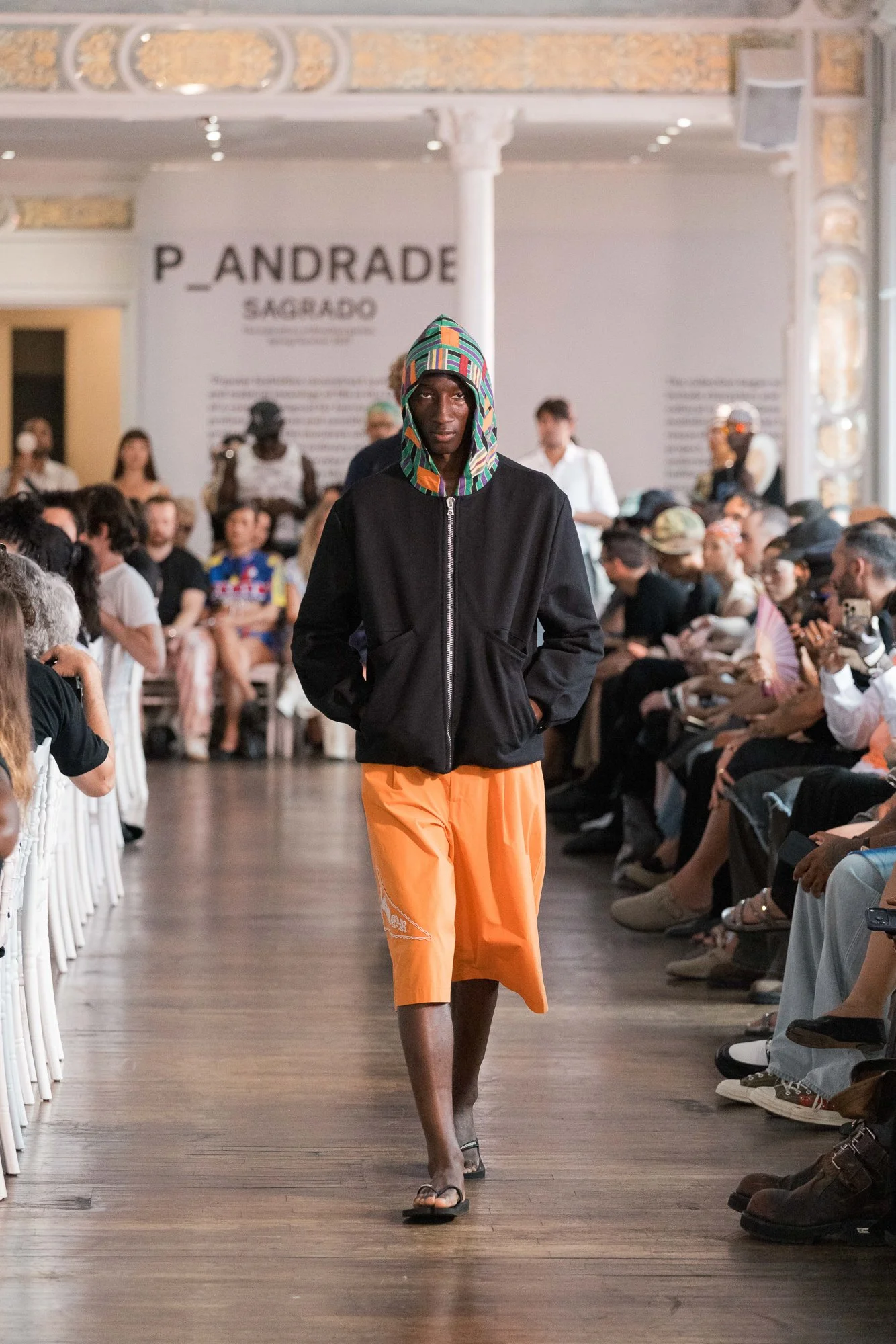
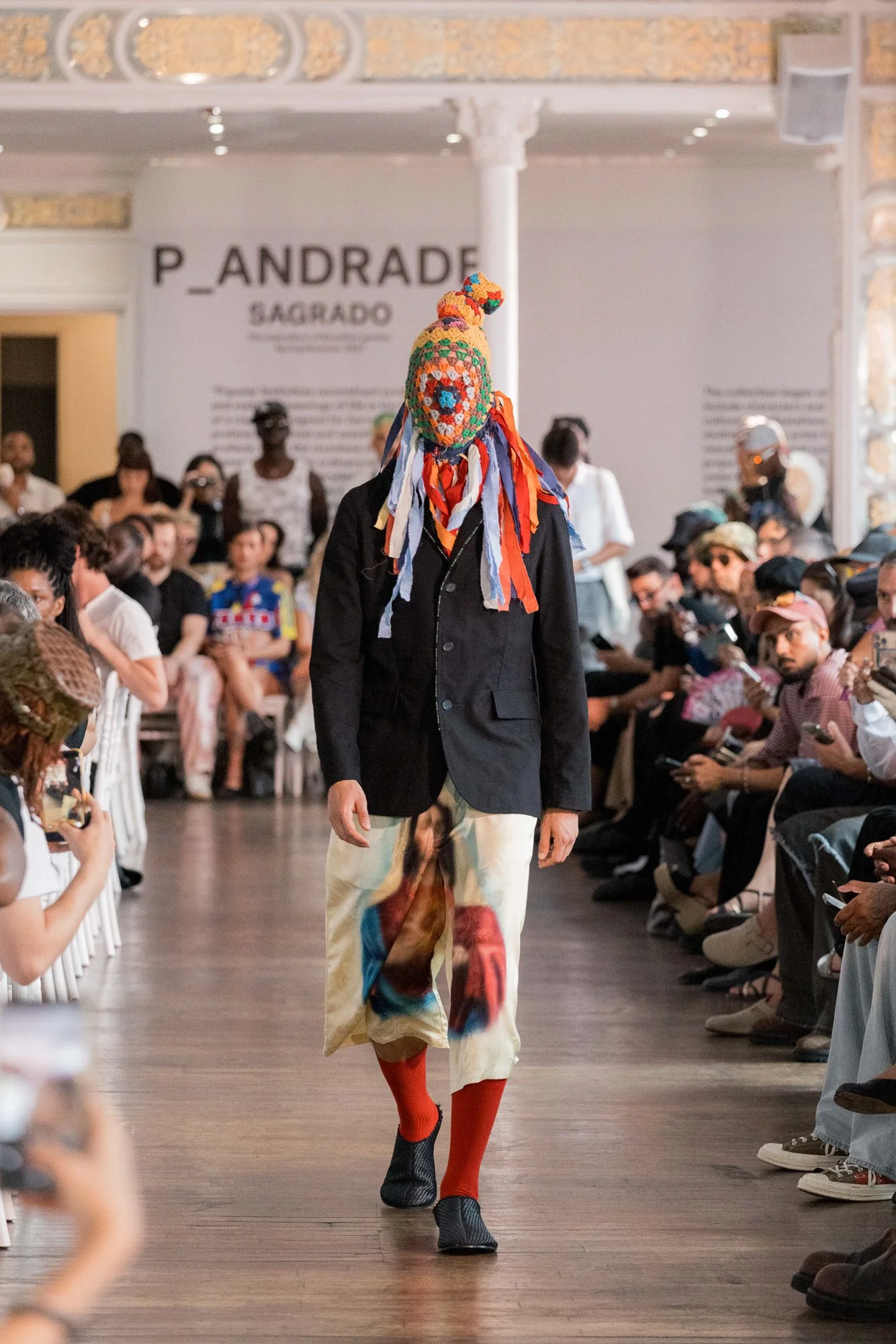
For many brands, cultural storytelling begins and ends with visual references. For P. Andrade, it begins with research. The Brazilian label founded by Pedro Andrade and Paula Kim returned to the official Paris Fashion Week menswear calendar with Sagrado, a Spring/Summer 2027 collection that approached fashion less as spectacle and more as cultural documentation. Rather than revisiting the globally recognizable imagery of Carnival, the designers expanded the conversation to encompass Brazil's lesser-known festive traditions, presenting a collection that examined the rituals, craftsmanship, and communities that have shaped the country's cultural identity for generations.
The presentation signals another milestone for the label following its historic debut as the first Brazilian brand to join the official Paris menswear calendar in 2025. More importantly, it reinforces P. Andrade's growing position as one of fashion's most compelling examples of how national identity can be translated into contemporary luxury without relying on nostalgia or stereotype.
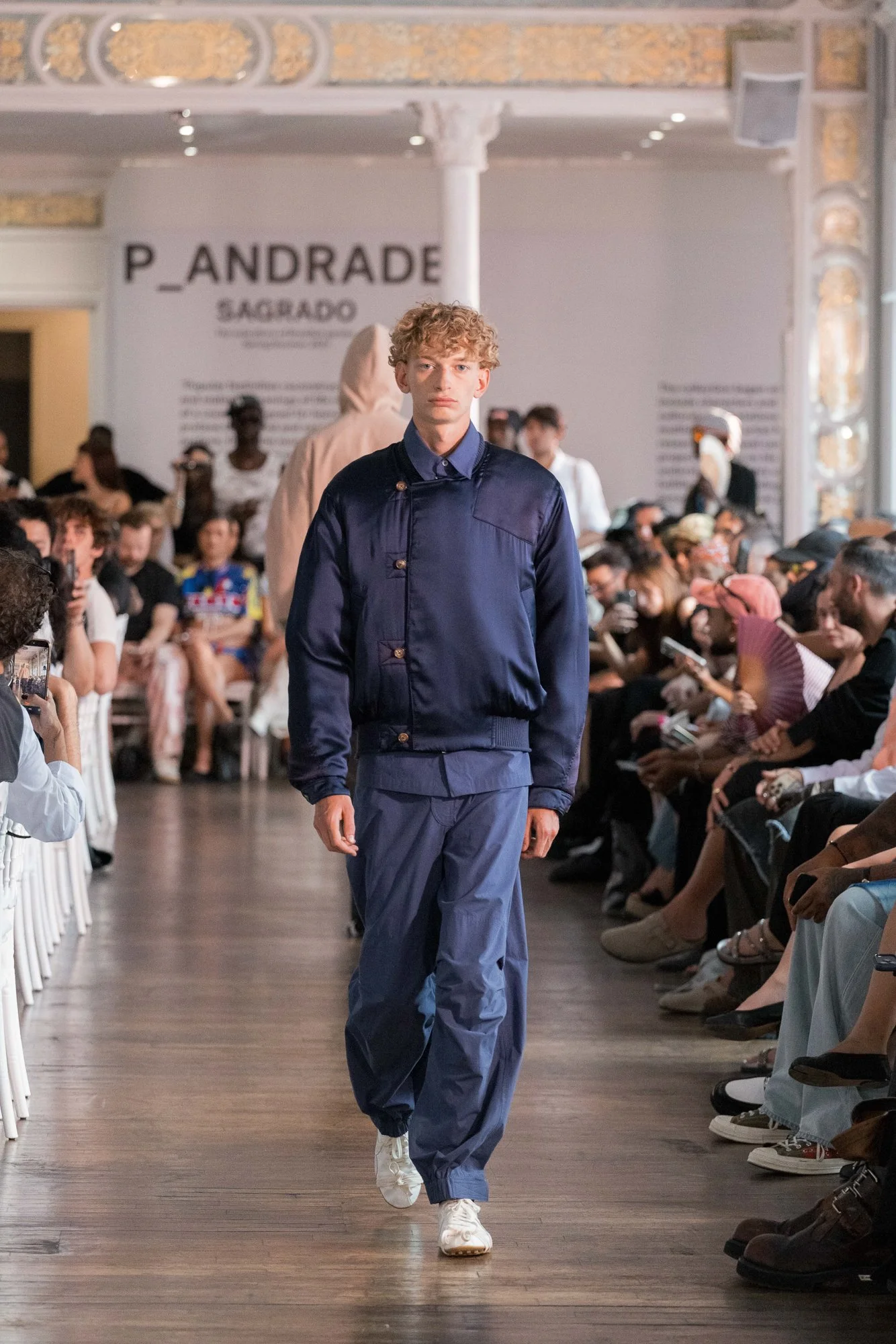
Built over the course of a year, Sagrado emerged from extensive field research conducted alongside Rudah Ribeiro of Goma Studios. Together, the team traveled through Brazil documenting regional celebrations, masks, ceremonial garments, flags, and symbolic traditions that rarely receive international attention. The resulting collection of approximately 30 looks reflected that process, transforming historical references into garments that felt distinctly modern while remaining deeply connected to their origins.
"The bate-bolas were only an entry point into the much broader and more extensive universe of Brazil's festive subcultures," Pedro Andrade explains. "Throughout the research, we realized that there were countless popular traditions that deserved to be explored."
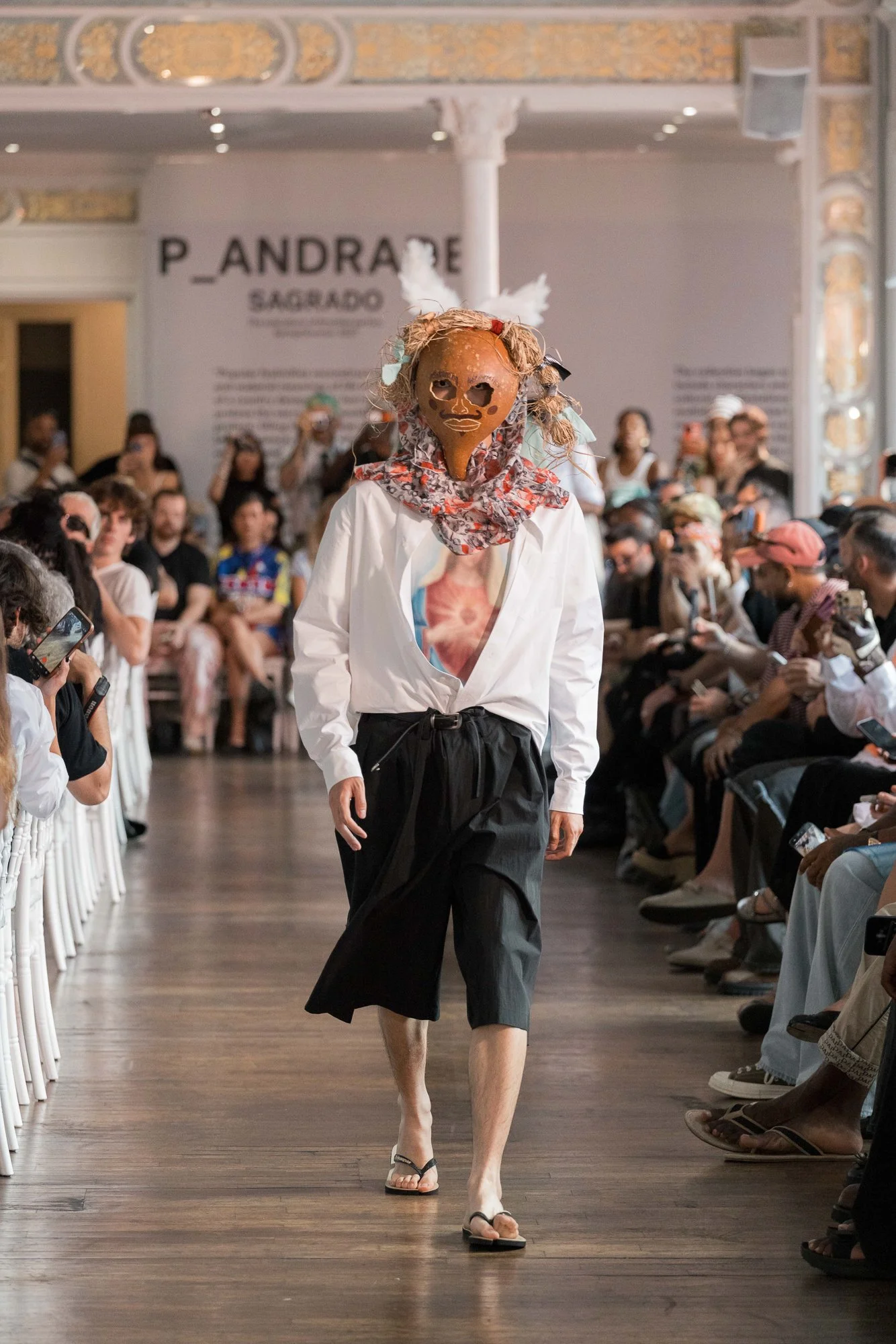
That philosophy became the defining characteristic of the collection. Rather than treating Brazilian culture as a singular aesthetic, Sagrado proposed Brazil as a mosaic of regional identities, each with its own visual language, mythology, and craft traditions. Masks designed with multidisciplinary artist Novíssimo Edgar became central narrative devices throughout the show, while the runway itself functioned almost as a moving exhibition of cultural preservation.
The production reinforced that ambition. French cinema icon Pierre Richard opened the presentation with a live narration that framed the collection's story before the first model appeared. Richard's participation felt particularly meaningful given his longstanding personal relationship with Brazil through his wife, Ceyla Lacerda, whose work with Indigenous women artisans centers on preserving traditional craftsmanship while creating sustainable economic opportunities for their communities.
Rather than serving as celebrity casting, Richard's presence established an atmosphere rooted in cultural exchange. It underscored the designers' commitment to presenting Brazilian identity through authenticity rather than exoticism—a distinction that has become increasingly important as global luxury brands seek inspiration from historically underrepresented cultures.

Among the collection's strongest statements was its integration of Brazilian craftsmanship into contemporary production. Seven embroiderers from Timbaúba dos Batistas, in Rio Grande do Norte, produced eighteen handcrafted flags inspired by symbols discovered during the research process. Created using pedal-powered sewing machines alongside traditional Richelieu embroidery and satin stitching, the works represented generations of regional expertise appearing on an international runway for the first time.
Equally significant was the continuation of P. Andrade's sustainability agenda. Through its partnership with Instituto Riachuelo, thirteen runway looks—including T-shirts, sweatshirts, and tailored trousers—were manufactured using Brazilian production networks emphasizing traceability and local sourcing. Agroecological cotton cultivated through the Agro Sertão initiative in Rio Grande do Norte and naturally dyed indigo grown in Paraíba demonstrated how environmental responsibility can exist alongside luxury craftsmanship.
For P. Andrade, sustainability continues to function less as a marketing category than as an extension of cultural preservation. Supporting local agriculture, regional manufacturing, and traditional craft communities becomes another way of protecting Brazilian heritage while building future-facing production systems.
Its ongoing partnership with Levi's evolved beyond previous experiments with bacterial dyeing to introduce denim produced entirely from naturally colored agroecological cotton developed alongside Natural Cotton Color. The project offers a glimpse into how regenerative agriculture could reshape denim manufacturing while reducing dependence on synthetic dye processes.
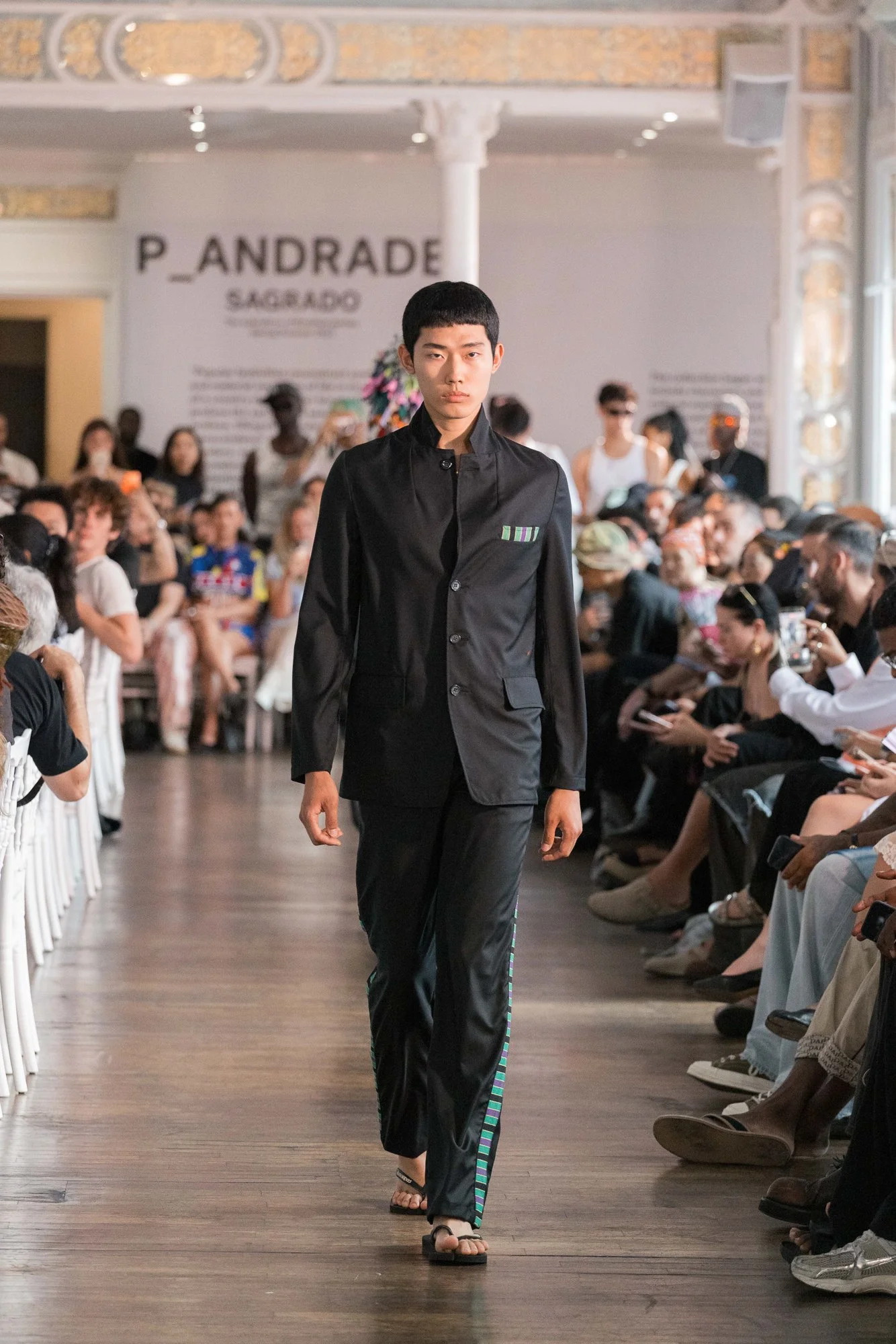
Elsewhere, footwear collaborations with Phileo Paris and Havaianas illustrated the label's ability to bridge Brazilian heritage with international design perspectives. A preview of an emerging relationship with Nike hinted at the growing commercial recognition surrounding the brand's design philosophy, while Shiseido debuted its upcoming men's Ultimune product within the show's beauty direction under Helder Rodrigues.
Taken together, these partnerships suggest that P. Andrade is no longer simply participating in conversations around sustainability and cultural storytelling—it is increasingly influencing how larger global brands approach them.
Paula Kim has spoken about wanting viewers to leave the presentation with curiosity rather than certainty. That aspiration permeated every aspect of Sagrado. Instead of presenting definitive answers about Brazilian identity, the collection invited further exploration. It challenged familiar narratives while celebrating the complexity that exists beyond them.
As luxury fashion continues searching for more meaningful forms of storytelling, P. Andrade offers an increasingly persuasive model. Research replaces trend forecasting. Collaboration replaces appropriation. Local knowledge becomes global innovation.
In doing so, Sagrado demonstrates that the future of fashion may depend less on inventing new narratives than on rediscovering the extraordinary stories that have always existed, waiting to be seen.

HOW DO YOU FEEL ABOUT FASHION?
COMMENT OR TAKE OUR PAGE READER SURVEY
Featured


Better With Age’s FW26 “STOLEN ART” collection expands its circular design philosophy into refined tailoring and limited-edition eyewear, transforming vintage textiles and antique silver flatware into contemporary pieces with a distinct sense of history.