
Professional Retaining Wall Construction Guide for Durable, Stable, and Aesthetic Outdoor Designs
PAGE
By PAGE Editor
Introduction
Outdoor spaces are an essential part of any property, and their design plays a major role in both functionality and appearance. One of the most important structural elements used in landscaping is a retaining wall, which provides support to soil, prevents erosion, and helps create usable and visually appealing outdoor areas. Without proper structural support, sloped or uneven land can lead to soil movement, drainage problems, and long-term damage to surrounding structures. A professionally built retaining wall not only stabilizes the landscape but also transforms difficult terrain into practical, organized, and attractive spaces. It allows homeowners to maximize land usage by creating flat surfaces for gardens, patios, pathways, and other outdoor features. At the same time, it adds structure and definition to the landscape, improving the overall aesthetic value of the property. Modern construction techniques have made retaining structures stronger, more durable, and more design-friendly than ever before. With proper planning, high-quality materials, and expert installation, these structures can last for decades while maintaining both strength and beauty. This guide explores everything about retaining wall construction, design, benefits, and long-term care.
Importance of Structural Stability in Landscaping
Sloped and uneven land naturally experiences movement due to gravity, water flow, and environmental changes. Over time, this movement can cause soil erosion, foundation damage, and unsafe outdoor conditions. A properly designed retaining wall helps control these issues by holding soil in place and maintaining stability across different levels of terrain. By supporting soil pressure, retaining structures prevent landslides, reduce erosion, and protect nearby structures such as driveways, gardens, and building foundations. This makes them a critical component in both residential and commercial landscaping projects. In addition to safety, these structures also improve land usability. Slopes that were once unusable can be converted into functional outdoor spaces, increasing both property value and lifestyle convenience.
Planning and Design Considerations
Proper planning is the foundation of a successful retaining structure. Before construction begins, several important factors must be analyzed, including soil type, slope angle, water drainage, and load pressure. Soil type plays a major role in determining the strength and design requirements. Loose or sandy soil requires additional reinforcement, while dense soil may provide more natural support. Engineers and builders carefully evaluate these conditions to ensure the structure can handle long-term pressure. Drainage is another critical factor. Water buildup behind a retaining wall can create excessive pressure, leading to cracks, leaning, or structural failure. To prevent this, drainage systems such as gravel backfill, pipes, and weep holes are integrated into the design. Height and load requirements also influence design choices. Taller structures require stronger reinforcement and more advanced engineering solutions to ensure stability and safety.
Materials Used in Retaining Wall Construction
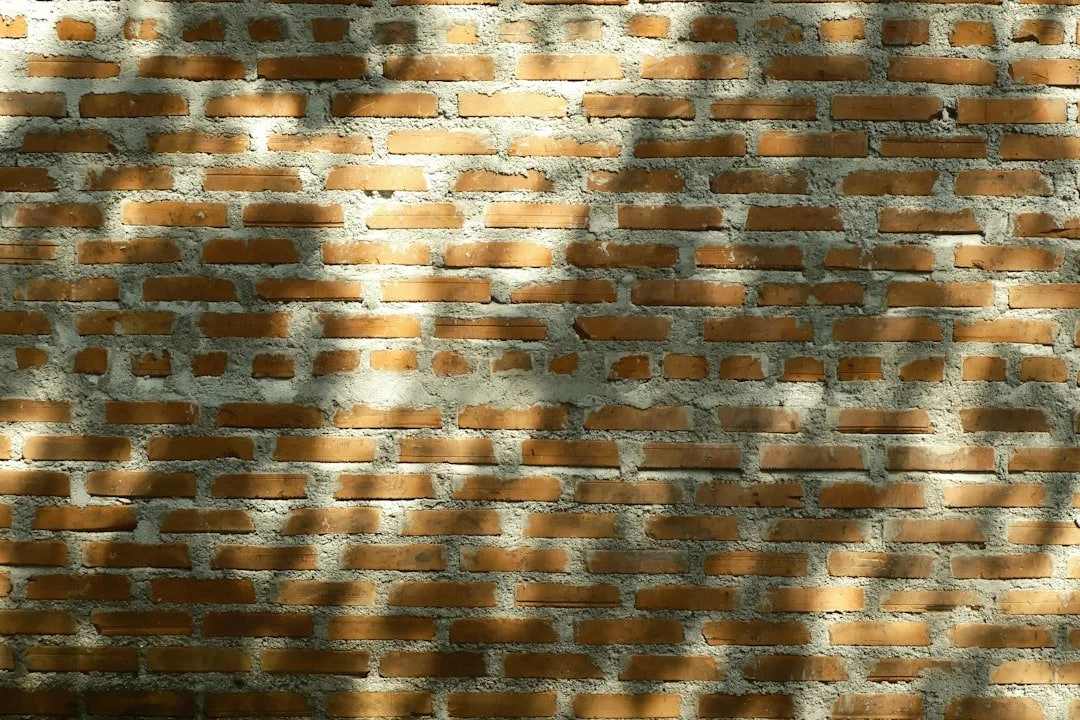
The durability and appearance of a retaining structure depend heavily on the materials used. Different materials offer unique advantages depending on design requirements and environmental conditions. Concrete is one of the most widely used materials due to its strength, durability, and versatility. It can withstand heavy soil pressure and is often reinforced with steel for added support. Natural stone is another popular option, offering a timeless and visually appealing finish. It blends well with outdoor environments while providing strong structural performance. Brick and engineered blocks are also commonly used in modern construction. These materials offer consistent sizing, ease of installation, and flexible design options. A well-built retaining wall depends not only on material selection but also on proper installation techniques and foundation preparation.
Construction Process and Techniques
The construction of a retaining structure involves several important steps that must be executed with precision. The process begins with excavation and site preparation, where the ground is leveled and prepared for a stable foundation. A strong base layer is then installed to support the weight of the structure and the soil behind it. Once the foundation is ready, materials are carefully placed and aligned according to the design plan. Reinforcement may be added depending on the height and load requirements. Drainage systems are installed during construction to prevent water buildup. Gravel layers, drainage pipes, and filter fabrics help manage water flow and reduce pressure on the structure. A skilled contractor ensures that each retaining wall is built with accuracy, proper alignment, and structural integrity to guarantee long-term durability.
Types of Retaining Wall Systems
There are several types of retaining systems used in modern construction, each designed for specific applications and conditions. Gravity walls rely on their own weight to resist soil pressure and are commonly used for smaller applications. They are simple, effective, and often made from stone or concrete. Cantilever walls use reinforced concrete and a base slab to distribute pressure more efficiently. These are suitable for medium to large-scale projects requiring additional strength. Anchored walls include cables or anchors that provide extra support, making them ideal for steep slopes or high-pressure conditions. Segmental block systems are modular and flexible, allowing for easy installation and attractive design options in residential landscaping. Each retaining wall system is selected based on site conditions, soil pressure, and design requirements.
Benefits of Installing Retaining Structures
Retaining walls offer numerous functional and aesthetic benefits. One of the primary advantages is erosion control, as they prevent soil movement and protect landscapes from damage. They also improve land usability by converting uneven terrain into usable spaces such as gardens, patios, and walkways. This increases both functionality and property value. A professionally designed retaining wall enhances visual appeal by adding structure, depth, and organization to outdoor spaces. It creates clean boundaries and improves overall landscape design. Additionally, these structures improve drainage control by directing water flow and reducing the risk of flooding or soil saturation.
Common Issues with Poor Construction
When retaining structures are poorly designed or constructed, several problems can arise. Cracking is a common issue caused by excessive pressure, weak materials, or improper installation. Water buildup behind the structure can also lead to failure if drainage systems are not properly installed. Leaning or shifting may occur due to poor foundation preparation or unstable soil conditions. These issues highlight the importance of professional expertise.
In cities like Seattle, Washington, where hilly terrain and a wet climate can affect outdoor structures, and since many residential properties sit on sloped terrain, retaining walls are often an important part of managing outdoor spaces. If you are a homeowner noticing cracks, shifting, or other signs of wear, seeking professional retaining wall repair in Seattle can help address the problem before it worsens.
A properly built retaining wall is designed to withstand environmental stress and maintain long-term stability.
Maintenance and Long-Term Care
Although retaining structures are built for durability, regular maintenance is essential for long-term performance. Inspecting the structure for cracks, movement, or drainage issues helps identify problems early. Keeping drainage systems clear ensures that water flows properly and does not create pressure buildup. Vegetation near the structure should also be managed to prevent root damage or moisture retention. Occasional cleaning and sealing can further extend the lifespan of certain materials. Proper maintenance ensures that the retaining wall continues to perform effectively and safely over time.
Environmental and Landscape Integration
Modern retaining structures are often designed with environmental considerations in mind. Sustainable materials and eco-friendly construction methods help reduce environmental impact while maintaining strength and functionality. Some designs incorporate greenery, allowing plants to grow within or around the structure. This enhances visual appeal and helps stabilize soil naturally. Permeable designs can also improve water absorption and reduce surface runoff, contributing to better environmental balance.
Long-Term Value of Retaining Structures
A well-constructed retaining system provides long-term value by improving safety, usability, and property aesthetics. It protects landscapes from erosion while increasing functional outdoor space. Properties with well-designed landscaping features often have higher market value due to improved visual appeal and structural stability. A durable retaining wall is not only a functional necessity but also a long-term investment in property protection and design quality.
Conclusion
Retaining structures play a crucial role in modern landscaping by providing stability, preventing erosion, and improving land usability. Proper planning, material selection, and expert installation are essential for achieving long-lasting performance. A professionally built retaining wall enhances both functionality and aesthetics, making outdoor spaces safer, more organized, and more visually appealing. With proper maintenance and design, these structures offer decades of reliable service while adding significant value to any property.
HOW DO YOU FEEL ABOUT FASHION?
COMMENT OR TAKE OUR PAGE READER SURVEY
Featured





Decoupling daily work from physical infrastructure transforms operational productivity, lowers fixed real estate expenses, and protects business continuity during unexpected disruptions.