
Residential Tree Service Guide: How to Maintain Healthy Trees Around Your Home Safely and Professionally
PAGE
By PAGE Editor
Introduction
Trees are among the most valuable and visually striking elements in any residential or commercial landscape. They provide shade, improve air quality, reduce noise pollution, enhance property value, and create a natural aesthetic that no artificial structure can replicate. However, maintaining healthy trees is not a passive process. Without proper care, trees can become hazardous, diseased, or structurally unstable over time. This is where professional tree service becomes essential for ensuring safety, sustainability, and long-term environmental health.
Tree maintenance is not limited to cutting branches or removing dead trees. It is a comprehensive discipline that involves arboriculture science, risk assessment, disease management, pruning techniques, soil health analysis, and emergency response services. Property owners who invest in regular tree care not only preserve the beauty of their surroundings but also prevent costly damage and safety hazards caused by falling limbs or unstable root systems.
In modern landscaping practices, trees are considered long-term assets that require continuous monitoring and expert intervention. Whether it is routine trimming, storm damage cleanup, or complete removal of hazardous trees, professional services play a critical role in maintaining balance between nature and human environments.
The Importance of Proper Tree Maintenance
Healthy trees contribute significantly to environmental stability. They absorb carbon dioxide, release oxygen, and provide habitats for wildlife. However, when neglected, trees can quickly turn from assets into liabilities. Overgrown branches may interfere with power lines, weakened trunks can collapse during storms, and diseased trees may spread infections to nearby vegetation.
Regular maintenance ensures that trees grow in a controlled and healthy manner. Pruning removes dead or weak branches, allowing the tree to redirect energy toward stronger growth. Structural trimming improves balance and reduces the risk of breakage during strong winds or heavy rainfall. Additionally, inspections help detect early signs of disease or pest infestations before they become severe.Safety is one of the most important reasons for investing in professional care. Large trees located near homes, driveways, or public walkways pose potential risks if not properly maintained. Falling branches can cause property damage or personal injury, making preventive care essential.
Understanding the Scope of Tree Services
Modern tree care encompasses a wide range of specialized tasks that go beyond simple cutting or trimming. A professional tree service typically includes inspection, pruning, shaping, removal, stump grinding, emergency response, and health management.
Tree inspection involves evaluating the structural integrity and overall health of trees. Certified arborists assess factors such as trunk stability, root strength, leaf condition, and signs of decay. Based on these findings, they recommend appropriate actions to improve or maintain tree health.
Pruning and trimming are among the most common services. These processes involve selectively removing branches to improve shape, encourage healthy growth, and eliminate hazards. Proper pruning techniques are essential because incorrect cuts can damage the tree or increase vulnerability to disease.
Tree removal is necessary when a tree becomes dead, severely diseased, or structurally unsafe. This process requires careful planning and specialized equipment to ensure safe and controlled removal without damaging surrounding property.Stump grinding is another important service that removes remaining tree stumps after cutting. This not only improves the appearance of the landscape but also prevents pest infestations and allows for future landscaping projects.
The Role of Professional Arborists
Certified arborists are trained professionals who specialize in tree biology, care techniques, and safety procedures. Their expertise allows them to diagnose problems accurately and recommend effective solutions. Unlike general laborers, arborists understand the long-term impact of pruning decisions and tree health interventions.
A professional arborist evaluates environmental conditions such as soil quality, sunlight exposure, and water availability. These factors significantly influence tree growth and stability. By analyzing these conditions, arborists can provide tailored recommendations that support long-term health.
Many reputable organizations employ certified specialists, including The Davey Tree Expert Company, which is widely recognized for its comprehensive arboriculture services and scientific approach to tree management. Another leading provider is Bartlett Tree Experts, known for its research-based tree care solutions and professional consulting services.
These companies highlight the importance of combining scientific knowledge with practical fieldwork to ensure trees remain healthy, stable, and environmentally beneficial.
Tree Health and Disease Management
Tree diseases can spread quickly if not identified and treated early. Common issues include fungal infections, bacterial diseases, root rot, and pest infestations. Each of these problems affects tree health differently and requires specific treatment methods.
Fungal infections often appear as discolored leaves, abnormal growth patterns, or decaying bark. Bacterial diseases may cause wilting or oozing lesions, while root rot affects the stability of the tree by damaging its underground support system.
Pest infestations, such as those caused by beetles or borers, can weaken trees by feeding on internal tissues. Left untreated, these infestations may lead to structural failure or complete tree death.Professional arborists use a combination of chemical treatments, pruning strategies, and environmental adjustments to manage these issues. Early detection is critical because it significantly increases the likelihood of successful treatment and recovery.
Tree Pruning Techniques and Best Practices
Pruning is both a science and an art. Proper techniques ensure that trees maintain their natural shape while promoting healthy growth. Incorrect pruning, on the other hand, can cause long-term damage and reduce structural integrity.
Crown thinning involves selectively removing branches to improve air circulation and light penetration. This technique reduces wind resistance and minimizes the risk of storm damage. Crown raising removes lower branches to provide clearance for buildings, vehicles, or pedestrians. Crown reduction is used to reduce overall tree size while maintaining natural form.Timing also plays an important role in pruning. Different species respond better to pruning during specific seasons. For example, some trees benefit from pruning during dormancy, while others require maintenance during active growth periods.
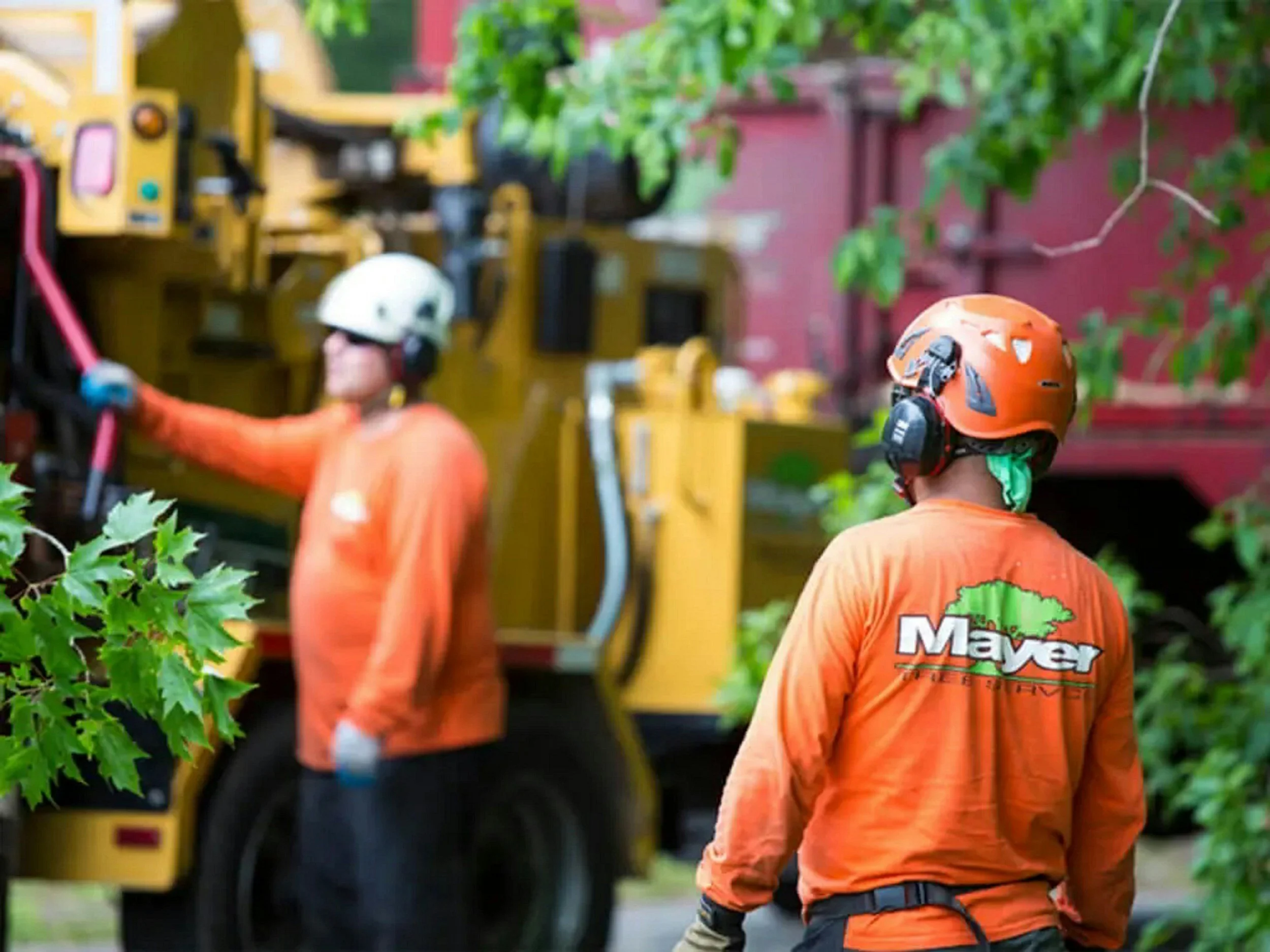
A professional tree service ensures that pruning is performed using correct methods and timing to maximize tree health and minimize stress.Tree removal is often considered a last resort when other treatment methods are no longer effective. However, it becomes necessary when a tree poses a significant safety risk or is beyond recovery due to disease or structural damage.The removal process requires careful planning, especially when trees are located near buildings, roads, or power lines. Specialized equipment such as cranes, ropes, and rigging systems is often used to control the direction of falling branches and trunk sections.
Safety is the top priority during removal operations. Professionals assess environmental conditions, identify hazards, and develop step-by-step removal strategies to minimize risk. Protective gear and strict safety protocols are essential components of the process.After removal, stump grinding is typically performed to eliminate remaining root structures. This prevents regrowth and prepares the area for future landscaping or construction projects.
Emergency Tree Services After Storm Damage
Severe weather conditions such as storms, heavy winds, and snowfall can cause unexpected tree damage. Fallen branches or uprooted trees can block roads, damage property, and create hazardous conditions.
Emergency tree services are designed to respond quickly to such situations. Teams are deployed to remove debris, stabilize partially fallen trees, and restore safety to affected areas. Rapid response is essential to prevent further damage and ensure public safety.
In many cases, emergency services also include temporary stabilization techniques that prevent additional collapse until full removal can be safely completed.Proper tree maintenance offers significant environmental benefits. Healthy trees improve air quality by absorbing pollutants and producing oxygen. They also help regulate temperature by providing shade and reducing urban heat effects.
From an economic perspective, well-maintained trees increase property value and enhance curb appeal. Landscapes with mature, healthy trees are often more attractive to buyers and can significantly improve real estate desirability.Investing in professional care reduces long-term costs by preventing damage to property and avoiding expensive emergency removals. Regular maintenance extends tree lifespan, reducing the need for replacement and landscaping expenses.
Modern Tools and Technology in Tree Services
Advancements in technology have greatly improved the efficiency and accuracy of tree care. Modern equipment such as aerial lifts, hydraulic pruning tools, and diagnostic imaging systems allows professionals to perform tasks more safely and precisely.Drones are increasingly used for aerial inspections, enabling arborists to assess tree canopies without physical climbing. Soil sensors and digital monitoring systems provide data on moisture levels, nutrient content, and root health.
These innovations allow for more proactive care strategies, helping identify potential issues before they become serious problemsSelecting the right service provider is essential for achieving quality results. Homeowners should look for certified professionals with proven experience, proper insurance coverage, and positive customer feedback.
Reputable companies prioritize safety, use modern equipment, and follow industry best practices. Transparency in pricing and service descriptions is also an important factor when making a decision.It is advisable to choose providers who employ certified arborists and adhere to recognized standards in arboriculture. This ensures that tree care is performed responsibly and effectively.
Conclusion
Preventive maintenance is the most effective strategy for ensuring long-term tree health. Regular inspections, seasonal pruning, and soil management help maintain structural stability and prevent disease.
Consistent care reduces the likelihood of emergency situations and promotes sustainable growth. Trees that receive proper attention tend to live longer, grow stronger, and provide greater environmental benefits.A proactive approach to tree service ensures that small issues are addressed early, preventing them from escalating into costly or dangerous problems.
Tree care is an essential aspect of landscape management that combines science, safety, and environmental responsibility. From routine pruning and health assessments to emergency removal and advanced diagnostics, professional services play a crucial role in maintaining healthy and safe outdoor spaces.
Investing in professional tree service not only enhances the beauty of a property but also protects it from potential hazards and long-term damage. With the support of skilled arborists and modern technology, property owners can ensure that their trees remain strong, healthy, and beneficial for years to come.
HOW DO YOU FEEL ABOUT FASHION?
COMMENT OR TAKE OUR PAGE READER SURVEY
Featured




Having a friends with benefits relationship is a great idea, if you find the right person for it.