
Sabyasachi Returns To New York With Bengal Byzantine Broadway

PAGE
By PAGE Editor
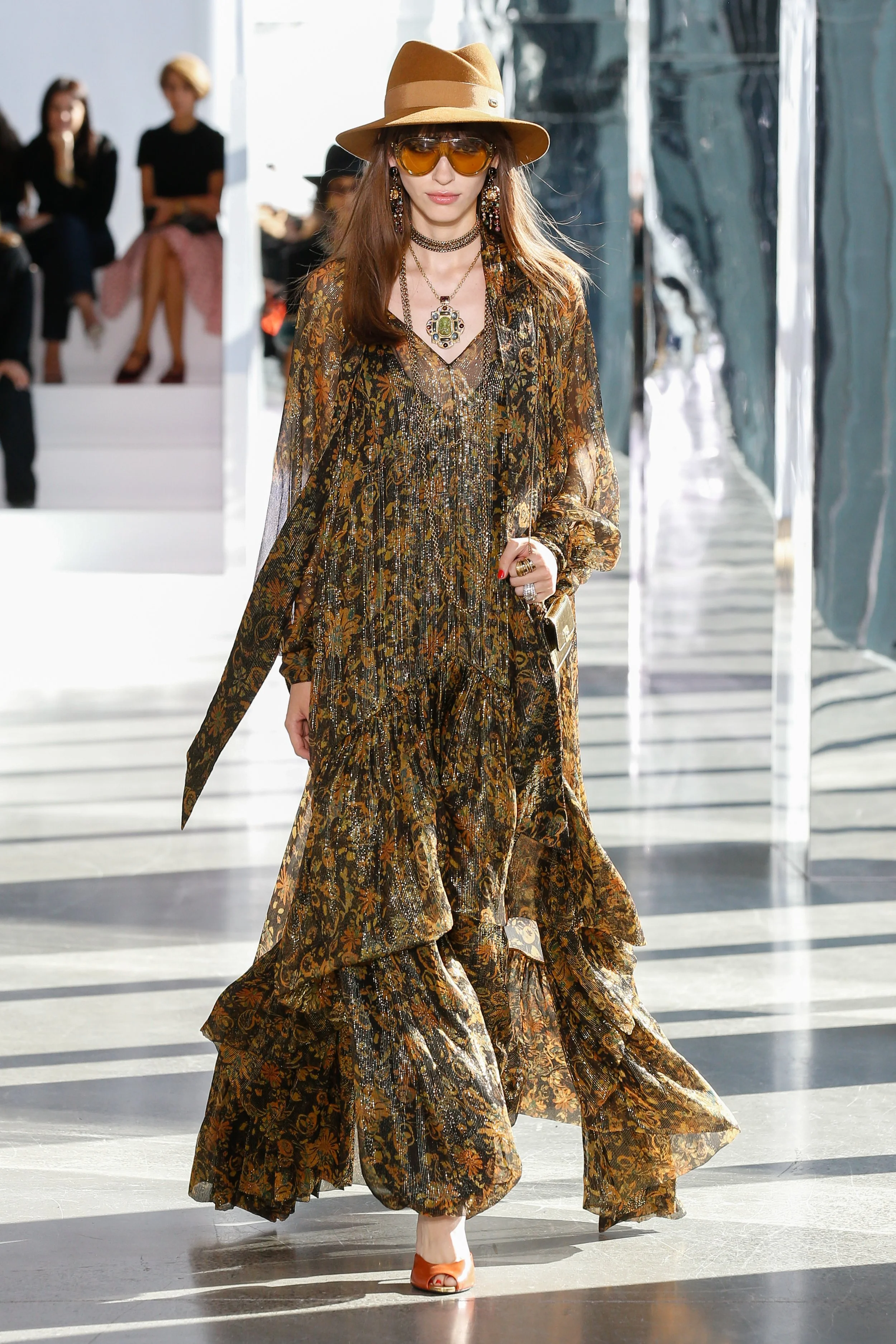
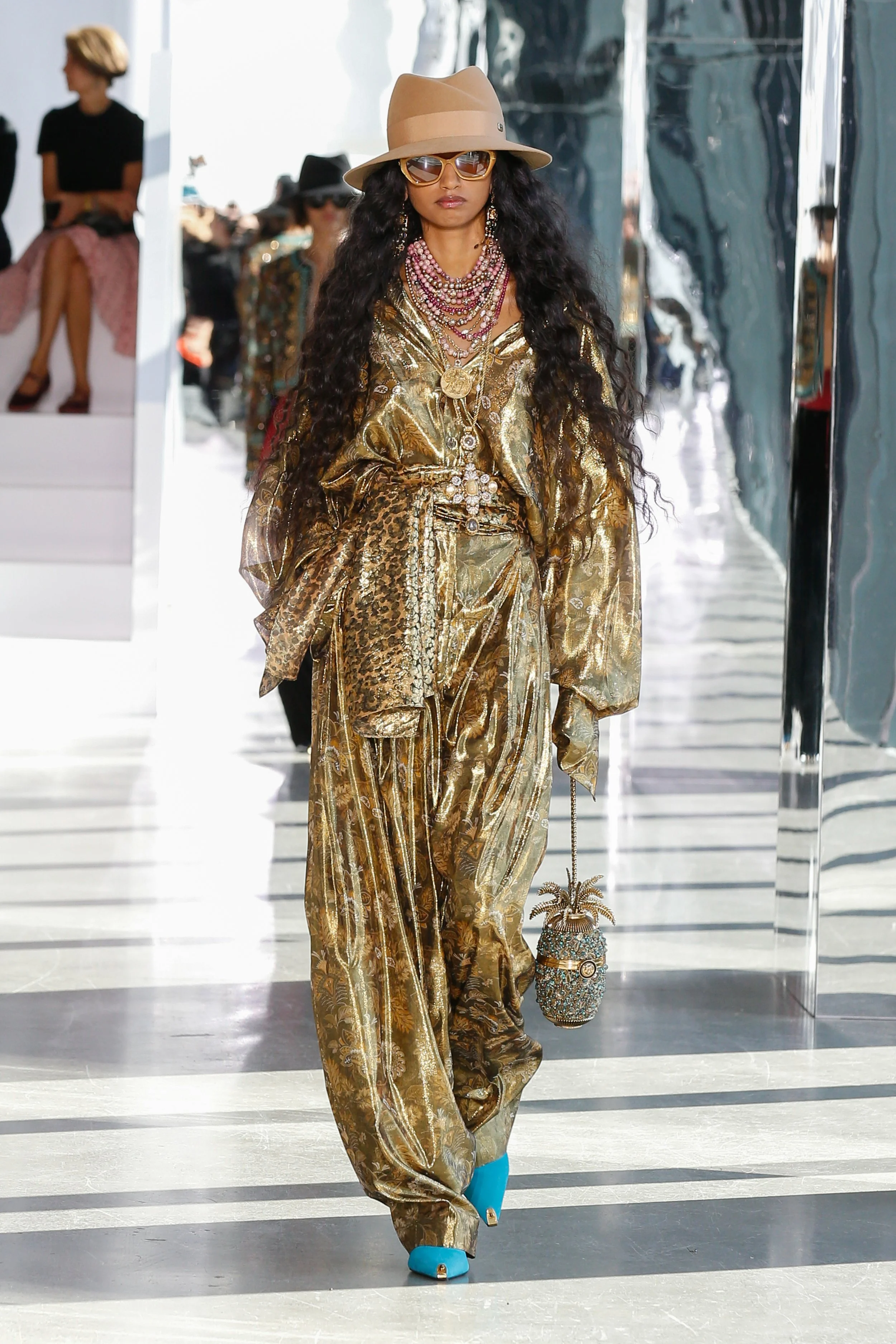
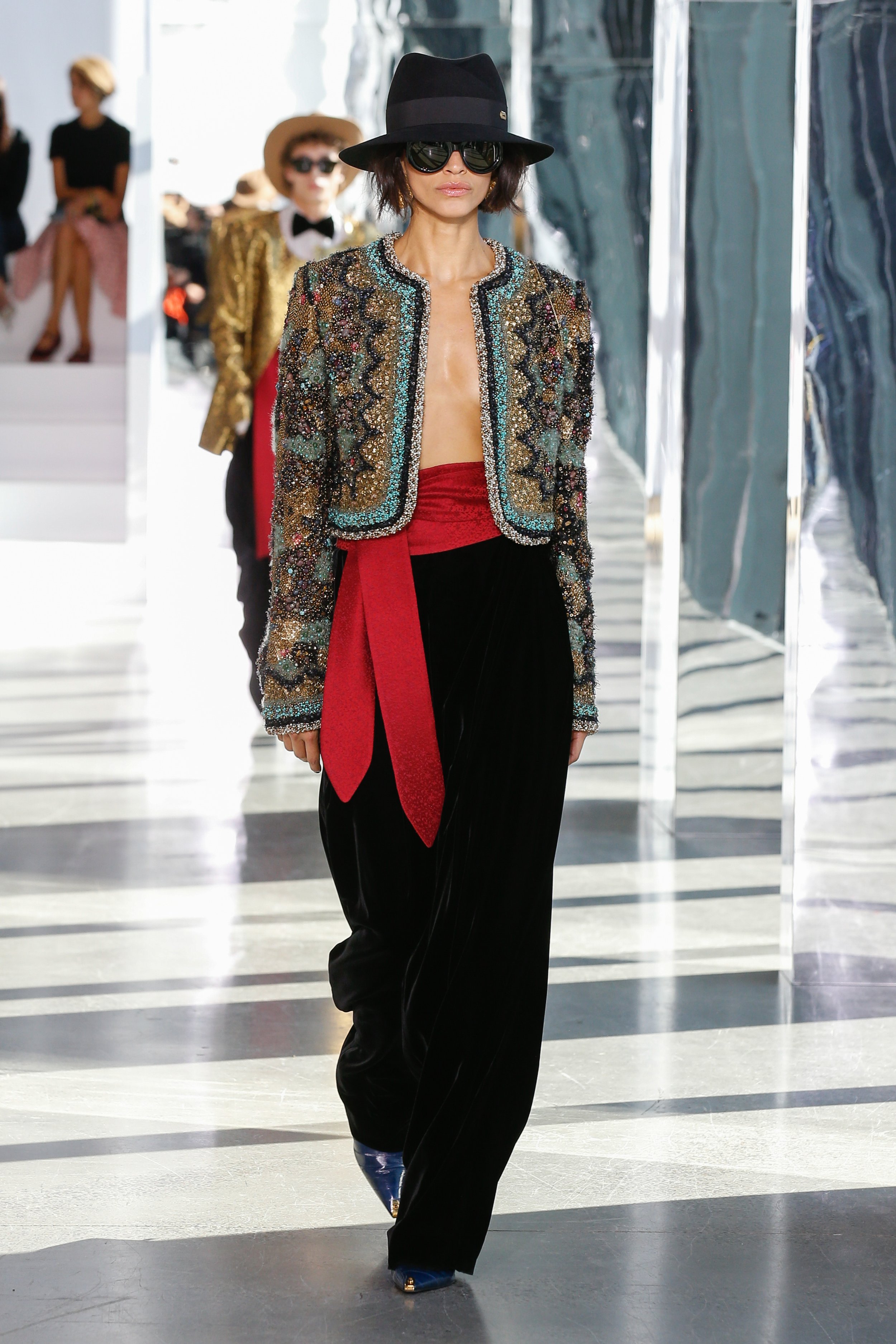
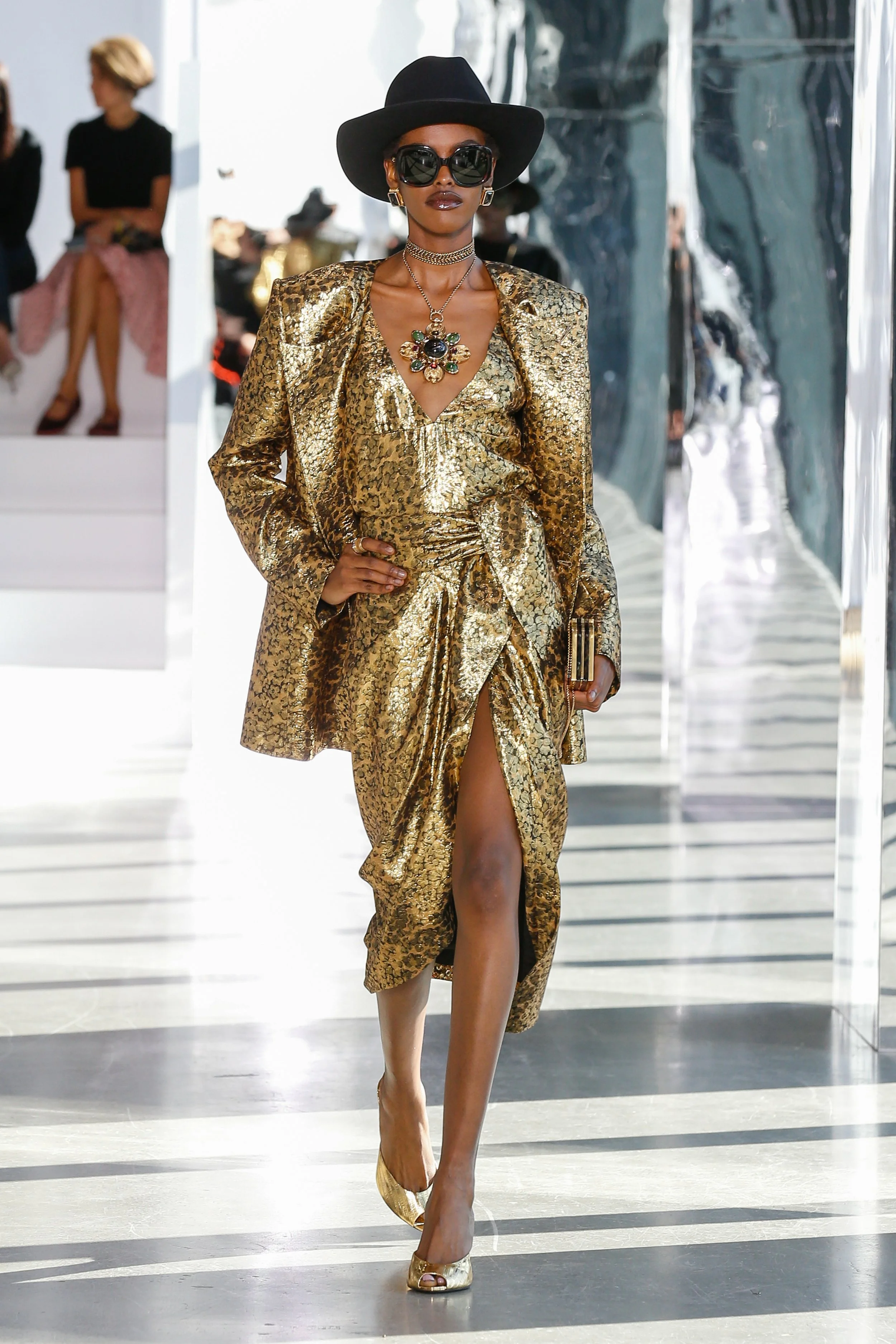
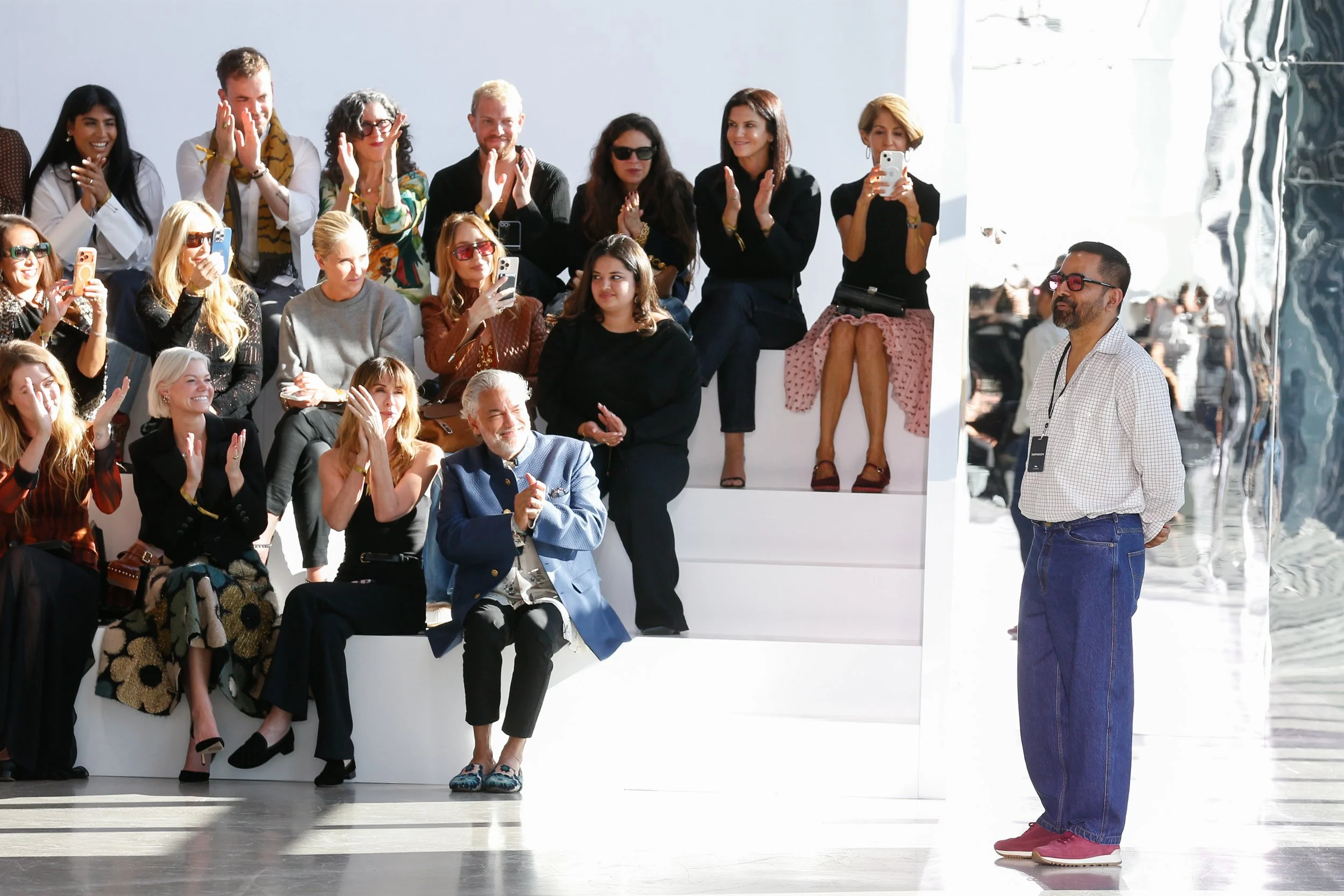
After 17 years away from the New York runway, Sabyasachi Mukherjee returned to New York Fashion Week with Bengal Byzantine Broadway, a collection that places Indian craftsmanship within a broader conversation between history, migration, modernity, and luxury.
Presented at Spring Studios on September 15, the runway marked the House of Sabyasachi’s first New York Fashion Week show since 2009. Christy Turlington opened the presentation, setting the tone for a collection that moved deliberately between restraint and opulence while connecting the cultural histories of Byzantium, Calcutta, and New York through an unmistakably Indian lens.
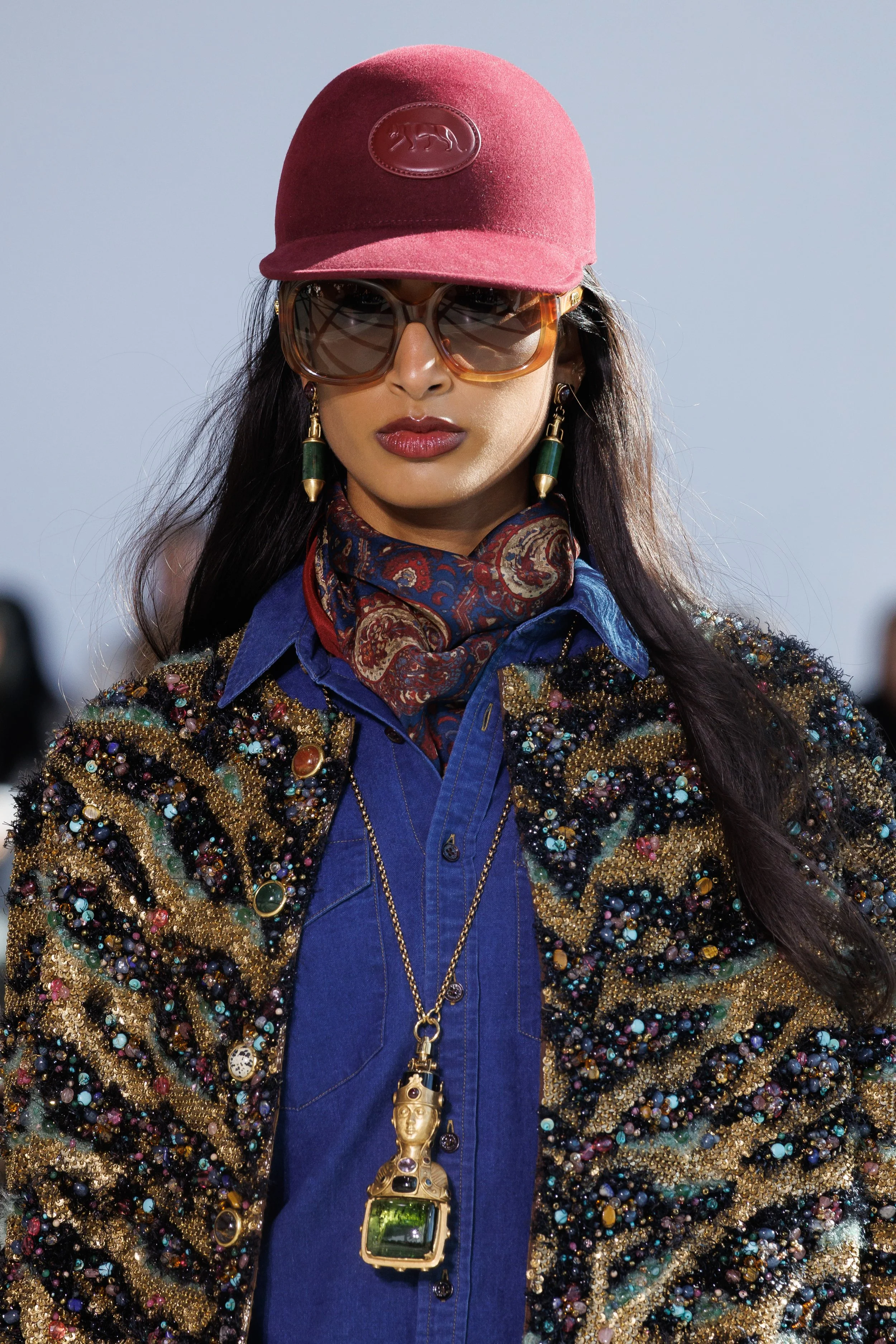
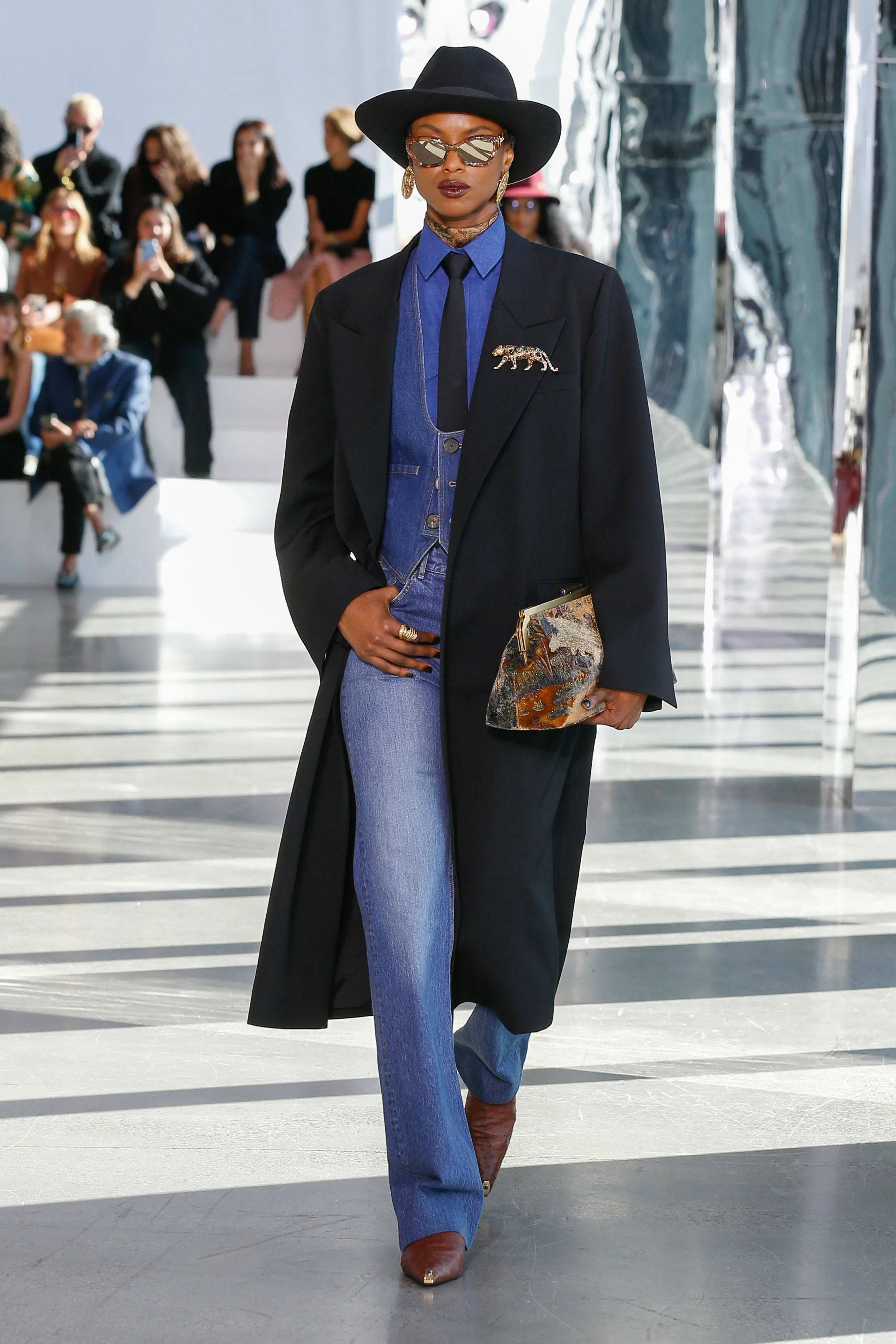
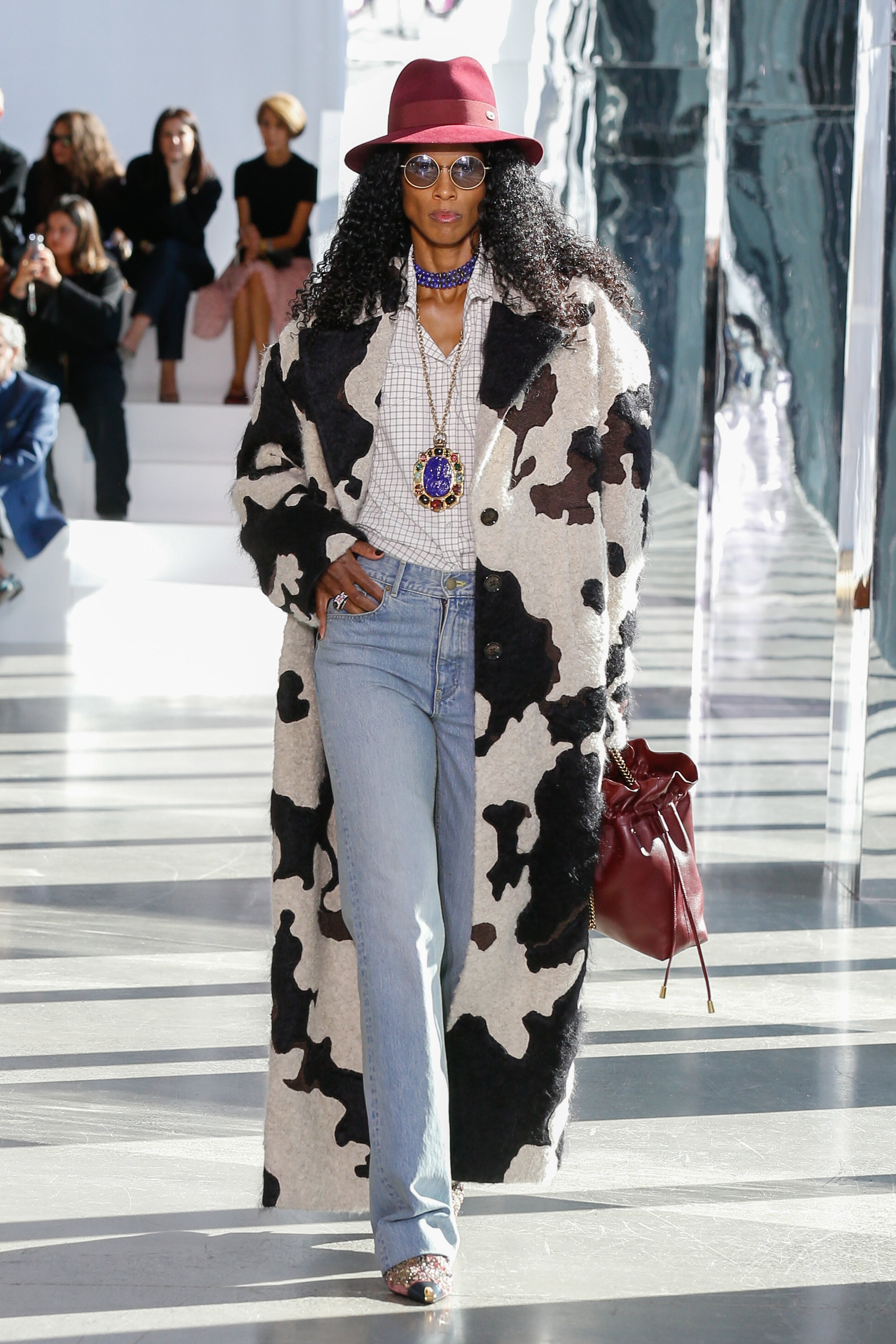
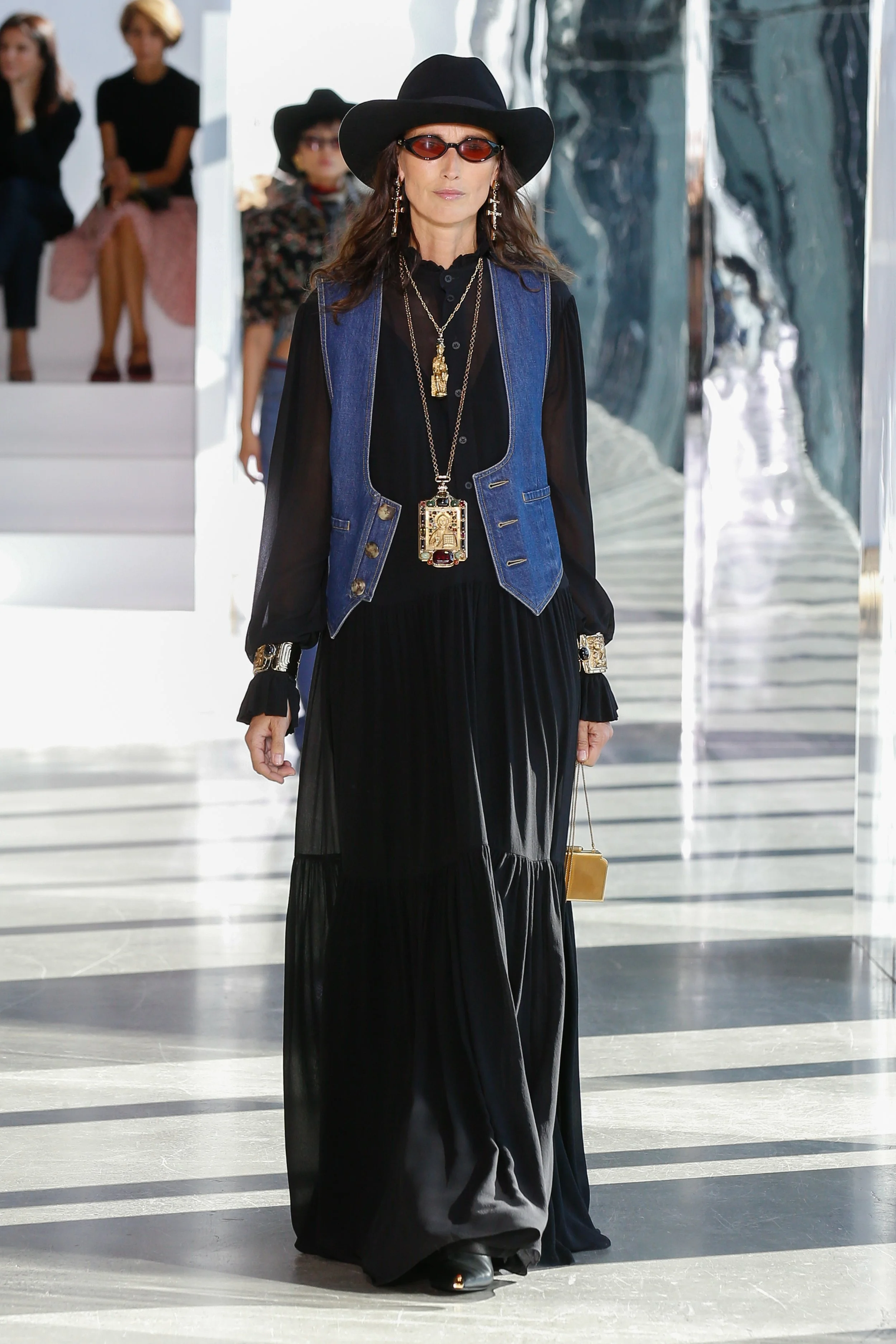
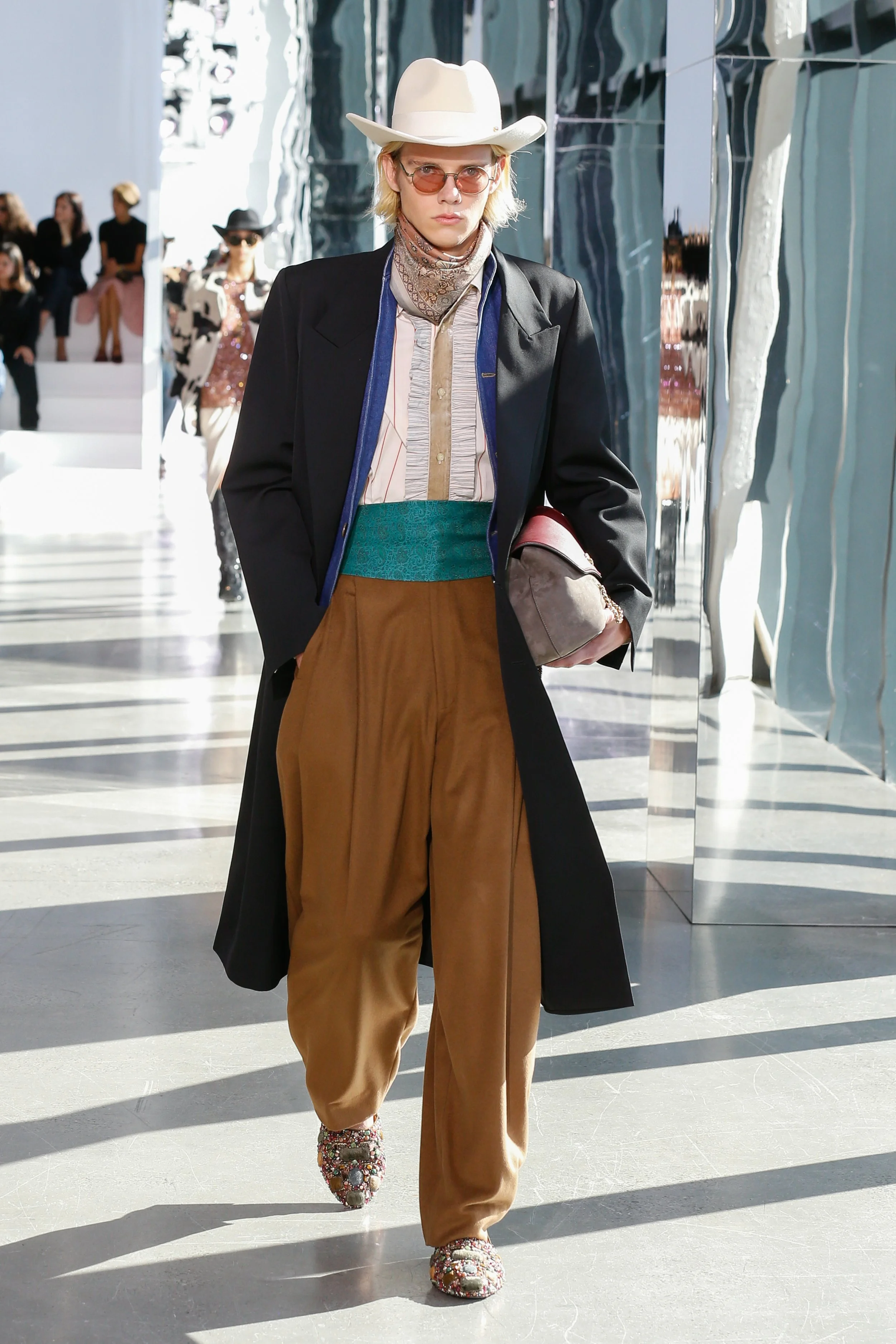
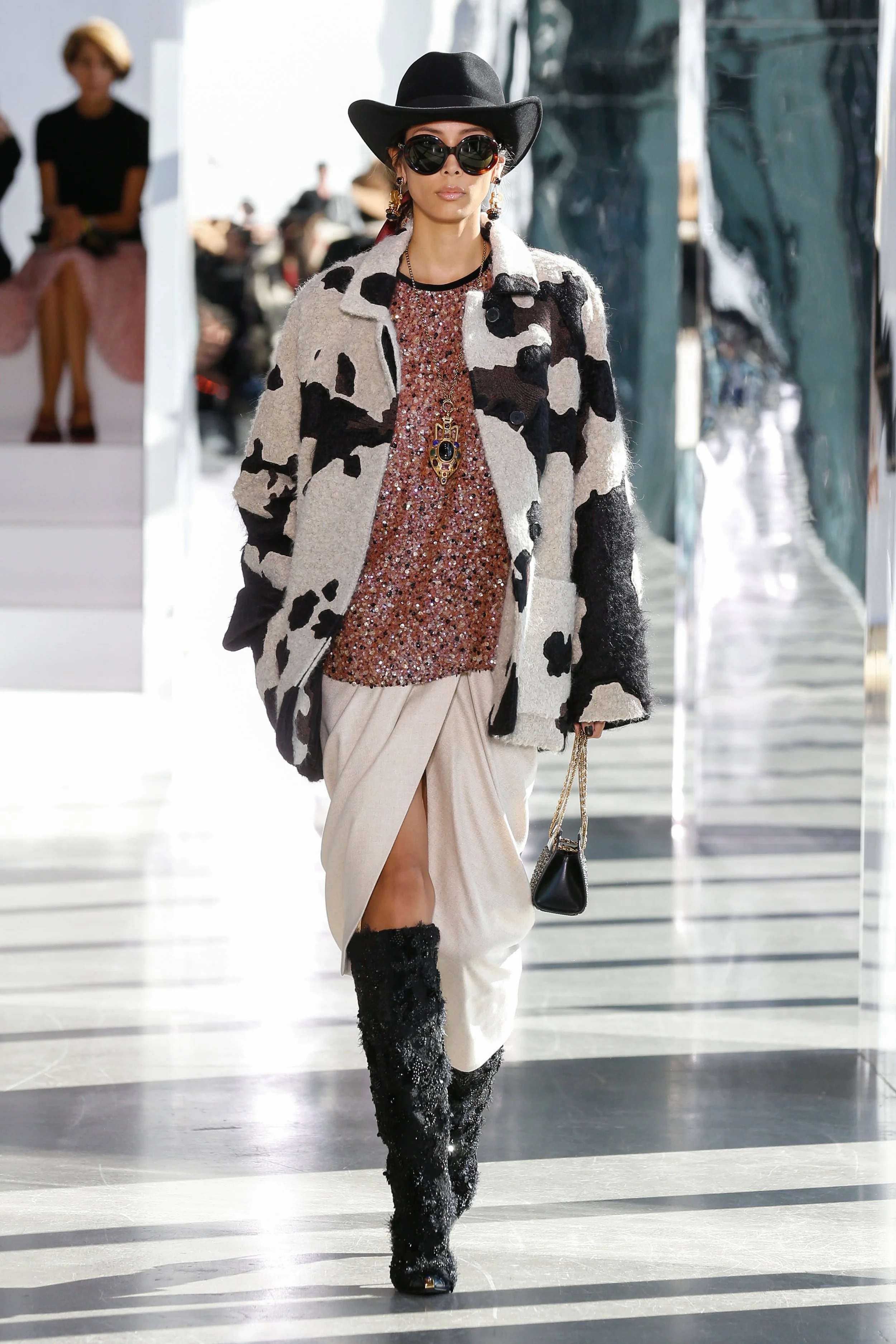
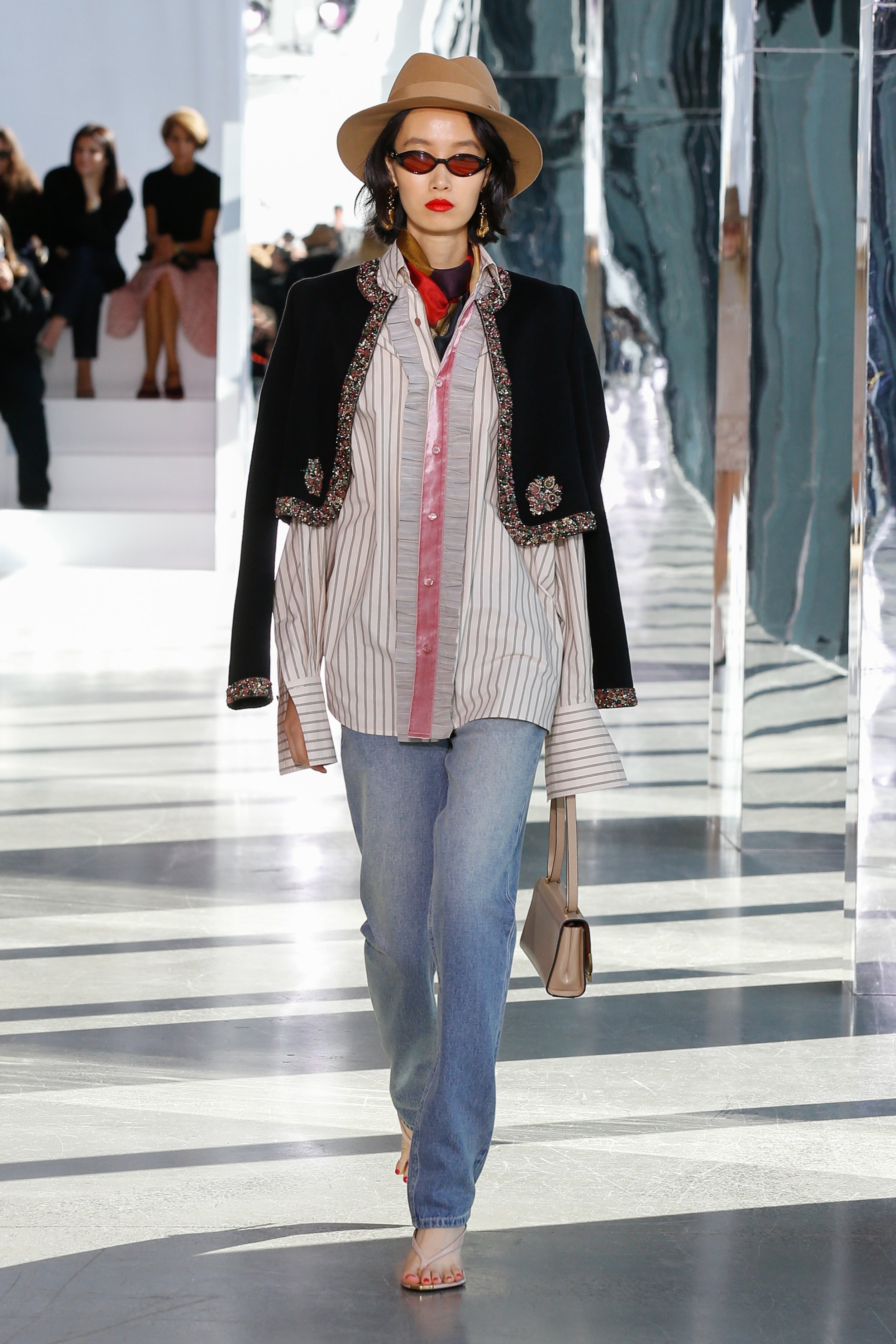
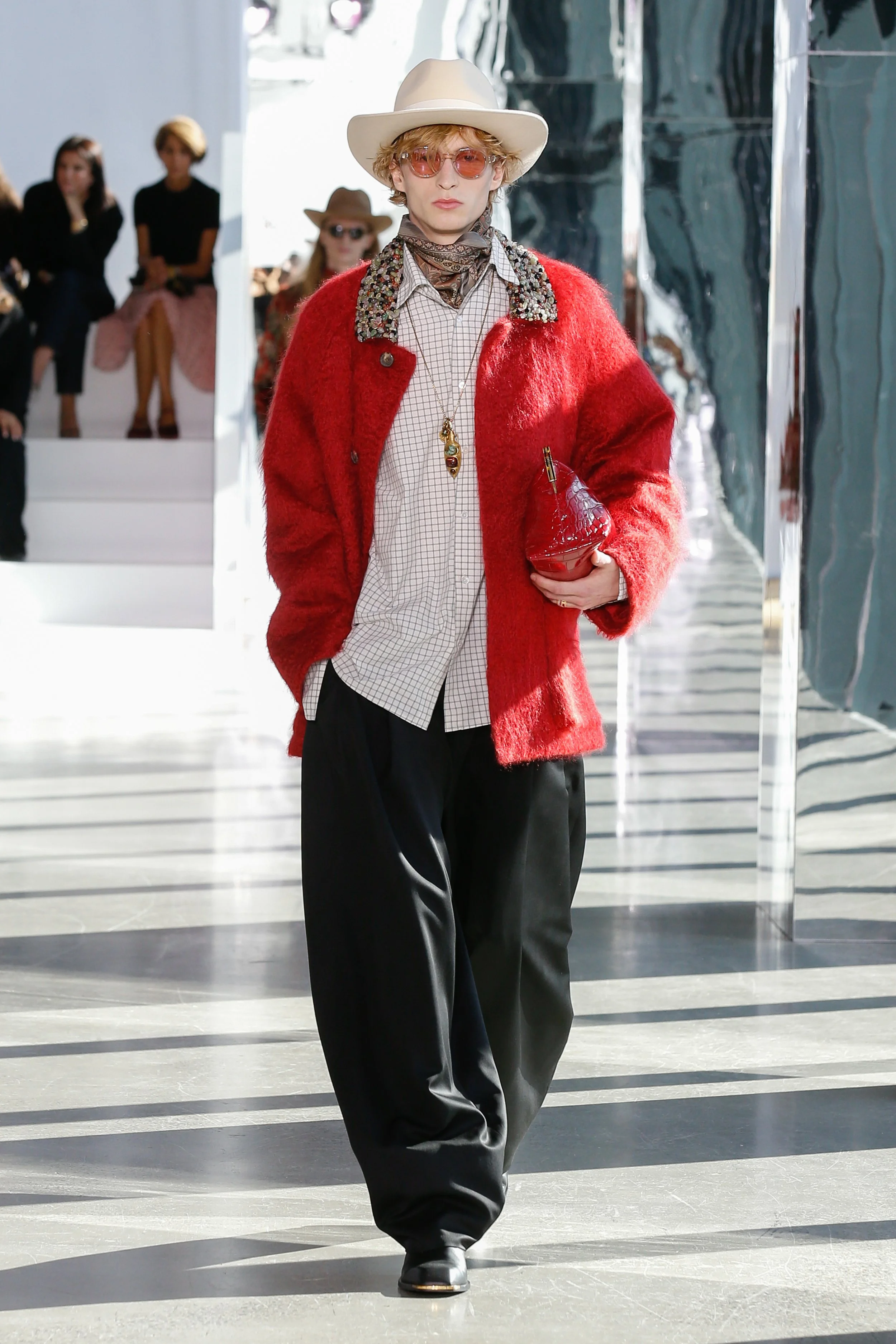
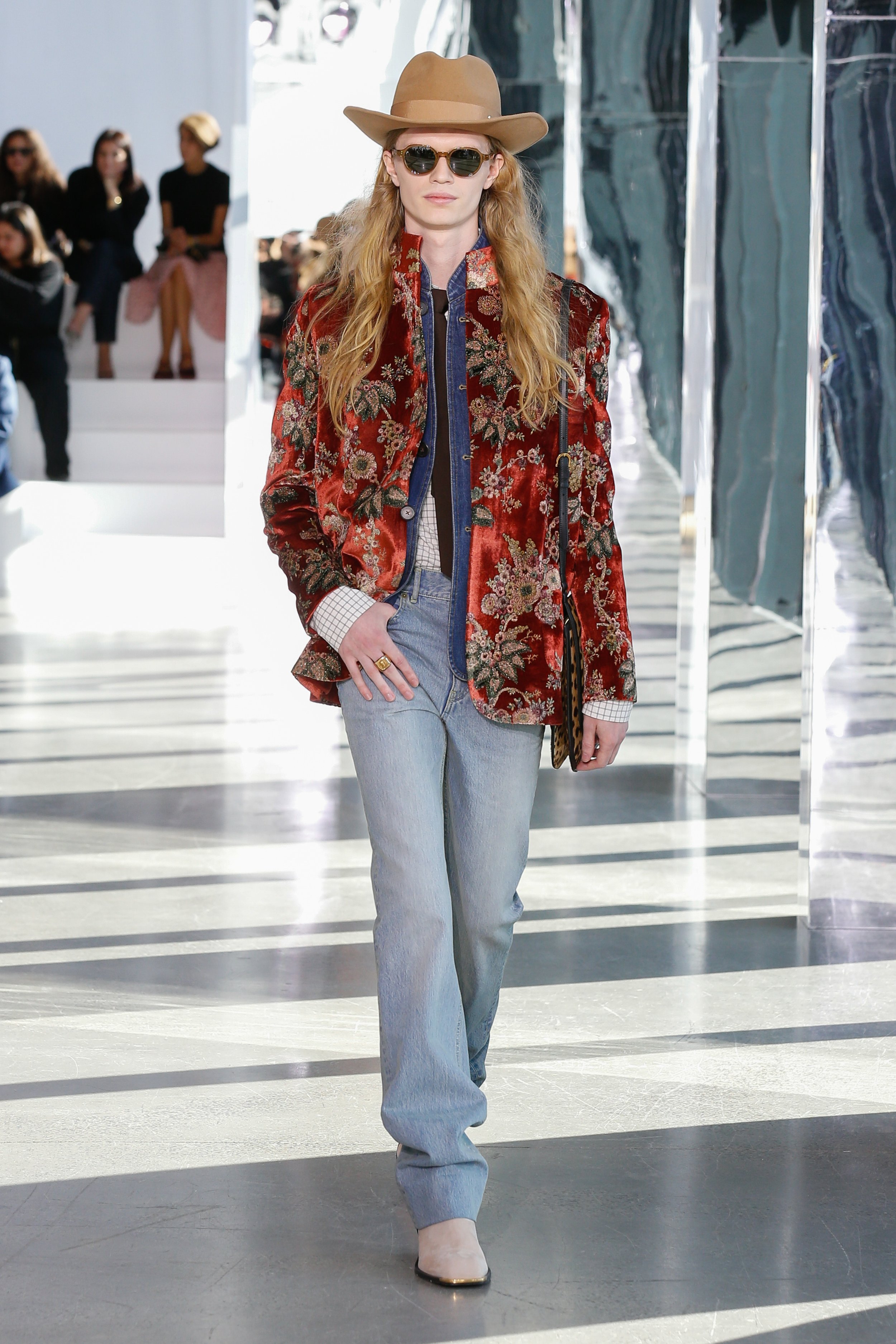
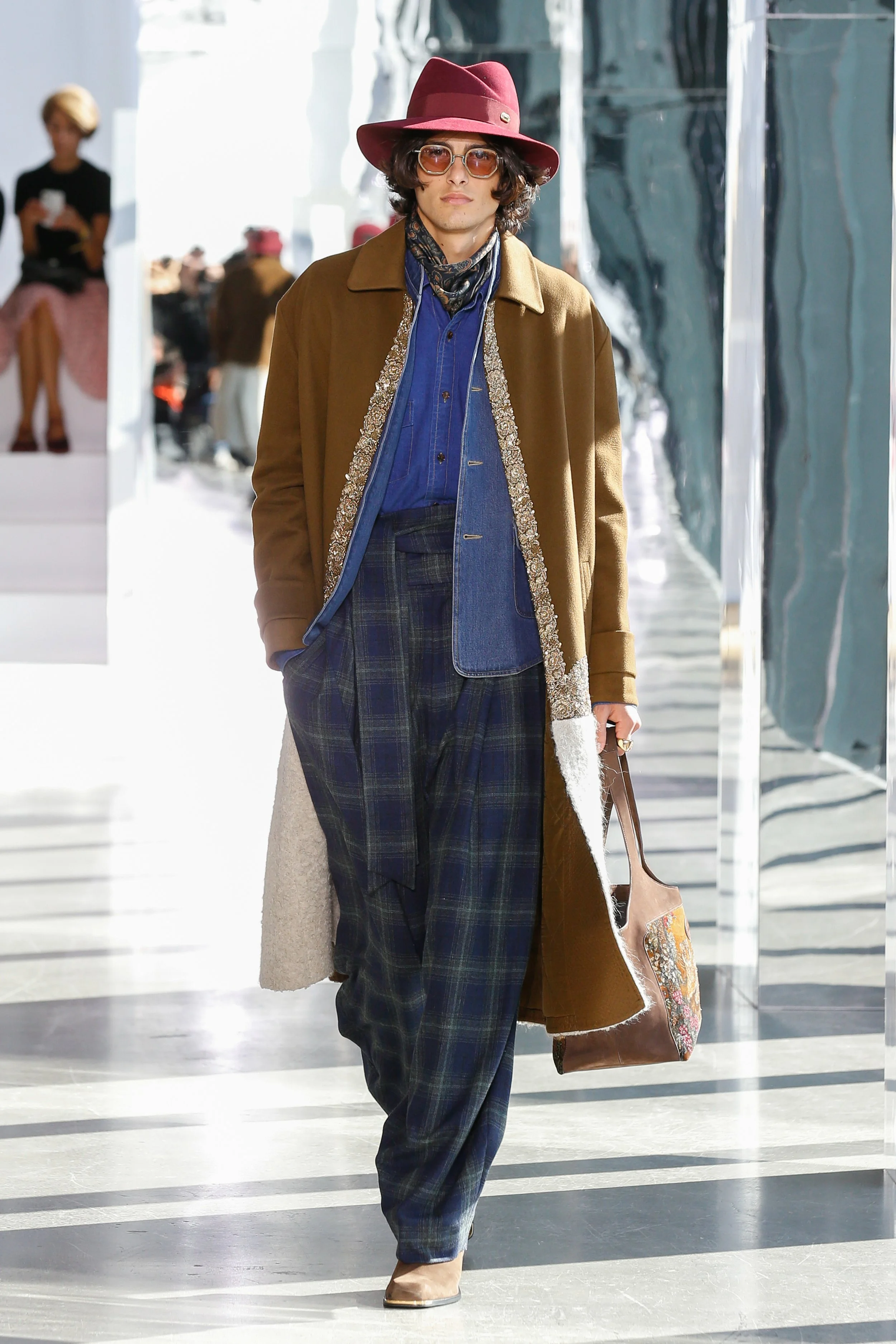
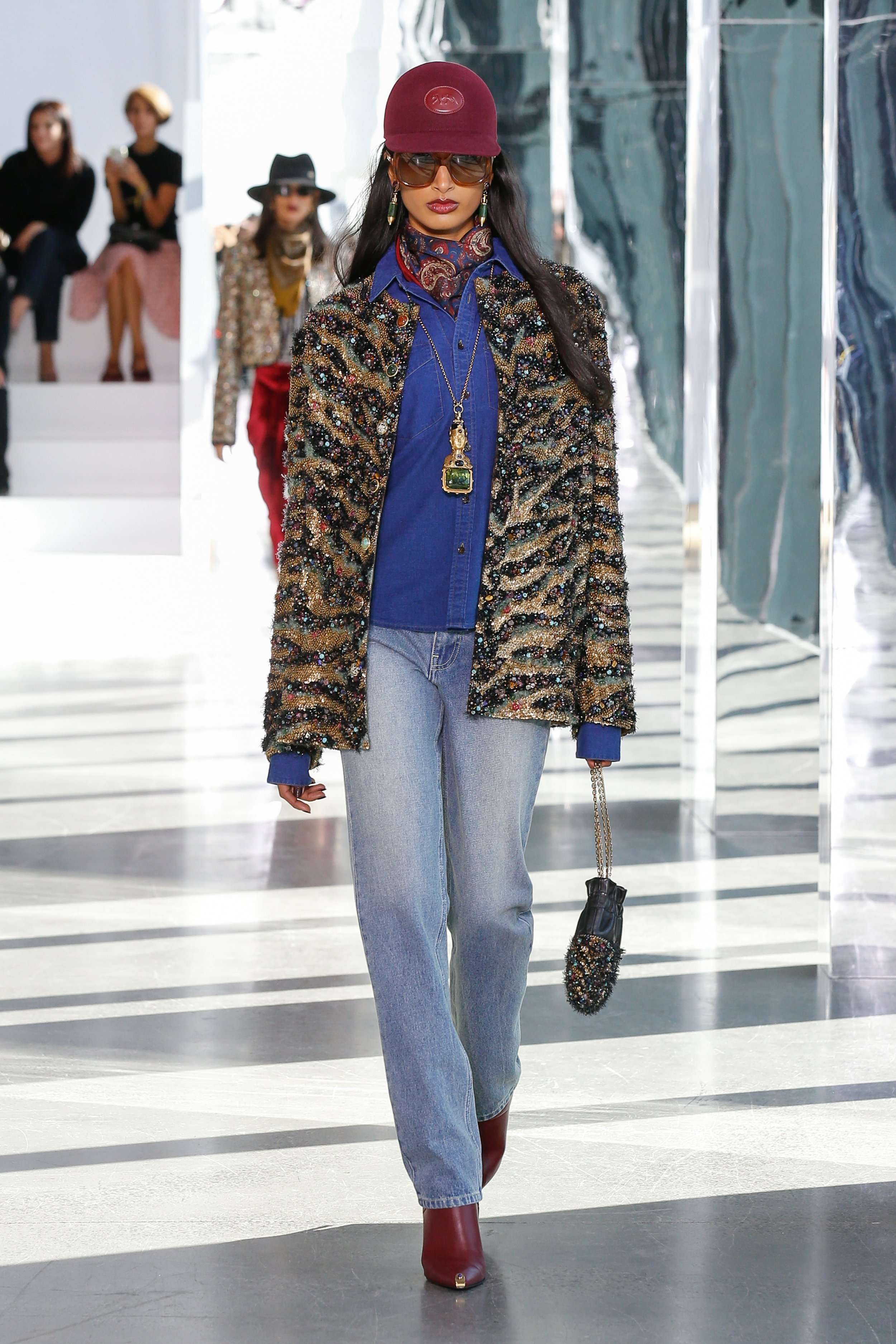
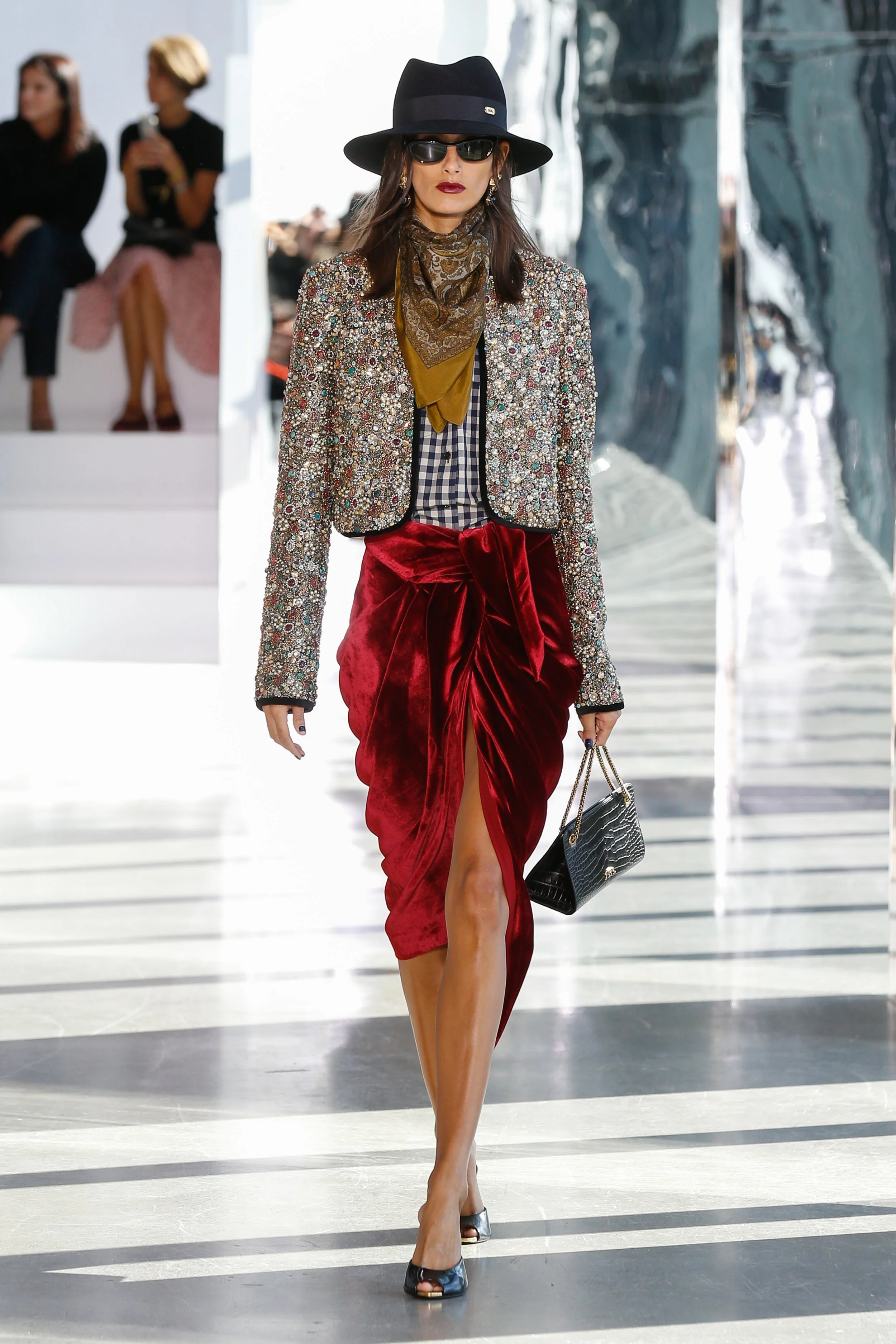
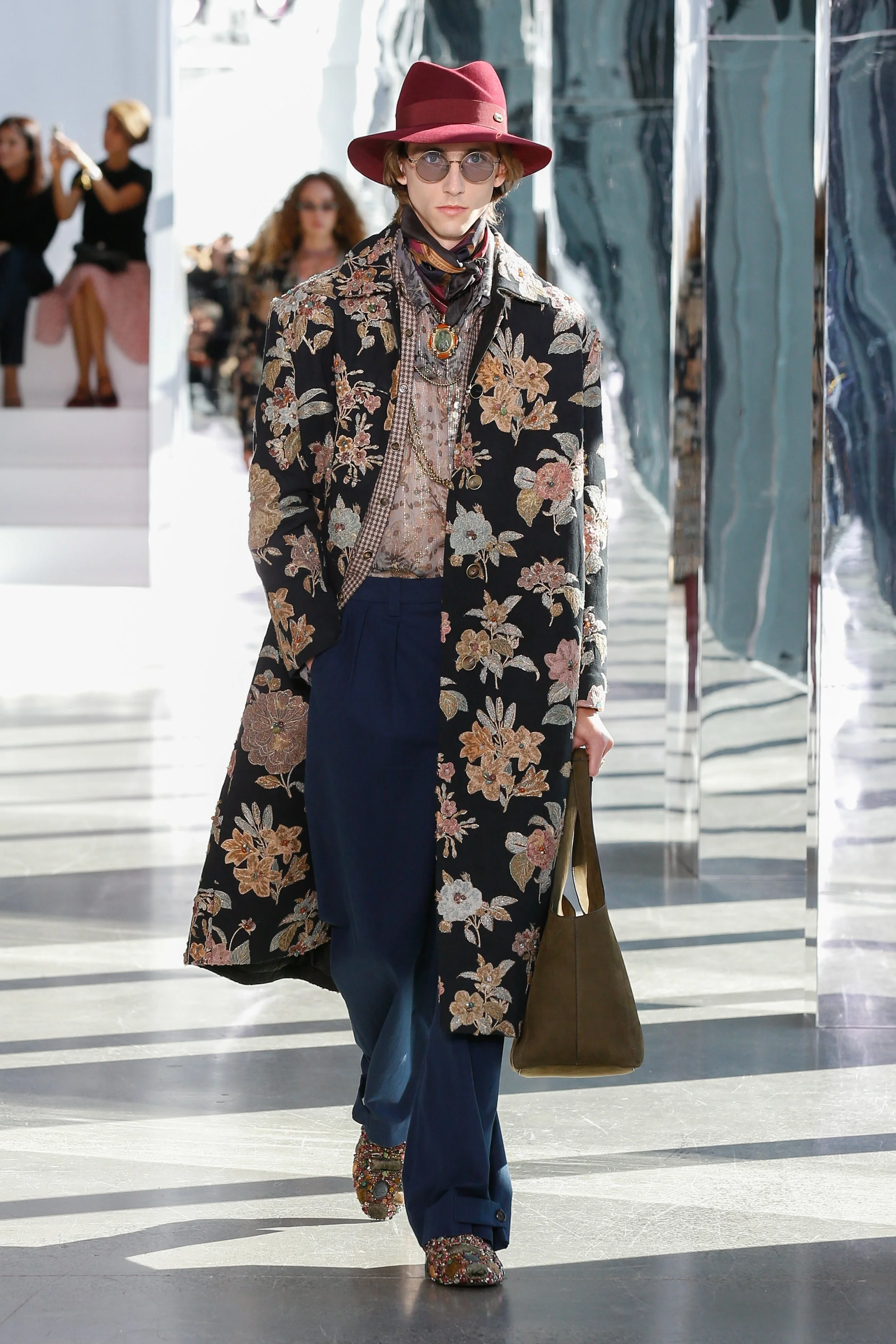
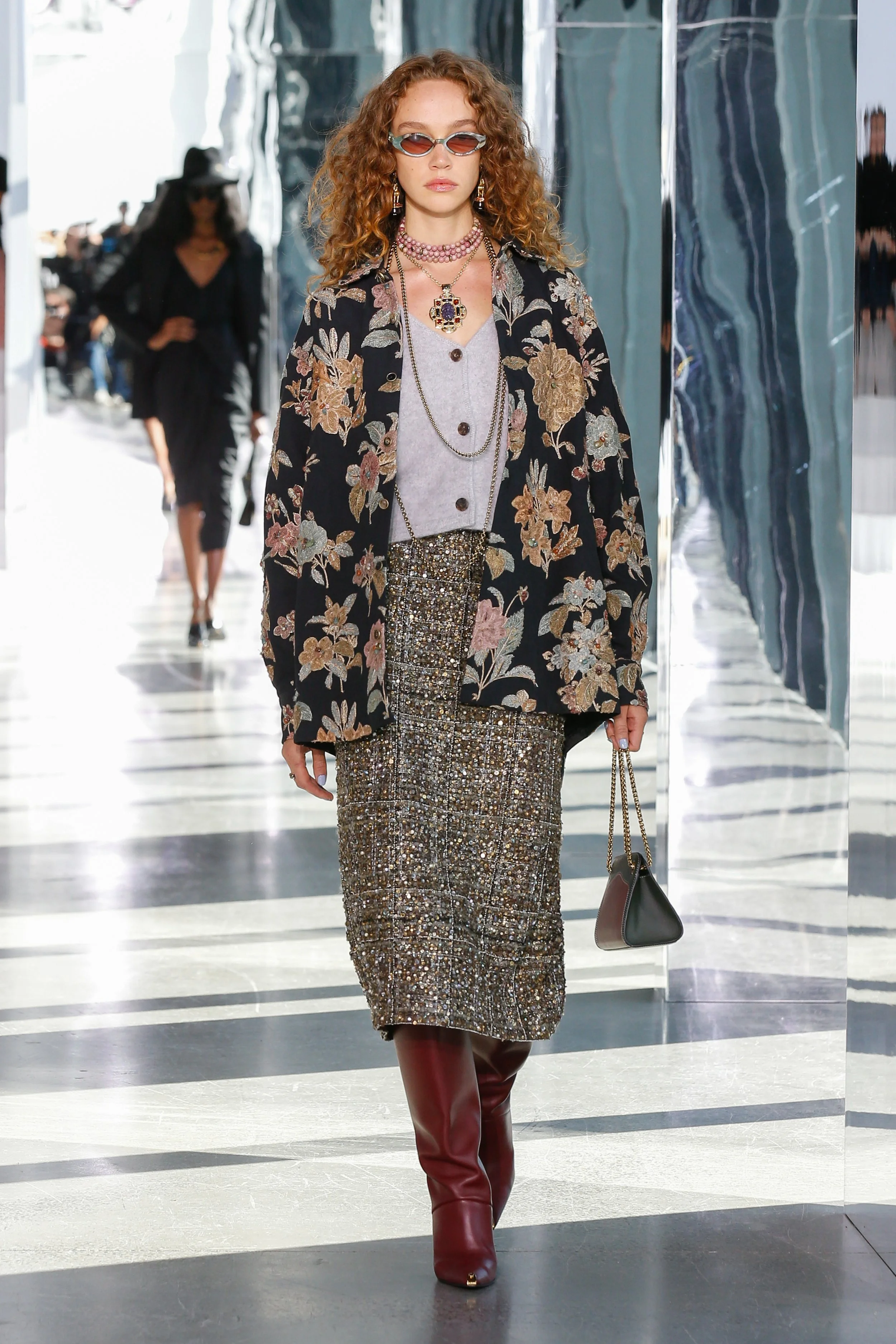
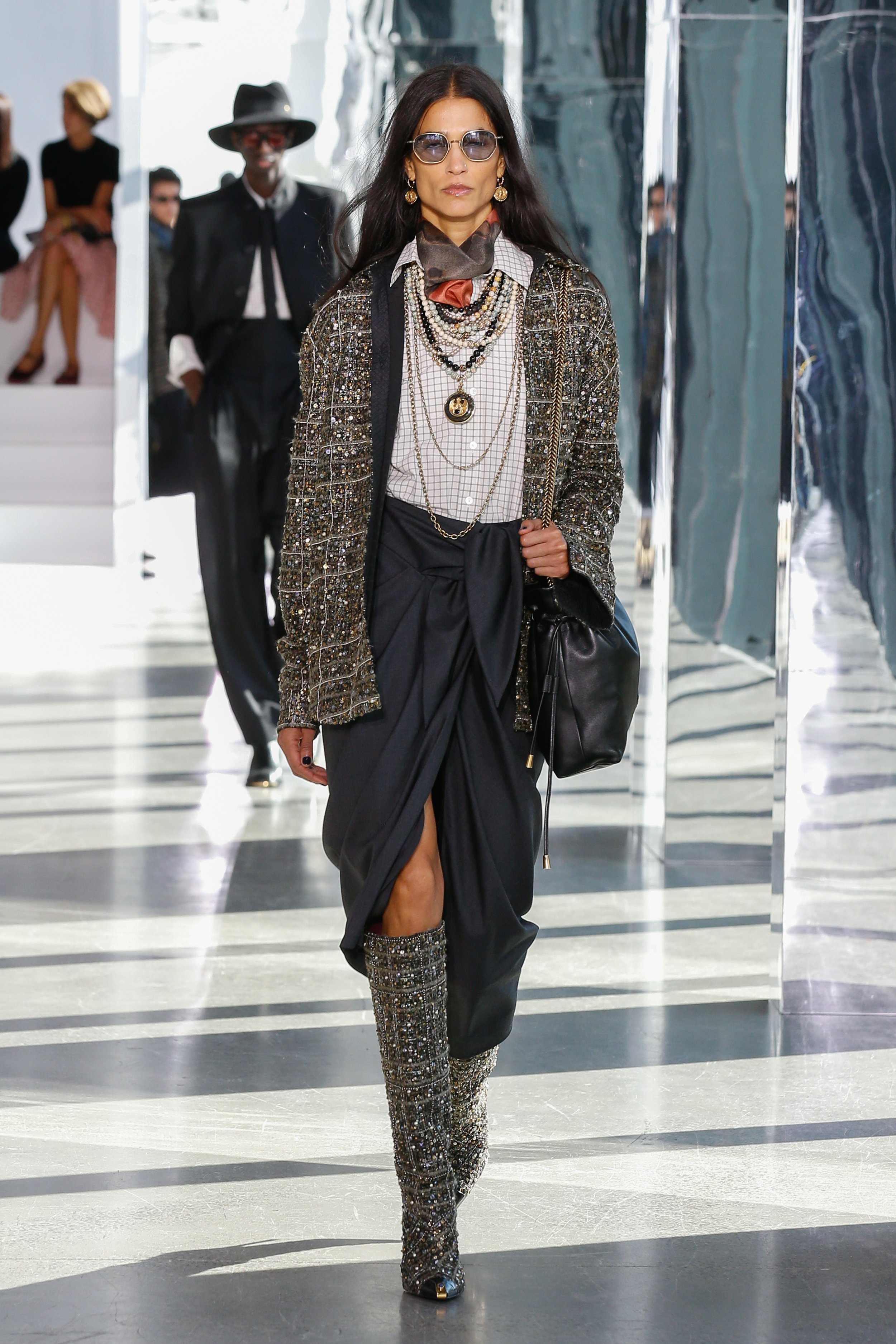
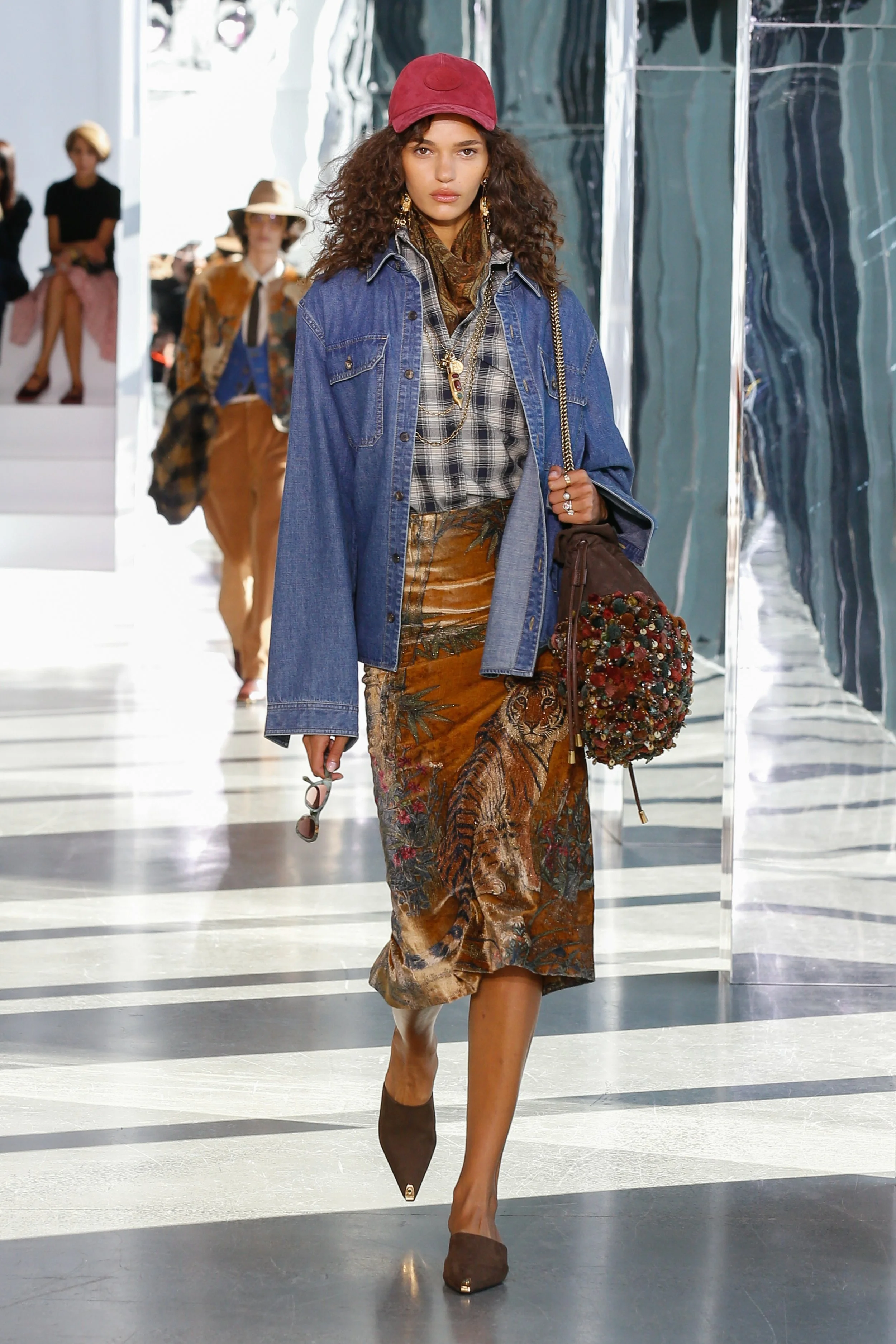
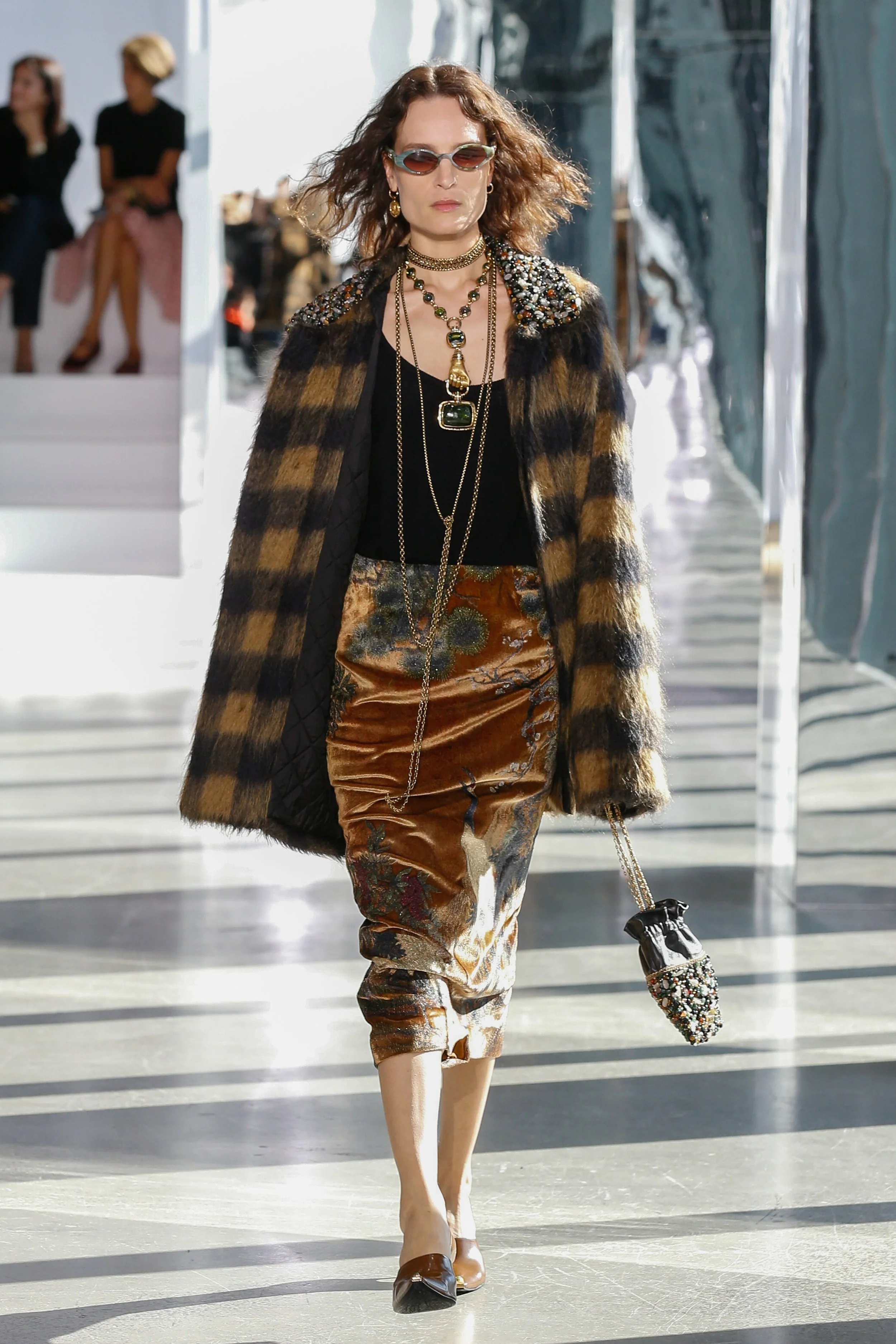
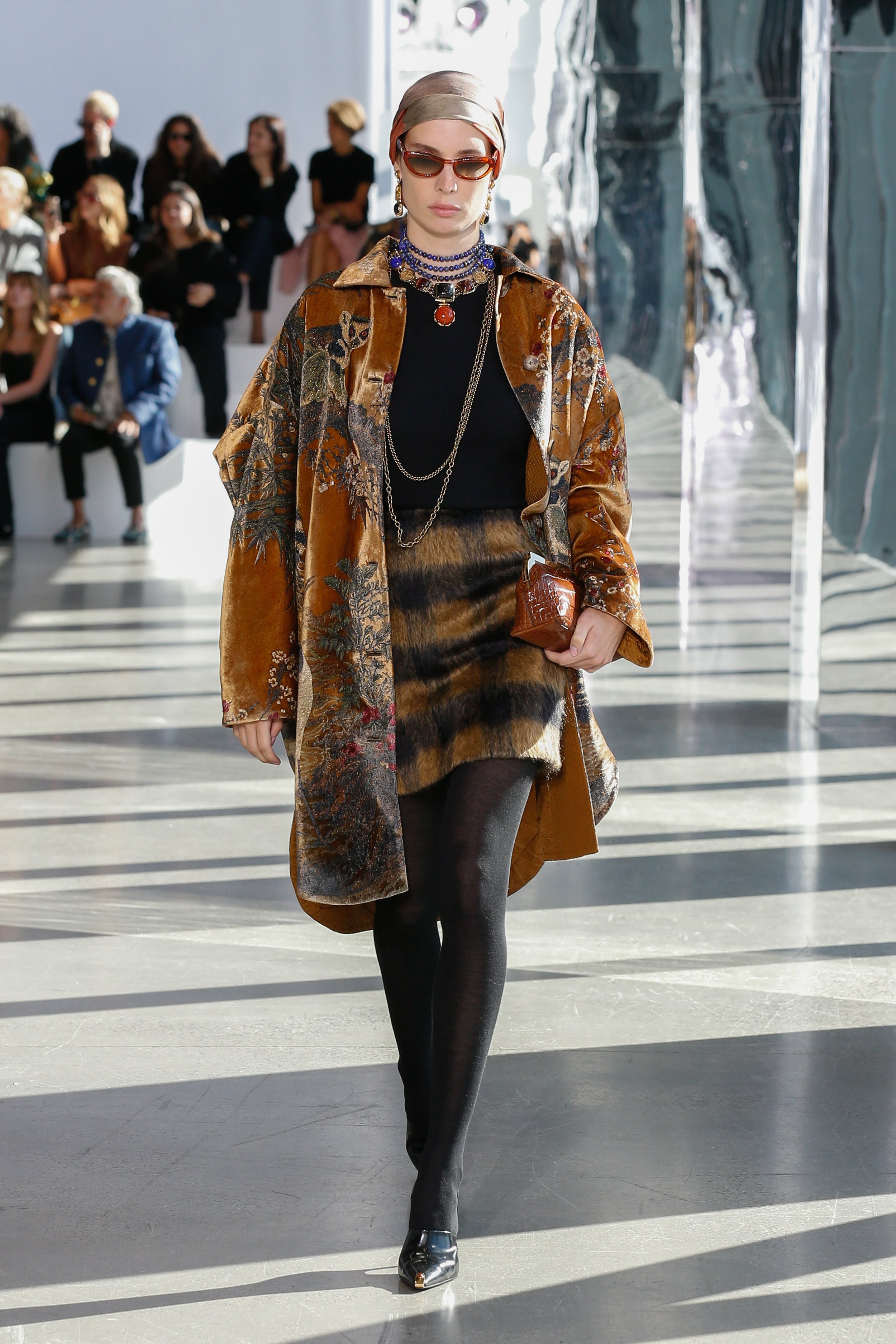
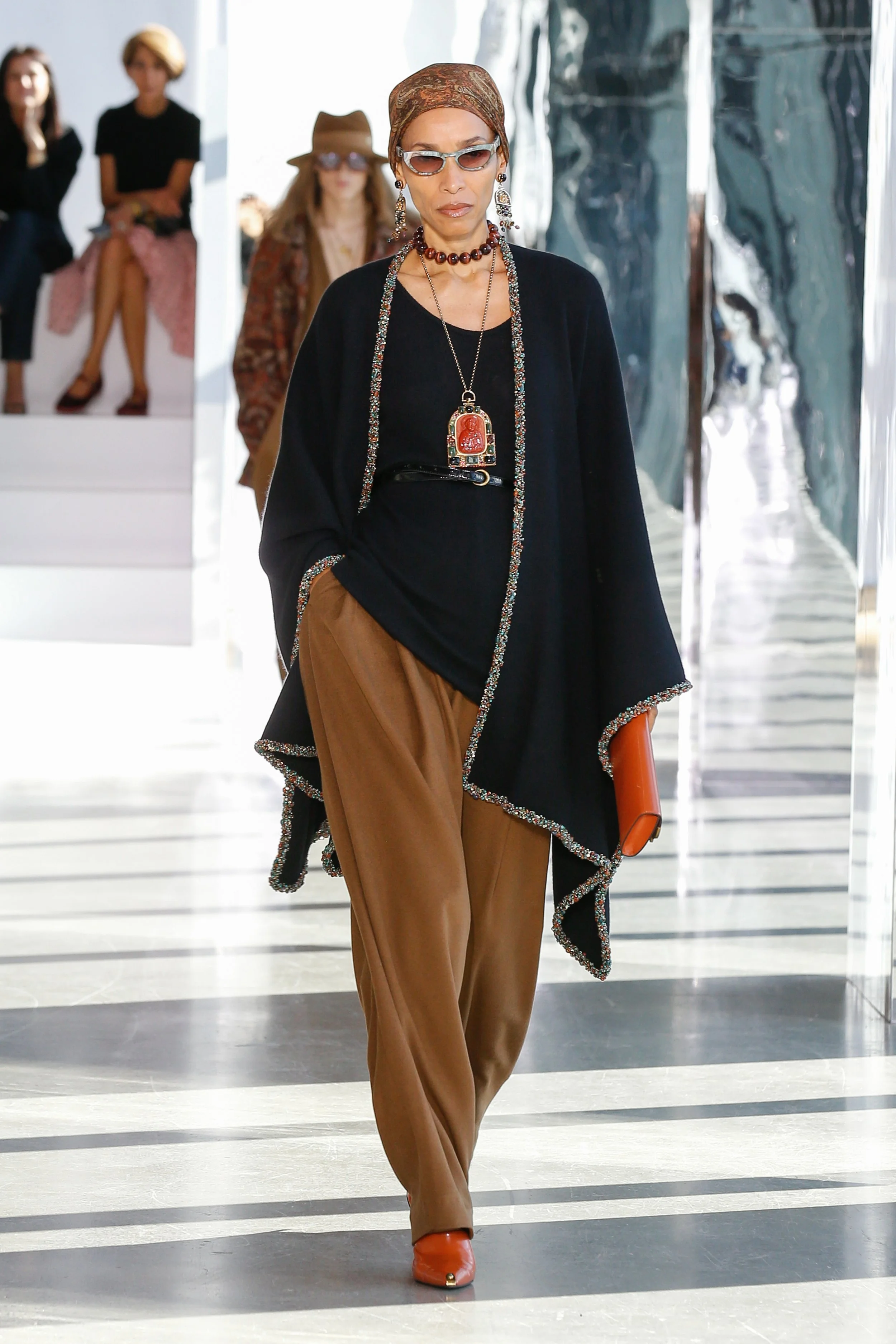
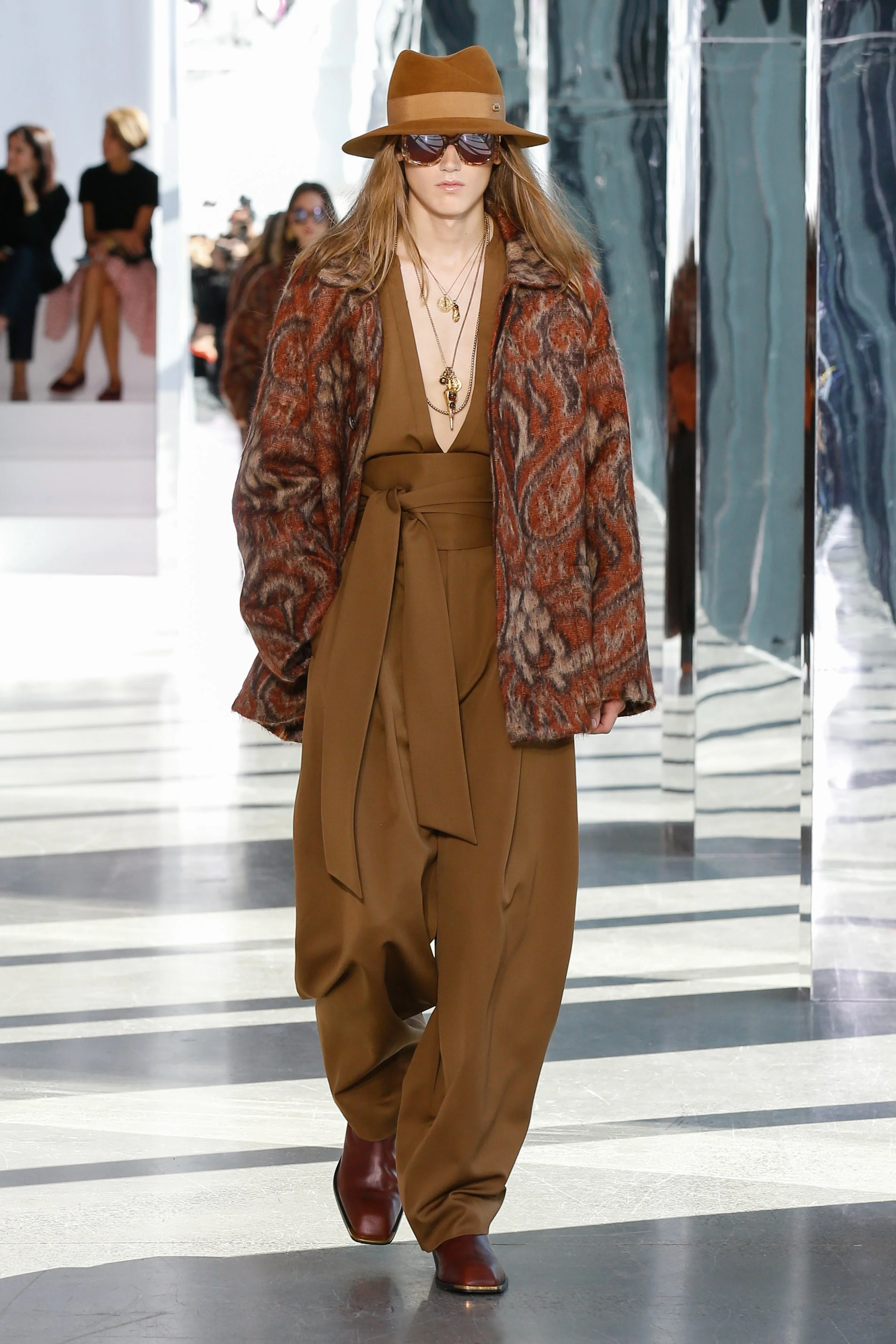
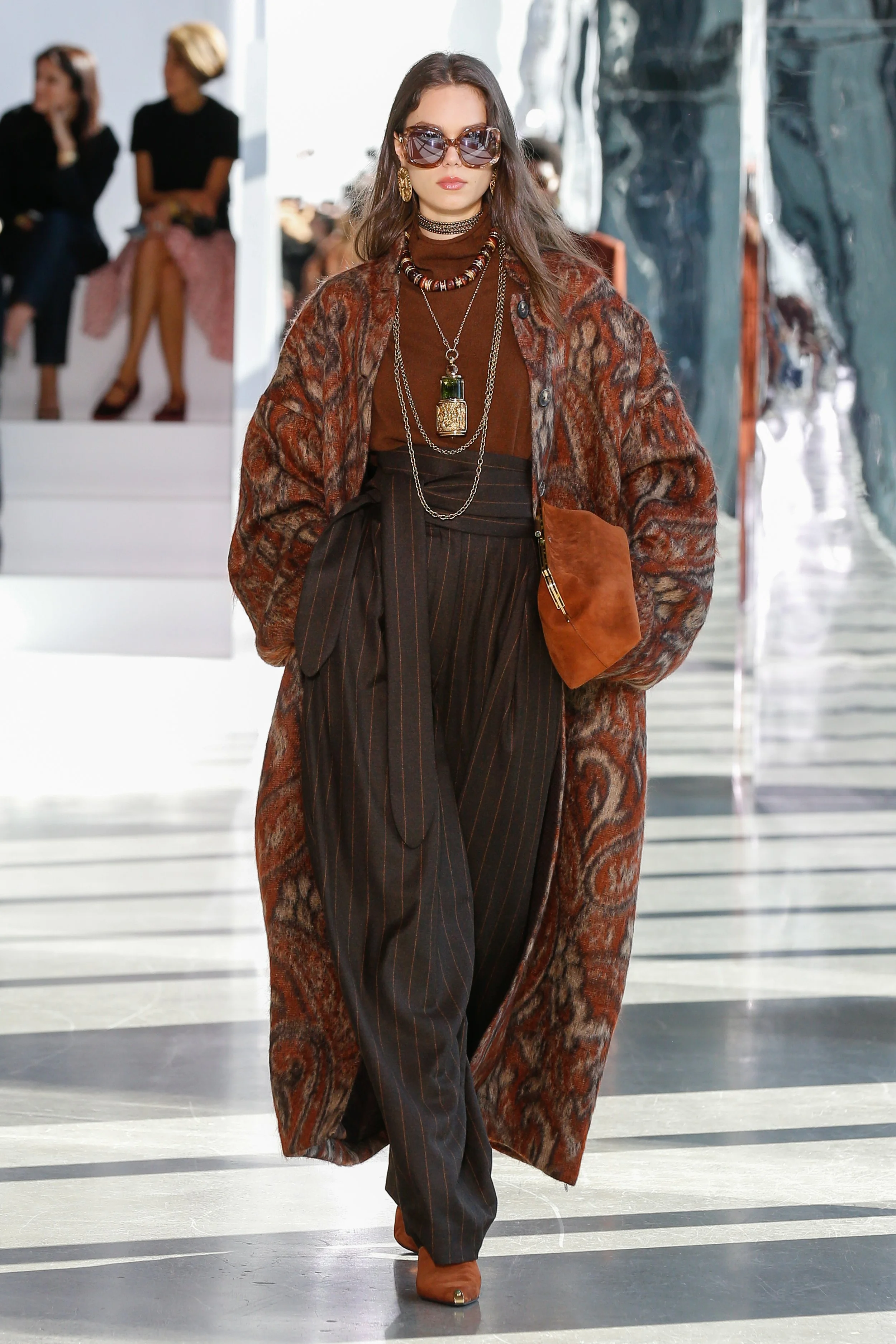
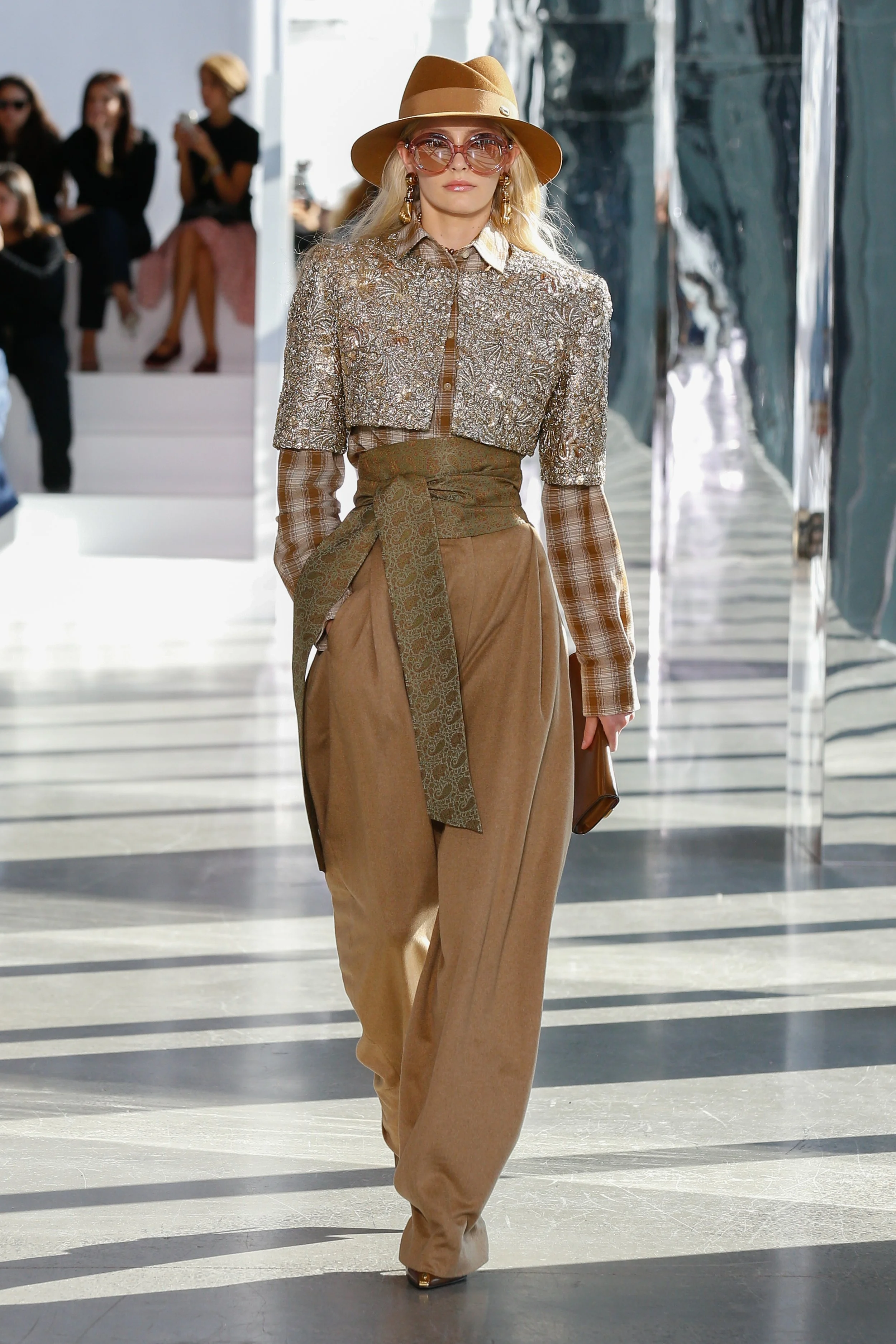
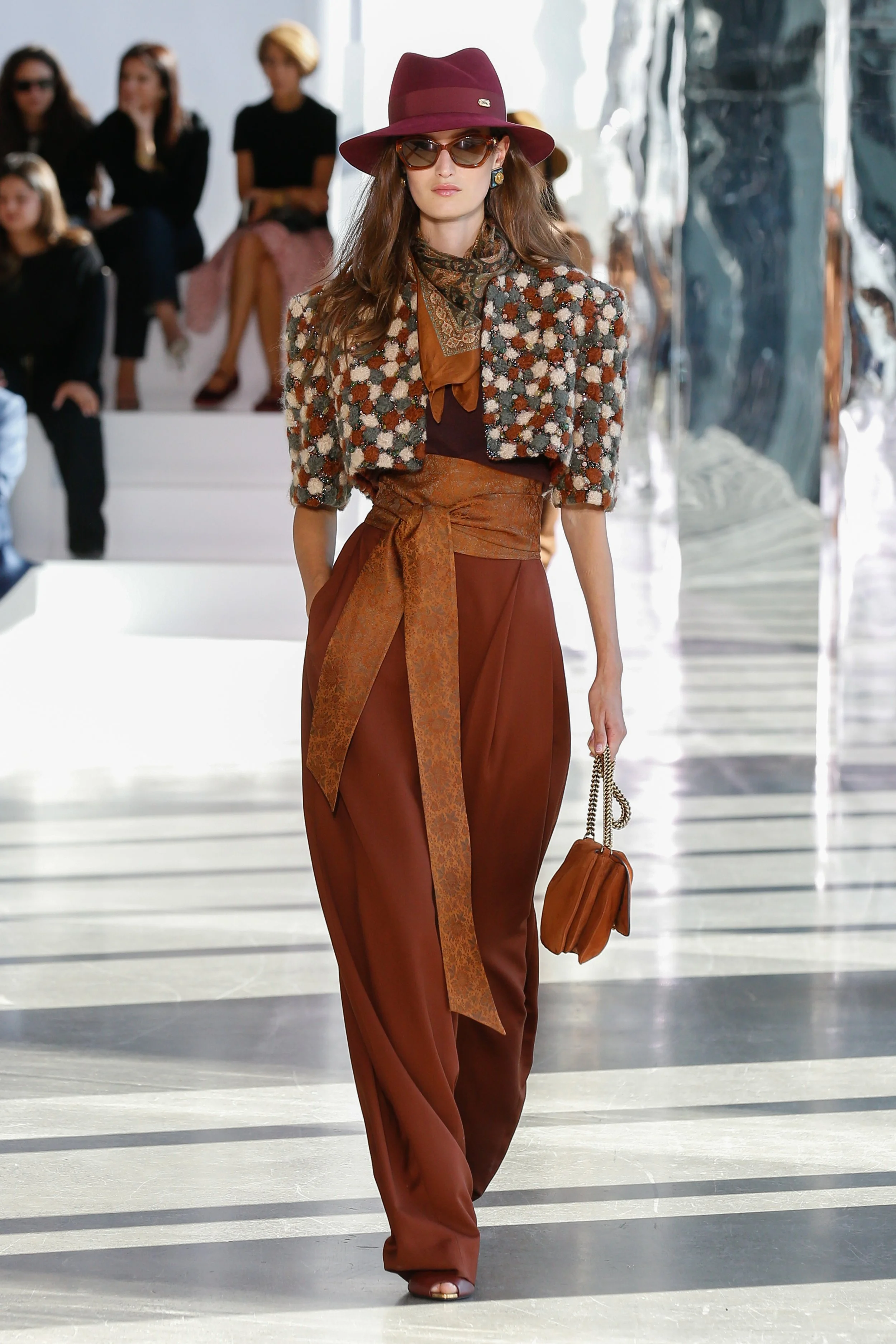
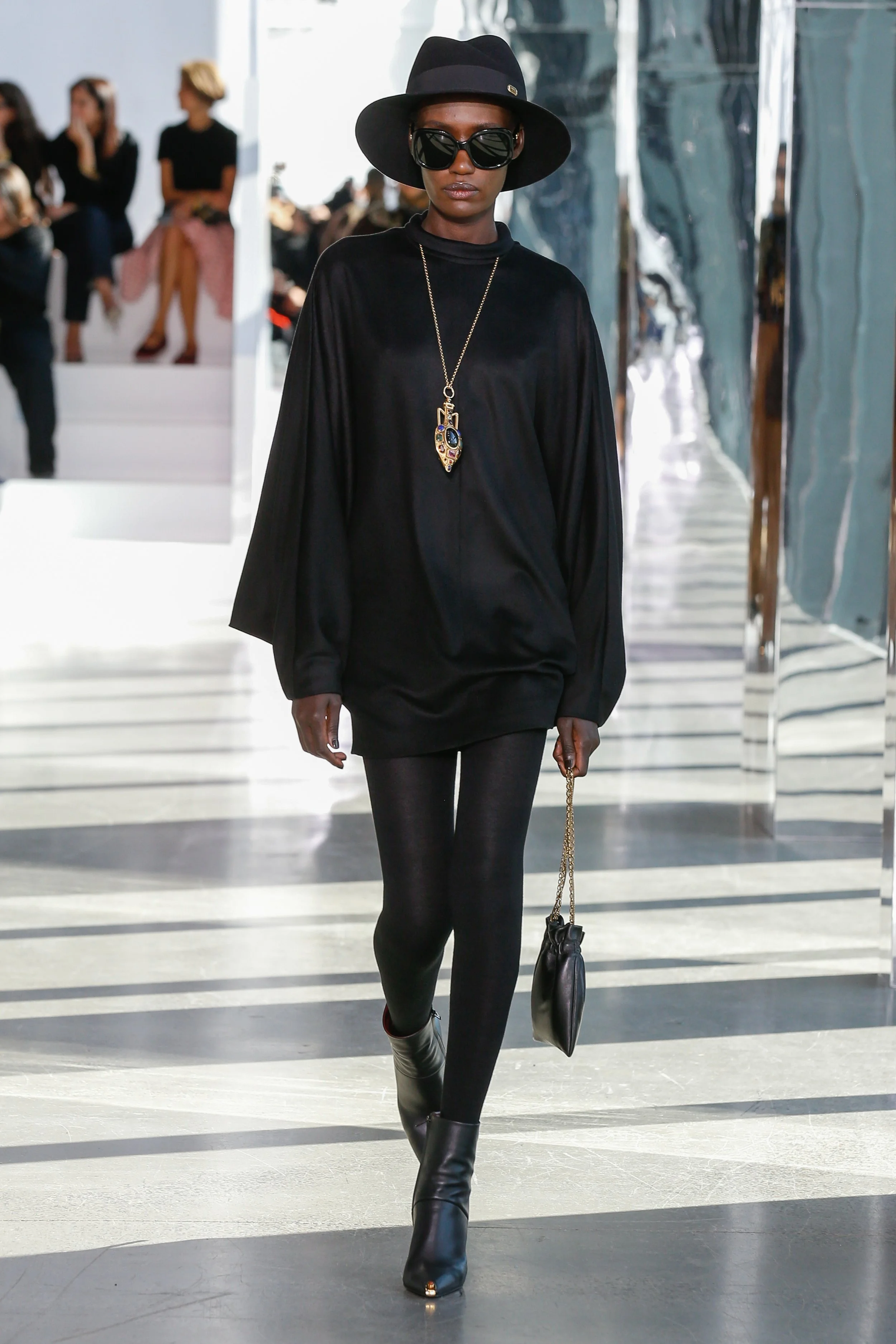
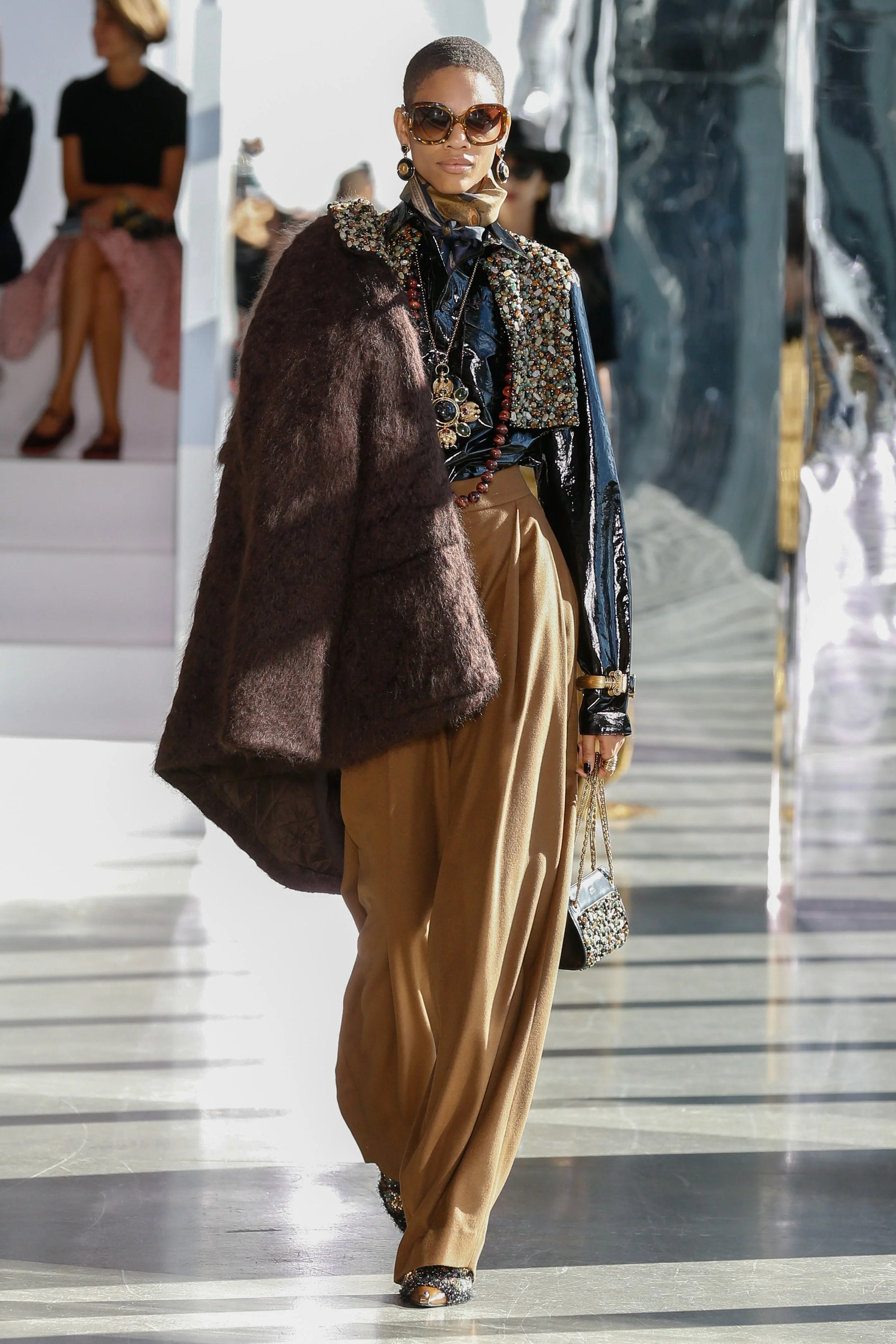
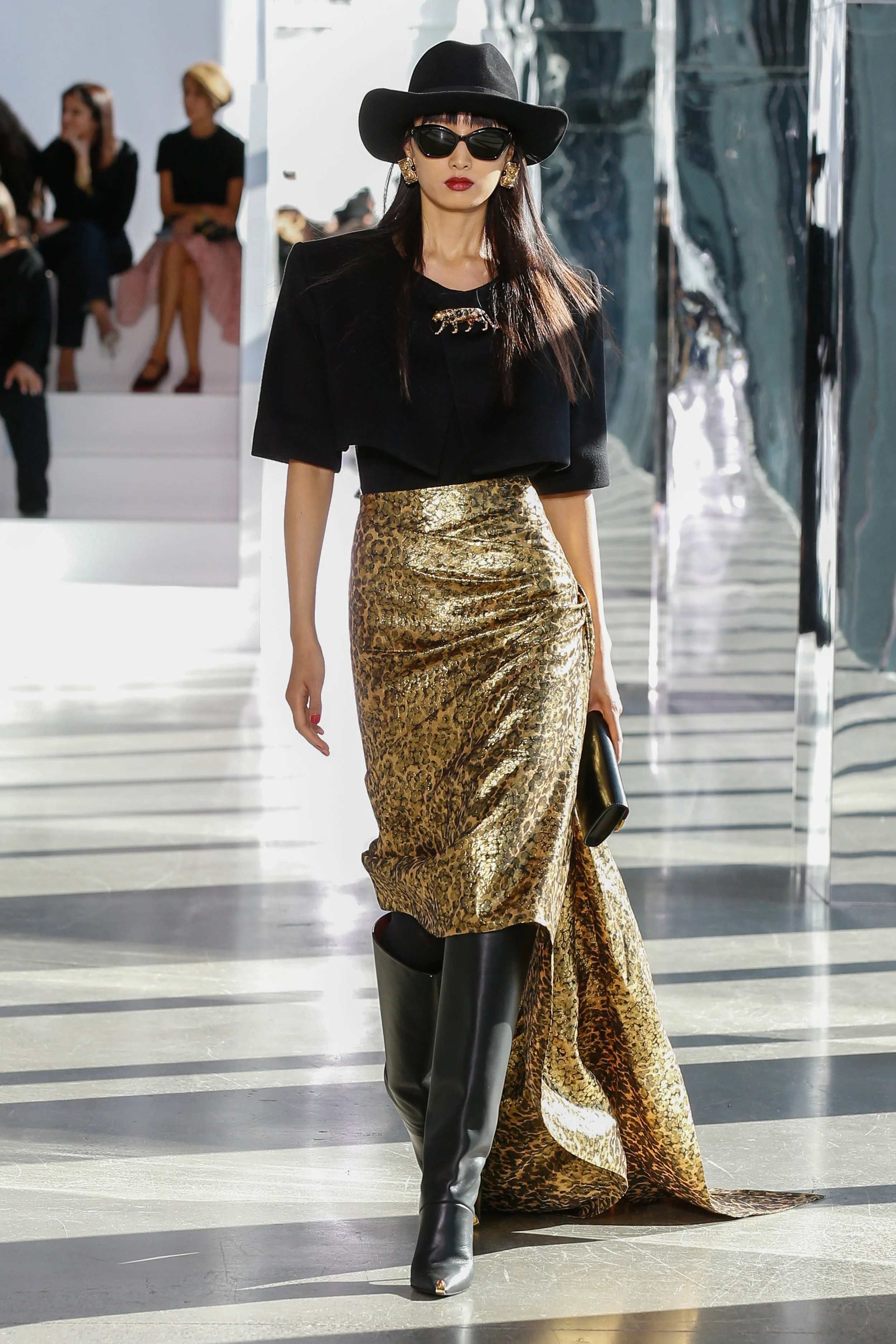
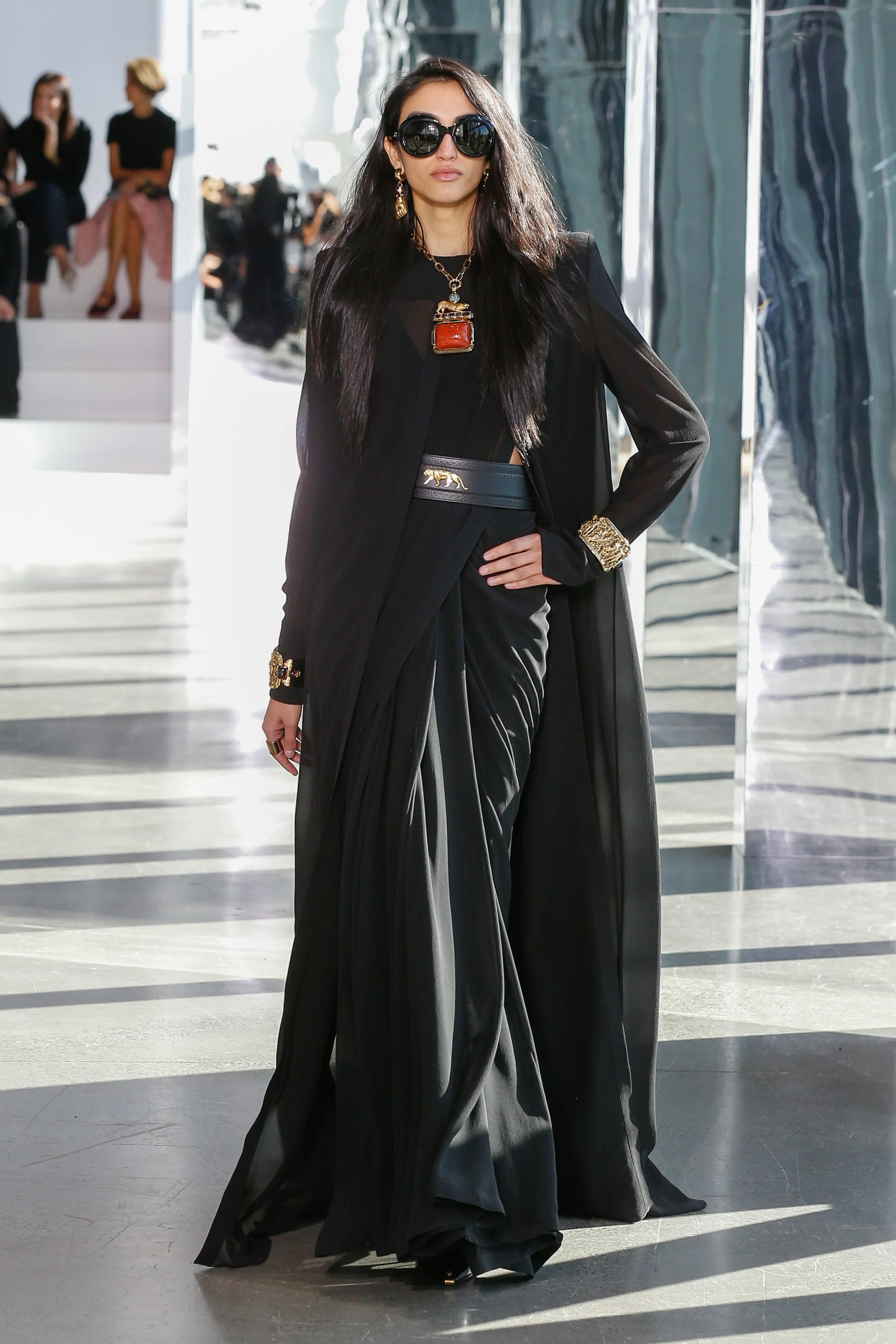
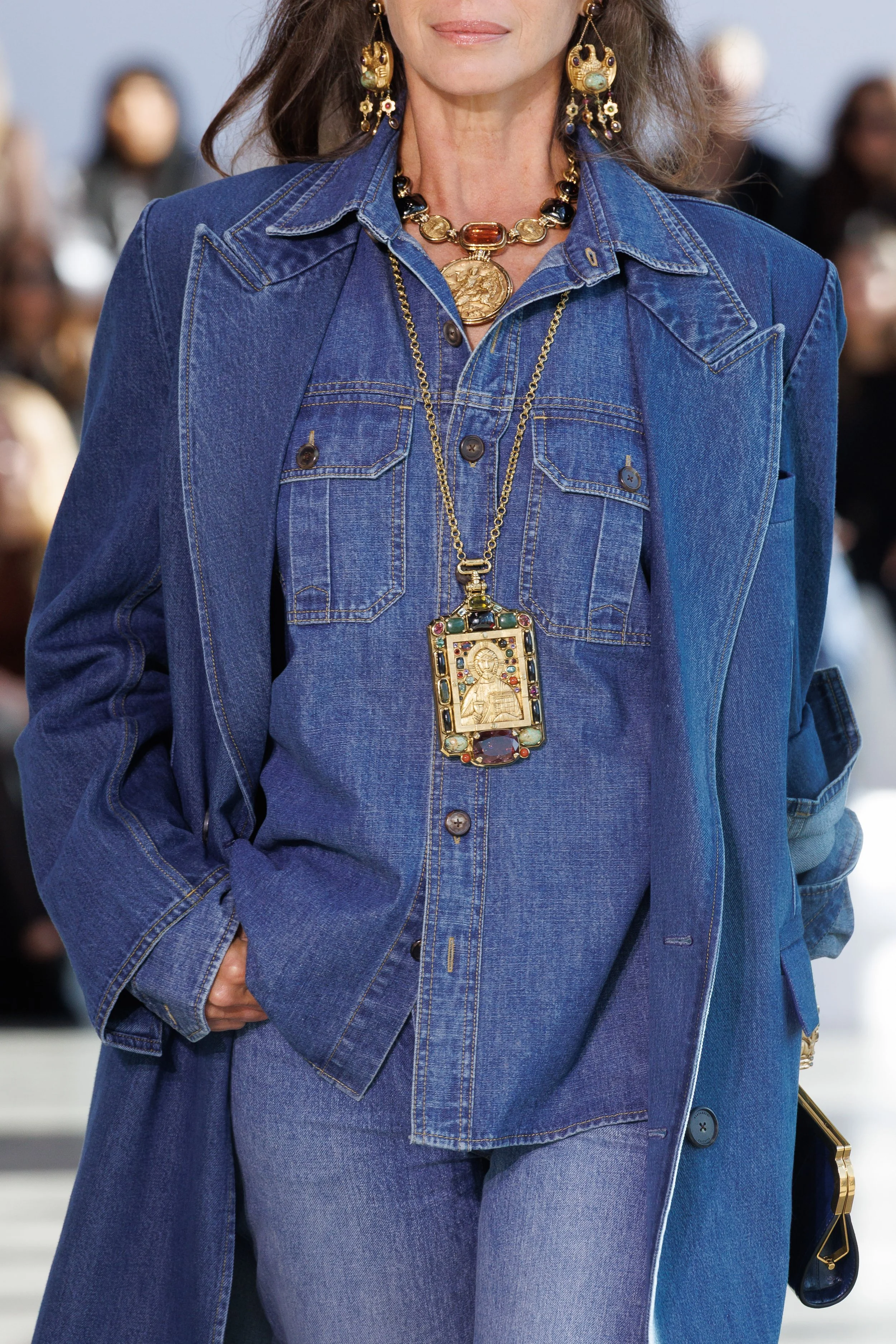
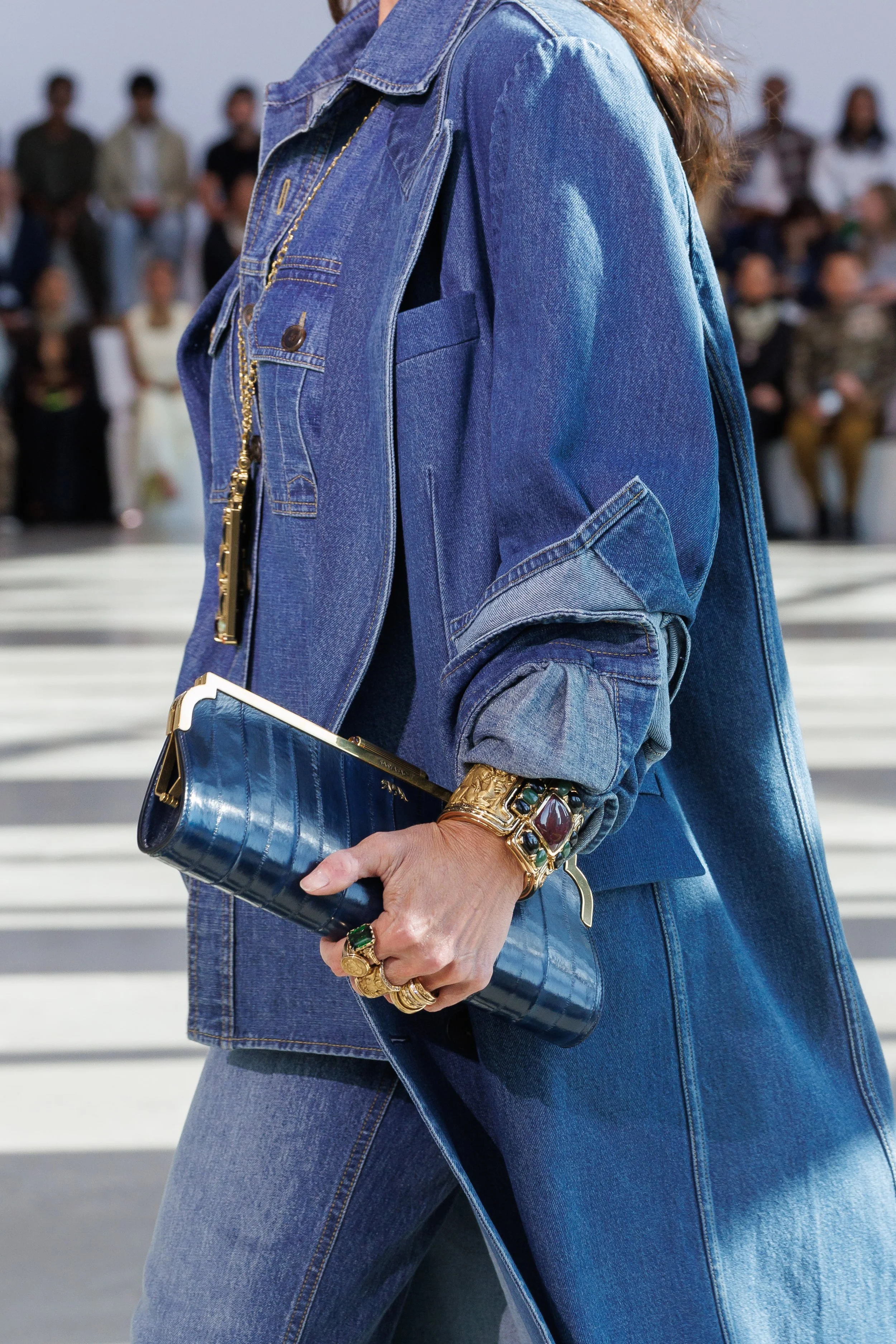
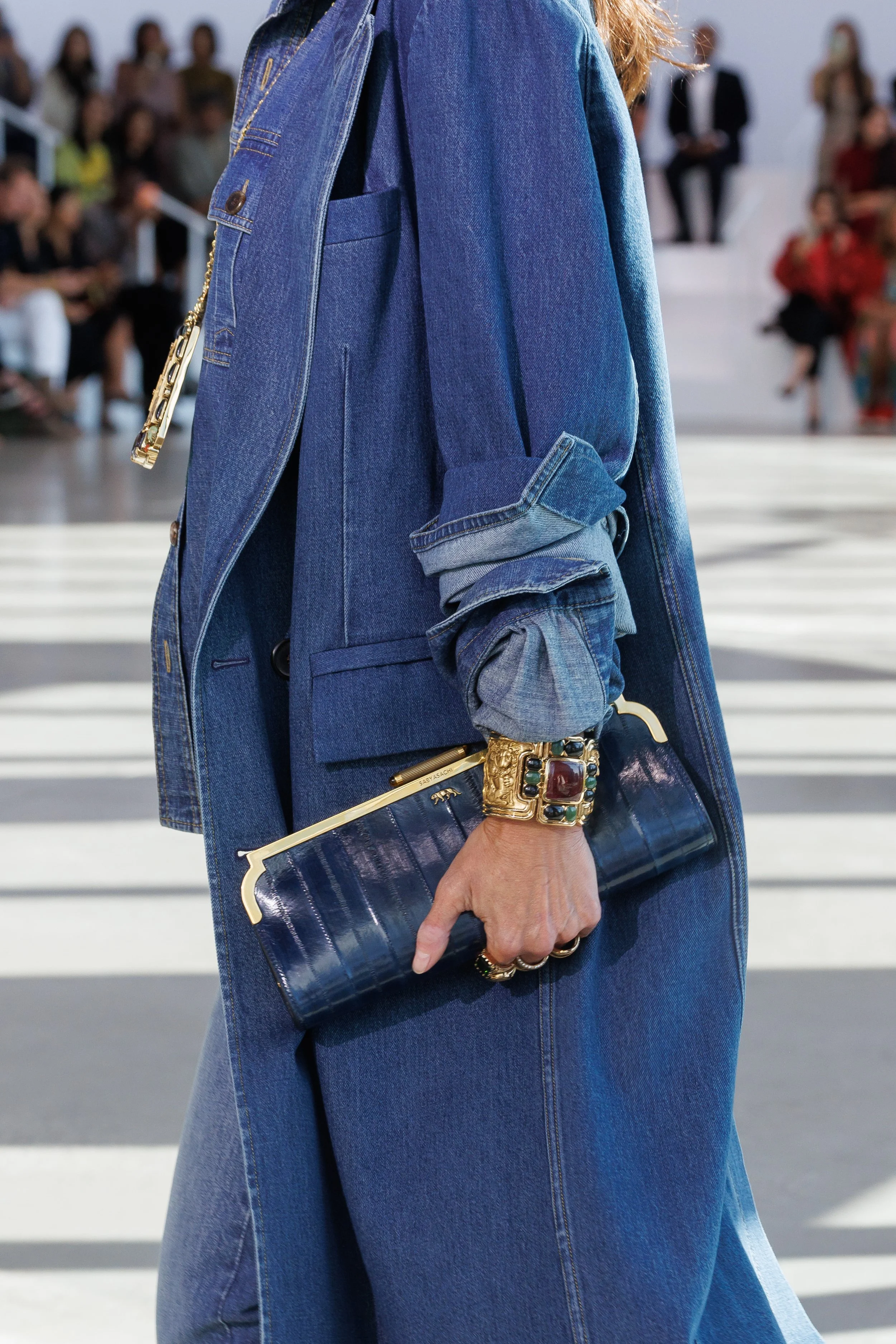
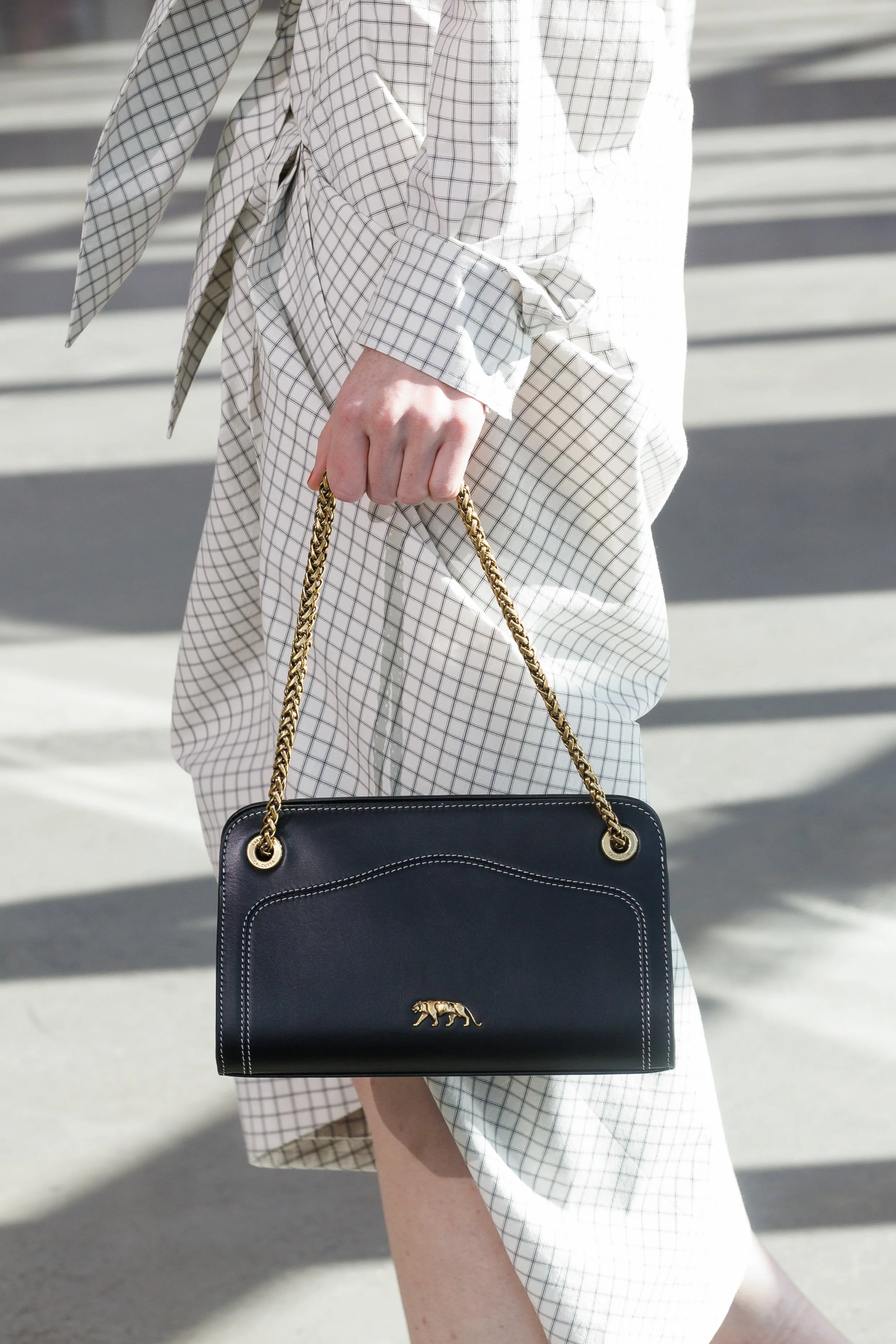
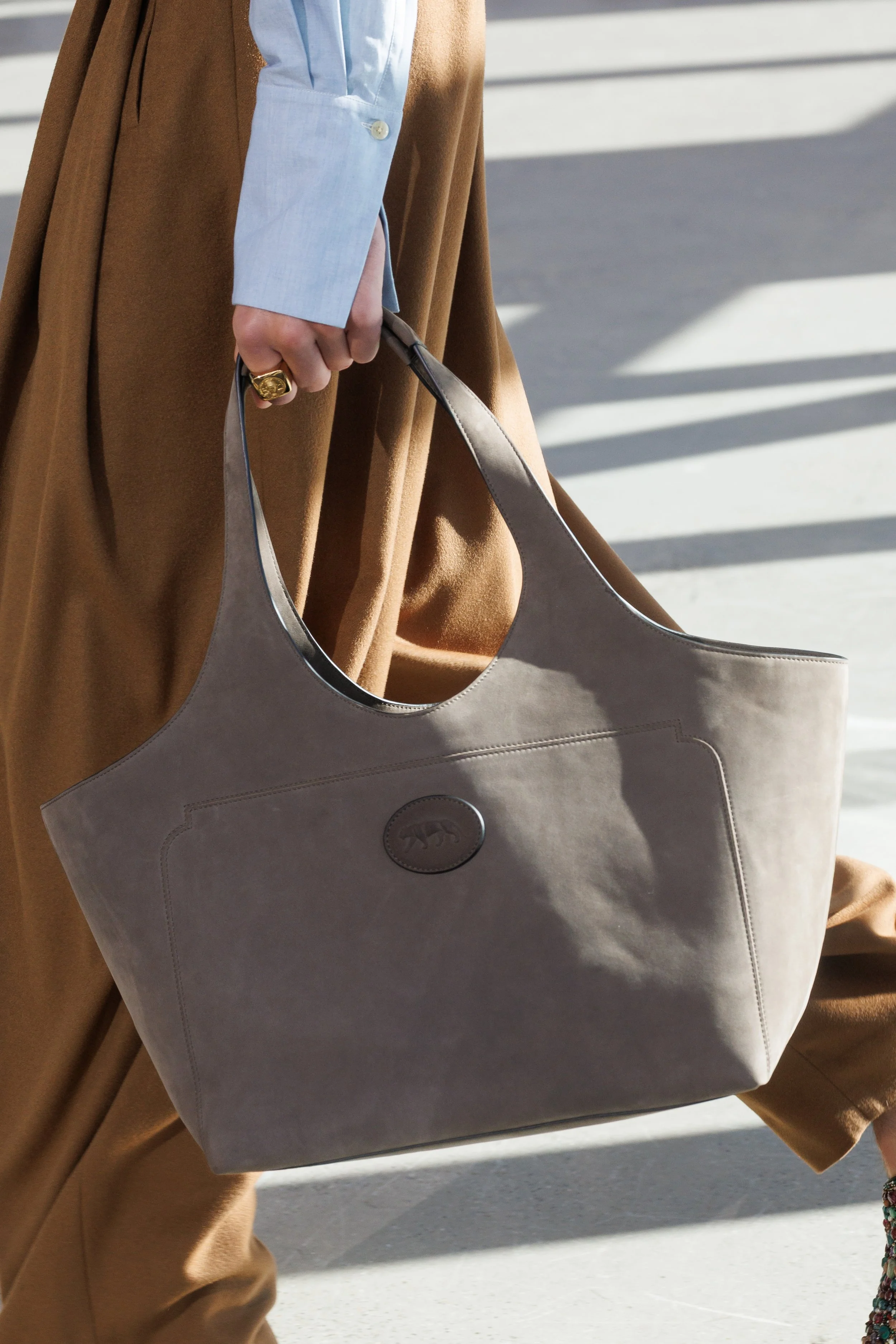
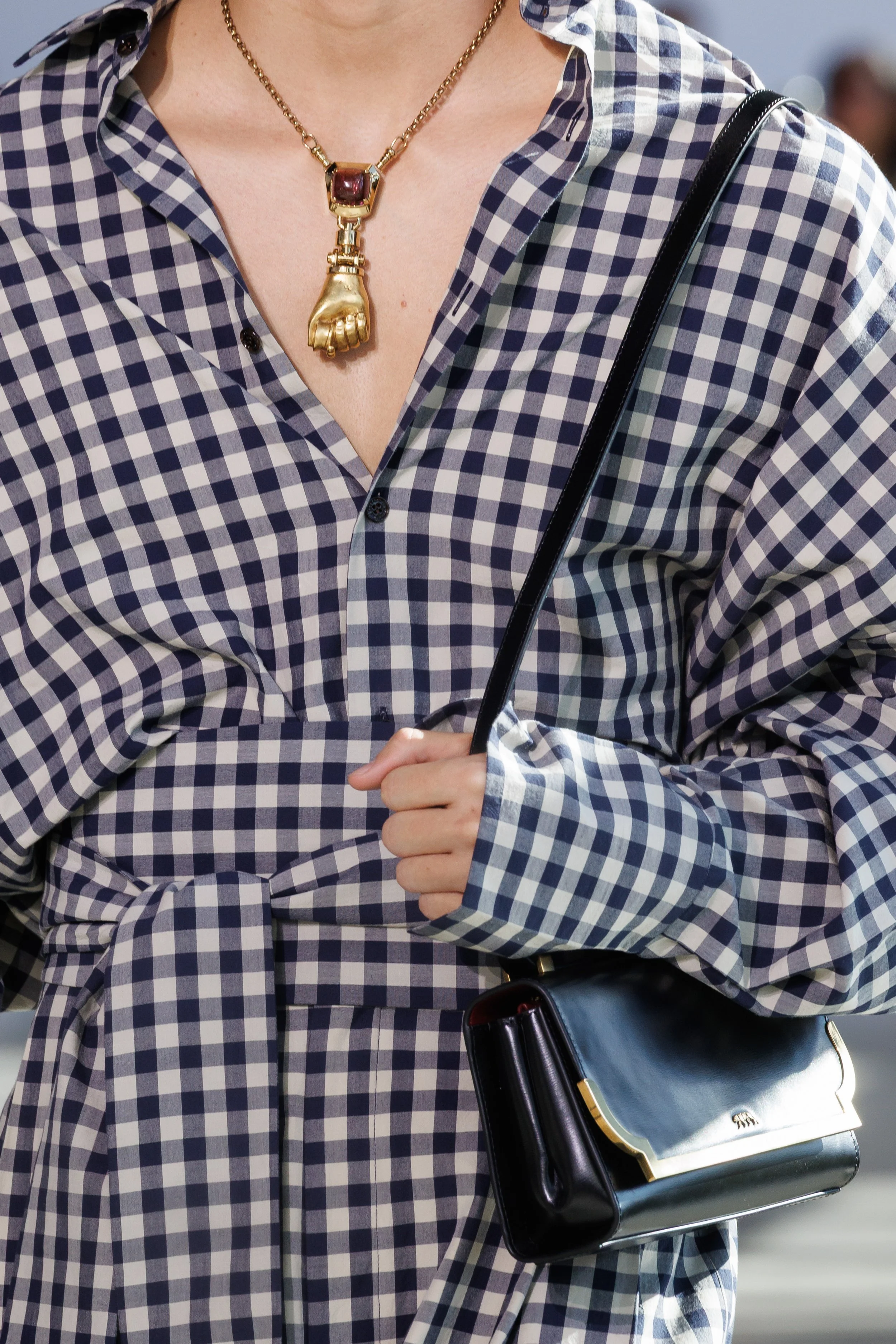
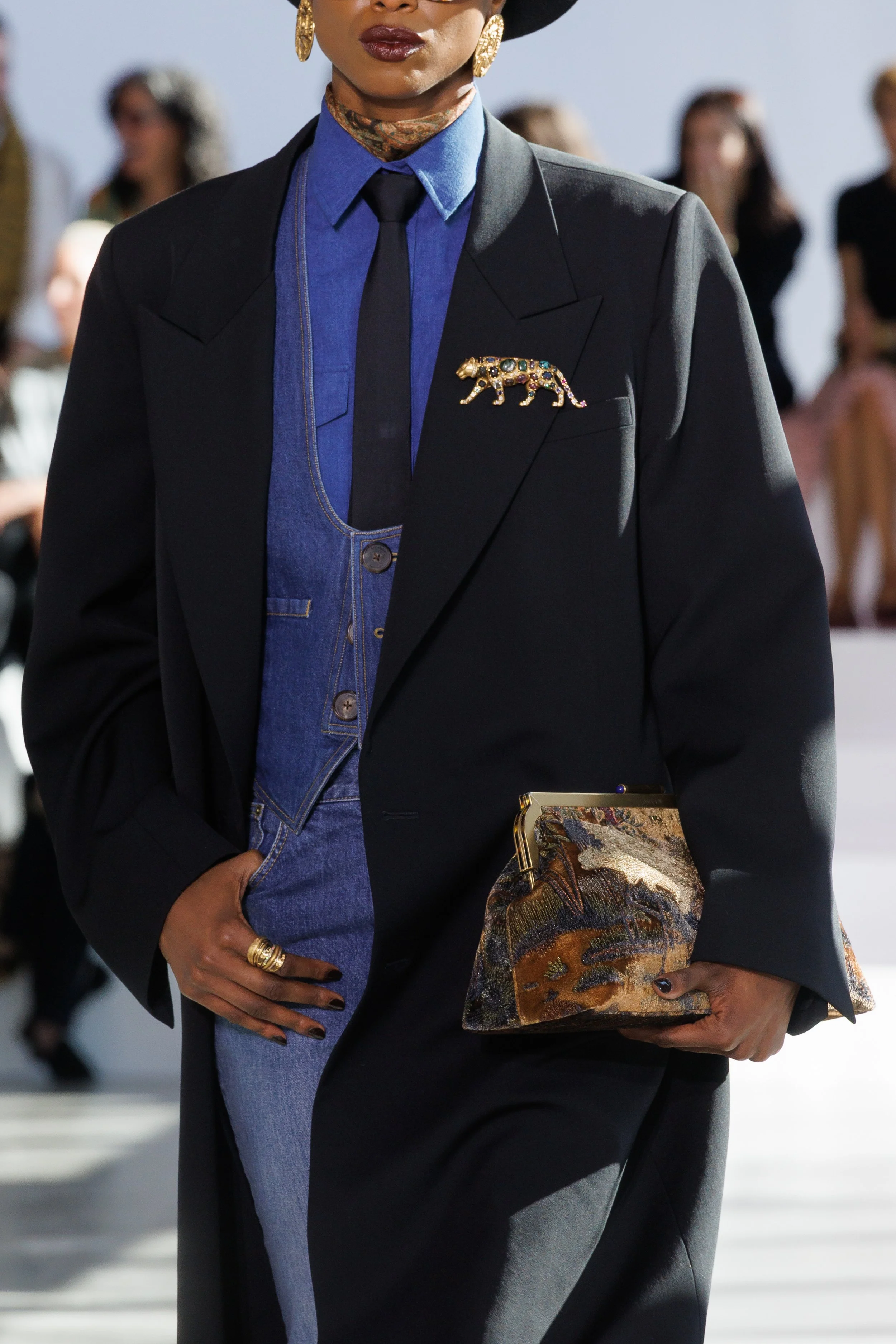
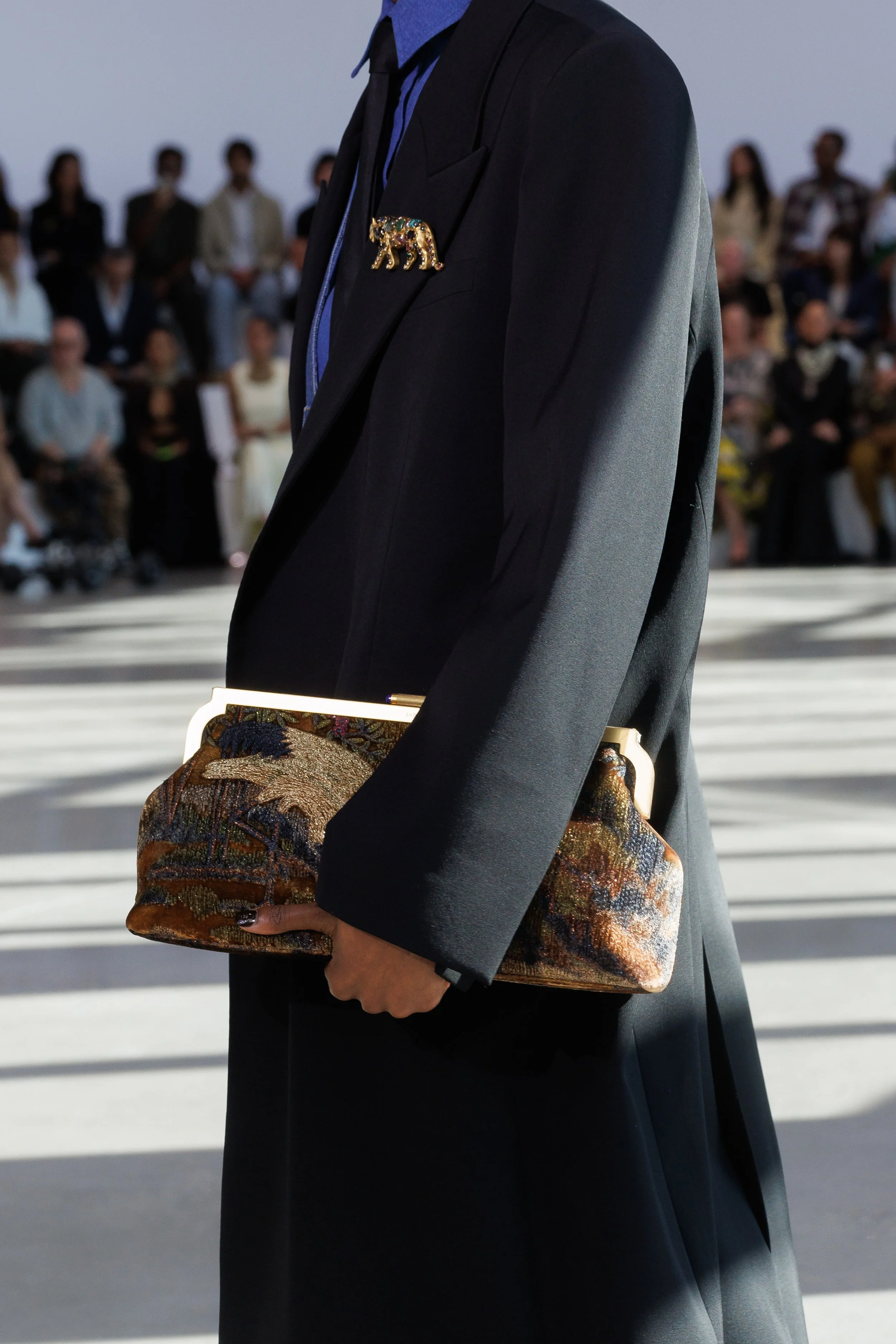
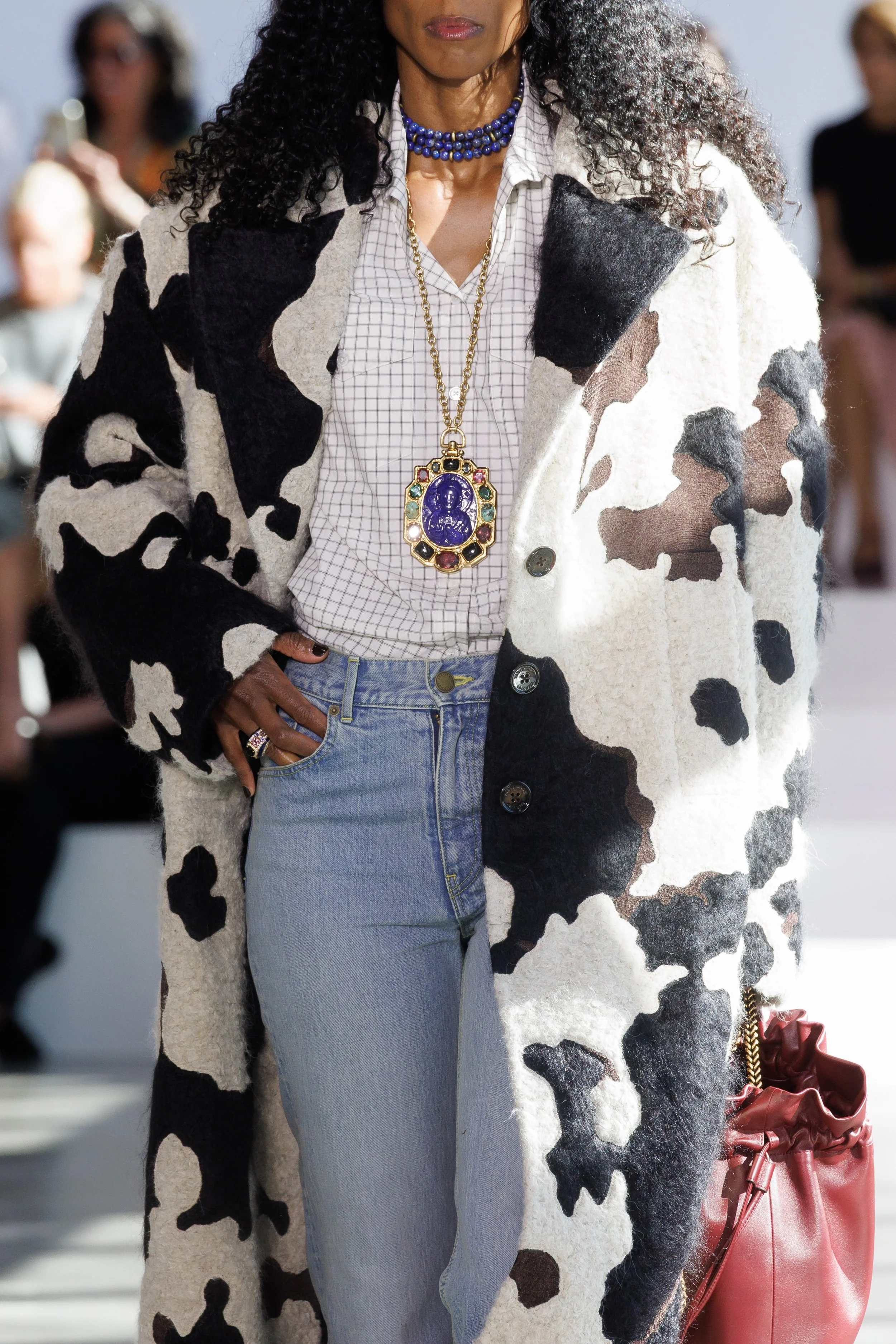
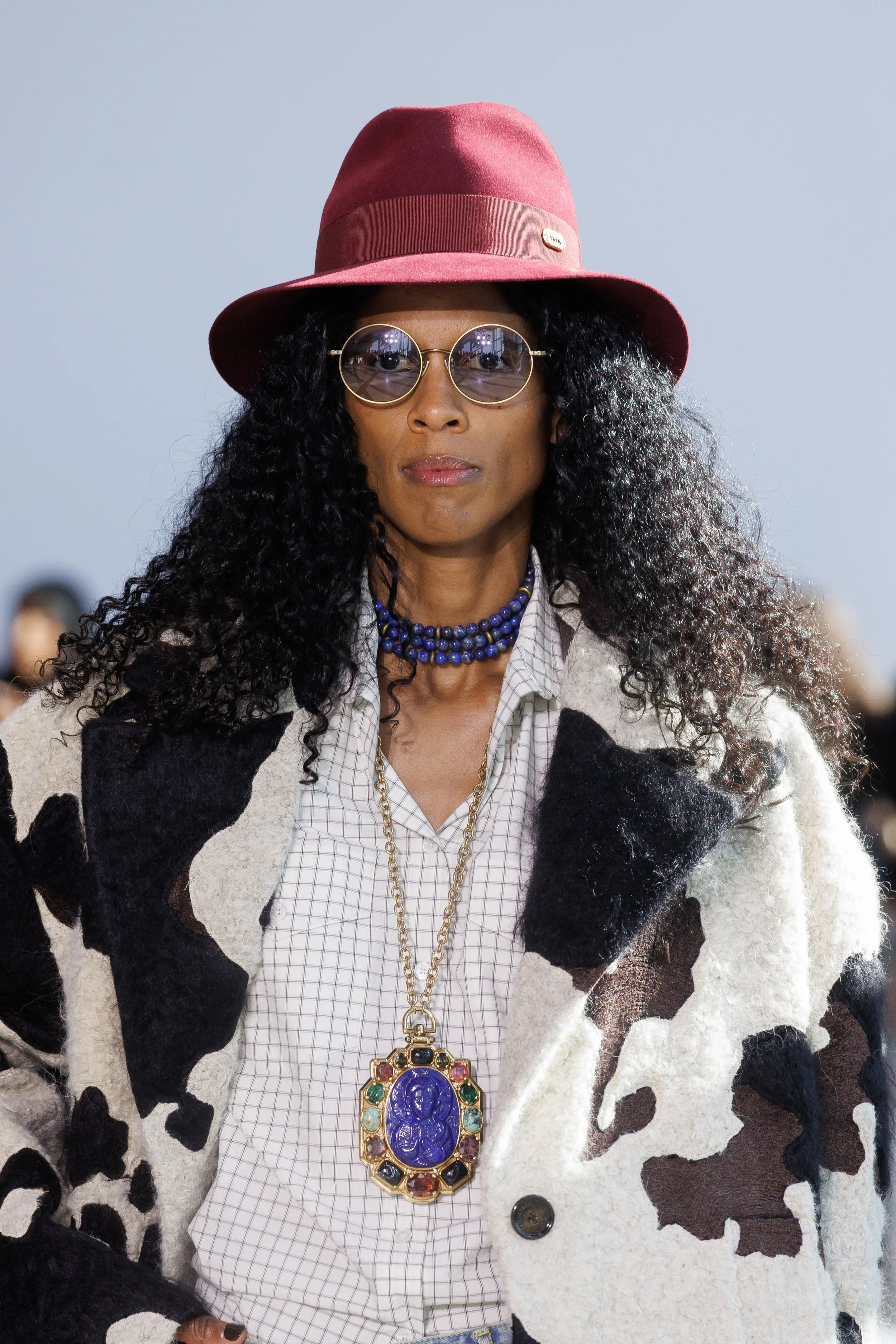
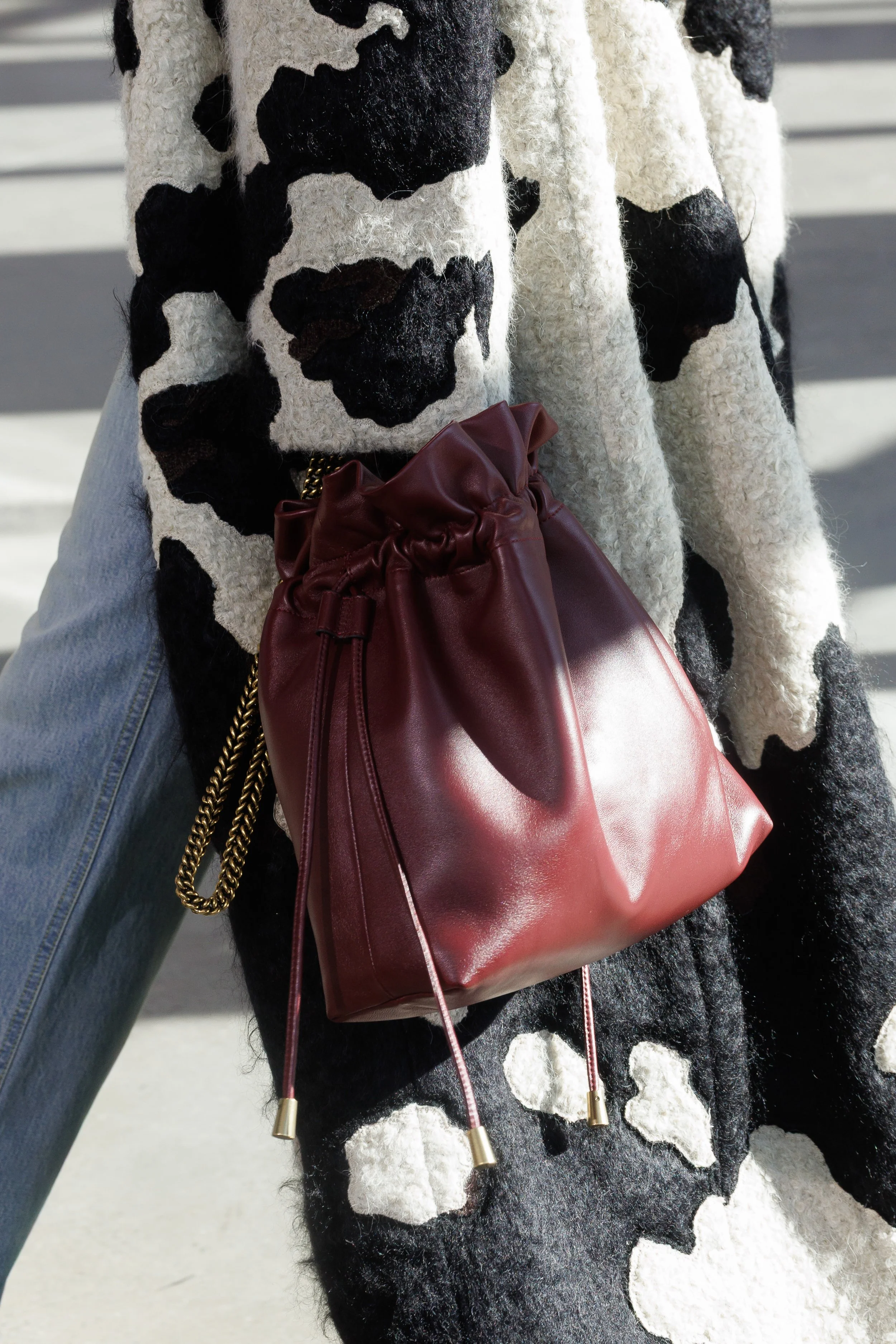
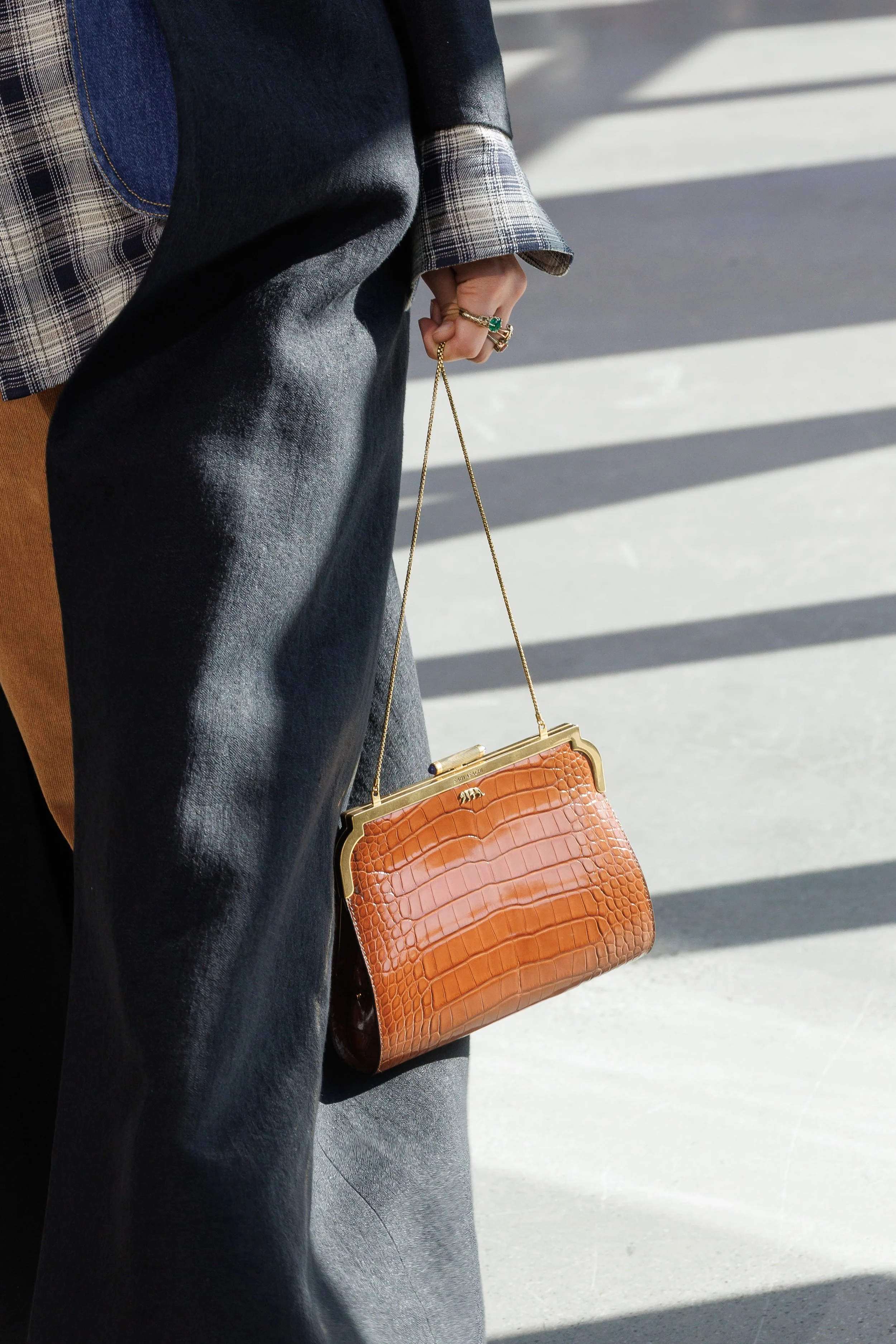
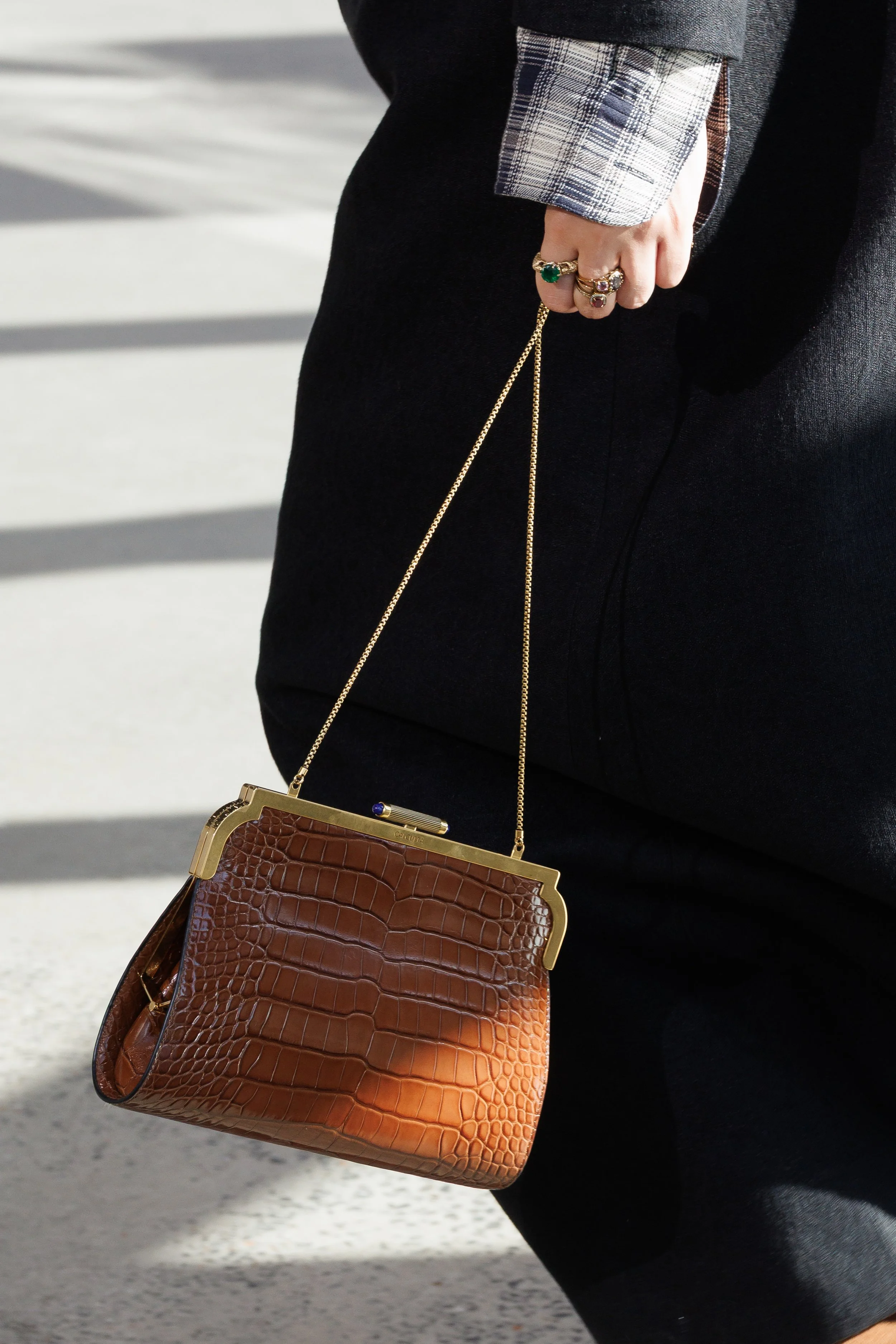
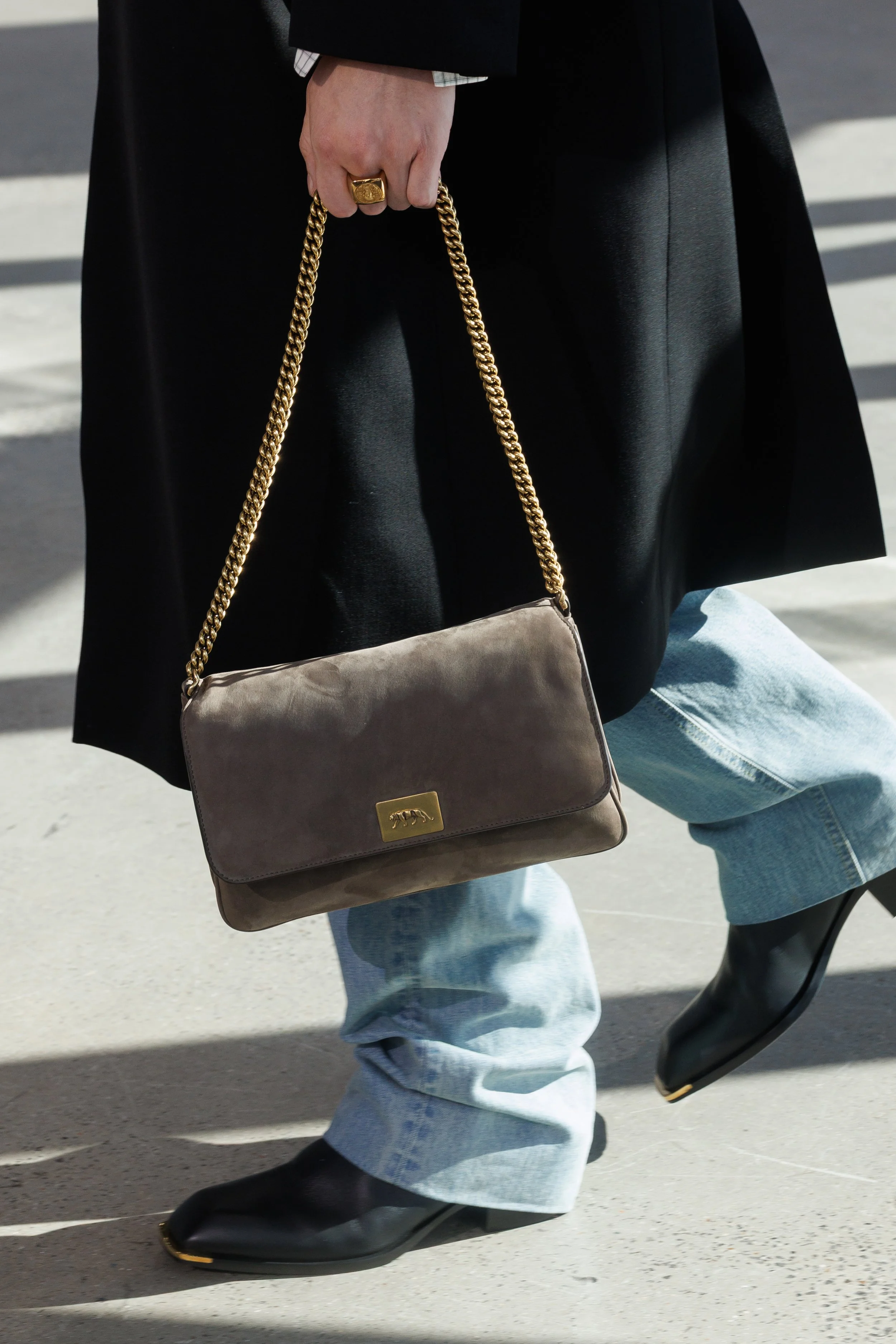
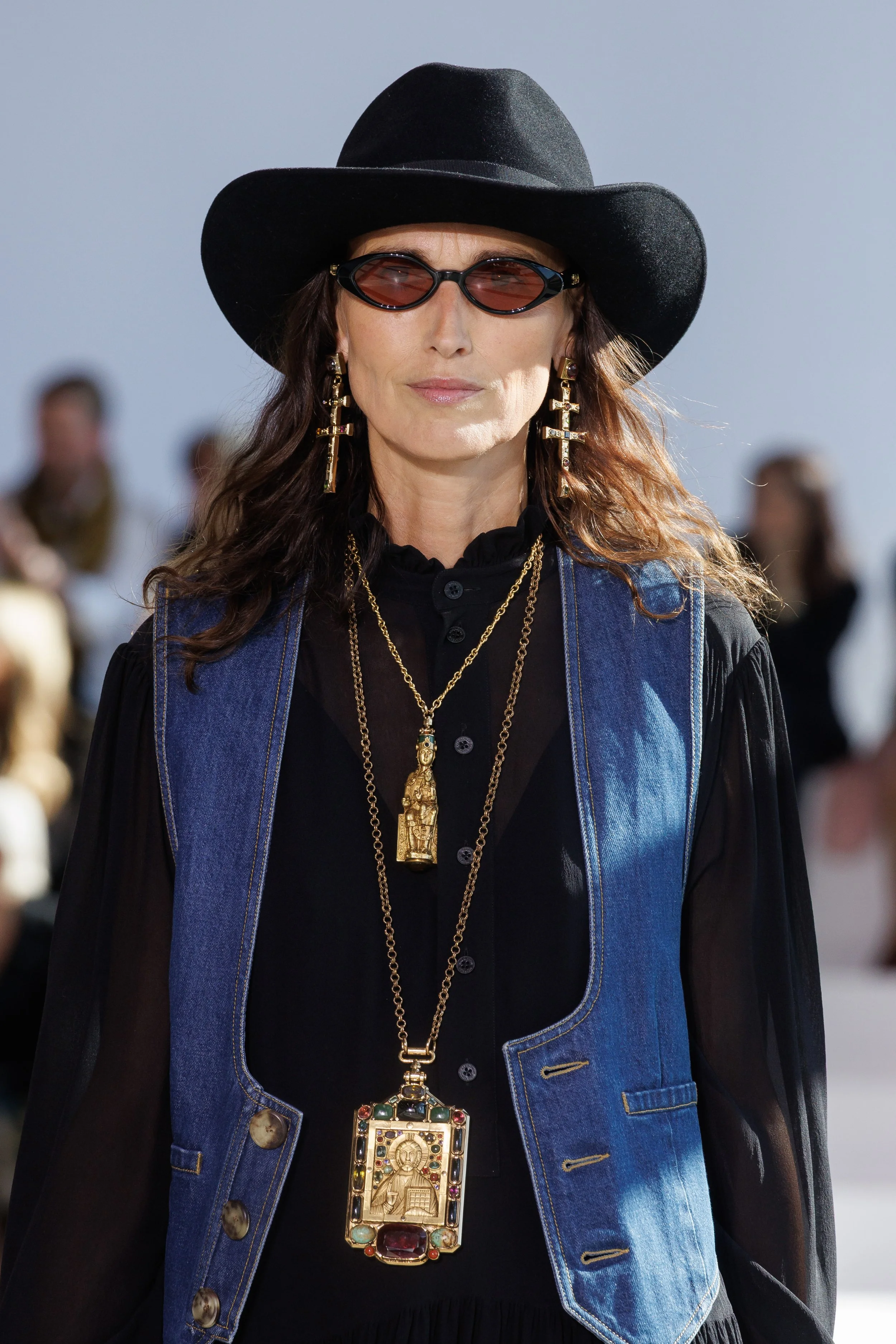
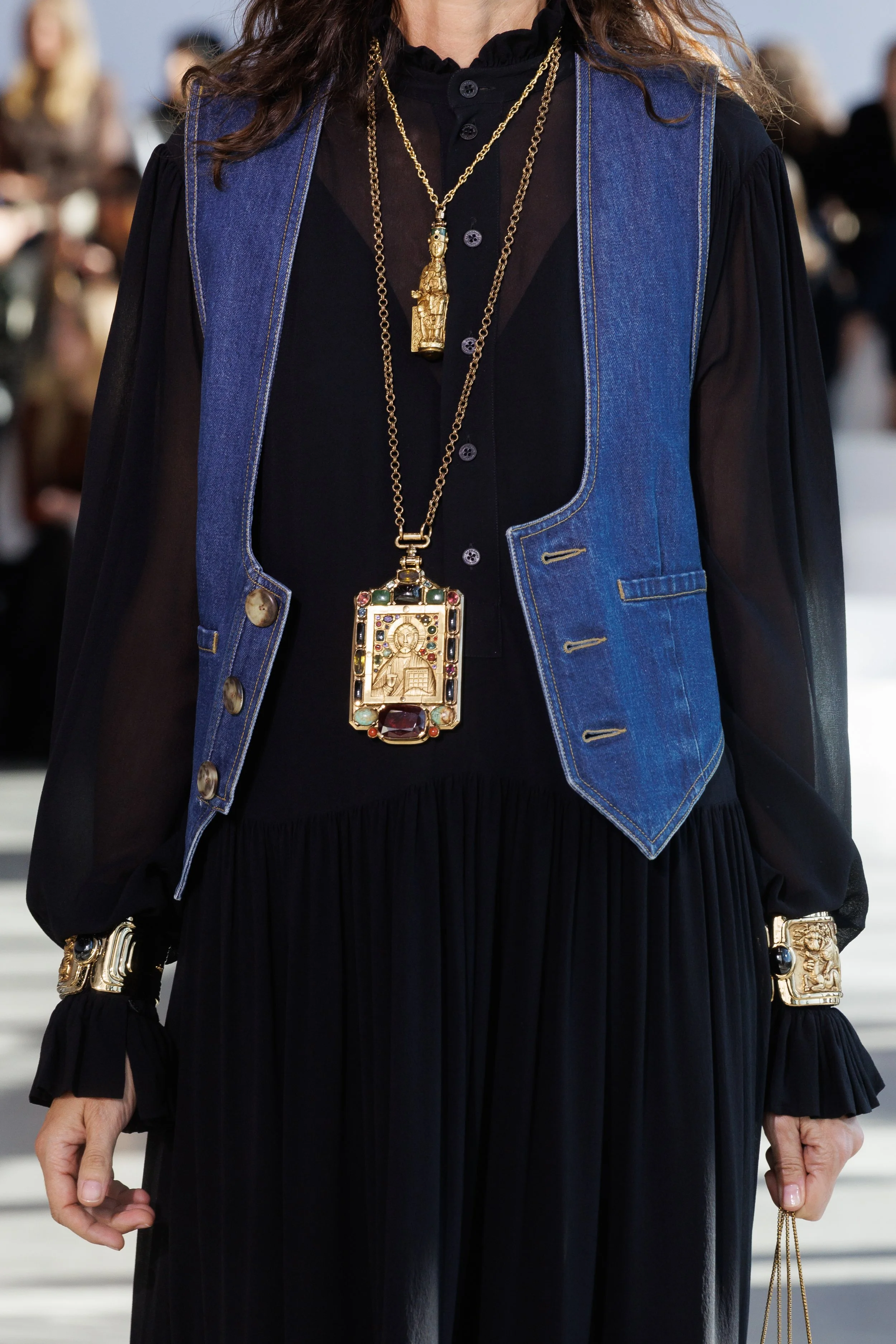
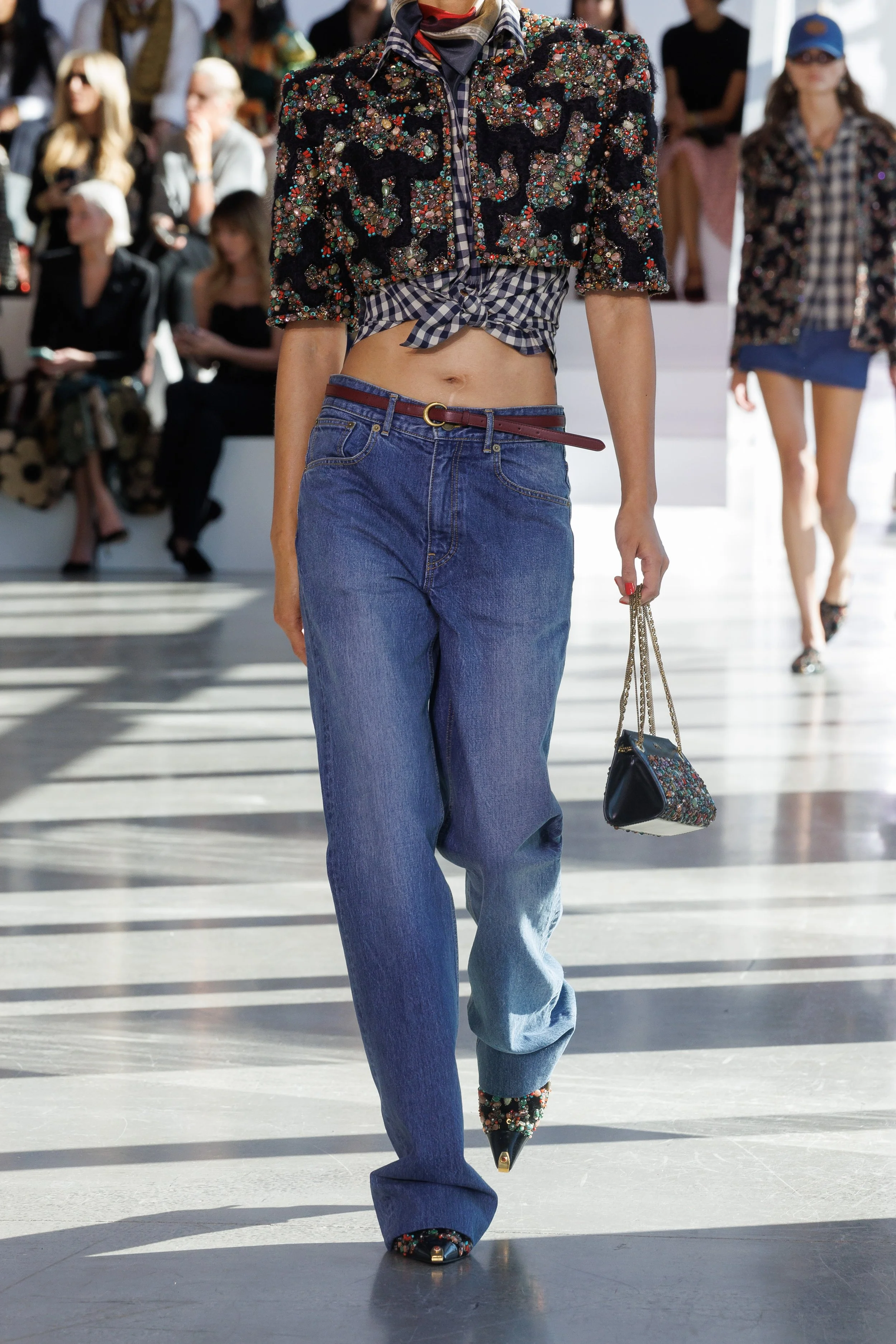
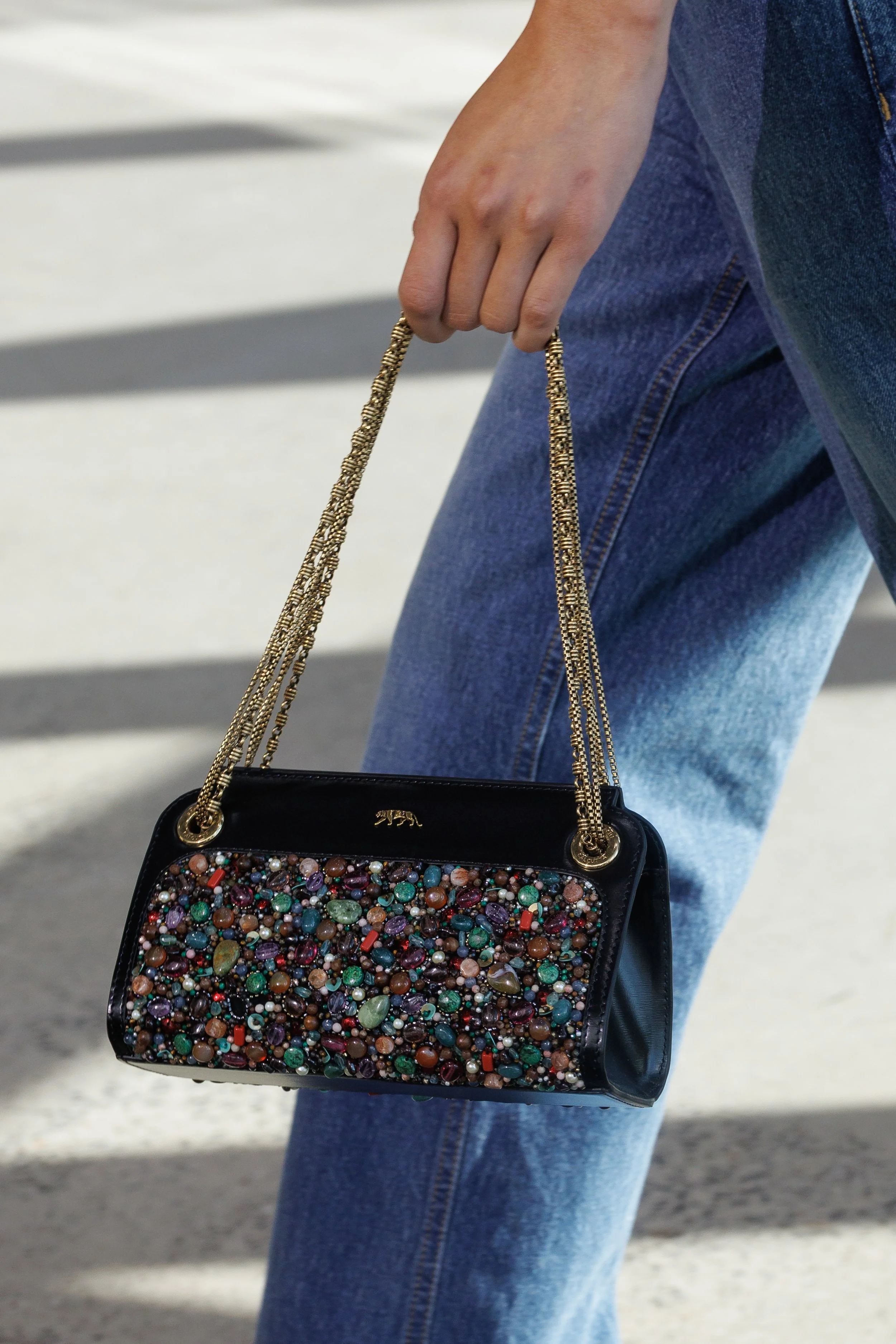
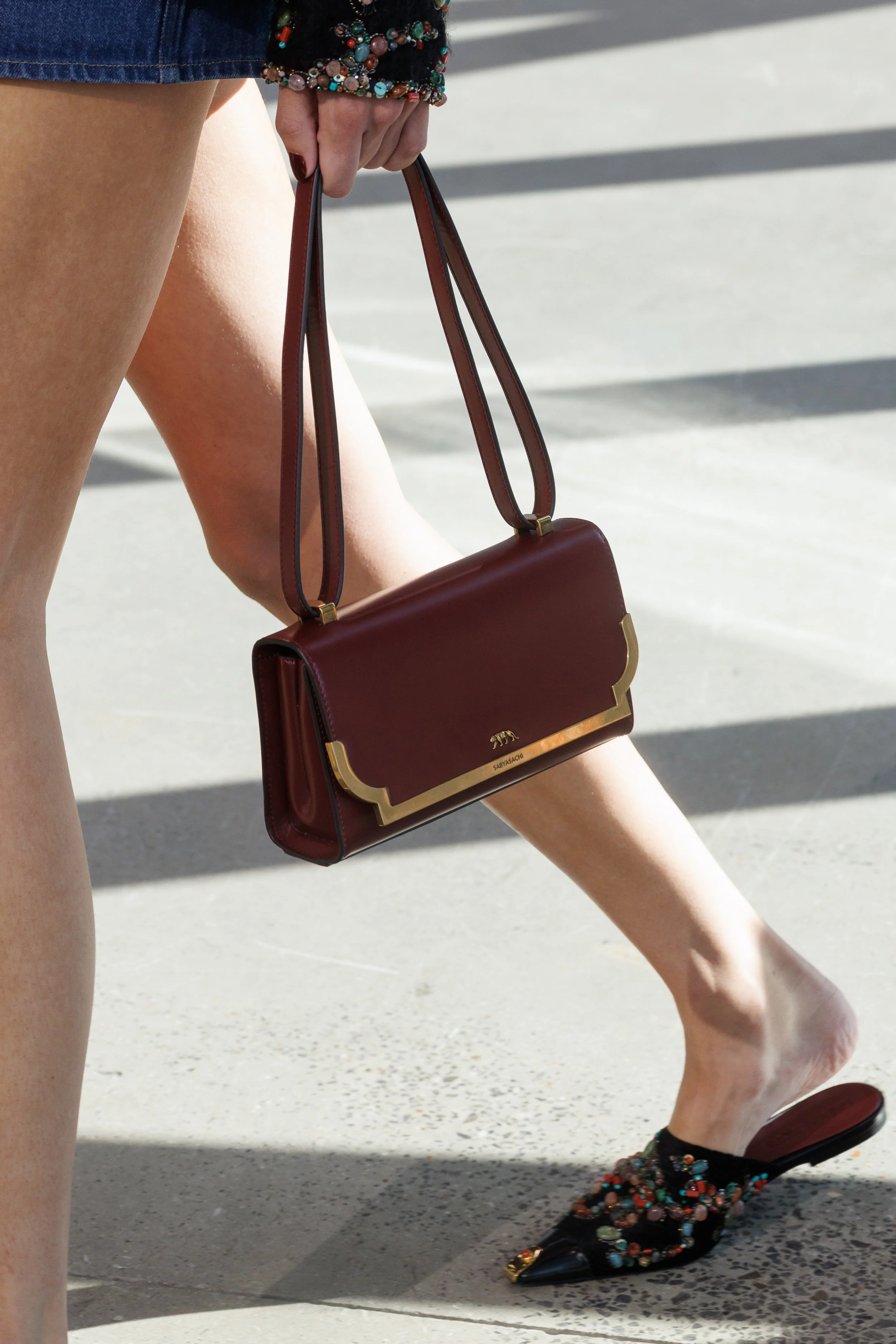
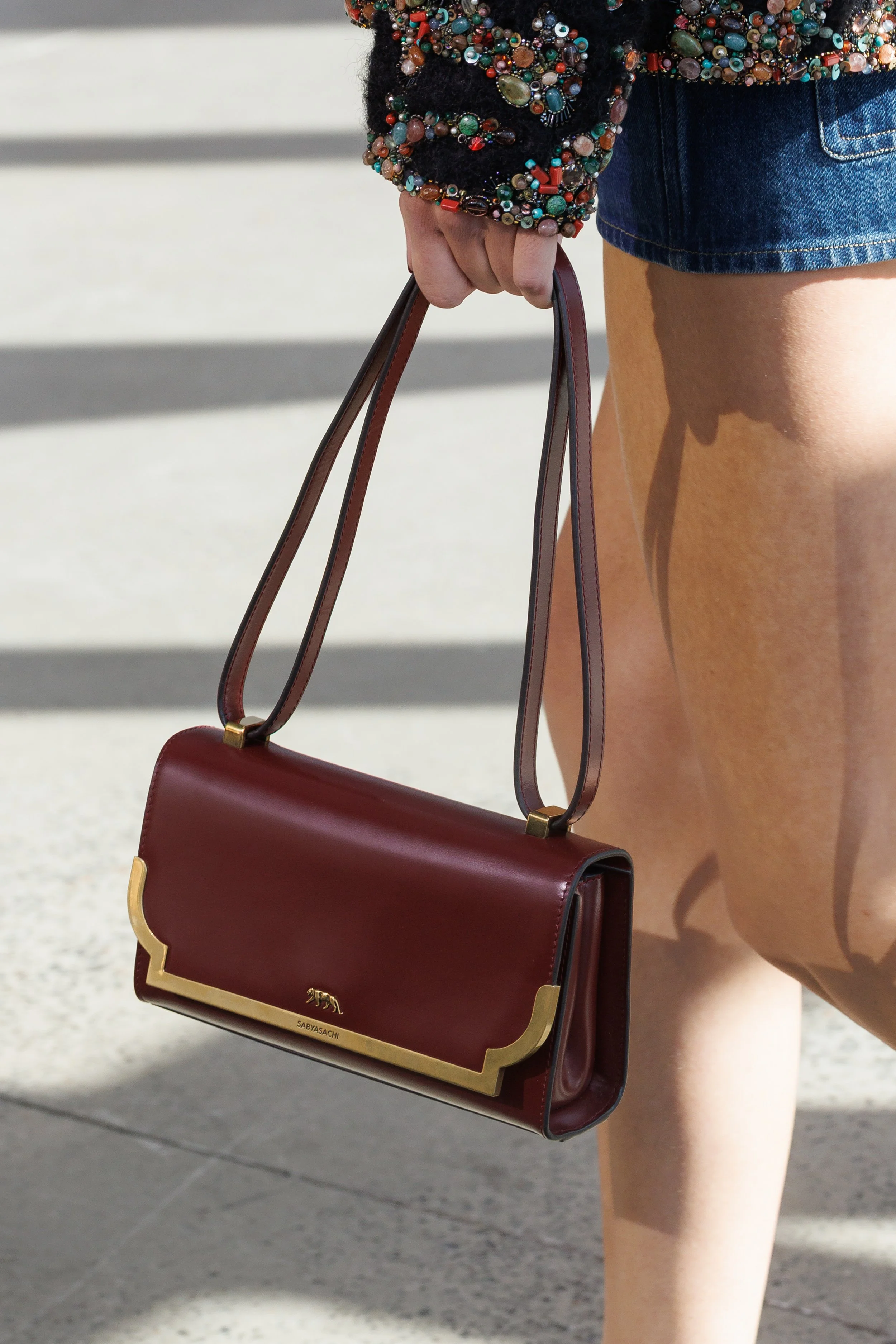
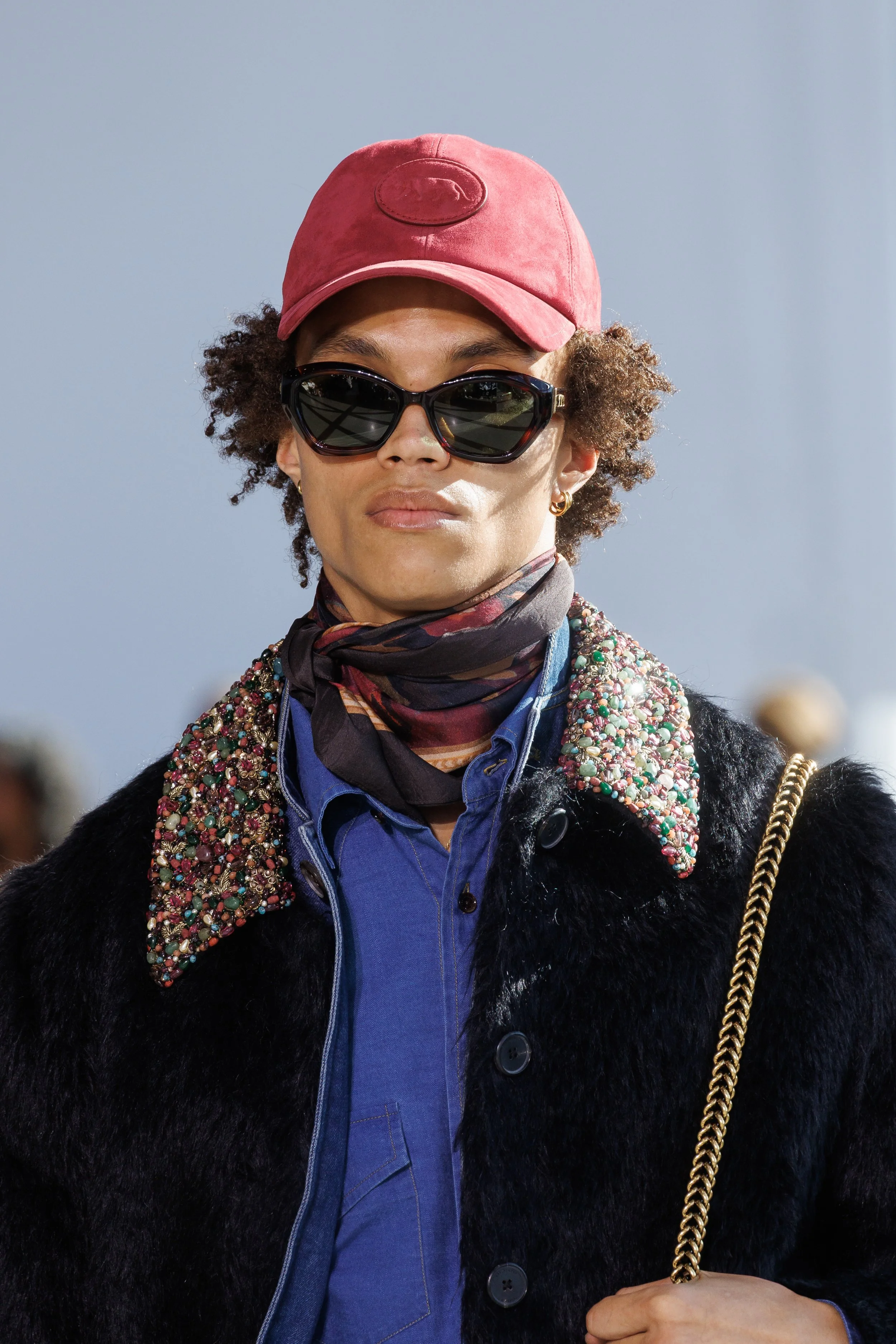
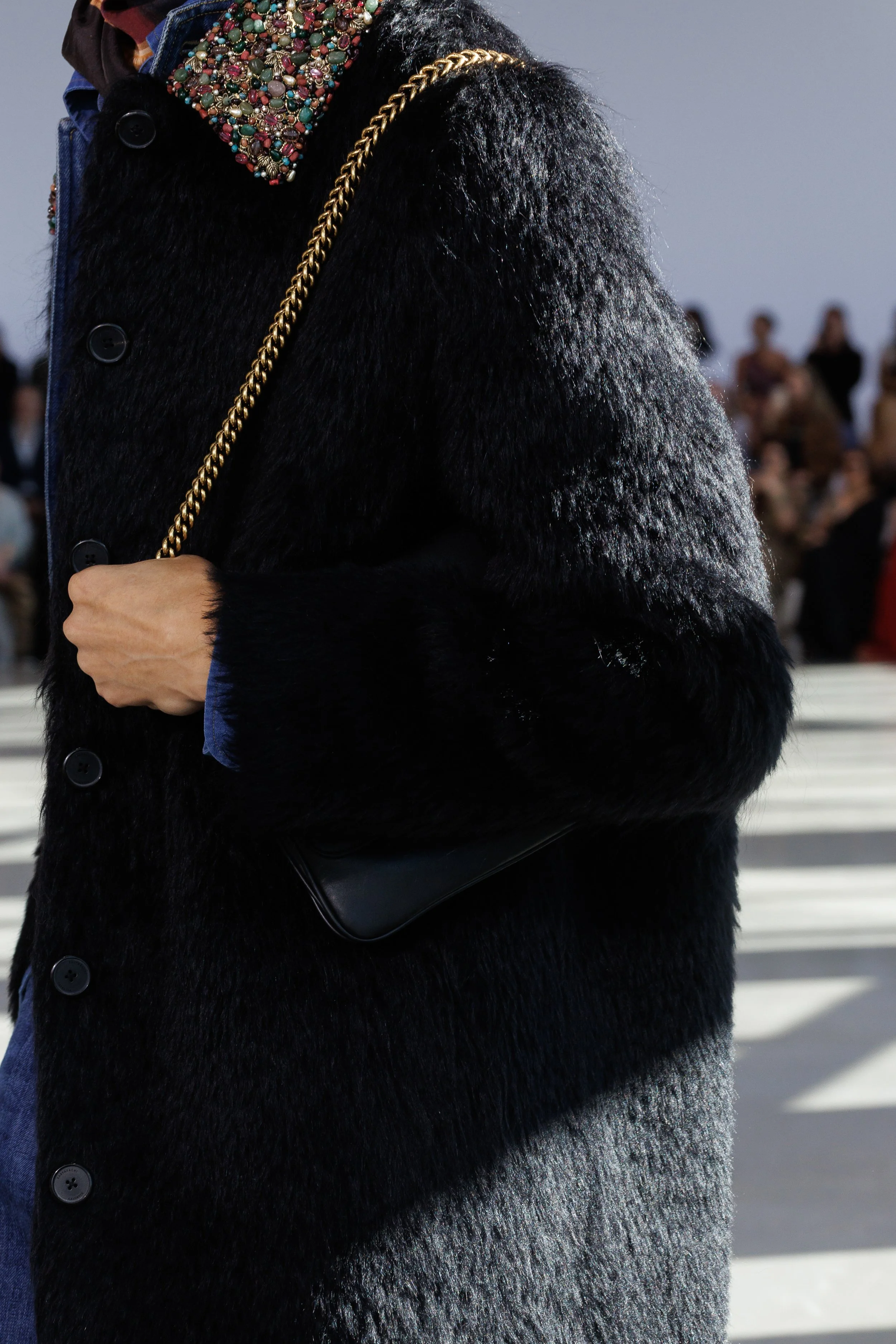
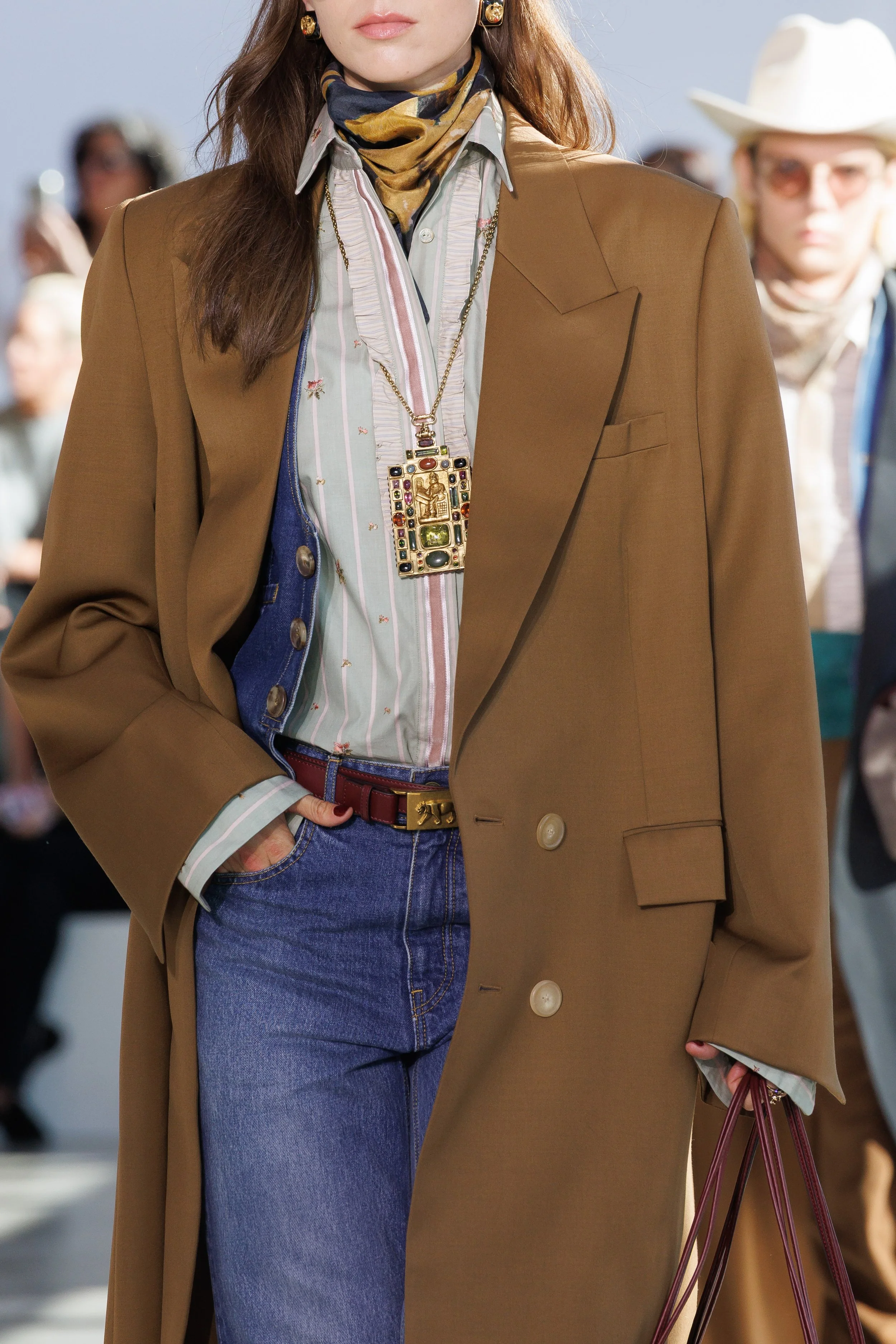
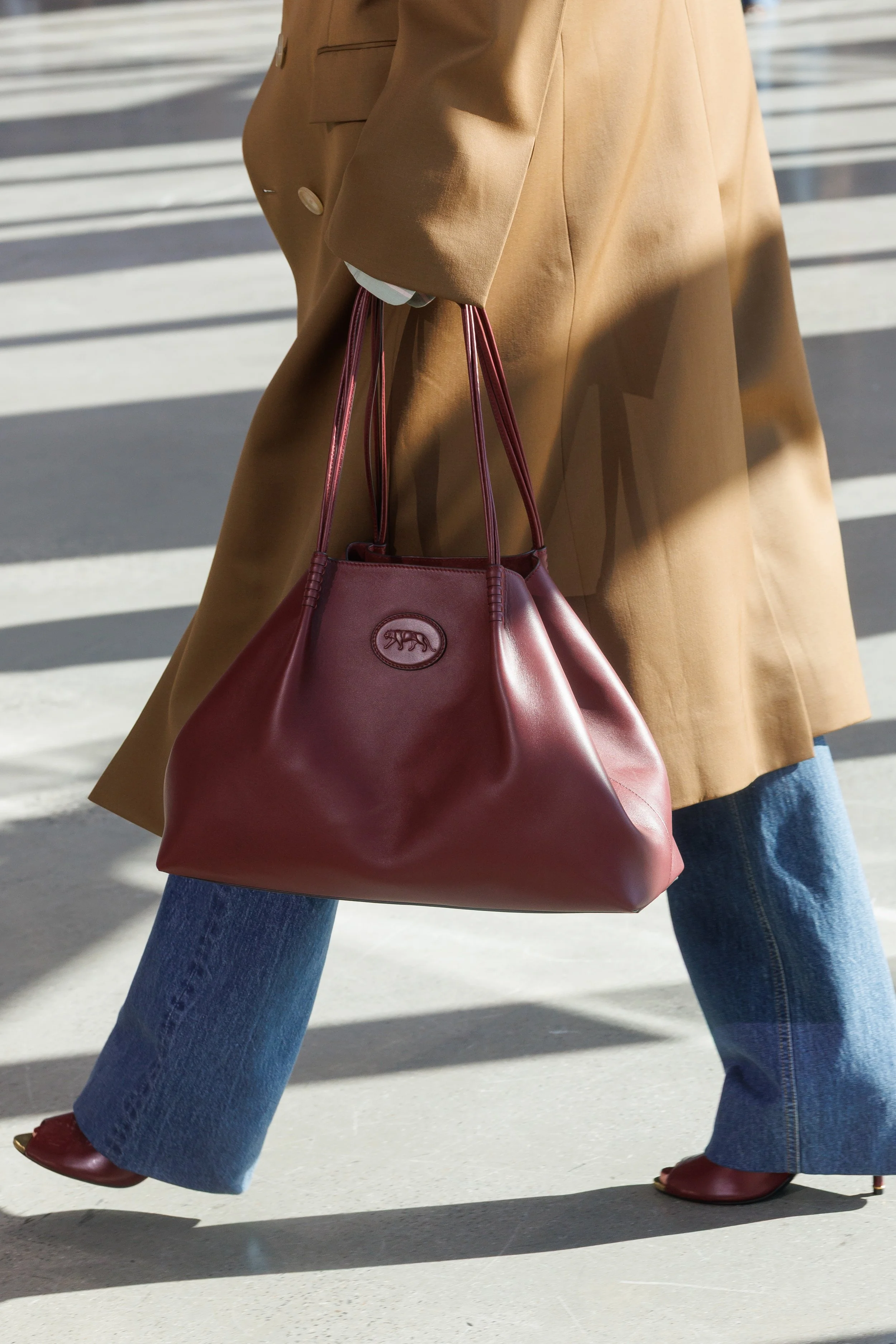
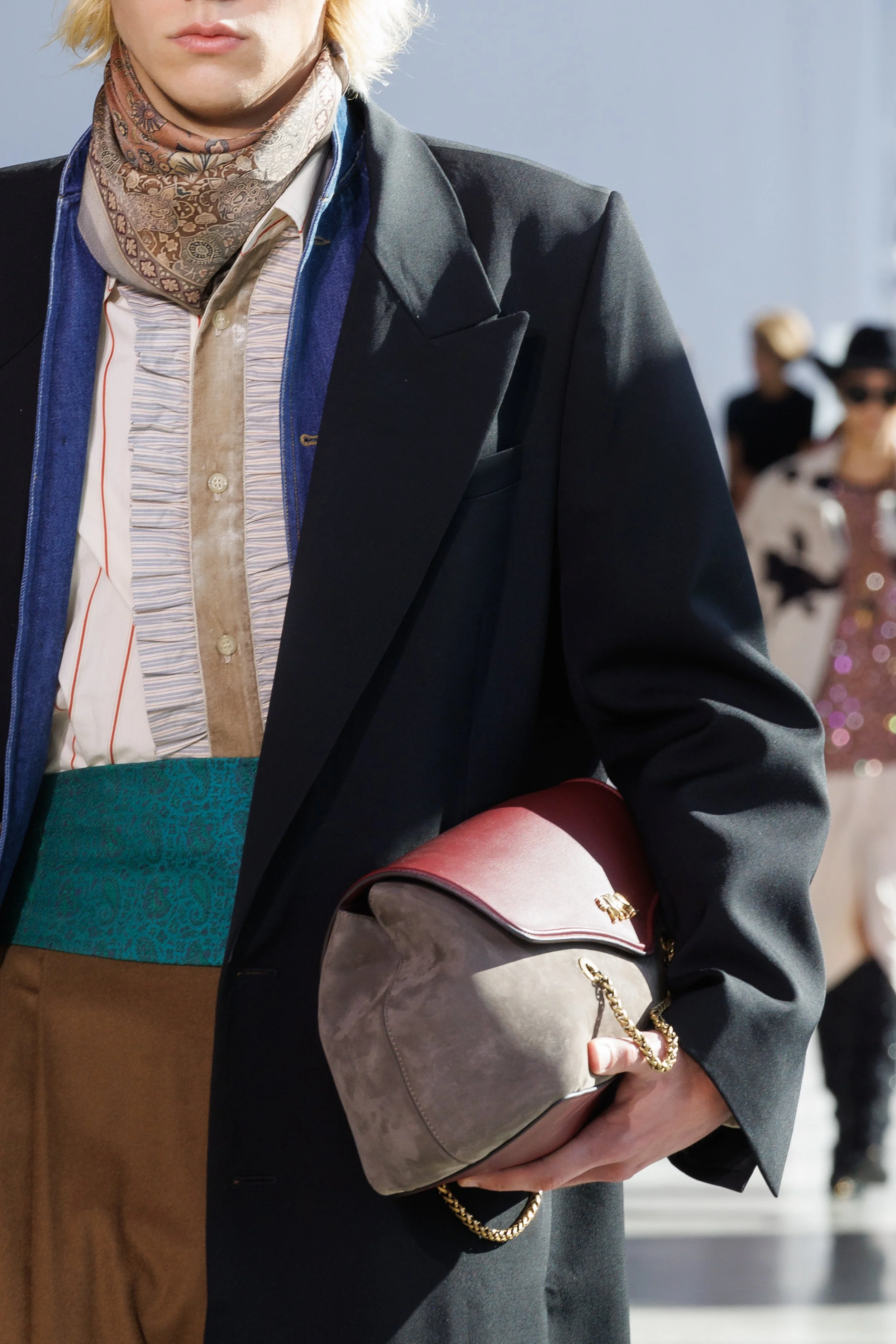
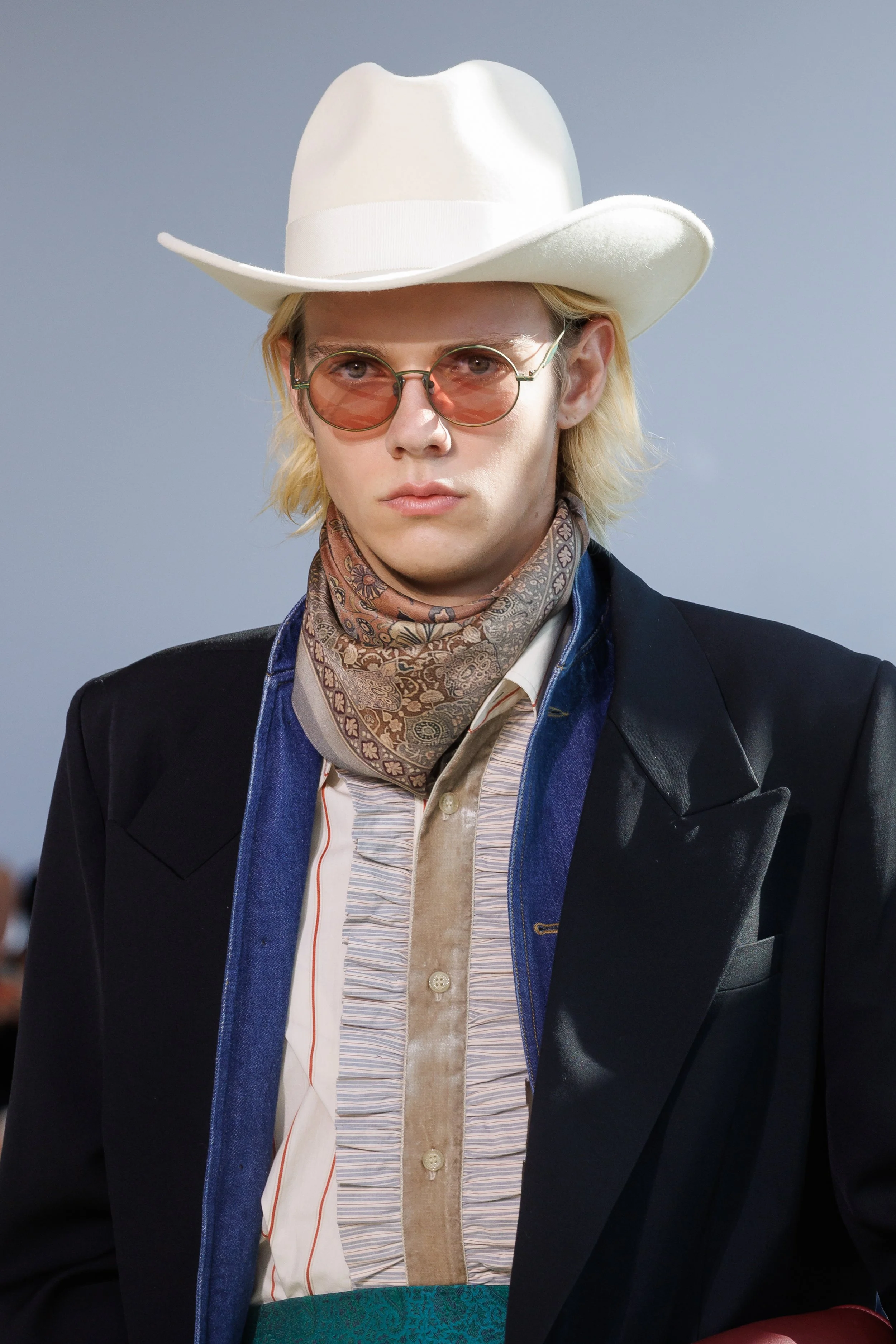
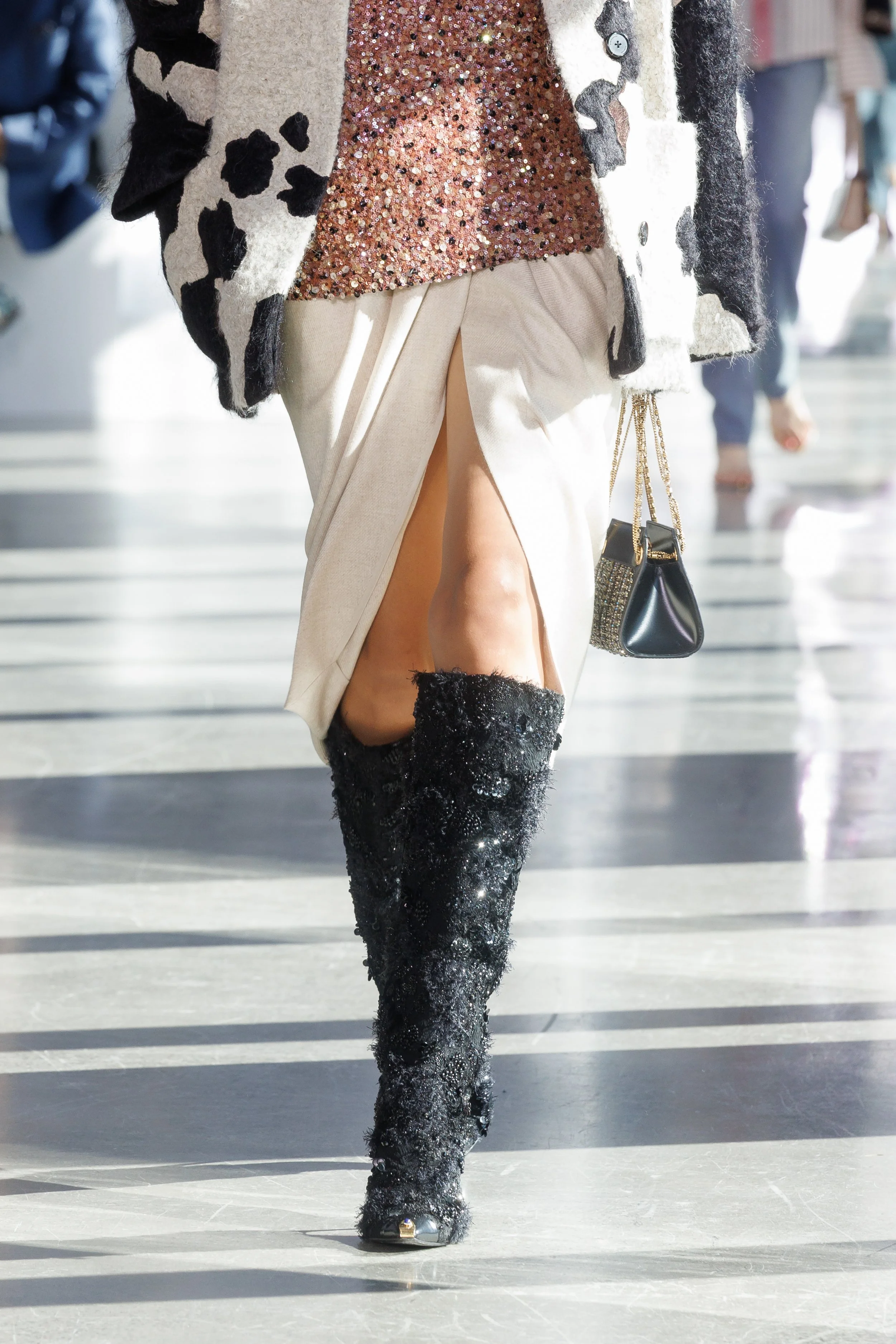
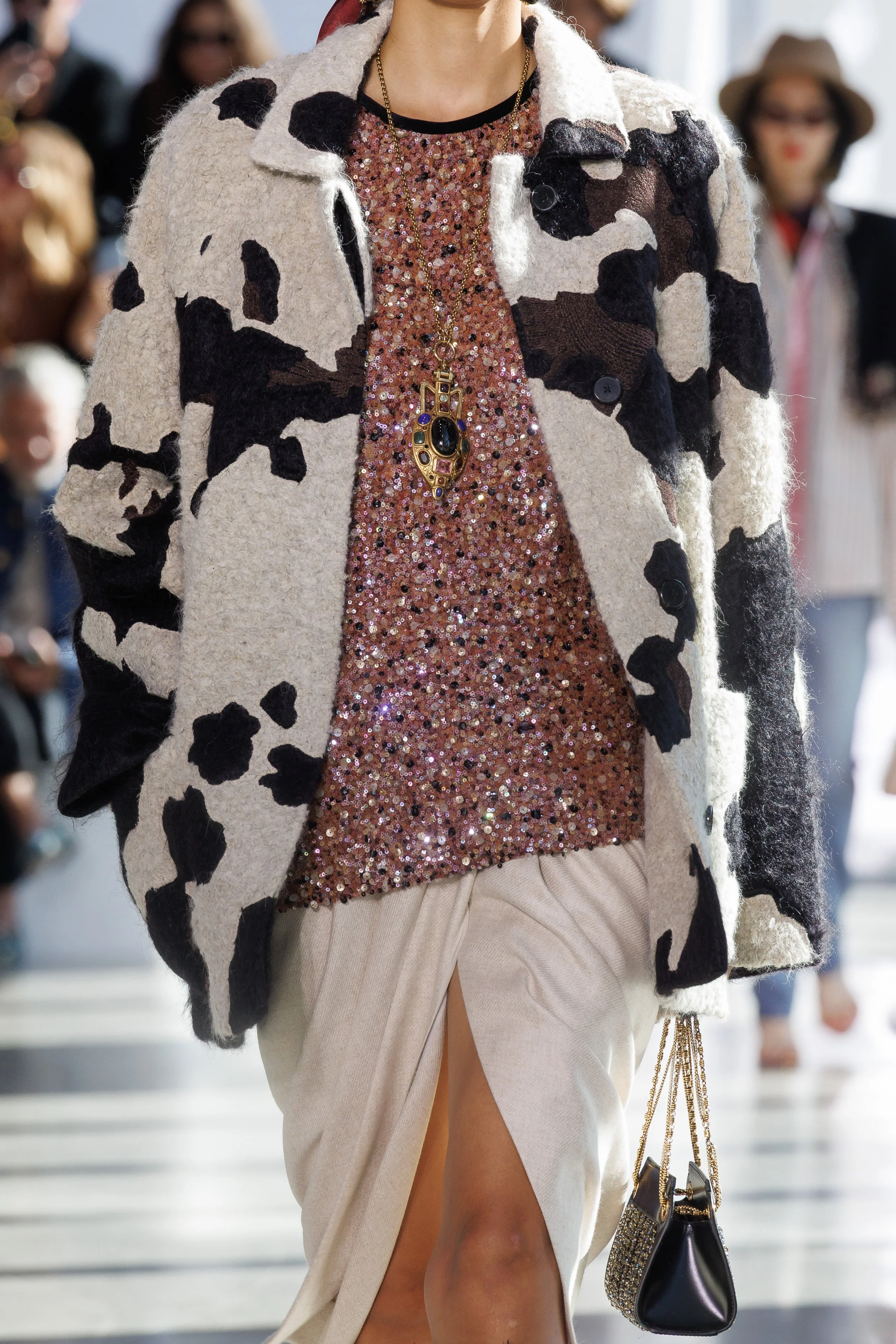
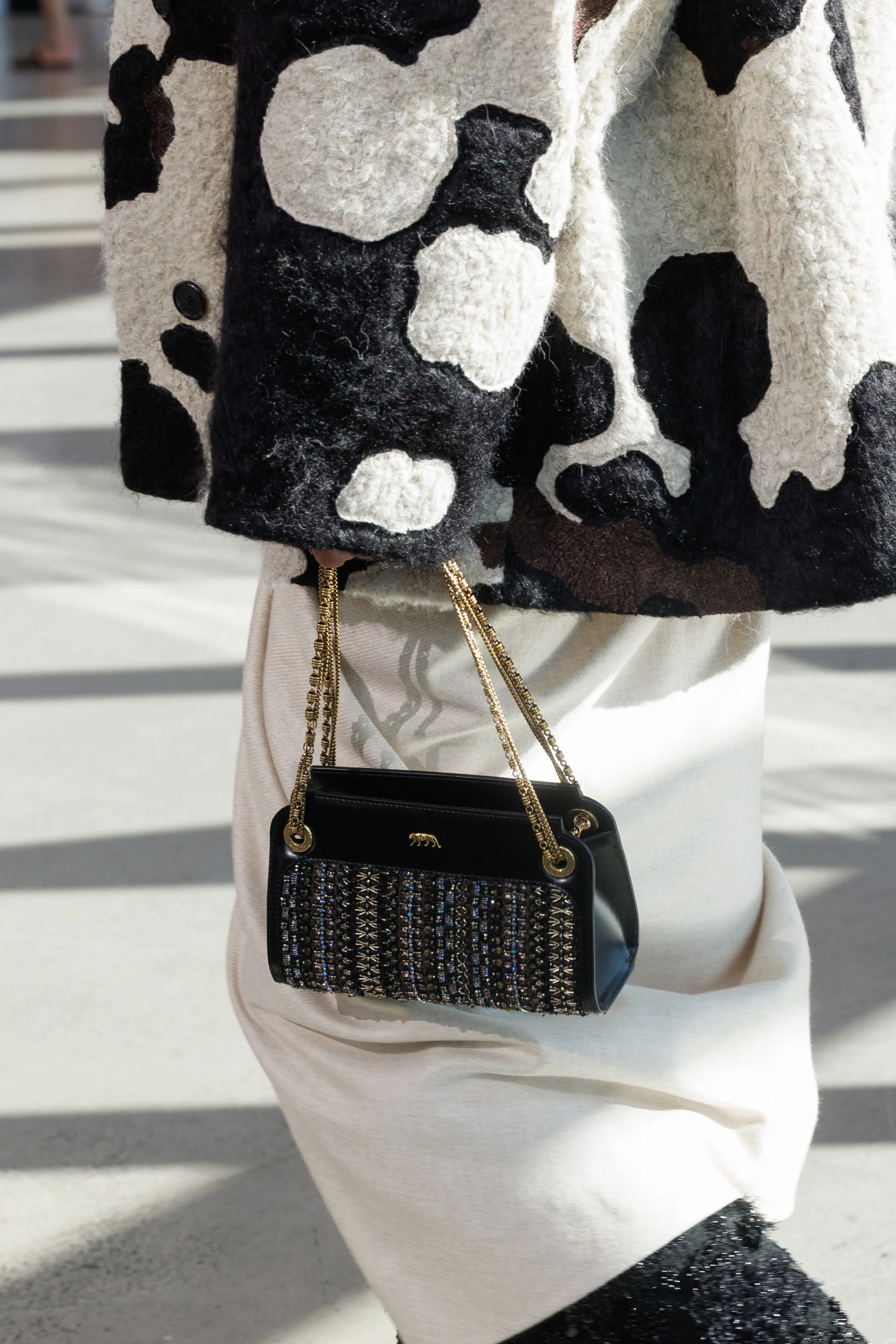
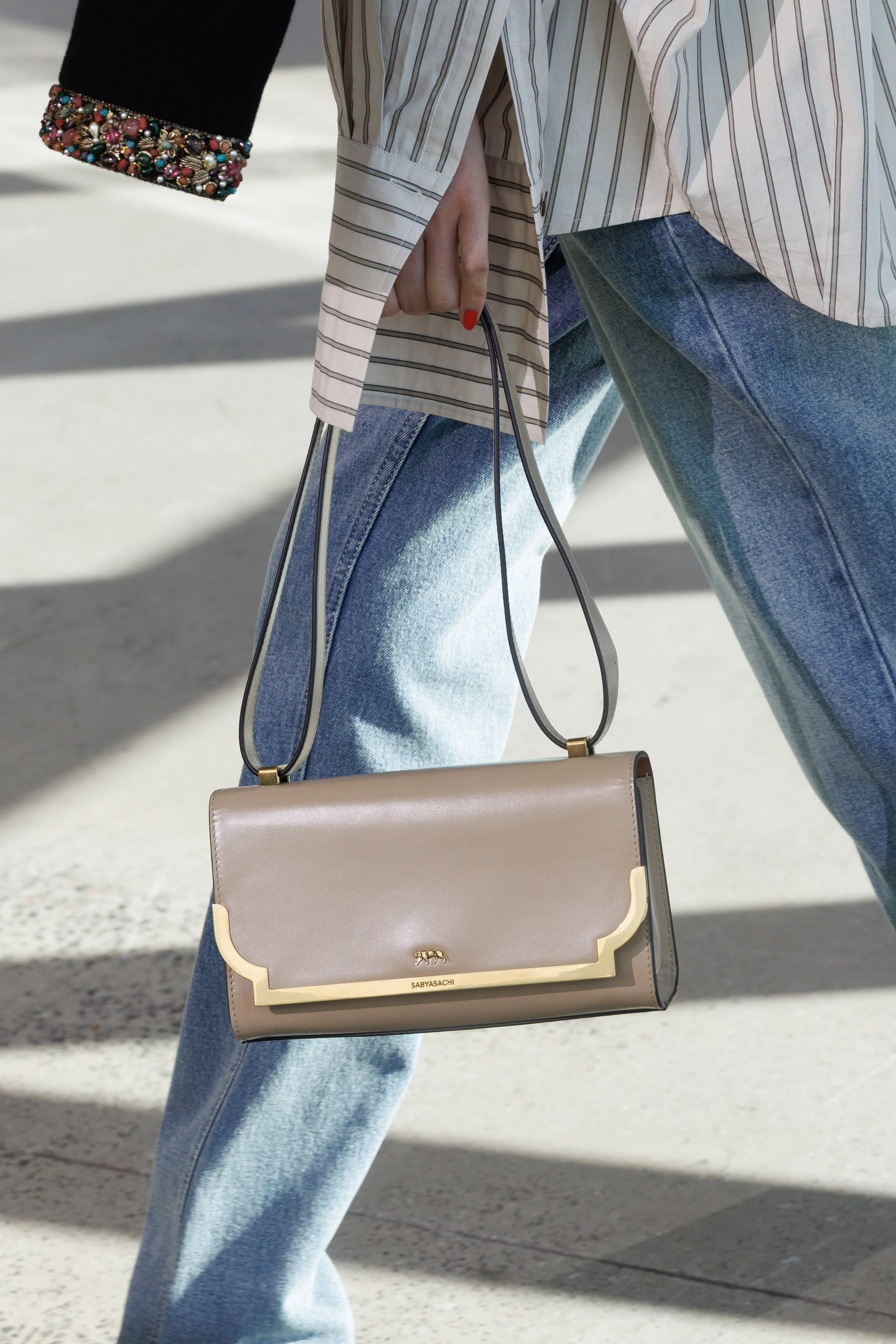
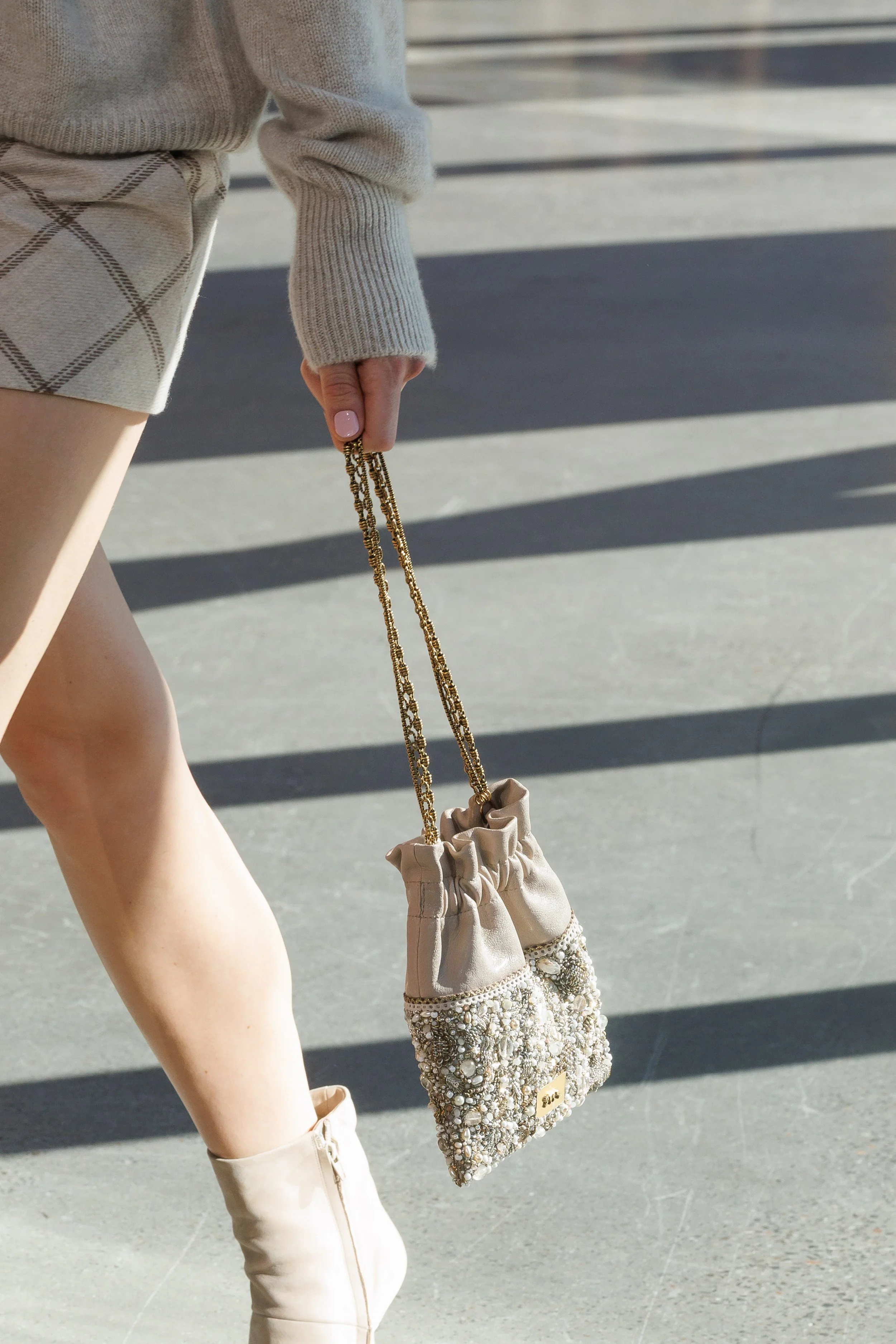
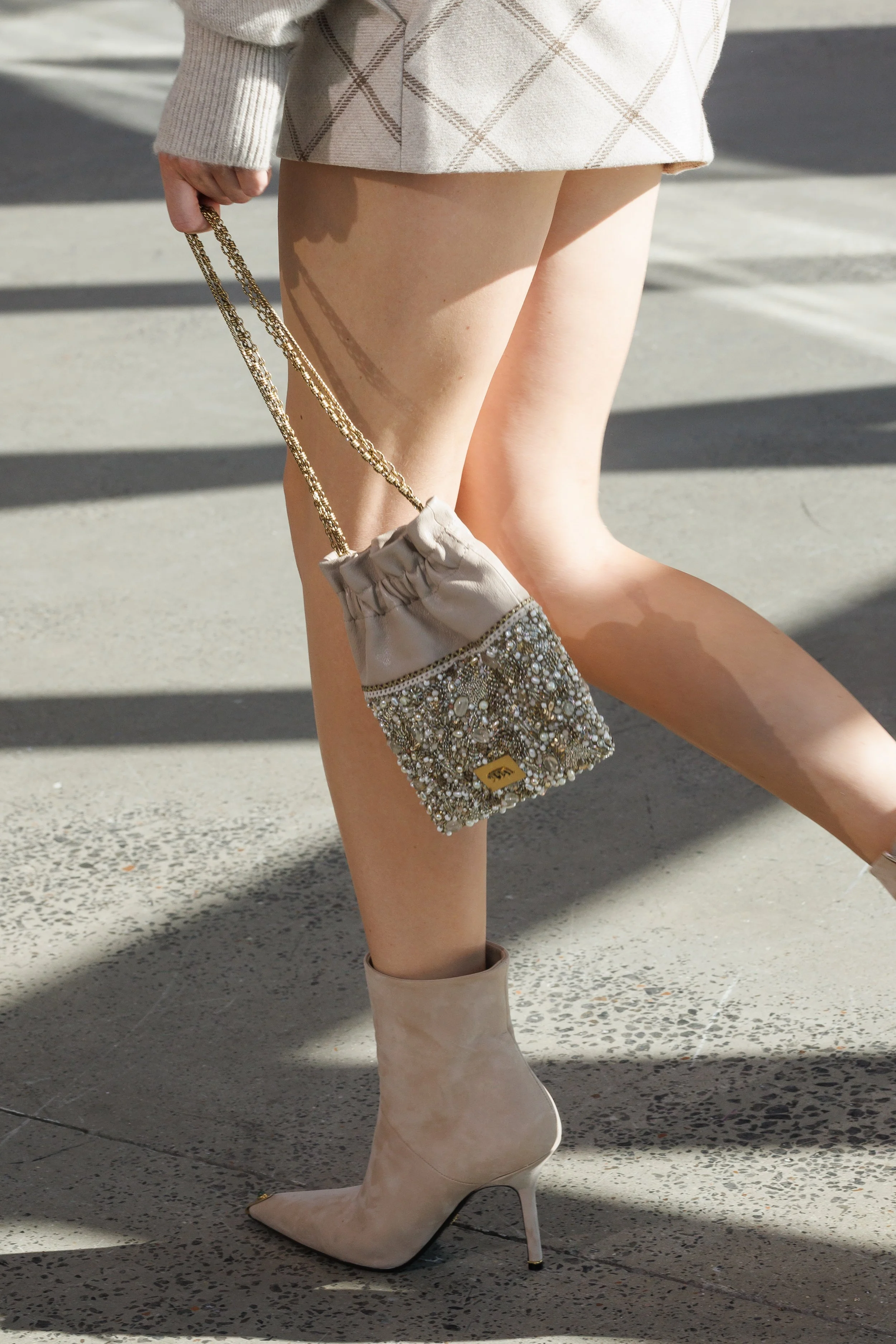
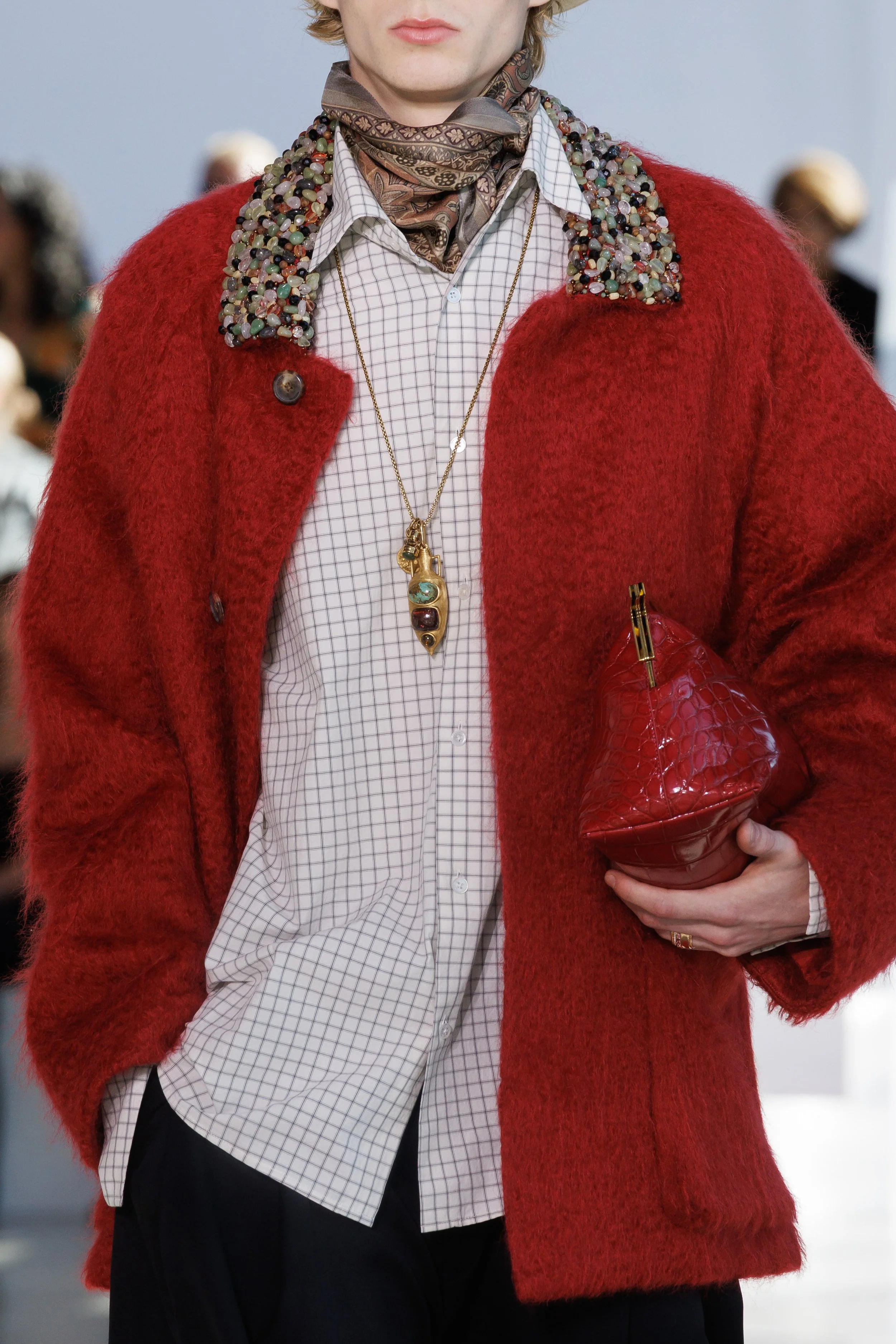
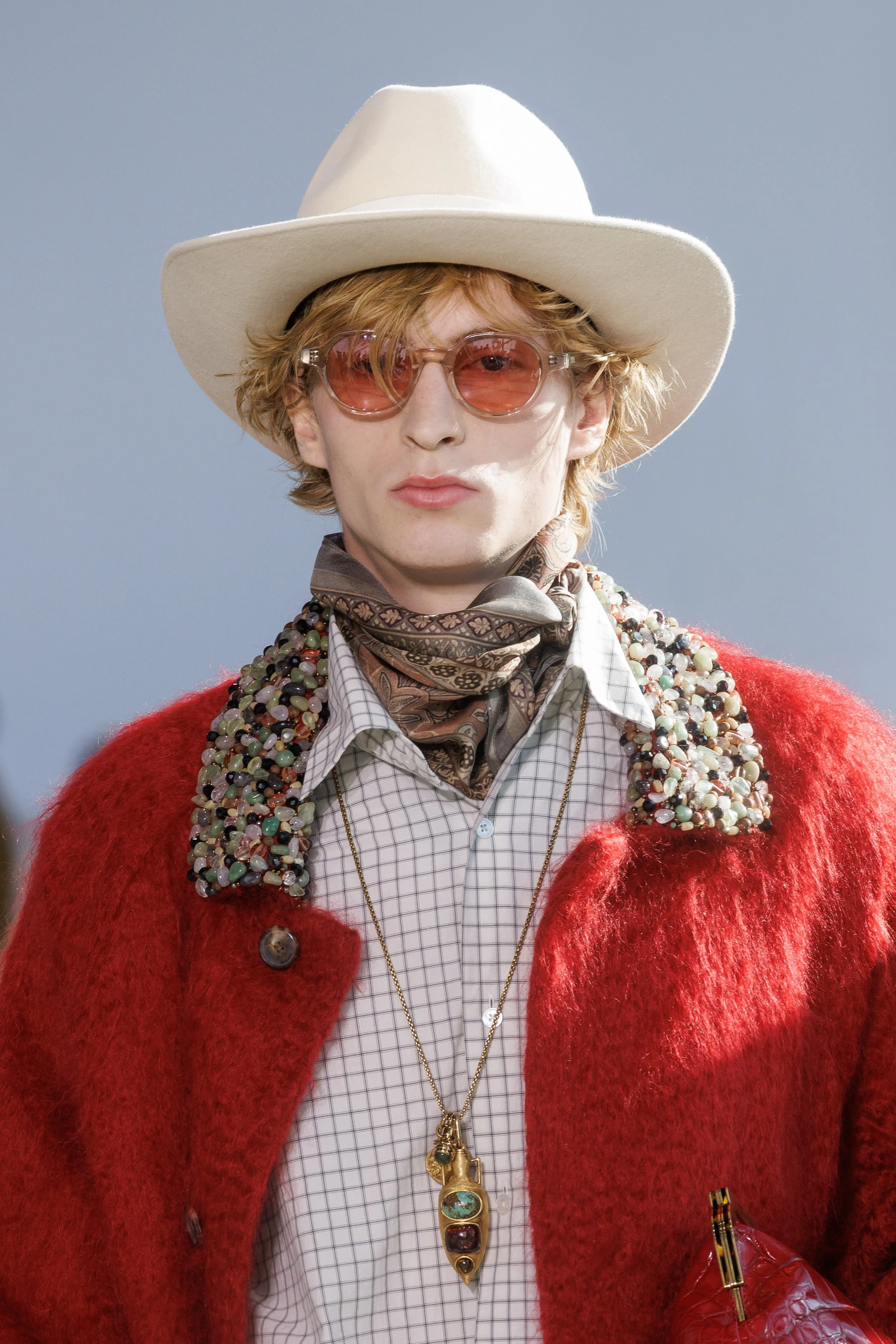
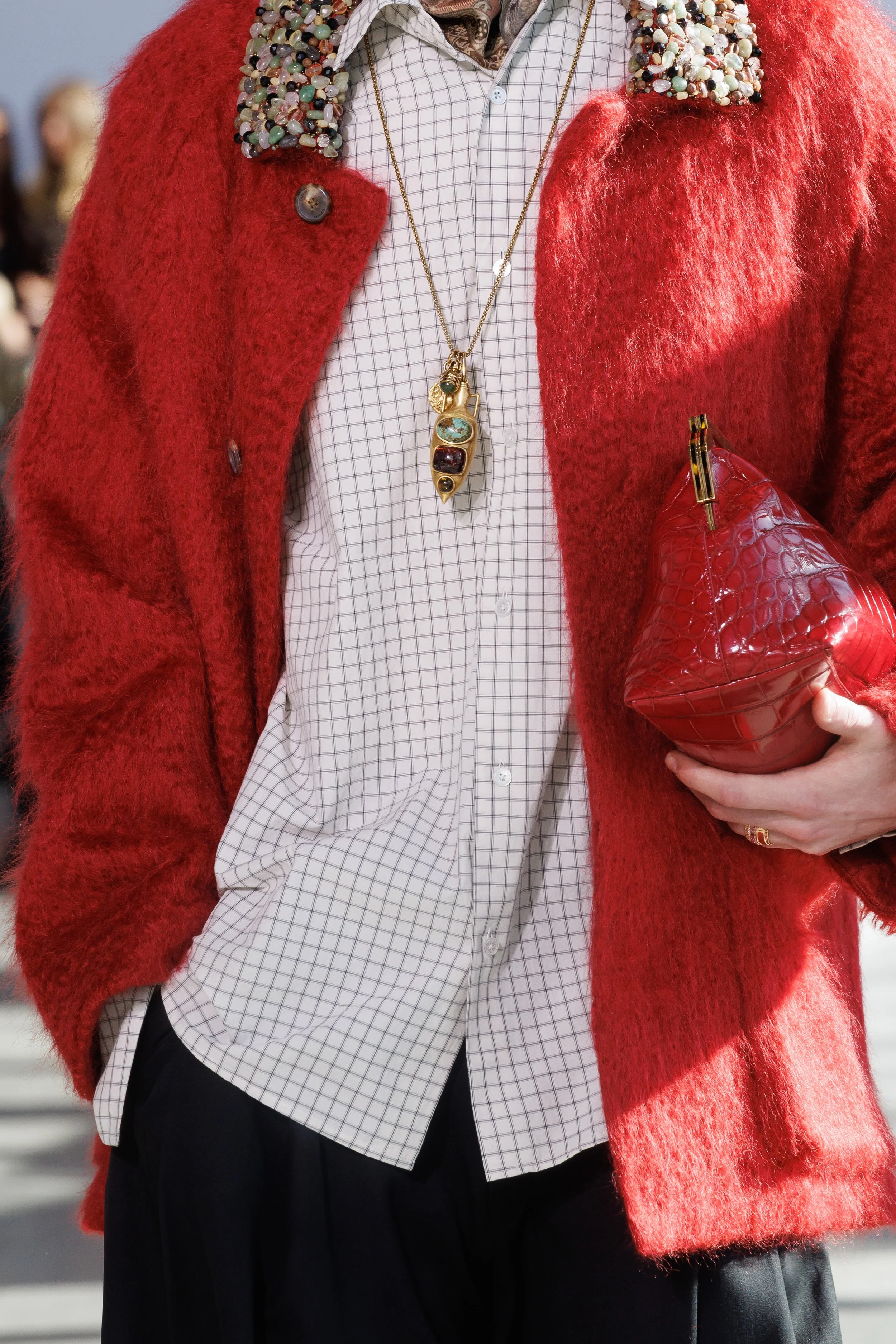
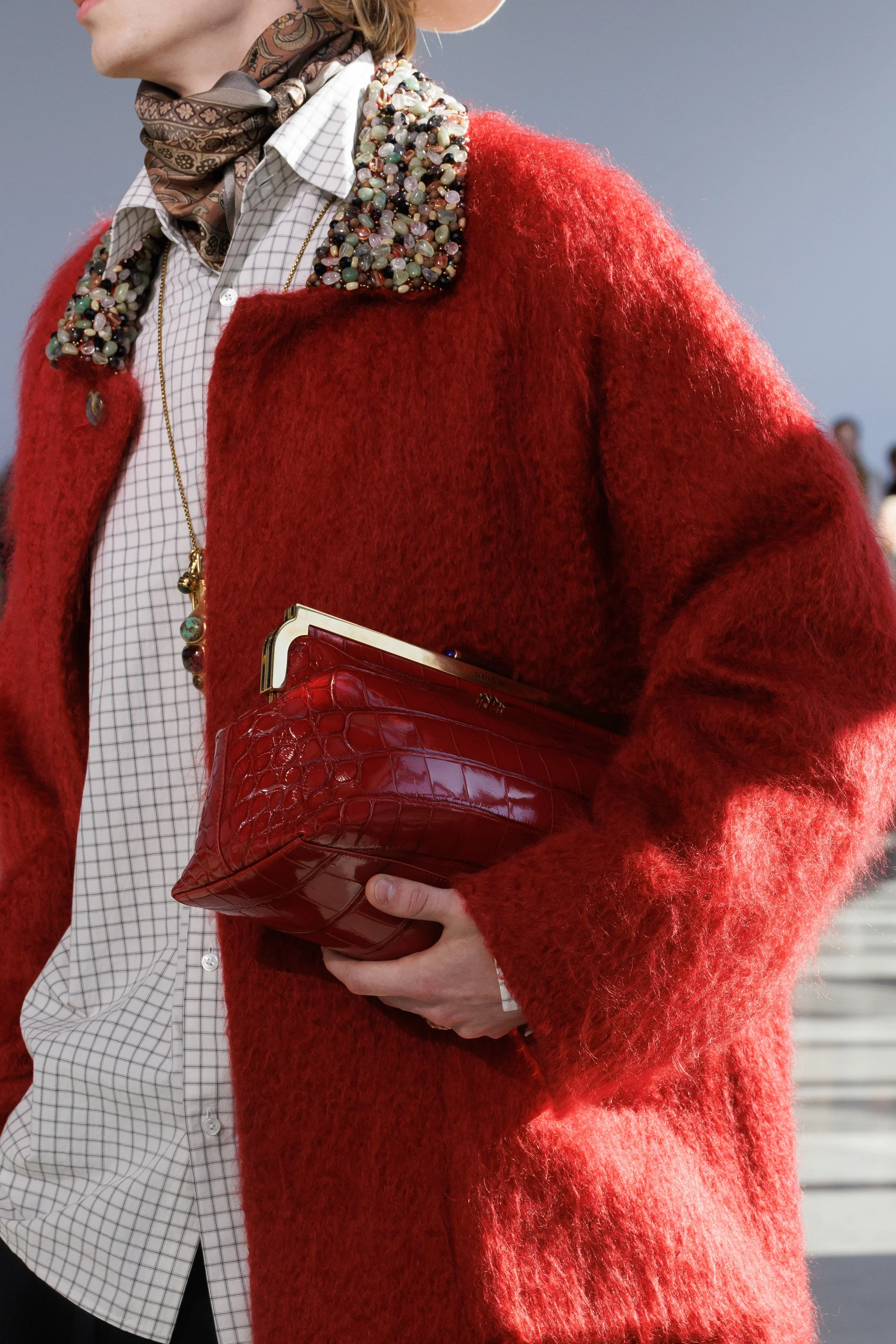
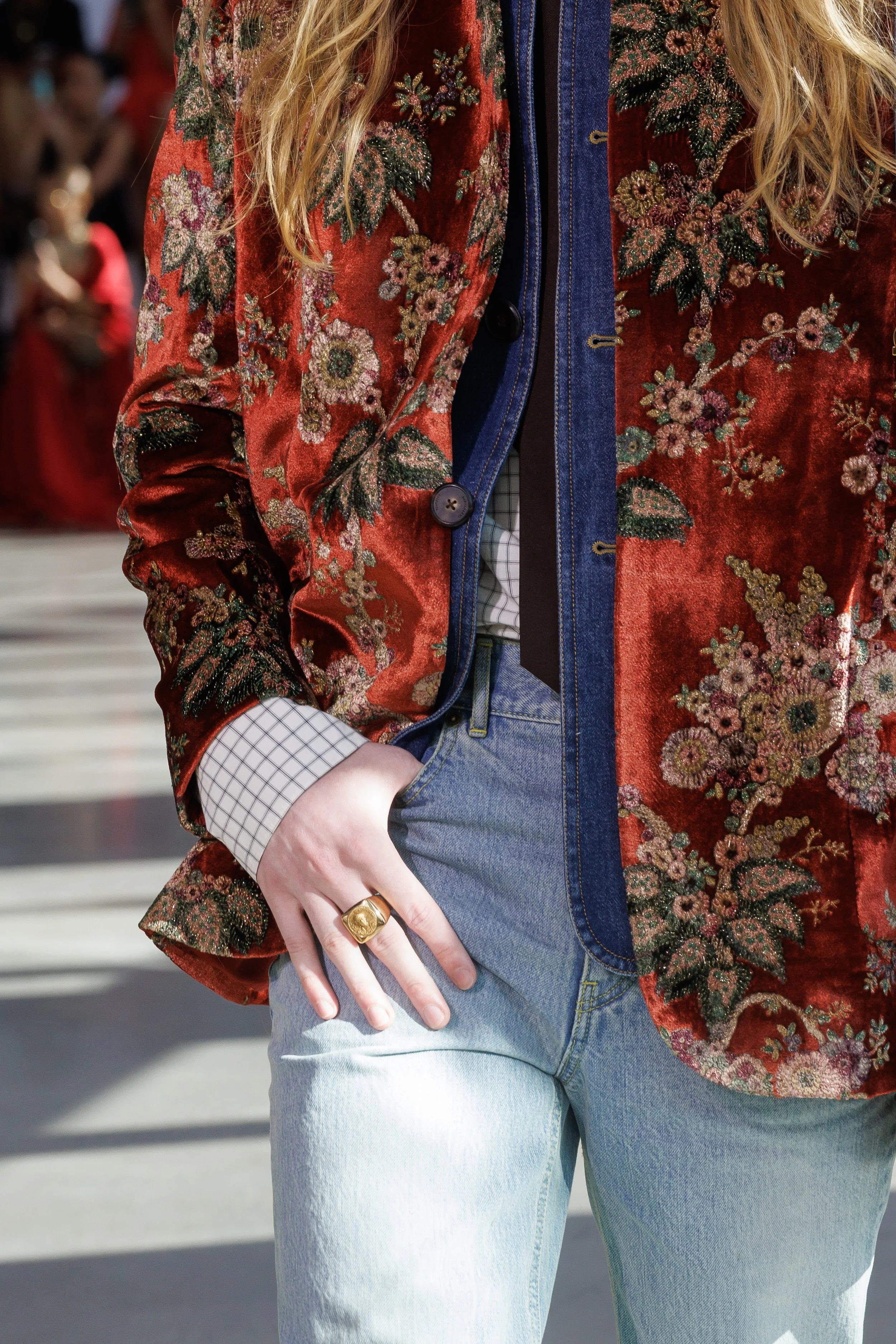
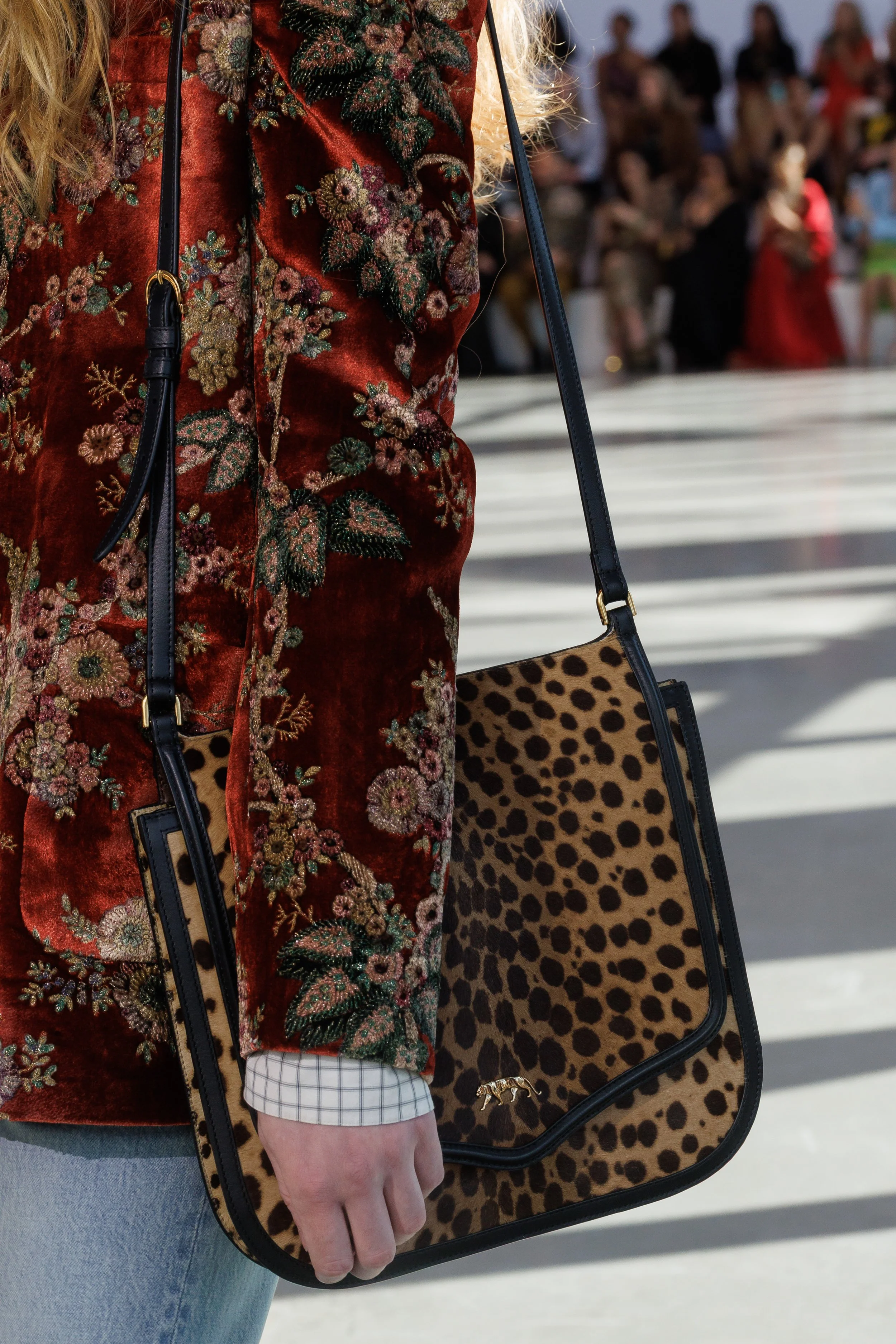
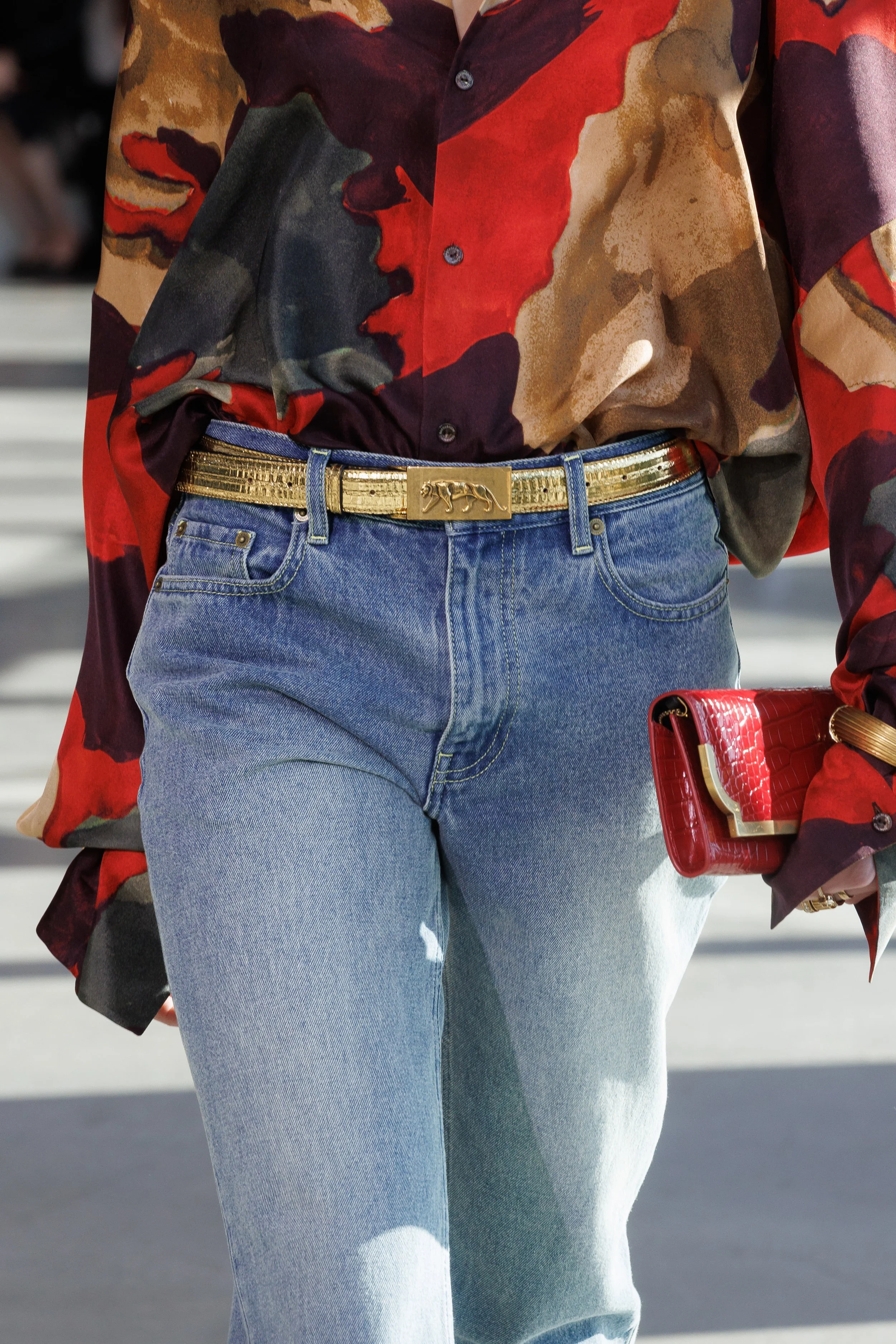
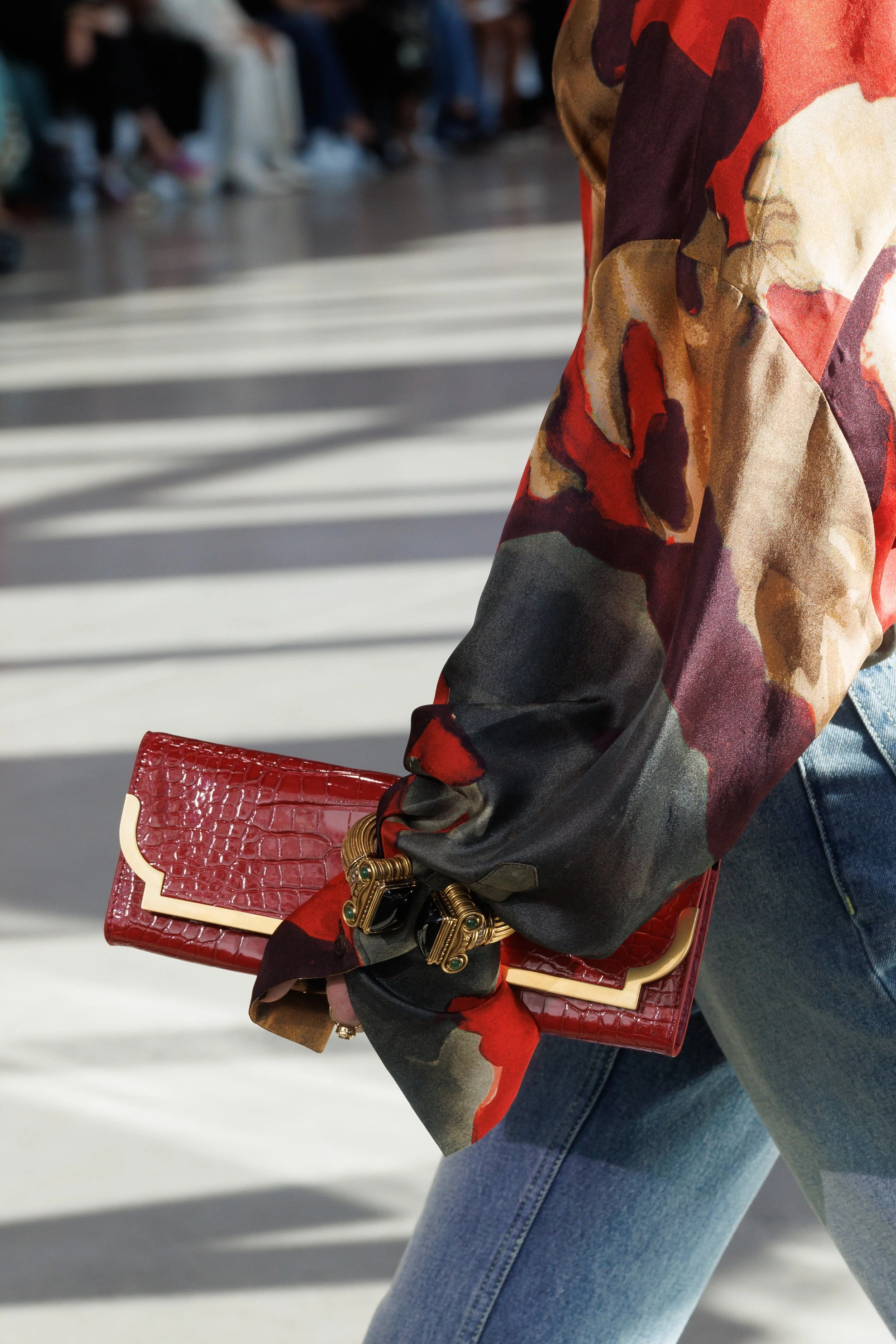
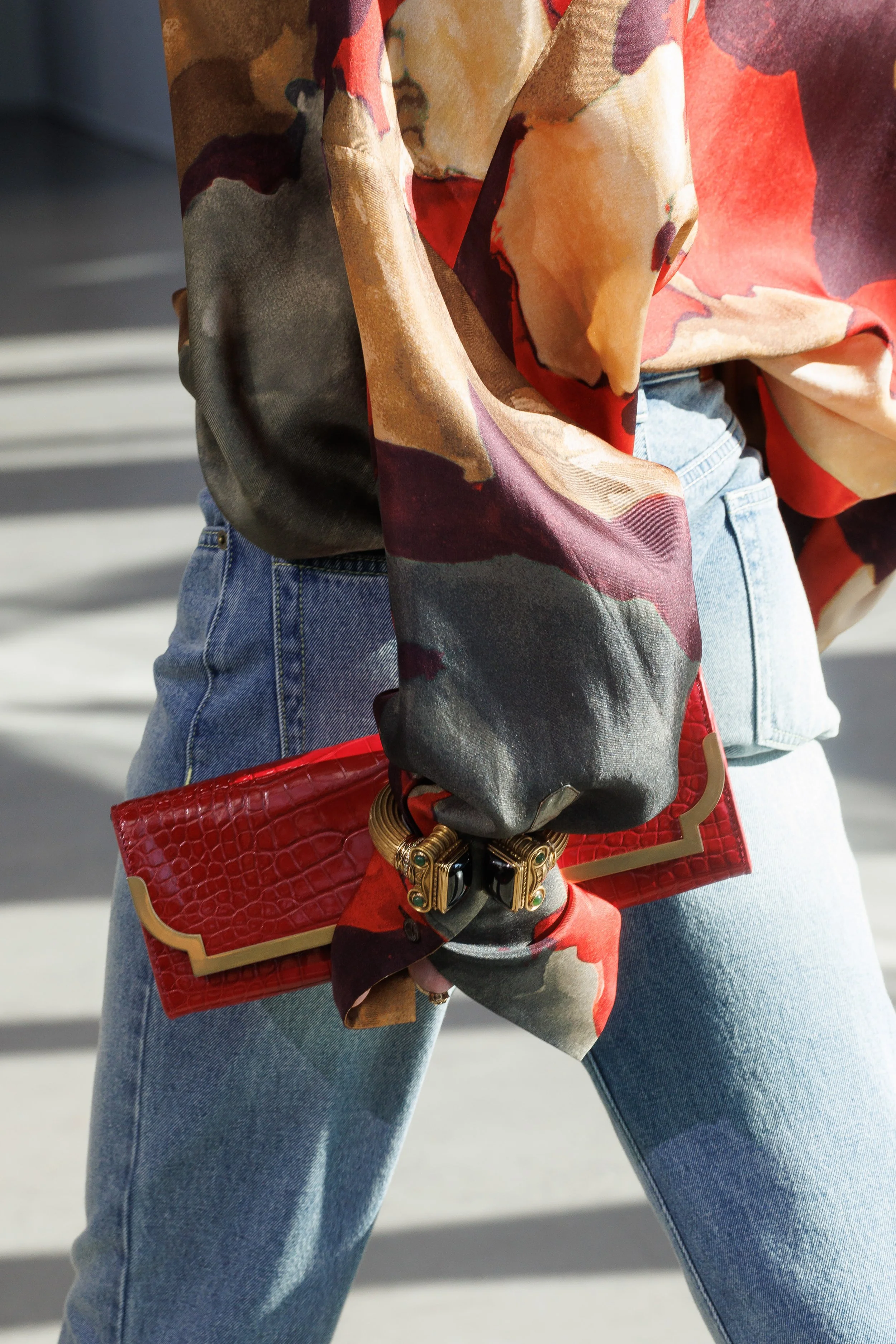
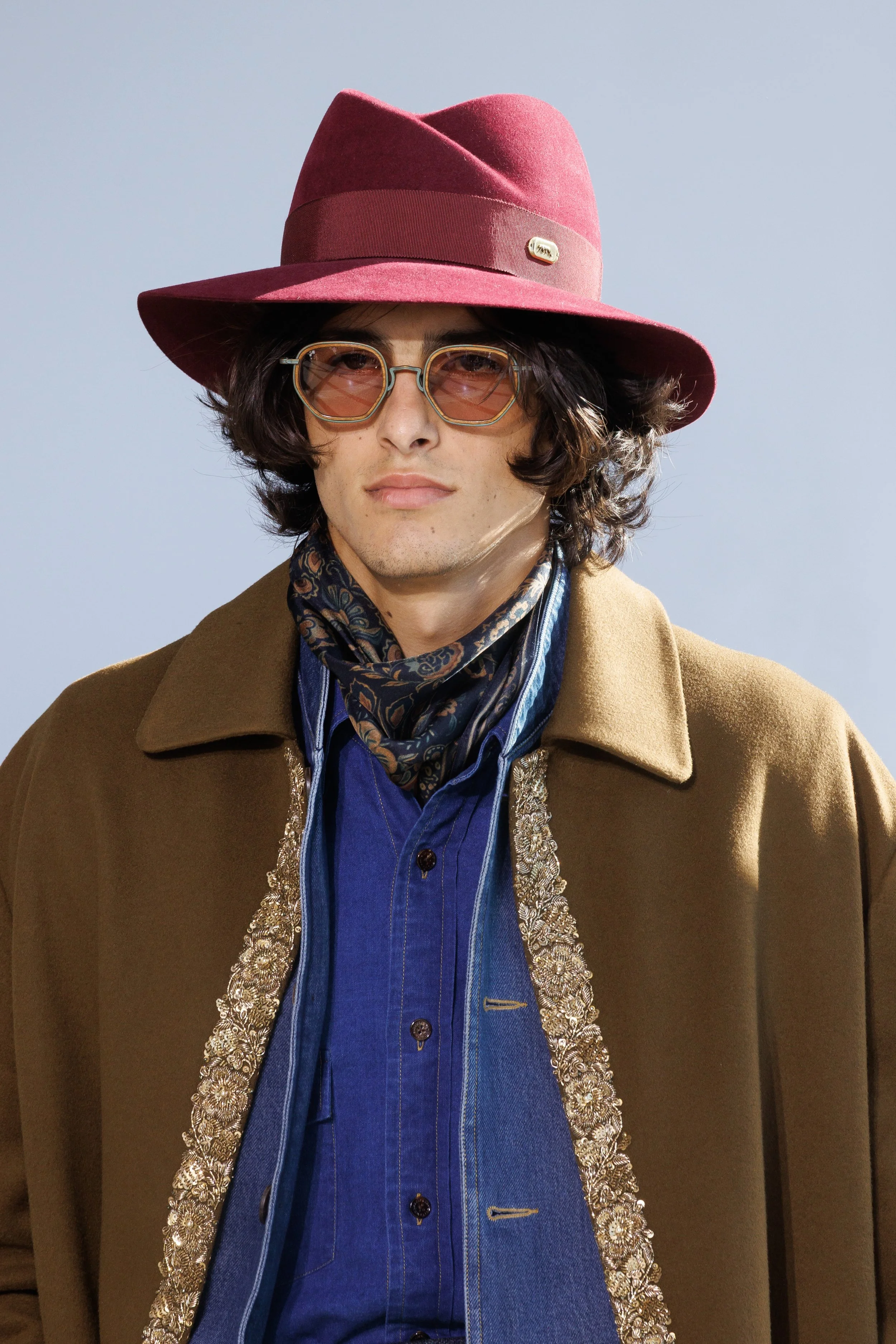
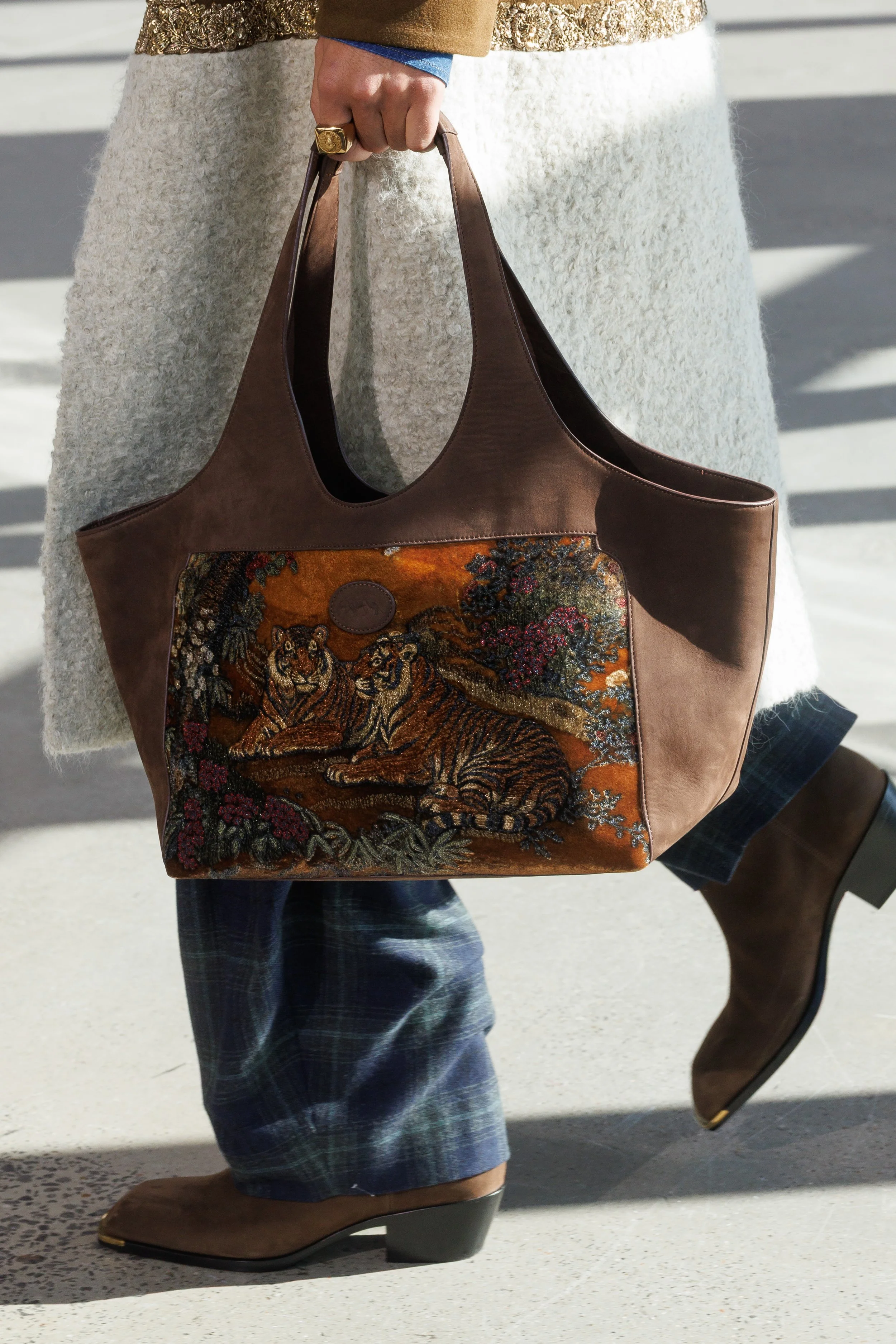
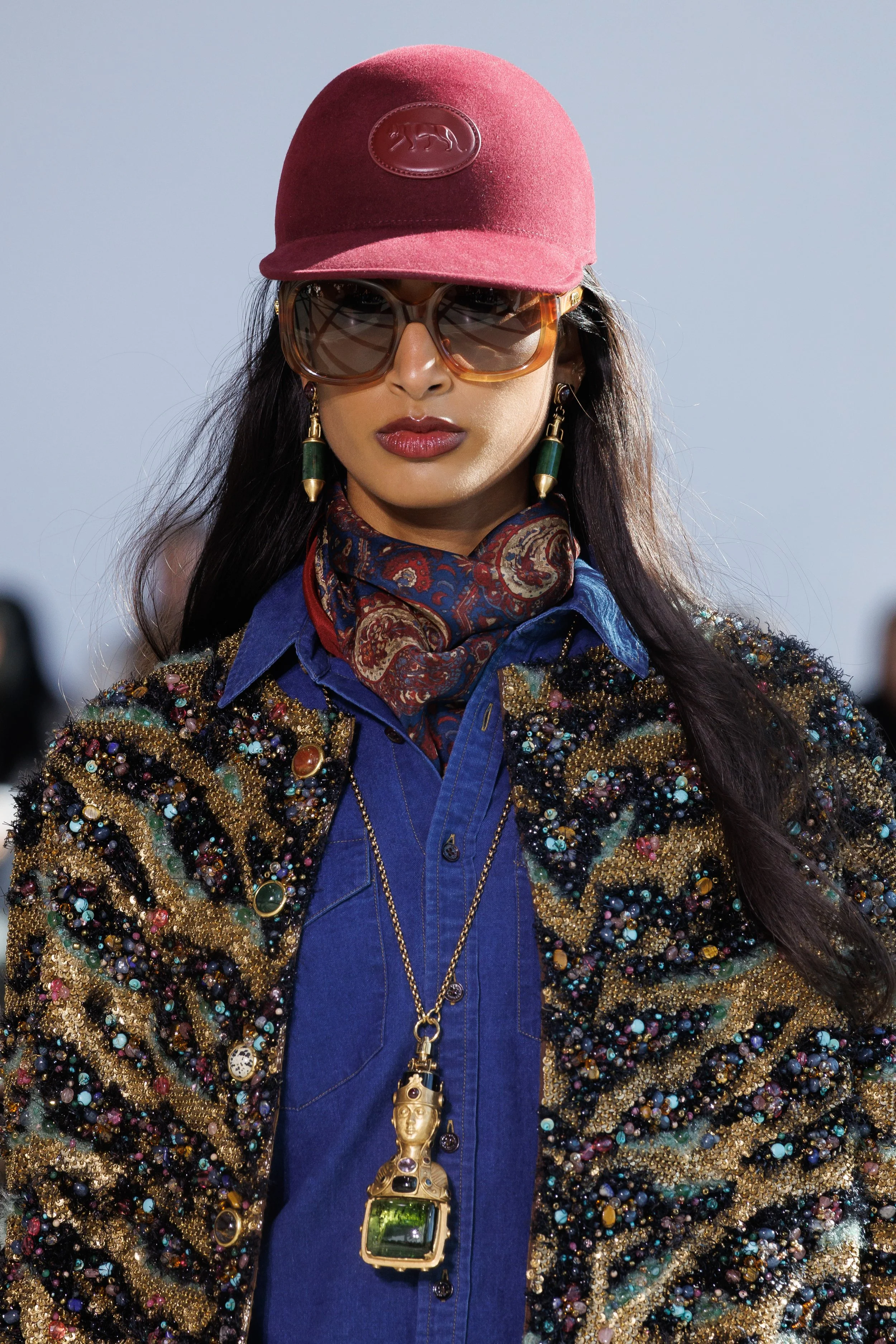
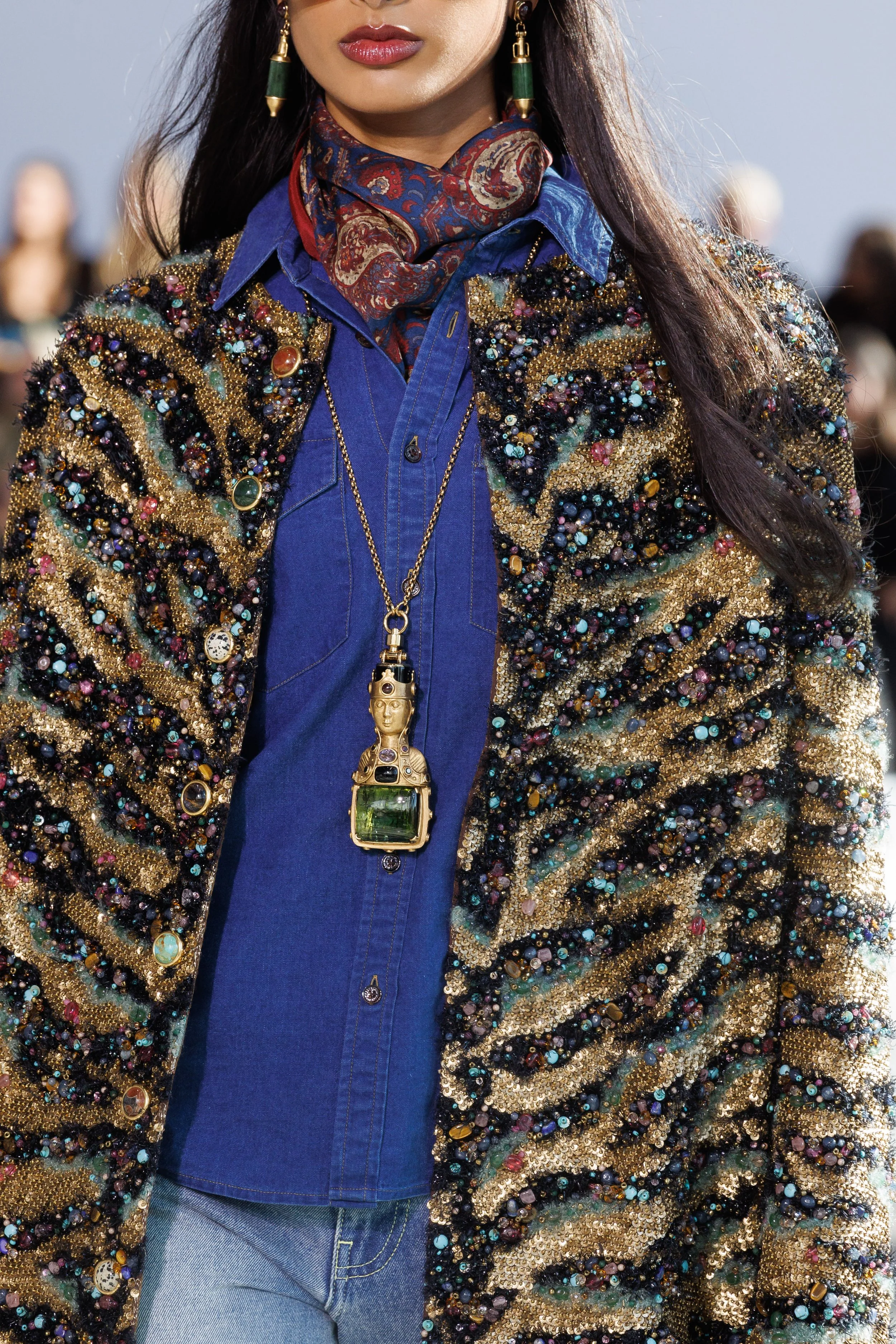
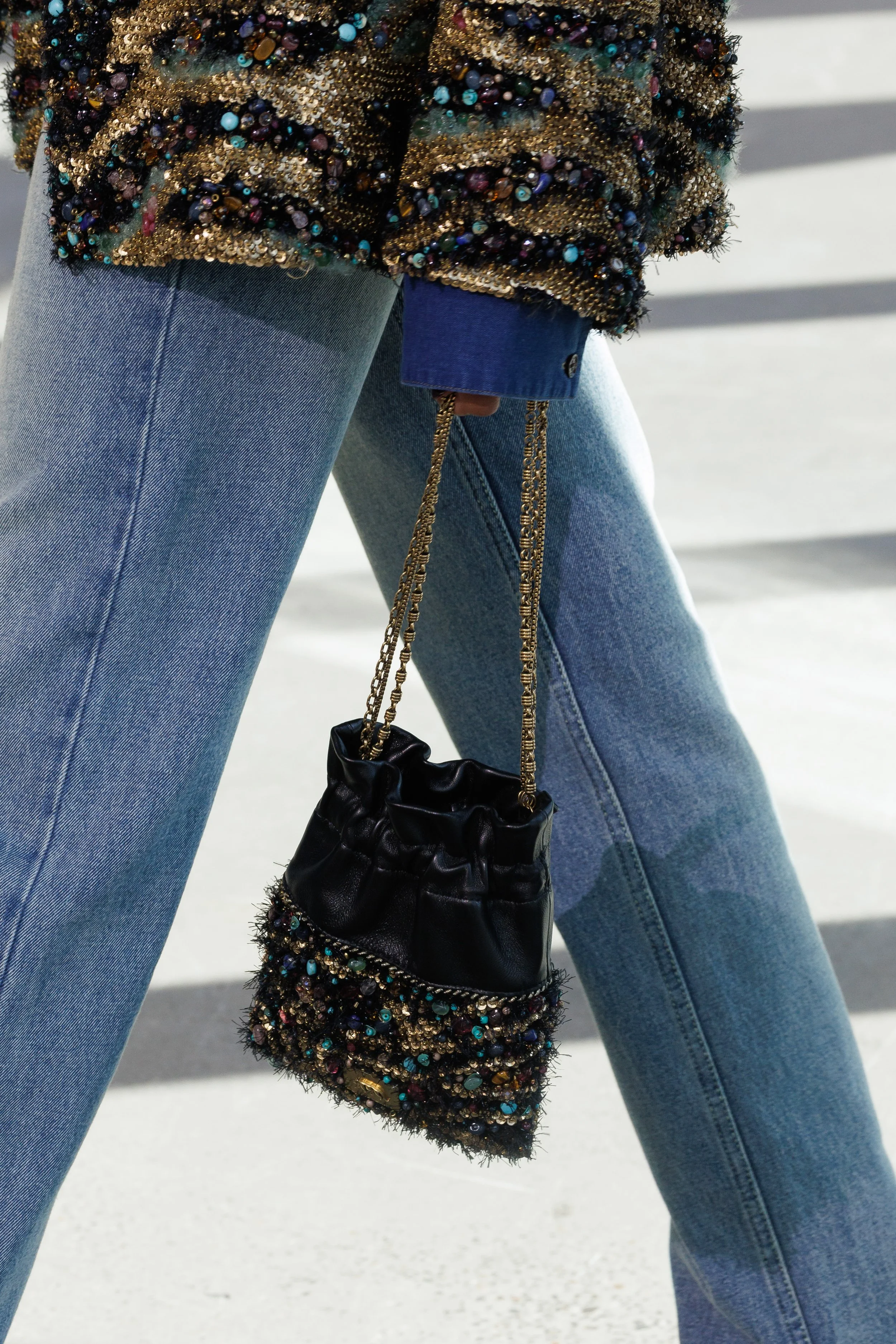
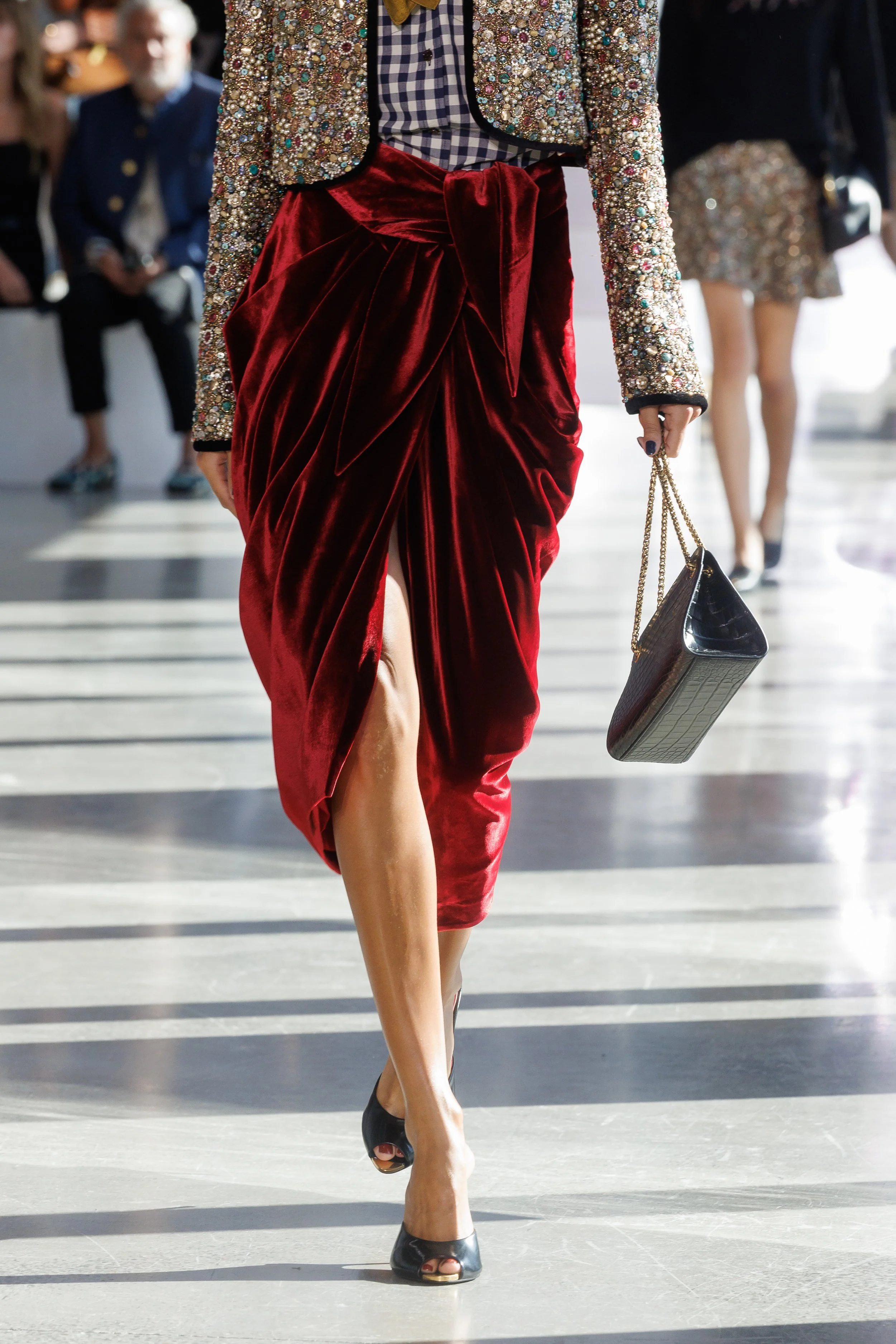
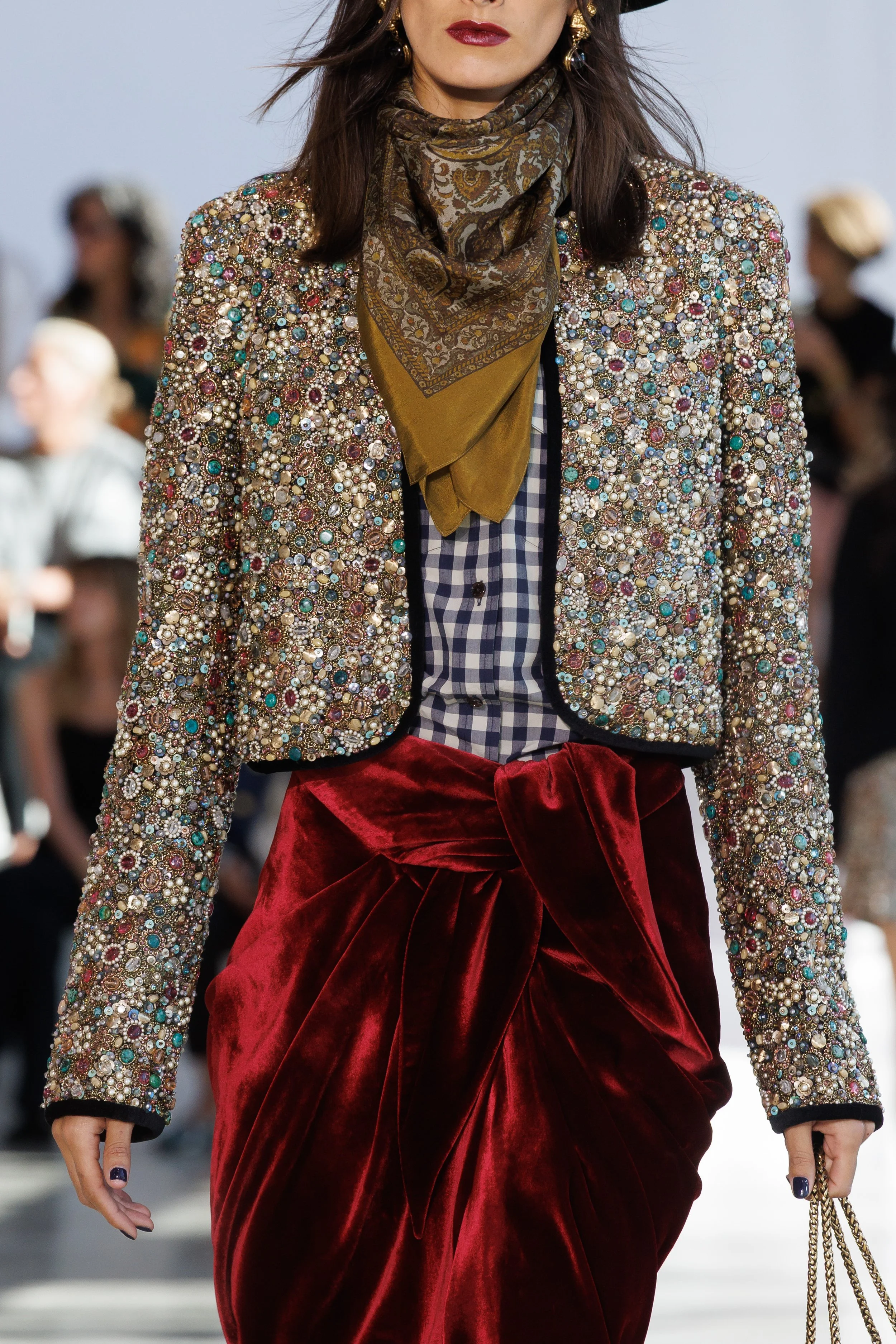
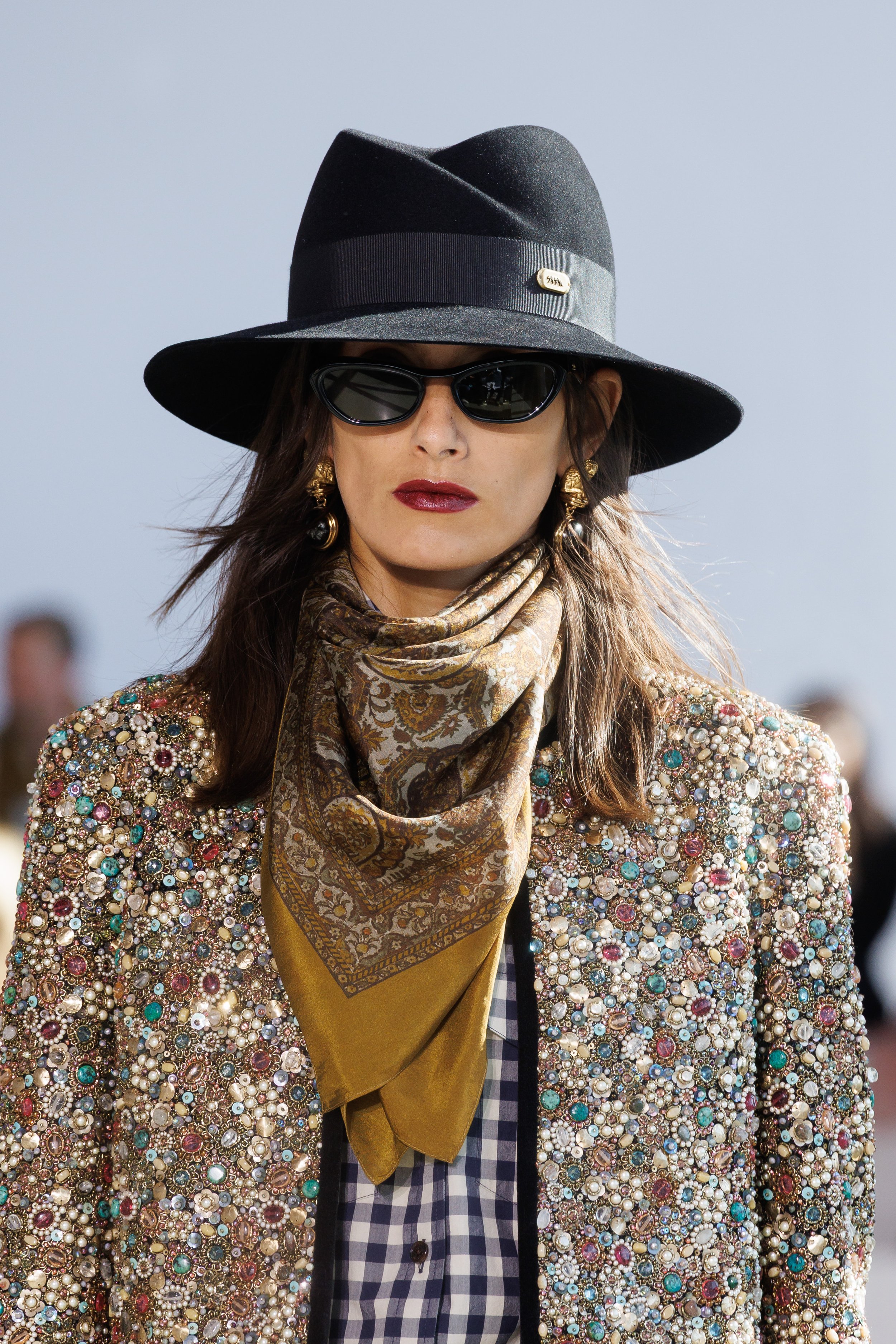
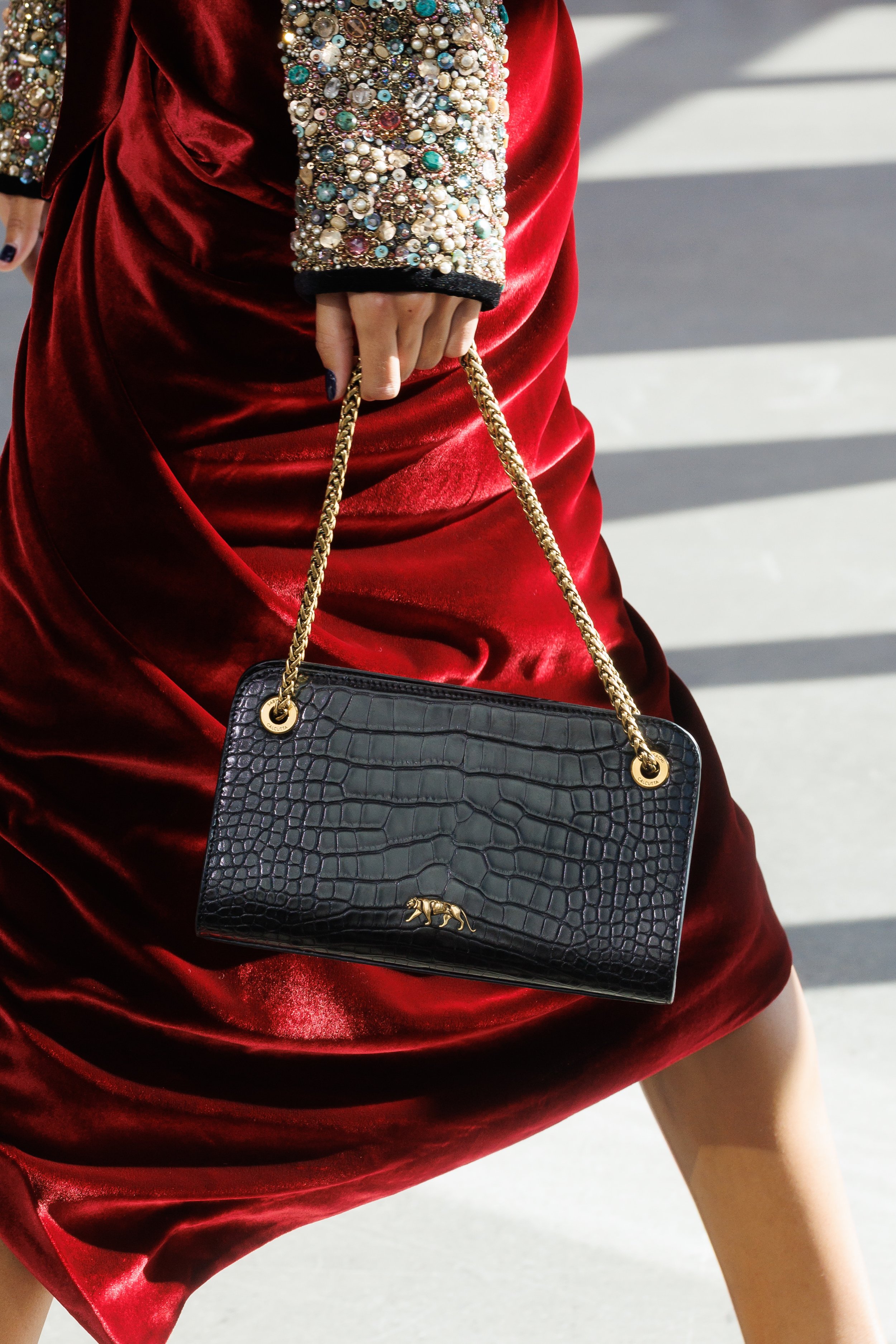
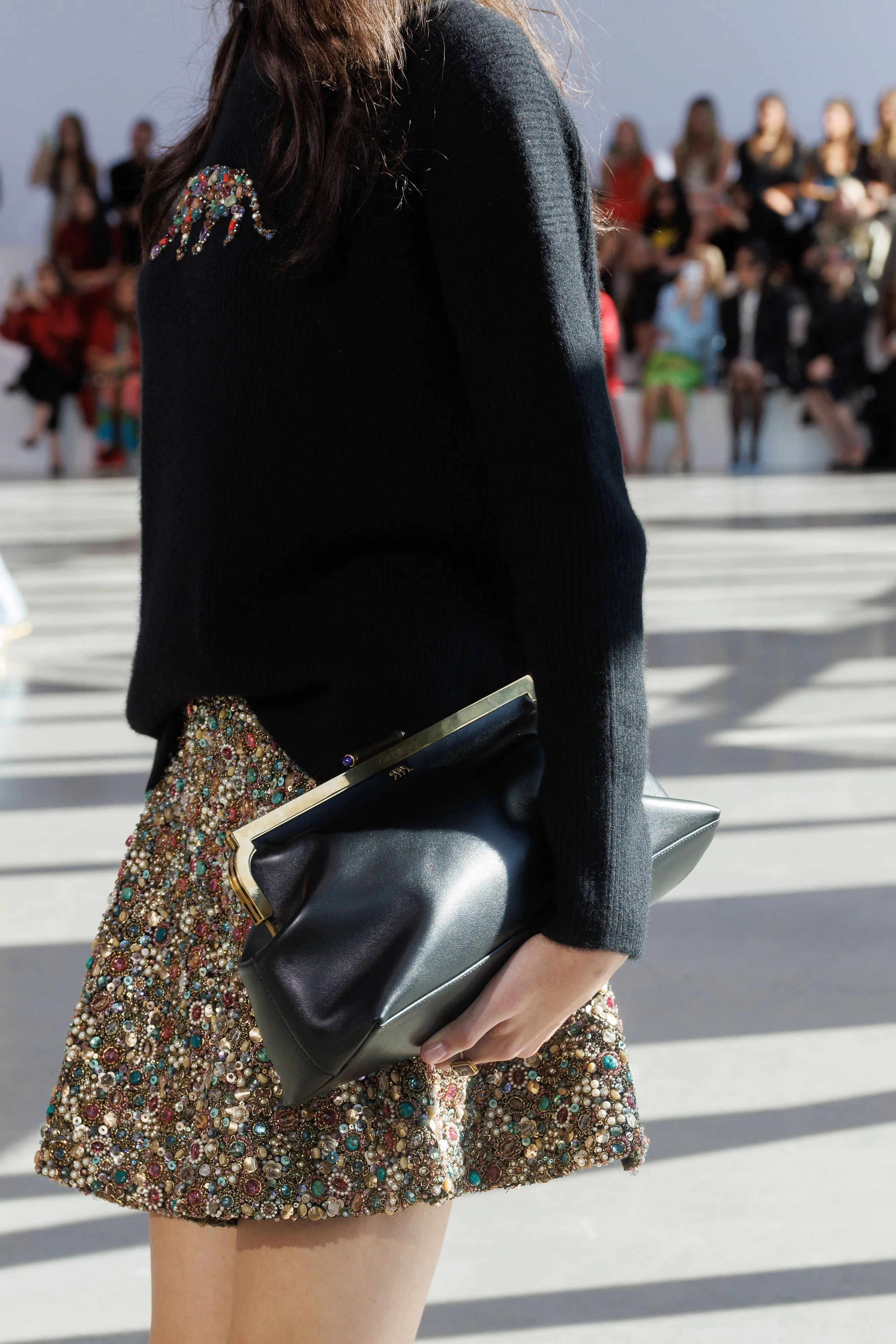
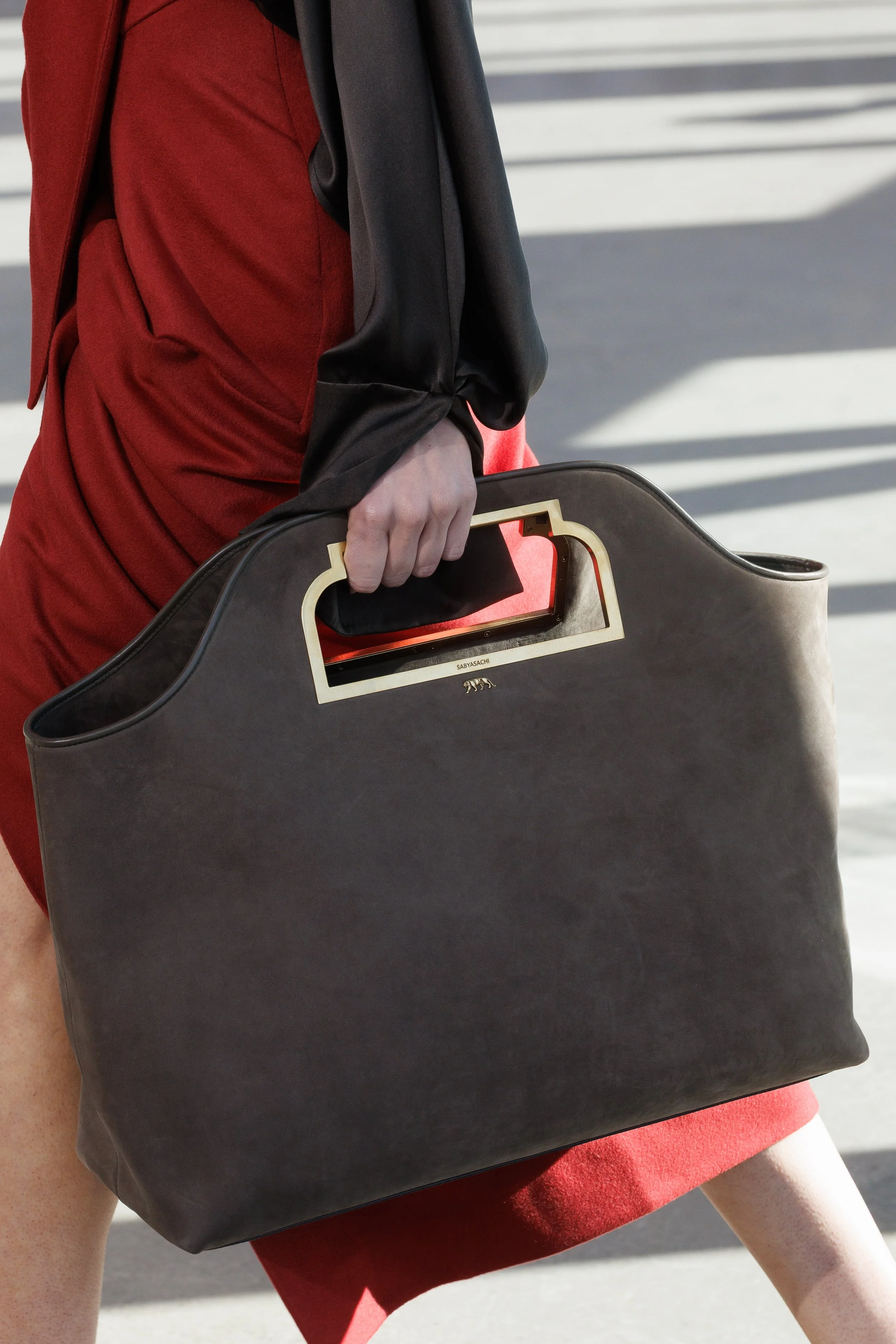
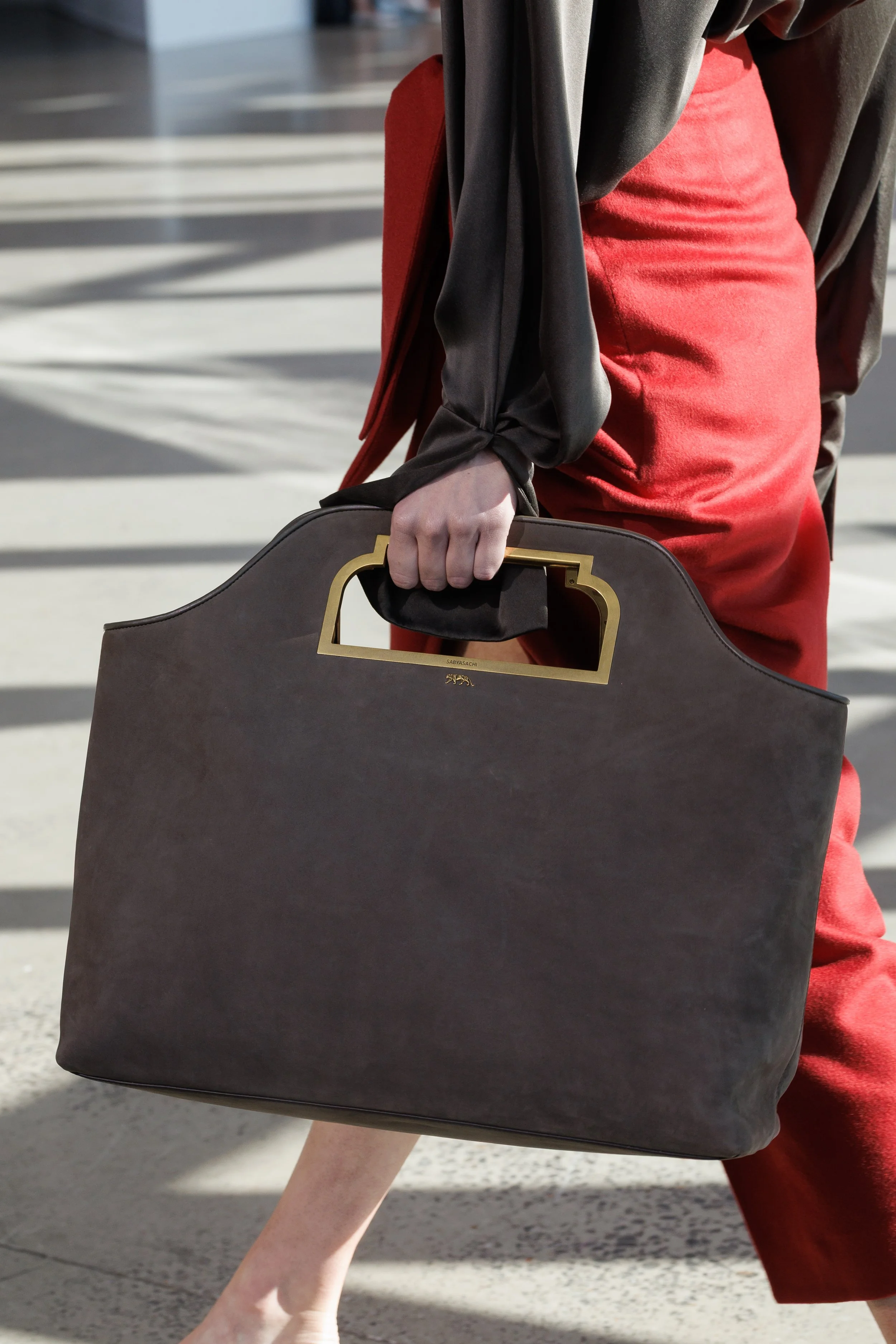
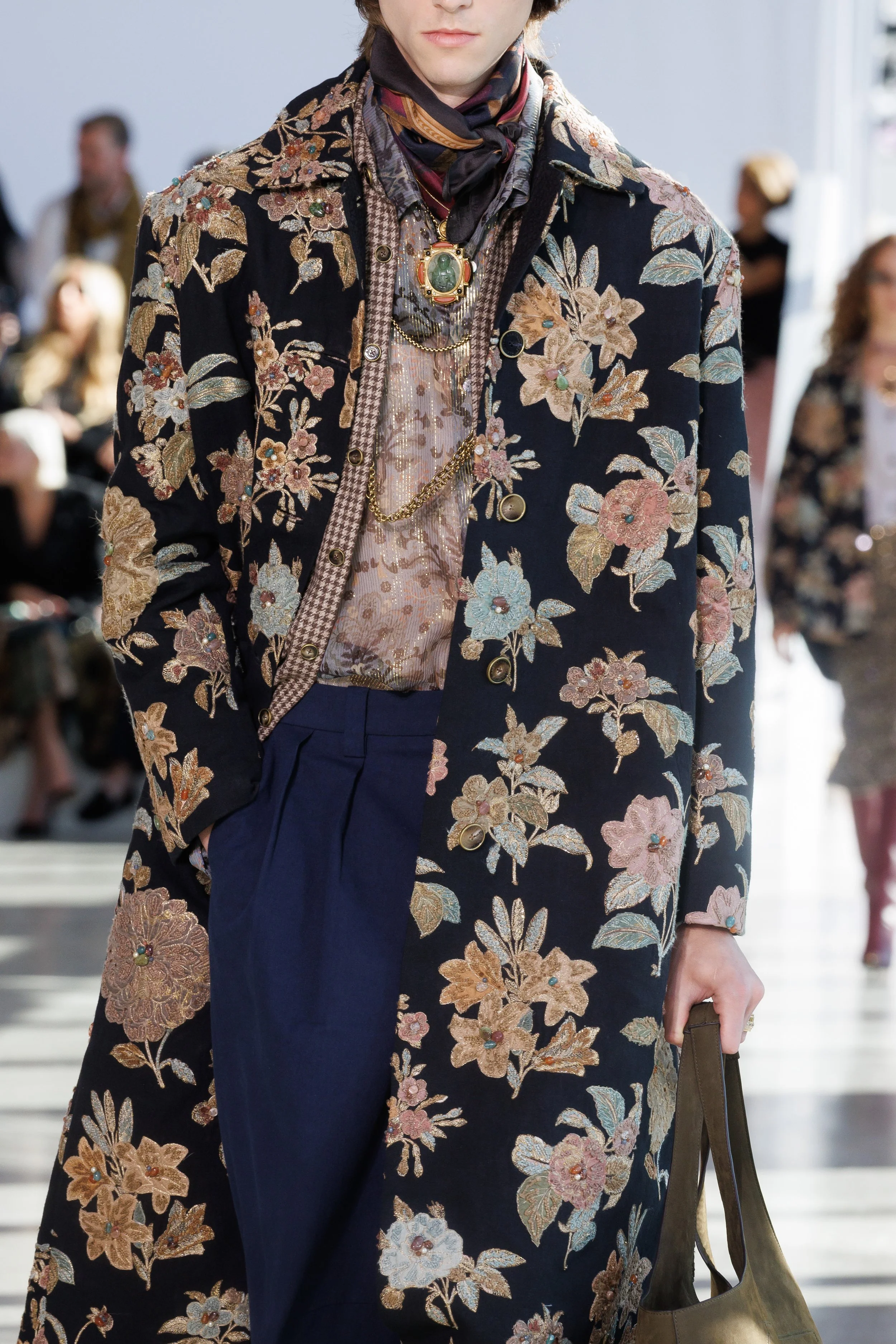
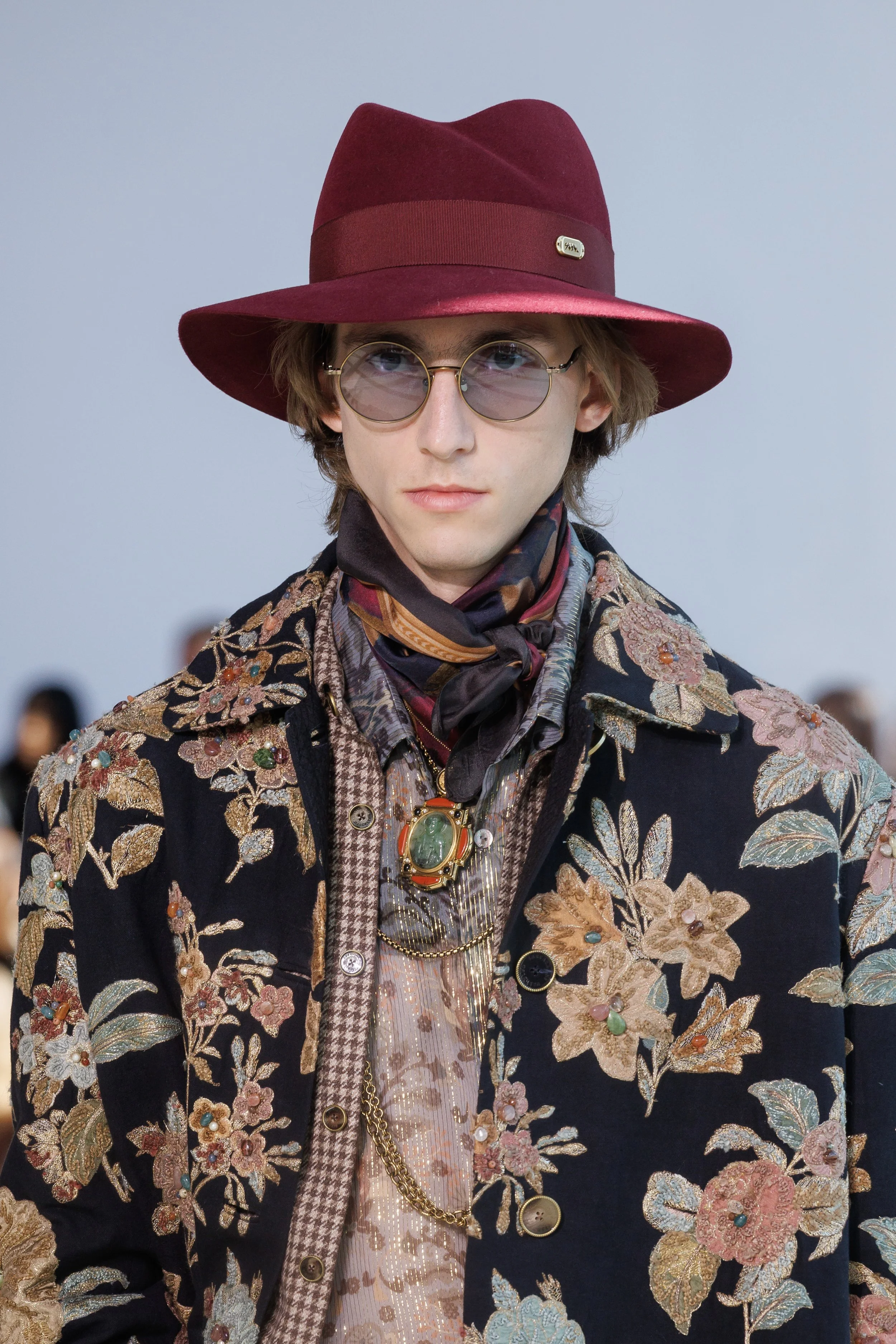
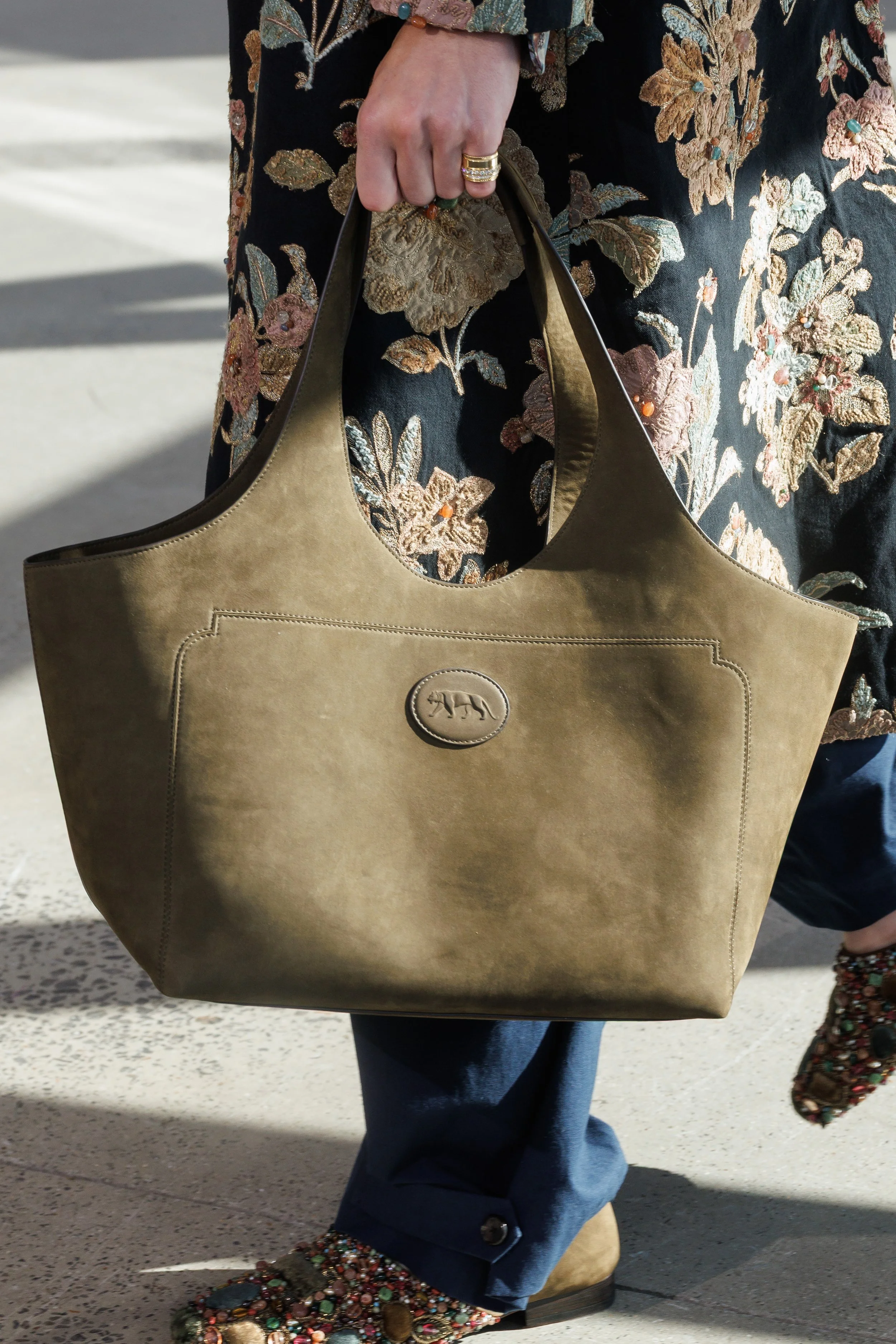
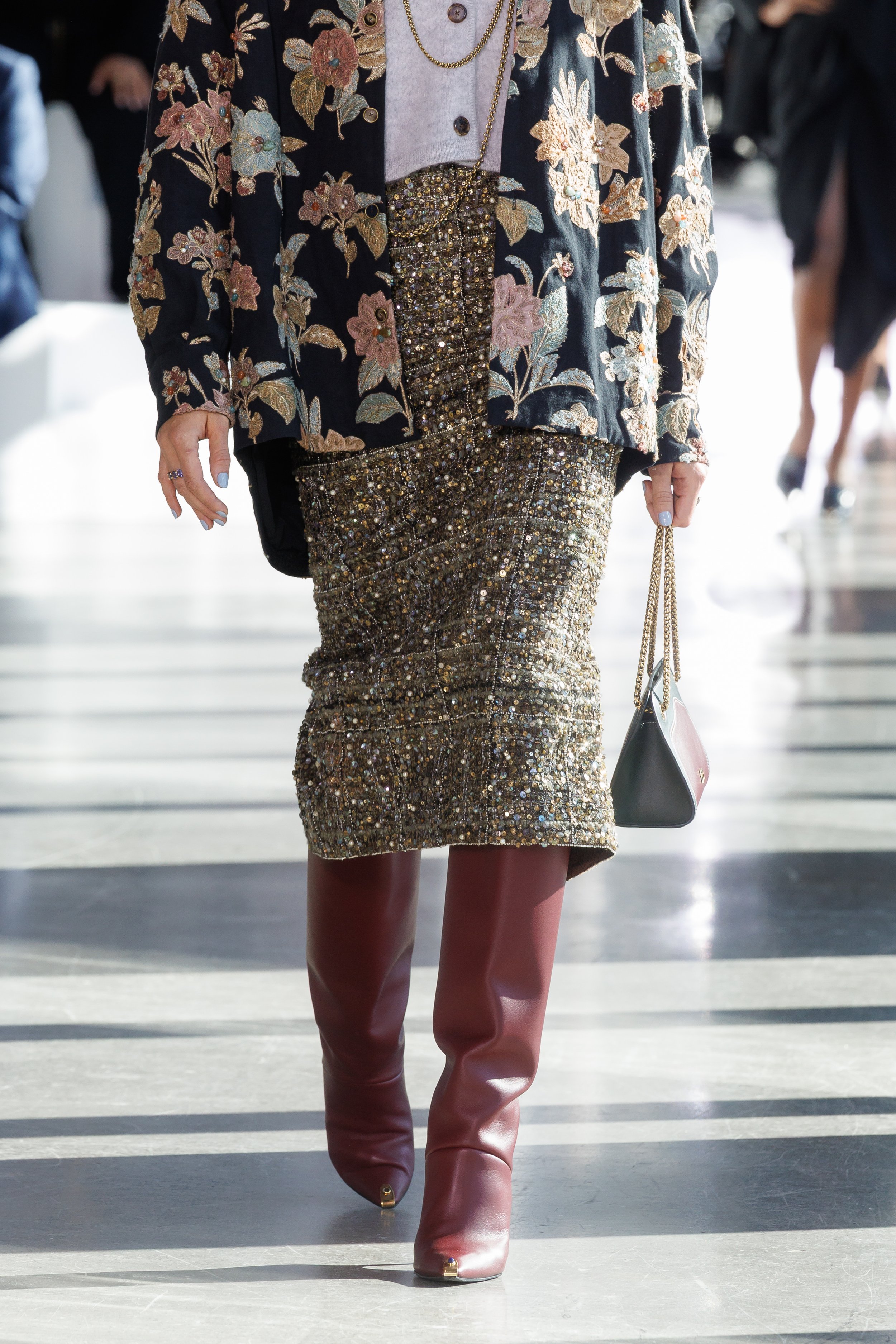
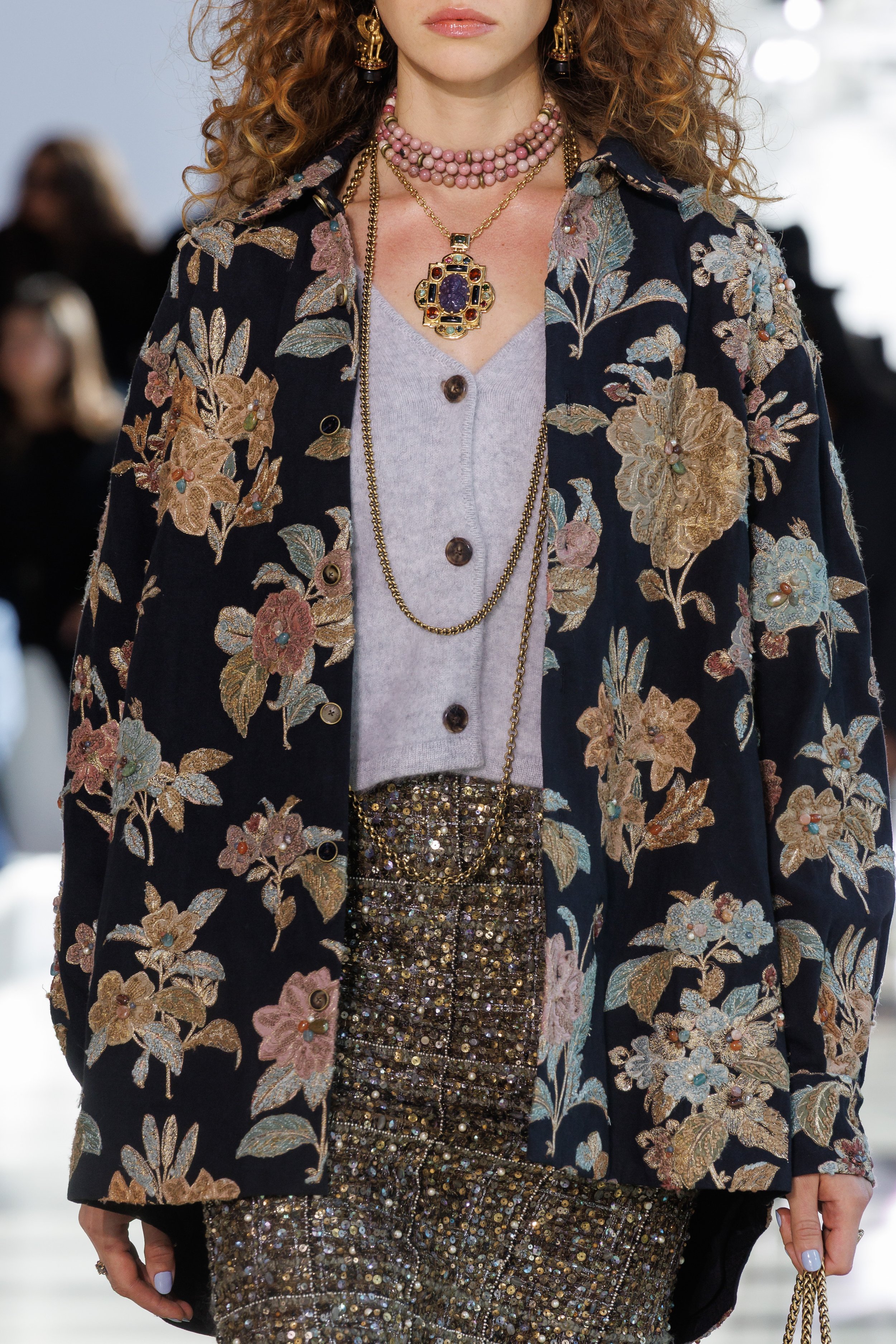
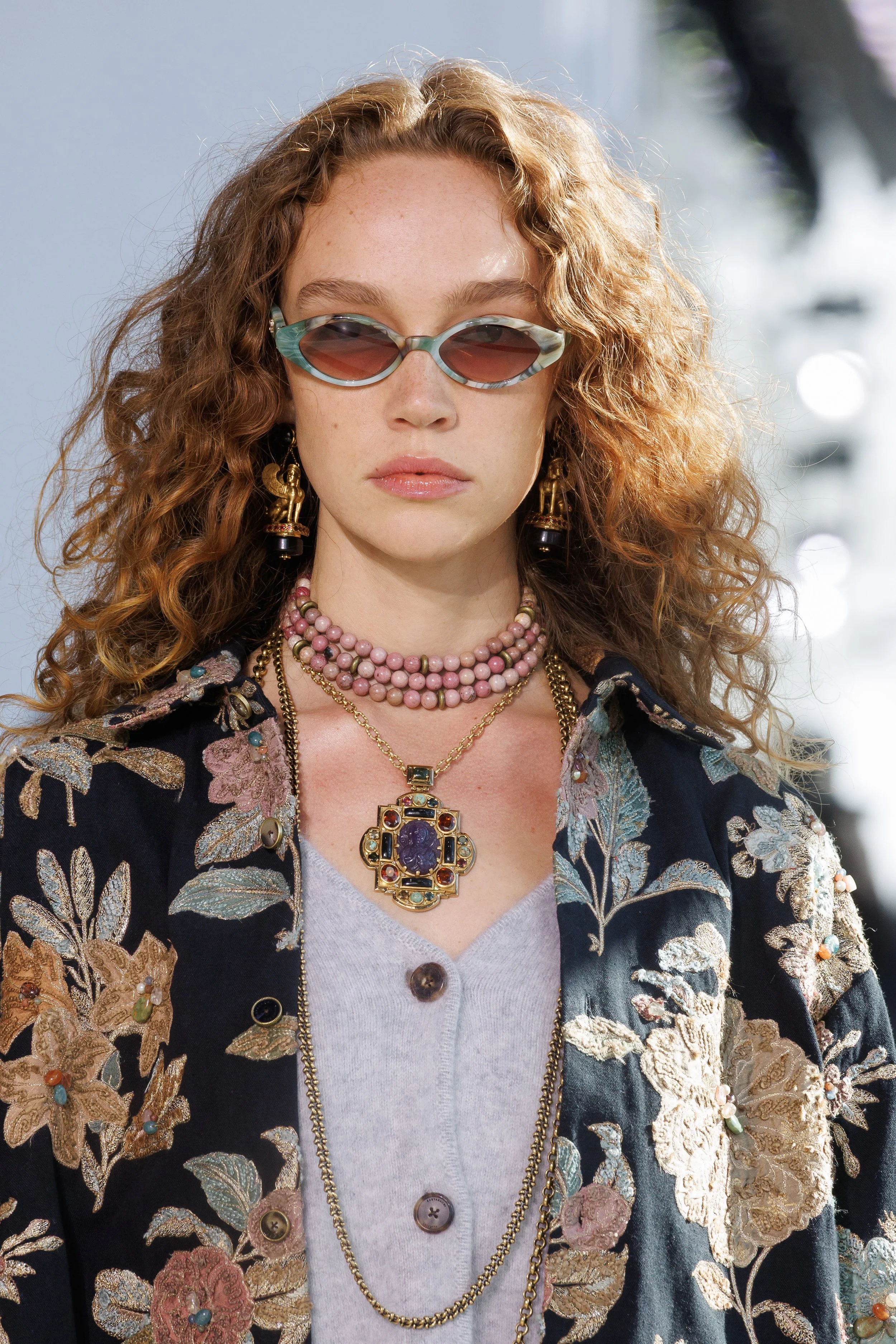
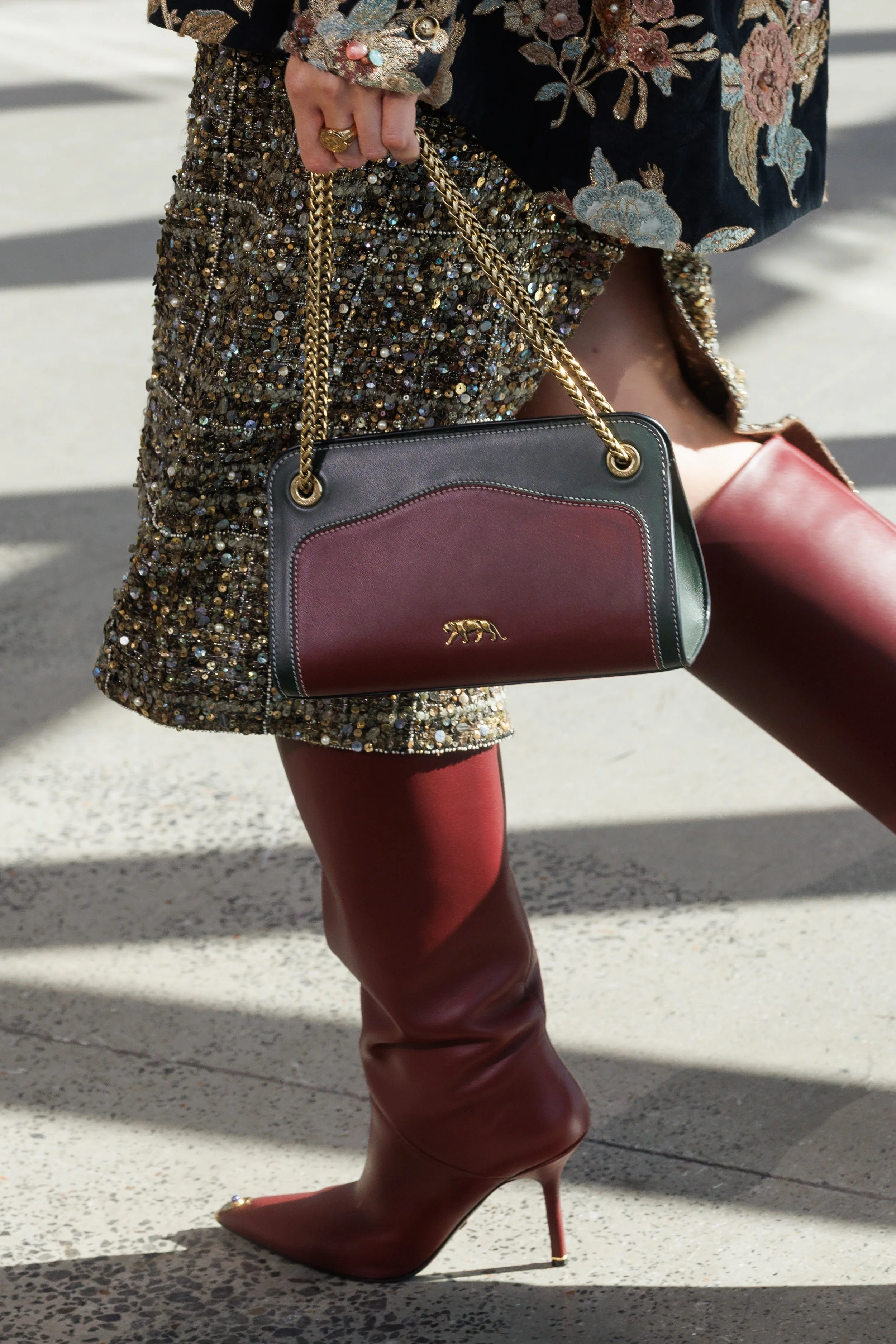
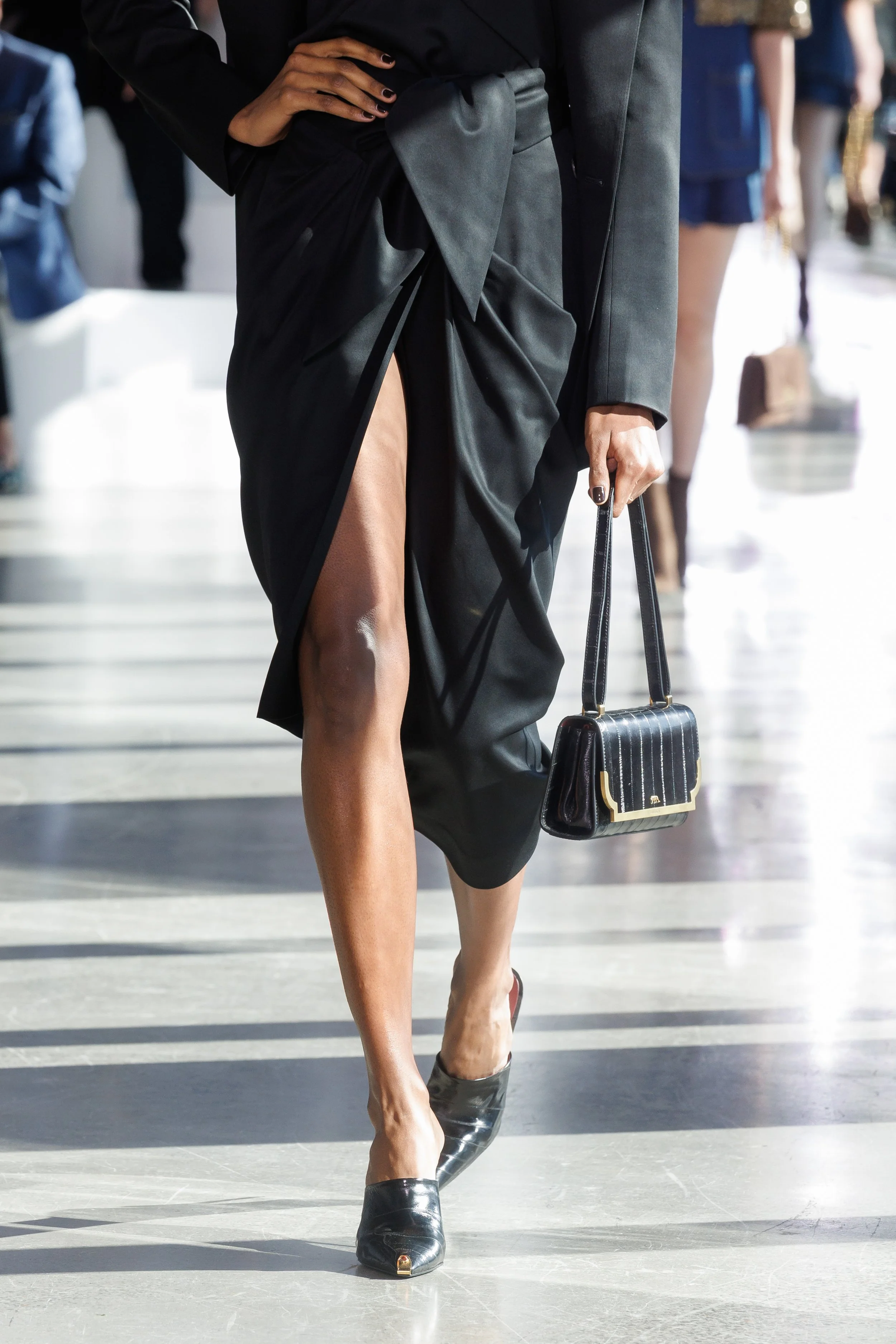
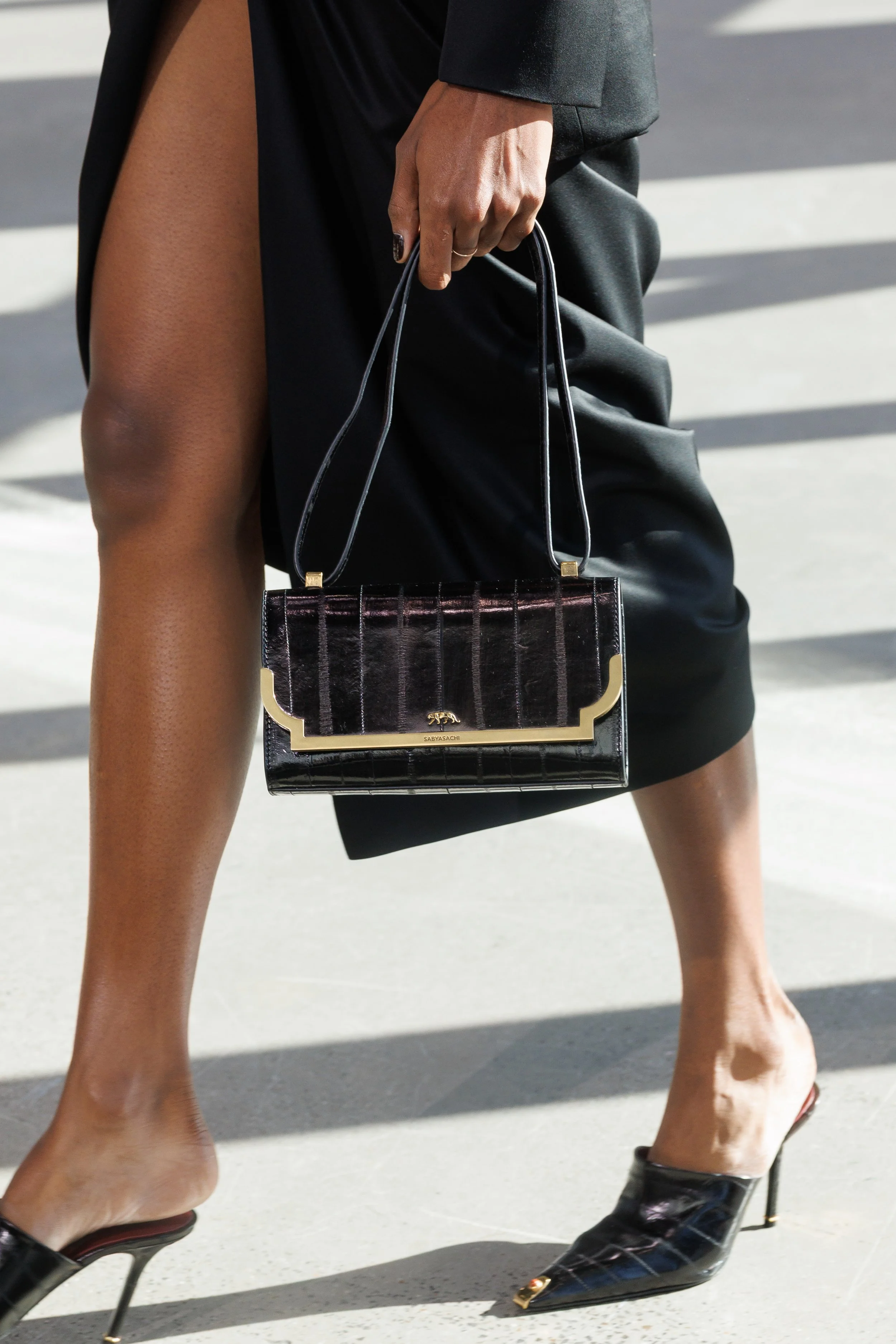
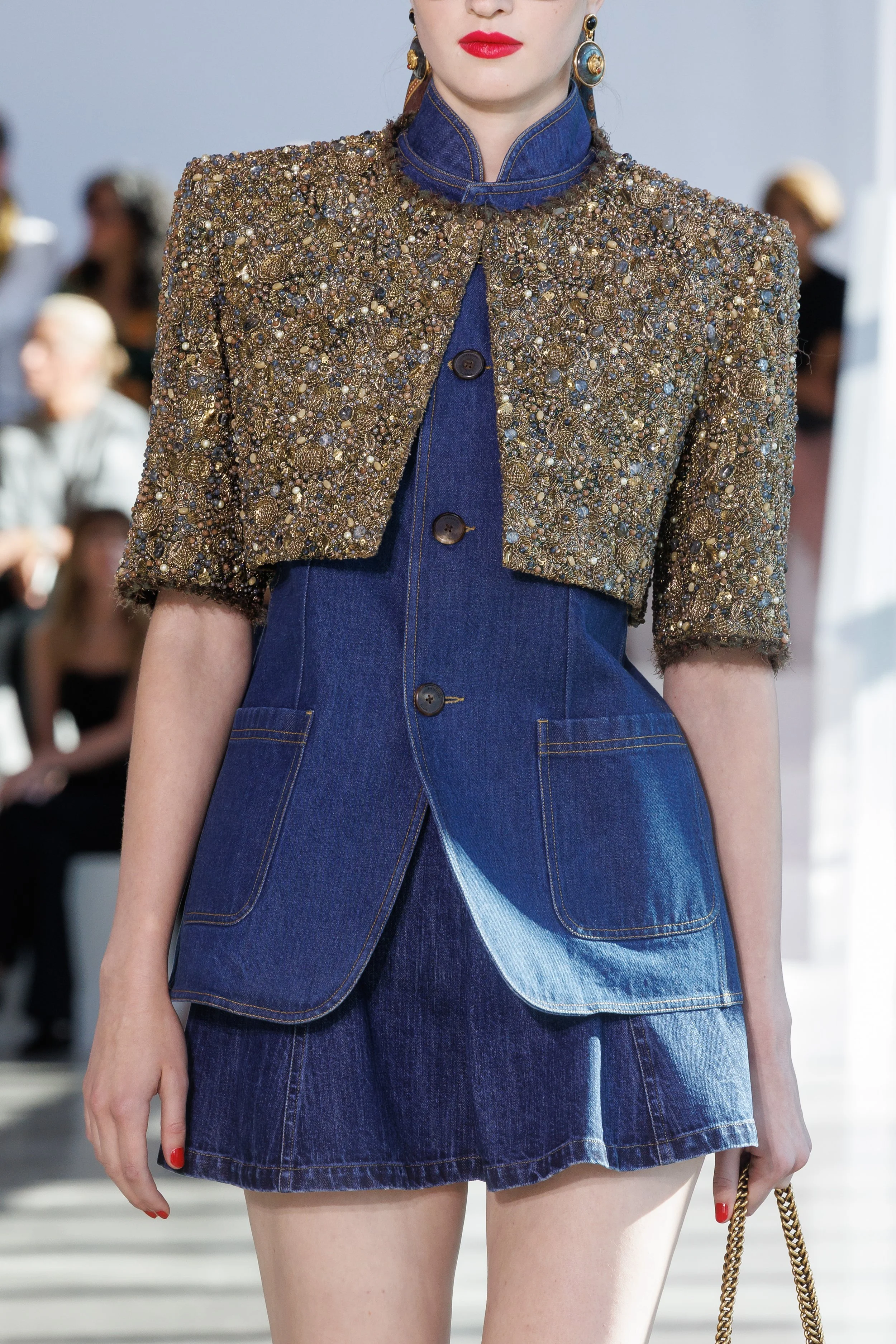
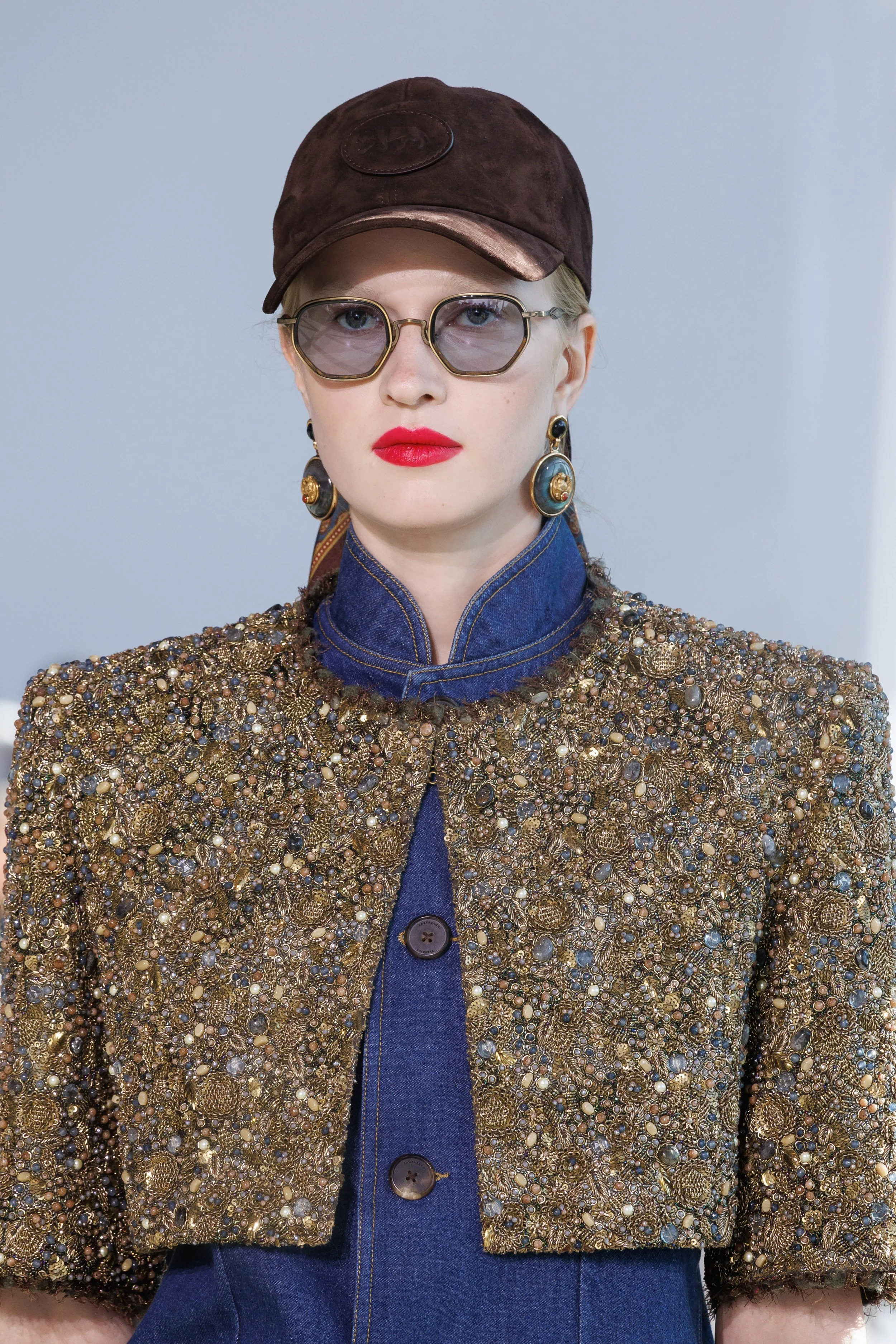
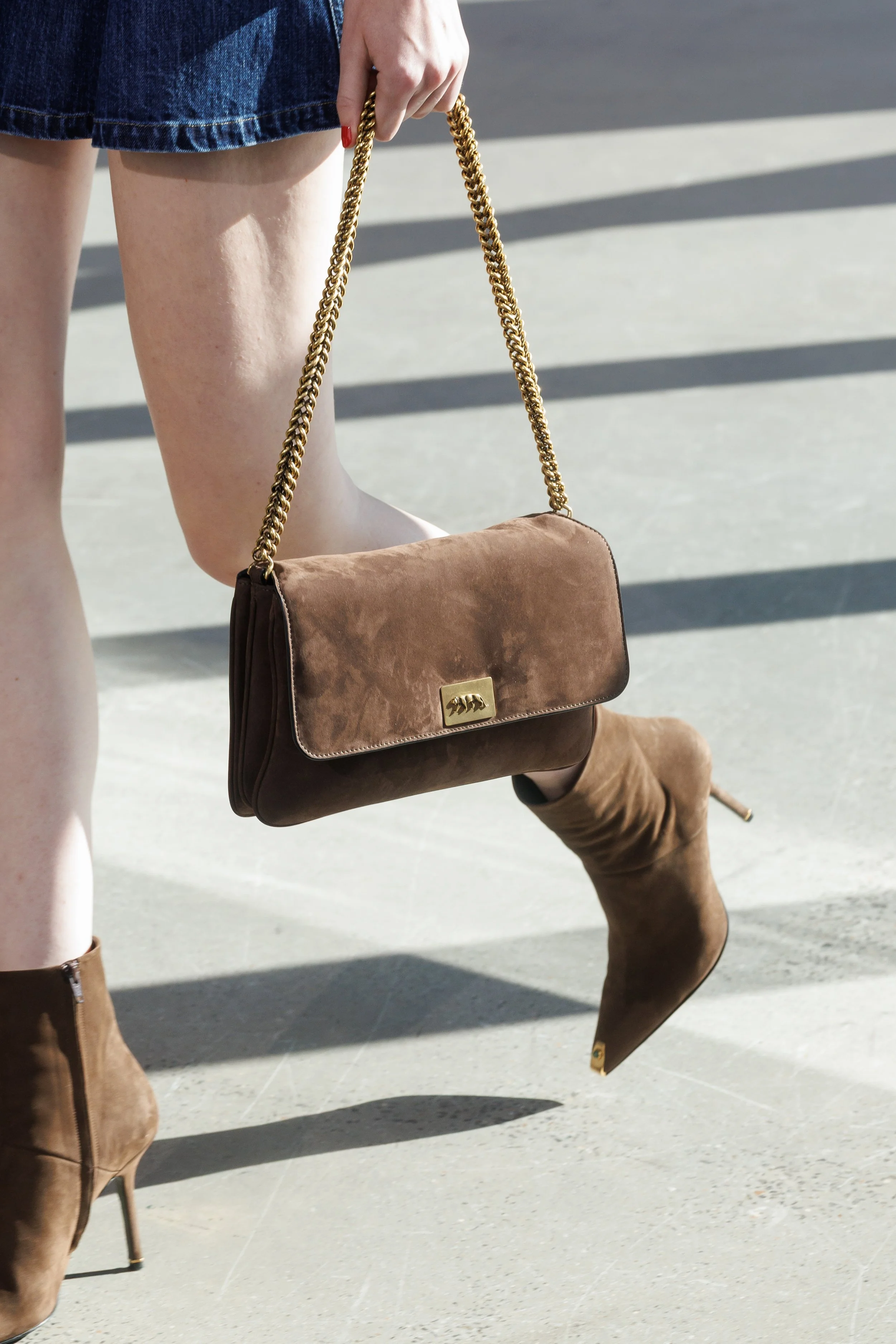
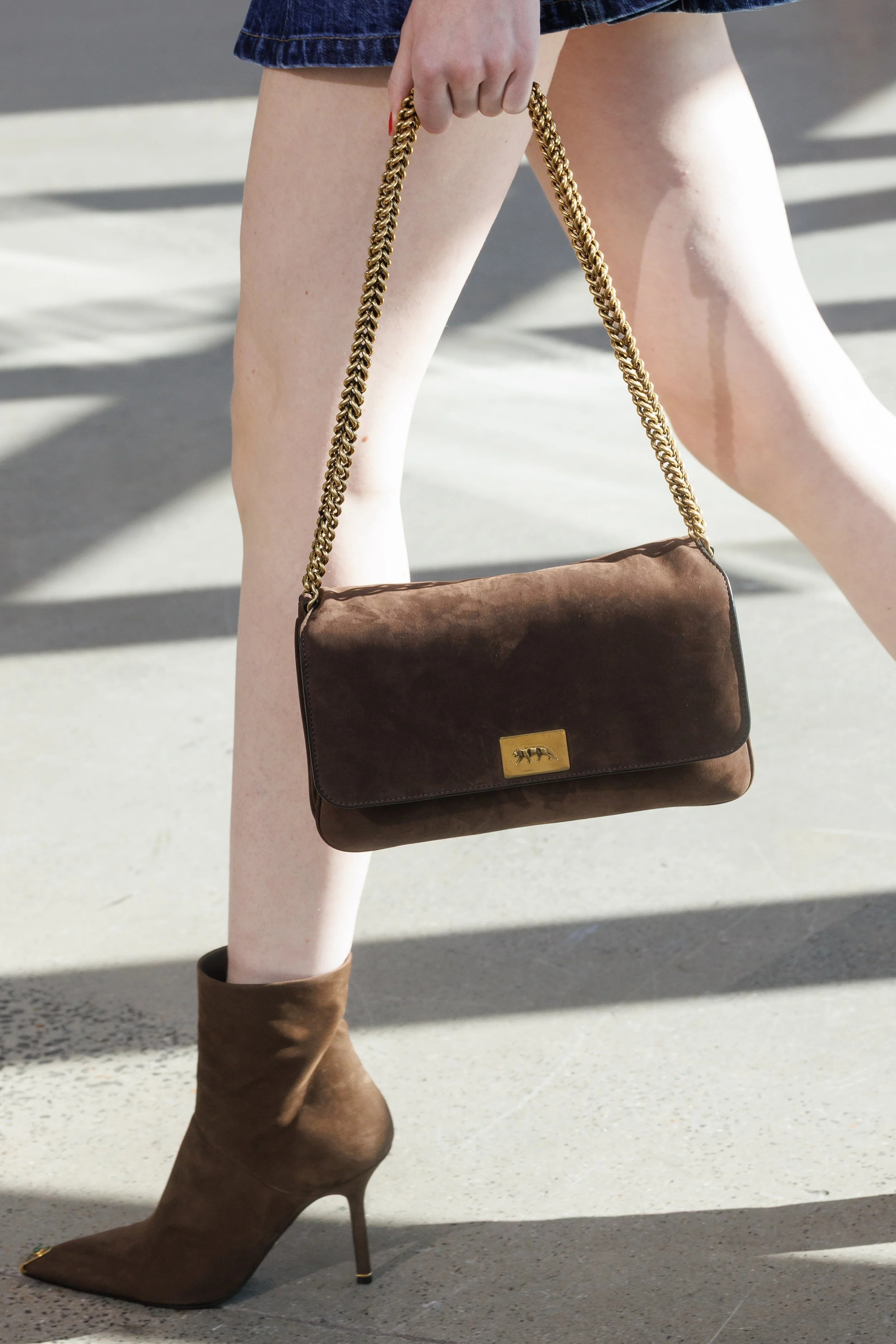
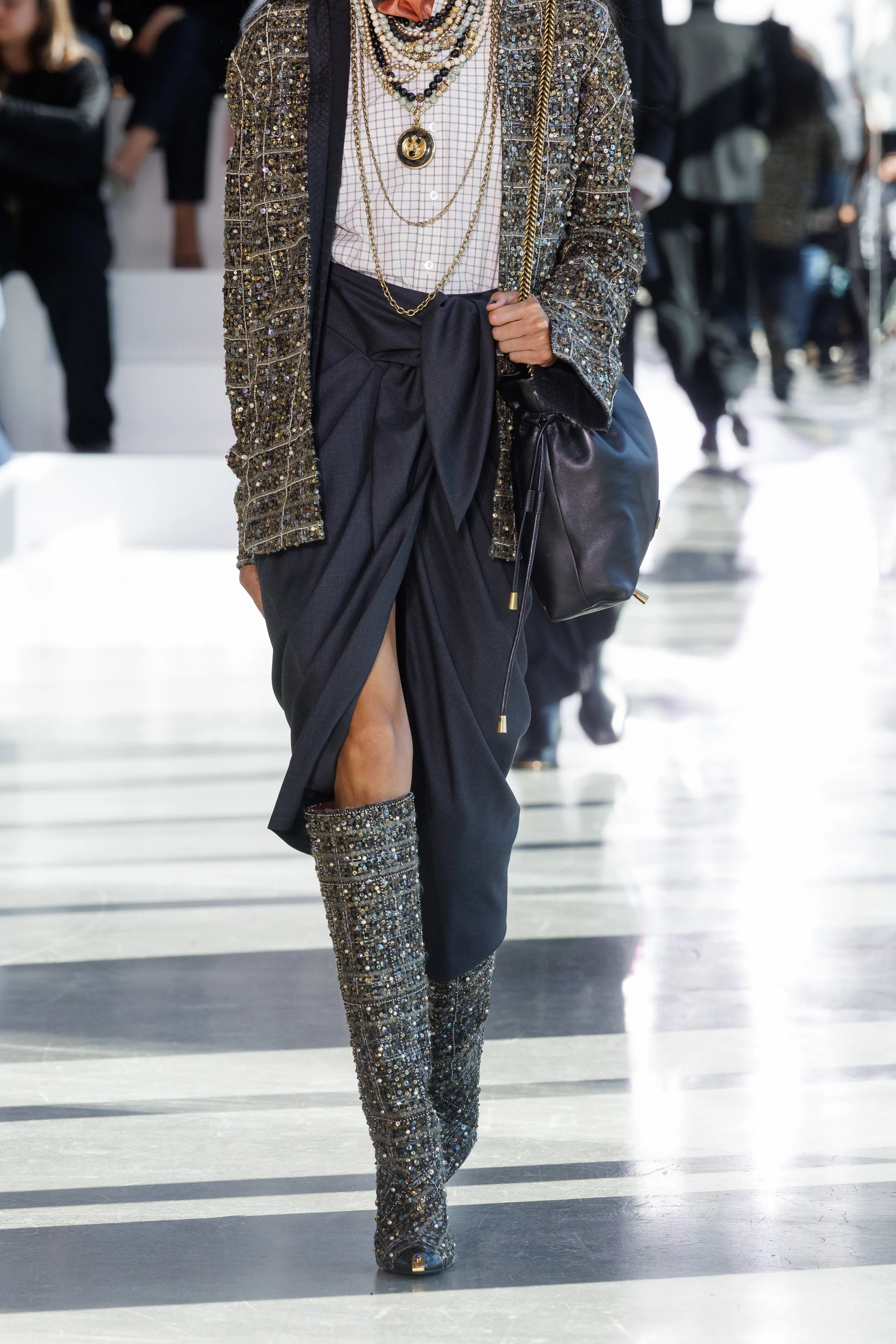
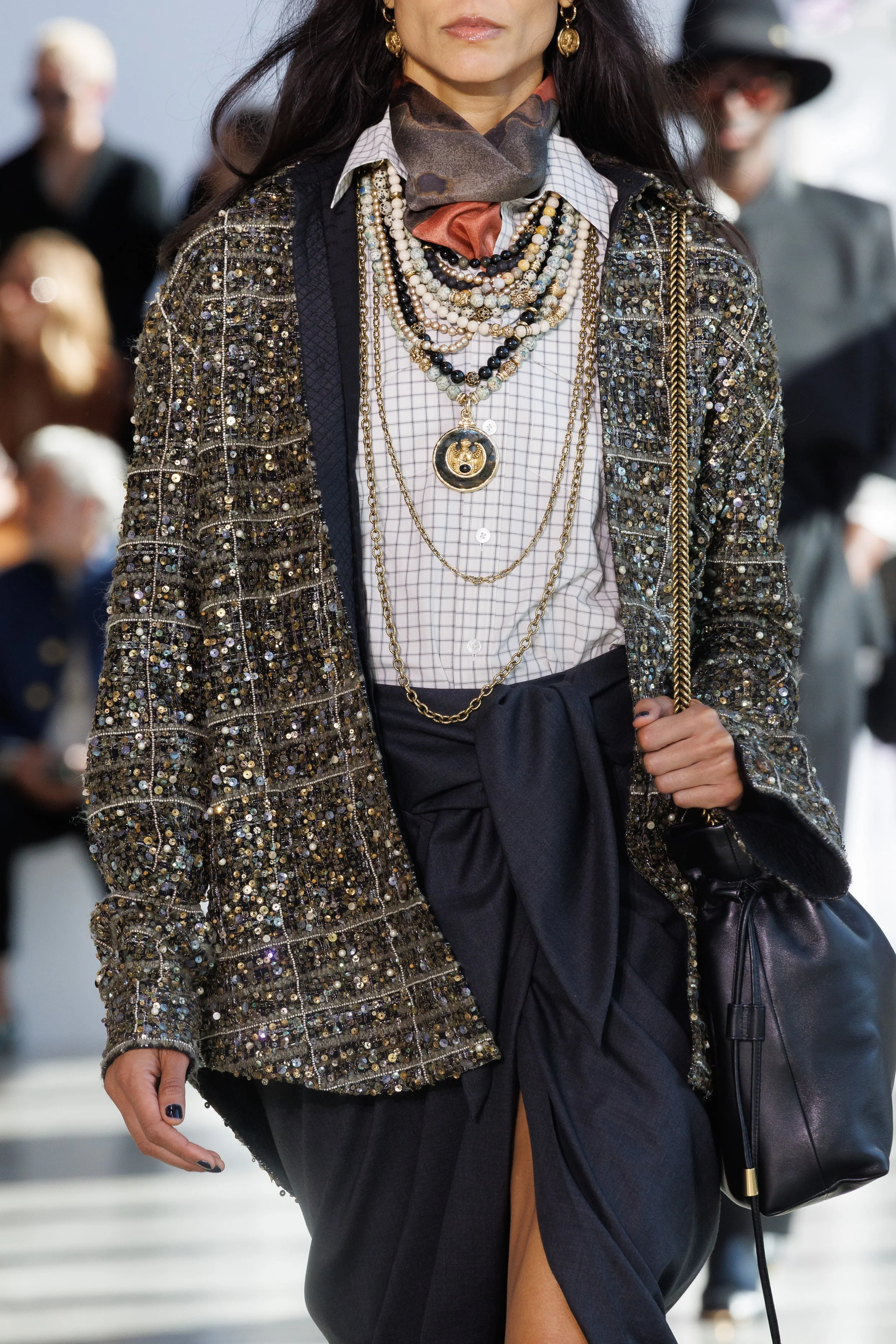
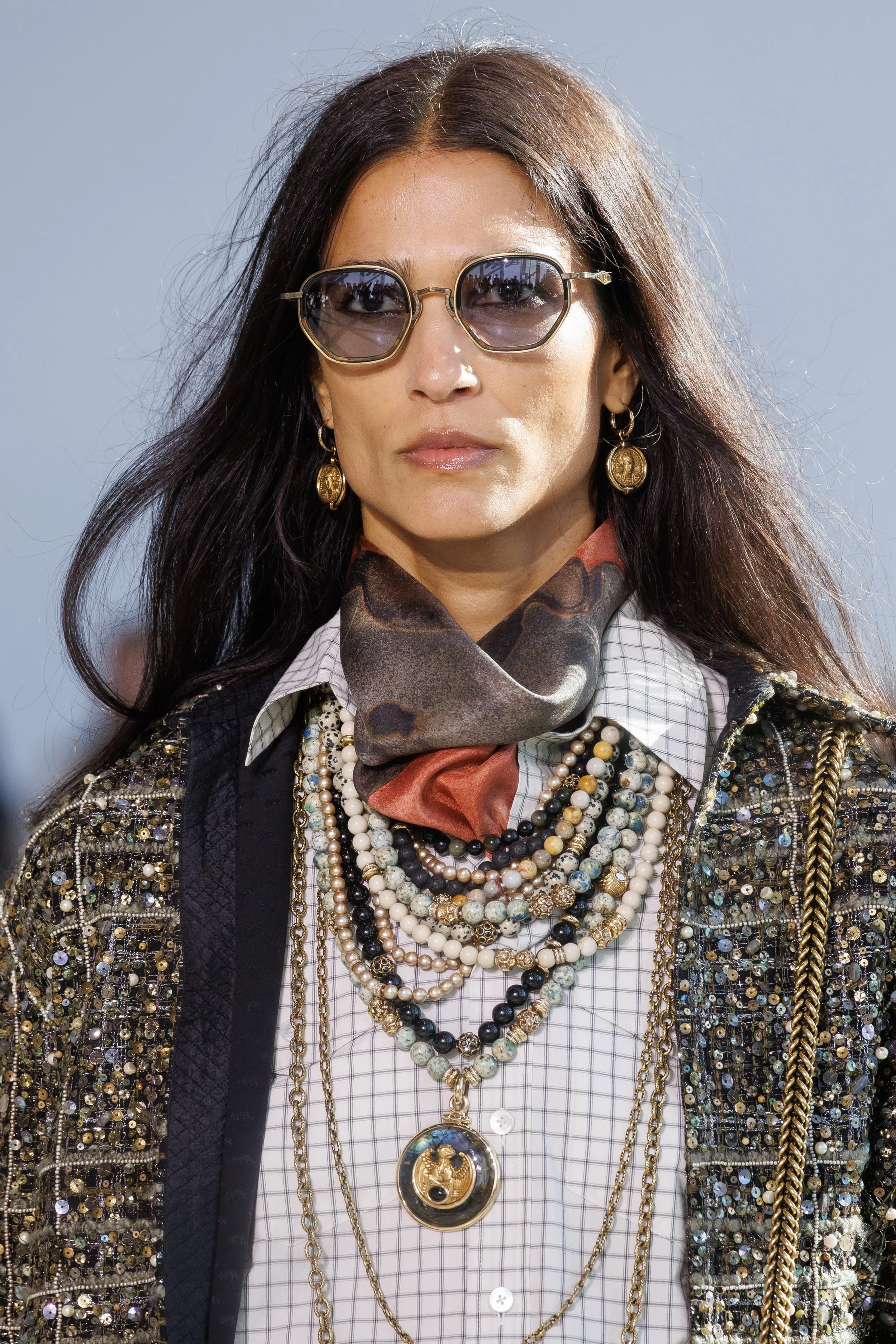
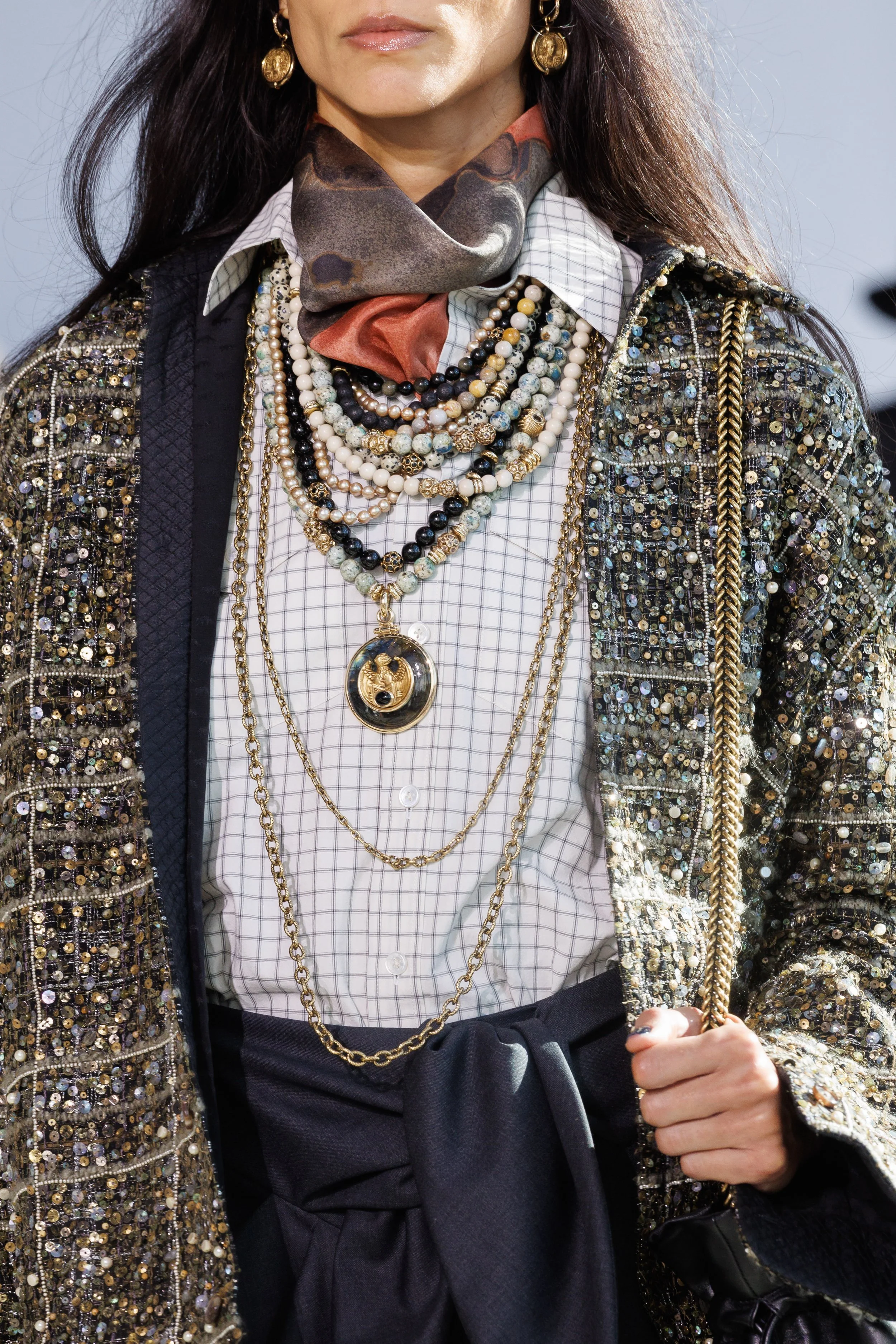
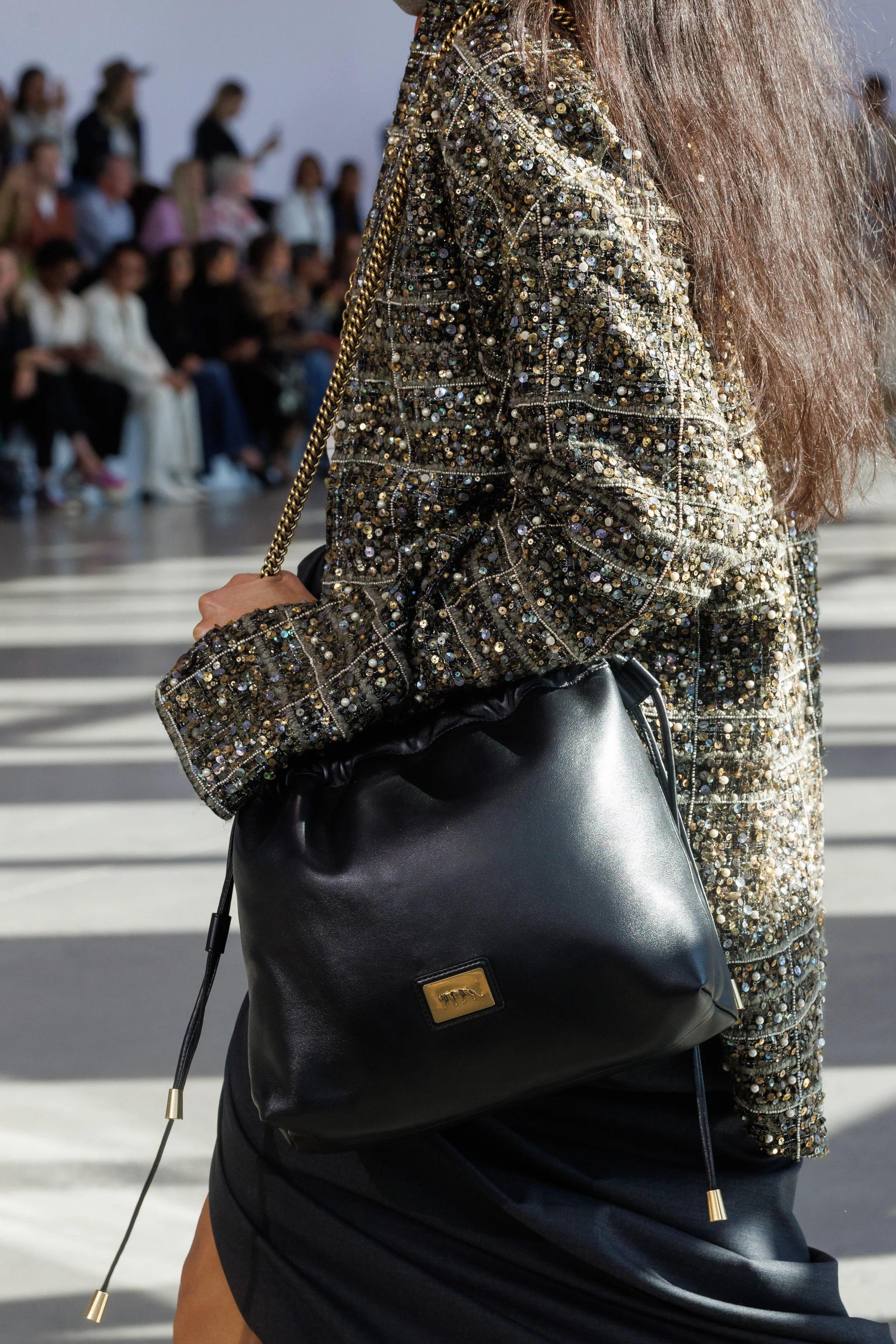
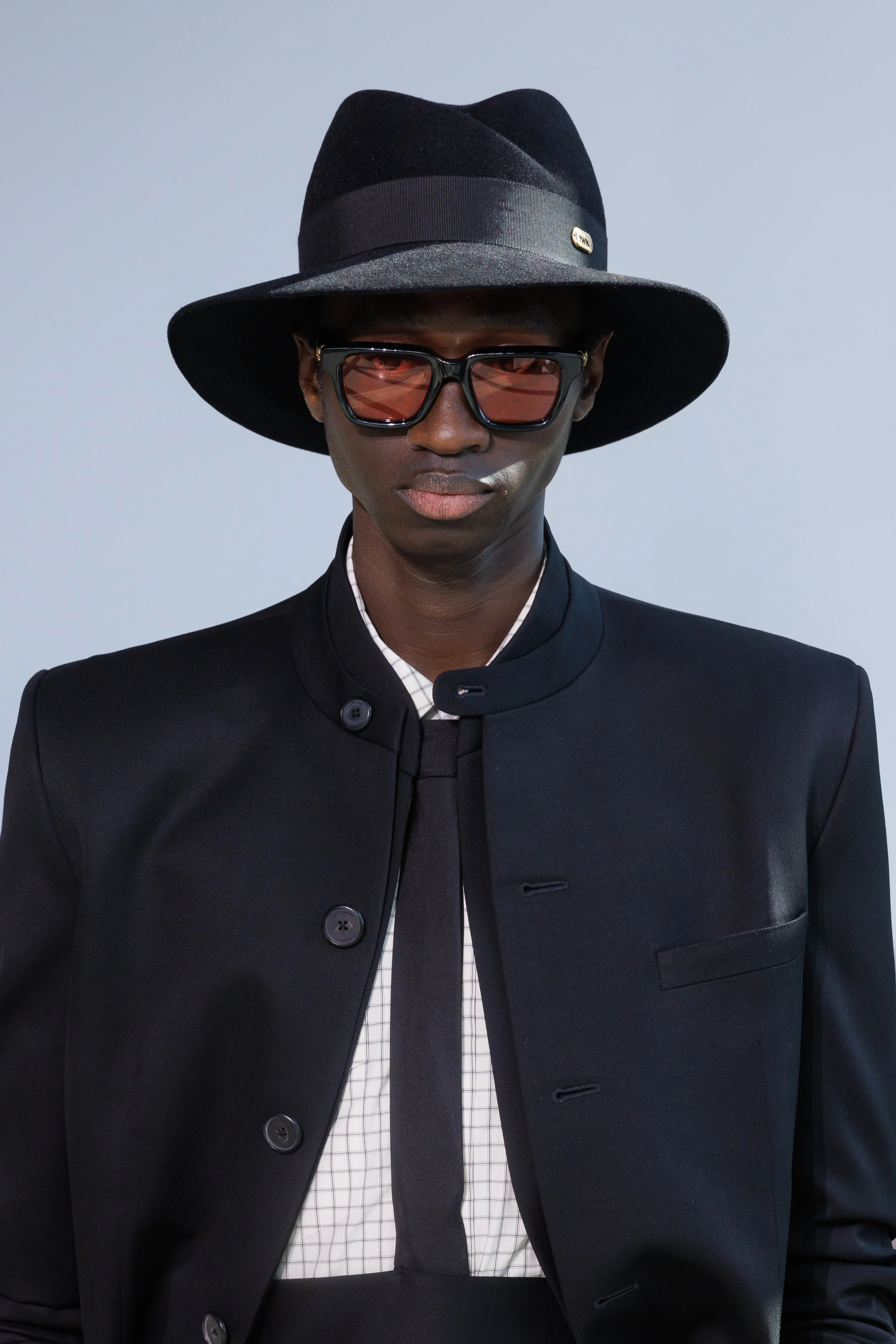
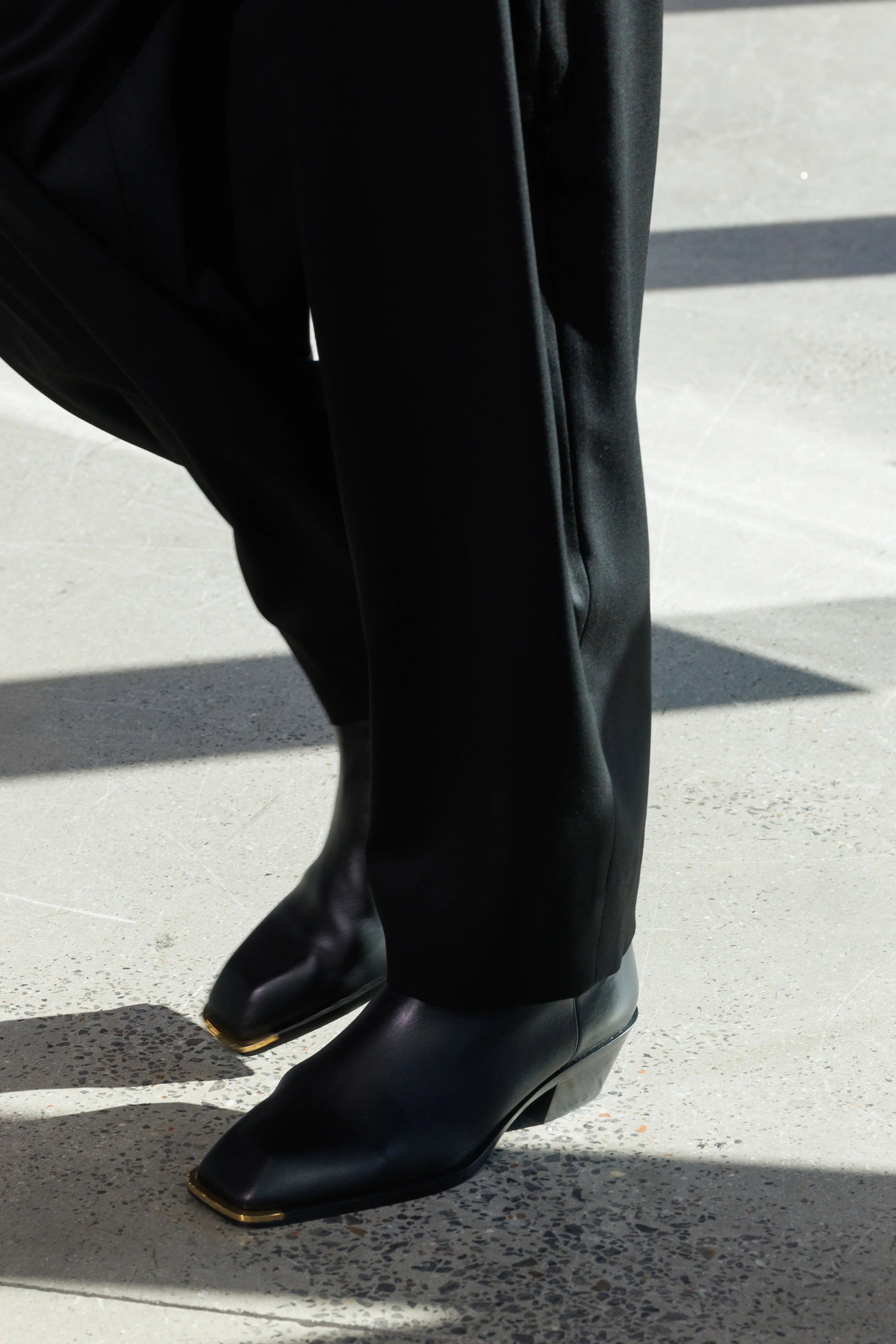
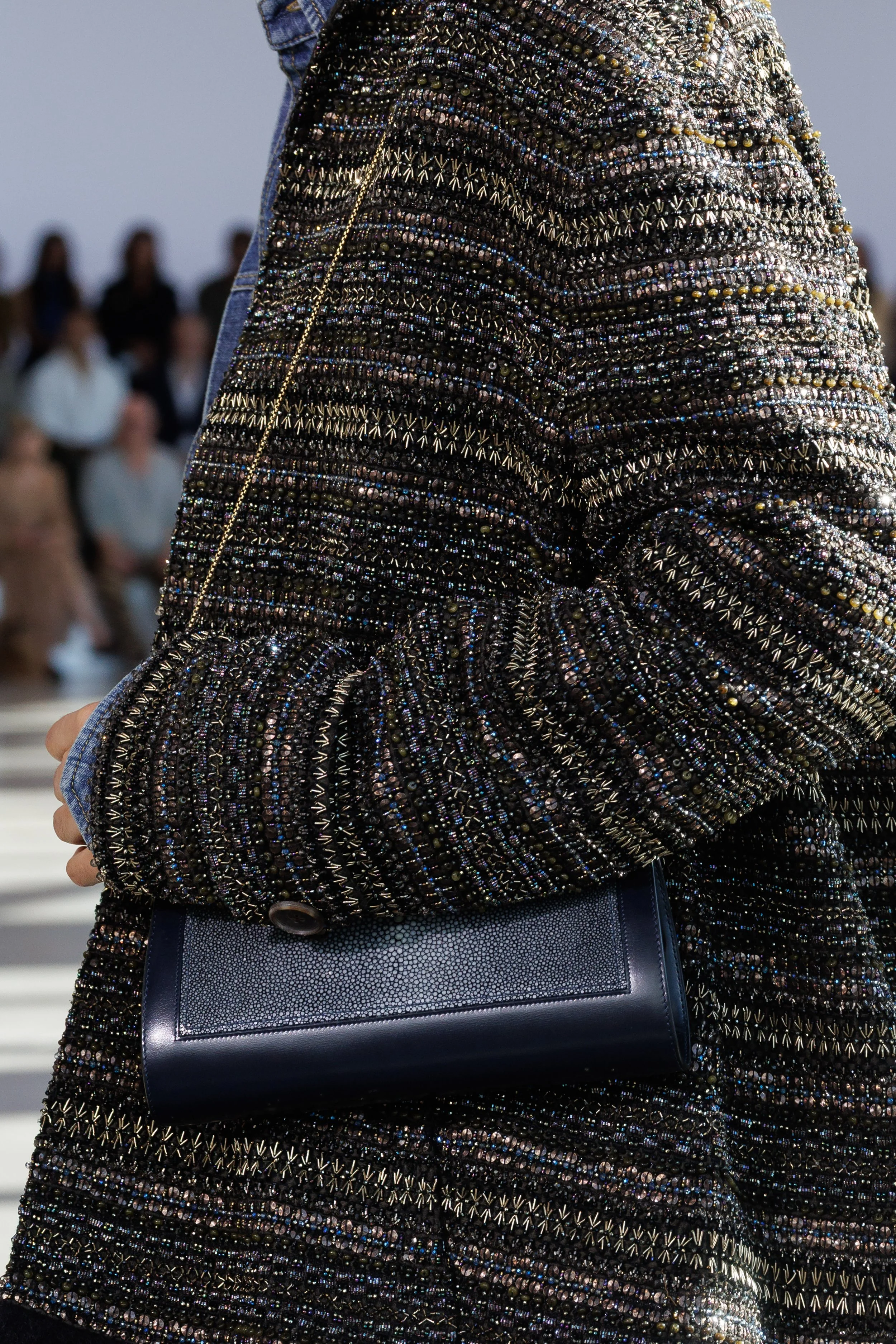
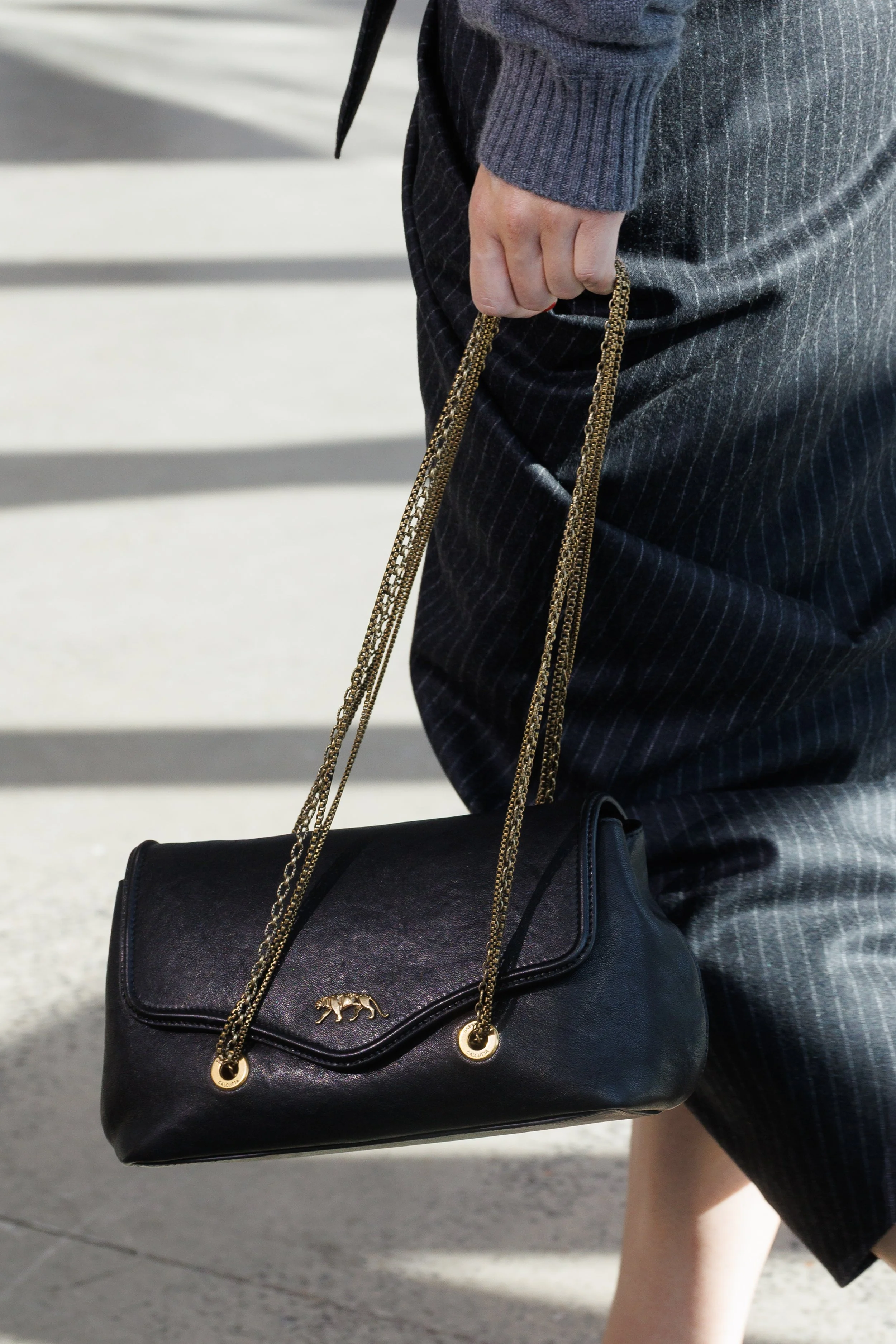
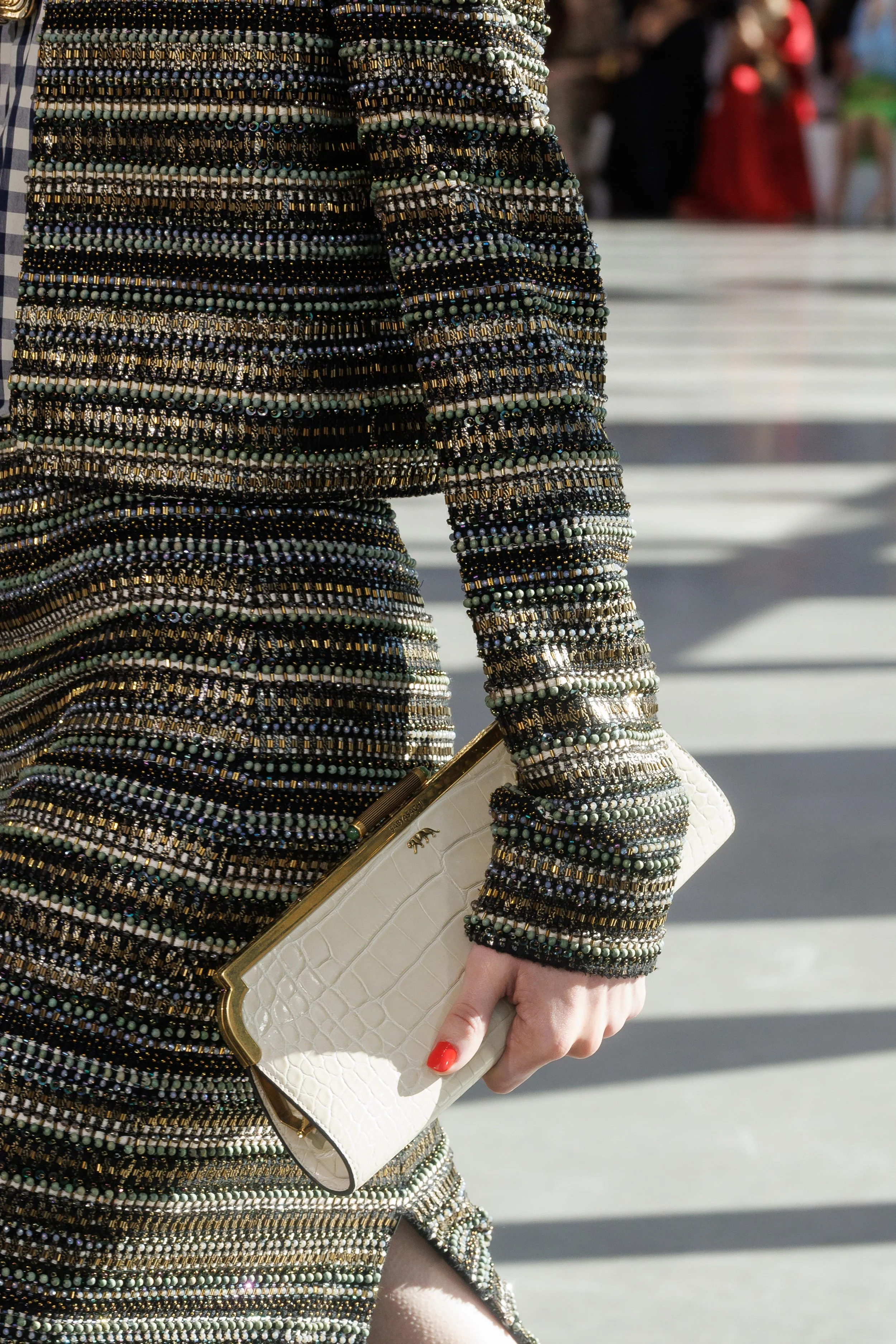
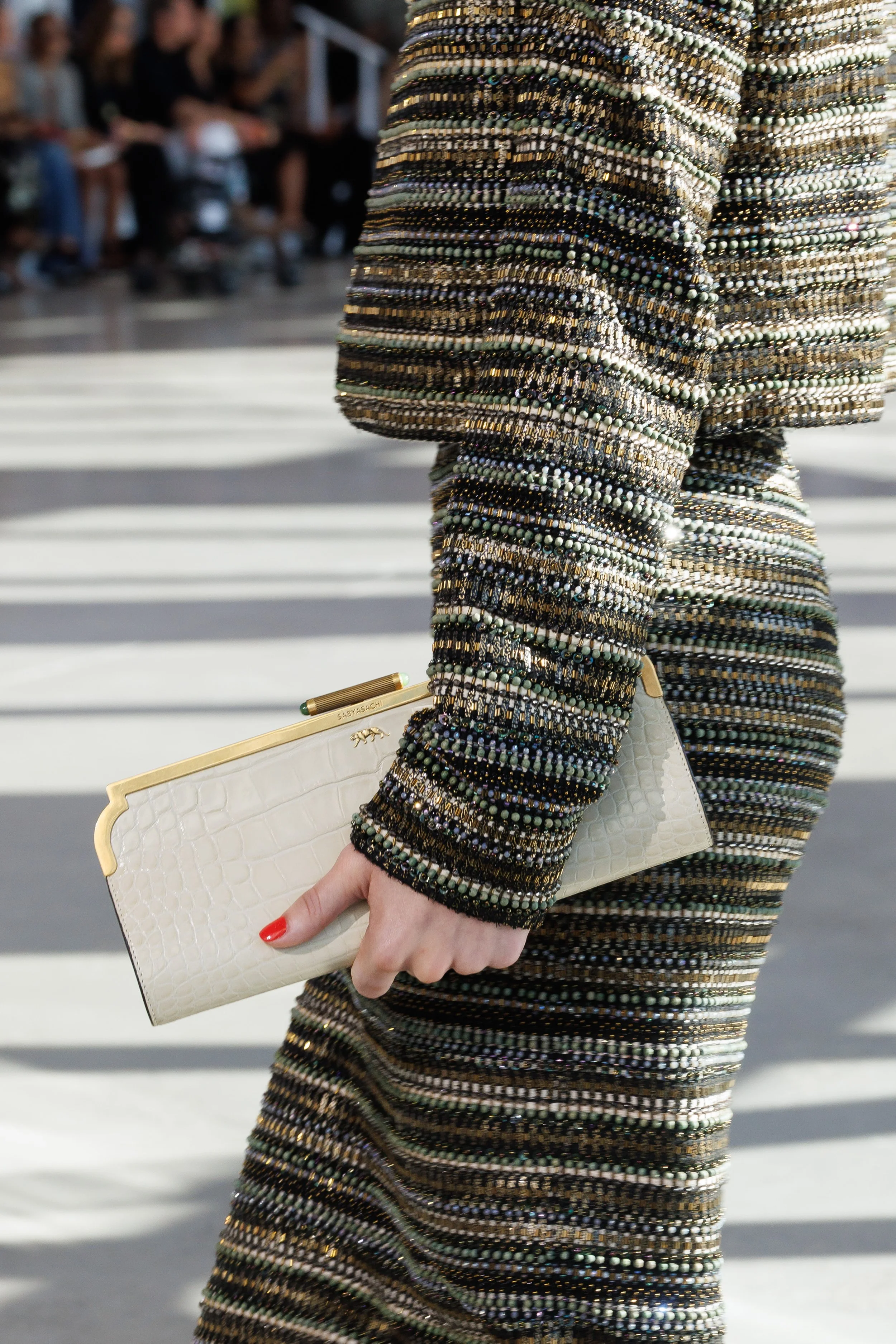
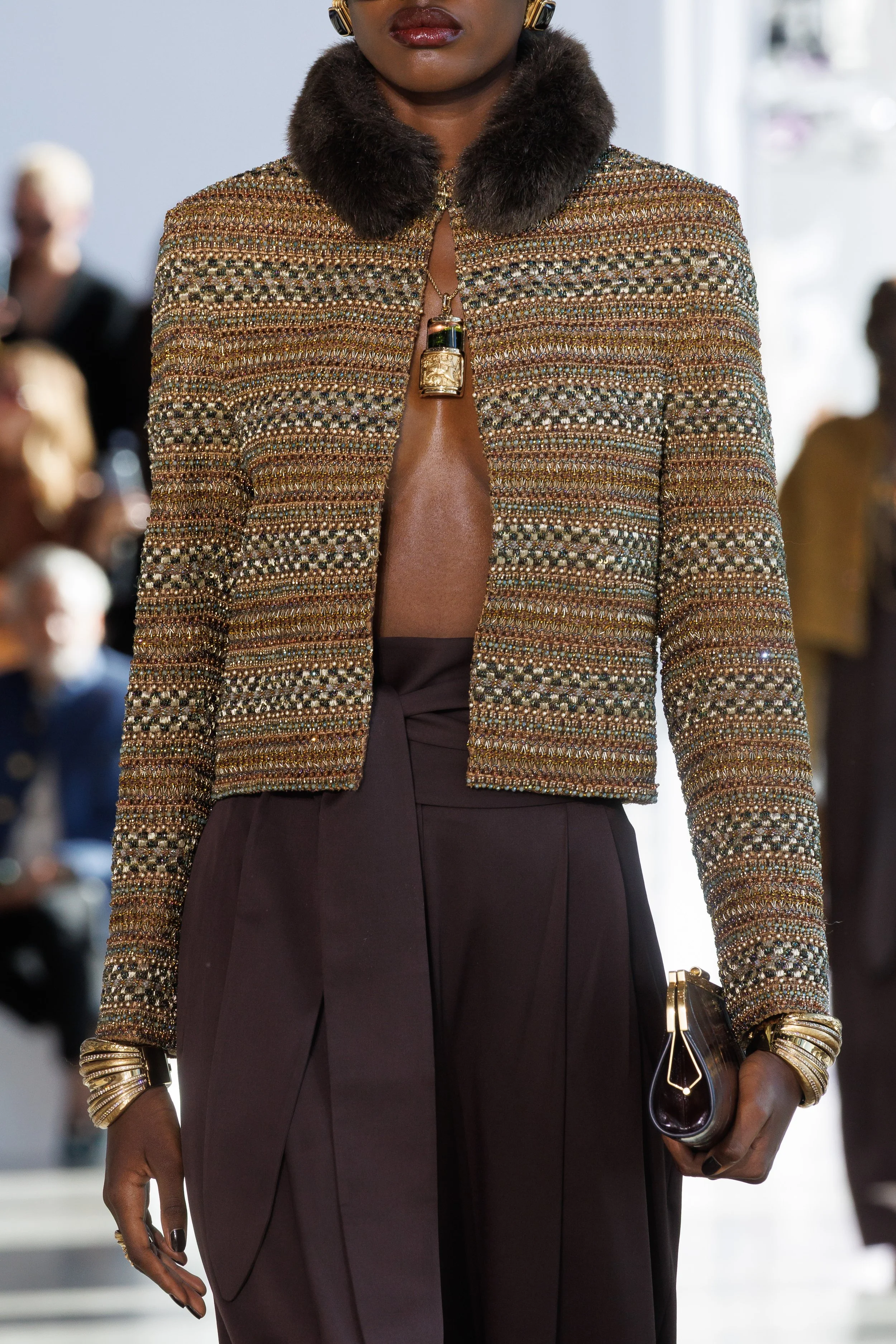
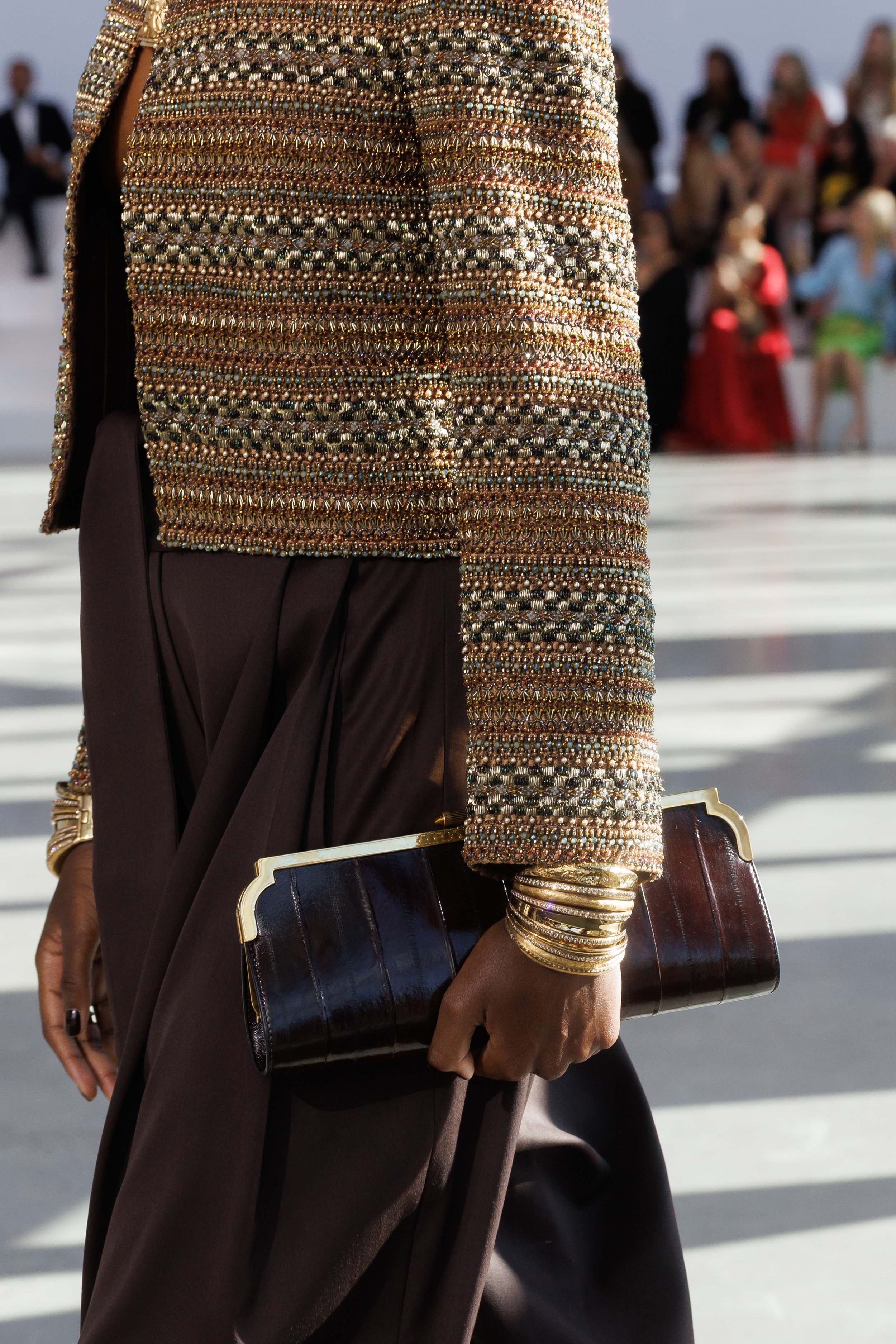
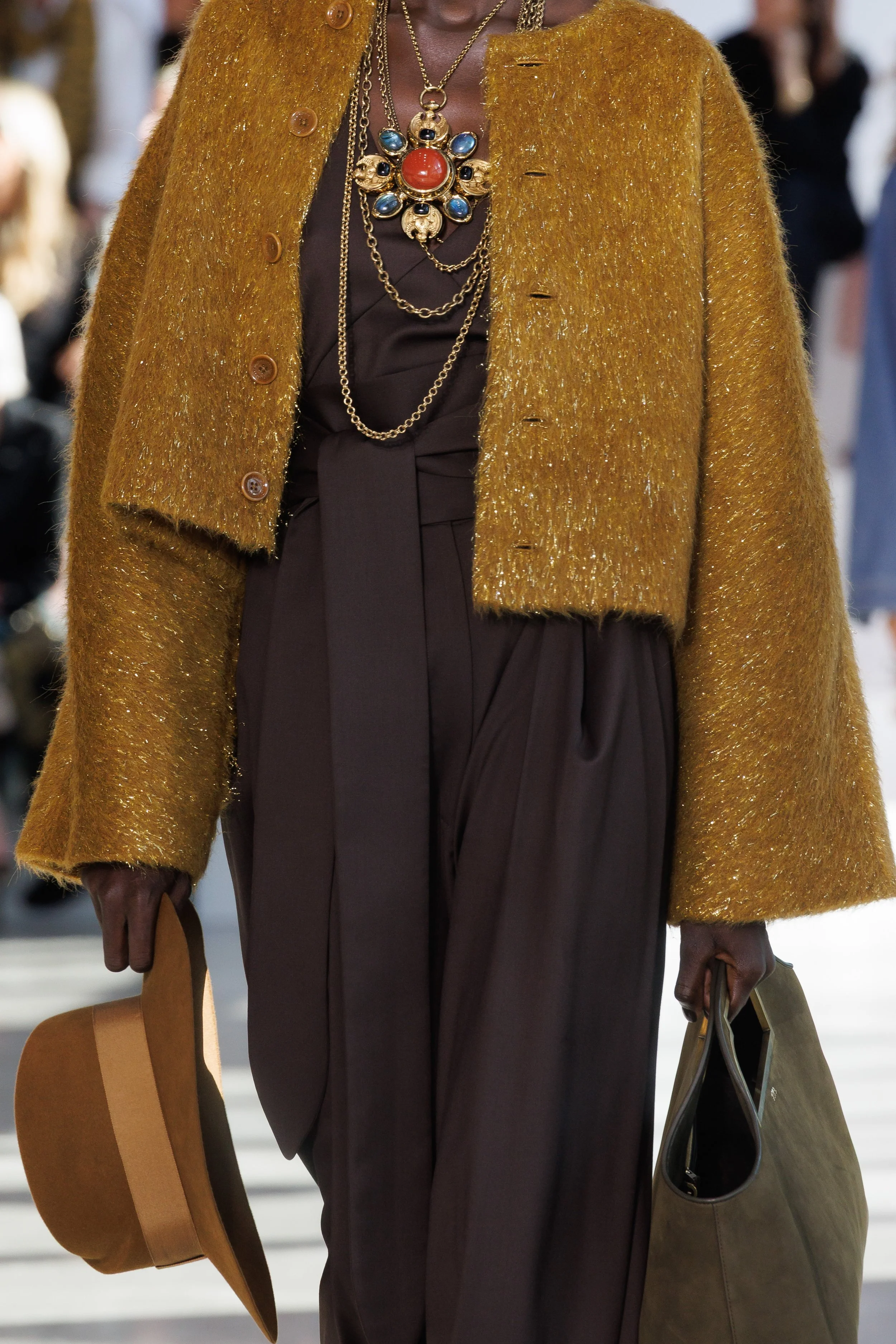
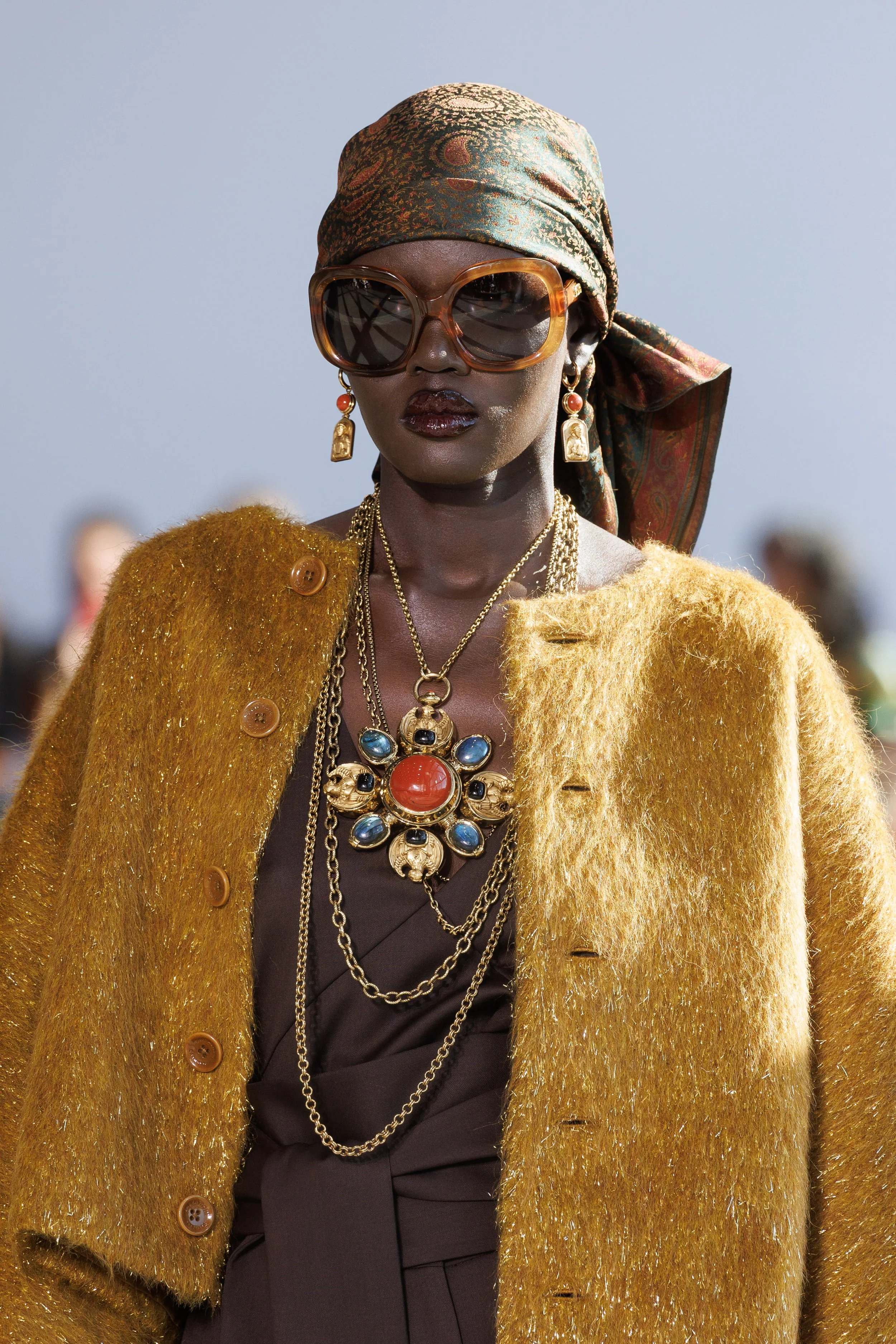
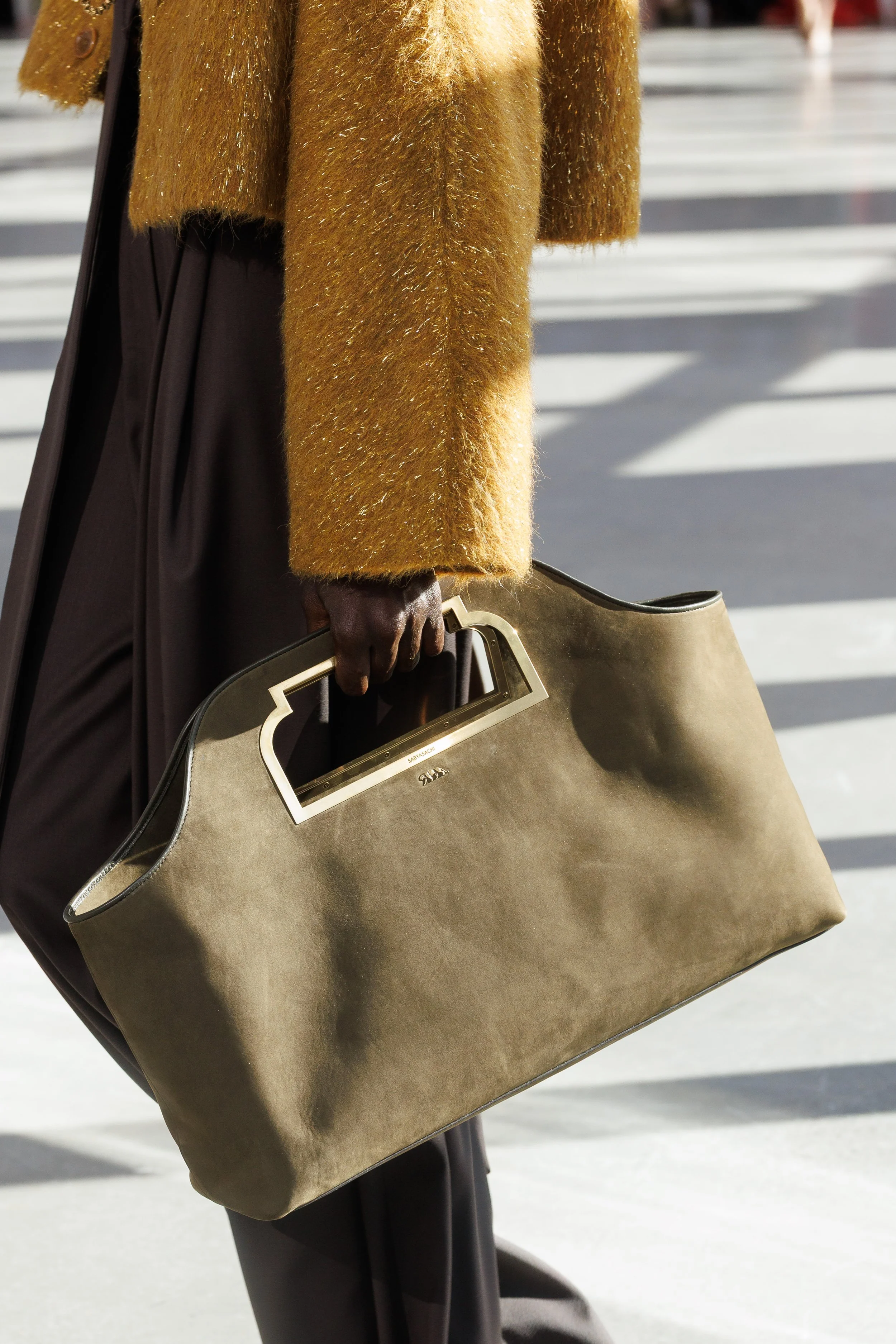
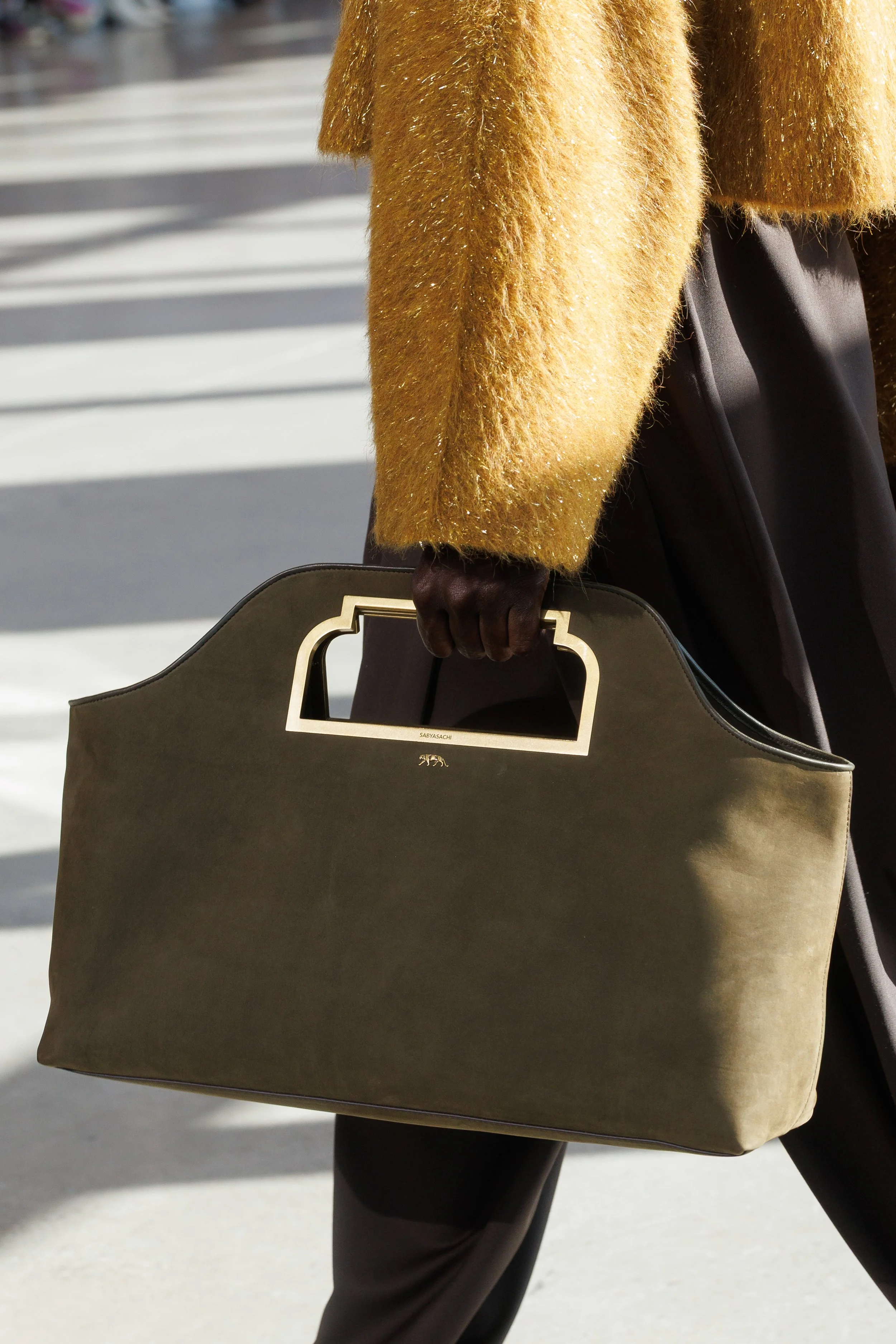
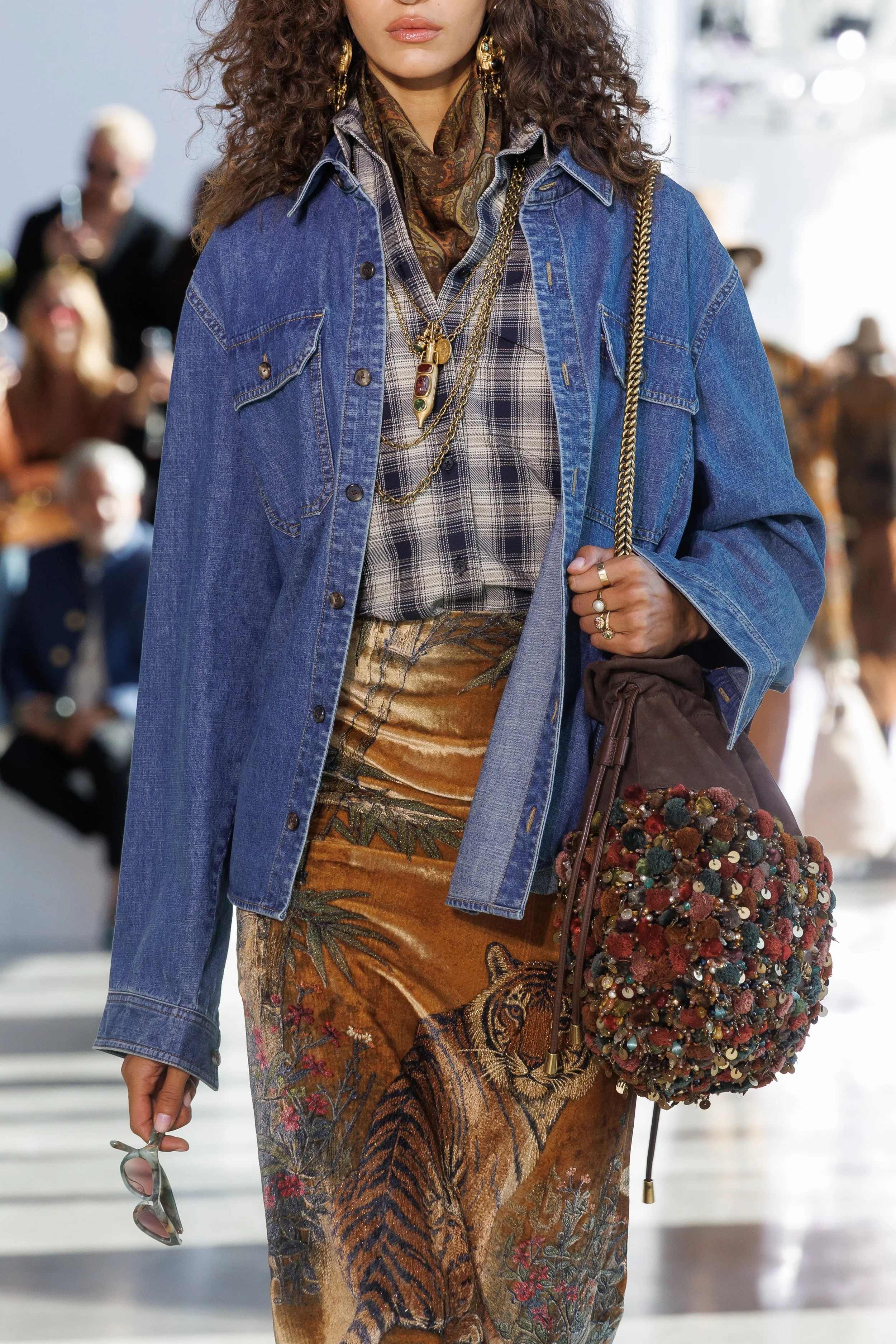
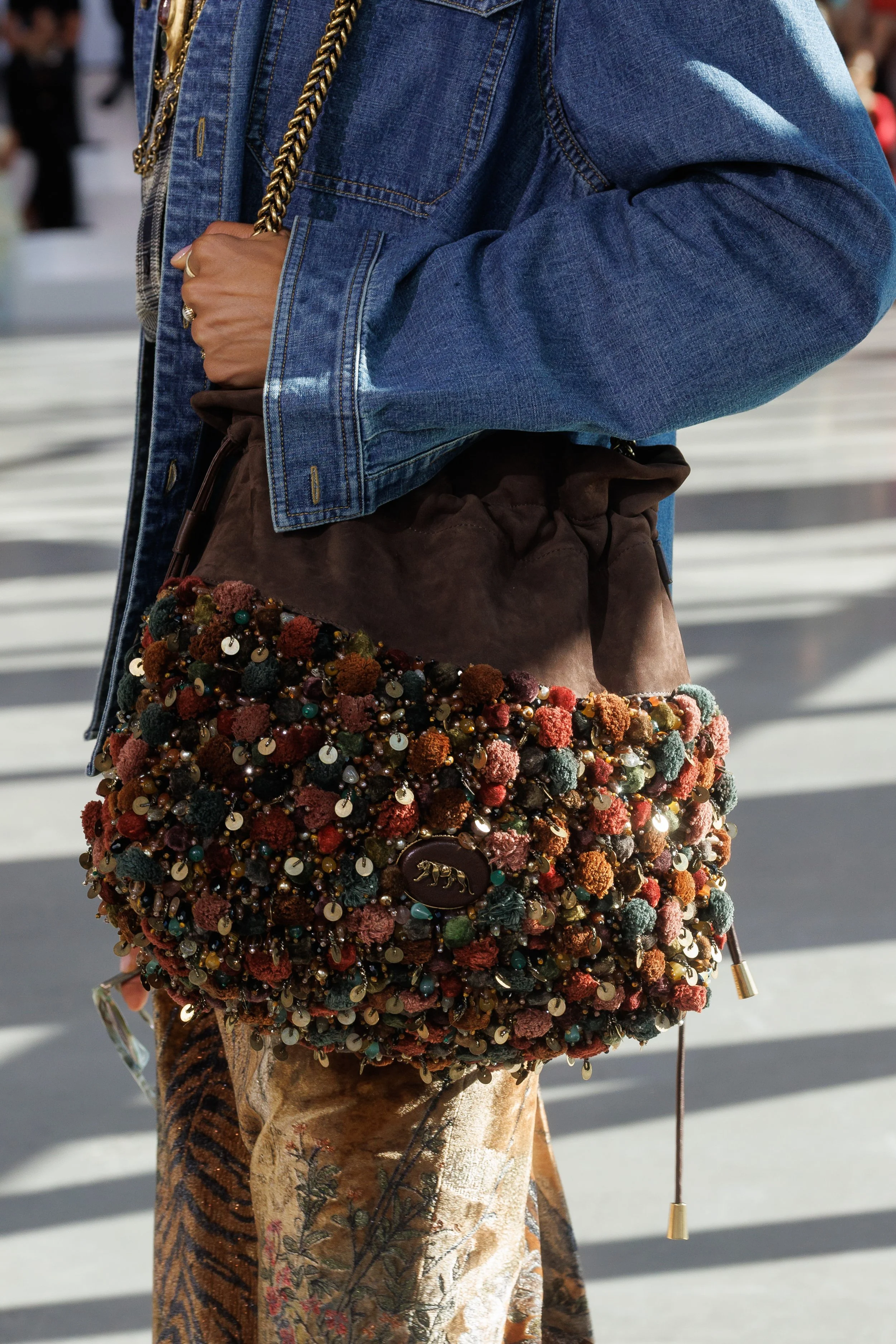
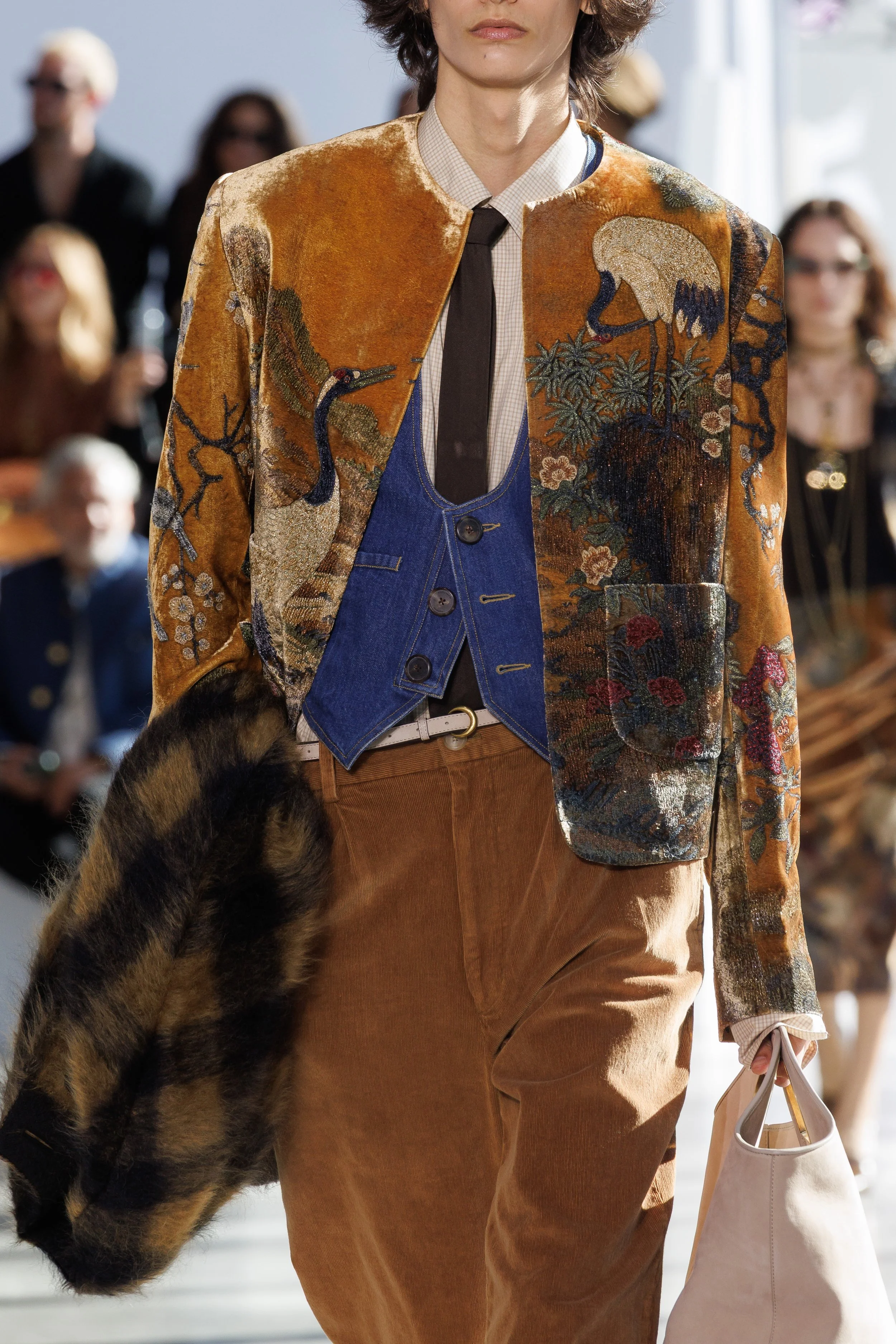
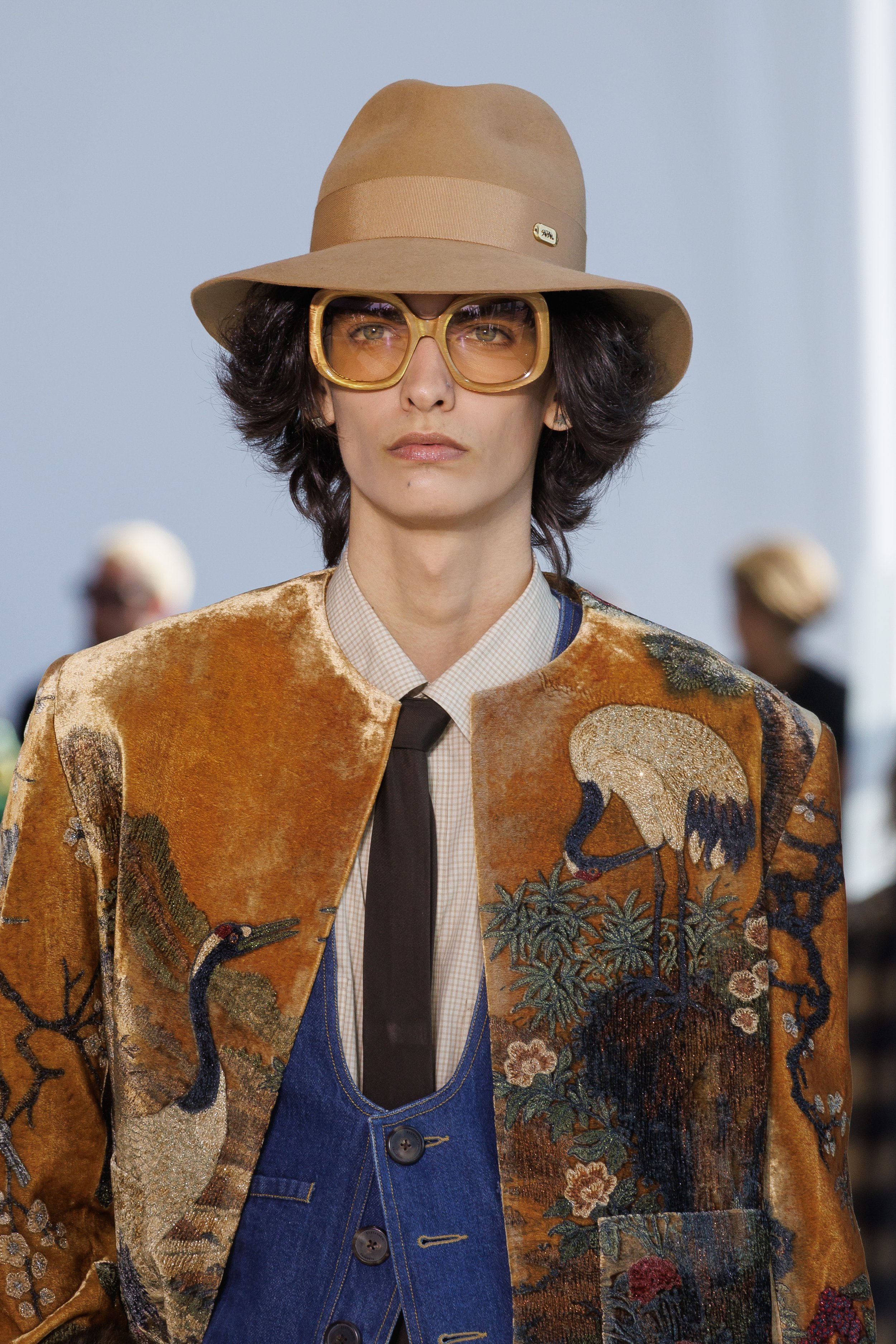
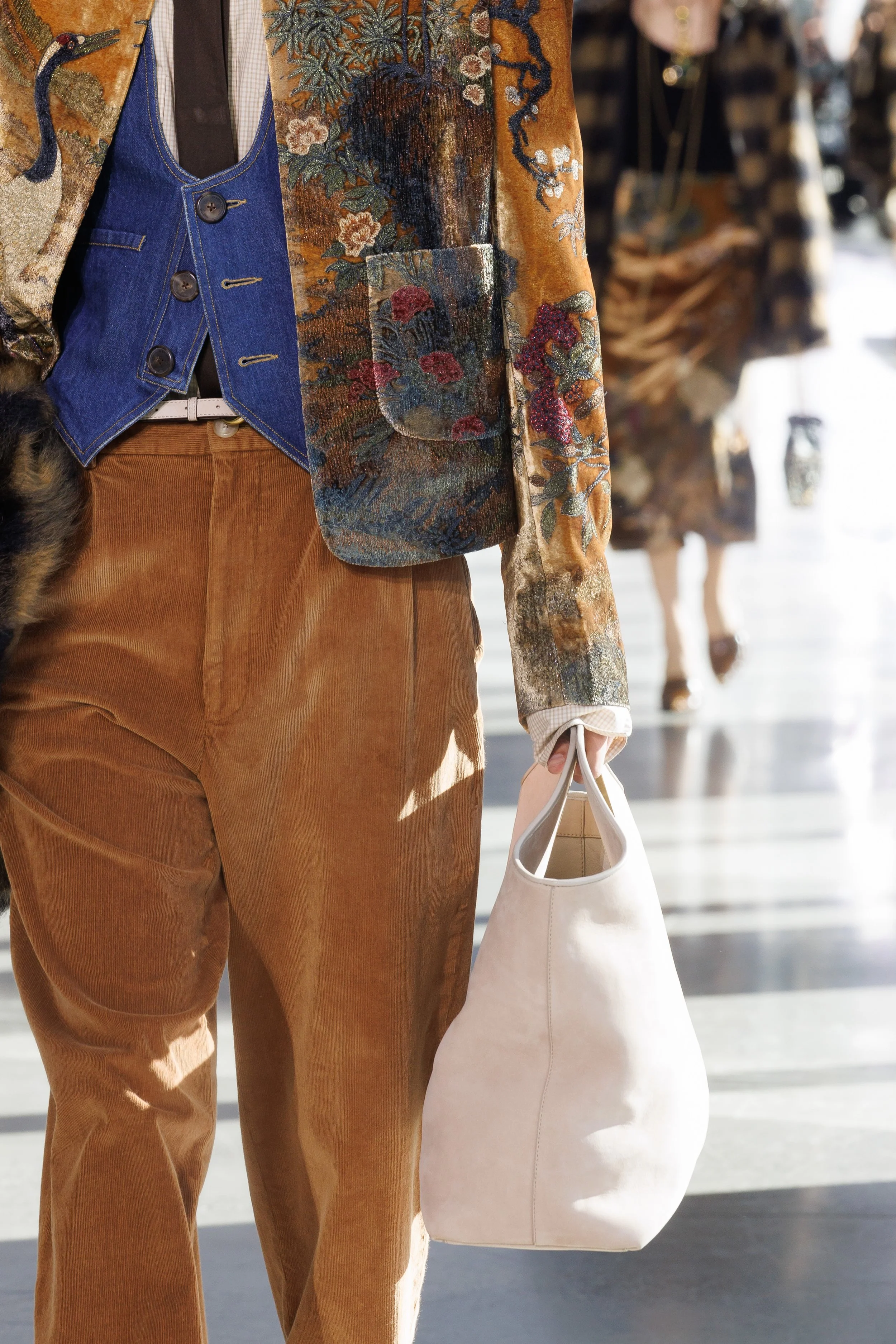
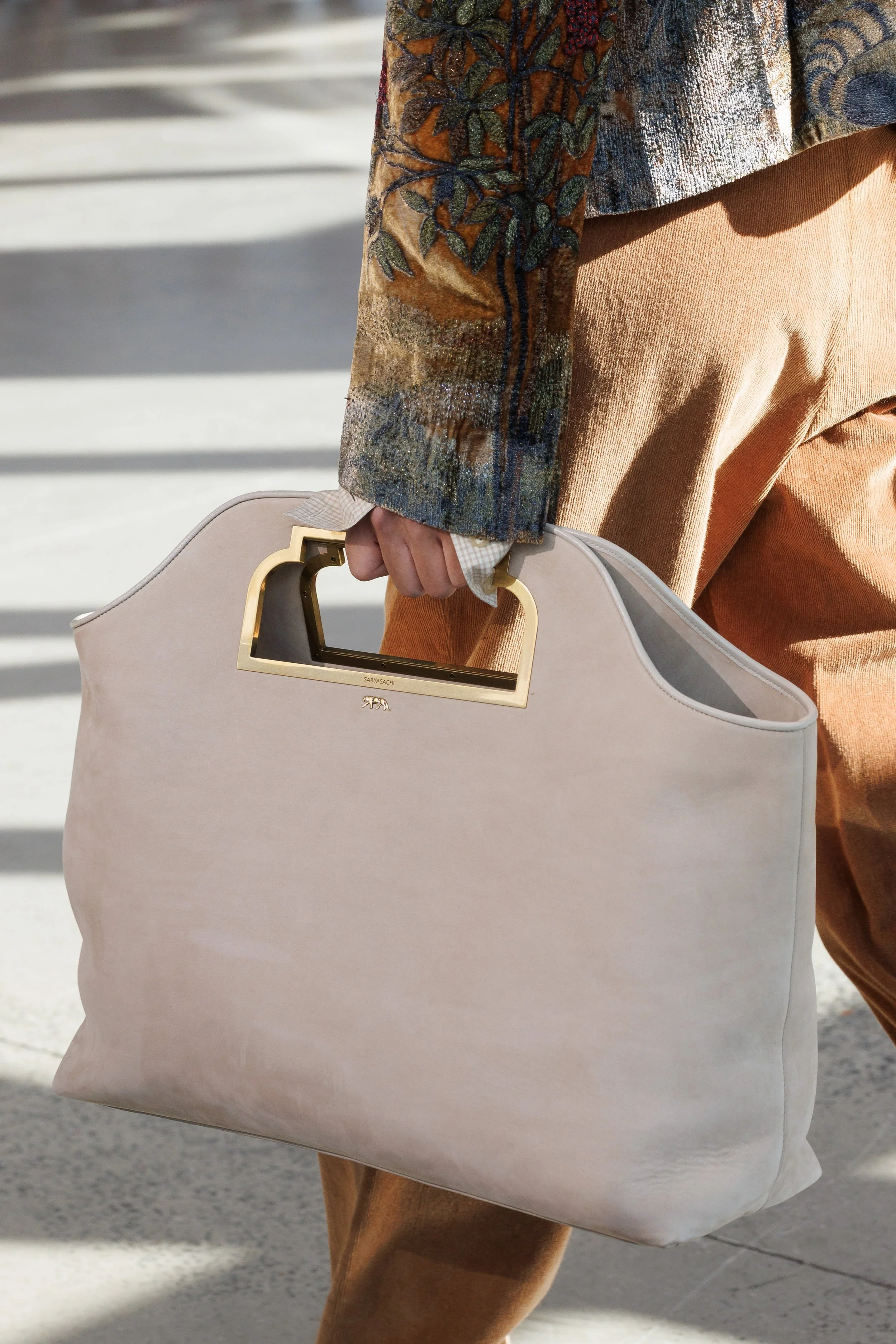
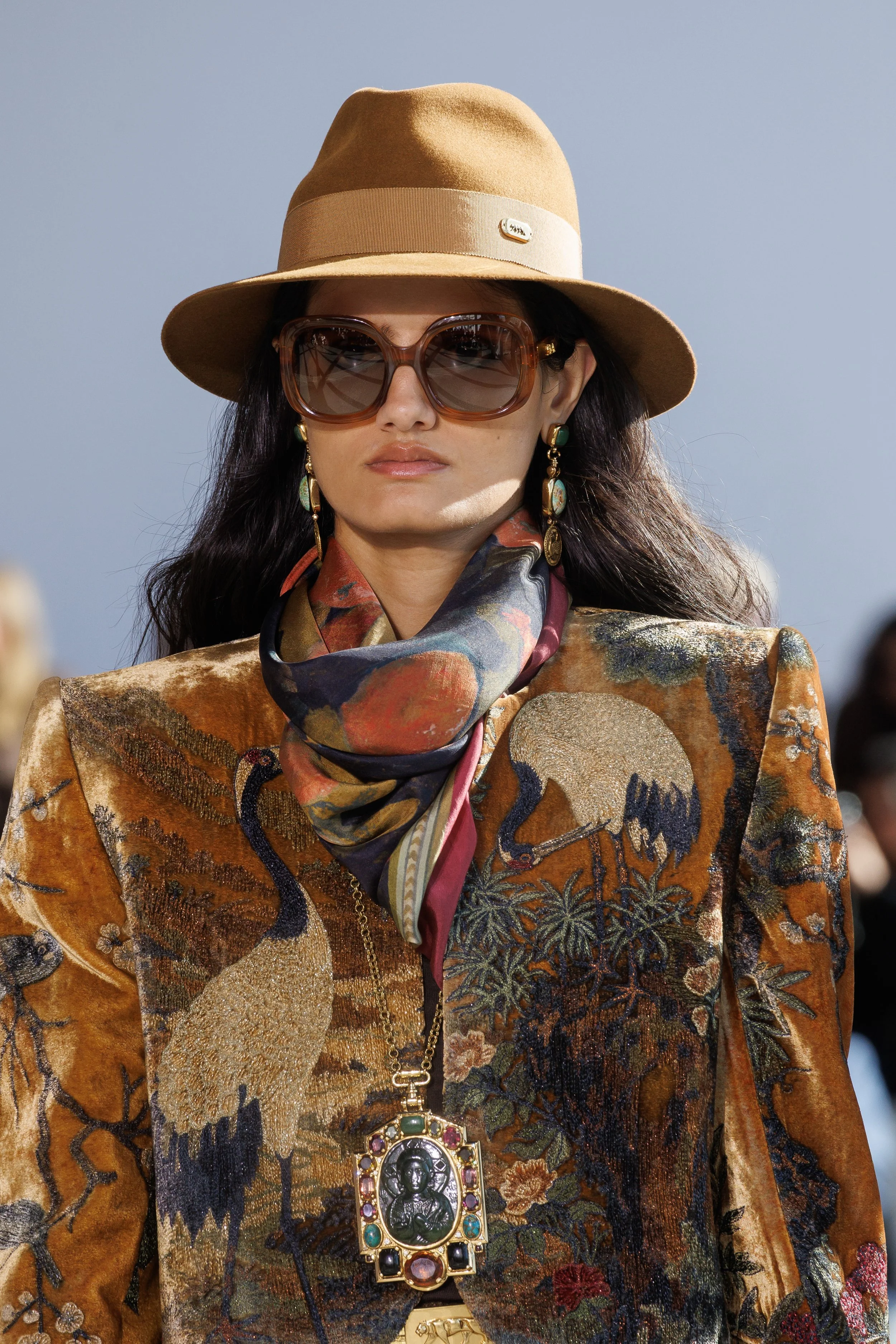
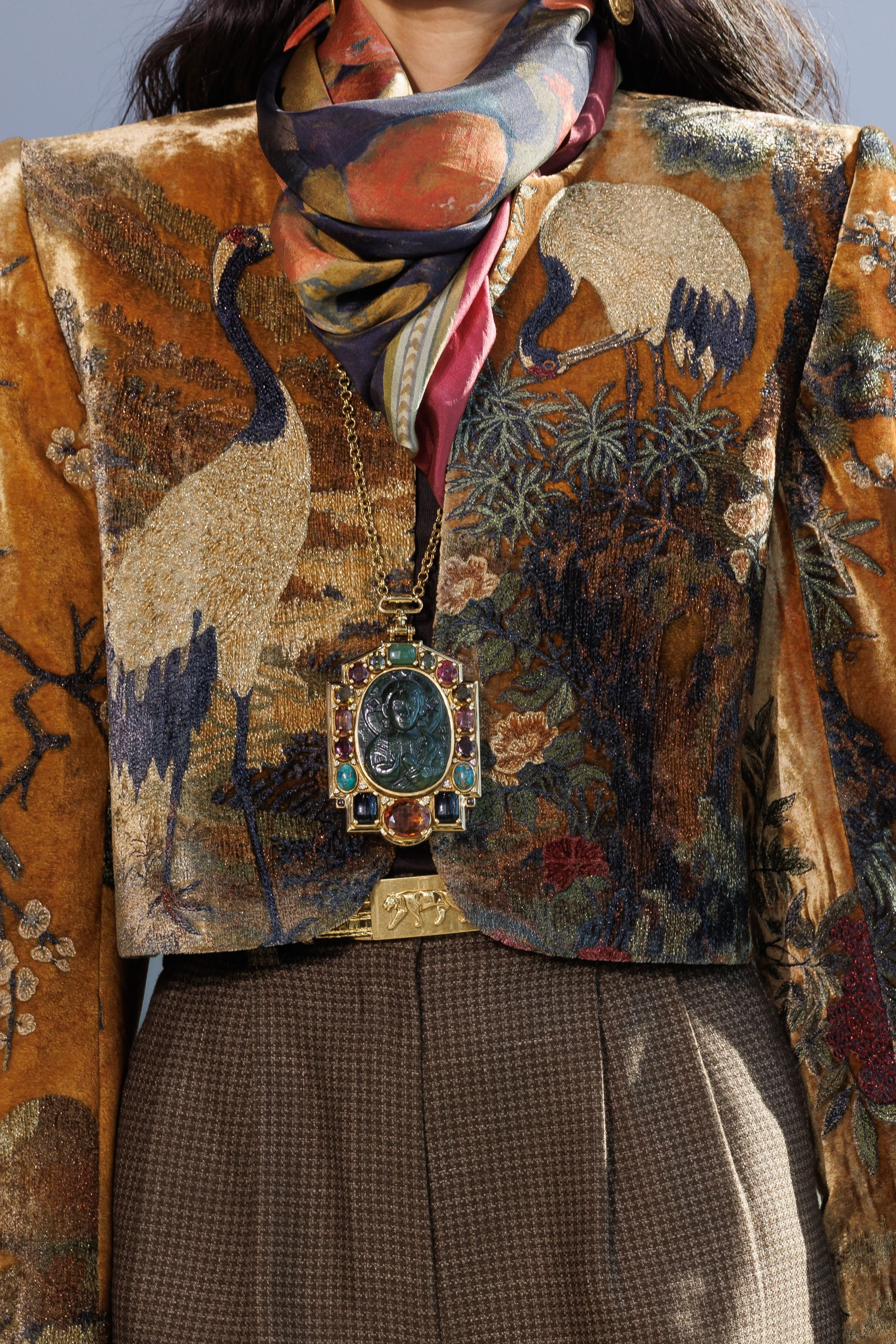
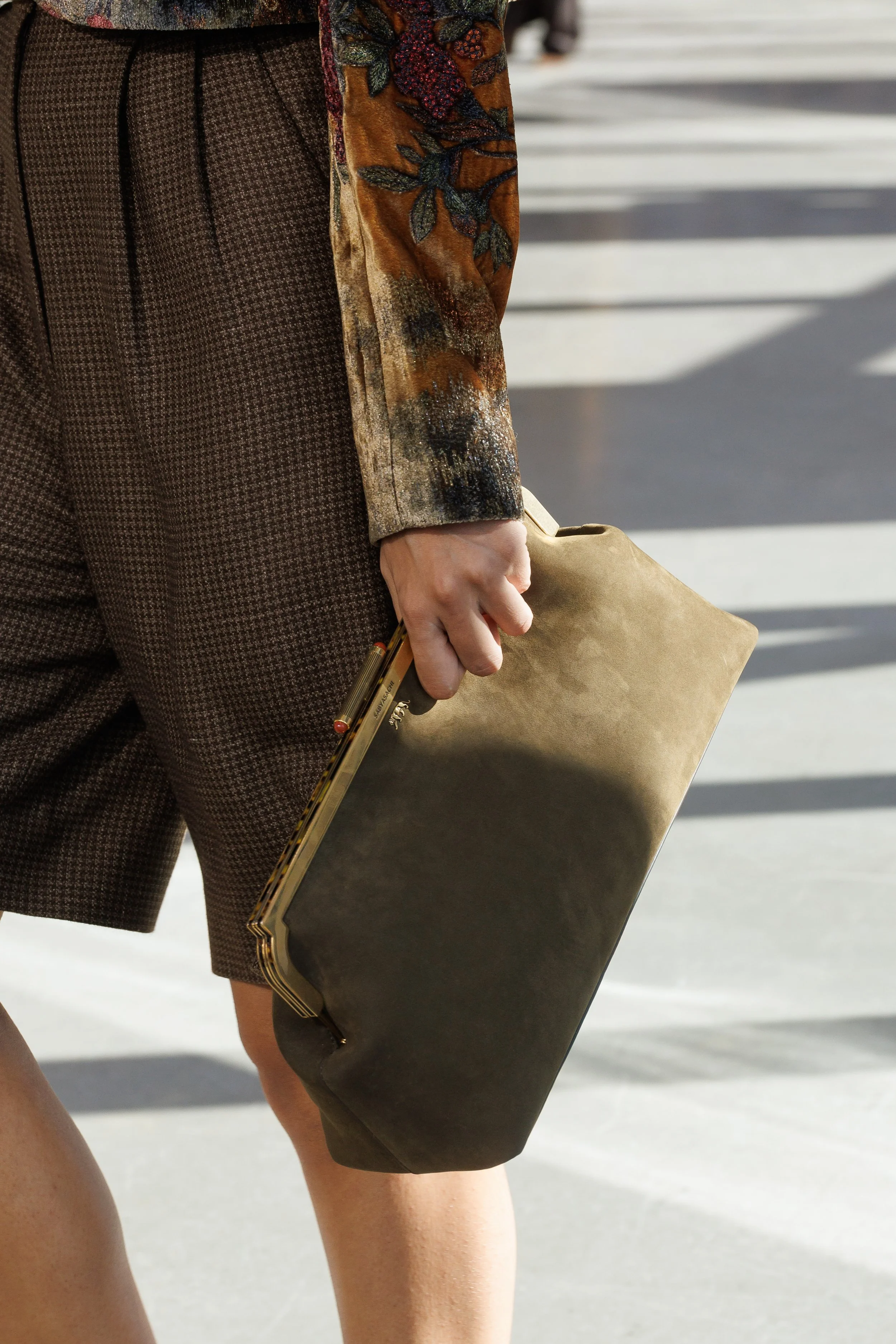
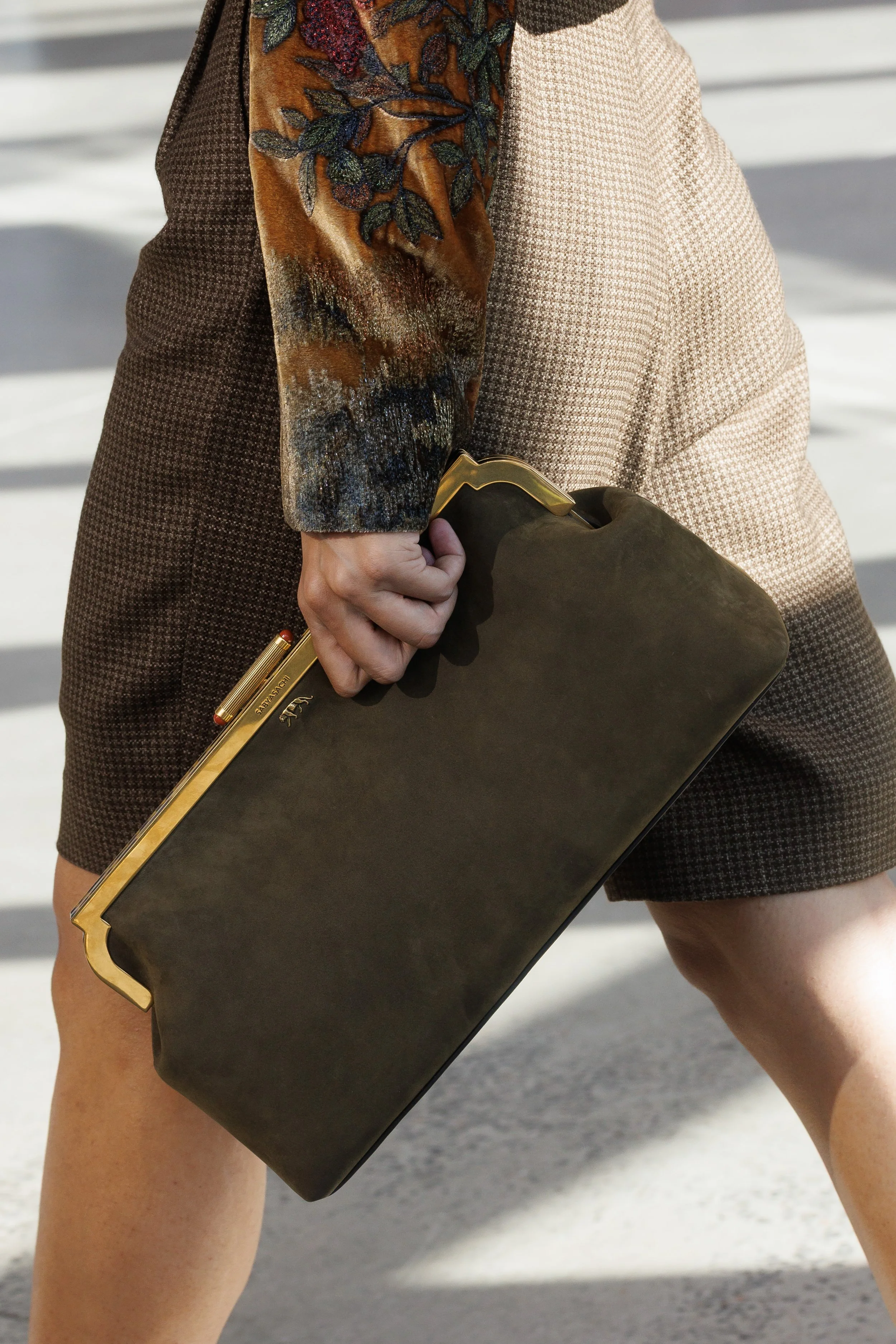
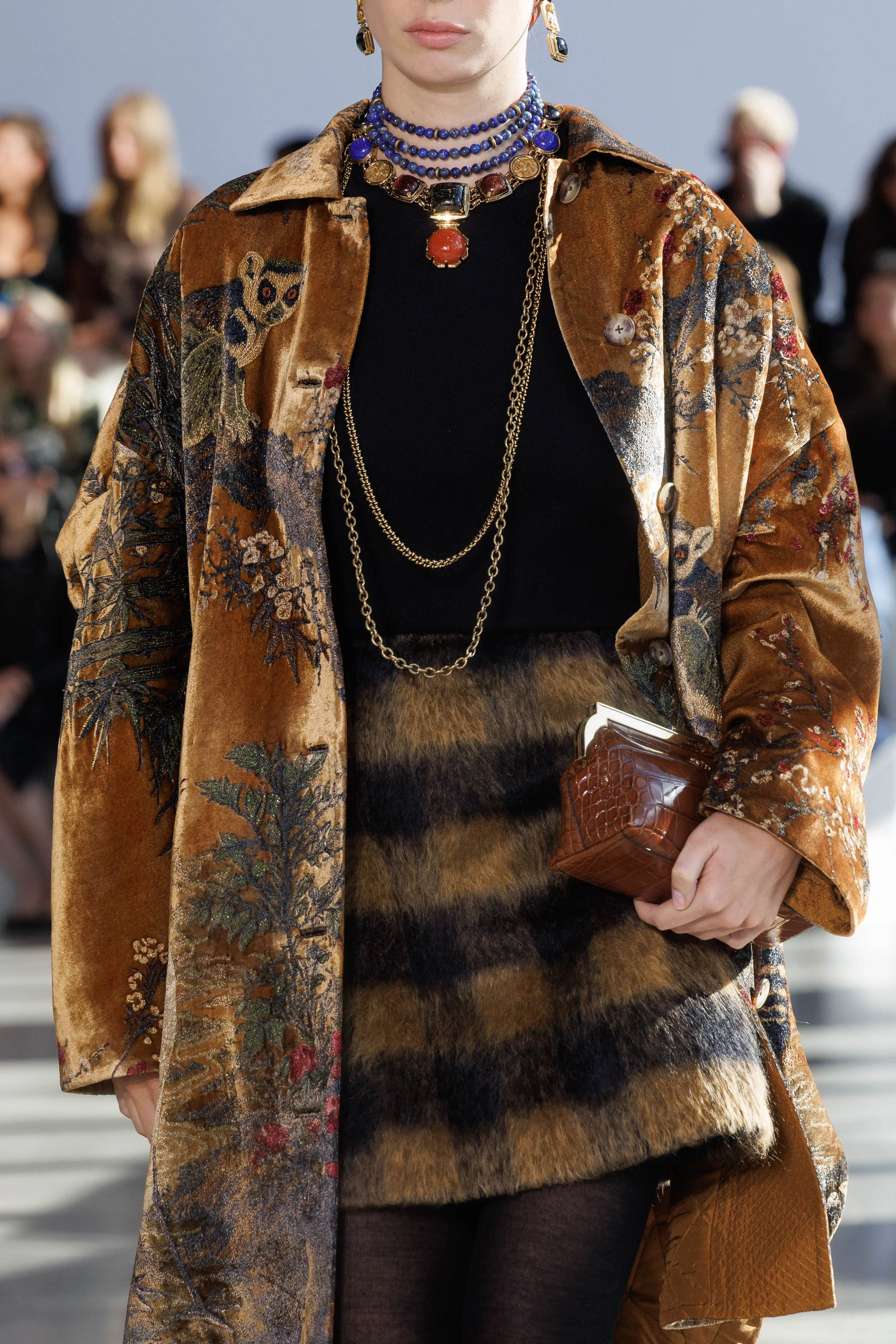
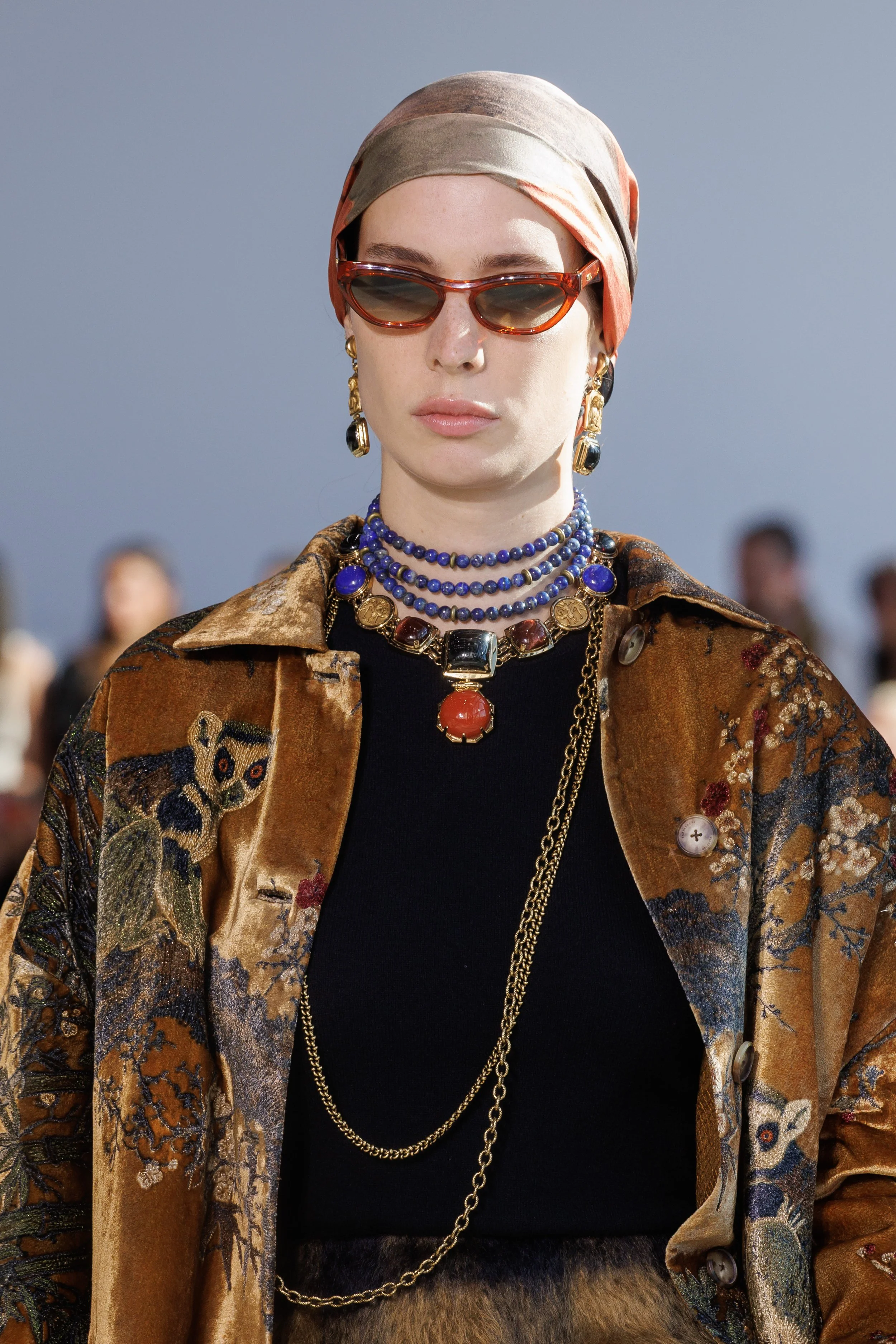
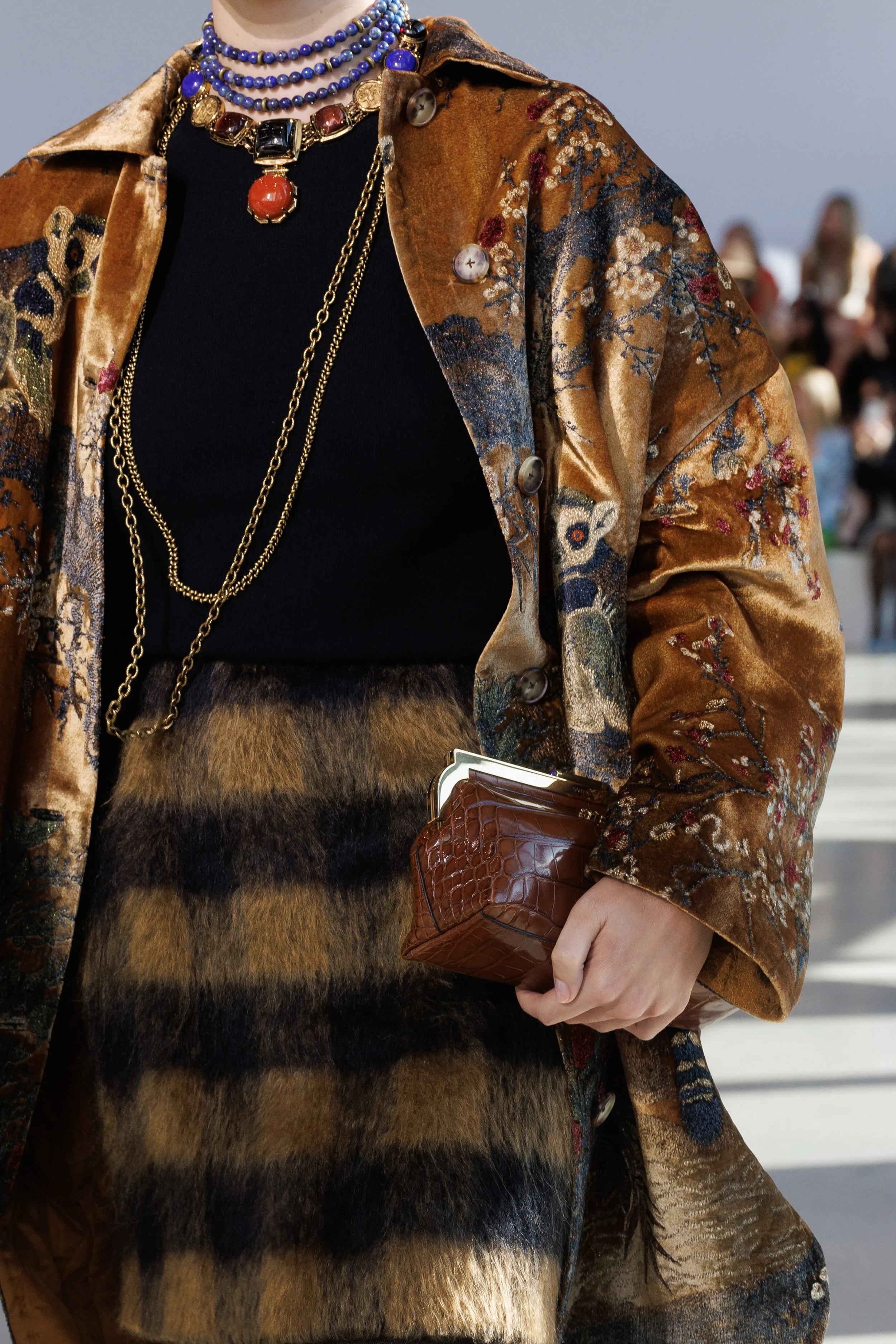
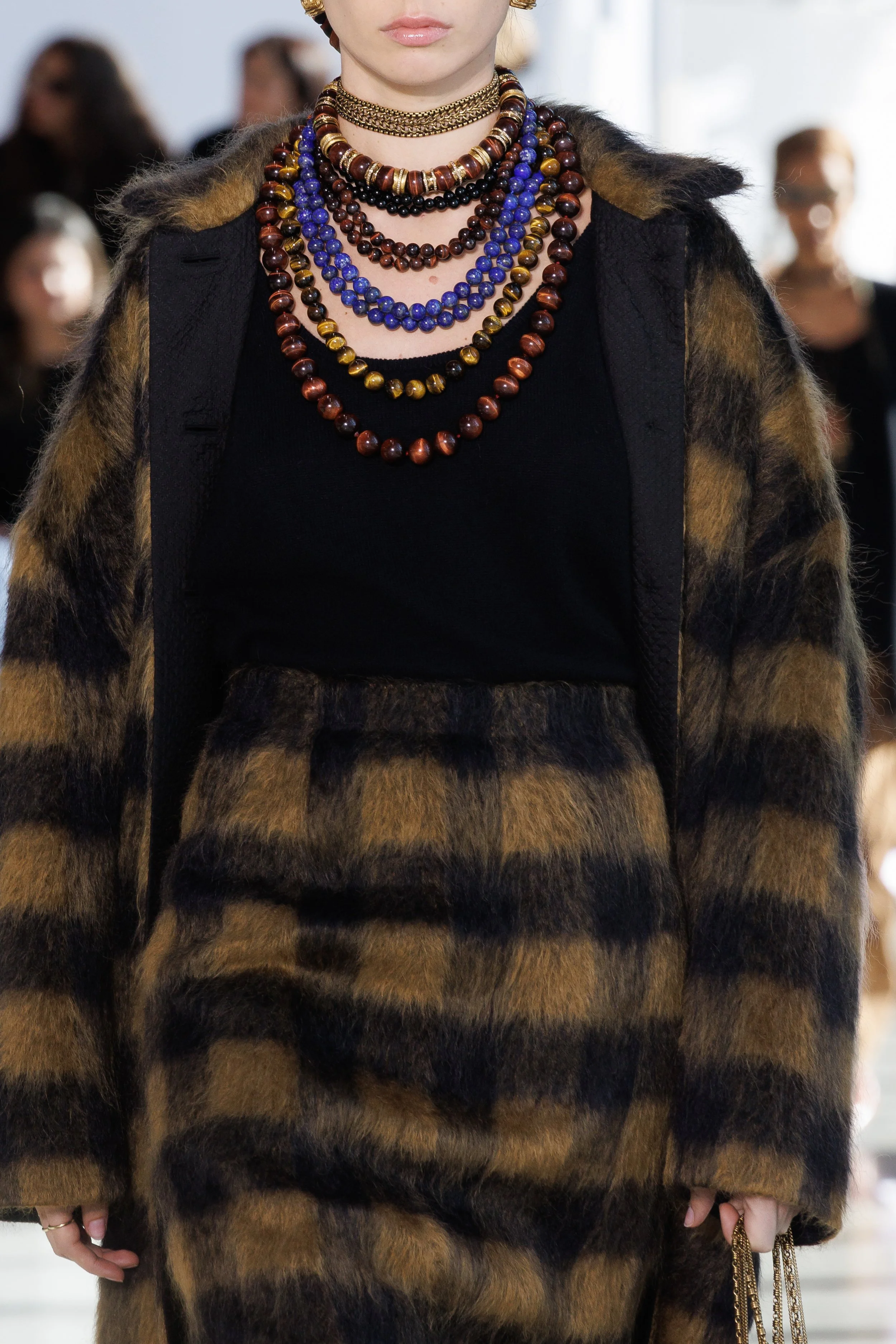
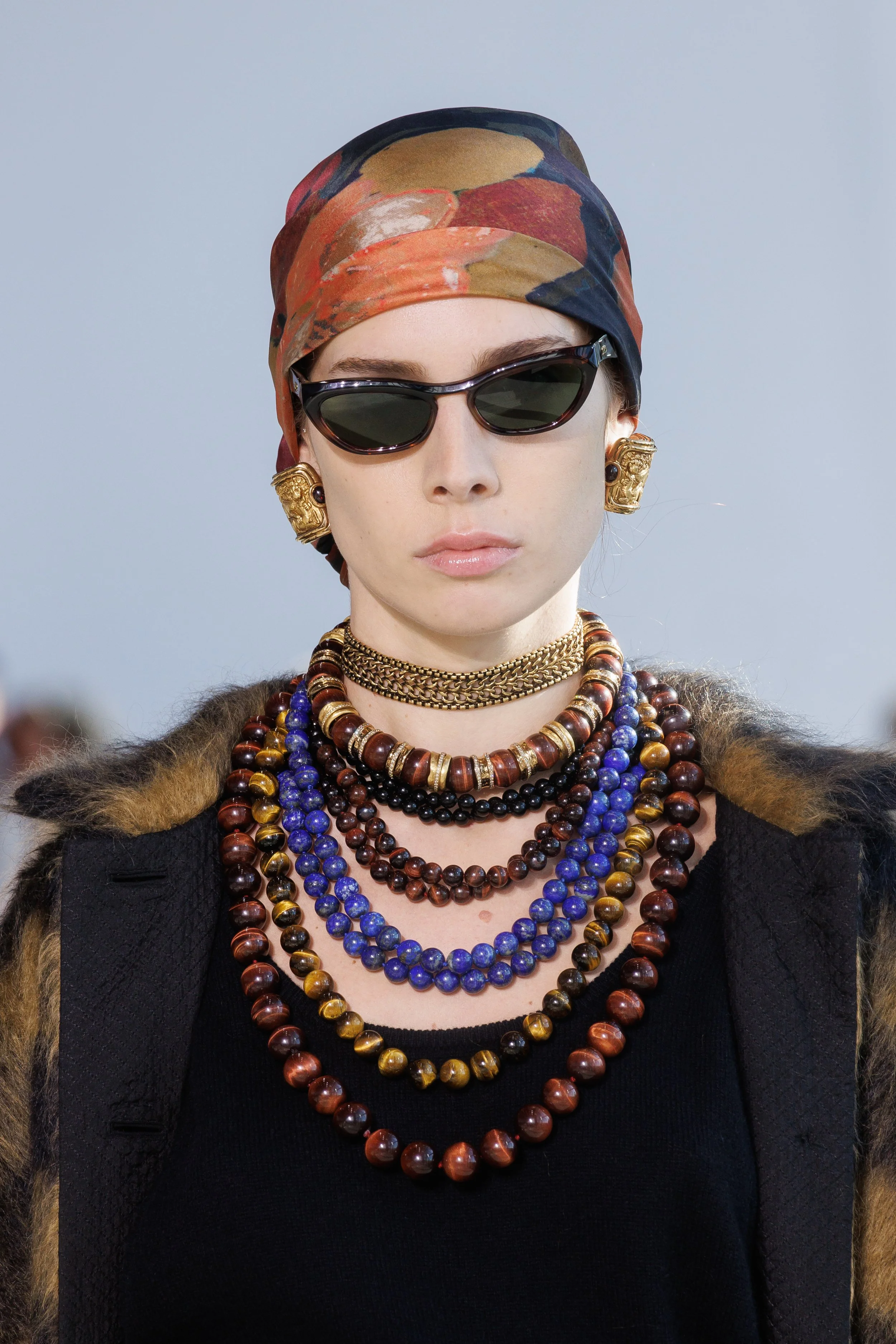
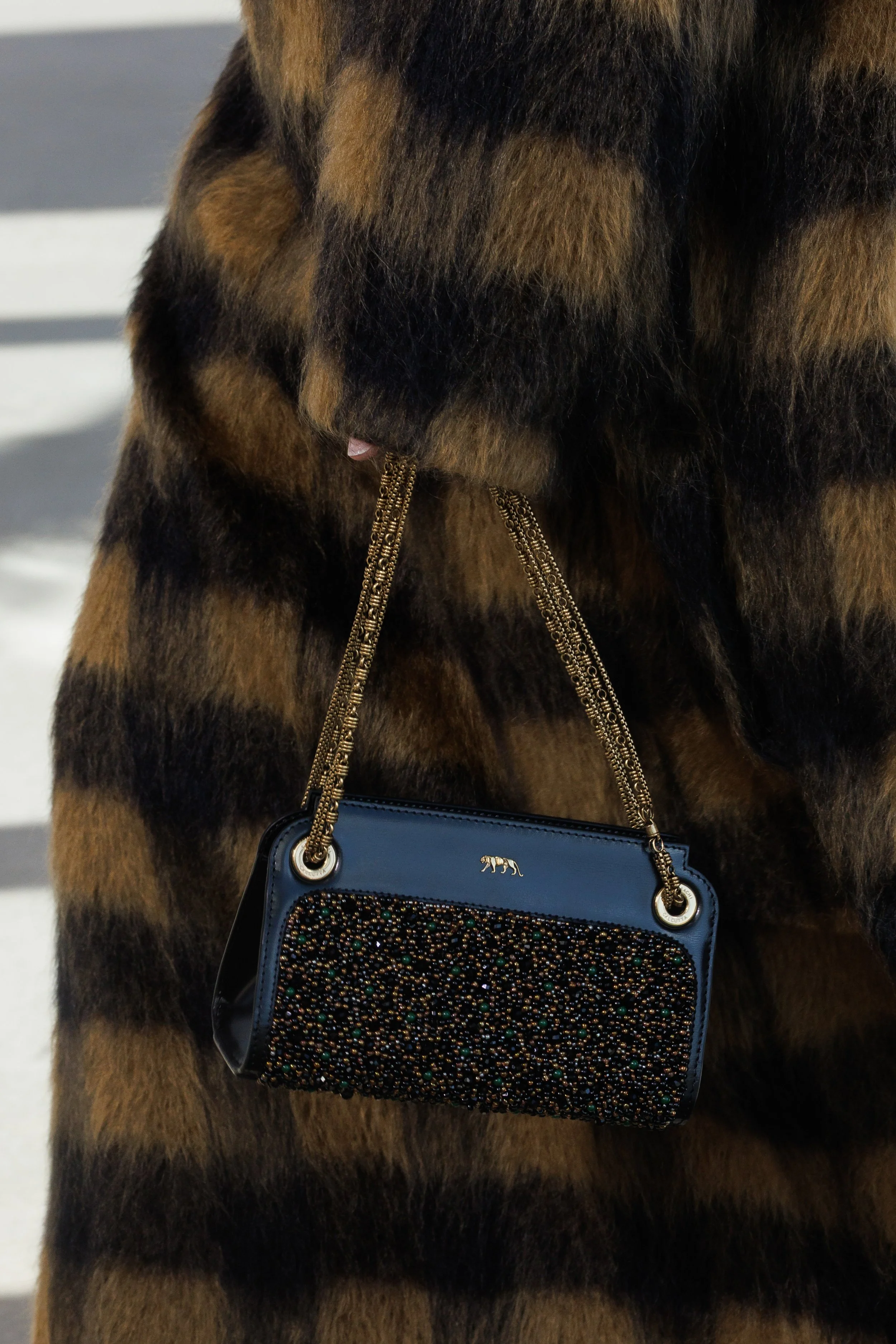
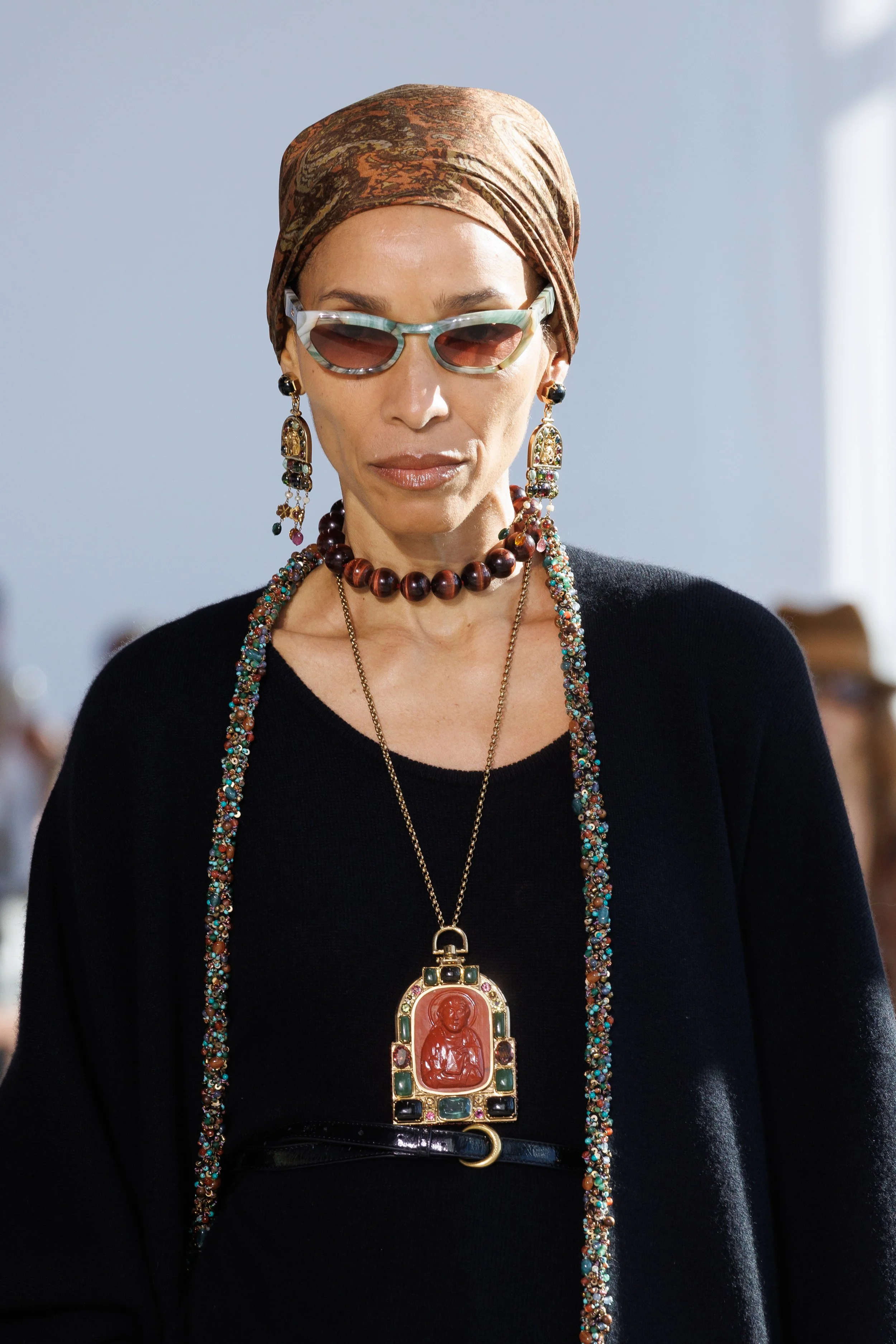
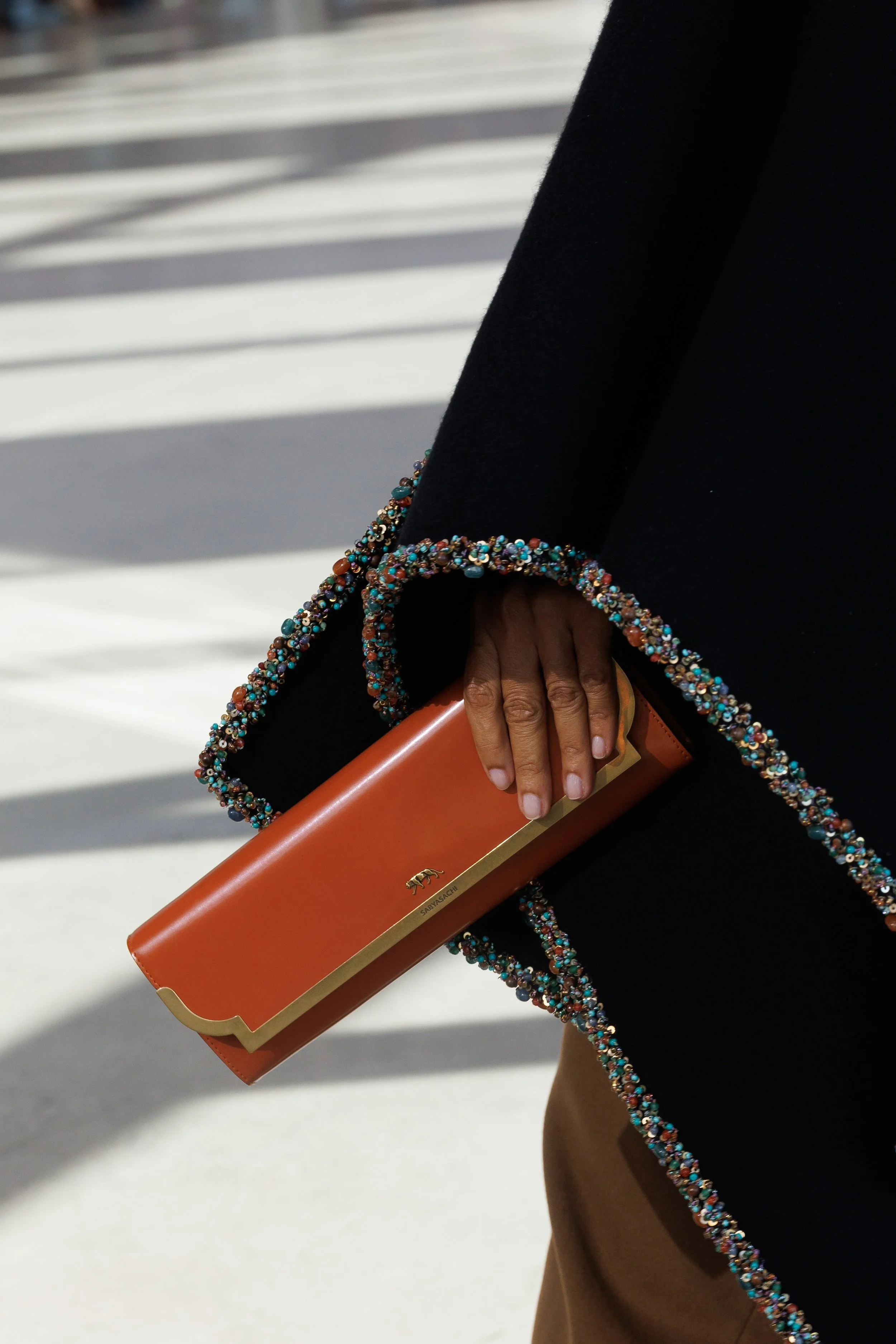
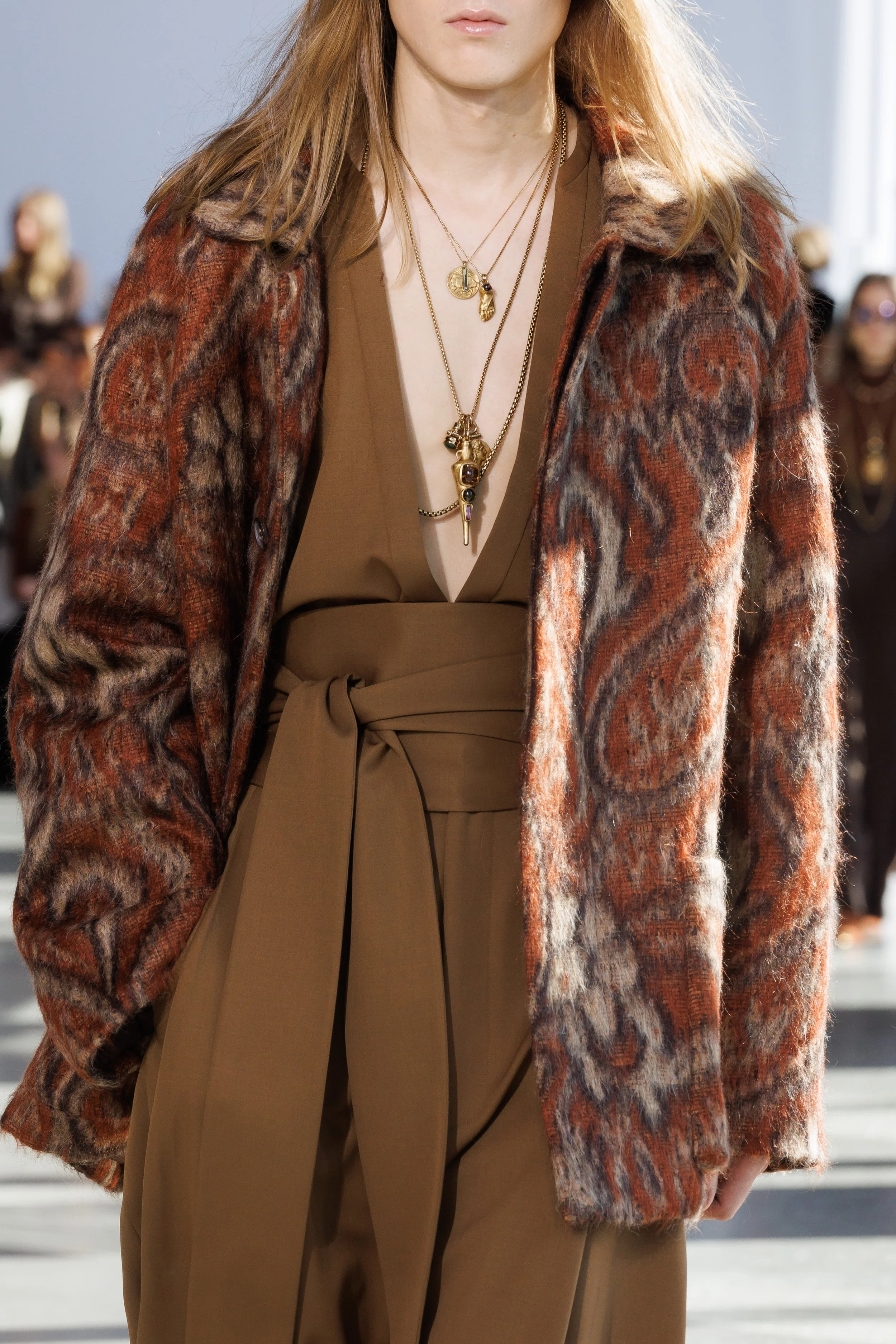
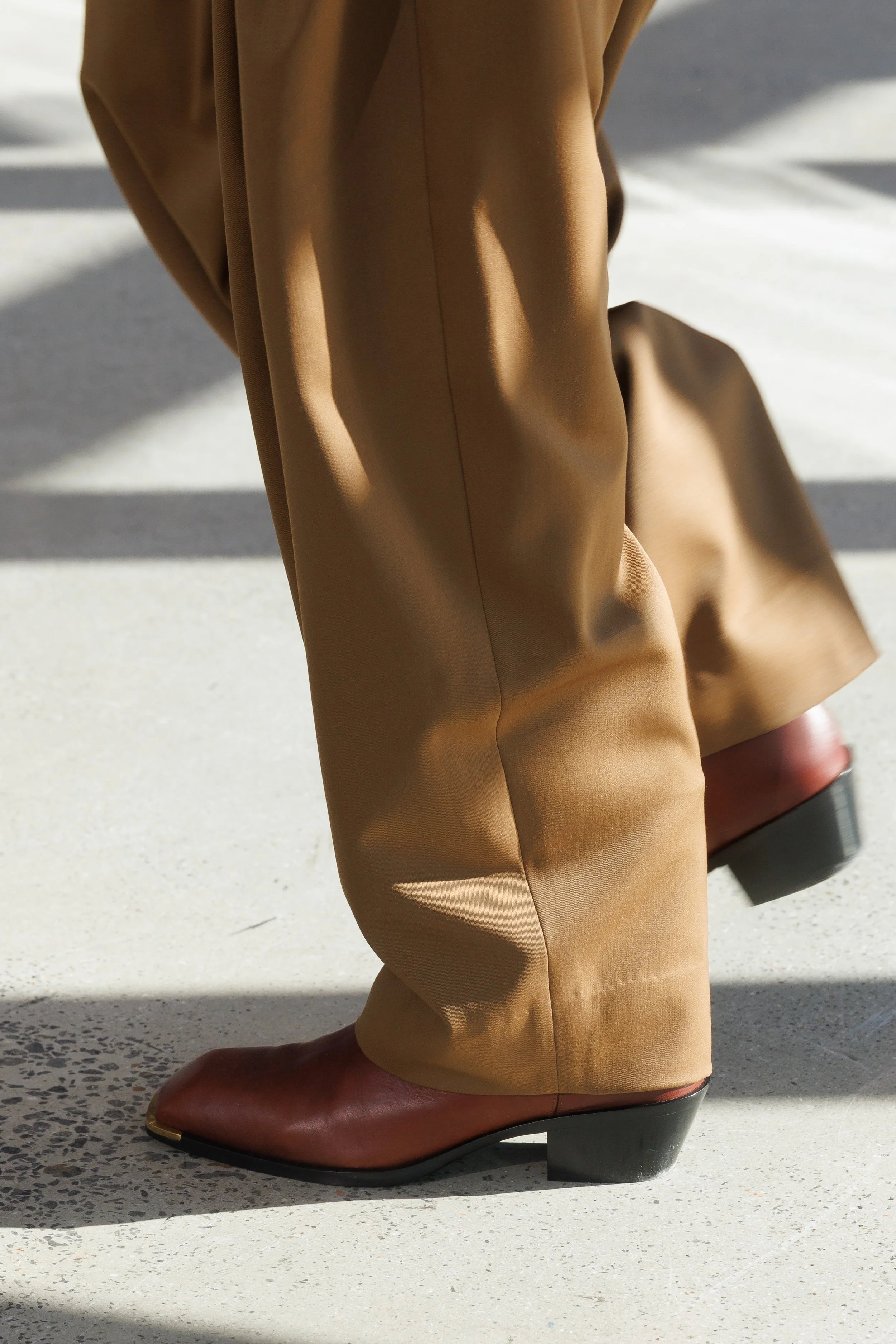
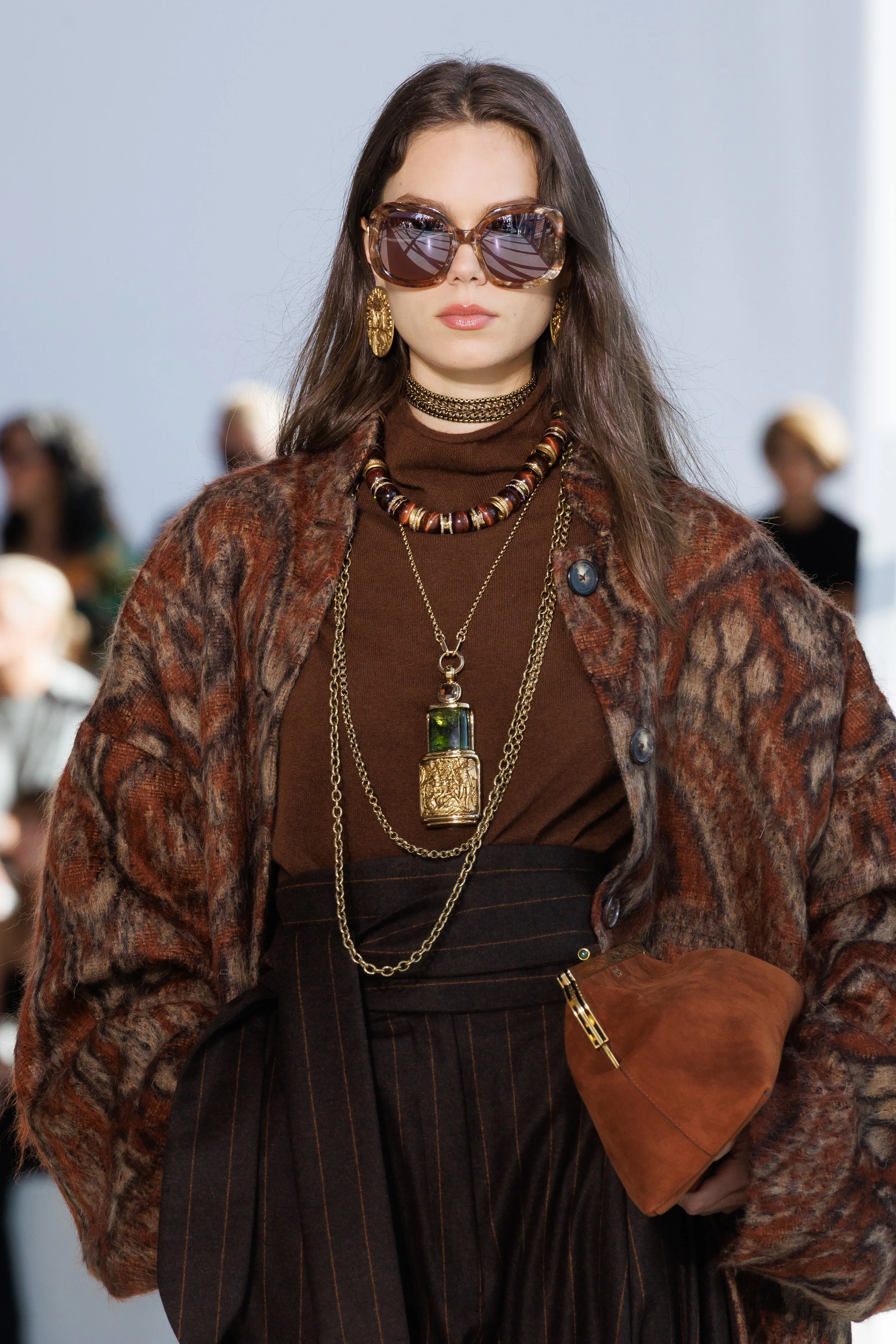
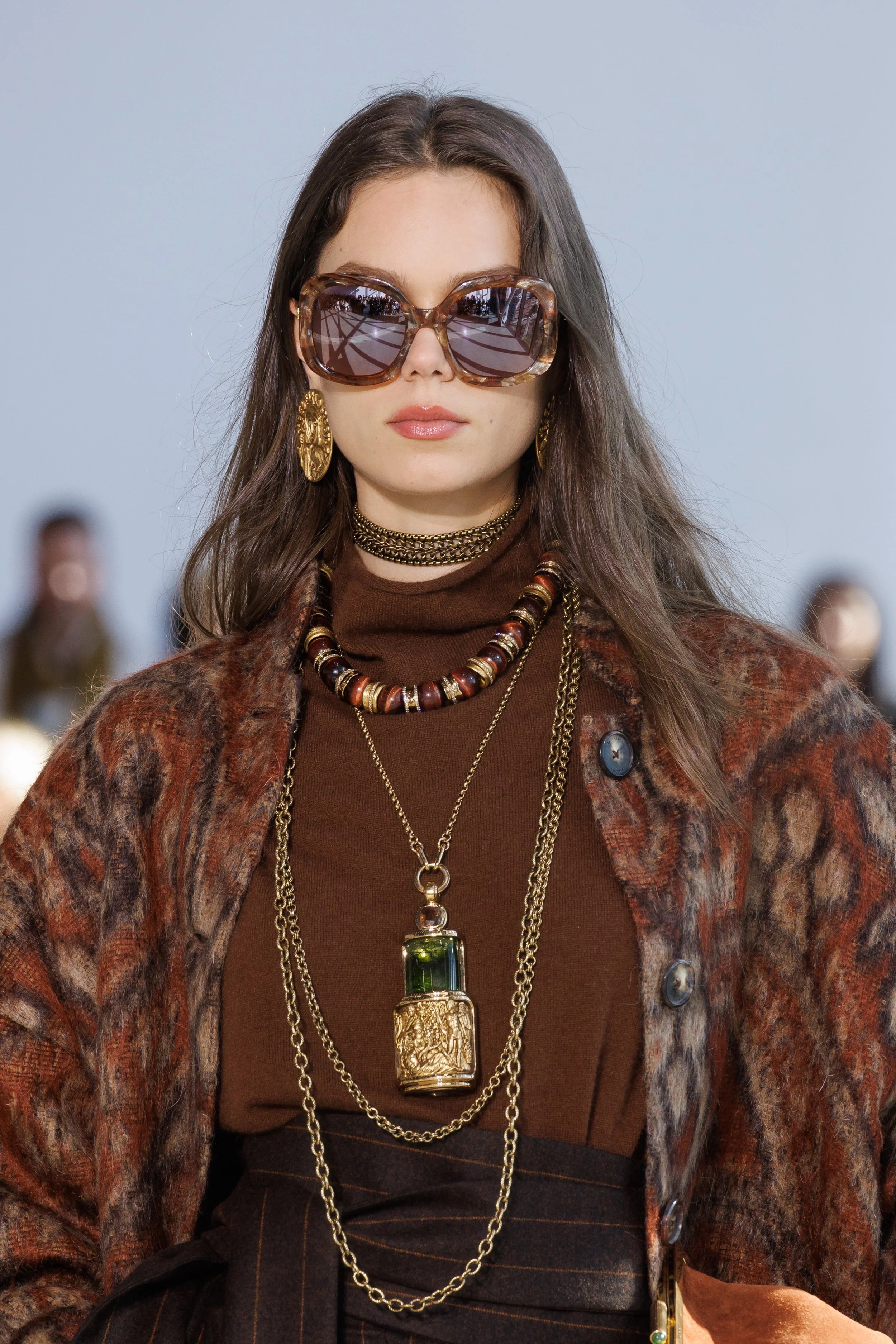
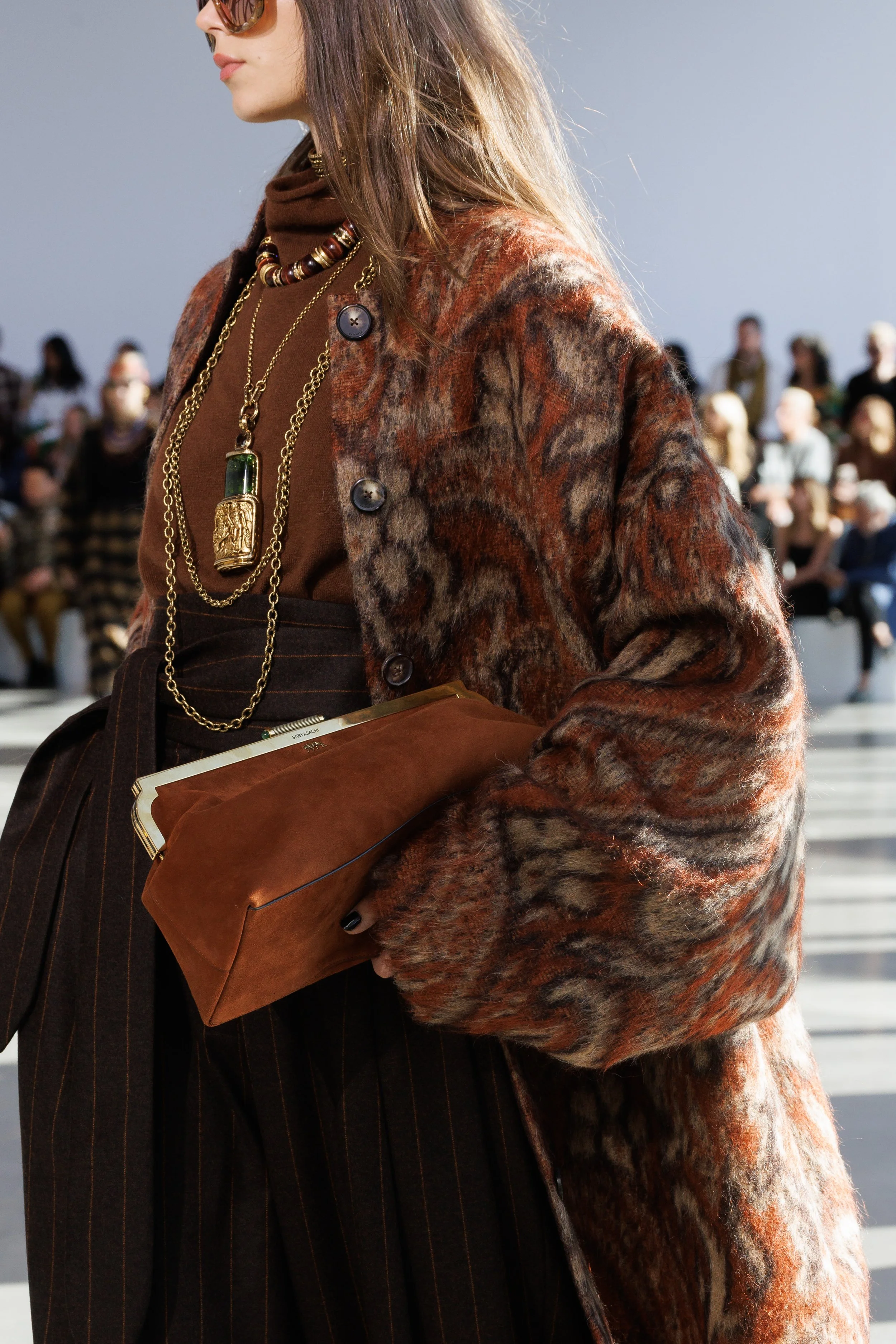
Rather than treating those references as static points in history, Sabyasachi reassembled them through clothing. Japanese denim, British tweed, cashmere, mohair, and velvet formed the foundation for fluid trousers, draped skirts, abbreviated jackets, and cummerbunds. Cowboy and Panama hats, silk scarves, oversized acetate sunglasses, sculptural handbags, and metal-tipped shoes introduced a distinctly urbane attitude.
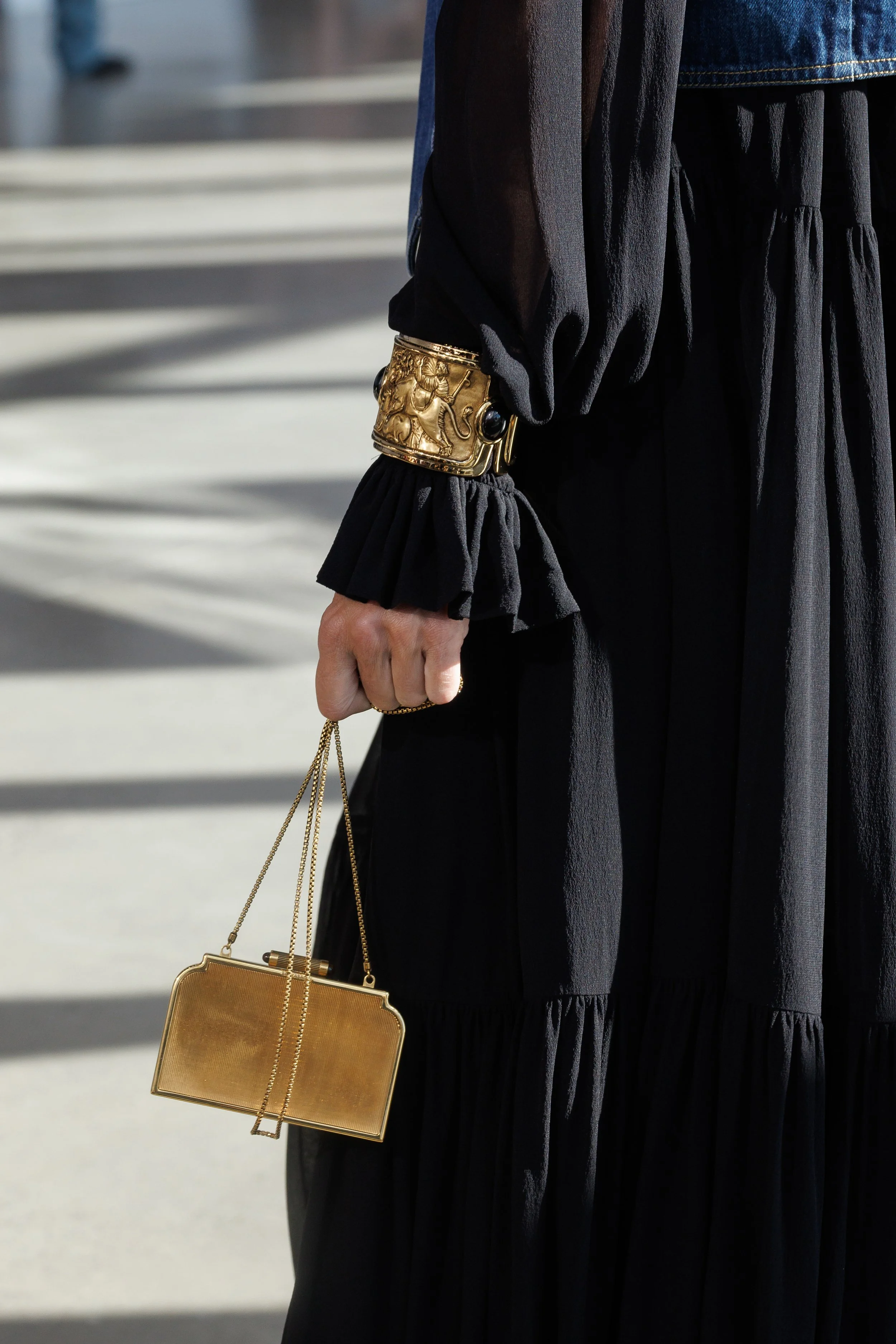
The result was a wardrobe that traveled across cultural and sartorial territories. Western workwear, prairie dressing, Edwardian formality, 1970s bohemia, and old-world evening glamour were disrupted and reconstructed through the techniques of Bengal’s master artisans.
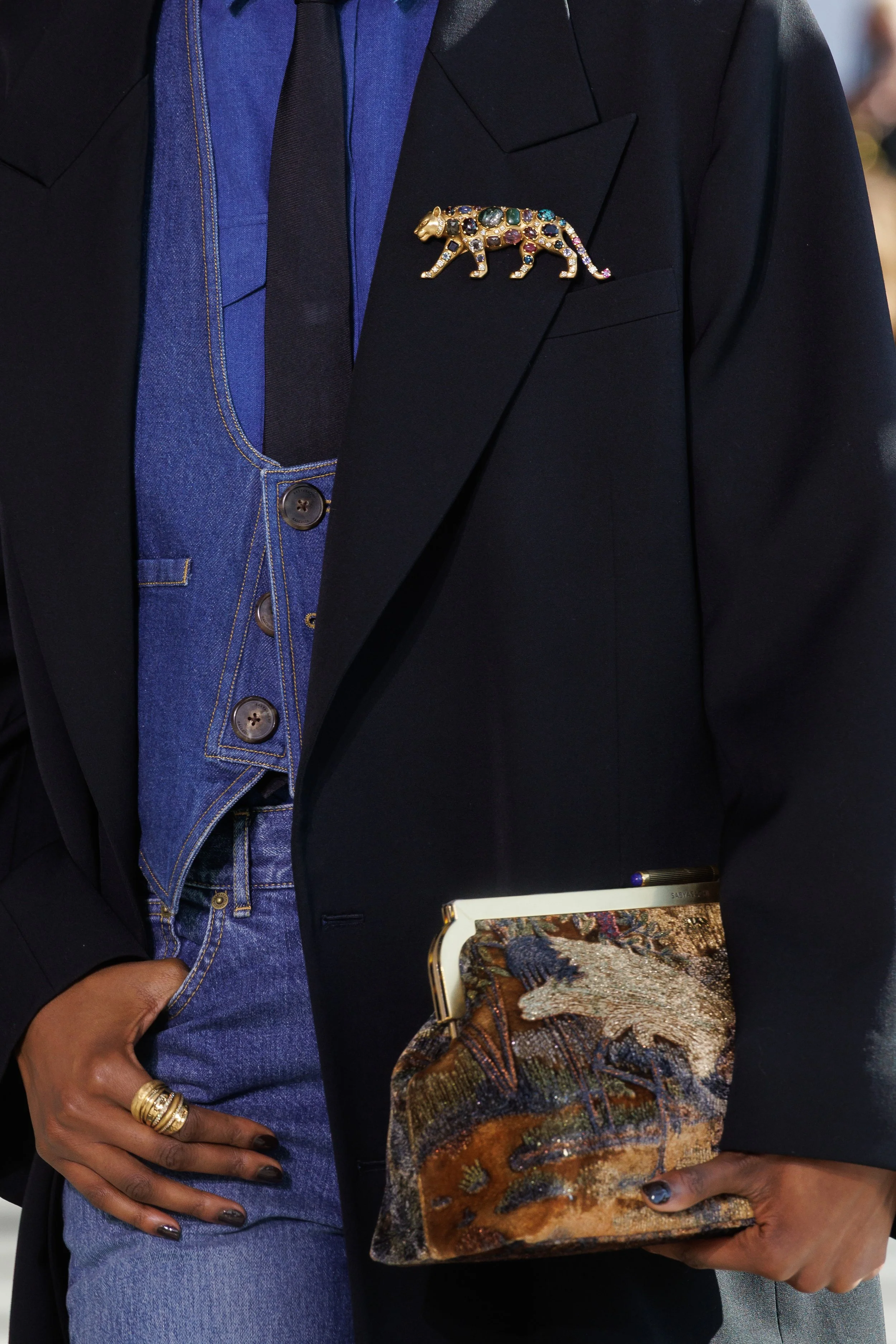
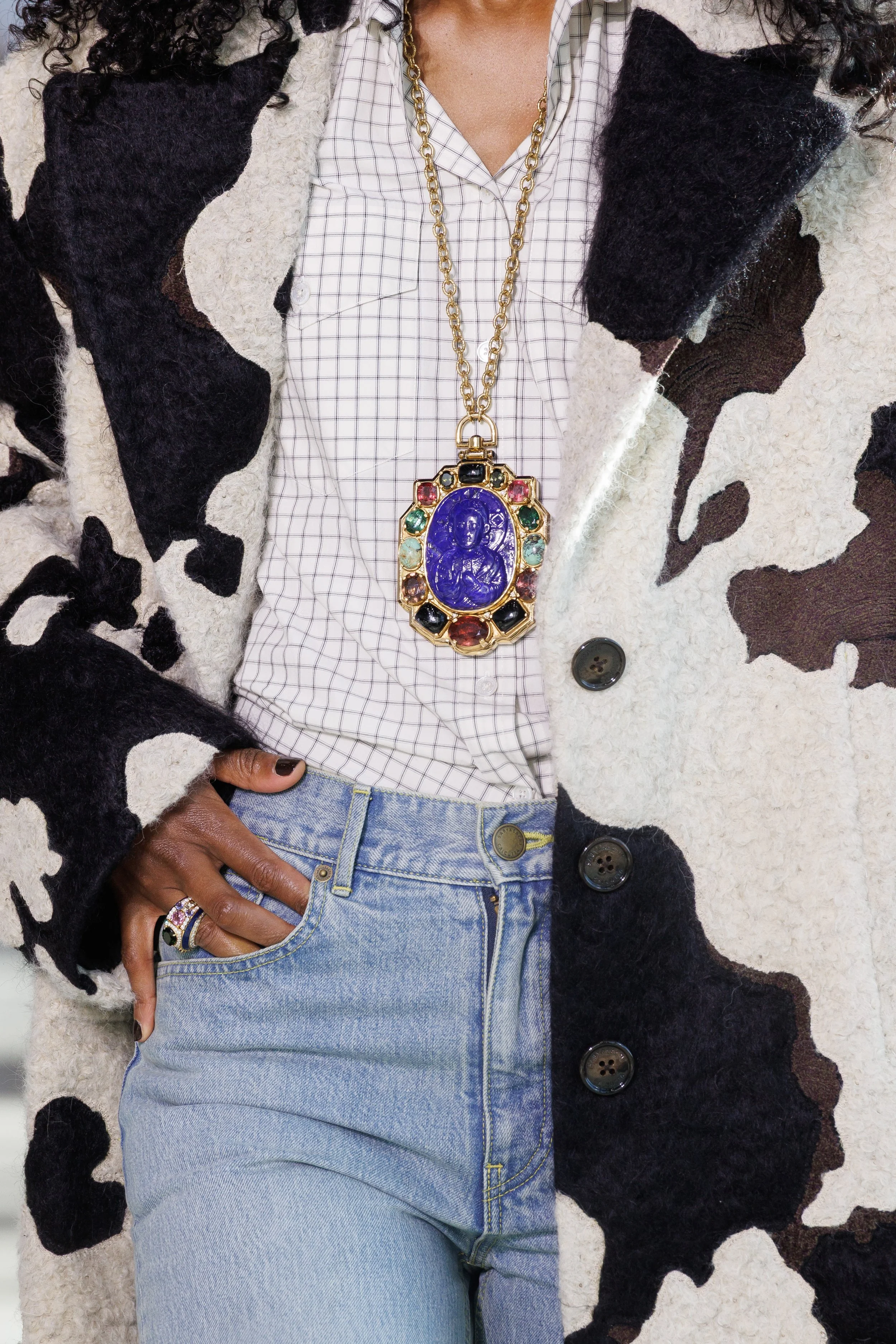
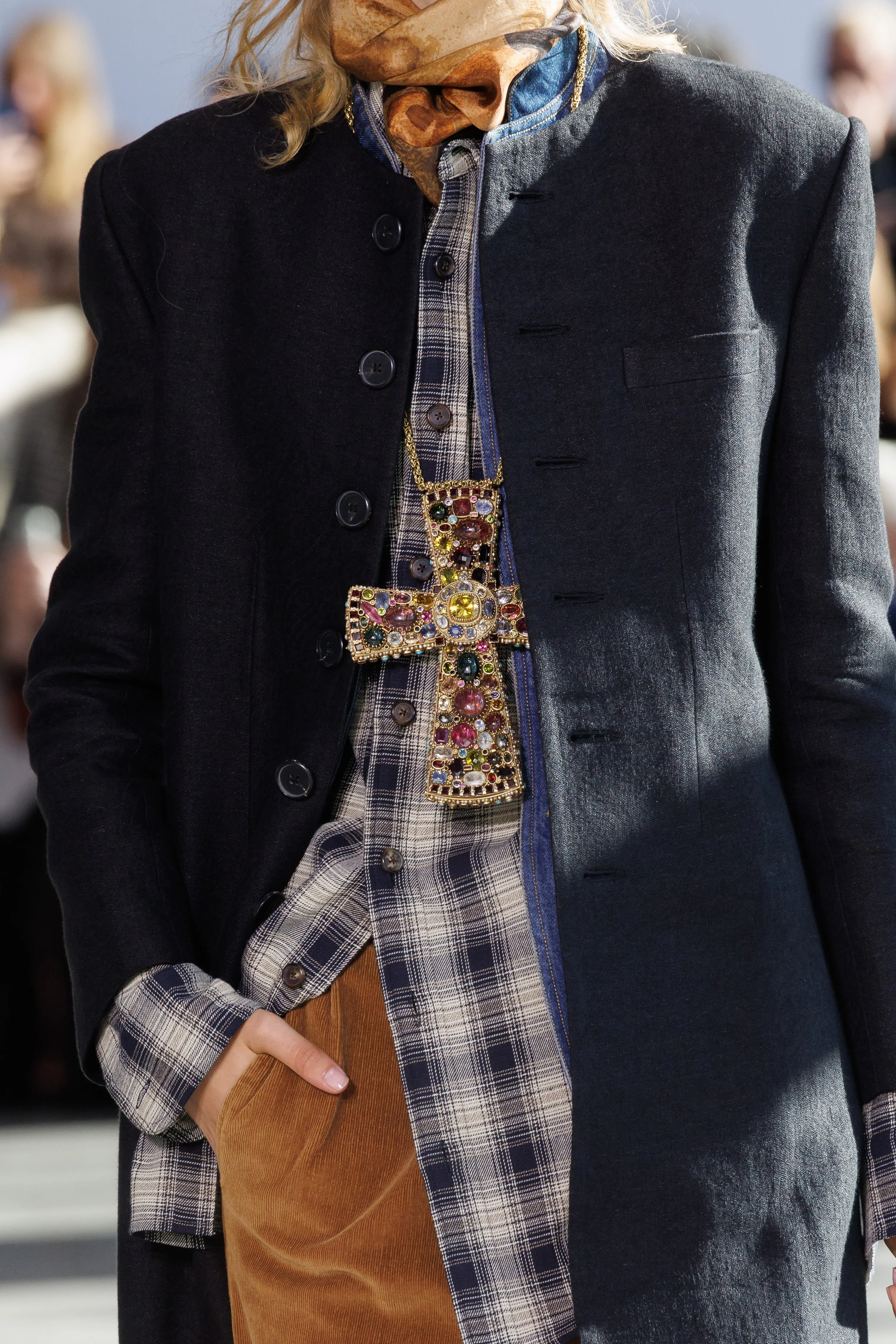
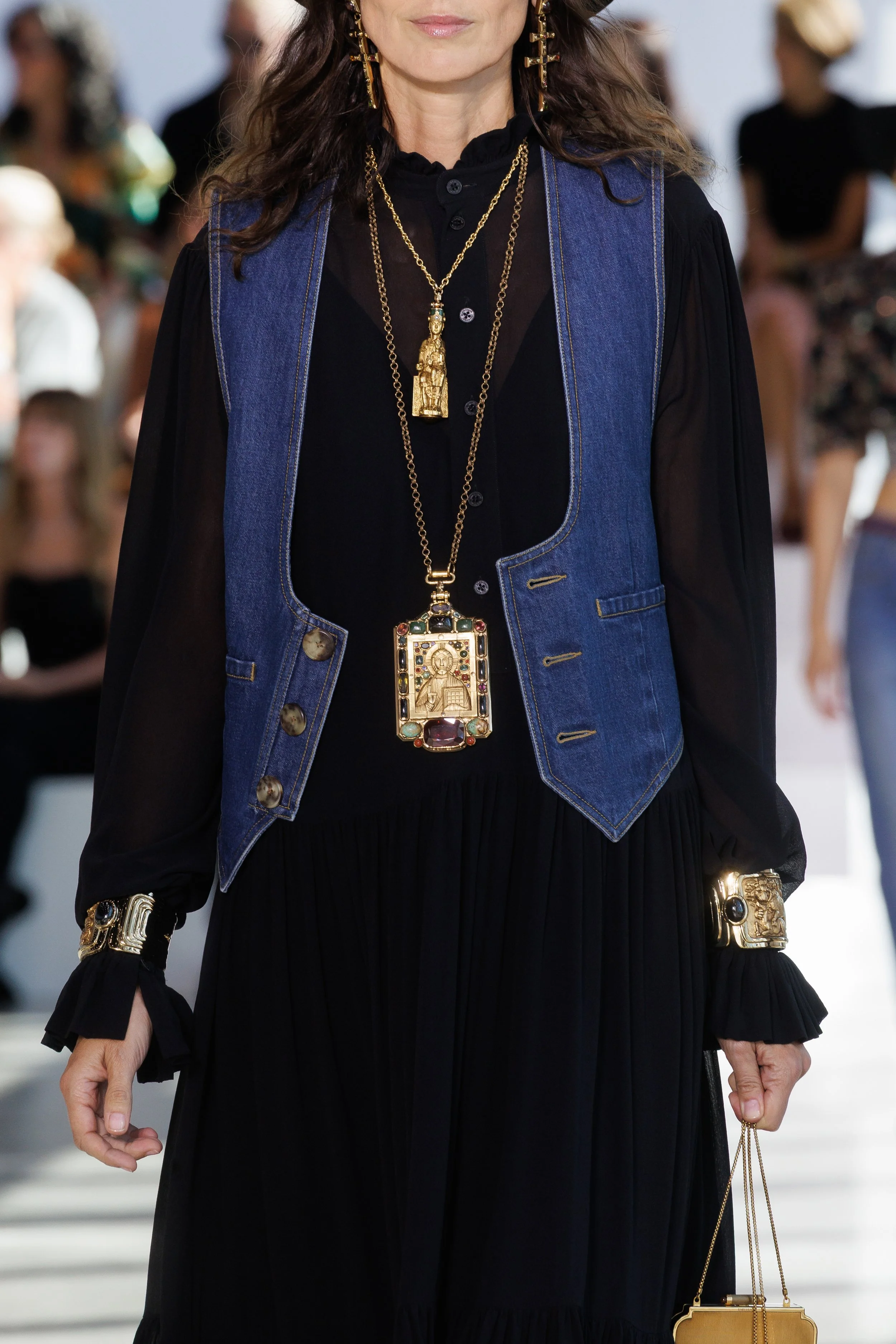
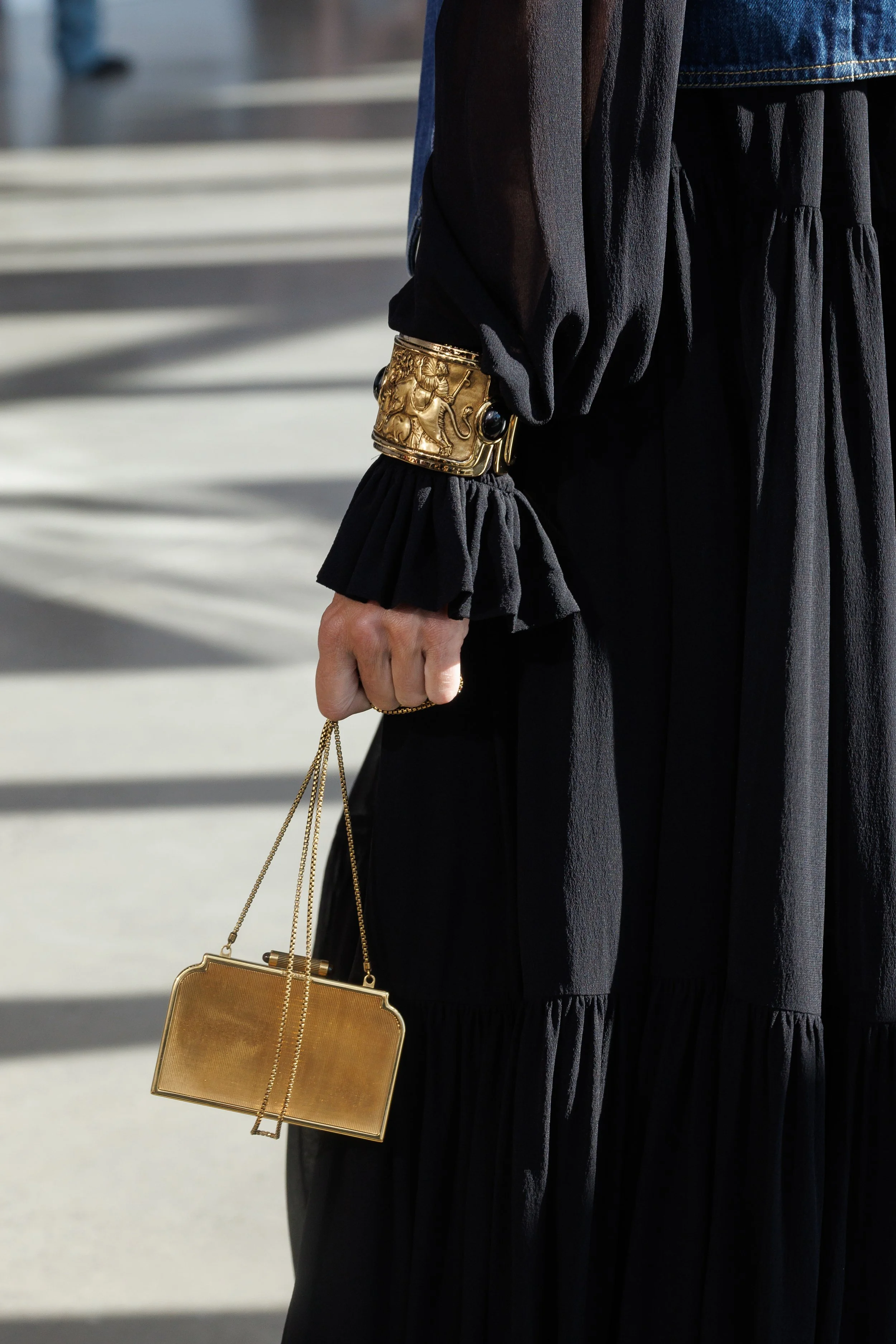
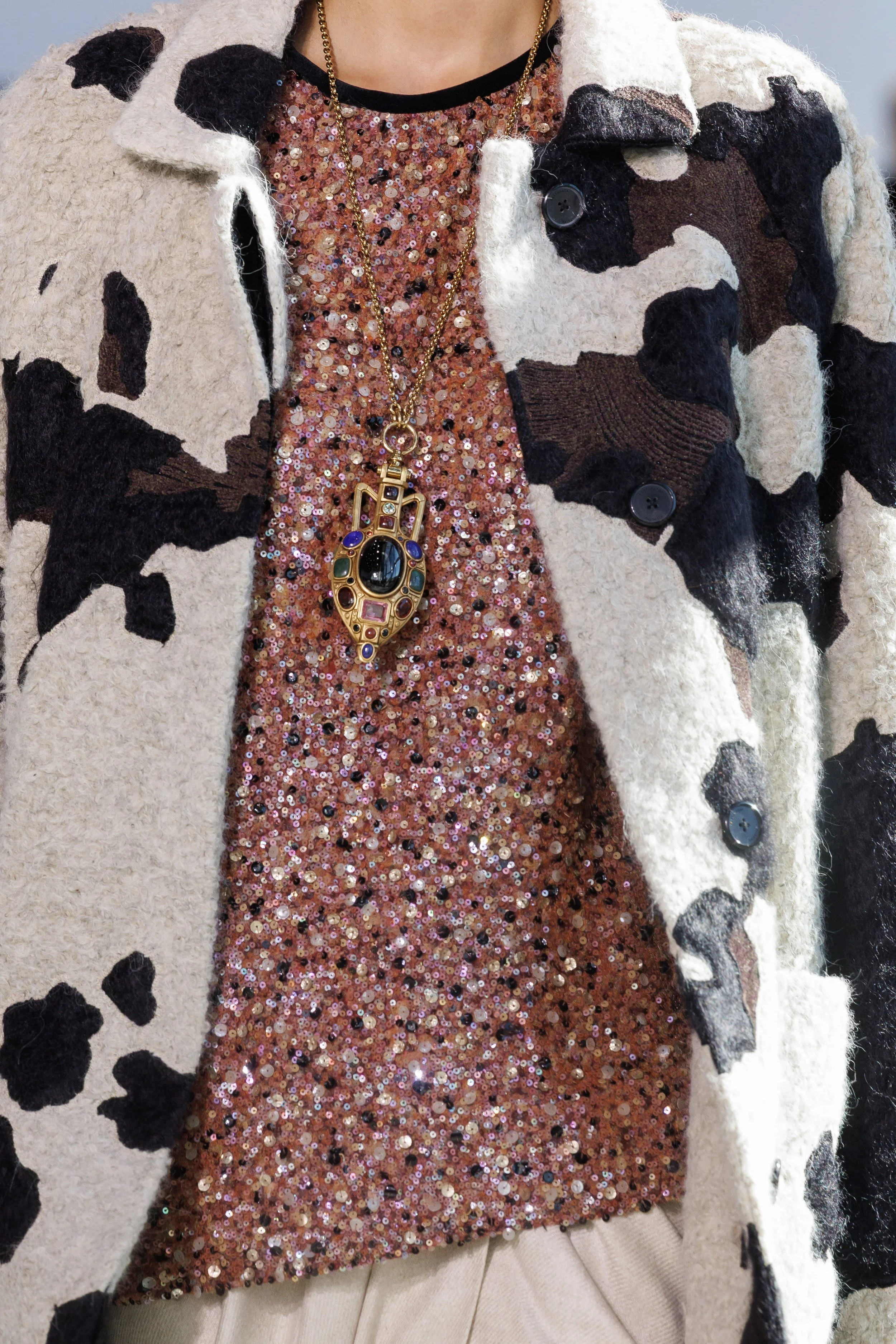
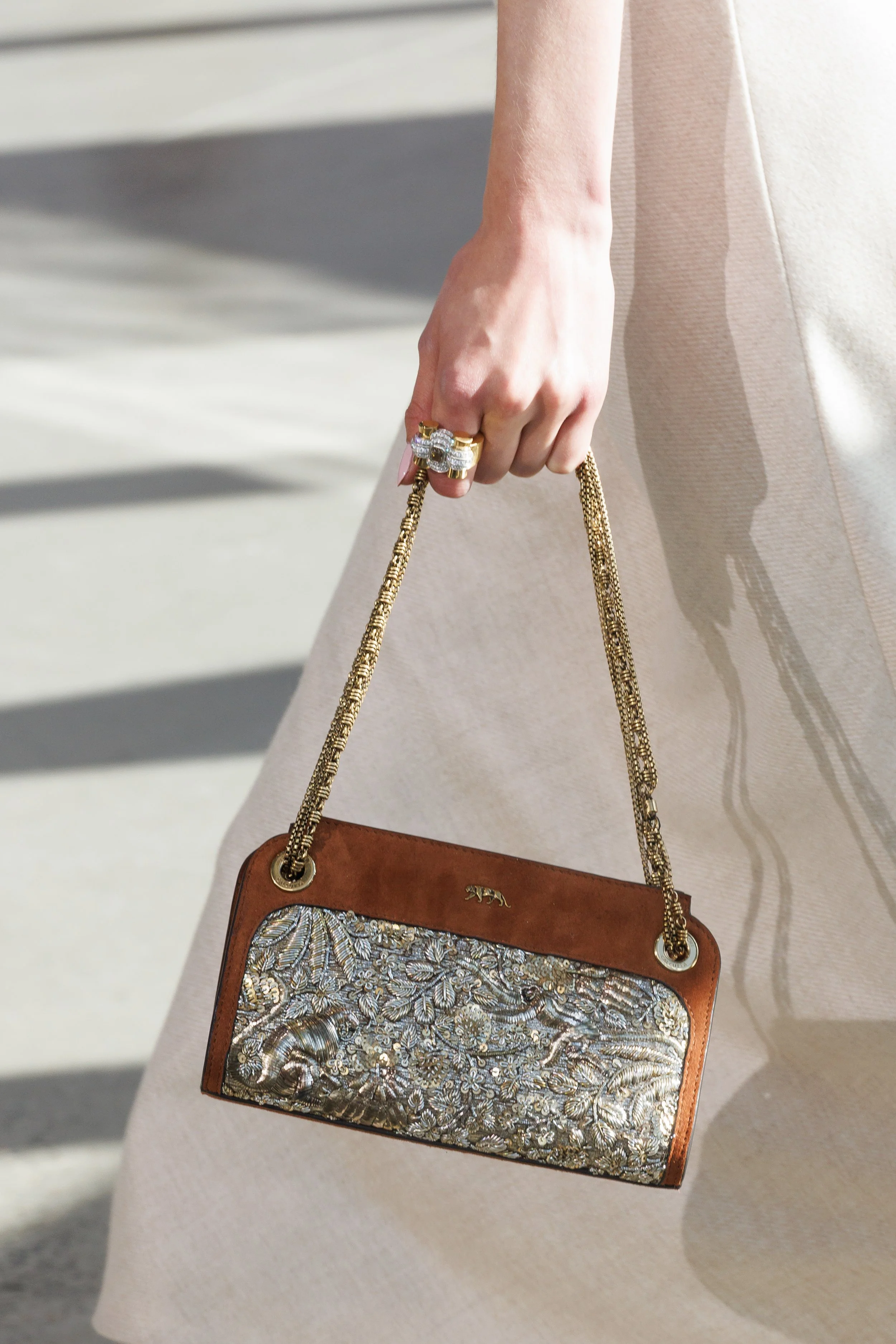
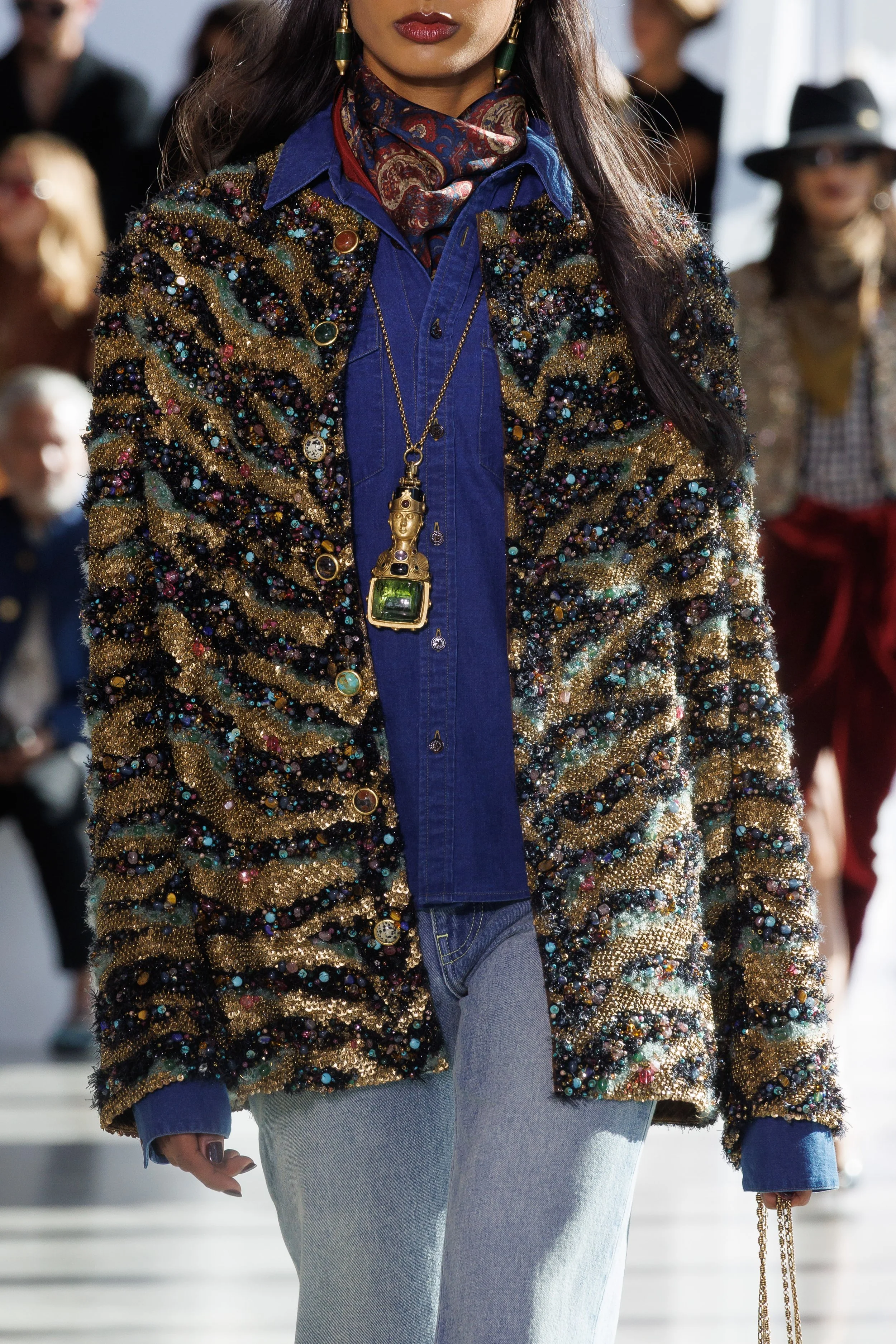
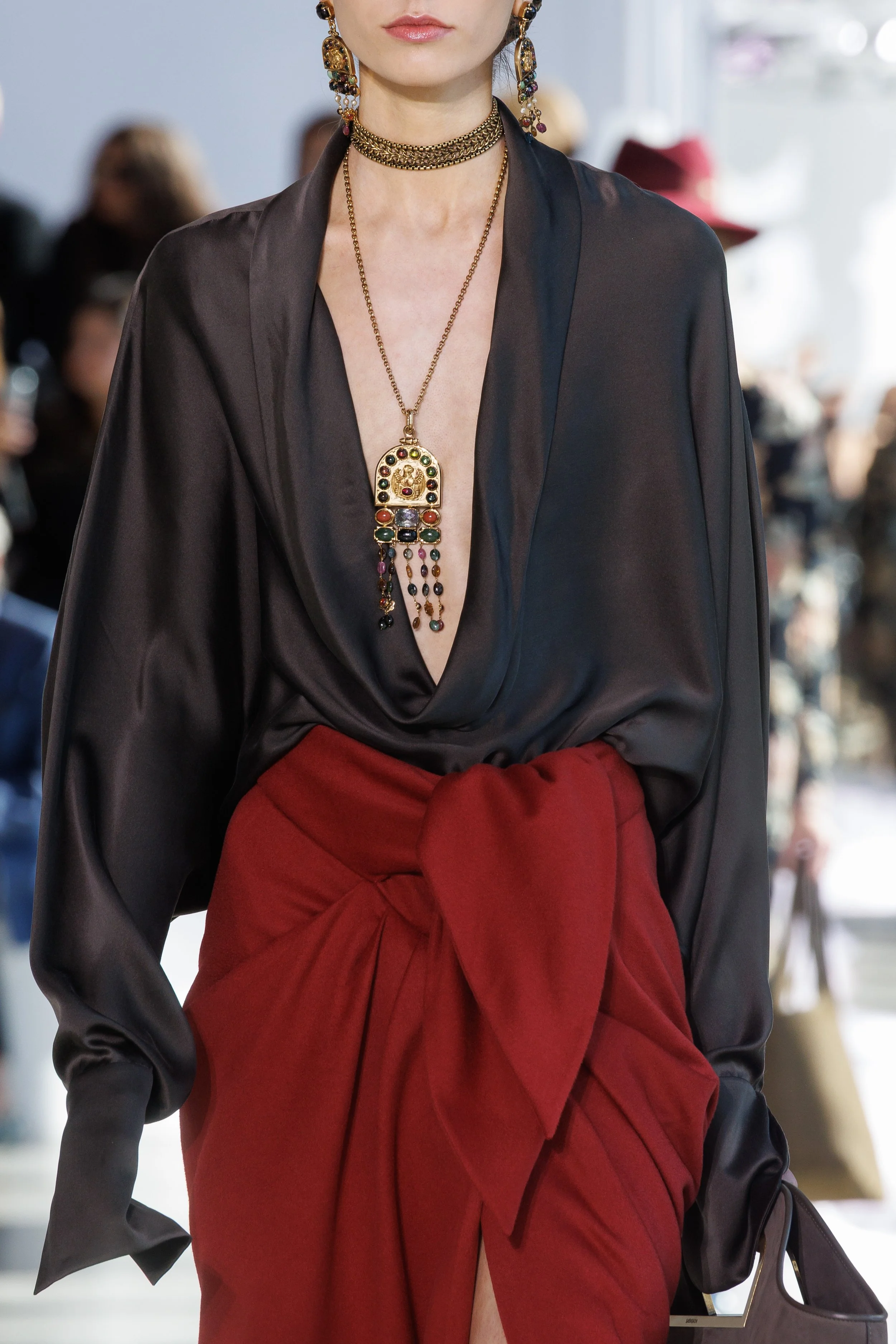
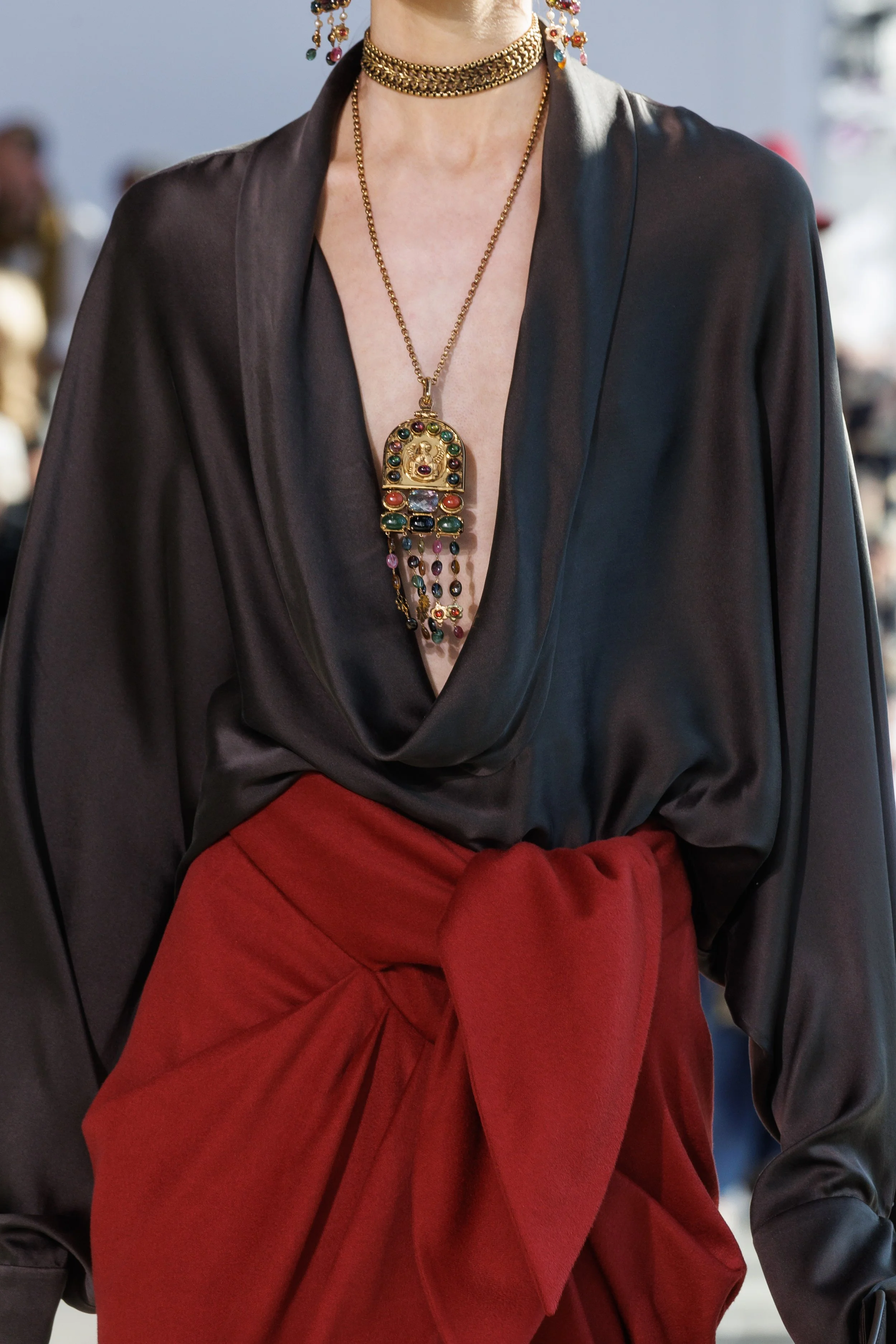
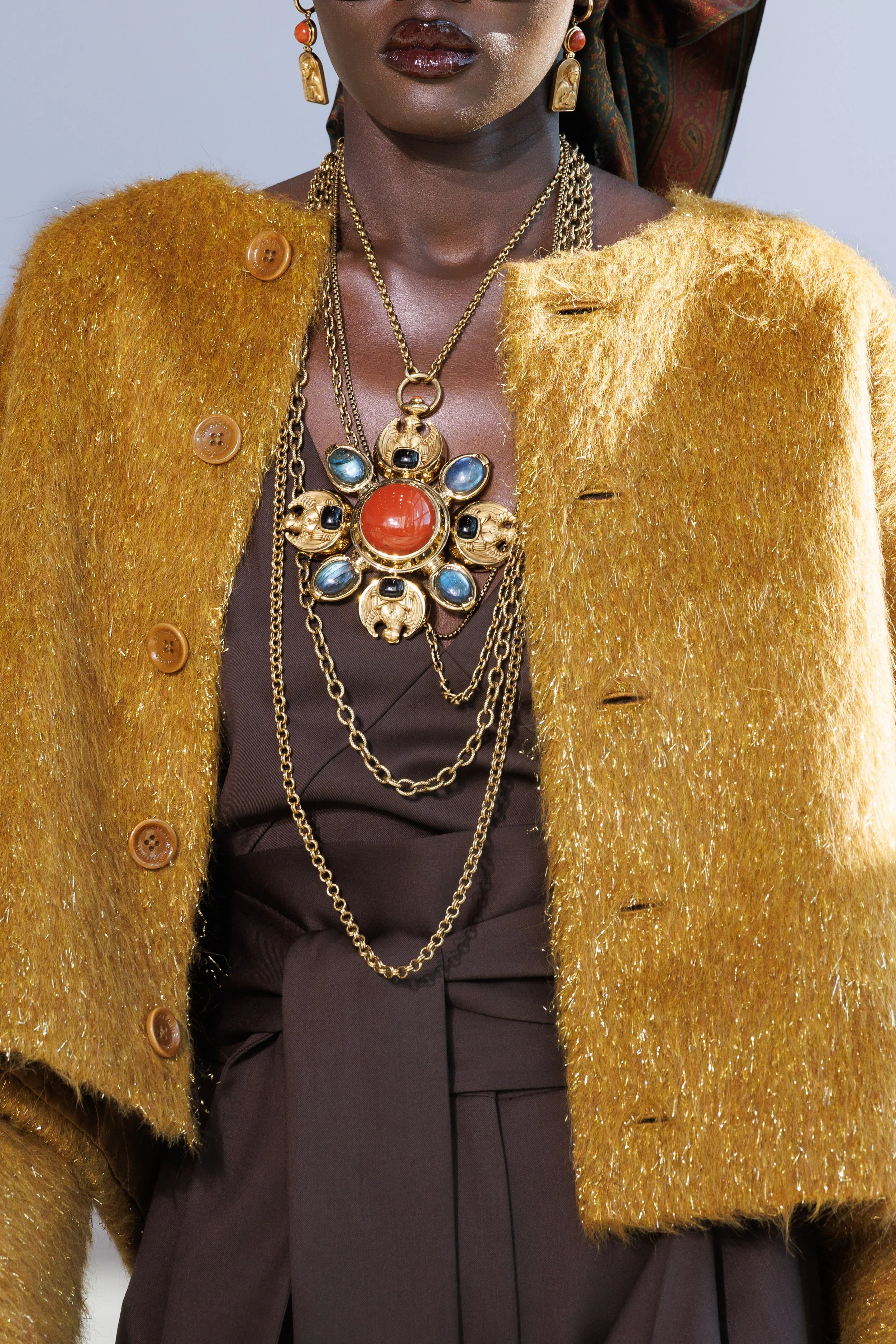
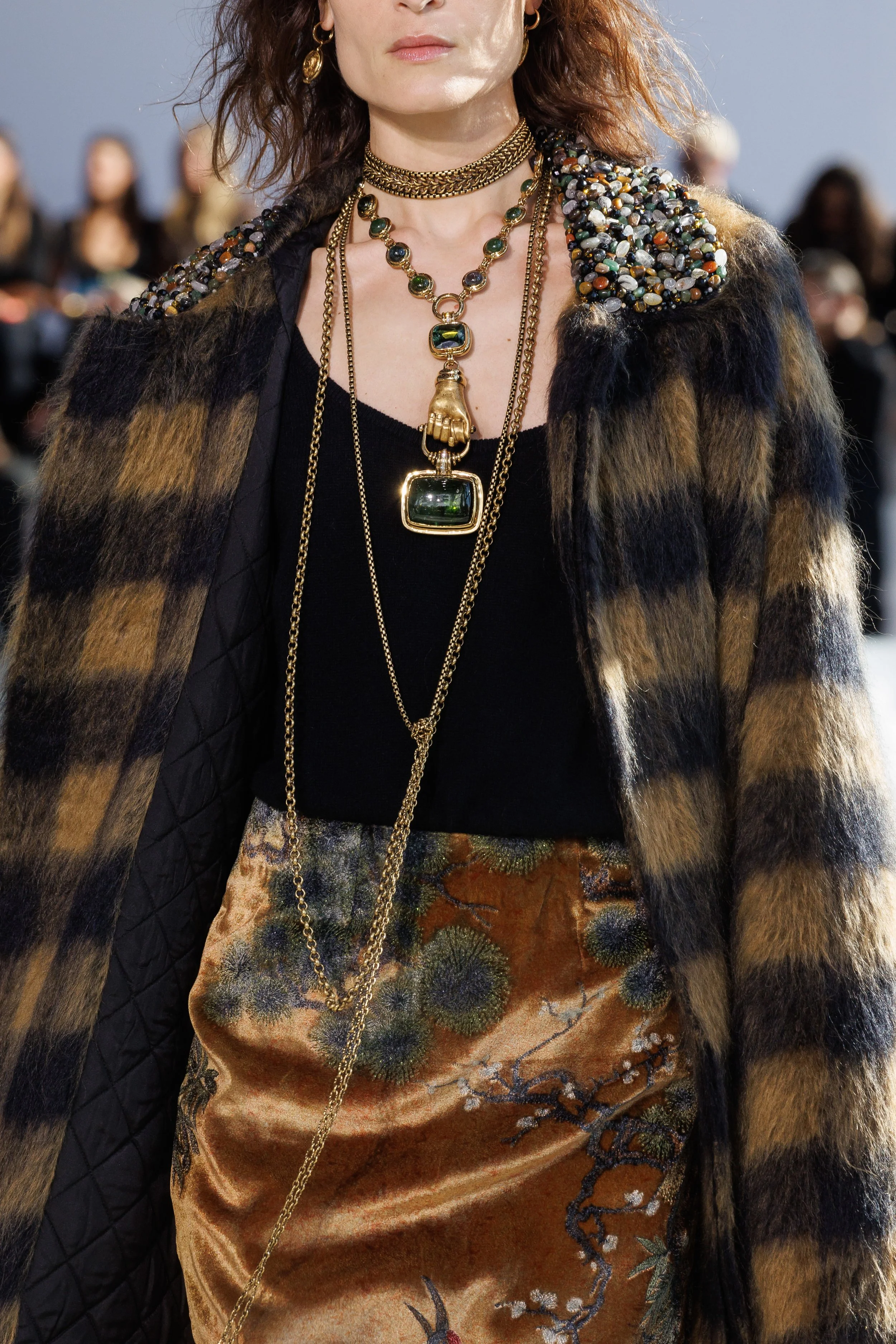
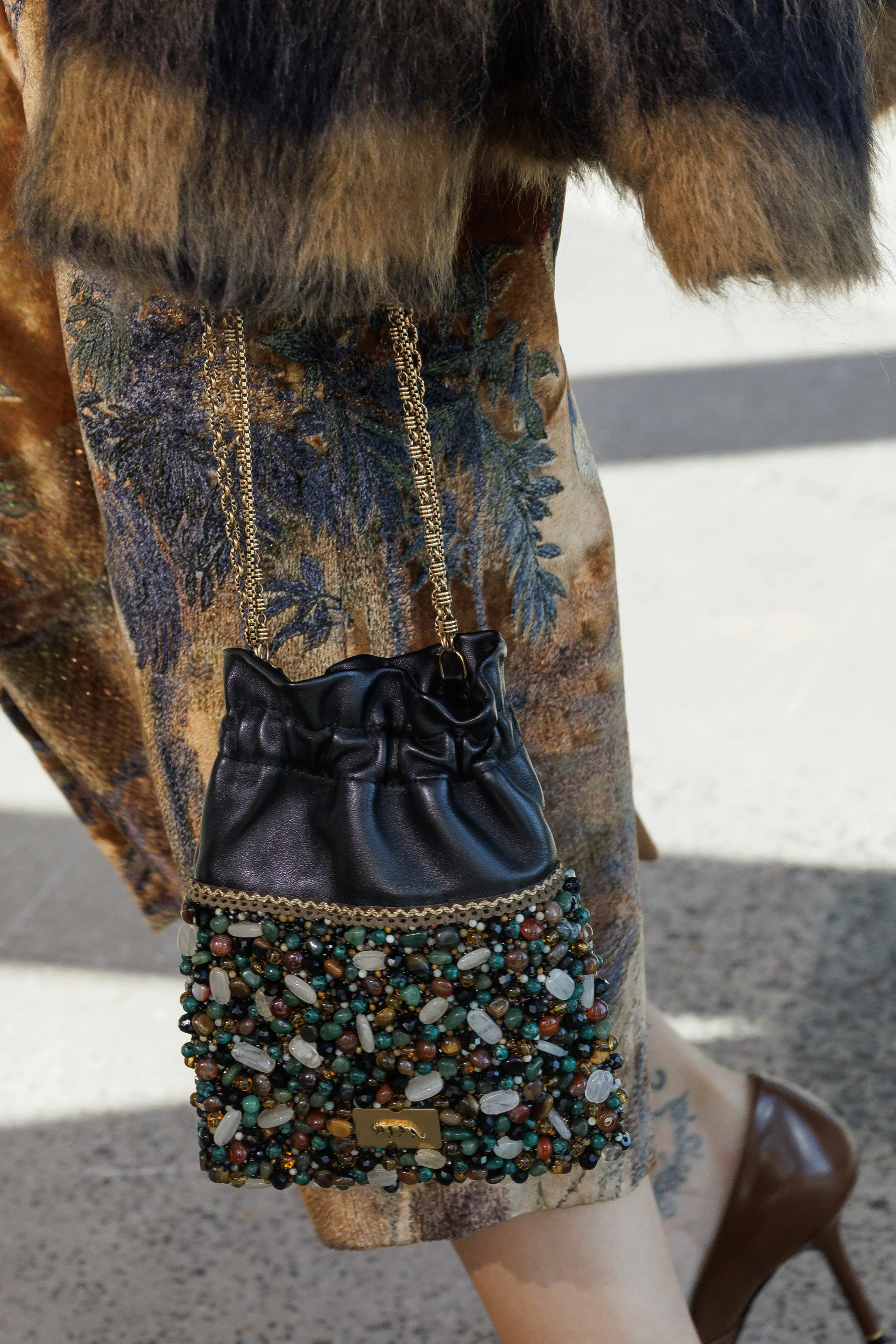
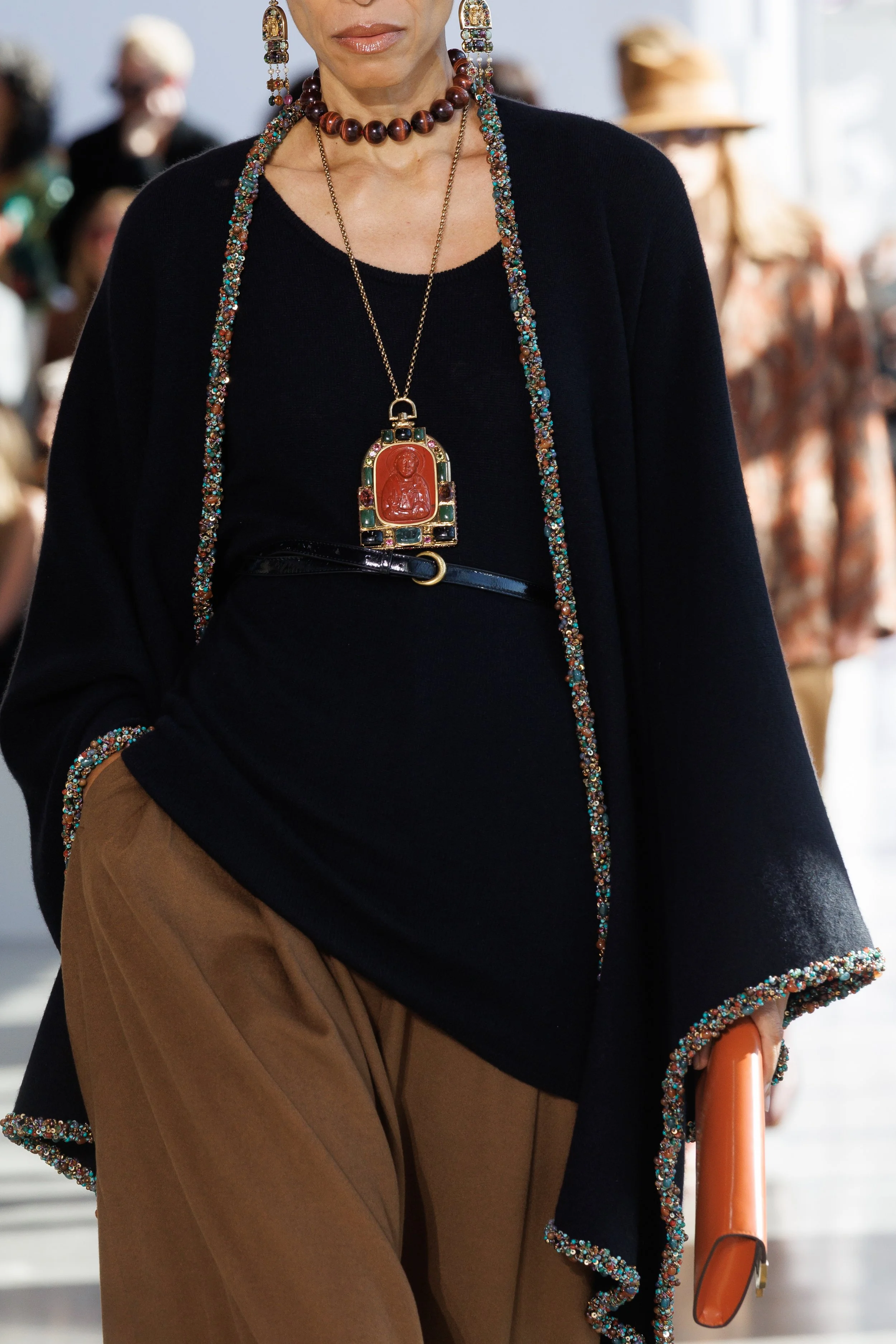
At its most elaborate, Bengal Byzantine Broadway became a study in adornment. Intricate embroidery, beadwork, and jeweled Tiger motifs punctuated the collection, bringing the visual language of Sabyasachi’s Indian heritage into conversation with references extending far beyond the subcontinent.
That dialogue reached its most literal expression through the House’s High Jewellery collaboration with The Metropolitan Museum of Art. Inspired by Byzantium and its sphere of influence, the jewelry introduced another layer of historical storytelling to the runway, positioning ornament not simply as decoration but as an extension of cultural memory.
For Sabyasachi, craftsmanship is one of civilization’s oldest languages. In New York, that idea became particularly resonant. The city has long functioned as a meeting point for cultures, aesthetics, and communities, while Calcutta remains central to the designer’s creative identity and the House’s commitment to Indian artisanship. Bengal Byzantine Broadway places those worlds in conversation without attempting to flatten their differences.

The collection also reflects the evolution of Sabyasachi as a global luxury house. Founded in 1999, the brand has expanded beyond fashion into High Jewellery, Fine Jewellery, accessories, beauty, and lifestyle while maintaining craftsmanship and heritage as central pillars. Its New York return therefore feels less like a traditional runway comeback and more like a statement about how Indian luxury can participate in — and reshape — the global fashion conversation.
The significance is particularly apparent in the relationship between fashion and cultural preservation. Indian artisanship is not treated as an archival reference here; it becomes the mechanism through which Western silhouettes, historical influences, and contemporary New York sensibilities are interpreted anew.
That tension between the familiar and the unexpected is where the collection finds its identity. A cowboy hat can sit beside Bengal embroidery. British tweed can share a wardrobe with jeweled motifs. Denim can become part of a luxury vocabulary. The pieces acknowledge fashion’s global exchange while retaining a strong sense of origin.
The New York audience reflected that cultural intersection, with guests including Waris Ahluwalia, Sarita Choudhury, Amy Fine Collins, Cassandra Grey, Prabal Gurung, Poorna Jagannathan, Indra Nooyi, Bibhu Mohapatra, Carlos Mota, Rani Mukherjee, Olivia Palermo, Carole Radziwill, and Jessel Taank, among others.
After nearly two decades, Sabyasachi’s return to New York arrives as a reminder that luxury can be rooted in place while remaining inherently global. Bengal Byzantine Broadway does not simply bring Indian fashion back to the New York runway; it uses craftsmanship, history, and cultural exchange to reconsider what global luxury can look like when viewed through an Indian lens.





































































HOW DO YOU FEEL ABOUT FASHION?
COMMENT OR TAKE OUR PAGE READER SURVEY
Featured

Better With Age’s FW26 “STOLEN ART” collection expands its circular design philosophy into refined tailoring and limited-edition eyewear, transforming vintage textiles and antique silver flatware into contemporary pieces with a distinct sense of history.