
Slow Furniture: Sustainable Bars Buy Commercial Bar Stools With Backs Once, Not Twice
PAGE
By PAGE Editor
Fashion learned the vocabulary first. Slow fashion, capsule wardrobes, the cost-per-wear confession that a well-made coat outvirtues a closet of disposable trend pieces. The dining room is having the same awakening a decade later, and its most honest expression is happening, of all places, at the bar rail.
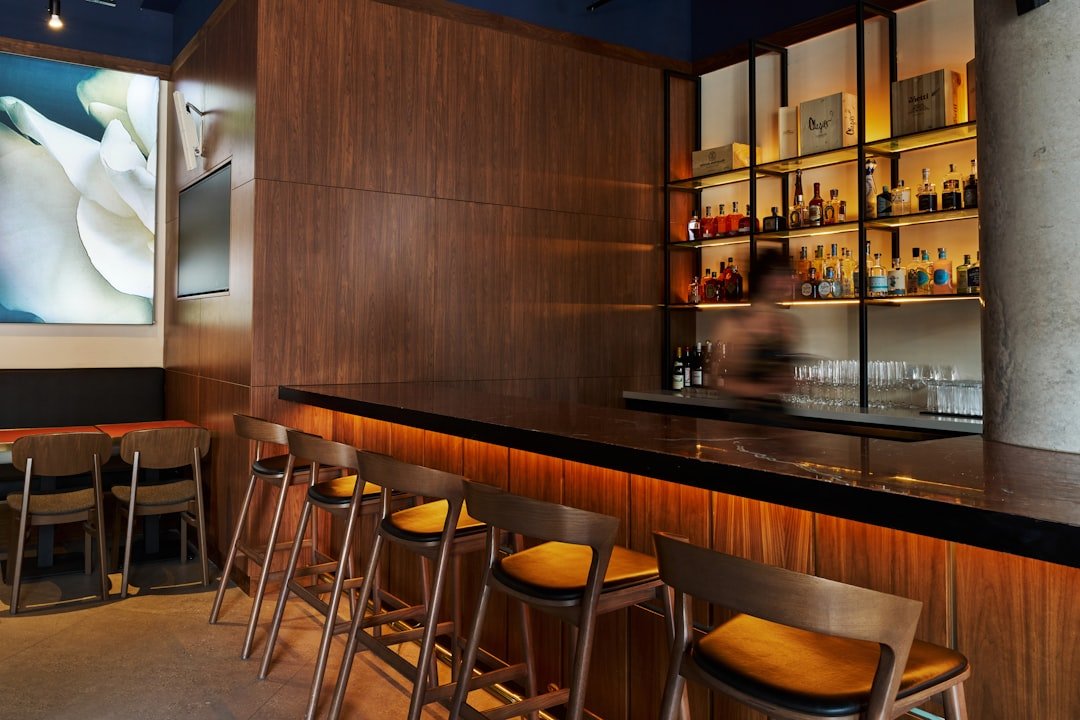
The venues taking sustainability seriously have stopped asking what furniture costs and started asking how long it lives. Their answer, repeatedly, is to buy commercial bar stools with backs built to commercial ratings, once, instead of restocking fashionable fragility every eighteen months. Slow furniture, call it: the least photogenic sustainability practice in hospitality, and possibly the most consequential one.
The Landfill Ledger Nobody Publishes
Every bar that refits on a trend cycle runs a shadow ledger written in discarded seating. The math is grim and simple: a venue replacing 20 cheap stools every two years sends 100 frames to landfill per decade, each one a bundle of mixed metals, foams, and plastics that recycling streams mostly refuse.
The slow alternative sends 20 frames through the same decade, still in service, reupholstered once at midlife. Durability is diversion, in waste terms, and the most sustainable stool is overwhelmingly the one that never needed a successor.
Why Backs Belong in the Sustainability Story
The backrest deserves its place in this essay for an unexpected reason: backs prolong not only visits but also service lives. Backed stools transfer load through additional structure, protect sitters from the tiredness that leads to fidgeting and abuse, and withstand the leaning that breaks backless minimalism at its seat joint.
They also keep their social usefulness longer. A weary backless perch gets relegated and thrown away. A sturdy backed stool makes an elegant migration, from rail to corner to staff room, put to use for decades. Longevity is partially about remaining desirable, and comfort is what furniture stays wanted for.
The Materials That Age Into Beauty
Slow furniture borrows fashion's other lesson: honest materials wear in, while imitations wear out. Steel frames under powder coat shrug off a decade of service. Dense hardwood develops the soft-edged patina that no distressing technique fakes convincingly. Full-grain and top-grain upholstery scars into character, and even commercial vinyl, the trade's workhorse, now arrives in recycled-content and low-emission formulations.
The principle of the circular economy runs through every one of these choices: materials selected for repair, re-covering, and eventual resale rather than a one-way trip from factory to landfill. A stool with a serviceable seat pad is circularity in miniature, waiting for its second act.
Repair as a Design Feature
The slow venues share a procurement tell: they ask about parts. Replaceable glides, re-coverable seats, standard fasteners, and finishes that touch up rather than demand replacement. It is the same test the repair movement applies to phones and jackets, arriving at last in hospitality.
A reupholstered stool costs a fraction of replacement and skips the landfill entirely.
Standardized commercial lines mean parts and matches exist years later.
A repairable fleet turns maintenance staff into sustainability staff.
Repairability also compounds financially, which is why the framing of sustainable purchasing has moved from marketing language into procurement policy at serious hospitality groups: the planet math and the treasury math finally agree.
The Aesthetic Argument for Staying Put
Here's the quietly radical part, in a culture trained to equate refresh with relevance. The most beloved bars on earth are the ones that look the same decade after decade: the same rail, the same worn seats, the same corner that regulars have claimed since before the current owner. Permanence photographs poorly on launch day and magnificently at year twenty.
Slow furniture makes that permanence purchasable. A room furnished once, well, gets to compound its character instead of resetting it, and character is the one amenity no competitor can order from a catalog.
The Resale Afterlife
In the slow model, even endings get better. When a room really needs to change, commercial-grade fleets don't go to the landfill, they go to resale. Within weeks, cafes, startups, and vintage dealers snap up well-maintained seating, frequently for 15 to 20 percent of original cost. The story of the stool continues in another room; the wardrobe hand-me-down premise scaled to hospitality.
Fast furniture has no afterlife. No one resells a wobble.
Buying Once, Beautifully
The practice, distilled: specify commercial ratings and repairable construction, choose backs for bodies and longevity alike, favor materials that age with dignity, and then, the hard part, resist the trend cycle's invitation to start over.
The reward arrives slowly, which is the point. Ten years on, the fast-furniture venue is on its fifth fleet and its first identity crisis, while the slow room pours the same drinks onto the same rail, surrounded by seats that have held every regular's best nights. Sustainability, at its most honest, is just commitment wearing work clothes, and it turns out to be a beautiful look on a bar. The most radical thing a beautiful room can do, in an industry addicted to the new, is simply remain, gracefully, wanted, and already paid for. Fashion taught the lesson first and furniture is finally wearing it: buy the piece that deserves decades, then give it them.
HOW DO YOU FEEL ABOUT FASHION?
COMMENT OR TAKE OUR PAGE READER SURVEY
Featured



For years, buying glasses has meant choosing between two compromises: frames that look good but cost as much as a weekend away, or budget pairs that feel like an afterthought on your face.