
Sourcing Loose Lab-Grown Diamonds for a Small Jewelry Brand
PAGE
By PAGE Editor
Many small jewelry brands like the freedom of buying loose lab-grown diamonds. But loose stones can tie up cash fast when an order is too big. A simple, repeatable sourcing process helps you avoid that problem. You can also talk through your options with NUVU's wholesale program and see how a supplier handles real requests.
The goal is simple. Write down what you need, test a small order, and check quality the same way every time. This protects your money and your customers.
Why Should You Start With a Narrow Product Plan?
Do not start with every shape, color, clarity, and carat range. Pick a small group of products that fits your customer and your design style. For example, you might begin with a few center stone shapes and a set range of sizes.
Your plan should name the setting you have in mind and the customer you want to reach. It should also list the quality range you will accept and how often you expect to reorder. The clearer the plan, the easier it is to compare suppliers.
A random mix of stones may look like a bargain at first. In real life, it is harder to sell and harder to repeat.
Start with stones you already know how to sell. Add new shapes or sizes only after the first group moves well. This keeps your buying simple and your cash safe.
How Do You Define Specifications in Buyer Language?
Specifications are the written details of what you want to buy. Use plain words that a supplier cannot misread. Your list should cover these points:
Shape and carat range
Color range and clarity range
Measurements for each stone
Report expectations
Growth method disclosure, when it matters
Treatment information
Clear words save time for everyone. A supplier can only match what you describe, so guesses lead to surprises. Specific details also make it easy to compare two offers side by side.
If looks matter, describe the appearance you want too. Paper grades alone do not show how a stone sparkles.
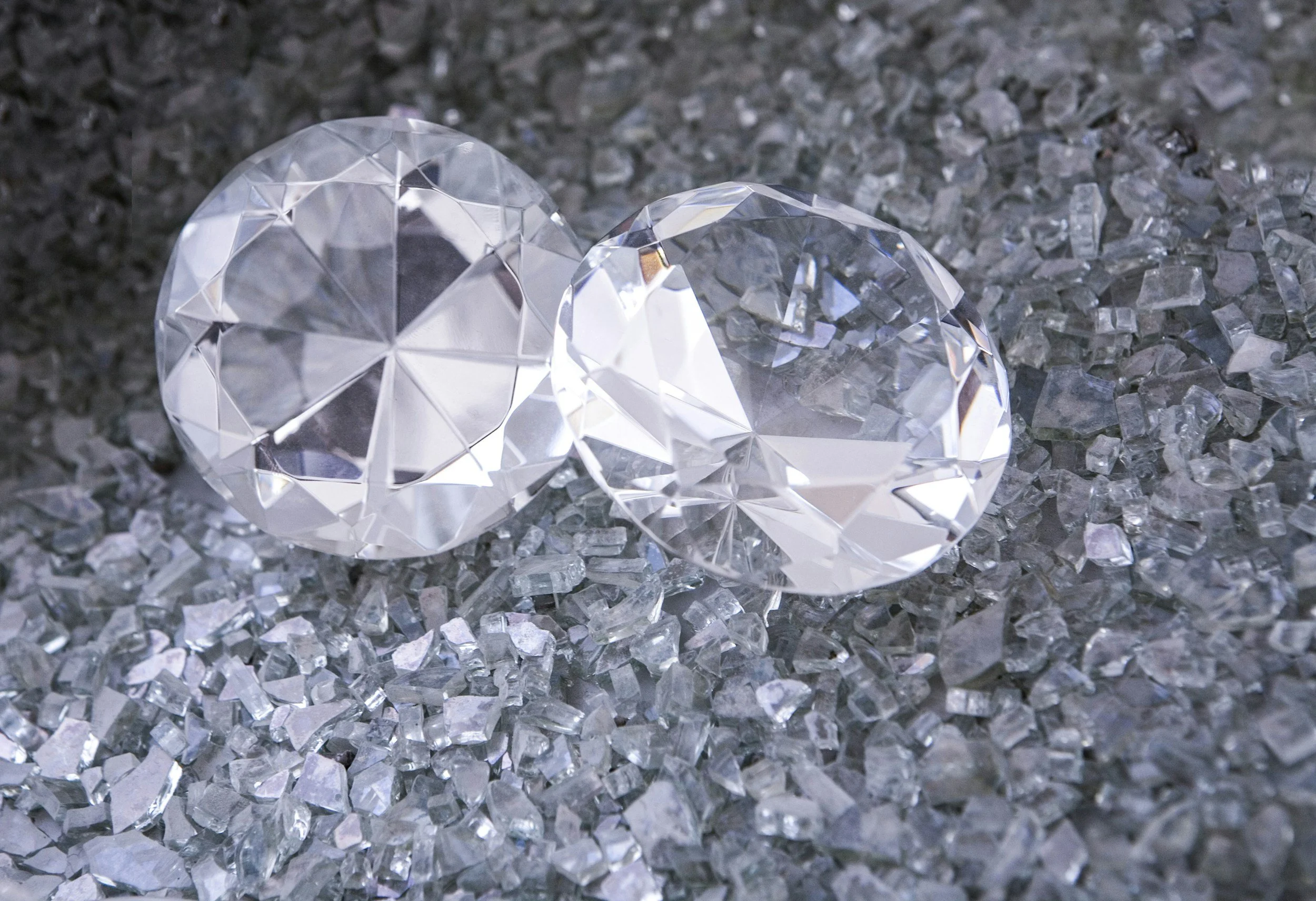
Looking at real listings can make your list easier to write. Browse loose lab-grown diamonds to see how shapes, sizes, and reports are shown. Then use those details to shape your own list.
Never write "same as last time" without a written reference. Save your accepted stones, rejected stones, photos, and report details. This record helps when stock changes or a new person joins your team.
Why Use a Sample Order as a Process Test?
A sample order is more than a chance to look at stones. It tests how the supplier talks, packs, ships, and solves problems. Treat it as practice for the bigger orders to come.
What to Ask the Supplier
Ask how long the order will take and how the stones will be packed. Ask what happens if a stone falls outside the agreed range. Also ask how substitutions work if a stone sells out, and get every answer in writing.
How to Inspect the Stones
Look at every stone under the same lighting. Compare each report with the real measurements and the way the stone looks. Small gaps are easier to catch when your setup stays the same.
If you sell matched pairs or layouts with many stones, check how well the stones match each other. One beautiful stone does not prove the whole batch is good.
How Do You Manage Inventory Risk?
Loose stones cost money before they become finished jewelry. Think about how fast each specification can sell. Ask yourself whether the stones can work in more than one design.
Start with a quantity you can sell in a few months. A smaller order is easier to manage and easier to fix if something goes wrong.
Also think about what happens if a trend changes. Flexible shapes and sizes can lower your risk, but only if they fit the designs you really make.
Count the full cost, too. Grading, shipping, insurance, taxes, setting, photos, and replacements all add up. The lowest price per carat is not always the lowest total cost.
How Do You Build a Supplier Scorecard?
A scorecard turns your opinion into a simple record. Track these points for every supplier:
Specification accuracy
Report and origin documentation
Response time
Sample consistency
Packaging and delivery
Handling of rejected stones
Ability to repeat the agreed standard
Give each point a simple score, such as one to five. When you add the numbers, it becomes easy to see which supplier fits your brand best.
Update the scorecard after each order. One good shipment is useful, but repeat results tell you much more about the relationship.
What Is the Safest Way to Grow Your Orders?
Start small and keep your acceptance rules clear. Ask for answers that fit your real collection, not a general catalog. This shows you how well a supplier listens.
Put every follow up in writing. A small first order, clear rules, and written notes create a safer path to bigger volume later.
Frequently Asked Questions
Are lab-grown diamonds real diamonds?
Yes. They have the same chemical makeup and structure as mined diamonds, but they are grown in a lab.
Can I buy lab-grown diamonds in bulk online?
Yes, many suppliers sell lab-grown diamonds in bulk. Ask for reports and clear return rules before you place a large order.
Where can I buy loose lab-grown diamonds?
You can buy them from wholesale suppliers, manufacturers, and online diamond sellers. Compare their documents and sample process before you choose.
What is the difference between IGI and GIA certified lab-grown diamonds?
IGI and GIA are two labs that grade and certify diamonds. Each has its own grading style, so check which report your customers trust.
HOW DO YOU FEEL ABOUT FASHION?
COMMENT OR TAKE OUR PAGE READER SURVEY
Featured

Nike and Melitta Baumeister return with a sculptural, head-to-toe collection that reimagines the Rift through exaggerated proportions, clay-inspired design, and modular sportswear that blurs the boundaries between art, fashion, and athletic performance.