
Sustainable Style Starts With Better Textiles: What Designers Can Learn From African Fabric Traditions
PAGE
By PAGE Editor
African textile traditions, such as Kente weaving, Adire dyeing, and Bogolanfini mud cloth, offer designers proven models for sustainable fashion.
These methods rely on natural materials, handcraft techniques, and durable construction that reduce waste and extend garment life. Modern designers can adopt these principles to build more sustainable, meaningful collections.
Fast fashion built an industry on speed and disposability. But long before mass production defined the fashion industry, African textile traditions were already practicing sustainability through slow, intentional craftsmanship.
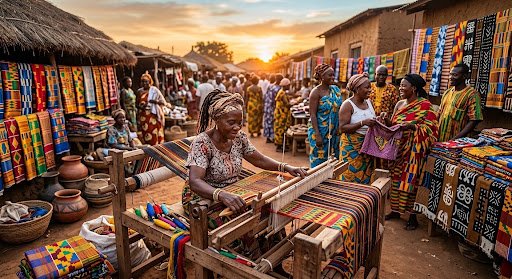
From the resist-dyeing techniques of Yoruba Adire cloth to the intricate hand-loomed patterns of Ghanaian Kente, these methods prioritize durability, natural materials, and cultural meaning over speed and volume.
For designers looking to build a more sustainable practice, these textile traditions offer more than inspiration. They offer a working blueprint.
What makes African fabric traditions inherently sustainable?
Many African textile practices were built around scarcity and resourcefulness long before "sustainability" became a fashion buzzword.
Weavers and dyers historically used what was locally available such as cotton, plant-based dyes, and natural fibers, and prioritized techniques that produced long-lasting garments.
Bogolanfini, or Malian mud cloth, is a clear example. Artisans hand-dye cotton fabric using fermented mud and plant extracts, a process that requires no synthetic chemicals.
The resulting cloth is prized for its durability, often passed down or repurposed rather than discarded.
Adire cloth, made by Yoruba artisans in Nigeria, uses indigo dye and hand-applied resist patterns (often cassava paste or stitched designs) to create one-of-a-kind textiles. Because each piece is made by hand, production volume stays naturally limited, which discourages the overproduction common in fast fashion.
How does Kente weaving demonstrate sustainable design?
Kente cloth, woven by Akan artisans in Ghana, is one of the most recognizable African textile traditions.
Made on narrow strip looms, Kente requires significant time and skill, with each strip woven individually before being sewn together into a full cloth.
This slow production process naturally limits output and encourages high value per garment. Rather than treating fabric as disposable, Kente is often worn for significant life events and preserved across generations.
Designers can apply the same principle by creating fewer, higher-quality pieces meant to last rather than churning out disposable trend cycles.
What can modern designers learn from these methods?
Designers don't need to replicate African textile techniques exactly to apply their underlying principles. Instead, look at the values behind these traditions:
Choose natural, biodegradable materials. Cotton, indigo, and plant-based dyes reduce environmental harm compared to synthetic alternatives.
Slow down production. Handcraft techniques naturally limit output, which helps prevent the overproduction driving textile waste today.
Design for longevity. Garments meant to be preserved or repurposed require durable construction and timeless design choices.
Respect cultural origin. When drawing inspiration from traditions like Kente or Adire, credit the artisans and communities who developed them, and avoid appropriating techniques without acknowledgment or fair compensation.
Choose handwoven or hand-dyed methods if your brand prioritizes low-impact production over speed. These methods take longer, but they produce garments with far less environmental cost per piece.
Where sustainable design goes from here
Sustainable fashion doesn't require reinventing the wheel. African textile traditions already demonstrate how to build clothing that lasts, respects natural resources, and holds cultural value. Designers who study and honor these methods, rather than extract from them, can build collections that are both more sustainable and more meaningful.
The next step for any designer serious about sustainability is simple: study the techniques, credit the artisans, and slow down the process enough to make quality the priority.
Frequently Asked Questions
What is the most sustainable African textile tradition?
Bogolanfini (mud cloth) and Adire dyeing are both considered highly sustainable because they rely on natural, biodegradable materials and produce minimal chemical waste.
Can fast fashion brands ethically use African textile techniques?
Yes, but only with proper credit and fair compensation to the originating communities. Using traditional techniques without acknowledgment or compensation is considered cultural appropriation, not sustainable design.
Is handwoven fabric more expensive than machine-made fabric?
Generally, yes. Handwoven textiles like Kente take significantly longer to produce, which increases labor costs but also increases the durability and lifespan of the finished garment.
How can a designer start incorporating sustainable textile practices?
Start by sourcing natural fibers and dyes, partnering directly with artisan communities, and prioritizing quality construction over rapid production cycles.
HOW DO YOU FEEL ABOUT FASHION?
COMMENT OR TAKE OUR PAGE READER SURVEY
Featured




Having a friends with benefits relationship is a great idea, if you find the right person for it.