
The Hidden Costs of Outdoor Events and Festivals
PAGE
By PAGE Editor
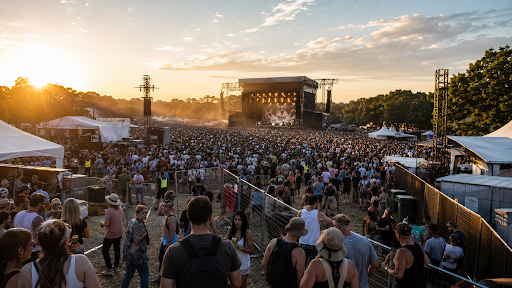
The budget for an outdoor festival or large outdoor event almost always starts with the same line items: talent, staging, permits, marketing, and security. Those costs are visible, easy to quote, and the first thing any organizer accounts for. The expenses that actually sink the budget tend to live somewhere else entirely. 65% of event planners experience budget overruns, with the average overspend running around 20%, and separate industry analysis puts the gap between planned and actual costs as high as 27% to 28%. These overruns are rarely the result of one dramatic miscalculation. They come from a long list of operational costs that experienced organizers know about, and first-time planners consistently underestimate, and outdoor events carry a heavier version of this problem than indoor ones because so much of the supporting infrastructure has to be built from scratch on open ground.
Why Outdoor Events Are More Exposed to Budget Surprises Than Indoor Ones
An indoor venue typically comes with restrooms, climate control, parking, and basic infrastructure already built in. An outdoor event has none of that as a given. Every piece of supporting infrastructure, power, water, waste removal, fencing, signage, and crowd flow management has to be sourced, delivered, installed, and serviced for the duration of the event. Many new festival organizers forget hidden costs like trash removal, fencing, and credit card processing fees, and those gaps snowball into budget overruns. The pattern repeats across nearly every outdoor event category. The visible centerpiece of the event gets the bulk of planning attention and budget, while the infrastructure that makes the site functional for the full duration of the event gets treated as a smaller, almost administrative line item, right up until it fails and becomes the most visible problem on site.
The 2026 Cost Environment Is Making Hidden Costs More Expensive to Miss
The financial margin for error on outdoor events has narrowed considerably heading into 2026. 72% of event professionals expect costs to rise by up to 20% compared to 2025, driven by rising vendor prices, labor costs, and compliance requirements that have expanded since the structures most organizers built their budgets around. An event that ran smoothly on a given budget two years ago is not guaranteed to run smoothly on the same budget today, because the underlying cost of every vendor category, including the infrastructure and support services that rarely make it into early planning conversations, has shifted upward. Organizers who carry forward last year's budget structure without auditing it line by line are the ones most likely to discover the gap mid-event, when there is no more room to adjust.
Where the Overruns Actually Cluster
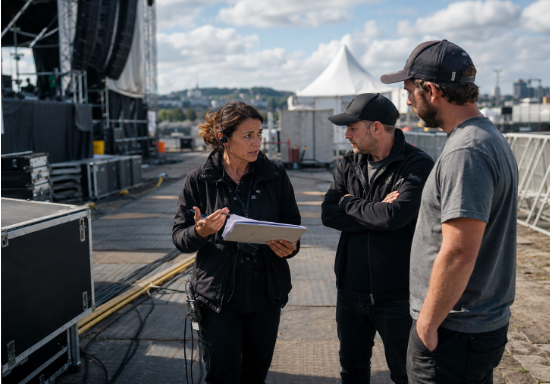
Hidden costs are not random, and they are not unknowable. They cluster in a small number of predictable categories that experienced organizers track closely and inexperienced ones routinely miss. These overruns cluster in predictable places: labor and staffing, service fees, last-minute equipment, and transport changes, and the common thread is that the costs were not unknowable; they simply were not tracked, centralized, or visible at the moment decisions were being made. Site infrastructure and sanitation belong squarely in this category. They are entirely predictable expenses with well-established pricing, yet they are consistently quoted late in the planning process, often after the layout and headline budget are already set, leaving organizers negotiating from a weaker position and frequently settling for less coverage than the event actually needs.
Keeping the space tidy at all times ensures a seamless experience for attendees and prevents costly post-event penalties. New York organizers are always hiring event cleaning services in NYC to make sure that waste management and venue maintenance run smoothly behind the scenes. Factoring these essential operations into early planning stages helps maintain strict budget control and protects the overall reputation of the function. With professional venue care secured in advance, teams can focus entirely on delivering a successful host experience.
What Site Infrastructure Providers See Organizers Miss Every Season
Among the categories most consistently underestimated in outdoor event budgets is the sanitation and waste infrastructure required to support a crowd throughout a multi-day event. Providers who supply that infrastructure across festivals, fairs, and large outdoor gatherings see the same planning gaps repeat season after season, regardless of event size or budget.
“The call we get most often is from an organizer who built their whole budget around the stage and the talent and then realized two weeks out that they have not thought about restrooms, handwashing, or where the wastewater is actually going,” said Rafael Barrios, owner of Barrios Site Services. “By that point, they are scrambling, and scrambling always costs more than planning. A multi-day festival needs units that get serviced mid-event, not just dropped off at the start. It needs handwash stations placed near food vendors, not as an afterthought. When that gets bolted on at the last minute instead of planned with the rest of the site layout, it shows, and it is usually the thing attendees complain about loudest. The events that run smoothly are the ones where we are part of the conversation from the beginning, not the ones where we are a phone call two weeks before doors open.”
That pattern, infrastructure being priced and placed as an afterthought rather than as a planning input from day one, is precisely the dynamic that turns a predictable, well-understood cost into the kind of late-stage scramble that erodes both budget and guest experience.
Compliance and Permitting Add a Layer Most First-Time Organizers Underestimate
Beyond the direct cost of infrastructure, outdoor events carry compliance obligations that most municipalities tie directly to permit approval, and meeting them late or inadequately can delay or jeopardize the event entirely. Sanitation ratios, accessible facility requirements, and waste management plans are frequently part of the permitting checklist, not an optional add-on that the organizer can decide to skip. Event budget planning that served organizations well in prior years is, in most cases no longer fit for purpose, as rising vendor prices, compliance requirements, and shifting attendee expectations reshape the full cost landscape. An organizer who treats compliance infrastructure as a line item to be sorted out once the rest of the plan is locked frequently discovers that the permitting authority has different expectations, and resolving that gap close to the event date is far more expensive and stressful than building it into the plan from the outset.
Building a Budget That Accounts for What Actually Gets Missed
The organizers who avoid the worst budget surprises share a common practice: they build infrastructure and compliance costs into the plan at the same stage as talent and staging, rather than treating them as secondary. A contingency fund of 10% to 15% of the total budget is recommended to absorb the unexpected costs and overruns that occur even in well-planned events, but a contingency fund should be a backstop, not a substitute for pricing known categories correctly from the start. Getting quotes for sanitation, waste, and water infrastructure early in the planning process, alongside the headline vendors, gives organizers accurate numbers to budget against rather than a guess that gets revised upward under pressure two weeks before the gates open. The events that come in on budget are rarely the ones with no surprises. They are the ones where the predictable costs were priced like the predictable costs they actually are.
The Real Lesson Behind Every Hidden Cost
Every category of hidden cost in outdoor event planning shares the same root cause: a true cost that was treated as a minor detail until it became an urgent problem. Site infrastructure, sanitation, and compliance are not unpredictable expenses. They are well-understood, consistently priced categories that simply get planned too late and budgeted too lightly, again and again, across events of every size. The organizers who protect their margins and their attendee experience most effectively are the ones who treat every functional layer of the event, not just the parts that photograph well, as part of the core plan from the very first budget meeting. In an industry where overruns are now closer to the rule than the exception, the cheapest fix available to any organizer is simply refusing to let the unglamorous line items wait until last.
HOW DO YOU FEEL ABOUT FASHION?
COMMENT OR TAKE OUR PAGE READER SURVEY
Featured





Wale joins CapSole as Chief Creative Officer and equity partner, bringing his influence in sneaker culture to a business focused on preservation, sustainability, and extending the life of collectible footwear.