
The Importance of Lash Mapping and Isolation: Why Quality Training Matters
PAGE
By PAGE Editor
Table of Contents
1. Introduction: The Art and Science of Lash Extensions
2. Understanding Lash Mapping: The Blueprint for Beautiful Lashes
3. The Critical Role of Isolation: A Foundation of Safety and Longevity
4. The Dangers of Neglecting Proper Mapping and Isolation
5. Beyond Aesthetics: Client Safety and Comfort
6. The Business Impact of Quality Work
7. What Constitutes Quality Training in Lash Artistry?
8. Choosing the Right Training Provider for Lasting Success
9. Elevating Your Craft: Continuous Learning and Professional Growth
Introduction: The Art and Science of Lash Extensions
Lash extensions have transformed from a niche beauty treatment into a global phenomenon, offering a convenient and stunning way to enhance natural beauty. What many clients, and even some aspiring technicians, might not fully grasp is that achieving those coveted, flawless lash sets is far more than simply gluing extensions onto natural lashes. It is a delicate blend of artistry, precision, and scientific understanding. At the heart of this intricate process lie two fundamental techniques: lash mapping and isolation. These are not merely steps in an application process; they are the foundational pillars upon which safe, beautiful, and long-lasting lash extensions are built. Without a deep understanding and mastery of these techniques, even the most expensive products and artistic vision will fall short, potentially leading to client dissatisfaction, damage to natural lashes, and a tarnished reputation for the lash artist. This article delves into the critical importance of lash mapping and isolation, emphasizing why quality training is not just beneficial, but absolutely essential for anyone serious about a successful career in lash artistry.
Understanding Lash Mapping: The Blueprint for Beautiful Lashes
Lash mapping is essentially the strategic design phase of every lash extension application. It is the blueprint that guides the entire process, ensuring a customized, symmetrical, and aesthetically pleasing result tailored to each individual client's eye shape, natural lash growth, and desired look. Far from a one-size-fits-all approach, effective lash mapping requires a keen eye for detail, an understanding of facial anatomy, and a comprehensive knowledge of various lash extension styles, lengths, curls, and diameters.
The Elements of Effective Lash Mapping
1. Client Consultation: This is the starting point. A thorough consultation involves discussing the client's desired outcome (e.g., natural, dramatic, cat-eye, doll-eye), lifestyle, and any concerns. The technician must also assess the client's natural lashes: their strength, length, curl, and growth direction.
2. Eye Shape Analysis: Different eye shapes (almond, round, hooded, monolid, downturned) require different mapping strategies to enhance their beauty. For instance, a cat-eye map might flatter an almond eye but could make a downturned eye appear more droopy if not adjusted correctly.
3. Sectioning the Lash Line: The natural lash line is typically divided into several zones (e.g., inner corner, mid-eye, outer corner). Each zone will be assigned specific extension lengths, curls, and sometimes even diameters to create the desired flow and effect. For example, shorter, less curled extensions are often used in the inner corners to prevent irritation and maintain a natural look.
4. Creating Symmetry: While no two eyes are perfectly identical, the goal of lash mapping is to create a harmonious and balanced look. This involves careful planning to ensure that the extensions applied to both eyes complement each other, taking into account subtle differences in natural lash growth.
5. Adapting to Natural Lash Health: The map must also consider the health and strength of the natural lashes. Overloading weak lashes with heavy extensions, regardless of the map, will lead to damage. A good map incorporates lash health into its design, prioritizing the integrity of the client's natural lashes.
A well-executed lash map ensures that the final result is not only beautiful but also enhances the client's unique features, creating a bespoke look that feels light and comfortable. It is the difference between a generic set of lashes and a truly custom, artistry-driven enhancement.
The Critical Role of Isolation: A Foundation of Safety and Longevity
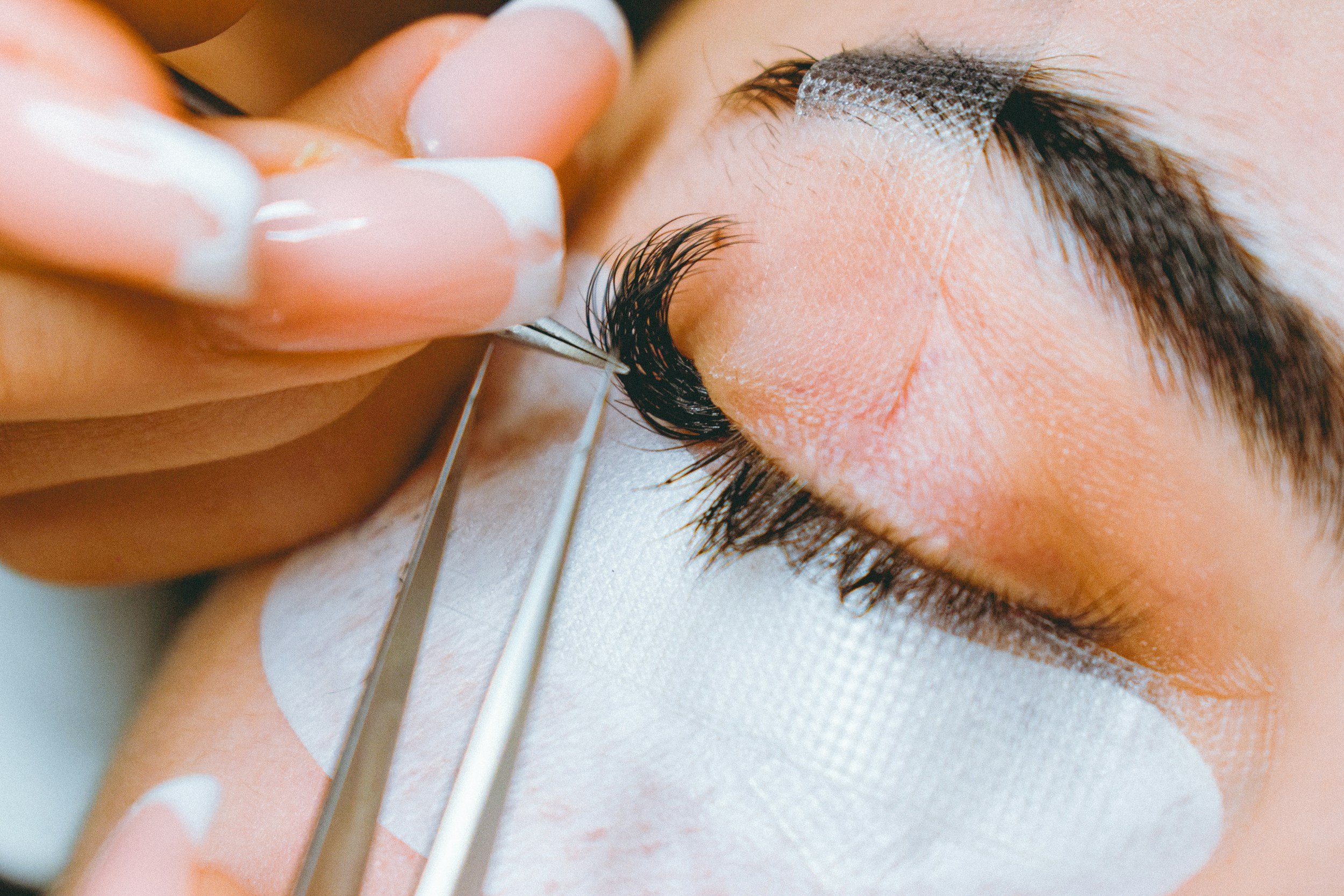
If lash mapping is the design, then isolation is the precision engineering of lash extension application. Isolation refers to the technique of separating a single natural lash from all surrounding natural lashes before applying an extension to it. This might sound straightforward, but it is arguably the most challenging and critical skill for any lash artist to master. Proper isolation is non-negotiable for both the safety of the client's natural lashes and the longevity of the extensions.
Why Isolation is Paramount
1. Prevents "Sticking Together" (Adhesions/Fusing): The primary purpose of isolation is to prevent extensions from being glued to more than one natural lash, or to the skin. When multiple natural lashes are adhered together, they are unable to shed naturally according to their growth cycle. This causes tension, pulling, and discomfort as different lashes try to grow and shed at different rates.
2. Protects Natural Lash Health: Without proper isolation, the constant pulling and strain on fused lashes can lead to traction alopecia, a condition where the hair follicle is damaged, resulting in permanent lash loss. It also causes significant irritation, redness, and discomfort for the client.
3. Ensures Longevity and Retention: When an extension is perfectly isolated and applied to a single natural lash, it can move and shed naturally with that lash. This maximizes the retention of the extension and allows for a longer-lasting, more comfortable set. Fused lashes tend to fall out prematurely, taking healthy lashes with them.
4. Achieves a Clean, Fluffy Look: Proper isolation allows each extension to stand independently, creating that sought-after fluffy, separated, and clean appearance. When lashes are stuck together, the set can look clumpy, messy, and unnatural.
5. Facilitates Fills: When clients return for fills, proper isolation makes the process much smoother. The lash artist can easily identify extensions that are still properly attached and those that need to be removed or replaced, without disturbing the healthy natural lashes or extensions that are still in good condition.
Mastering isolation requires excellent hand-eye coordination, patience, and the right tools. It is a skill that is honed through practice, feedback, and, most importantly, quality training.
The Dangers of Neglecting Proper Mapping and Isolation
The consequences of poor lash mapping and inadequate isolation extend far beyond a less-than-perfect aesthetic. They pose significant risks to client health, comfort, and the overall reputation of the lash artist and the industry.
1. Damage to Natural Lashes: This is the most severe and common consequence. Improper isolation causes natural lashes to stick together, leading to tension, breakage, and in chronic cases, permanent damage to the hair follicles (traction alopecia). Clients may experience bald spots or a significant reduction in their natural lash density over time.
2. Discomfort and Pain: Fused lashes pull at the eyelid, causing itching, irritation, and even pain. Clients might feel a constant tugging sensation, especially as their natural lashes grow out at different rates.
3. Allergic Reactions and Infections: While not directly caused by mapping or isolation, poor technique can exacerbate these issues. For example, extensions glued too close to the skin can cause irritation that mimics an allergic reaction. Moreover, if the lash line is constantly irritated due to pulling, it becomes more susceptible to infections.
4. Poor Retention and Rapid Shedding: Extensions applied to multiple lashes or improperly adhered will shed prematurely, leading to a sparse, uneven look shortly after application. This results in unhappy clients and frequent, inconvenient fill appointments.
5. Unattractive Results: Without a proper map, lashes can look uneven, asymmetrical, or simply not suit the client's eye shape. Extensions might be too long for the inner corners, causing irritation, or too heavy for weaker lashes, leading to a droopy appearance.
6. Reputational Damage: Word travels fast, especially in the beauty industry. A lash artist known for damaging natural lashes or producing subpar work will quickly lose clients and struggle to build a sustainable business. Conversely, a reputation for excellence, built on safe and beautiful applications, is invaluable.
Beyond Aesthetics: Client Safety and Comfort
While the visual outcome of lash extensions is what initially attracts clients, their safety and comfort during and after the application are paramount. A truly professional lash artist understands that these aspects are not secondary but integral to the service provided.
Prioritizing Client Well-being
1. Preventing Irritation and Allergic Reactions: Quality training emphasizes proper product handling, patch testing, and application techniques that keep adhesive away from the skin. Good isolation ensures that extensions are only attached to the natural lash, minimizing the chance of adhesive contact with the delicate eyelid skin, which can cause irritation or allergic responses.
2. Ensuring a Weightless Feel: When extensions are correctly mapped and isolated, and the appropriate weight and length are chosen for each natural lash, the client should barely feel them. The lashes should feel light and comfortable, moving naturally with their own lashes. Heavy, improperly applied extensions create a constant, uncomfortable pull.
3. Maintaining Natural Lash Health: The ultimate goal of lash extensions should be to enhance, not harm, the natural lashes. A trained professional prioritizes the long-term health of the client's lashes, even if it means recommending a less dramatic look or advising a break from extensions. This commitment to lash health builds trust and client loyalty. Training Beauty & Beyond places a strong emphasis on these ethical considerations, ensuring their students understand the profound responsibility that comes with working so closely with a client's delicate features.
4. Educating Clients: A professional artist will educate their clients on proper aftercare, the importance of fills, and what to expect from their extensions. This includes advising them on when to take a break or if their natural lashes need rehabilitation. This transparency fosters a relationship of trust and empowers clients to make informed decisions about their lash health.
Client safety and comfort are not just buzzwords; they are the bedrock of ethical practice in lash artistry. Neglecting these principles not only jeopardizes client well-being but also undermines the credibility of the technician and the industry as a whole.
The Business Impact of Quality Work
In a competitive market, quality work is not just an ideal; it is a critical business strategy. For lash artists, mastery of lash mapping and isolation directly translates into tangible business advantages and a thriving career.
1. Client Retention and Loyalty: Clients who experience comfortable, beautiful, and long-lasting lash extensions are highly likely to return. They appreciate the attention to detail, the health of their natural lashes, and the consistent results. Loyal clients form the backbone of any successful beauty business.
2. Referrals and Word-of-Mouth Marketing: Satisfied clients are the best advertisers. They will enthusiastically recommend a skilled lash artist to their friends, family, and colleagues. This organic word-of-mouth marketing is invaluable and often more effective than paid advertising.
3. Premium Pricing Justification: Artists who consistently deliver high-quality, safe, and stunning lash sets can command premium prices for their services. Clients are willing to pay more for expertise, peace of mind, and results that stand out.
4. Reduced Troubleshooting and Redos: Poorly applied lashes often lead to complaints, requests for fixes, or even refunds. Quality work, rooted in proper mapping and isolation, significantly reduces these time-consuming and costly issues, allowing the artist to focus on new appointments and growth.
5. Professional Reputation and Brand Building: A reputation for excellence attracts more clients, opportunities for collaboration, and respect within the industry. It builds a strong personal brand that sets an artist apart from the competition.
6. Career Longevity and Growth: Artists committed to continuous learning and high standards are more likely to enjoy a long and fulfilling career. They stay ahead of trends, adapt new techniques, and establish themselves as leaders in the field.
Ultimately, investing in the skills required for superior lash mapping and isolation is an investment in the longevity and profitability of a lash artistry business.
What Constitutes Quality Training in Lash Artistry?
Given the critical importance of lash mapping and isolation, the quality of training a lash artist receives cannot be overstated. Not all training programs are created equal, and discerning aspiring artists must look for specific characteristics that define a truly comprehensive and effective education.
Hallmarks of Excellent Lash Training
1. Comprehensive Curriculum: A quality program goes beyond basic application. It thoroughly covers anatomy of the eye and natural lashes, lash growth cycles, sanitation and hygiene protocols, adhesive science, various mapping techniques for different eye shapes, advanced isolation methods, styling, client consultation, aftercare, and troubleshooting.
2. Emphasis on Practical Application and Hands-On Practice: Theory is important, but lash artistry is a practical skill. Excellent training provides extensive hands-on practice on mannequins and live models, under the direct supervision of experienced instructors. There should be ample opportunity for repetition and refinement of techniques.
3. Low Student-to-Instructor Ratio: Smaller class sizes ensure that each student receives personalized attention, direct feedback, and sufficient guidance on their technique, especially concerning intricate skills like isolation.
4. Experienced and Certified Instructors: Instructors should not only be highly skilled lash artists themselves but also certified educators with a proven track record of teaching effectively. They should be up-to-date with the latest industry standards and techniques.
5. Focus on Safety and Health: A good program prioritizes client safety, natural lash health, and proper hygiene above all else. It instills ethical practices and responsible application techniques from day one.
6. Business and Marketing Guidance: Beyond technical skills, quality training often includes insights into building a lash business, marketing, client communication, and pricing strategies, preparing students for entrepreneurship.
7. Ongoing Support and Mentorship: The learning process doesn't end after the course. Reputable training programs offer post-course support, mentorship, and opportunities for advanced workshops or refreshers.
8. Reputable Accreditation and Certifications: While regulations vary by region, look for programs that are recognized by relevant industry bodies or provide credible certifications that demonstrate a high standard of education.
A training provider like Training Beauty & Beyond exemplifies these qualities, offering programs designed to equip students with not just the skills but also the confidence and ethical foundation necessary for a successful and responsible career in lash extensions. Their curriculum is meticulously crafted to ensure mastery of foundational techniques like lash mapping and isolation, providing a robust education that stands out in the industry.
Choosing the Right Training Provider for Lasting Success
Selecting the right training program is perhaps the most crucial decision an aspiring lash artist will make. It lays the groundwork for their entire career and significantly impacts their ability to master essential skills like lash mapping and isolation.
Key Considerations When Selecting Training
1. Research Instructor Credentials: Investigate the experience, certifications, and reputation of the instructors. Do they actively practice lash artistry? Are they recognized experts in the field?
2. Review Curriculum Details: Request a detailed breakdown of the course content. Ensure it covers all aspects of lash artistry, with a specific focus on mapping, isolation, safety, and advanced techniques. Be wary of programs that promise quick certification with minimal hands-on time.
3. Look for Hands-On Practice Opportunities: Inquire about the amount of practical application included. How many models will you work on? What is the supervision like? Does the course provide ongoing feedback?
4. Check for Post-Training Support: A good program doesn't abandon students after certification. Ask about mentorship programs, access to alumni groups, or opportunities for continued learning.
5. Read Testimonials and Reviews: Seek out feedback from former students. Their experiences can provide valuable insights into the quality of instruction, the learning environment, and the effectiveness of the training.
6. Consider Class Size: Opt for smaller classes where you can receive individualized attention. This is especially important for mastering intricate techniques.
7. Evaluate Kit Inclusions: A comprehensive starter kit with high-quality products is essential. Ensure the kit provides everything you need to begin practicing and servicing clients immediately after training.
8. Understand Certification and Licensing: Clarify what type of certification you will receive and if it meets local regulatory requirements for practicing lash artistry.
Investing in high-quality training is not an expense; it is an investment in your future. It provides the foundation of knowledge and practical skills that will differentiate you in the market and ensure the safety and satisfaction of your clients. For example, Training Beauty & Beyond is known for its rigorous curriculum and dedication to student success, ensuring that every graduate is proficient in lash mapping and isolation, which are critical for delivering superior results.
Elevating Your Craft: Continuous Learning and Professional Growth
Even after completing initial training, the journey of a lash artist is one of continuous learning and refinement. The beauty industry is dynamic, with new techniques, products, and styles emerging regularly. To truly excel and maintain a competitive edge, lash artists must commit to ongoing professional development.
Strategies for Lifelong Learning
1. Advanced Workshops and Masterclasses: Seek out specialized training in areas such as volume lashing, mega volume, wispy sets, or specific styling techniques. These courses help refine existing skills and add new services to your repertoire.
2. Mentorship and Peer Networking: Connect with experienced lash artists and industry leaders. Mentorship can provide invaluable guidance, while networking with peers offers opportunities for sharing knowledge, troubleshooting, and staying updated on best practices.
3. Industry Conferences and Trade Shows: Attending these events provides exposure to the latest innovations, product demonstrations, and educational seminars. It is also an excellent opportunity to network and gain inspiration.
4. Online Resources and Webinars: Utilize reputable online platforms, webinars, and educational content from trusted industry experts. While not a substitute for hands-on training, these resources can supplement learning and keep you informed.
5. Practice, Practice, Practice: The most effective way to improve is through consistent practice. Continuously refine your lash mapping and isolation techniques, experiment with new styles, and strive for perfection with every client.
6. Self-Assessment and Feedback: Regularly review your work, take photos, and critically assess areas for improvement. Seek constructive feedback from mentors or trusted colleagues.
7. Stay Updated on Health and Safety Standards: The guidelines for hygiene and safety can evolve. Remain informed about
HOW DO YOU FEEL ABOUT FASHION?
COMMENT OR TAKE OUR PAGE READER SURVEY
Featured





Jackets have always been an important part of fashion.