
The New Western: How Cowboy-Core Is Rewriting Denim and Contemporary Style
PAGE
By PAGE Editor
Western dressing has always had a relationship with reinvention. From the rugged practicality of workwear to the cultural influence of country music, Americana has consistently found ways to move beyond its original setting. Now, cowboy-core is experiencing another fashion moment, with denim leading a renewed interpretation of the American West.
A recent Halloween moment in Silver Lake offered an opportunity to explore the aesthetic beyond its seasonal associations. What might initially read as a costume exercise speaks to a larger conversation about personal style, nostalgia, and the continued influence of Western dressing on contemporary fashion. The cowboy reference is familiar, but its latest interpretation feels less theatrical and more intentional.
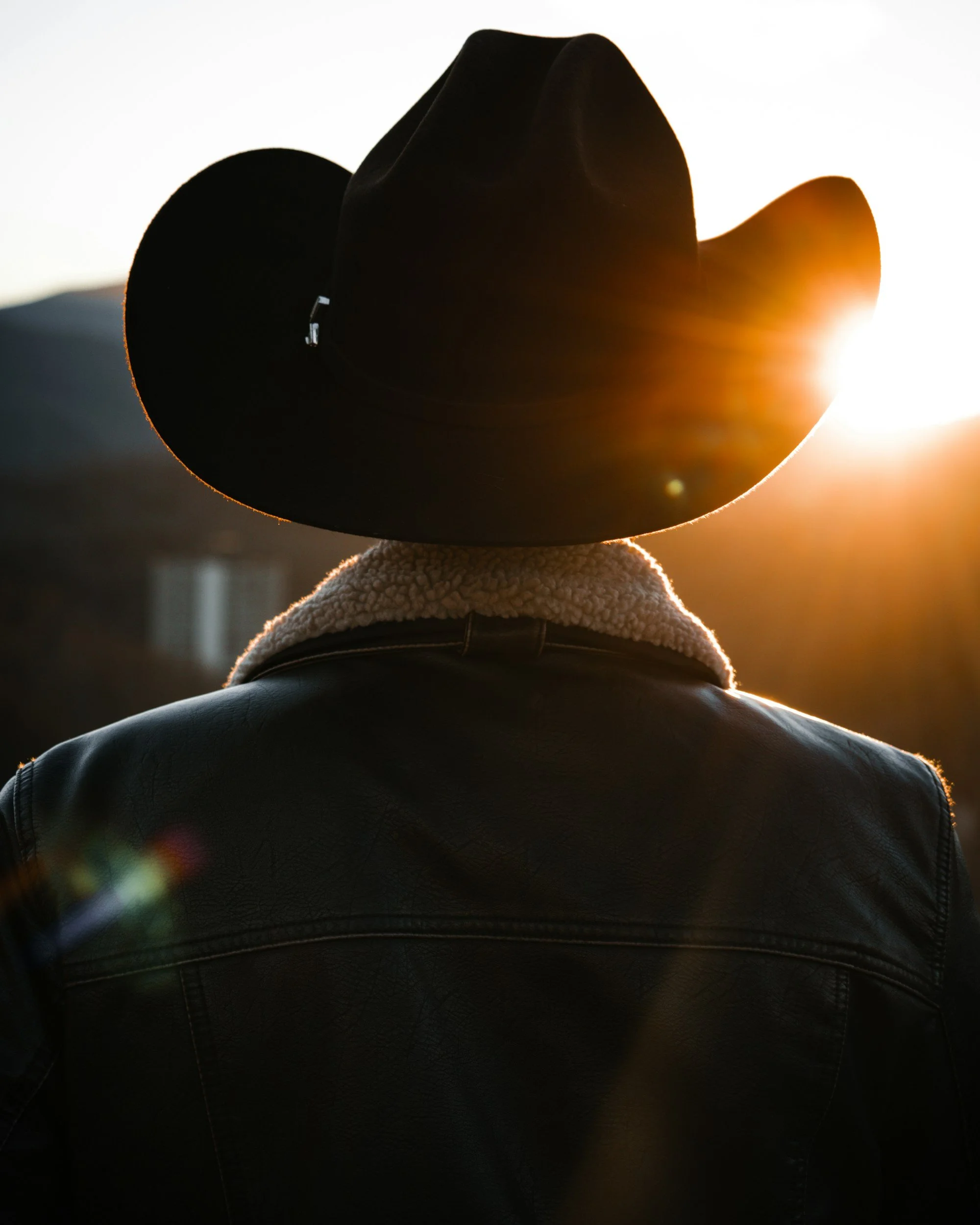
For Fall 2026, denim is taking on renewed character through relaxed bootcuts, vintage-inspired washes, exaggerated proportions, and unconventional construction. The traditional Western uniform is being reconsidered through modern silhouettes and styling that borrows from streetwear, luxury fashion, and vintage culture. Rather than committing to a head-to-toe cowboy look, consumers are incorporating individual references into existing wardrobes.
The shift is particularly evident in the return of the bootcut. Once closely associated with traditional Western dressing and early 2000s fashion, the silhouette is finding new relevance alongside wider-leg and more relaxed denim. Twisted seams, worn finishes, and deeper indigo washes are also giving familiar jeans a distinct point of view. Denim is no longer simply a wardrobe basic; its fit, fabrication, and history have become part of the styling conversation.
Accessories are equally important to the renewed aesthetic. Distressed leather cowboy boots, oversized silver belt buckles, suede outerwear, and vintage Western shirts provide recognizable references without requiring an entirely new wardrobe. The appeal lies in the contrast: traditional Western details paired with contemporary proportions, understated layering, and pieces that already have a place in everyday dressing.
There is also a sustainability conversation worth considering. Western-inspired dressing naturally lends itself to vintage and secondhand shopping, particularly when denim and leather goods are involved. Rather than purchasing an entirely new look to participate in a trend, consumers can reconsider existing garments, explore resale, and invest in pieces designed to develop character over time. A faded pair of jeans or a well-worn leather belt can offer more individuality than something manufactured to look vintage from the outset.
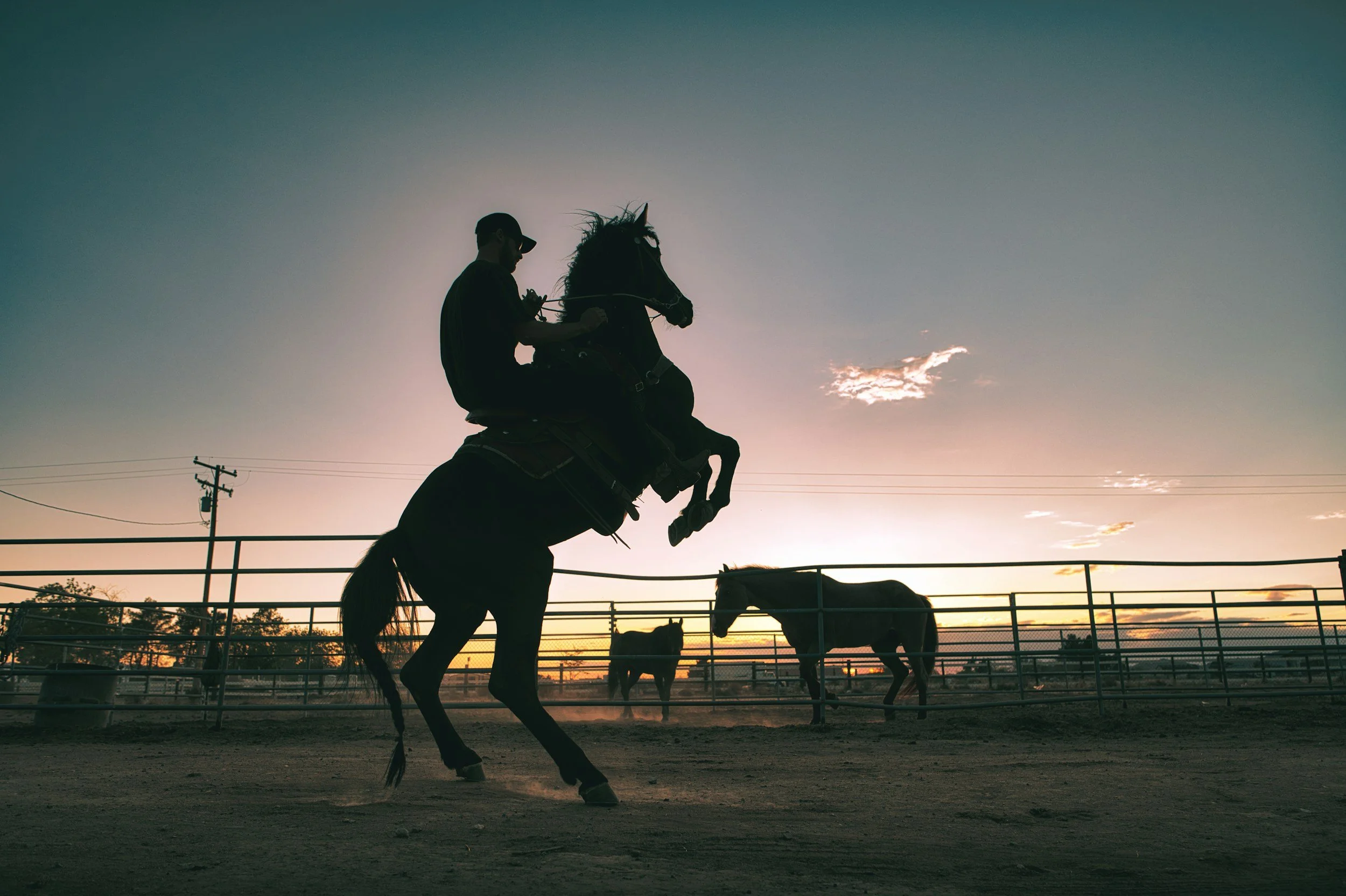
This relationship between personal expression and more considered consumption is particularly relevant to the evolving menswear landscape. As fashion continues to revisit archival references, the distinction between trend participation and individual style becomes increasingly important. The most compelling wardrobes are not necessarily built around the latest release but through the thoughtful combination of pieces with different histories.
Cowboy-core may have found another moment in fashion, but its staying power will depend on how consumers interpret it beyond the initial appeal. Silver Lake, with its intersection of creative culture, vintage sensibilities, and individual expression, provides an appropriate backdrop for that conversation.
Ultimately, the new Western is less about dressing like a cowboy and more about understanding the influence of a cultural reference. Denim, leather, and heritage details remain familiar, but the way they are worn continues to evolve. The frontier, it seems, has always been open to interpretation.
HOW DO YOU FEEL ABOUT FASHION?
COMMENT OR TAKE OUR PAGE READER SURVEY
Featured
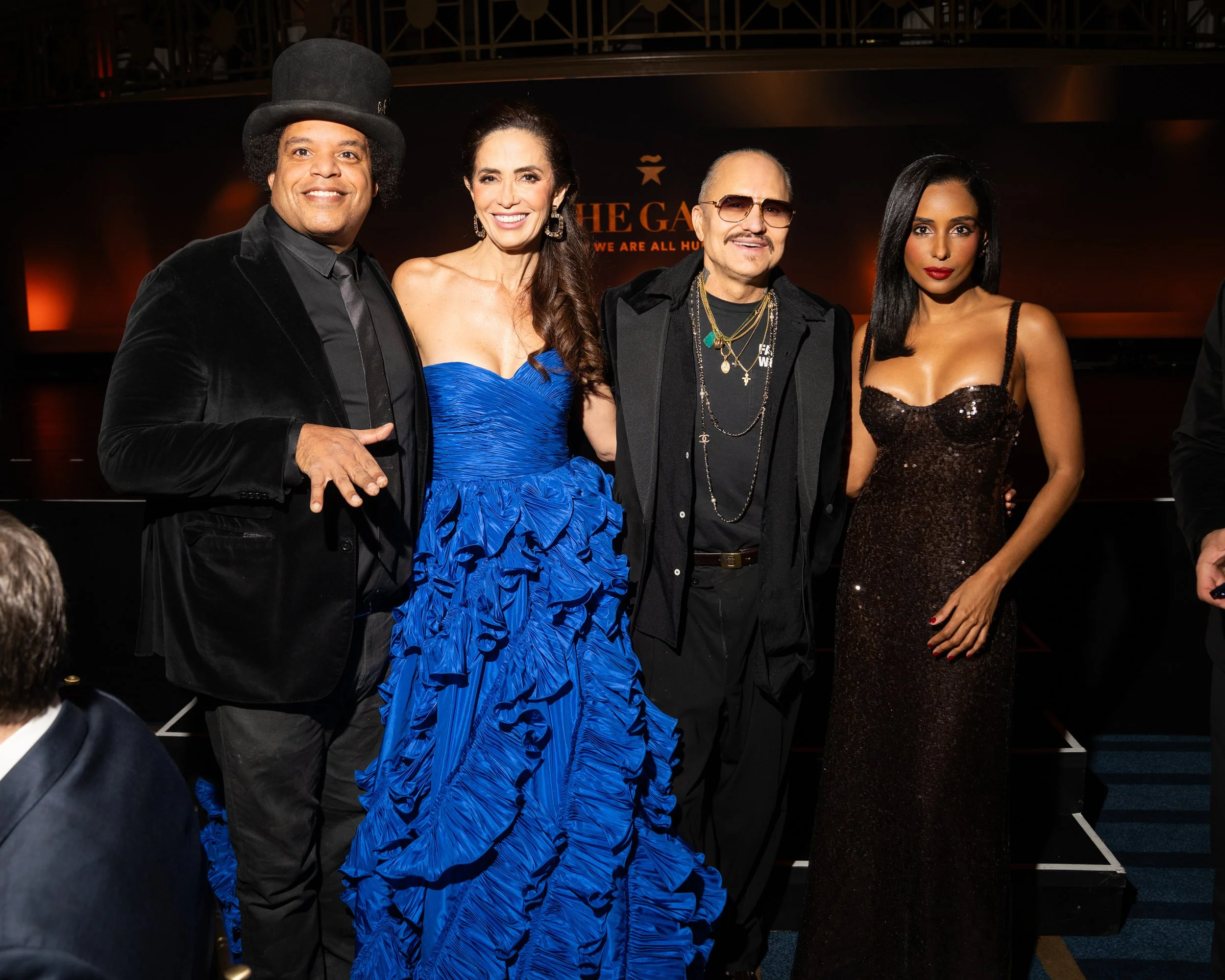
Rishabh Manocha's Manocha Bespoke brings Savile Row craftsmanship into contemporary fashion through personalized tailoring, considered construction and a renewed appreciation for garments designed around the individual.