
The Warm Ginger Tea Ritual for a Late Period: What It Can and Can't Do
PAGE
By PAGE Editor
There is a particular kind of waiting that anyone with a cycle knows well. You check the calendar app. You count backward. You wonder if that stressful work week, the red-eye flight or the new running plan threw things off. And somewhere around day four of "any minute now," you start scrolling for something, anything, you can do besides wait.
For a lot of women, that something is a mug of ginger tea. It's cheap, it's warm, it smells like a good bakery, and it has a long history in kitchens from Kerala to Kyoto. It deserves a place in your self-care routine. It also deserves an honest conversation about what it can and can't do.
Why ginger keeps showing up in period talk
Ginger has been part of Ayurvedic and traditional Chinese practice for centuries, and in both systems it's considered a warming herb that gets things moving. The modern story centers on gingerol, the compound behind ginger's bite. Gingerol has anti-inflammatory and antispasmodic effects, which is why ginger turns up so often in conversations about cramps and bloating.
Traditional practitioners also credit ginger with boosting circulation to the pelvis and encouraging the uterus to contract, which is where the idea of using it for a late period comes from. Some women swear their period arrived within a day or two of a strong cup. Others notice nothing. Honestly, both experiences are common, and the research on ginger as a period starter is far thinner than the research on ginger for cramps. Think of it as a gentle nudge with a lot of tradition behind it, not a switch you can flip.
There's also the stress piece. A late period is very often a stress period. Cortisol can interfere with the hormones that run your cycle, and while no tea can fix a brutal month, a quiet ritual that makes you sit down for fifteen minutes is not nothing.
How to make a cup that's actually worth drinking
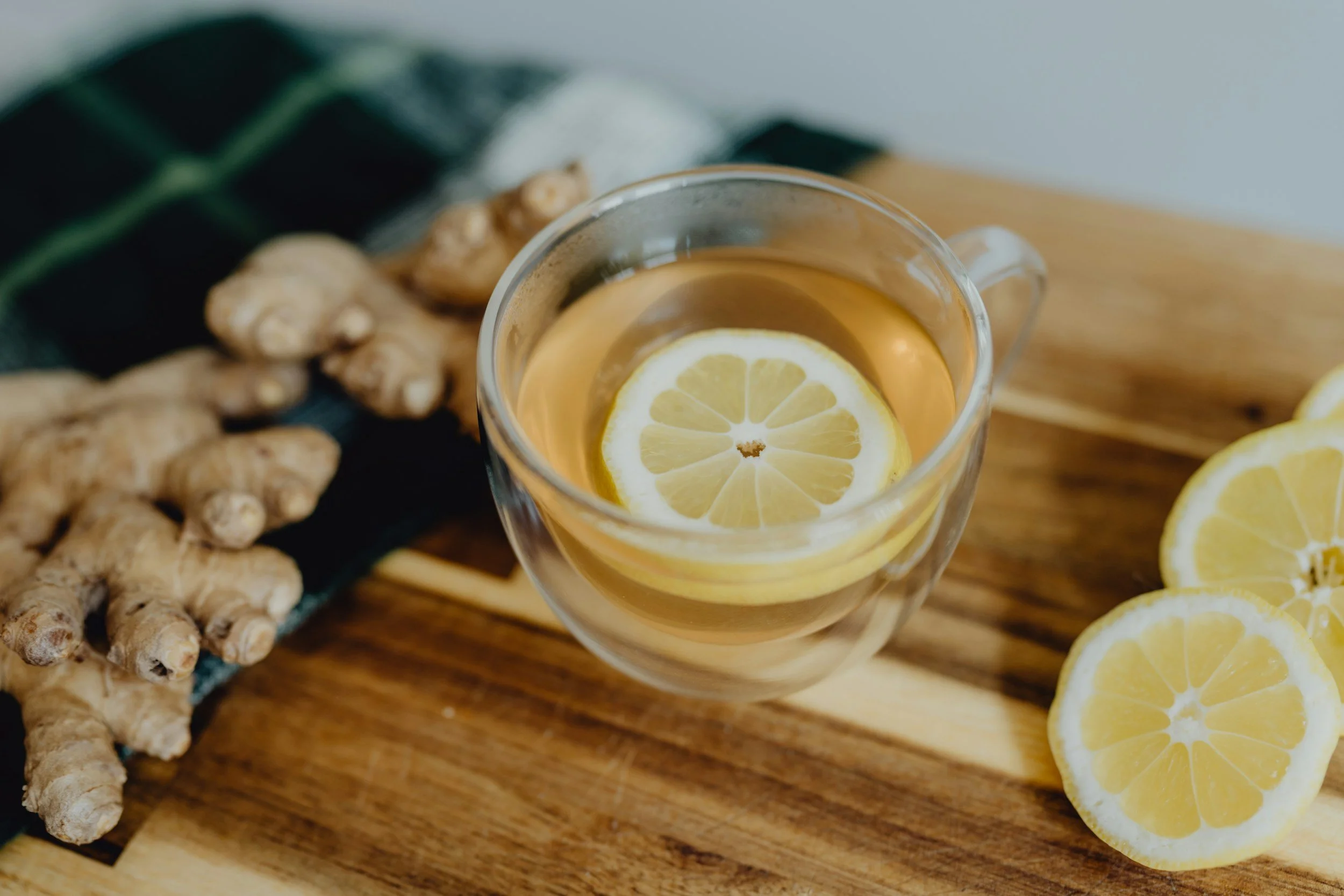
Skip the dusty teabag at the back of the pantry. The version most traditional sources recommend starts with fresh root, and it tastes completely different: brighter, spicier, almost citrusy. If you want a detailed walkthrough of the classic method, this guide to ginger tea to get periods covers the recipe, timing and precautions in plain language.
The basics are simple. Take a one- to two-inch piece of fresh ginger, peel it with the edge of a spoon, and slice it thin. More surface area means more flavor. Bring two cups of water to a boil, drop in the slices, turn the heat down and let it simmer for 10 to 15 minutes. A quick steep in hot water won't pull out much; the simmer is where the gingerol comes out. Strain it into your favorite mug and finish with a little honey, a squeeze of lemon or a pinch of cinnamon if you like.
Make it fresh each time. Reheated ginger tea from yesterday tastes flat, and most traditional advice says it loses some of its punch.
Turning it into a ritual, not a chore
The tea is half of it. The other half is the ten minutes you give yourself while it simmers. A few ways to make that time feel like yours:
Brew your first cup in the morning, when ginger's warmth feels most welcome, and drink it before the inbox opens.
Keep the second cup for mid-afternoon rather than bedtime, since ginger can feel a little stimulating for some people.
Pair the cup with something slow: a hot water bottle on your lower belly, a short walk, a few pages of a novel.
Jot down how you feel each day in a notes app. Patterns over a few cycles tell you more than any single cup.
If your period is late, traditional advice is to drink one to two cups a day for a few days in a row rather than downing a huge pot all at once. Once your period starts, the same tea can be a comfort for cramps and bloating during those heavy first days. Afterward, you can take a break or keep a cup around simply because it's good for digestion.
What ginger tea can't do, and when to call your doctor
Here's the part the wellness corners of the internet tend to rush past. Ginger tea is a supportive ritual. It is not a treatment, and it won't fix whatever is behind a cycle that's been off for months.
Rule out pregnancy first. If there is any chance you could be pregnant, take a test before trying anything meant to bring on a period. If you are pregnant, trying to conceive or breastfeeding, talk to your doctor or midwife before using ginger this way. Ginger is often suggested for morning sickness, but using it specifically to stimulate the uterus is a different story.
A few other cautions are worth knowing. Ginger can trigger heartburn or upset an empty stomach, especially when brewed strong. It may affect blood clotting, so anyone on blood thinners such as warfarin or regular aspirin, or anyone with a bleeding disorder, should check with a doctor first. It may also lower blood sugar, which matters if you have diabetes or take glucose-lowering medication. Keep it to one or two cups a day. More won't speed anything up, and it raises the odds of an unhappy stomach.
Most important: see a doctor if your periods are consistently irregular, if you've missed three or more in a row, or if you notice very heavy bleeding, severe pain, sudden weight changes, unusual hair growth or acne flares. Conditions like PCOS, thyroid problems and nutritional deficiencies are common, treatable and easy to miss if you're only reaching for home remedies. A cup of tea can keep you company while you wait for an appointment. It shouldn't replace one.
A small, warm act of paying attention
Maybe the best thing about a ginger tea ritual has little to do with gingerol. It asks you to notice your body on purpose: to check in, track what's happening and give yourself something kind in a week that might feel anxious. That habit is useful whether your period shows up tomorrow or next week.
So brew it fresh, drink it slowly, keep your expectations realistic and keep your doctor in the loop. If your cycle is mostly on track and just a little moody this month, a spicy, honey-sweetened cup is a lovely way to wait it out.
HOW DO YOU FEEL ABOUT FASHION?
COMMENT OR TAKE OUR PAGE READER SURVEY
Featured




A slip on a wet floor at a packed concert, a rear-end crash on the drive to a weekend festival, or a fall on a broken stair outside a favorite boutique can happen on any ordinary day.